
Joe Tippens Protocol: Complete Guide to Fenbendazole Cancer Protocol
Complete Joe Tippens cancer protocol guide: fenbendazole dosing, supplements, latest research, safety data, and step-by-step implementation. Updated 2026.
 By Dr. Andrew Ellison, MD · July 27, 2026 · 32 min read
This article is for research and informational purposes only. It does not constitute medical advice. Do not self-prescribe. Always consult a qualified healthcare provider before using any supplement, especially alongside cancer treatment.
Table of Contents
- What Is Fenbendazole?
- What Is the Original Joe Tippens Protocol?
- What Are the Maintenance Protocols After the Initial Cycle?
- What Does the Science Say About Each Protocol Supplement?
- What Are the Possible Side Effects and Contraindications?
- Can Fenbendazole Be Combined with Chemotherapy?
- How Much Fenbendazole Is Safe to Take?
- Latest Research Updates (2025–2026)
- Step-by-Step Implementation Checklist
- Frequently Asked Questions (FAQ)
- What Clinical Evidence Exists for the Joe Tippens Protocol?
- Key Takeaways
- What People Report Online: The Joe Tippens Protocol
- References
Fenbendazole gained broad public attention after Joe Tippens shared his personal cancer experience, which quickly spread across online health communities. What began as one man's story has since become one of the most widely discussed alternative supplement protocols on the internet.
This article provides a comprehensive, structured overview of the Joe Tippens protocol — including its origins, the original regimen, later variations, maintenance schedules, detailed scientific rationale for each component, safety considerations, drug interactions, and answers to the most frequently asked questions. This content is for educational and documentation purposes only and does not constitute medical advice.
Who Is Joe Tippens?
In 2016, Joe Tippens was diagnosed with small cell lung cancer, one of the most aggressive forms of lung cancer with historically poor prognosis. Small cell lung cancer (SCLC) is characterized by rapid growth, early metastasis, and high mortality rates — even with aggressive conventional treatment.
Joe began standard-of-care therapy, which typically includes platinum-based chemotherapy (cisplatin or carboplatin) combined with etoposide, along with radiation therapy for localized disease. During treatment, he reportedly experienced severe complications involving his esophagus, which made continuation of the prescribed regimen extremely difficult.
The Turning Point
In early 2017, Joe described hearing about an unconventional idea through a veterinary connection — that fenbendazole, an antiparasitic drug commonly used in veterinary medicine, had been discussed by some people as part of a broader supplement routine. Intrigued and determined to explore all available options, Joe added fenbendazole to his regimen alongside several other supplements: vitamin E (tocotrienol form), curcumin with piperine, and CBD oil.
Over the following months, Joe reported significant changes in his scans. His oncologist noted tumor regression, and follow-up imaging showed no evidence of disease (NED). His story attracted widespread attention across online health communities, cancer forums, and social media platforms. The routine he described — fenbendazole combined with vitamin E, curcumin, and CBD oil — became what is now commonly called the "Joe Tippens Protocol."
Important Context: Joe's case is a single anecdotal report. He was also receiving conventional treatment during this period, making it impossible to attribute his outcome to fenbendazole alone. His story does not constitute clinical evidence, but it sparked significant public interest and has driven preclinical research into fenbendazole's mechanisms.
What Is Fenbendazole?
Fenbendazole is a benzimidazole antiparasitic originally developed for veterinary use. It is widely used to treat intestinal parasites in dogs, cats, horses, and livestock. It is sold under brand names like Panacur and Safe-Guard and has been in veterinary use since the 1970s.
Although fenbendazole is not approved for human use by the FDA, its chemical cousin mebendazole (which shares the same mechanism of action) is an FDA-approved human antiparasitic medication. Both belong to the benzimidazole family and work by disrupting microtubule formation in cells — a mechanism also exploited by certain chemotherapy drugs.
For a detailed overview of fenbendazole's veterinary applications and safety data, see: Fenbendazole's Uses in Veterinary Medicine.
Why Researchers Are Interested in Fenbendazole for Cancer
Preclinical research has identified several mechanisms through which fenbendazole may affect cancer cells in laboratory settings:
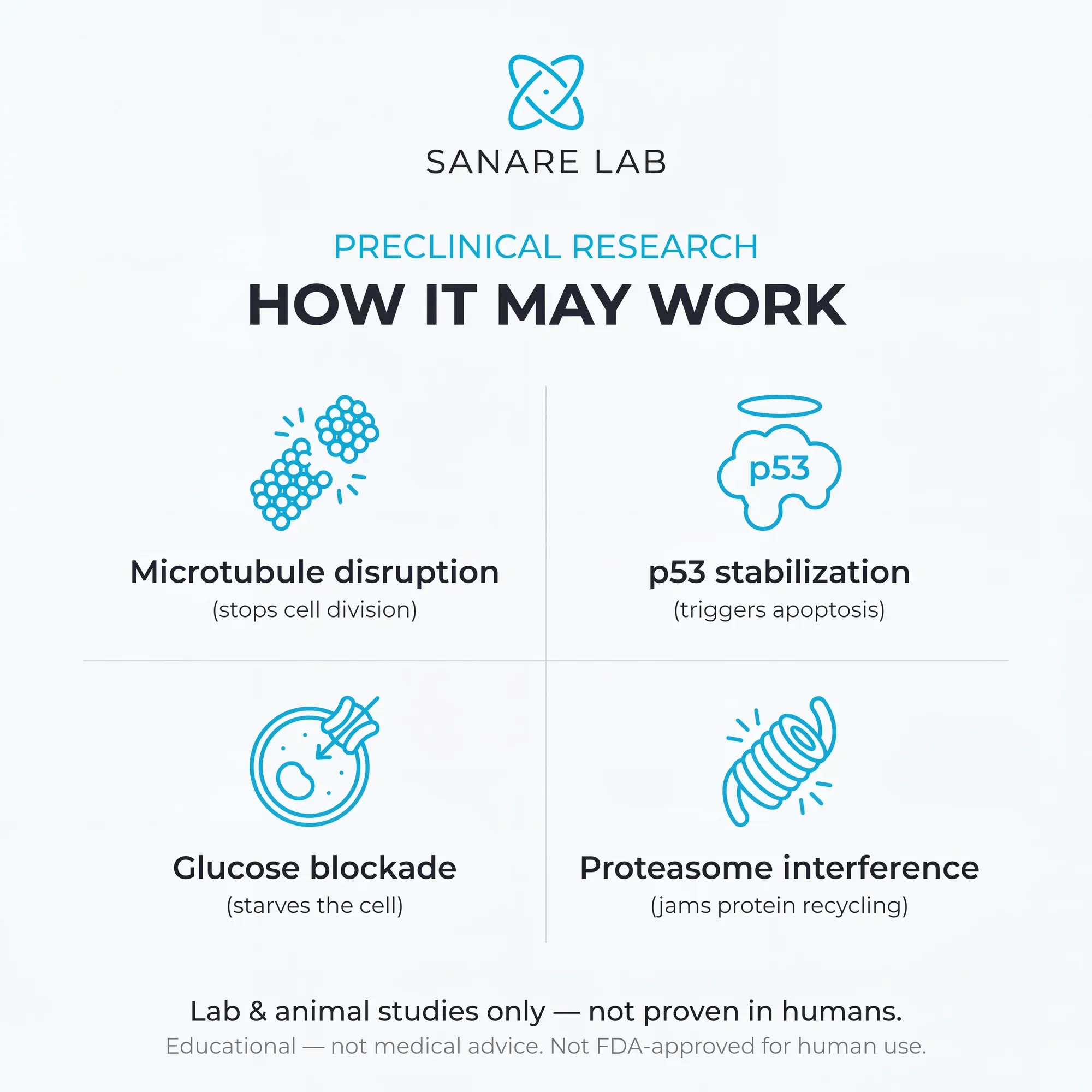
- Microtubule disruption: Fenbendazole interferes with tubulin polymerization, which is essential for cell division. This is the same mechanism targeted by established chemotherapy drugs like vincristine, vinblastine, and paclitaxel. By binding to β-tubulin, fenbendazole prevents proper microtubule assembly, leading to mitotic arrest and apoptosis (programmed cell death).
- p53 pathway stabilization: A 2018 study published in Scientific Reports (Nature) by Dogra, Kumar, and Mukhopadhyay found that fenbendazole stabilized the p53 tumor suppressor protein in human non-small cell lung cancer (NSCLC) cells, leading to apoptosis (PMC6098001). p53 is often called the "guardian of the genome" because it prevents cells with damaged DNA from dividing. Many cancers harbor p53 mutations; drugs that restore or stabilize p53 function are of significant interest.
- Inhibition of glucose uptake: The same 2018 study showed fenbendazole reduced glucose uptake by cancer cells by downregulating GLUT transporters (particularly GLUT4) and hexokinase II, effectively starving tumor cells of their primary energy source. Cancer cells are highly glycolytic (Warburg effect), making glucose dependency a therapeutic target.
- Proteasomal interference: Fenbendazole has shown activity against proteasome function, disrupting the protein recycling machinery that cancer cells depend on for rapid growth. This mechanism is similar to the FDA-approved myeloma drug bortezomib (Velcade).
- Induction of oxidative stress and ferroptosis: Recent research suggests fenbendazole may trigger ferroptosis — an iron-dependent form of non-apoptotic cell death characterized by lipid peroxidation. This pathway is particularly relevant in cancers resistant to apoptosis.
A 2020 review in Pharmacological Research further documented the anticancer potential of benzimidazole compounds, including fenbendazole, across multiple cancer cell lines (PMC7505114).
Important: These findings come from laboratory and animal studies. They do not constitute clinical proof of effectiveness in humans. No controlled clinical trials have yet validated fenbendazole as a cancer treatment in human patients.
What Is the Original Joe Tippens Protocol?
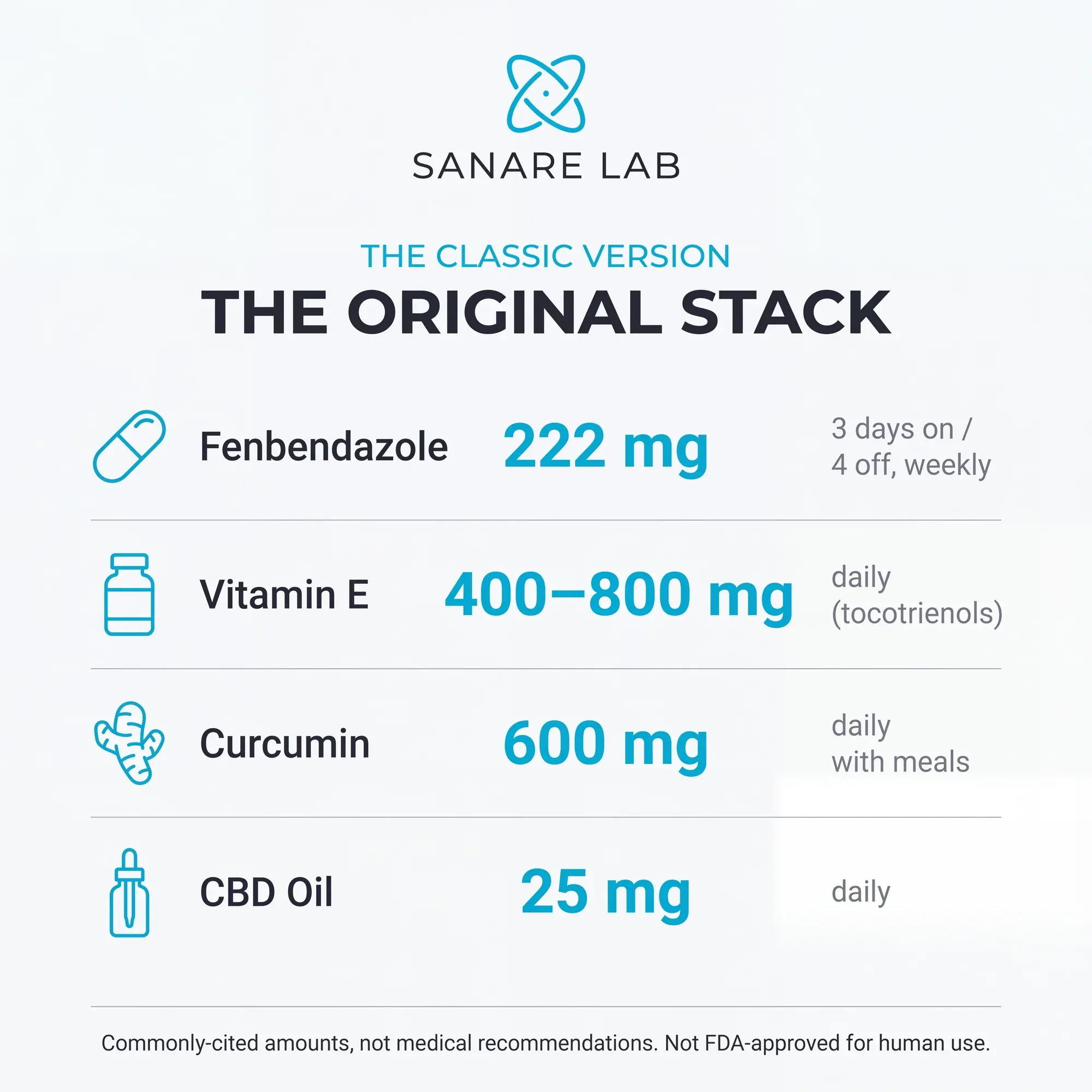
Below is the most commonly cited version of Joe Tippens' original protocol, as widely shared across online communities and health forums. Dosages are presented as they are frequently quoted — they are not medical recommendations.
⭐ Original Protocol (Classic Version)
Administration Notes: Learn more about ISOM Protocol.
- Fenbendazole is lipophilic (fat-soluble), meaning it is better absorbed when taken with a meal containing dietary fat. Common recommendations include taking it with yogurt, a spoonful of peanut butter, avocado, or a fatty meal.
- Granules reference: Approximately 1 g of Panacur/Safe-Guard granules is commonly cited as equivalent to 222 mg fenbendazole (10% concentration formulation). Always check product labeling.
- Liquid reference: If using a liquid suspension around 100 mg/mL, the commonly cited equivalent is 2.2 mL/day. Again, verify concentration on the product label.
- Capsule form: Many users now prefer pre-measured capsules (222 mg or 444 mg) for dosing accuracy and convenience.
✅ Updated Protocol (Later Variation)
Over time, variations of the protocol emerged. The following is a commonly cited "updated" version that some online communities attribute to later discussions around Joe's routine. Note that these variations were never formally validated:
Note: "Onco Adjunct" products are proprietary branded supplements. Their inclusion here is for documentation purposes only and does not constitute an endorsement.
What Are the Maintenance Protocols After the Initial Cycle?
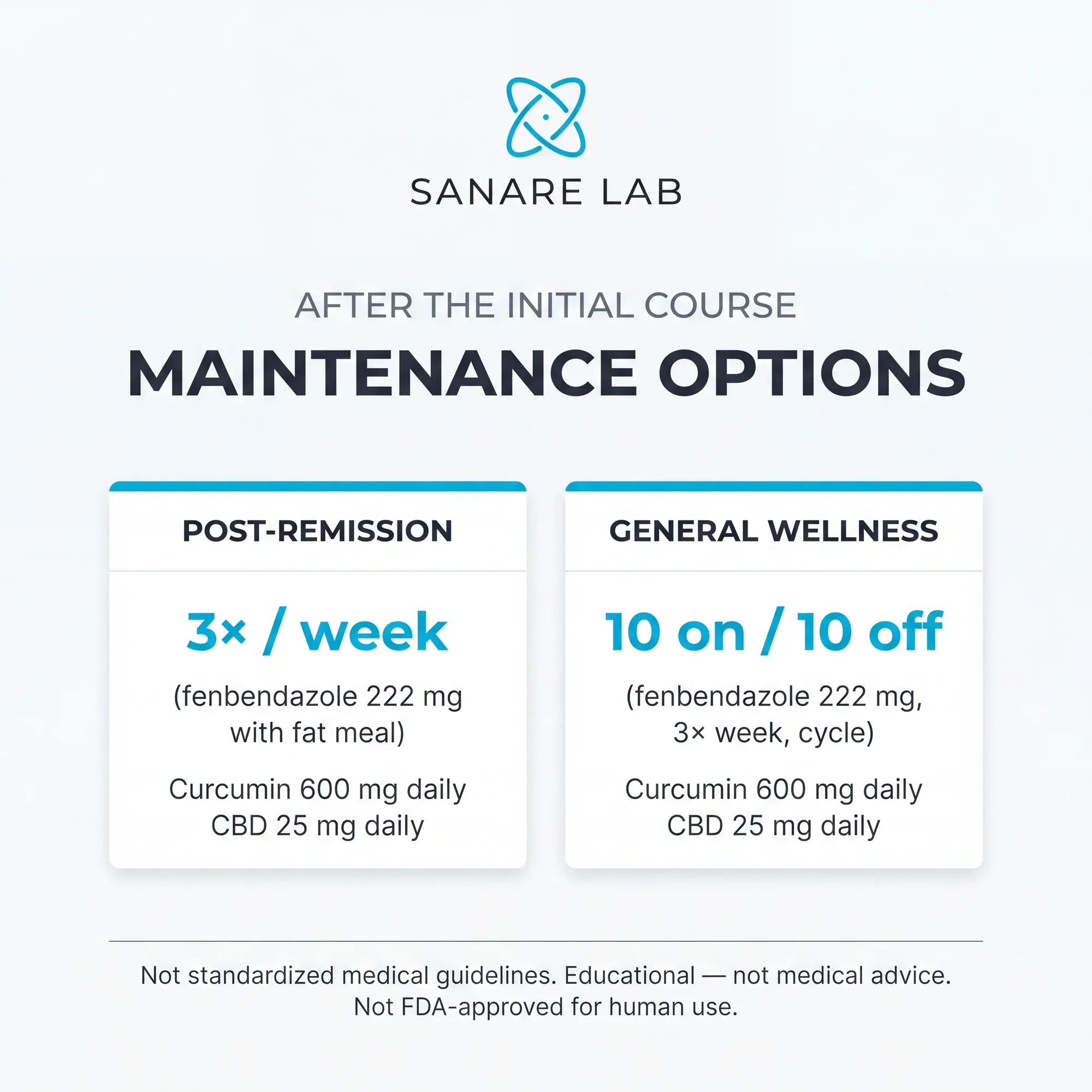
Some versions of the protocol are presented as long-term "maintenance" schedules for people who have completed an initial course or achieved remission. These frameworks are discussed extensively online but are not standardized medical guidelines.
Post-Remission Maintenance
General Wellness Maintenance
Supplements Referenced in the Protocol
The key components of the Joe Tippens protocol — pharmaceutical-grade, with full lab documentation.
180 capsules — 99% purity, laboratory tested
180 capsules — higher dose option
120 capsules — with Black Pepper for absorption
Disclaimer: For convenience only. Consult a licensed professional.
What Does the Science Say About Each Protocol Supplement?
The Joe Tippens protocol is not fenbendazole alone — it combines fenbendazole with three supporting supplements: vitamin E, curcumin, and CBD oil. Understanding the scientific rationale for each component helps explain why this particular combination was chosen.
Vitamin E (Tocotrienols and Tocopherols)
Vitamin E is a fat-soluble antioxidant that exists in eight chemical forms: four tocopherols (alpha, beta, gamma, delta) and four tocotrienols (alpha, beta, gamma, delta). The protocol specifically recommends tocotrienols, which have demonstrated stronger anticancer activity than tocopherols in preclinical research.
Mechanisms of Action in Cancer:
- Antioxidant activity: Tocotrienols neutralize reactive oxygen species (ROS), protecting healthy cells from oxidative damage while selectively inducing apoptosis in cancer cells through a pro-oxidant mechanism at higher concentrations.
- Anti-angiogenic effects: Tocotrienols inhibit vascular endothelial growth factor (VEGF), reducing the formation of new blood vessels that tumors need to grow beyond a certain size.
- Cell cycle arrest: Tocotrienols have been shown to arrest cancer cells at the G1 phase of the cell cycle, preventing proliferation.
- HMG-CoA reductase inhibition: Tocotrienols inhibit this enzyme (the same target as statin drugs), which cancer cells use to synthesize cholesterol and other mevalonate pathway products essential for growth.
- Synergy with chemotherapy: Preclinical studies have shown tocotrienols enhance the efficacy of chemotherapy drugs including doxorubicin, cisplatin, and tamoxifen.
Research Evidence:
- A 2010 study in Cancer Letters showed gamma-tocotrienol induced apoptosis in human colorectal cancer cells through mitochondrial-mediated pathways (PMID 20188459).
- A 2014 review in Pharmacological Research documented tocotrienols' anticancer activity across breast, prostate, lung, pancreatic, and gastric cancers (PMID 24556420).
Dosage in the Protocol: 400–800 mg daily. The protocol specifies tocotrienol-rich vitamin E, not standard alpha-tocopherol supplements. Sources include tocotrienols derived from rice bran, palm, or annatto.
Curcumin (from Turmeric)
Curcumin is the primary bioactive compound in turmeric (Curcuma longa), a spice used in traditional medicine for centuries. It has been extensively studied for its anti-inflammatory and anticancer properties.
Mechanisms of Action in Cancer:
- NF-κB pathway inhibition: Curcumin suppresses nuclear factor kappa B (NF-κB), a protein complex that controls inflammatory responses and is often chronically activated in cancer. By inhibiting NF-κB, curcumin reduces pro-inflammatory cytokine production (TNF-α, IL-6) that promotes tumor growth and metastasis.
- Apoptosis induction: Curcumin activates caspase enzymes, triggering programmed cell death in cancer cells while sparing normal cells.
- Cell cycle arrest: Curcumin arrests cancer cells at the G2/M phase, preventing cell division.
- Inhibition of angiogenesis: Curcumin downregulates VEGF, matrix metalloproteinases (MMPs), and other factors that enable tumor vascularization.
- Metastasis suppression: Curcumin inhibits epithelial-mesenchymal transition (EMT), a process by which cancer cells acquire migratory and invasive properties.
- Inhibition of cancer stem cells: Curcumin targets cancer stem cell populations, which are responsible for treatment resistance and relapse.
- Synergy with chemotherapy: Curcumin has been shown to enhance chemotherapy efficacy while reducing toxicity in preclinical and clinical studies.
Research Evidence:
- A 2019 review in Nutrients summarized over 120 clinical trials evaluating curcumin in cancer, documenting its safety and potential as an adjunct to conventional therapy (PMC6471535).
- A 2020 study in Cancers demonstrated curcumin's ability to overcome multidrug resistance (MDR) in cancer cells by inhibiting P-glycoprotein efflux pumps (PMC7280986).
Bioavailability Challenge: Curcumin has notoriously poor bioavailability due to rapid metabolism and poor absorption. The protocol specifies curcumin with piperine (black pepper extract), which inhibits curcumin's metabolism and increases bioavailability by up to 2000%.
Dosage in the Protocol: 600 mg daily (typically two 300 mg tablets with meals). For more details, see our guide on Care Oncology Protocol (COC). Formulations with enhanced bioavailability (piperine, liposomal, or nanoparticle curcumin) are preferred.
CBD Oil (Cannabidiol)
Cannabidiol (CBD) is a non-psychoactive cannabinoid derived from hemp or cannabis plants. Unlike THC (tetrahydrocannabinol), CBD does not produce a "high" and is legal in many jurisdictions when derived from hemp containing <0.3% THC.
Mechanisms of Action in Cancer:
- CB1 and CB2 receptor modulation: CBD interacts with cannabinoid receptors (part of the endocannabinoid system), which regulate cell proliferation, apoptosis, and immune function. CBD induces apoptosis in cancer cells while sparing healthy cells.
- TRPV1 activation: CBD activates transient receptor potential vanilloid 1 (TRPV1) channels, which trigger calcium influx and apoptosis in cancer cells.
- ROS production and ER stress: CBD generates reactive oxygen species and induces endoplasmic reticulum (ER) stress, triggering cancer cell death.
- Inhibition of invasion and metastasis: CBD downregulates ID-1 gene expression, which is associated with cancer cell migration and metastasis, particularly in breast and brain cancers.
- Anti-angiogenic effects: CBD inhibits VEGF signaling, reducing tumor blood vessel formation.
- Immune system modulation: CBD enhances T-cell function and promotes anti-tumor immune responses.
- Pain and symptom management: Beyond anticancer mechanisms, CBD provides documented benefits for cancer-related pain, nausea, anxiety, and sleep disturbances.
Research Evidence:
- A 2019 review in Cancers documented CBD's anticancer activity across glioblastoma, breast, prostate, colorectal, and lung cancers (PMC6387667).
- A 2020 preclinical study in Oncotarget showed CBD combined with chemotherapy significantly reduced tumor growth and prolonged survival in pancreatic cancer models (PMC7041470).
Dosage in the Protocol: 25 mg daily. Some protocols suggest higher doses (50–100 mg/day or more), but 25 mg is the baseline recommended in the original Joe Tippens protocol. Full-spectrum or broad-spectrum CBD oil is preferred over isolates due to the "entourage effect" — synergy between multiple cannabinoids and terpenes.
What Are the Possible Side Effects and Contraindications?
While fenbendazole has a wide safety margin in animal studies, and the supporting supplements (vitamin E, curcumin, CBD) are generally well-tolerated, potential side effects and contraindications must be considered — especially given that this protocol is often used without medical supervision.
Fenbendazole: Reported Side Effects
Common (mild to moderate):
- Gastrointestinal disturbances: Nausea, diarrhea, abdominal discomfort, gas. These are the most frequently reported side effects in online user communities. Taking fenbendazole with food (especially fatty food) often reduces GI symptoms.
- Fatigue: Some users report mild fatigue or "brain fog" during initial use, which often resolves after the first few weeks.
- Headache: Occasionally reported, typically mild.
Serious (rare but documented):
- Hepatotoxicity (liver injury): The most serious documented risk. Case reports of drug-induced liver injury (DILI) associated with fenbendazole use exist in medical literature, including elevated ALT, AST, alkaline phosphatase, and bilirubin. Liver function tests (LFTs) should be monitored before starting fenbendazole and periodically during use (e.g., every 4–6 weeks). Any elevation >3× upper limit of normal (ULN) warrants stopping fenbendazole and consulting a physician.
- Bone marrow suppression: Neutropenia (low white blood cell count) has been reported in rare cases, particularly with prolonged high-dose use. Complete blood count (CBC) monitoring is recommended, especially for long-term users or those combining fenbendazole with chemotherapy.
- Allergic reactions: Rare reports of rash, itching, or hypersensitivity reactions.
Contraindications:
- Pregnancy and breastfeeding: Fenbendazole is teratogenic (causes birth defects) in animal studies. It should not be used during pregnancy or breastfeeding.
- Pre-existing liver disease: Patients with hepatitis, cirrhosis, or other liver conditions should exercise extreme caution or avoid fenbendazole entirely due to hepatotoxicity risk.
- Hypersensitivity to benzimidazoles: Individuals with known allergies to mebendazole, albendazole, or other benzimidazole drugs should avoid fenbendazole.
Vitamin E: Cautions
- Bleeding risk: High-dose vitamin E (>800 IU/day) may increase bleeding risk, particularly in individuals on anticoagulants (warfarin, heparin) or antiplatelet drugs (aspirin, clopidogrel). Monitor INR if on warfarin.
- Alpha-tocopherol concern: High-dose alpha-tocopherol supplementation (>400 IU/day) has been associated with increased all-cause mortality in some meta-analyses. The protocol specifies tocotrienols, which do not carry this risk.
Curcumin: Cautions
- Bleeding risk: Curcumin has antiplatelet effects and may increase bleeding risk, particularly at high doses (>1000 mg/day) or when combined with anticoagulants.
- GI upset: High doses may cause nausea, diarrhea, or reflux in sensitive individuals.
- Gallbladder issues: Curcumin stimulates bile production and may exacerbate gallstones or bile duct obstruction. Avoid in individuals with gallbladder disease.
CBD Oil: Cautions
- Drug interactions: CBD inhibits CYP450 enzymes (particularly CYP3A4, CYP2C19, CYP2D6), which metabolize many medications. This can increase plasma levels of drugs including chemotherapy agents, immunosuppressants, anticoagulants, and others. Always disclose CBD use to your oncologist.
- Drowsiness: CBD may cause sedation, particularly at higher doses. Avoid driving or operating machinery until you know how you respond.
- Liver enzyme elevation: High-dose CBD (>300 mg/day) can elevate liver enzymes. Monitor LFTs if using high doses.
- Drug testing: Full-spectrum CBD oil contains trace amounts of THC and may cause positive results on drug screens.
General Precautions:
- Always disclose all supplements and investigational compounds to your oncologist, especially if undergoing active cancer treatment.
- Do not use the Joe Tippens protocol as a substitute for conventional cancer treatment without professional guidance.
- Source supplements from reputable manufacturers with third-party testing (certificates of analysis) to ensure purity and accurate dosing.
- Monitor liver function (ALT, AST, bilirubin) and complete blood count (CBC) periodically during fenbendazole use.
Can Fenbendazole Be Combined with Chemotherapy?
One of the most urgent questions cancer patients ask is: "Can I use the Joe Tippens protocol while undergoing chemotherapy or radiation?" This is a complex question with limited clinical data, but important considerations exist.
Preclinical Evidence: Fenbendazole + Chemotherapy
The most directly relevant preclinical study comes from a 2013 paper published in Anticancer Research by Duan, Liu, and Rockwell from Yale University (PMC3580766). The researchers evaluated fenbendazole combined with docetaxel (Taxotere), a chemotherapy drug widely used in breast, lung, and prostate cancers, using the EMT6 mouse mammary tumor model.
Key Findings:
- Additive cytotoxicity — no antagonism: Isobologram analysis confirmed that FBZ and docetaxel produced additive effects. Critically, FBZ did not blunt or interfere with docetaxel's anticancer activity.
- No additional toxicity: In vivo, FBZ at 50 mg/kg/day caused no additional toxicity in mice — no weight loss, no behavioral changes, no measurable health impact beyond docetaxel alone.
- No synergy observed: The combination did not exceed additivity (no synergy). Both FBZ and docetaxel target microtubules but via opposite mechanisms (FBZ destabilizes, docetaxel stabilizes). When two agents hit the same pathway via different routes, they typically produce additive rather than synergistic outcomes.
Interpretation: This study suggests FBZ can be safely combined with docetaxel without reducing chemotherapy efficacy or adding toxicity — at least in preclinical models. However, this is one study, one chemotherapy drug, and one cancer type. Extrapolation to other chemotherapy regimens requires caution.
For a comprehensive analysis of FBZ-chemotherapy interactions, see: Fenbendazole and Chemotherapy: Can They Be Combined Safely?
Drug Metabolism Interactions (CYP450 Enzymes)
A critical concern when combining any supplements with chemotherapy is drug-drug interactions via the cytochrome P450 (CYP) enzyme system. For more details, see our guide on fenbendazole dosage guide. The liver uses CYP enzymes to metabolize most drugs; an agent that induces or inhibits these enzymes can alter chemotherapy drug levels, potentially reducing efficacy or increasing toxicity.
Fenbendazole: A 2023 study in Research in Veterinary Science (PMID 38141570) demonstrated that fenbendazole induced CYP1A enzymes in pig liver (19-fold increase in CYP1A1, 14-fold in CYP1A2). This raises theoretical concern for patients on CYP1A2-metabolized drugs, including:
- Erlotinib, gefitinib (EGFR inhibitors used in lung cancer)
- Some chemotherapy agents
CBD Oil: CBD inhibits CYP3A4, CYP2C19, CYP2D6 — the enzymes responsible for metabolizing many chemotherapy drugs. This can increase plasma levels of chemotherapy, amplifying both efficacy and toxicity. Always disclose CBD use to your oncologist so that drug levels can be monitored if warranted.
Curcumin: Curcumin inhibits CYP3A4 and P-glycoprotein (a drug efflux pump), which can increase chemotherapy drug levels. Some studies suggest this may enhance chemotherapy efficacy, but it also increases toxicity risk.
Clinical Reality: MD Anderson Data (2026)
The most systematic picture of real-world fenbendazole use alongside conventional cancer treatment comes from a 2026 ASCO abstract by Phan, Willis, and Hu from MD Anderson Cancer Center (JCO.2026.44.2_suppl.818). The retrospective review of 297,223 patients (2020–2024) found:
- 182 patients (0.06%) self-reported using fenbendazole alongside conventional treatment
- FBZ use was most common in patients with metastatic, prostate, and colorectal cancers
- Patients largely determined sourcing and dosing independently, without physician knowledge
- No systematic safety outcomes or efficacy data were reported
This abstract confirms that concurrent fenbendazole-chemotherapy use is not a theoretical scenario but an active clinical reality at one of the world's leading cancer centers — happening largely without physician knowledge. This underscores the urgent need for patient-physician disclosure.
✅ Practical Recommendations for Concurrent Use
1. Disclose to Your Oncologist
Full transparency is non-negotiable. Your oncologist cannot monitor for interactions, adjust dosing, or interpret unusual labs without knowing what supplements and investigational agents you are taking. If dismissiveness is a concern, seek an integrative oncology consultation.
2. Monitor Liver Function
Fenbendazole carries hepatotoxicity risk, and many chemotherapy agents are also hepatotoxic. Check baseline ALT, AST, alkaline phosphatase, and bilirubin before starting FBZ, then monitor at each chemotherapy cycle. Any elevation >3× ULN warrants stopping FBZ.
3. Monitor Blood Counts
Many chemotherapy regimens cause myelosuppression (low white blood cells, red blood cells, platelets). While FBZ has not been strongly associated with myelosuppression at standard doses, additive effects are theoretically possible. Maintain standard CBC monitoring with your oncologist.
4. Consider Timing Strategies
Some patients use fenbendazole:
- Before chemotherapy: 2–4 weeks prior to starting chemo (rationale: "prepare" tumor microenvironment)
- During chemotherapy: Concurrent use (highest interaction risk; requires close monitoring)
- After chemotherapy: Maintenance approach after completing active treatment (lowest interaction risk)
The after-chemotherapy maintenance approach carries the lowest drug-drug interaction risk and may be the most prudent choice for patients concerned about interactions.
5. For more details, see our guide on fenbendazole success stories. Drug Interaction Awareness
If you are on targeted therapies metabolized by CYP1A2 (erlotinib, gefitinib) or CYP3A4 substrates, disclose fenbendazole and CBD use so your oncologist can monitor drug levels if needed.
Bottom Line: The preclinical data suggest fenbendazole does not blunt chemotherapy efficacy (at least with docetaxel) and may be safely combined in principle. However, individual chemotherapy regimens, cancer types, and patient factors vary widely. Never combine fenbendazole with chemotherapy without oncologist knowledge and oversight.
How Much Fenbendazole Is Safe to Take?
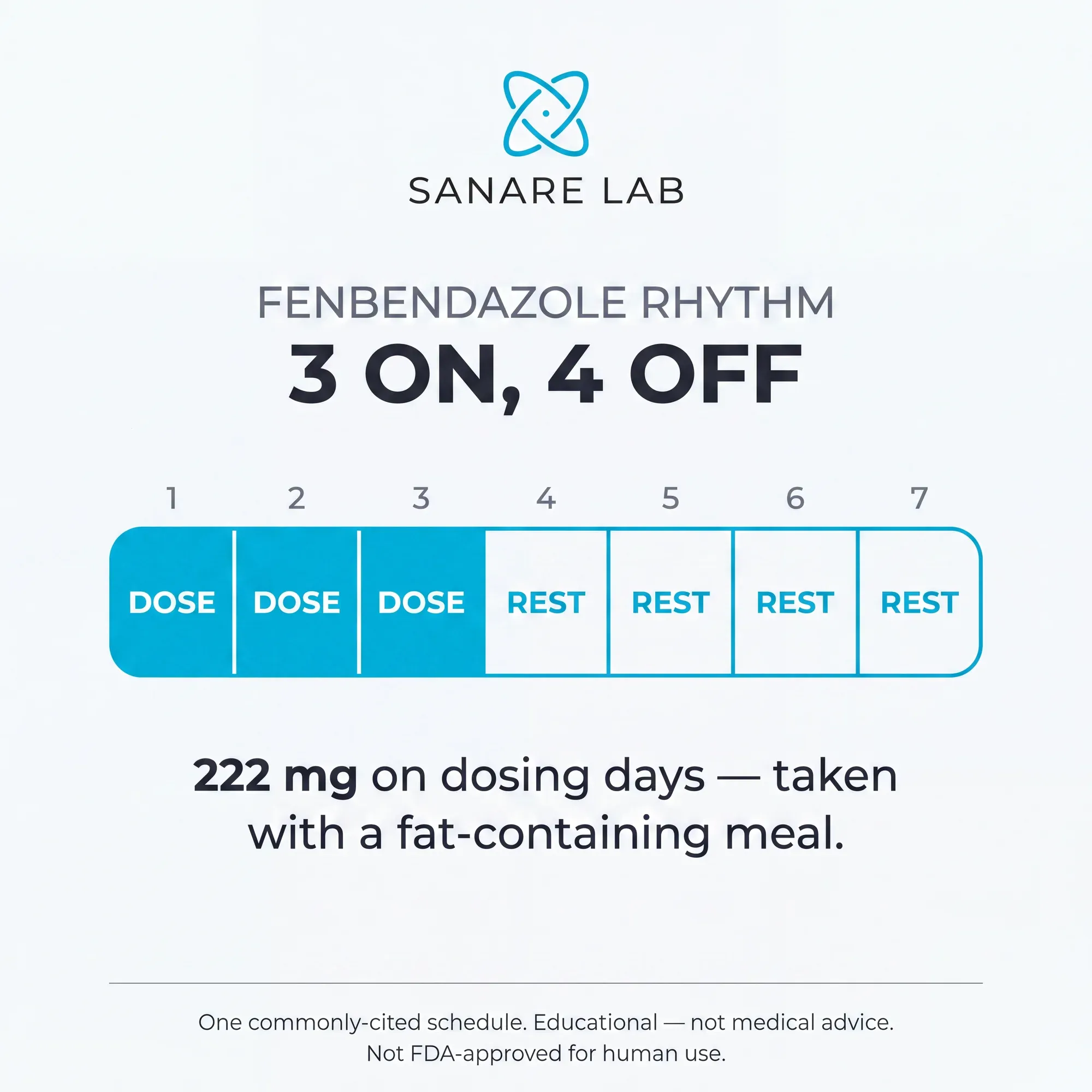
One of the most common questions surrounding the Joe Tippens protocol is about dosage safety. Since fenbendazole is not approved for human use, there are no established human dosing guidelines from regulatory agencies like the FDA.
Key Safety Points:
- Veterinary safety data: In animals, fenbendazole has a wide safety margin. Toxicity studies in dogs and rodents show that even doses 100× the therapeutic antiparasitic dose are tolerated without serious adverse effects. The LD50 (lethal dose for 50% of test animals) is extremely high, indicating low acute toxicity.
- Liver function monitoring: Some users report monitoring liver enzymes during fenbendazole use, as benzimidazoles are metabolized by the liver. Periodic blood work (ALT, AST, bilirubin) is commonly recommended in online discussions and by integrative oncology practitioners. Baseline LFTs before starting, then every 4–6 weeks during use, is a reasonable precautionary approach.
- Drug interactions: Fenbendazole may interact with other medications, particularly those metabolized by CYP450 enzymes (see previous section). Anyone taking prescription medications — especially chemotherapy, targeted therapy, anticoagulants, or immunosuppressants — should consult their doctor before adding fenbendazole.
- Quality and purity: Fenbendazole products vary widely in formulation, purity, and dosing accuracy. Some veterinary products contain additives or flavorings not suitable for human use. Sourcing from a tested, transparent supplier with certificates of analysis (CoA) is important. Products marketed for human use (though technically off-label) with third-party lab testing provide greater assurance of purity and dosing accuracy.
- Dosing accuracy: Veterinary granules and liquids require careful measurement and concentration calculations. Pre-measured capsules (222 mg, 444 mg) eliminate dosing errors and improve consistency.
For a detailed dosage breakdown and safety analysis, see: How Much Fenbendazole Is Too Much? A Safety-Focused Dosage Guide.
Does the Joe Tippens Protocol Include Ivermectin?
The original Joe Tippens protocol does not include ivermectin — it consists of fenbendazole, vitamin E, curcumin, and CBD oil. However, ivermectin is another antiparasitic drug that has attracted attention for potential anticancer properties, and some individuals have combined ivermectin with fenbendazole as part of broader metabolic protocols.
Key Differences:
- Fenbendazole primarily targets tubulin (microtubule disruption) and glucose metabolism (GLUT inhibition).
- Ivermectin primarily affects PAK1 signaling, WNT-TCF pathways, and may promote immunogenic cell death.
Because fenbendazole and ivermectin work through largely different mechanisms, some protocols — such as the ISOM Protocol — combine both as part of a broader metabolic strategy.
For a detailed comparison, see: Fenbendazole vs. Ivermectin: Safety, Strength, and Effectiveness.
Ivermectin is also being formally evaluated in clinical trials. A Phase I/II clinical trial (NCT05318469) at Cedars-Sinai is evaluating ivermectin combined with immunotherapy in metastatic breast cancer — indicating that the scientific community is taking antiparasitic drug repurposing seriously.
Latest Research Updates (2025–2026)
Interest in fenbendazole and related benzimidazoles continues to grow, but the evidence hierarchy remains important:
- Preclinical research continues to explore microtubule disruption, metabolic effects, and combination strategies across solid tumors.
- Human evidence is still dominated by case reports, observational interest, and community protocols rather than large randomized trials proving survival benefit.
- Safety literature increasingly highlights hepatotoxicity risk with high-dose or prolonged unsupervised use—reinforcing lab monitoring (liver safety guide).
- Quality control remains a practical issue: excipient-heavy veterinary products are a poor match for human experimental regimens (Panacur C dangers).
- Related metabolic frameworks such as the ISOM protocol and Care Oncology Protocol are sometimes discussed alongside Tippens-style approaches; they are not identical protocols.
For disease-specific context, see lung, breast, prostate, brain/GBM, and case report summaries.
Step-by-Step Implementation Checklist
Week 1 — Setup (do not skip)
- Oncology consultation and full medication review.
- Baseline labs: liver panel, CBC, basic metabolic panel.
- Source pharmaceutical-grade fenbendazole with COA (sourcing guide).
- Confirm supplement list: curcumin/piperine, vitamin E, CBD—check interactions.
- Start documented schedule (classic: 222 mg fenbendazole, 3 days on / 4 days off) only if clinician agrees.
- Begin symptom journal (energy, GI, urine color, pain, fever).
Weeks 2–4 — Monitoring
- Repeat labs (especially ALT/AST, bilirubin, CBC).
- Review side effects; hold and call clinician for red flags.
- Do not escalate to 444 mg without a defined reason and labs.
- Keep conventional therapy appointments; protocol is not a replacement.
Long-term adjustments
- Reassess every imaging cycle with the oncology team.
- Consider intermittent schedules if cumulative fatigue or enzyme drift appears.
- Re-evaluate product quality and storage.
- Avoid stacking extra antiparasitics without specialist input (mebendazole comparison, ivermectin protocols).
Protocol Components & Product Links
Educational convenience links only—not a prescription or cure claim:
Our free Protocol & Dosing Workspace turns the published per-kilogram figures from the Joe Tippens, ISOM (Makis) and Marik protocols into a personalized day-by-day schedule and a clinician-ready PDF you can bring to your doctor. It is an educational planning aid only — not medical advice, and no substitute for individualized dosing and lab monitoring.
Open the Dosing Calculator →What People Report Online: The Joe Tippens Protocol
Behind the laboratory papers sits a large, restless online conversation. On Reddit and patient forums, people following the Joe Tippens protocol — and the relatives caring for them — trade experiences with fenbendazole, usually following some version of the Joe Tippens protocol. To save you from digging through dozens of scattered threads, we have gathered the most relevant, on-topic discussions in one place, together with an honest guide to what these accounts can and cannot tell you.
How to read these reports
These are personal stories, not clinical evidence. They are uncontrolled, self-reported, and impossible to verify independently.
In almost every account, the person was also receiving standard treatment — chemotherapy, immunotherapy, radiotherapy, or surgery — at the same time as fenbendazole. When someone improves on two therapies at once, the result cannot be credited to fenbendazole alone; the conventional treatment is the far more likely explanation.
Encouraging stories are also shared far more often than disappointing ones, so online threads skew positive (survivorship and publication bias).
The useful way to read them is as questions worth raising with your oncologist — not as a protocol to copy on your own.
For a deeper, evidence-based look at how these accounts hold up — including the documented case reports and the peer-reviewed analyses behind them — see our detailed review of fenbendazole success stories and case reports.
Shop Sanare Lab
Lab-tested products referenced in the research above. Links are provided for convenience — always review the label and consult a professional before use.
Fenbendazole 222 mg
180 capsules — 99% purity, laboratory testedBuy Fenbendazole 222 →Fenbendazole 444 mg
180 capsules — higher-dose optionBuy Fenbendazole 444 →Curcumin Turmeric 360 mg
120 capsules — with Black Pepper for absorptionBuy Curcumin →
Disclaimer: Links are informational and for convenience. This site does not provide medical advice and does not endorse any specific vendor. Always verify product quality, labeling, and consult a licensed professional for health decisions.
Frequently Asked Questions
Is the Joe Tippens protocol FDA-approved for cancer treatment?
No. The Joe Tippens protocol is not FDA-approved for cancer treatment. Fenbendazole is approved only for veterinary use as an antiparasitic. While vitamin E, curcumin, and CBD are available as dietary supplements, none of the components in the protocol have been validated in controlled human clinical trials for cancer. The protocol is used off-label by individuals based on anecdotal reports and preclinical research.
Can I use the Joe Tippens protocol instead of chemotherapy or radiation?
No. The Joe Tippens protocol should not be used as a substitute for conventional cancer treatment without professional medical guidance. There are no clinical trials proving fenbendazole is effective as a standalone cancer treatment in humans. Delaying or forgoing proven treatments (surgery, chemotherapy, radiation, immunotherapy) can result in disease progression and worse outcomes. If you are considering integrating fenbendazole into your treatment plan, discuss it with your oncologist.
How long should I stay on the Joe Tippens protocol?
There is no standardized duration. Joe Tippens reported using the protocol continuously for months. Online communities discuss various approaches: some use it during active treatment, some as post-remission maintenance, and others cycle it (e.g., 10 weeks on, 10 weeks off). Duration should be individualized based on disease status, treatment plan, and medical supervision. Regular monitoring (scans, tumor markers, blood work) is essential.
What is the difference between fenbendazole 222 mg and 444 mg?
The difference is simply the dose per capsule. For more details, see our guide on ivermectin for humans. Fenbendazole 222 mg is the dosage referenced in Joe Tippens' original protocol (taken for 3 consecutive days, then 4 days off). Fenbendazole 444 mg is a higher-dose option — some users take it once daily continuously, or adjust frequency based on body weight. There is no clinical evidence establishing which dose is "better" — dosing remains empirical. For detailed guidance, see: Fenbendazole Dosage Guide.
Do I need to take fenbendazole with food?
Yes, it is strongly recommended. Fenbendazole is lipophilic (fat-soluble), meaning it is better absorbed when taken with dietary fat. Common recommendations include taking it with yogurt, peanut butter, avocado, olive oil, or a fatty meal. Taking fenbendazole on an empty stomach may result in poor absorption and reduced efficacy, as well as increased GI side effects.
Can I take fenbendazole if I am on chemotherapy or immunotherapy?
Possibly, but only with oncologist knowledge and supervision. Preclinical data suggest fenbendazole does not interfere with chemotherapy efficacy (at least with docetaxel) and may be safely combined. However, drug interactions (particularly via CYP450 enzymes) are a concern, especially with targeted therapies and immunotherapy. The 2026 MD Anderson study documented 182 patients using fenbendazole alongside conventional treatment, but without systematic monitoring. Full disclosure to your oncologist is non-negotiable. See: Fenbendazole and Chemotherapy: Can They Be Combined Safely?
What are the most common side effects of fenbendazole?
The most common side effects reported in online communities are mild gastrointestinal symptoms: nausea, diarrhea, abdominal discomfort, and gas. These often resolve after the first few weeks or can be reduced by taking fenbendazole with food. The most serious documented risk is hepatotoxicity (liver injury), which is rare but has been reported in case studies. Monitoring liver function tests (ALT, AST, bilirubin) is recommended, especially for long-term use.
Should I use veterinary fenbendazole or human-grade fenbendazole?
There is no "human-grade" fenbendazole approved by the FDA — all fenbendazole is technically veterinary. However, some suppliers offer fenbendazole products marketed for human use (off-label) with third-party lab testing, certificates of analysis (CoA), and pharmaceutical-grade manufacturing standards. These products provide greater assurance of purity, dosing accuracy, and absence of veterinary additives (flavorings, fillers). Veterinary granules and liquids can be used but require careful measurement and concentration calculations. Pre-measured capsules (222 mg, 444 mg) are more convenient and accurate.
Is fenbendazole the same as mebendazole?
No, but they are closely related. Both are benzimidazole antiparasitics with the same mechanism of action (microtubule disruption). Mebendazole is FDA-approved for human use as an antiparasitic, while fenbendazole is approved only for veterinary use. Both have demonstrated anticancer activity in preclinical studies. Some researchers and patients prefer mebendazole because it is a human-approved drug, but it is often more expensive and harder to source. For a detailed comparison, see: Fenbendazole vs. Mebendazole for Cancer.
Why does the protocol include vitamin E, curcumin, and CBD oil?
Each component has documented anticancer mechanisms in preclinical research: Vitamin E (tocotrienols): Anti-angiogenic, pro-apoptotic, HMG-CoA reductase inhibition, synergy with chemotherapy. Curcumin: NF-κB inhibition, apoptosis induction, anti-inflammatory, metastasis suppression, chemosensitization. CBD oil: Cannabinoid receptor modulation, apoptosis induction, anti-angiogenic, immune modulation, symptom management. The rationale is that combining fenbendazole with these supplements creates multi-pathway pressure on cancer cells, targeting proliferation, metabolism, inflammation, and angiogenesis simultaneously. However, this combination has not been validated in clinical trials.
Can I add ivermectin to the Joe Tippens protocol?
The original Joe Tippens protocol does not include ivermectin. However, some individuals and protocols (such as the ISOM Protocol) combine fenbendazole and ivermectin because they work through different mechanisms and may complement each other. Ivermectin targets PAK1 signaling and WNT pathways, while fenbendazole targets tubulin and glucose metabolism. If considering this combination, medical supervision is strongly recommended due to potential drug interactions and additive toxicity risks. See: Fenbendazole vs. Ivermectin.
How do I know if the protocol is working?
The only reliable way to assess whether any cancer treatment or protocol is working is through objective medical testing: Imaging: CT scans, PET scans, MRI showing tumor size reduction or stability (RECIST criteria) Tumor markers: Blood tests for cancer-specific markers (PSA for prostate, CA 19-9 for pancreatic, CEA for colorectal, etc.) Biopsy: Tissue analysis showing reduced tumor cellularity or necrosis Subjective improvements (feeling better, more energy) are encouraging but not sufficient to determine treatment efficacy. Regular monitoring with your oncologist is essential.
Is there any clinical trial data on fenbendazole for cancer?
As of July 2026, there are no completed, peer-reviewed clinical trials evaluating fenbendazole as a cancer treatment in humans. The evidence base consists of: Preclinical studies (cell lines and animal models) showing anti-tumor activity Anecdotal reports and personal testimonials Mechanistic plausibility based on known biological activity Related research is progressing: a Phase I/II trial (NCT05318469) is evaluating ivermectin (a related antiparasitic) combined with immunotherapy in metastatic breast cancer. If successful, this could pave the way for formal fenbendazole trials.
Where can I buy fenbendazole and the other protocol components?
Fenbendazole is available from veterinary suppliers (Panacur, Safe-Guard) and from companies that market fenbendazole for human use (off-label) with third-party lab testing. Vitamin E (tocotrienols), curcumin, and CBD oil are available from supplement retailers. When sourcing any component: Look for third-party lab testing (certificates of analysis) Verify dosing accuracy and purity Choose reputable manufacturers with transparent sourcing For CBD, choose full-spectrum or broad-spectrum products with <0.3% THC (legal in most jurisdictions) Links to lab-tested products are provided in this article for convenience, but always verify quality independently.
Can fenbendazole cure cancer?
There is no clinical evidence that fenbendazole cures cancer in humans. Joe Tippens' case is a single anecdotal report, and he was also receiving conventional treatment. Other anecdotal reports exist, but they lack controls, randomization, and peer review. Preclinical studies show fenbendazole has anticancer activity in laboratory models, but laboratory efficacy does not always translate to human clinical benefit. Do not rely on fenbendazole as a sole treatment for cancer. It may be considered as part of an integrative approach under medical supervision, but proven treatments (surgery, chemotherapy, radiation, immunotherapy) should not be delayed or foregone.
How long should I follow the Joe Tippens protocol?
There is no validated duration. Some people use it for months with imaging and lab follow-up; others cycle. Duration must be individualized with a clinician based on disease status and tolerability.
Can I modify the supplements?
People often modify CBD, curcumin, or vitamin E due to cost, access, or interactions. Modifications change the protocol. Discuss blood thinners, surgery, and drug interactions before changing components.
What results should I expect?
No guaranteed response. Anecdotes range from no change to dramatic stories; anecdotes are not proof. Track objective measures (imaging, markers) with your oncology team.
Is it safe with chemotherapy?
Possibly in selected cases under oncologist supervision, but not automatically safe. Overlapping toxicities and unknown interactions require specialist approval. See fenbendazole and chemotherapy.
Can I take fenbendazole daily instead of 3-on/4-off?
Some protocols discuss daily dosing; the original Tippens story used intermittent fenbendazole. Changing schedule changes exposure—monitor labs.
Should I use 222 mg or 444 mg?
222 mg is the classic discussion dose. 444 mg is sometimes used but increases risk. Escalation should not be automatic.
Can I add ivermectin or mebendazole?
Community stacking is common but not validated. Adding agents increases uncertainty. See fenbendazole vs mebendazole and ivermectin protocol pages.
Do I need pharmaceutical-grade fenbendazole?
Yes if any experimental use is considered—avoid high-excipient veterinary powders when possible. See where to buy and Panacur C dangers.
What monitoring schedule is reasonable?
Baseline labs, repeat in 2–4 weeks, then periodic monitoring; urgent labs for red-flag symptoms. Imaging per oncology plan.
Is the protocol a cure?
No. It is an experimental, off-label, community-origin protocol—not a proven cure or standard of care.
What Clinical Evidence Exists for the Joe Tippens Protocol?
It is critical to state clearly and unequivocally: there are no completed, peer-reviewed clinical trials that have validated the Joe Tippens protocol or fenbendazole as a cancer treatment in humans. The evidence base consists of:
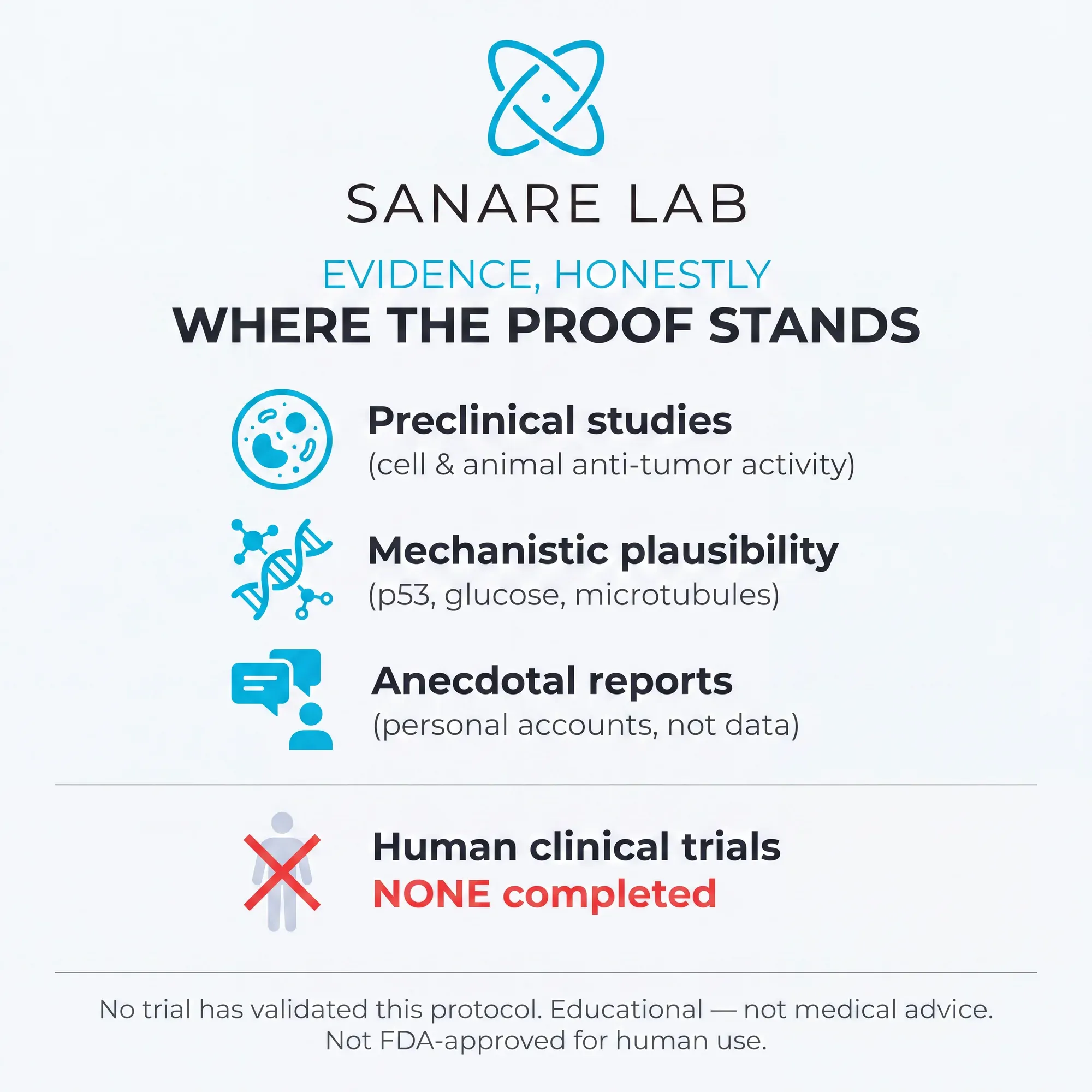
- Preclinical studies: Laboratory research using cancer cell lines and animal models has demonstrated fenbendazole's anticancer activity across multiple cancer types, including lung, colorectal, glioblastoma, lymphoma, and others. These studies document mechanisms (microtubule disruption, p53 stabilization, glucose uptake inhibition, proteasome interference) and dose-response relationships. However, laboratory efficacy does not always translate to human clinical benefit.
- Anecdotal reports: Joe Tippens' personal testimony is the foundational anecdotal report. A 2025 case series published in Case Reports in Oncology by Makis, Baghli, and Martinez (PMC12215191) documented three stage IV cancer patients who achieved remission using fenbendazole. However, this paper was subsequently retracted (Case Rep Oncol. 2026 Jan 21;19(1):169). The retraction does not necessarily indicate fabricated data — case report retractions often involve methodological or consent issues — but it means results must be interpreted with substantial caution. Numerous other testimonials exist across online forums, social media, and patient networks, but these lack independent verification, control groups, and standardized outcome measures.
- Mechanistic plausibility: Fenbendazole's known biological activity (tubulin binding, p53 stabilization, GLUT inhibition) provides a scientifically sound rationale for anticancer effects. The mechanisms are well-characterized and align with established cancer biology. However, mechanistic plausibility alone is not proof of clinical efficacy.
Meanwhile, related research is progressing. A Phase I/II clinical trial (NCT05318469) at Cedars-Sinai Medical Center is evaluating ivermectin (another antiparasitic drug) combined with pembrolizumab (Keytruda) immunotherapy in metastatic triple-negative breast cancer. This trial represents formal academic validation that antiparasitic drug repurposing deserves rigorous scientific evaluation. If ivermectin shows clinical benefit, it could pave the way for formal fenbendazole trials.
Additionally, real-world customer experiences with fenbendazole and ivermectin can be found on our Customer Notes & Experiences page. These are personal accounts, not clinical evidence, but they document the lived experiences of individuals using these compounds.
The Evidence Gap:
The gap between preclinical promise and clinical proof is the central challenge with fenbendazole and the Joe Tippens protocol. Designing and funding clinical trials for repurposed veterinary drugs is difficult because:
- Fenbendazole is off-patent, offering no commercial incentive for pharmaceutical companies
- Regulatory pathways for repurposed veterinary drugs in oncology are unclear
- Academic funding for such trials is limited
- Patient self-administration makes controlled trials logistically challenging
Until controlled clinical trials are completed, fenbendazole's role in cancer care remains investigational and should only be considered under medical supervision as part of an integrative approach — never as a substitute for proven treatment.
Key Takeaways
- ✅ The Joe Tippens protocol originated from one man's personal experience with fenbendazole during small cell lung cancer treatment in 2016–2017. His story went viral and sparked global interest.
- The original protocol combines fenbendazole (222 mg, 3 days on / 4 days off) with vitamin E (400–800 mg tocotrienols), curcumin (600 mg with piperine), and CBD oil (25 mg daily).
- Preclinical research supports fenbendazole's anticancer mechanisms: microtubule disruption, p53 stabilization, glucose uptake inhibition, proteasome interference, and ferroptosis induction. Similar mechanisms exist for vitamin E, curcumin, and CBD.
- No completed clinical trials have validated fenbendazole or the Joe Tippens protocol for cancer in humans. All evidence remains preclinical or anecdotal.
- The most common side effects are gastrointestinal (nausea, diarrhea). The most serious documented risk is hepatotoxicity (liver injury). Liver function monitoring (ALT, AST) is recommended during use.
- Fenbendazole can be combined with chemotherapy in principle (preclinical data show no antagonism with docetaxel), but drug interactions (CYP450 enzymes) are a concern. Full oncologist disclosure is required for safe concurrent use.
- Duration of use varies: some use it during active treatment, some as post-remission maintenance, others cycle it. There is no standardized protocol — approaches are empirical.
- Fenbendazole is not FDA-approved for human use. Quality, purity, and dosing accuracy vary by source. Third-party lab testing (certificates of analysis) is essential when sourcing.
- The Joe Tippens protocol should not replace conventional cancer treatment. Surgery, chemotherapy, radiation, and immunotherapy have proven survival benefits. Fenbendazole may be considered as part of an integrative approach under medical supervision, but never as a substitute.
- Real-world use is widespread: the 2026 MD Anderson study documented 182 patients using fenbendazole alongside conventional treatment, highlighting the need for formal clinical research and physician-patient communication.
Disclaimer: This page is for informational and educational purposes only. It does not provide medical advice and does not recommend any treatment. Always consult a licensed healthcare provider before using any supplements, compounds, or protocols described here. Do not delay or forego proven cancer treatments without professional guidance.
References
- Tippens J. My Cancer Story Rocks (Patient Blog). Personal Account, 2019.
- Makis W, Baghli I, Martinez P. Fenbendazole as an Anticancer Agent? A Case Series of Self-Administration in Three Patients (Retracted Jan 2026). PMID: 40605964. Case Rep Oncol, 2025.
- Pantziarka P, Bouche G, Meheus L et al.. The Repurposing Drugs in Oncology (ReDO) Project. Ecancermedicalscience, 2014. PMID: 25075218. PubMed
- Hanahan D, Weinberg RA. Hallmarks of cancer: the next generation. Cell, 2011. PMID: 21376230. PubMed
- Warburg O. On the origin of cancer cells. Science, 1956. PMID: 13298683. PubMed
- Kroemer G, Pouyssegur J. Tumor cell metabolism: cancer's Achilles' heel. Cancer Cell, 2008. PMID: 18585561. PubMed
- Vander Heiden MG, Cantley LC, Thompson CB. Understanding the Warburg effect: the metabolic requirements of cell proliferation. Science, 2009. PMID: 19460998. PubMed
- Pantziarka P, Bouche G, Sukhatme V et al.. Repurposing drugs in oncology (ReDO) — mebendazole as an anti-cancer agent. Ecancermedicalscience, 2014. PMID: 25075216. PubMed
- Skoda J, Borankova K, Jansson PJ et al.. Pharmacological targeting of mitochondria in cancer stem cells: an ancient organelle at the crossroad of novel anti-cancer therapies. Pharmacol Res, 2019. PMID: 31059790. PubMed
- Sotelo J, Briceño E, López-González MA. Adding chloroquine to conventional treatment for glioblastoma multiforme: a randomized, double-blind, placebo-controlled trial. Ann Intern Med, 2006. PMID: 16520471. PubMed
- Xu Z, Yan Y, Li Z et al.. Metabolic reprogramming and cancer therapy. Signal Transduct Target Ther, 2024. PMID: 38263416. PubMed
- Pushpakom S, Iorio F, Eyers PA et al.. Drug repurposing: progress, challenges and recommendations. Nat Rev Drug Discov, 2019. PMID: 30310233. PubMed
- Bertolini F, Sukhatme VP, Bouche G. Drug repurposing in oncology — patient and health systems opportunities. Nat Rev Clin Oncol, 2015. PMID: 26598945. PubMed
Protocol Stack (Quick Links)
Below are commonly referenced items from the Joe Tippens protocol. Links are provided for convenience — always review the label and consult a professional before use.
Fenbendazole 222 mg
180 capsules — the dosage referenced in the original protocol Buy Fenbendazole 222 →Fenbendazole 444 mg
180 capsules — higher dose option, laboratory tested Buy Fenbendazole 444 →Curcumin
600 mg — as commonly referenced in the protocol Buy Curcumin →All Fenbendazole Products
Browse the full Fenbendazole collection — 222 mg, 444 mg and combinations Buy Fenbendazole →
Disclaimer: Links are informational and for convenience. This site does not provide medical advice and does not endorse any specific vendor. Always verify product quality, labeling, and consult a licensed professional for health decisions.
Joe Tippens 12-Week Protocol Planner & Daily Tracker
Never miss a dose or forget which day of your cycle you're on. Get the printable 12-week calendar with daily checkboxes, exact supplement specifications, timing recommendations, side effects log, and lab monitoring schedule.
Download Free Joe Tippens 12-Week Protocol Planner (PDF)
Medical Disclaimer
This article is for educational and informational purposes only. It is not intended to be a substitute for professional medical advice, diagnosis, or treatment. Always seek the advice of your physician or other qualified health provider with any questions you may have regarding a medical condition. Never disregard professional medical advice or delay in seeking it because of something you have read on this website.

Dr. Andrew Ellison, MD
Science editor and health researcher at Sanare Lab, covering evidence-based wellness, emerging compound research, clinical studies, and practical health protocols. Content is educational and does not replace medical advice.