
ISOM Protocol (Dr. William Makis): Metabolic Strategy with Repurposed Drugs
The Integrative Supportive Oncology Medicine protocol combining multiple repurposed drugs. Complete breakdown of components, synergistic effects, and clinical implementation strategies.
 By Dr. Andrew Ellison, MD · July 27, 2026 · 31 min read
This article is for research and informational purposes only. It does not constitute medical advice. Do not self-prescribe. Always consult a qualified healthcare provider before using any supplement, especially alongside cancer treatment.
The ISOM Hybrid Orthomolecular Protocol is a science-based cancer treatment framework developed by researchers affiliated with the International Society for Orthomolecular Medicine (ISOM) and practicing clinicians, including Dr. William Makis. Published in 2024, it represents one of the most structured modern approaches to cancer built around mitochondrial medicine, cancer stem cell biology, metabolic therapy, and repurposed drugs.
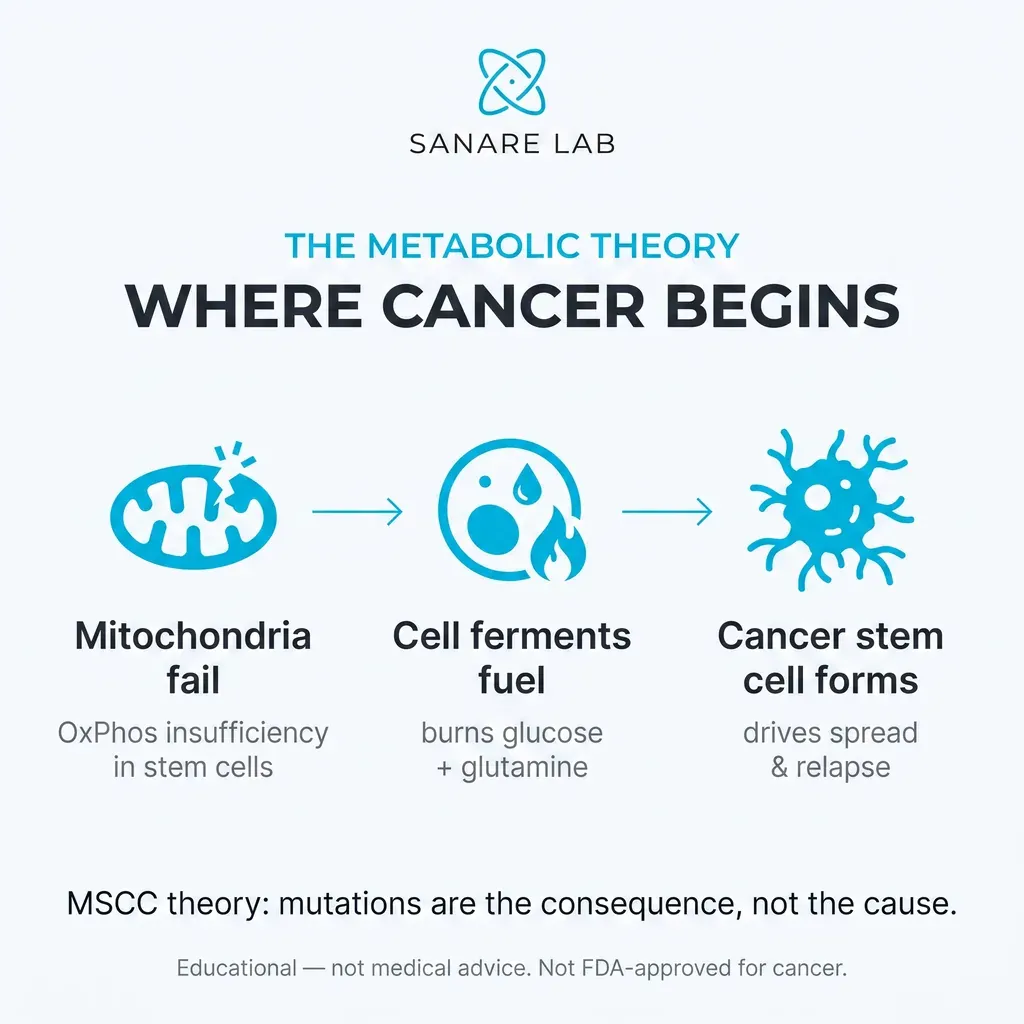
Rather than viewing cancer primarily as a genetic disease, the ISOM protocol is based on the idea that cancer begins as a mitochondrial energy failure within stem cells. When oxidative phosphorylation becomes impaired, cells shift toward fermentation-based metabolism and evolve into cancer stem cells (CSCs), which then drive tumor growth, resistance, and metastasis. The protocol aims to restore mitochondrial function in healthy cells while disrupting the metabolic pathways cancer cells depend on for survival.
This comprehensive guide examines every component of the ISOM protocol — from the metabolic theory of cancer to specific drug dosages, orthomolecular support, dietary interventions, and clinical considerations. Whether you are a patient, caregiver, or healthcare professional exploring integrative approaches, this article provides the evidence base and practical framework you need to understand this metabolic oncology strategy.
Table of Contents
- The Metabolic Theory of Cancer
- The Warburg Effect and Cancer Cell Metabolism
- The Mitochondrial-Stem Cell Connection (MSCC)
- Repurposed Drugs in the ISOM Protocol
- Fenbendazole and Mebendazole: Benzimidazole Antiparasitics
- Ivermectin as a Metabolic Disruptor
- DON (6-Diazo-5-Oxo-L-Norleucine) — Glutamine Antagonism
- Orthomolecular and Metabolic Support
- Dietary and Lifestyle Interventions
- Targeting Cancer Stem Cells
- The 2024 Published ISOM Protocol: Grade-Stratified Dosing
- Clinical Translation and Dr. William Makis
- Dr. Makis's 2025–2026 Protocol Updates
- The 2026 Hulscher Cohort Study
- Safety Considerations and Monitoring
- Sourcing and Product Quality
- Patient Perspectives and Real-World Use
- Criticisms, Controversy, and Professional Caution
- Dosage Reference Tables
- Why the ISOM Protocol Matters
- Frequently Asked Questions
- What People Report Online: Repurposed-Drug Metabolic Protocols
- References
The Metabolic Theory of Cancer
The ISOM protocol is grounded in the metabolic theory of cancer, originally proposed by Otto Warburg in the 1920s and significantly expanded by Thomas Seyfried and other researchers in recent decades. The core premise is that cancer is fundamentally a disease of energy metabolism rather than solely a disease of genetic mutations. According to a landmark 2010 review published in Nutrition & Metabolism, the mitochondrial metabolic theory provides a coherent framework for understanding the origin and progression of cancer across all tissue types.
This theory challenges the dominant somatic mutation theory (SMT), which holds that cancer arises from accumulated DNA mutations that drive uncontrolled cell growth. While the SMT has guided oncology for decades, it has significant limitations: many cancers lack identifiable driver mutations, tumors show extreme mutational heterogeneity, and targeting specific mutations has yielded limited long-term responses. The metabolic theory offers an alternative — and potentially complementary — perspective that Seyfried's 2015 analysis argues can explain phenomena the SMT cannot.
Key principles of the metabolic model:
- Mitochondrial dysfunction precedes and drives the genetic mutations observed in cancer cells. Damaged mitochondria force cells to rely on fermentation (glycolysis and glutaminolysis) for energy production.
- Cancer cells depend heavily on glucose and glutamine as metabolic fuels — a vulnerability that can be therapeutically targeted through dietary and pharmacological interventions.
- Cancer stem cells (CSCs) are the most treatment-resistant subpopulation within tumors. They exploit metabolic flexibility to survive chemotherapy, radiation, and targeted therapies.
- By restricting cancer's fuel supply and restoring mitochondrial function in normal cells, it may be possible to selectively pressure cancer cells while leaving healthy tissue unharmed.
Thomas Seyfried's work, summarized in his 2012 book Cancer as a Metabolic Disease and subsequent publications, has been foundational to this framework. His research has demonstrated that cancer cells from multiple tissue origins share a common metabolic phenotype: dependence on substrate-level phosphorylation rather than oxidative phosphorylation for energy generation. For an accessible introduction to repurposed drug protocols, see our guide on the Joe Tippens Protocol, which first brought benzimidazole antiparasitics to public attention for potential anticancer applications.
The Warburg Effect and Cancer Cell Metabolism
Central to the ISOM protocol's rationale is the Warburg effect — the observation that cancer cells preferentially use glycolysis for energy production even in the presence of adequate oxygen. This phenomenon, first described by Nobel laureate Otto Warburg, results in cancer cells consuming 10–200 times more glucose than normal cells. A 2017 review in Science confirmed that the Warburg effect is not merely a byproduct of transformation but an actively selected metabolic strategy that provides biosynthetic precursors and redox balance for rapidly dividing cancer cells.
The metabolic dependencies of cancer cells create therapeutic vulnerabilities that the ISOM protocol systematically exploits:
- Glucose addiction: Cancer cells upregulate glucose transporters (particularly GLUT1 and GLUT4) and glycolytic enzymes to maintain their energy supply. This is the basis of PET scanning — the radiolabeled glucose analog FDG accumulates preferentially in tumors due to their elevated glucose uptake.
- Glutamine dependency: Many cancers are equally dependent on glutamine — the most abundant amino acid in the body — for nitrogen donation, anaplerosis (refilling TCA cycle intermediates), and redox homeostasis. Research published in Trends in Cancer (2016) documented how glutamine metabolism sustains cancer cell proliferation through multiple interconnected pathways.
- Lipid synthesis: Cancer cells require de novo fatty acid synthesis for membrane production, signaling molecules, and energy storage. This process depends heavily on both glucose- and glutamine-derived carbon sources.
- Redox imbalance: The altered metabolism of cancer cells creates a state of elevated oxidative stress, making them particularly vulnerable to interventions that further increase reactive oxygen species (ROS) while depleting their antioxidant defenses.
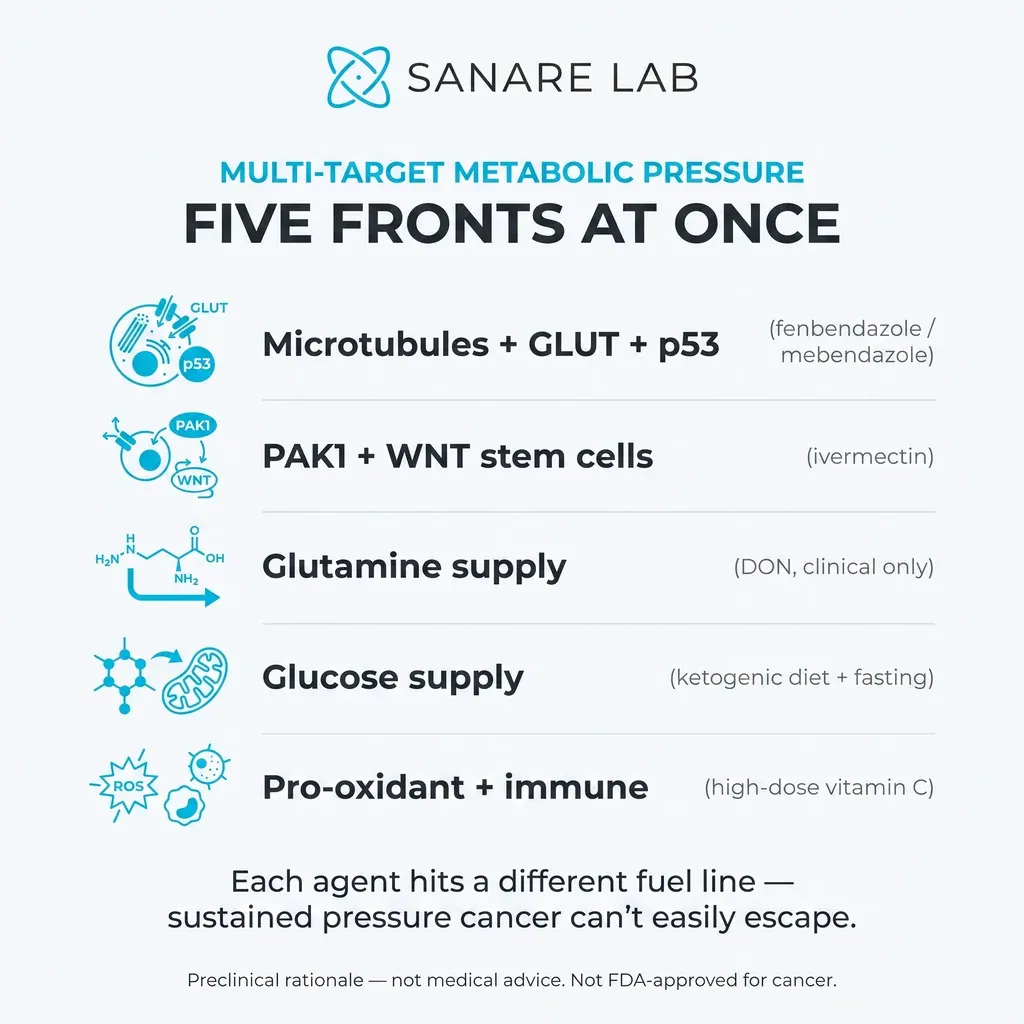
Understanding these metabolic vulnerabilities is essential for appreciating why the ISOM protocol combines multiple interventions simultaneously — each targeting a different metabolic pathway to create sustained, multi-directional pressure that cancer cells struggle to adapt to.
The Mitochondrial-Stem Cell Connection (MSCC)
While the metabolic theory explains how cancer cells generate energy, the ISOM protocol is built on a more specific and unifying idea: the Mitochondrial-Stem Cell Connection (MSCC). This is the central thesis of the 2024 paper by Ilyes Baghli and colleagues, published in the Journal of Orthomolecular Medicine, which formally defined the framework the protocol operationalizes.
The MSCC theory proposes that cancer begins with chronic oxidative phosphorylation (OxPhos) insufficiency inside stem or stem-like cells. Because stem cells sit at the top of the tissue hierarchy and can self-renew, a persistent defect in their mitochondrial respiration has outsized consequences. When these cells can no longer meet their energy demands through OxPhos, they fall back on fermentation — glycolysis and glutaminolysis — and progressively acquire the hallmarks of cancer stem cells (CSCs). In this model, the genetic mutations that oncology has traditionally treated as the cause of cancer are reframed as downstream consequences of a damaged metabolic engine.
This connection matters therapeutically because it identifies two targets that must be addressed together rather than in isolation:
- The mitochondria of healthy cells — which the protocol tries to protect and restore, so that normal tissue keeps its metabolic advantage over the tumor.
- The cancer stem cell compartment — the self-renewing subpopulation responsible for recurrence, metastasis, and treatment resistance, which conventional cytotoxic therapy frequently spares.
The Baghli paper translated this theory into seven therapeutic recommendations with three stated goals: enhance OxPhos in healthy cells, inhibit the fermentable fuels (glucose and glutamine) that cancer cells depend on, and target CSCs and metastasis directly. Every downstream component of the ISOM protocol — the repurposed drugs, the orthomolecular support, the ketogenic diet, and the fasting windows — maps onto at least one of those three goals. Understanding the MSCC framework is therefore the key to understanding why the protocol combines so many interventions at once rather than relying on any single agent.
Repurposed Drugs in the ISOM Protocol
A central feature of the ISOM protocol is its use of repurposed drugs — established medications originally developed for other purposes that have demonstrated anticancer activity in preclinical and emerging clinical research. Rather than acting as traditional cytotoxic agents, these drugs are used as metabolic disruptors that target specific vulnerabilities of cancer cells while generally maintaining favorable safety profiles at therapeutic doses.
Drug repurposing has become an increasingly important strategy in oncology. A 2019 study in the British Journal of Cancer identified over 260 approved non-cancer drugs with published evidence of anticancer activity, highlighting the vast untapped potential of existing pharmaceuticals. The advantage of repurposed drugs is that their safety profiles, pharmacokinetics, and drug interactions are already well-characterized from decades of clinical use in their original indications.
Fenbendazole and Mebendazole: Benzimidazole Antiparasitics
Fenbendazole and mebendazole are benzimidazole antiparasitic agents that have garnered significant attention for their potential anticancer properties. These compounds work through multiple complementary mechanisms that make them particularly relevant to metabolic oncology.
A landmark 2018 study published in Scientific Reports (Nature) demonstrated that fenbendazole exerts potent anticancer effects in human non-small cell lung cancer cells through three distinct pathways:
- Microtubule destabilization: Like the chemotherapy drug vincristine, fenbendazole binds to tubulin and disrupts microtubule polymerization. This prevents proper cell division and can trigger apoptosis in rapidly dividing cancer cells.
- p53 stabilization: Fenbendazole stabilizes the p53 tumor suppressor protein, which is often mutated or functionally impaired in cancer. Restored p53 function promotes apoptosis (programmed cell death) and cell cycle arrest. This mechanism was documented across multiple cell lines including those with wild-type p53.
- GLUT transporter downregulation: Fenbendazole reduces the expression of glucose transporters on cancer cell surfaces, effectively starving cancer cells of their primary fuel. This mechanism directly targets the Warburg effect and synergizes with dietary glucose restriction strategies like the ketogenic diet.
Mebendazole, a closely related benzimidazole, has a broader evidence base in cancer research, including a 2014 review documenting its anti-tumor effects across glioblastoma, melanoma, colon, and pancreatic cancer models. For a detailed comparison of these two compounds, see our analysis: Fenbendazole vs. Mebendazole for Cancer.
Fenbendazole gained widespread public attention through the Joe Tippens Protocol, in which an Oklahoma man reported complete remission of advanced small cell lung cancer after using fenbendazole alongside vitamin E, curcumin, and CBD oil. While this is an individual case report, it catalyzed significant interest in benzimidazole antiparasitics for cancer research. For documented case reports and outcomes, see our compilation: Fenbendazole Case Reports: Stage IV Cancers in Remission.
Ivermectin as a Metabolic Disruptor
Ivermectin is included in the ISOM protocol as an additional metabolic disruptor with distinct mechanisms of action. Originally developed as an antiparasitic (awarded the Nobel Prize in Physiology or Medicine in 2015), ivermectin has shown remarkable anticancer activity across multiple preclinical models.
A comprehensive 2020 review in Pharmacological Research documented ivermectin's anticancer mechanisms across multiple cancer cell lines, including:
- PAK1 kinase inhibition: PAK1 is overexpressed in approximately 70% of human cancers and is essential for Ras/Raf/MEK/ERK signaling. Ivermectin inhibits PAK1 activity, disrupting a critical proliferation pathway.
- WNT-TCF pathway suppression: The WNT signaling pathway is aberrantly activated in many cancers and is critical for cancer stem cell self-renewal. Ivermectin has been shown to block TCF-dependent transcription, potentially targeting the cancer stem cell compartment.
- Immunogenic cell death (ICD): Unlike conventional cytotoxic agents, ivermectin can trigger a form of cancer cell death that activates the immune system, potentially creating a vaccination-like effect against residual tumor cells.
- Mitochondrial dysfunction induction: In cancer cells, ivermectin can disrupt mitochondrial membrane potential and electron transport chain function, triggering oxidative stress and apoptosis.
Notably, a Phase I/II clinical trial (NCT05318469) at Cedars-Sinai Medical Center is currently evaluating ivermectin combined with immune checkpoint inhibitors in metastatic triple-negative breast cancer — the first structured human trial testing ivermectin as an immunotherapy adjunct. For a comprehensive guide to ivermectin's uses and safety profile, see: Ivermectin for Humans: Uses, Dosage & Safety Guide. Additional context on immunotherapy combinations is available in our article: Ivermectin and Cancer Immunotherapy.
DON (6-Diazo-5-Oxo-L-Norleucine) — Glutamine Antagonism
DON is a glutamine antagonist included in the ISOM framework to suppress one of cancer's primary metabolic fuels. Cancer cells that rely on glutaminolysis for energy and biosynthesis are particularly vulnerable to glutamine pathway disruption. A 2019 study in Science Translational Medicine demonstrated that a prodrug form of DON (JHU-083) dramatically improved survival in glioblastoma models by starving tumors of glutamine while simultaneously enhancing anti-tumor immune responses.
The significance of targeting glutamine metabolism in the ISOM framework cannot be overstated. While the ketogenic diet addresses glucose dependency, many cancer cells can adapt by increasing glutamine utilization — a phenomenon known as metabolic plasticity. By combining glucose restriction (via diet) with glutamine antagonism (via DON), the ISOM protocol addresses both primary metabolic fuels simultaneously, reducing the likelihood of metabolic escape.
DON is used at very low doses under strict medical supervision due to its potency and limited safety margins. Its inclusion in the ISOM protocol represents the most pharmacologically aggressive component of the framework and requires careful clinical oversight.
Orthomolecular and Metabolic Support
Beyond repurposed drugs, the ISOM protocol integrates orthomolecular medicine — the use of vitamins, minerals, and natural compounds at therapeutic doses to support cellular function and immune response. This approach was pioneered by Linus Pauling and has evolved substantially with modern understanding of nutrient-gene interactions and metabolic biochemistry.
High-Dose Vitamin C (Ascorbic Acid)
Vitamin C at pharmacological concentrations acts as a pro-oxidant, generating hydrogen peroxide that selectively damages cancer cells while sparing normal tissue. Cancer cells are particularly vulnerable because they often have reduced catalase activity — the enzyme that neutralizes hydrogen peroxide. A 2021 review in Cancer Medicine found that high-dose IV vitamin C improved quality of life and reduced chemotherapy side effects in cancer patients, while preclinical data suggests direct anti-tumor activity at concentrations achievable only through intravenous administration.
The ISOM protocol typically recommends:
- Oral: 2–4 grams daily in divided doses (2–3 times per day) for maintenance antioxidant support
- Intravenous: 25–75 grams per infusion, 1–3 times weekly under clinical supervision. IV administration achieves plasma concentrations 100–500 times higher than oral doses, reaching levels necessary for pro-oxidant anticancer activity
Vitamin D3
Vitamin D deficiency is associated with increased cancer risk across multiple cancer types. A 2020 meta-analysis in the British Medical Journal found that vitamin D supplementation was associated with reduced cancer mortality across multiple large randomized controlled trials. The ISOM protocol recommends maintaining optimal blood levels (40–80 ng/mL) through supplementation at 5,000–10,000 IU daily, as vitamin D plays roles in immune modulation, cell differentiation, and apoptosis regulation.
Curcumin
Curcumin, the active compound in turmeric, has demonstrated anti-inflammatory, antioxidant, and anticancer properties in over 12,000 published studies. It modulates NF-κB signaling, inhibits angiogenesis, and may sensitize cancer cells to other therapies. Bioavailability is significantly improved when combined with piperine (black pepper extract) or formulated as phytosomes. For detailed evidence, see our analysis: Curcumin & Cancer: Human and Preclinical Evidence.
Zinc and Trace Minerals
Zinc is essential for immune cell function, DNA repair, and apoptosis. The ISOM protocol recommends supplementation at 25–50 mg daily, with copper balance (2 mg copper per 15 mg zinc) recommended for long-term use to prevent copper deficiency. Selenium (200 mcg daily) is also frequently included for its role in thyroid function, antioxidant defense (via glutathione peroxidase), and documented associations with reduced cancer risk.
Dietary and Lifestyle Interventions
The ISOM protocol goes beyond supplements and drugs to address the systemic metabolic environment. These interventions are designed to create a hostile metabolic landscape for cancer cells while optimizing the body's natural defense mechanisms.
Ketogenic Diet
Strict low-carbohydrate, high-fat nutrition targeting blood glucose under ~90 mg/dL and nutritional ketosis (blood ketone levels of 1.5–3.0 mmol/L). This deprives cancer cells of their primary glucose fuel while supporting mitochondrial function in healthy cells. The ketogenic diet forces healthy cells to efficiently use fatty acids and ketone bodies for energy — a metabolic pathway that cancer cells cannot effectively utilize due to their mitochondrial dysfunction.
A 2018 systematic review of ketogenic diets in cancer found promising results in preclinical models, with several human case studies reporting tumor regression or stabilization. The ISOM framework emphasizes that the ketogenic diet should be monitored with daily glucose and ketone measurements to ensure therapeutic ranges are achieved.
Intermittent Fasting and Time-Restricted Eating
16–18 hour daily fasting windows or periodic 24–48 hour fasts amplify ketosis, reduce insulin/IGF-1 signaling, and enhance autophagy — the cellular cleanup process that removes damaged organelles and proteins. Fasting has been shown to differentially stress cancer cells while protecting normal cells, a phenomenon known as differential stress resistance.
Exercise
At least 30 minutes daily combining resistance training and aerobic movement. Exercise improves insulin sensitivity, reduces chronic inflammation, enhances immune surveillance (particularly natural killer cell activity), and has been associated with reduced cancer recurrence across multiple tumor types.
Hyperbaric Oxygen Therapy (HBOT)
Optional but commonly used in clinical metabolic oncology settings (2–5 sessions weekly at 1.5–2.4 ATA). HBOT increases dissolved oxygen in tissues, potentially stressing cancer cells adapted to hypoxic environments. A 2017 study in PLoS ONE showed that combining ketogenic diet with hyperbaric oxygen therapy significantly extended survival in metastatic cancer models, suggesting synergistic effects between metabolic interventions.
Targeting Cancer Stem Cells
One of the most innovative aspects of the ISOM protocol is its explicit focus on cancer stem cells (CSCs). CSCs represent a small subpopulation of tumor cells with self-renewal capability, treatment resistance, and the ability to regenerate the entire tumor after conventional therapy. They are considered the primary drivers of metastasis and recurrence.
The ISOM protocol targets CSCs through multiple convergent mechanisms:
- WNT pathway suppression (ivermectin): The WNT signaling pathway is critical for CSC self-renewal. Ivermectin's ability to block WNT-TCF signaling may directly impair CSC maintenance.
- Metabolic pressure (ketogenic diet + DON): CSCs exhibit metabolic flexibility, switching between glycolysis and oxidative phosphorylation depending on environmental conditions. Simultaneously restricting both glucose and glutamine limits this adaptive capacity.
- Microtubule disruption (fenbendazole/mebendazole): While primarily affecting rapidly dividing cells, benzimidazoles may also target CSCs during their proliferative phases.
- Immune activation (vitamin C + ivermectin): By promoting immunogenic cell death and enhancing immune surveillance, the protocol aims to help the immune system recognize and eliminate residual CSCs.
This multi-targeted approach to CSCs distinguishes the ISOM protocol from conventional treatments, which often fail to eliminate the CSC population, leading to relapse months or years after initially successful therapy.
The 2024 Published ISOM Protocol: Grade-Stratified Dosing
One feature that distinguishes the ISOM protocol from earlier, more improvised repurposed-drug regimens is that it was published as a structured, grade-stratified protocol rather than a single fixed recipe. The 2024 paper recommends an average treatment duration of roughly 12 weeks and adjusts the intensity of every component according to whether a cancer is classified as low-grade, intermediate-grade, or high-grade (aggressive).
This stratification is important. A slow-growing, low-grade tumor and an aggressive high-grade cancer place very different metabolic demands on the body, and the published framework scales the doses of intravenous vitamin C, ivermectin, benzimidazoles, and the depth of dietary restriction accordingly. The table below summarizes the grade-stratified structure as described in the published protocol. These figures are educational reference points from the literature — not a prescription, and every one of them assumes physician supervision.
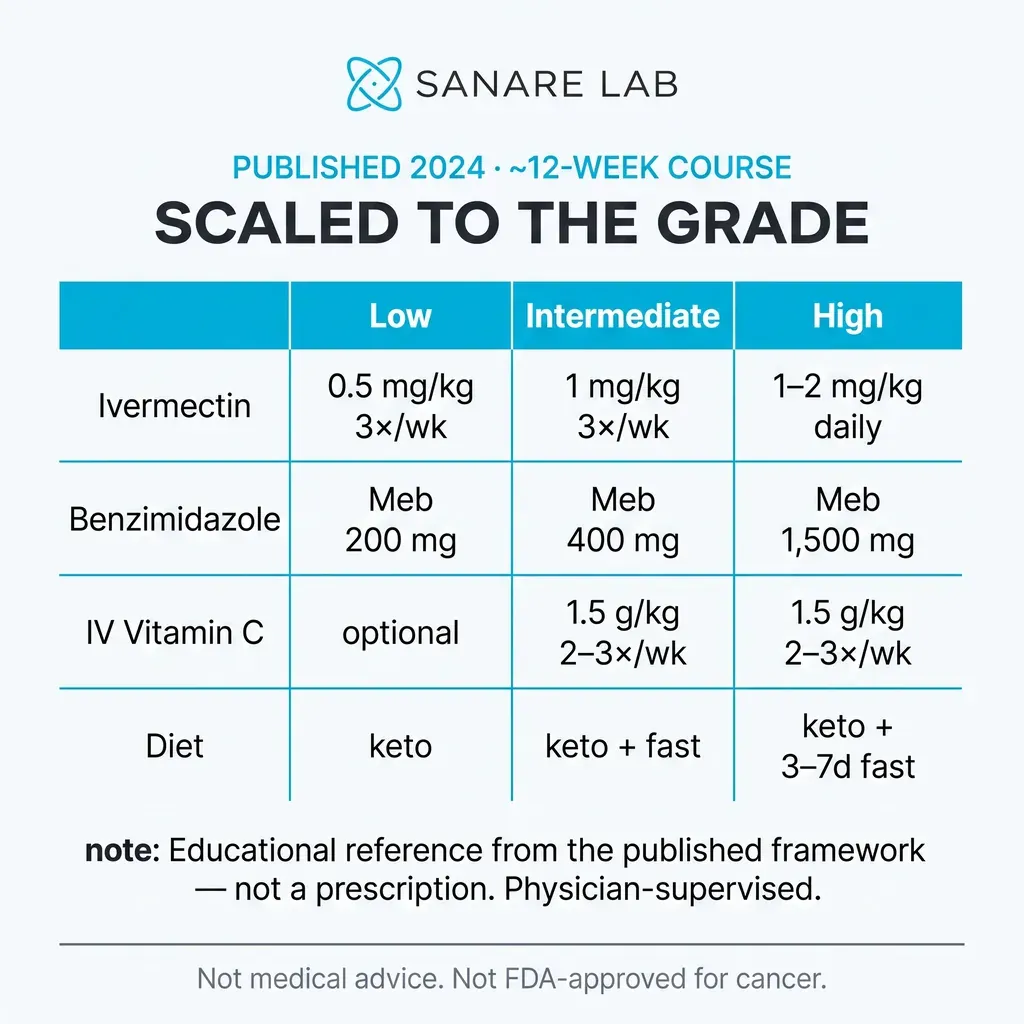
The published protocol also pairs these interventions with moderate physical activity (about three times per week) and emphasizes that the aggressive-grade regimen — with its high-dose ivermectin, 1,500 mg benzimidazole, and multi-day water fasting — is the most demanding on the body and the least forgiving of unsupervised use. Notably, the published framework leans on mebendazole as its default benzimidazole because of its deeper clinical evidence base, reserving high-dose fenbendazole for advanced cases.
Clinical Translation and Dr. William Makis
Dr. William Makis, a Canadian physician and co-author of the ISOM paper, has played a key role in translating repurposed drug oncology into real-world clinical practice. With a background in nuclear medicine and cancer imaging, Dr. Makis brings a unique perspective to metabolic oncology, having witnessed firsthand through PET imaging how cancer cells metabolize glucose.
His work highlights real-world use of ivermectin, benzimidazoles, vitamin C, and metabolic therapies in advanced cancer settings. He has described the ISOM framework as the most structured metabolic oncology protocol to date, emphasizing its foundation in peer-reviewed research and clinical experience rather than anecdotal reports alone.
Dr. Makis has also been influential in validating the quality and purity of fenbendazole products used in clinical settings, contributing to greater standardization in a space that has historically lacked pharmaceutical-grade oversight. His advocacy for transparent product testing and certificate of analysis (COA) requirements has helped establish quality benchmarks for repurposed drug protocols.
The ISOM paper itself, published in collaboration with multiple researchers and clinicians, provides a structured protocol template that can be adapted by integrative oncologists based on individual patient characteristics, tumor type, and treatment history. This standardization represents a significant advancement over earlier, more ad-hoc approaches to metabolic oncology.
Dr. Makis's 2025–2026 Protocol Updates
Since the original 2024 publication, Dr. William Makis has continued to refine and document the protocol on his Substack and public channels, moving from a purely grade-based structure toward a more clinically practical three-tier system organized around cancer aggressiveness and treatment phase. The 2025–2026 iteration is often described in three tiers: a Standard protocol for common solid tumors, an Aggressive / "Turbo" protocol for rapidly progressing cancers, and a Maintenance protocol for patients who have reached No Evidence of Disease (NED).
The most visible change in the updated framework is the explicit use of dual benzimidazole therapy (fenbendazole and mebendazole together) for aggressive cancers, and a formal reduction step once a patient stabilizes. Mebendazole is frequently favored for brain tumors because it crosses the blood–brain barrier more effectively than fenbendazole. The table below summarizes the three tiers as documented in 2025–2026.
The updated framework retains the orthomolecular backbone (vitamin C, vitamin D3, zinc), and typically layers in additional supportive agents such as berberine and CBD oil, alongside the same ketogenic and fasting strategies described earlier. It also hardens the guidance on sourcing and monitoring: patients are steered toward pharmaceutical-grade human formulations, and liver and kidney function tests are recommended every two to four weeks during combination therapy rather than the gentler cadence used for single-agent maintenance. For a side-by-side look at the two core benzimidazoles used across these tiers, see our detailed comparison of fenbendazole vs. mebendazole for cancer.
The 2026 Hulscher Cohort Study: What 197 Patients Showed
For most of its history, the evidence behind repurposed-drug cancer protocols has consisted of laboratory studies, animal models, and individual testimonials. In 2026, that picture changed with the publication of the first sizable real-world dataset. A prospective observational cohort study by Nicolas Hulscher and colleagues — including Peter A. McCullough and Harvey Risch — appeared in the peer-reviewed journal Anticancer Research in mid-2026 under the title "Real-World Clinical Outcomes of Ivermectin and Mebendazole in Cancer Patients."
The study followed 197 cancer patients who were prescribed a standardized combination of ivermectin (25 mg) and mebendazole (250 mg) through a telemedicine platform. Participants completed standardized digital surveys at baseline and again at a six-month follow-up. Of the 197 enrolled, 122 completed the follow-up survey (a 61.9% response rate). The cohort had a mean age of 67 years, and the most common cancers were prostate (27.9%), breast (18.3%), and lung (8.6%); at enrollment, 37.1% of participants had active disease progression.
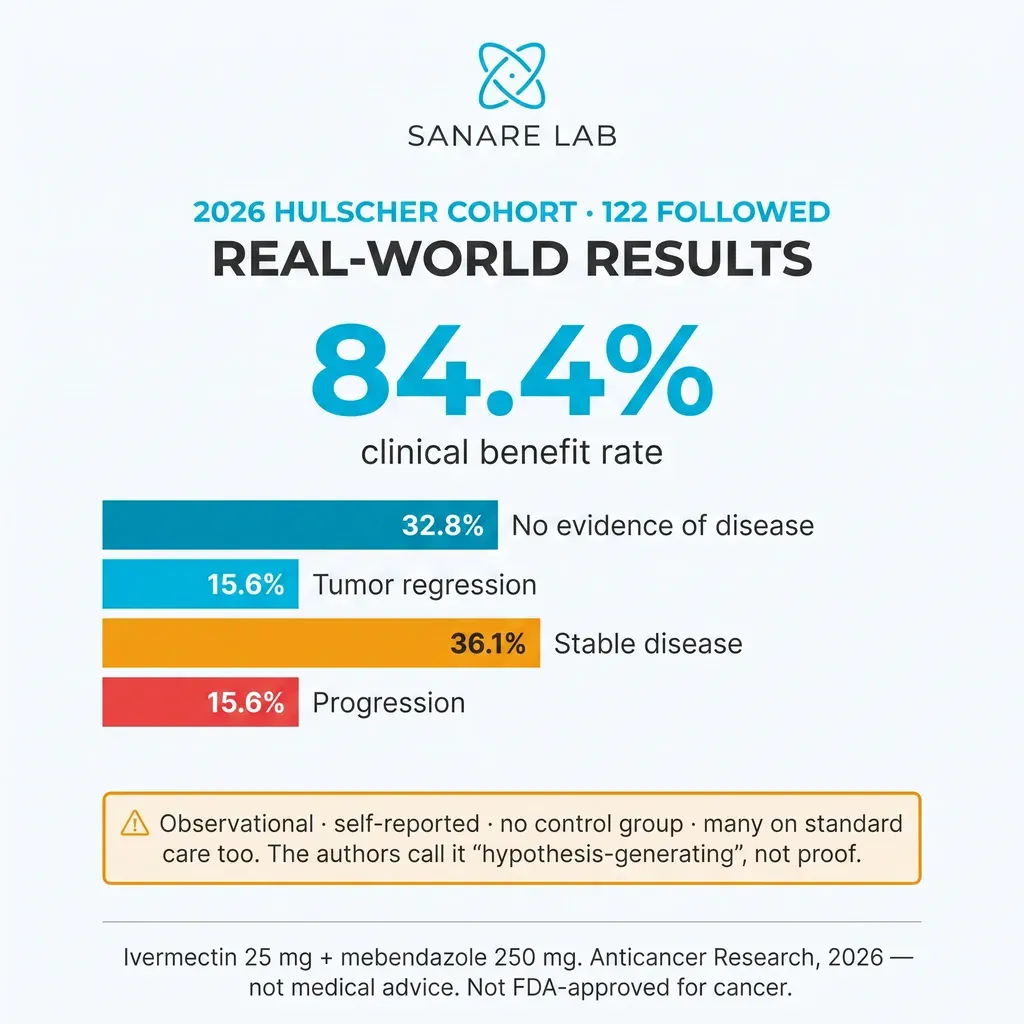
Among the 122 patients who completed follow-up, the authors reported an overall Clinical Benefit Rate (CBR) of 84.4% (95% CI: 77.0–89.8%). The outcomes broke down as follows:
Adherence was high: 86.9% of participants completed their initial 90-capsule prescription and 66.4% were still on the protocol at six months. On safety, 25.4% reported mild side effects — predominantly gastrointestinal — and 93.6% of those affected continued treatment after minor dose adjustments.
These numbers are striking, but they must be read carefully. The authors themselves were explicit that this is an observational study relying on self-reported outcomes, with no control group and meaningful potential for selection bias and uncontrolled confounding — including the fact that many participants were receiving conventional cancer treatment at the same time. They classified the results as "hypothesis-generating" and called for urgent randomized, placebo-controlled trials to confirm the signal and establish optimal dosing. In other words, the study is the strongest human data the protocol has yet produced, but it is not proof of efficacy, and a 61.9% follow-up rate means the sickest patients may be underrepresented.
Safety Considerations and Monitoring
While the individual components of the ISOM protocol generally have well-established safety profiles from their original indications, combining multiple interventions requires careful monitoring and professional oversight. Key safety considerations include:
Laboratory Monitoring
- Liver function tests (LFTs): Fenbendazole, mebendazole, and ivermectin are all metabolized through the liver. Regular monitoring (every 4–6 weeks initially, then every 8–12 weeks) is essential. For detailed information on hepatic safety, see our guide: Fenbendazole and Liver Safety.
- Complete blood count (CBC): To monitor for any hematological effects, particularly during initial treatment phases.
- Metabolic panel: Including glucose, electrolytes, kidney function, and lipid profile — especially important for patients on ketogenic diets.
- Vitamin D levels: To ensure target ranges (40–80 ng/mL) are achieved without toxicity (>100 ng/mL).
Drug Interactions
- Benzimidazoles and ivermectin are substrates of CYP3A4 and P-glycoprotein. Co-administration with strong CYP3A4 inhibitors (certain antifungals, macrolide antibiotics, grapefruit juice) may increase drug exposure.
- Patients on anticoagulants (warfarin, DOACs) should be monitored closely, as some repurposed drugs may affect coagulation parameters.
- The ISOM protocol should be coordinated with any concurrent conventional cancer treatments (chemotherapy, radiation, immunotherapy) to avoid contraindications and optimize timing.
Contraindications
- Severe hepatic impairment (Child-Pugh C)
- Pregnancy or breastfeeding
- Known hypersensitivity to benzimidazole compounds
- Active acute infections requiring dedicated treatment
- Type 1 diabetes (ketogenic diet requires specialized management)
Sourcing and Product Quality
Because the drugs used in the ISOM protocol are all off-label, product quality is one of the most under-appreciated variables in the entire framework — and one of the few that a patient can actually control. Two agents that share a name can differ enormously in purity, dose accuracy, and the excipients they contain, and those differences directly affect both safety and whether a protocol has any chance of working.
The 2025–2026 guidance is consistent on several points:
- Prefer pharmaceutical-grade human formulations. For ivermectin, this means human 12 mg tablets rather than veterinary pastes or injectable livestock products, which are formulated for animal dosing and can contain inconsistent concentrations and non-pharmaceutical carriers.
- Demand a certificate of analysis (COA). Reputable suppliers provide third-party laboratory testing that confirms identity, potency, and the absence of heavy metals or contaminants. A COA is the single most useful document for judging whether a fenbendazole or mebendazole product is what it claims to be.
- Watch the excipients. Veterinary formulations frequently include flavorings, fillers, and binders intended for animals; these are not tested for the doses or duration humans use in these protocols.
- Mind bioavailability. Benzimidazoles are poorly water-soluble, so formulation matters as much as milligrams on a label. Taking fenbendazole or mebendazole with a fatty meal meaningfully increases absorption, which is why dosing guidance so often specifies "with food."
For readers weighing where and how to obtain these compounds, our guide on what to look for in a fenbendazole product covers COAs, purity testing, and labeling in more depth, and our safety-focused dosage guide explains why more is not automatically better.
Patient Perspectives and Real-World Use
The ISOM protocol has gained significant traction within the integrative oncology community. Patients report several common themes when discussing their experience with metabolic oncology approaches:
- Sense of agency: Many patients describe feeling empowered by having a structured, evidence-based complementary protocol they can follow alongside conventional treatment. The proactive nature of dietary changes, supplements, and repurposed drugs provides a sense of control during a time of significant uncertainty.
- Manageable side effects: Compared to conventional chemotherapy, the components of the ISOM protocol are generally well-tolerated. The most commonly reported side effects are mild gastrointestinal discomfort during initial adaptation to the ketogenic diet and benzimidazole agents.
- Community support: Online communities discussing metabolic oncology protocols have grown substantially, providing peer support and shared experiences. However, it's important to distinguish individual anecdotal reports from controlled clinical evidence.
For readers interested in real-world experiences of people using these compounds, visit our Customer Notes & Experiences page. For documented case reports with specific outcomes, see: Fenbendazole Case Reports: Stage IV Cancers in Remission.
Criticisms, Controversy, and Professional Caution
An honest guide to the ISOM protocol has to present the case against it as clearly as the case for it. The protocol is genuinely controversial — not only among conventional oncologists, but even among some of the physicians most closely associated with repurposed-drug medicine. Readers considering any part of this framework should understand these criticisms before, not after, making a decision.
The evidence is still preliminary
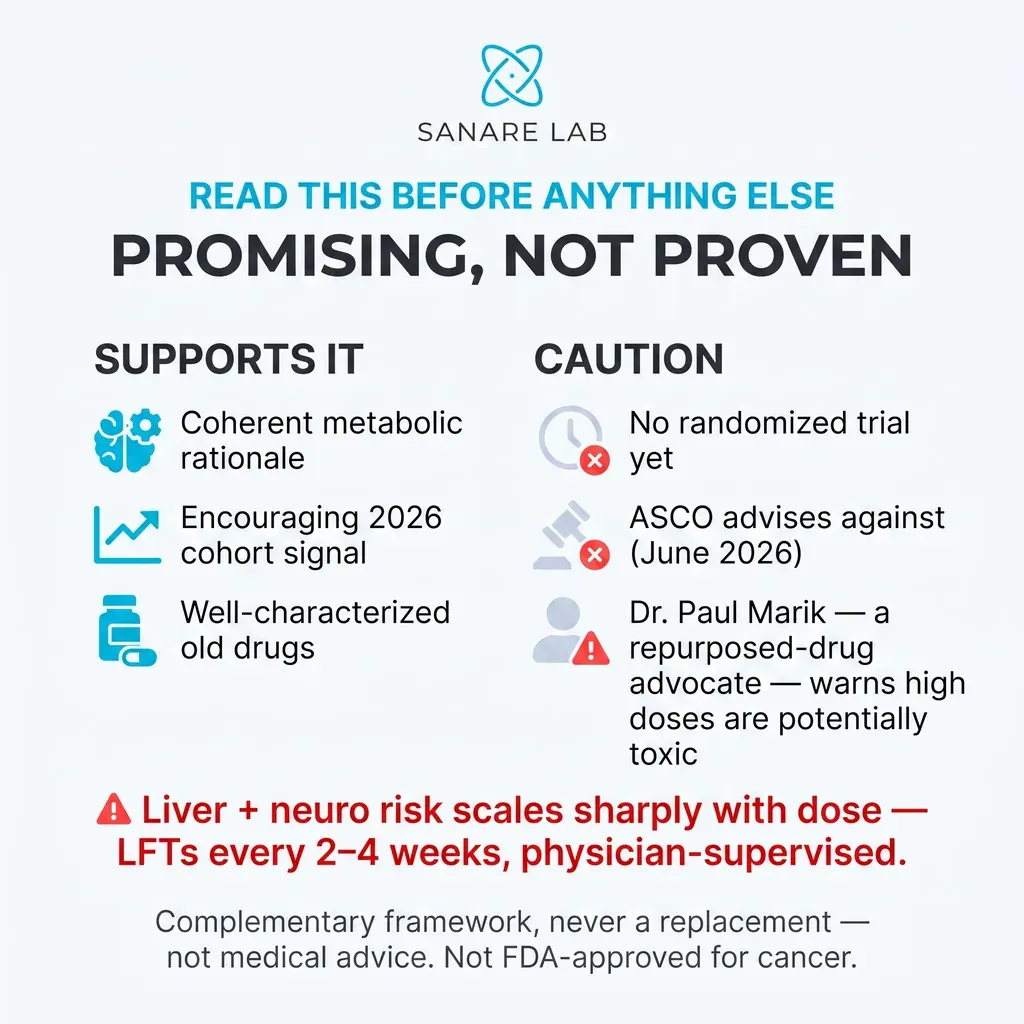
The strongest human data — the 2026 Hulscher cohort — is observational, uncontrolled, and self-reported. There is still no randomized controlled trial validating the full ivermectin-plus-benzimidazole combination, let alone the aggressive triple-drug "turbo" regimen. Individual components have better support (mebendazole, for example, showed a benefit in a Phase 2 colorectal cancer trial), but the protocol as a whole remains experimental. Mainstream oncology bodies emphasize that anecdotes and single-arm cohorts cannot substitute for controlled trials, because they cannot separate the drug's effect from concurrent conventional treatment, spontaneous variation, or the placebo and selection effects inherent in self-selected patient groups.
Warnings from within the repurposed-drug community
In June 2026, Dr. Paul Marik — a prominent advocate of metabolic and repurposed-drug approaches to cancer — publicly cautioned that the high-dose ivermectin and fenbendazole regimens circulating online are potentially toxic and not recommended. His argument is notable precisely because he is not a critic of repurposed drugs in principle. Marik's position is that "the best dose is the smallest dose that effectively controls the disease," that many patients respond at moderate doses, and that the "more is better" escalation seen in some turbo protocols is both unnecessary and dangerous. He specifically flagged neurotoxicity (ivermectin crossing the blood–brain barrier at very high doses) and hepatotoxicity (prolonged high-dose benzimidazoles, especially fenbendazole, which has less human safety data than mebendazole) as the principal risks.
The position of mainstream oncology
Also in June 2026, the American Society of Clinical Oncology (ASCO) issued a clinical notice recommending against the use of ivermectin and fenbendazole for cancer outside of formal clinical trials, citing the lack of robust peer-reviewed evidence and safety concerns from patients self-prescribing based on social media. Regulatory agencies continue to classify these drugs as not approved for oncology use.
The reasonable takeaway is not that the ISOM protocol is worthless, nor that it is proven — but that it sits in a genuinely uncertain middle ground. It has a coherent scientific rationale, encouraging but preliminary human data, and real risks that scale sharply with dose. That is exactly the situation in which physician supervision, conservative dosing, and honest expectations matter most. For a deeper look at one of the most serious individual risks, see our detailed review of fenbendazole and liver safety.
Dosage Reference Tables
Important: These are educational reference ranges based on the published ISOM framework. They are not medical advice and must only be used under physician supervision. Individual dosing depends on body weight, cancer type, liver function, concurrent medications, and other clinical factors.
Repurposed Drugs
Orthomolecular Support
Why the ISOM Protocol Matters
The ISOM protocol represents a significant evolution in integrative oncology thinking. Rather than focusing solely on tumor genetics, it addresses cancer at its metabolic core — targeting mitochondrial dysfunction, fermentation-based energy production, and cancer stem cell persistence simultaneously.
Key distinguishing features of the ISOM approach:
- It combines multiple repurposed drugs that target different metabolic vulnerabilities, creating sustained pressure that cancer cells struggle to adapt to through single-pathway resistance mechanisms.
- It integrates dietary and lifestyle interventions that reshape the systemic metabolic environment, not just the tumor itself — addressing the "soil" in the seed-and-soil theory of cancer.
- It is designed as a complementary framework — intended to work alongside conventional treatments, not replace them. The protocol can be adapted based on what conventional therapies a patient is receiving.
- It explicitly targets cancer stem cells, which conventional therapies often fail to eliminate, potentially reducing the risk of recurrence and metastasis.
- It is based on published scientific rationale and clinical experience, making it one of the most well-documented metabolic oncology protocols available, with transparent methodology and dosing guidelines.
The growing interest in metabolic approaches to cancer — from academic research institutions to clinical practice — suggests that the ISOM framework may represent the leading edge of a paradigm shift in how we understand and treat cancer. While large-scale randomized controlled trials are still needed to definitively validate the protocol's efficacy, the scientific rationale and emerging clinical experience provide a compelling foundation for continued investigation.
For readers exploring related protocols, our guides on the Fenbendazole vs. Ivermectin comparison and the safety of combining fenbendazole with chemotherapy provide additional context for understanding how individual protocol components interact.
Frequently Asked Questions
What exactly is the ISOM protocol?
The ISOM protocol is a structured metabolic-oncology framework published in 2024 by researchers affiliated with the International Society for Orthomolecular Medicine, including Dr. William Makis. It combines repurposed drugs (ivermectin, fenbendazole, mebendazole), high-dose orthomolecular support (vitamin C, vitamin D3, zinc), a ketogenic diet, and fasting to target the Mitochondrial-Stem Cell Connection — the idea that cancer originates from mitochondrial energy failure in stem cells.
Who is Dr. William Makis?
Dr. William Makis is a Canadian physician with a background in nuclear medicine and cancer imaging, and a co-author of the ISOM protocol. He has become the protocol's most visible public advocate, documenting patient cases and publishing updated dosing frameworks on his Substack and other channels from 2024 through 2026.
Is the ISOM protocol proven to cure cancer?
No. The protocol is experimental. The strongest human evidence to date — the 2026 Hulscher observational cohort (197 patients enrolled, 122 followed for six months) — reported an 84.4% clinical benefit rate among those followed, but it had no control group, relied on self-reported outcomes, and included patients on concurrent conventional treatment. The authors themselves called the findings "hypothesis-generating" and urged randomized controlled trials. No agent in the protocol is approved for cancer.
What is the Mitochondrial-Stem Cell Connection (MSCC)?
The MSCC is the theory underpinning the protocol. It proposes that chronic oxidative phosphorylation failure inside stem cells drives the formation of cancer stem cells and the switch to fermentation-based metabolism. In this view, genetic mutations are a consequence of a damaged metabolic engine rather than the root cause of cancer.
What was the 2026 Hulscher study, and what did it find?
It was a prospective observational cohort study published in Anticancer Research that followed 197 cancer patients taking ivermectin (25 mg) plus mebendazole (250 mg) via telemedicine. Among the 122 who completed six-month follow-up, 32.8% reported no evidence of disease, 15.6% tumor regression, 36.1% stable disease, and 15.6% progression — a combined 84.4% clinical benefit rate. It is the largest real-world dataset so far, but it is not a randomized trial.
What is the difference between the standard and the "turbo" protocol?
The standard protocol (ivermectin ~1.0 mg/kg/day with a single benzimidazole) is used for common solid tumors. The aggressive or "turbo" protocol raises ivermectin to 1.5–2.0 mg/kg/day and uses dual benzimidazole therapy (fenbendazole plus mebendazole) for rapidly progressing cancers such as pancreatic cancer, lymphoma, or glioblastoma. The turbo regimen carries the highest risk and requires the closest monitoring.
Does the ISOM protocol use fenbendazole or mebendazole?
Both. The published protocol leans on mebendazole as its default because it has a deeper clinical evidence base and crosses the blood–brain barrier well (useful for brain tumors). Fenbendazole is often used for its high-dose tolerability in advanced cases, and the 2025–2026 updates use the two together for aggressive cancers. See our fenbendazole vs. mebendazole comparison for details.
How is the ISOM protocol different from the Joe Tippens protocol?
The Joe Tippens protocol is a simple, fixed regimen — fenbendazole plus vitamin E, curcumin, and CBD — that popularized benzimidazoles for cancer. The ISOM protocol is far broader and more structured: it adds ivermectin, high-dose IV vitamin C, a ketogenic diet, fasting, and grade-stratified dosing, all organized around the MSCC theory. Learn more in our Joe Tippens protocol guide.
What does Dr. Paul Marik say about high-dose protocols?
In June 2026, Dr. Paul Marik — himself a supporter of repurposed-drug cancer approaches — warned that the high-dose ivermectin and fenbendazole regimens circulating online are potentially toxic and not recommended. His view is that the best dose is the smallest dose that controls the disease, and that many patients respond at moderate doses without the risks of high-dose escalation.
Why does the protocol include a ketogenic diet and fasting?
Both aim to lower the glucose and insulin that fuel fermentation-dependent cancer cells while pushing healthy cells to run on fatty acids and ketones. Fasting also amplifies ketosis and autophagy. Combined with drugs that reduce glucose uptake and antagonize glutamine, diet is meant to close off cancer's two main metabolic fuels at once.
What lab tests should be monitored on the protocol?
Because ivermectin and benzimidazoles are metabolized by the liver, liver function tests (LFTs) are essential — every two to four weeks during combination therapy. A complete blood count, a metabolic panel (glucose, electrolytes, kidney function), and vitamin D levels are also recommended. Rising liver enzymes are the most common reason to pause or reduce dosing.
Can the ISOM protocol be combined with chemotherapy or radiation?
It is designed as a complementary framework intended to work alongside conventional treatment, not replace it, and many patients in the real-world data were on standard therapy at the same time. However, timing and drug interactions matter, so it must be coordinated with the treating oncologist. See our discussion of combining fenbendazole with chemotherapy.
What are the main side effects and risks?
The most common reported side effects are mild gastrointestinal upset (about a quarter of patients in the 2026 cohort). The more serious risks scale with dose: hepatotoxicity from prolonged high-dose benzimidazoles and neurotoxicity from very high-dose ivermectin. These risks are the reason high-dose "turbo" regimens are the most controversial part of the framework.
Why does product quality matter so much?
Because these drugs are used off-label, there is wide variation in purity and dose accuracy between products. Pharmaceutical-grade human formulations with a third-party certificate of analysis (COA) are strongly preferred over veterinary products, which are formulated for animals and may contain inconsistent concentrations and untested excipients.
Is DON (glutamine antagonist) part of the everyday protocol?
No. DON (6-diazo-5-oxo-L-norleucine) is the most pharmacologically aggressive component and is used only at very low doses under strict clinical supervision, in specialized settings. Most patients following the protocol rely on the ketogenic diet and fasting to restrict glutamine rather than on DON.
What does mainstream oncology say about the ISOM protocol?
Mainstream bodies remain cautious. In June 2026, ASCO issued a clinical notice recommending against ivermectin and fenbendazole for cancer outside of formal clinical trials, citing insufficient peer-reviewed evidence and the safety risks of self-prescribing. The individual drugs are legitimate research subjects, but the combined protocol is not endorsed by professional oncology guidelines.
Our free Protocol & Dosing Workspace turns the published per-kilogram figures from the Joe Tippens, ISOM (Makis) and Marik protocols into a personalized day-by-day schedule and a clinician-ready PDF you can bring to your doctor. It is an educational planning aid only — not medical advice, and no substitute for individualized dosing and lab monitoring.
Open the Dosing Calculator →What People Report Online: Repurposed-Drug Metabolic Protocols
Behind the laboratory papers sits a large, restless online conversation. On Reddit and patient forums, people on metabolic protocols using repurposed drugs — and the relatives caring for them — trade experiences with these repurposed drugs, usually as an add-on to standard cancer care. To save you from digging through dozens of scattered threads, we have gathered the most relevant, on-topic discussions in one place, together with an honest guide to what these accounts can and cannot tell you.
How to read these reports
These are personal stories, not clinical evidence. They are uncontrolled, self-reported, and impossible to verify independently.
In almost every account, the person was also receiving standard treatment — chemotherapy, immunotherapy, radiotherapy, or surgery — at the same time as these drugs. When someone improves on two therapies at once, the result cannot be credited to these drugs alone; the conventional treatment is the far more likely explanation.
Encouraging stories are also shared far more often than disappointing ones, so online threads skew positive (survivorship and publication bias).
The useful way to read them is as questions worth raising with your oncologist — not as a protocol to copy on your own.
For a deeper, evidence-based look at how these accounts hold up — including the documented case reports and the peer-reviewed analyses behind them — see our detailed review of fenbendazole success stories and case reports.
Shop Sanare Lab
Lab-tested products referenced in the research above. Links are provided for convenience — always review the label and consult a professional before use.
Fenbendazole 222 mg
180 capsules — 99% purity, laboratory testedBuy Fenbendazole 222 →Fenbendazole 444 mg
180 capsules — higher-dose optionBuy Fenbendazole 444 →Curcumin Turmeric 360 mg
120 capsules — with Black Pepper for absorptionBuy Curcumin →
Disclaimer: Links are informational and for convenience. This site does not provide medical advice and does not endorse any specific vendor. Always verify product quality, labeling, and consult a licensed professional for health decisions.
References
- Seyfried TN, Shelton LM. Cancer as a metabolic disease. Nutrition & Metabolism, 2010;7:7. PMID: 20605960. PubMed
- Seyfried TN, Flores RE, Poff AM, D'Agostino DP. Cancer as a metabolic disease: implications for novel therapeutics. Carcinogenesis, 2014;35(3):515-527. PMID: 24343361. PubMed
- Seyfried TN. Cancer as a mitochondrial metabolic disease. Frontiers in Cell and Developmental Biology, 2015;3:43. PMID: 25666556. PubMed
- Dogra N, Kumar A, Mukhopadhyay T. Fenbendazole acts as a moderate microtubule destabilizing agent and causes cancer cell death by modulating multiple cellular pathways. Scientific Reports (Nature), 2018;8:11926. PMID: 30093705. PubMed
- Pantziarka P, et al. Repurposing drugs in oncology (ReDO) — mebendazole as an anti-cancer agent. Ecancermedicalscience, 2014;8:443. PMID: 25157439. PubMed
- Tang M, et al. Ivermectin, a potential anticancer drug derived from an antiparasitic drug. Pharmacological Research, 2021;163:105207. PMID: 32871846. PubMed
- Leone RD, et al. Glutamine blockade induces divergent metabolic programs to overcome tumor immune evasion. Science, 2019;366(6468):1013-1021. PMID: 31699883. PubMed
- Shenoy N, et al. Ascorbic acid in cancer treatment: Let the phoenix fly. Cancer Medicine, 2021;10(18):6395. PMID: 34325602. PubMed
- Keum N, Lee DH, Greenwood DC, et al. Vitamin D supplementation and total cancer incidence and mortality: a meta-analysis. British Medical Journal, 2019;366:l4673. PMID: 31992488. PubMed
- Liberti MV, Locasale JW. The Warburg effect: How does it benefit cancer cells? Trends in Biochemical Sciences, 2016;41(3):211-218. PMID: 26778478. PubMed
- Pushpakom S, et al. Drug repurposing: progress, challenges and recommendations. Nature Reviews Drug Discovery, 2019;18:41-58. PMID: 30310233. PubMed
- Poff AM, et al. The ketogenic diet and hyperbaric oxygen therapy prolong survival in mice with systemic metastatic cancer. PLoS ONE, 2013;8(6):e65522. PMID: 23755243. PubMed
- Allen BG, et al. Ketogenic diets as an adjuvant cancer therapy: History and potential mechanism. Redox Biology, 2014;2:963-970. PMID: 25460731. PubMed
- ClinicalTrials.gov. NCT05318469: Ivermectin + Immunotherapy in Metastatic TNBC. ClinicalTrials.gov
- Pantziarka P, et al. The Repurposing Drugs in Oncology (ReDO) Project. Ecancermedicalscience, 2014;8:442. PMID: 25075216. PubMed
- Baghli I, et al. Targeting the Mitochondrial-Stem Cell Connection in Cancer Treatment: A Hybrid Orthomolecular Protocol. Journal of Orthomolecular Medicine, 2024;39(3). ISOM
- Hulscher N, McCullough PA, Risch HA, et al. Real-World Clinical Outcomes of Ivermectin and Mebendazole in Cancer Patients: Results from a Prospective Observational Cohort. Anticancer Research, 2026;46(6):3243. Anticancer Research
- Marik PE. The Ivermectin and Mebendazole Dosing — cautions on high-dose repurposed-drug protocols. 2026. Substack
- American Society of Clinical Oncology (ASCO). Clinical notice recommending against the use of ivermectin and fenbendazole for cancer outside of formal clinical trials. June 2026.
Medical Disclaimer
This article is for educational and informational purposes only. It is not intended to be a substitute for professional medical advice, diagnosis, or treatment. Always seek the advice of your physician or other qualified health provider with any questions you may have regarding a medical condition. Never disregard professional medical advice or delay in seeking it because of something you have read on this website.
Dr. Andrew Ellison, MD
Science editor and health researcher at Sanare Lab, covering evidence-based wellness, emerging compound research, clinical studies, and practical health protocols. Content is educational and does not replace medical advice.