
Methylene Blue and Cancer: Mechanisms, Preclinical Evidence & Research 2026
Scientific deep-dive into methylene blue anticancer research: chemical properties, mitochondrial mechanisms, PDT, preclinical evidence, and open questions.
 By Dr. Andrew Ellison, MD · February 24, 2026 · 35 min read
This article is for research and informational purposes only. It does not constitute medical advice. Do not self-prescribe. Always consult a qualified healthcare provider before using any supplement, especially alongside cancer treatment.
Research Disclaimer
Methylene blue is not FDA-approved for the treatment of cancer. The evidence reviewed here is predominantly preclinical (cell lines, organoids, animal models) with limited early human procedural or diagnostic use. Nothing in this article is a clinical protocol. Always integrate findings with standard oncology care and institutional review standards.
Methylene Blue Cancer Protocol: What Exists Today
The phrase "methylene blue cancer protocol" circulates widely online, but it is important to distinguish experimental frameworks from established treatment. No standardized methylene blue cancer protocol exists in conventional oncology as of 2026. What researchers and integrative practitioners discuss falls into several categories:
Photodynamic Therapy (PDT) Research Protocols
In clinical photodynamic research, methylene blue is used at concentrations typically ranging from 0.01–0.1% applied topically or injected locally, followed by red-light activation (630–670 nm). These are the most structured protocols, though still largely experimental for solid tumors. Published PDT studies report light doses of 50–150 J/cm² with methylene blue as the photosensitizer.
Oral Supplementation Approaches (Unvalidated)
Some integrative clinicians have explored low-dose oral methylene blue (0.5–2 mg/kg) as part of metabolic support strategies. These approaches lack controlled trial evidence for anticancer efficacy. Any oral protocol must account for drug interactions, particularly with serotonergic medications, and mandatory G6PD screening.
Combination Protocols Under Investigation
Preclinical studies have explored methylene blue combined with other repurposed compounds — including mebendazole, metabolic agents, and conventional chemotherapy. These remain in laboratory stages. For context on metabolic combination strategies, see our overview of the ISOM protocol.
Bottom line: if you encounter a "methylene blue cancer protocol," verify whether it refers to (a) controlled PDT research, (b) anecdotal self-experimentation, or (c) a practitioner's unvalidated regimen. Only category (a) has meaningful published evidence, and even that remains preclinical or early-phase for most tumor types.
Methylene Blue Photodynamic Therapy for Cancer
Photodynamic therapy (PDT) using methylene blue represents the most experimentally grounded application of this compound in oncology research. Unlike systemic oral use, MB-PDT delivers a defined mechanism: the dye absorbs red light (peak ~665 nm) and transfers energy to molecular oxygen, generating singlet oxygen (¹O₂) and other reactive oxygen species that damage cancer cells.
How MB-PDT Works Against Cancer Cells
When methylene blue accumulates in tumor tissue and is exposed to the appropriate wavelength of light, two photochemical reactions occur simultaneously:
- Type I reaction: Direct electron transfer generates superoxide and hydroxyl radicals — particularly important in hypoxic (low-oxygen) tumor regions.
- Type II reaction: Energy transfer to O₂ produces singlet oxygen — the primary cytotoxic species under normal oxygen conditions.
This dual mechanism makes methylene blue photodynamic therapy potentially effective even in partially hypoxic tumors where many other photosensitizers lose efficacy.
Cancer Types Studied with MB-PDT
Preclinical MB-PDT studies span multiple cancer types, including oral/head-and-neck squamous cell carcinoma (the most clinically advanced), bladder cancer (where intravesical MB-PDT has been explored), breast cancer models, and melanoma. Accessible tumors remain the primary candidates because light must reach the target tissue.
Advantages Over Other Photosensitizers
Compared to porphyrin-based photosensitizers (e.g., Photofrin), methylene blue offers lower cost, faster clearance (reducing prolonged photosensitivity), established human safety data from decades of surgical and diagnostic use, and a well-characterized toxicology profile.
Limitations
MB-PDT faces inherent constraints: limited light penetration depth (~1–3 mm for optimal wavelengths), protein binding that reduces free dye availability, rapid photobleaching, and the requirement for specialized light delivery equipment. Deep-seated tumors remain problematic for any PDT approach.
Methylene Blue Cancer Dose: What Research Uses
Understanding methylene blue dosing in cancer research requires distinguishing between three fundamentally different contexts — each with different dose ranges and evidence levels:
| Context | Dose Range | Evidence Level |
|---|---|---|
| Photodynamic therapy (topical/local) | 0.01–0.1% solution, light 50–150 J/cm² | Preclinical + early clinical |
| In vitro cell studies | 0.1–50 µM (varies widely) | Laboratory only |
| Oral/systemic (experimental) | 0.5–2 mg/kg (extrapolated) | No cancer-specific trials |
Critical safety note: These are research parameters, not treatment recommendations. The dose that kills cancer cells in a petri dish has no direct relationship to a safe or effective human dose. Methylene blue has known dose-dependent side effects, and doses above 7 mg/kg IV can cause serious toxicity. For comprehensive dosing and safety information, see our Methylene Blue Dosage & Safety Guide.
Table of Contents
- Chemical Structure & Properties
- Discovery & Medical History
- Mechanism of Action: Traditional Medical Uses (Brief)
- Transition to Cancer Research: Why Scientists Got Interested
- Mitochondrial Function & Cancer Metabolism
- Multiple Anticancer Mechanisms (Detailed)
- Preclinical Evidence Overview
- Methylene Blue Cancer Treatment: What Evidence Shows
- How Methylene Blue Affects Cancer Cells
- Evidence by Cancer Type
- Molecular Targets & Signaling Pathways
- Synergies with Other Compounds
- Pharmacokinetics in Cancer Research Context
- Current Clinical Research Status
- Future Research Directions
- Experimental Design Considerations for MB Oncology Studies
- Deep Dive: The Redox Paradox in Tumor Biology
- PDT Engineering Constraints
- Mechanistic Placement Among Repurposed Candidates
- Evidence Grading Snapshot (SORT-Style Reading)
- Open Mechanistic Questions (Research Agenda)
- Assay Artifacts and False Positives in MB Research
- Delivery Systems and Formulation Science
- Immunogenic Cell Death and Immuno-Oncology Hypotheses
- Systems Biology View: Network Stress, Not Single-Target Inhibition
- A Conservative Translational Roadmap
- Reproducibility, Effect Sizes, and Publication Bias
- MB Among Clinical and Experimental Photosensitizers
- Model Systems Ranked by Translational Utility
- Dose-Response Shapes Unique to Redox Agents
- Proposed Minimum Biomarker Panel for Mechanistic Papers
- Ethics of Overclaiming Preclinical MB Data
- Integration with Metabolic Protocol Literature
- Mechanism-Evidence-Translation Matrix
- Historical Threads That Shaped MB Oncology Interest
- What Good Enough Quantitative Targets Might Look Like
- How to Read an MB Cancer Paper in 10 Minutes
- Research Conclusion
- Scientific FAQ (20 Technical Questions)
- Key Scientific Takeaways
- References & Further Reading
Chemical Structure & Properties
Methylene blue (methylthioninium chloride; C₁₆H₁₈ClN₃S) is a cationic phenothiazine dye. The tricyclic phenothiazinium core supports extensive π-conjugation, producing intense visible absorption (typically near 660–670 nm in aqueous media for the monomer) and the characteristic deep blue color of the oxidized form.
Key physicochemical features relevant to oncology research:
- Redox couple: methylene blue (MB, oxidized) ⇌ leucomethylene blue (LMB, reduced). The couple can accept electrons from NAD(P)H-linked systems and donate electrons downstream, enabling catalytic redox cycling.
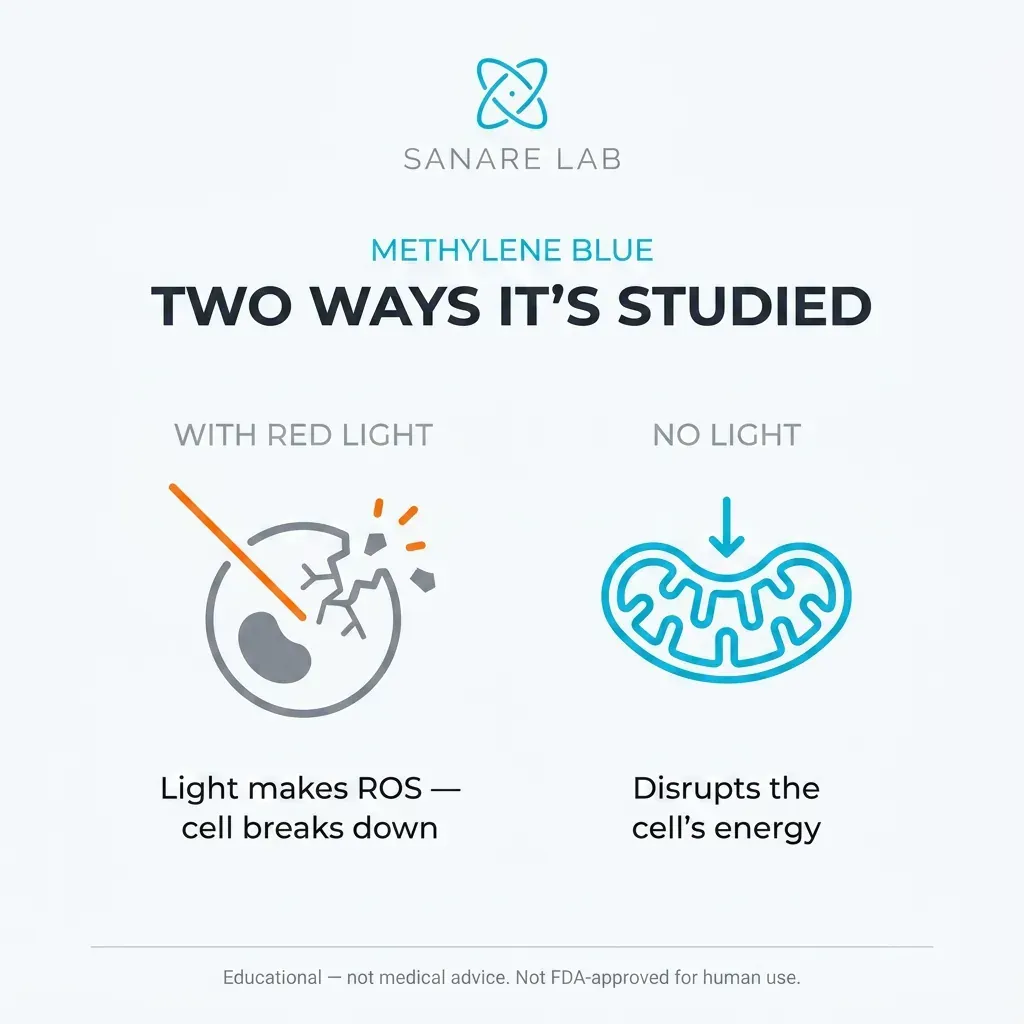
- Photosensitizer properties: upon red-light excitation, MB can generate reactive oxygen species (ROS) via Type I (radical) and Type II (singlet oxygen, ¹O₂) photochemistry — the basis of methylene blue photodynamic therapy (MB-PDT).
- Mitochondrial affinity: as a lipophilic cation in many cellular contexts, MB partitions toward mitochondria and can interact with electron transport chain (ETC) components, notably facilitating electron transfer involving complex-related carriers and cytochrome c under experimental conditions.
- Aggregation behavior: concentration-dependent monomer/dimer equilibria alter absorption spectra and PDT efficiency — an important experimental design variable.
- Protein and nucleic acid interactions: historical staining chemistry reflects binding to cellular polyanions; modern work explores DNA/RNA interactions and effects on nucleic-acid–processing enzymes in model systems.
| Property | Detail | Research relevance |
|---|---|---|
| Molecular formula | C₁₆H₁₈ClN₃S | Identity / analytical QC |
| Core scaffold | Phenothiazinium | Redox + photochemistry |
| Color (oxidized) | Deep blue | Tissue staining / tracking |
| Reduced form | Leucomethylene blue (colorless) | Redox cycling intermediate |
| Typical λmax (monomer) | ~660–670 nm | PDT light source matching |
| Charge | Cationic (oxidized) | Membrane / mitochondrial distribution |
These properties jointly explain why the same molecule appears in methemoglobinemia therapy, surgical staining, mitochondrial research, and experimental PDT oncology — different facets of one redox-active chromophore.
Discovery & Medical History
Heinrich Caro synthesized methylene blue at BASF in 1876 during the rise of the synthetic dye industry. Paul Ehrlich soon exploited its selective staining of cells and microorganisms, linking dye chemistry to the conceptual birth of chemotherapy. Early antimalarial experiments followed; later, the compound became a staple surgical dye and laboratory stain.
The modern regulatory anchor is FDA approval for acquired methemoglobinemia (ProvayBlue® and related products), where MB acts as an electron carrier in the NADPH-methemoglobin reductase pathway. Parallel hospital uses include sentinel node mapping and identification of anatomical structures.
Oncology interest is newer relative to the dye’s age: photodynamic applications expanded with laser and LED light delivery systems; metabolic oncology interest grew as the Warburg effect and mitochondrial dysfunction re-entered mainstream cancer biology. For patient-facing approved-use dosing and safety, see the practical dosage guide.
Mechanism of Action: Traditional Medical Uses (Brief)
In methemoglobinemia, MB is reduced to LMB, which then reduces Fe³⁺-methemoglobin back to Fe²⁺-hemoglobin, restoring oxygen carrying capacity. This requires adequate NADPH, largely supplied by the pentose phosphate pathway — hence the absolute contraindication in G6PD deficiency (detailed for clinicians and patients in the safety guide).
As a surgical dye, MB’s utility is optical rather than cytotoxic: contrast for nodes, glands, and tracts. These traditional mechanisms matter for cancer research because they establish (1) human systemic exposure is possible, (2) mitochondrial/redox engagement is real in vivo, and (3) light-interacting photochemistry is clinically familiar in other PDT agents — even though cancer treatment approval does not follow automatically.
Transition to Cancer Research: Why Scientists Got Interested
Several independent scientific threads converged:
- Photodynamic therapy platform: MB is inexpensive, absorbs in the red window with reasonable tissue penetration, and generates ¹O₂/ROS efficiently under optimized conditions.
- Metabolic vulnerability of tumors: many cancers exhibit altered glycolysis, impaired oxidative phosphorylation, and redox imbalance (Warburg-related phenotypes). A catalytic redox cycler that interfaces with the ETC is mechanistically plausible as a metabolic perturbagen.
- Mitochondrial membrane potential (ΔΨm) differences: cancer cells often show abnormal ΔΨm; agents that further depolarize or hyper-stress mitochondria can trigger intrinsic apoptosis.
- Drug-repurposing economics: known human PK/safety fragments (for other indications) lower early translational barriers compared with novel chemical entities — though oncology-specific trials remain sparse.
- Combination logic: ROS-generating or metabolic agents may sensitize tumors to chemotherapy, radiotherapy, or immunotherapy in model systems.
Mitochondrial Function & Cancer Metabolism
This section is the conceptual core of non-photoactivated methylene blue oncology research.
Electron Transport Chain Enhancement and Bypass Logic
In simplified models, MB can accept electrons from NAD(P)H-dependent sources and donate them to cytochrome c or oxygen, partially bypassing damaged ETC segments. In neurons and other non-malignant cells, low-dose MB has been studied as a bioenergetic support agent. In cancer cells, the same redox activity may instead increase electron leak, alter oxygen consumption rate (OCR), and push ROS above cytotoxic thresholds — a context-dependent dualism often called the “redox paradox.”
ATP Production in Cancer Cells
Cancer cells are not uniformly glycolytic; many retain oxidative phosphorylation and metabolic plasticity. Experimental MB exposure can:
- Modify OCR and extracellular acidification rate (ECAR) in Seahorse-type assays
- Change ATP/ADP ratios under nutrient stress
- Interact with hypoxia signaling by altering oxygen utilization
- Sensitize cells that are already near a bioenergetic cliff (e.g., after ETC inhibitors or nutrient deprivation)
Warburg Effect Modulation
The Warburg effect describes preferential glycolysis even when oxygen is available. MB does not “cure” Warburg biology in a simple switch sense, but preclinical reports describe:
- Shifts in lactate production under certain MB concentrations
- Coupling between mitochondrial ROS and glycolytic enzyme regulation
- Potential interference with HIF-linked metabolic programs secondary to redox and oxygen consumption changes
Interpretation caution: assay conditions (glucose, glutamine, oxygen tension, MB aggregation state) heavily influence outcomes. Reproducible metabolic claims require standardized extracellular flux protocols and orthogonal metabolomics.
| Metabolic node | Reported MB-related effect (models) | Experimental note |
|---|---|---|
| ETC electron flow | Alternate carrier / partial bypass | Dose and cell-type dependent |
| ROS setpoint | Increase (esp. with light) or biphasic modulation | PDT vs dark conditions differ |
| ΔΨm | Depolarization in many cancer lines under stress | Track with JC-1 / TMRM carefully |
| Glycolysis / lactate | Variable modulation | Media composition critical |
| Oxygen consumption | Often increased at low–moderate doses | May worsen hypoxia locally in vivo |
Multiple Anticancer Mechanisms (Detailed)
1. Photodynamic Therapy — Type I and Type II Reactions
Upon illumination with red light, excited-state MB can transfer energy to molecular oxygen (Type II → singlet oxygen) or participate in electron-transfer reactions (Type I → superoxide, hydrogen peroxide, hydroxyl radical cascades). Cytotoxicity is spatially constrained by light fields, offering a theoretical therapeutic index when photosensitizer and illumination are co-localized in tumor tissue.
Determinants of MB-PDT efficiency include monomer vs dimer balance, oxygen availability (hypoxic cores resist classic Type II PDT), light fluence rate, and intracellular localization (lysosomal vs mitochondrial photodamage patterns differ).
2. Oxidative Stress Modulation (Dark Conditions)
Even without light, catalytic redox cycling can elevate basal ROS. Cancer cells with high oncogenic ROS tone may cross apoptotic thresholds more readily than normal cells — but the therapeutic window is not guaranteed and can invert at different concentrations (antioxidant-like vs pro-oxidant regimes).
3. Autophagy Induction
Preclinical studies report MB-associated autophagy markers (LC3-II conversion, autophagosome accumulation). Autophagy can be cytoprotective or cytotoxic depending on duration and cellular context. Combination with autophagy modulators is a rational experimental axis but remains model-bound.
4. Apoptosis Pathways
Commonly reported features in cell-line work:
- Mitochondrial outer membrane permeabilization signals
- Cytochrome c release patterns under severe stress
- Caspase activation cascades
- Annexin V / TUNEL positivity after MB or MB-PDT
Intrinsic (mitochondrial) apoptosis is the dominant narrative; extrinsic pathway contributions are less consistently mapped.
5. Mitochondrial Membrane Potential Effects
Loss of ΔΨm is repeatedly observed in MB-treated cancer cells, especially under PDT. ΔΨm collapse couples to ATP failure and apoptosis commitment. Experimentalists should control for dye–dye optical interference when using fluorescent ΔΨm probes alongside MB.
6. Redox Cycling and the Antioxidant/Pro-oxidant Paradox
At low concentrations in some non-cancer systems, MB may support respiration and reduce oxidative damage; at higher concentrations or with light, it becomes a ROS generator. Oncology applications intentionally exploit the pro-oxidant side, which demands tight dose and illumination control.
7. Cell Cycle Effects
Reports include G0/G1 or G2/M arrests depending on lineage and dose. These are secondary phenotypes downstream of ROS, DNA stress, and metabolic insufficiency rather than a single unique MB receptor in most models.
8. Anti-Angiogenesis and Microenvironmental Effects (Emerging)
Limited data suggest possible effects on endothelial function and tumor vasculature under PDT or systemic exposure. Evidence is thinner than for direct tumor-cell cytotoxicity and should be labeled preliminary.
| Mechanism | Without light | With red light (PDT) | Evidence maturity |
|---|---|---|---|
| ROS / ¹O₂ generation | Moderate / biphasic | Strong, light-gated | High (mechanistic PDT) |
| ΔΨm disruption | Reported | Often amplified | Moderate–high in vitro |
| Apoptosis | Concentration-dependent | Robust in many lines | Moderate |
| Autophagy | Reported | Reported | Moderate |
| Metabolic rewiring | Central hypothesis | Secondary to photodamage | Moderate, heterogeneous |
| Anti-angiogenesis | Limited | Possible vascular PDT effects | Low–moderate |
Preclinical Evidence Overview
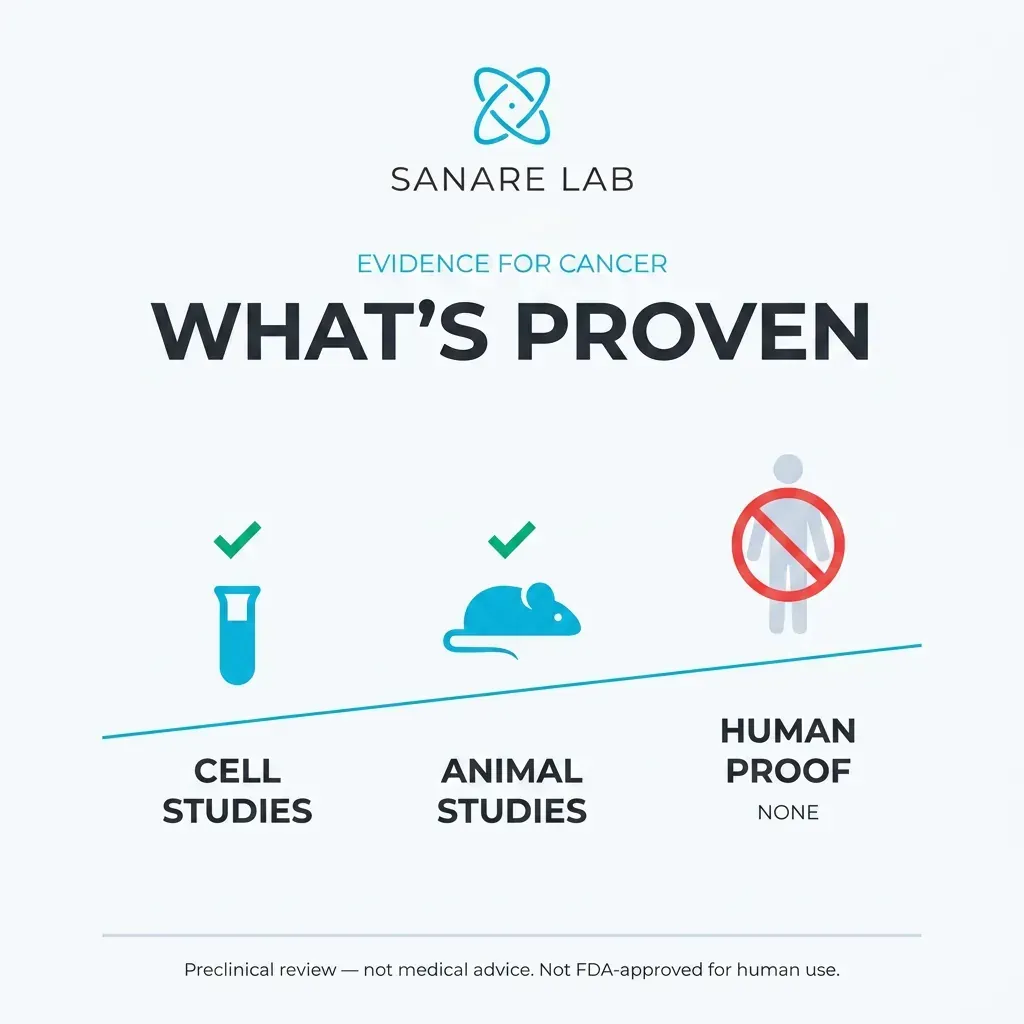
The preclinical literature spans monolayer cultures, 3D spheroids, xenografts, and specialized PDT setups. Quality varies: many papers are single-lab, single-model studies without pharmacokinetic confirmation of intratumoral MB levels.
| Evidence tier | What it shows | What it does not show |
|---|---|---|
| In vitro cytotoxicity | MB ± light can kill diverse cancer lines | Human clinical benefit |
| Mechanistic assays | ROS, ΔΨm, apoptosis markers move as predicted | Optimal human dose |
| Animal xenografts | Tumor growth delay in selected models | Generalizable survival benefit |
| Procedural human use | Staining / some local PDT explorations | Systemic anticancer efficacy |
| RCTs in cancer therapy | Largely absent for systemic MB anticancer claims | — |
Signal strength is generally highest for MB-PDT in accessible lesions / in vitro systems and more variable for systemic non-photoactivated metabolic therapy.
Methylene Blue Cancer Treatment: What the Evidence Actually Shows
Methylene blue is not an approved cancer treatment. No regulatory agency has cleared it for any oncology indication, and there are no completed randomized controlled trials showing that it treats a human cancer. Every anticancer signal reported so far comes from cell-culture experiments, animal models, or early photodynamic therapy (PDT) studies in which the dye is deliberately activated by light.
The area where methylene blue is furthest along is photodynamic therapy for accessible surface, cavity, or luminal lesions. Light activation is the most reproducible way to convert the molecule into a locally cytotoxic agent, which is why most credible clinical-adjacent work involves illuminated tissue rather than a pill. Systemic oral or injected use as a stand-alone cancer therapy remains hypothetical and has not been validated in people.
Interest in methylene blue as a cancer treatment is driven by its mitochondrial and redox activity — properties that overlap with the metabolic hypotheses behind other repurposed compounds. However, an interesting mechanism is not the same as demonstrated efficacy. The practical reading of the 2026 literature is that methylene blue is a promising experimental tool whose anticancer role is still confined to the laboratory and to light-activated research settings, and that anyone considering it should do so only within a clinical trial and under medical supervision.
How Methylene Blue Affects Cancer Cells
In laboratory studies, methylene blue affects cancer cells mainly by generating reactive oxygen species (ROS) and by interfering with mitochondrial electron transport. These two behaviours — one light-dependent, one light-independent — explain most of the reported effects on tumour cells.
Under light, methylene blue behaves as a photosensitizer. Absorbed photons drive it into an excited state that transfers energy or electrons to surrounding molecules, producing singlet oxygen and other ROS. These species oxidise lipids, proteins, and DNA close to where the dye has accumulated, and if the damage is severe enough the cell dies by apoptosis or necrosis. This photodynamic mechanism is the most consistent and reproducible way methylene blue kills cancer cells in vitro.
In the dark, methylene blue acts as a redox cycler. It can accept and donate electrons at mitochondrial complexes, shifting the balance of NAD⁺/NADH and reactive oxygen species. Depending on concentration this can either support or stress mitochondrial function, which is why dose matters so much in these experiments and why low and high concentrations sometimes produce opposite results.
The central unresolved question is selectivity. Healthy cells also rely on mitochondria, so the effects that damage cancer cells could in principle harm normal tissue as well. Establishing a genuine therapeutic window — a dose and delivery method that hits tumour cells while sparing healthy ones — is one of the main hurdles standing between these cell-level observations and any real cancer treatment.
Evidence by Cancer Type
Glioblastoma / Brain Tumor Models
Glioblastoma research is mechanistically attractive because of mitochondrial stress sensitivity and interest in agents that cross or bypass CNS barriers. Preclinical reports describe MB effects on glioma cell viability, ROS, and metabolic parameters. PDT approaches face delivery and light-penetration constraints in deep brain tissue; interstitial light delivery is an engineering problem as much as a pharmacology problem. Overall: promising model data, far from standard neuro-oncology practice.
Breast Cancer Studies
Breast cancer lines (including hormone-receptor–positive and triple-negative models) appear frequently in MB and MB-PDT papers. Endpoints include reduced viability, apoptosis induction, and occasional synergy with chemotherapeutics in vitro. In vivo data exist but are not uniform across subtypes. Translational gap: no large systemic efficacy trials establishing MB as breast cancer therapy.
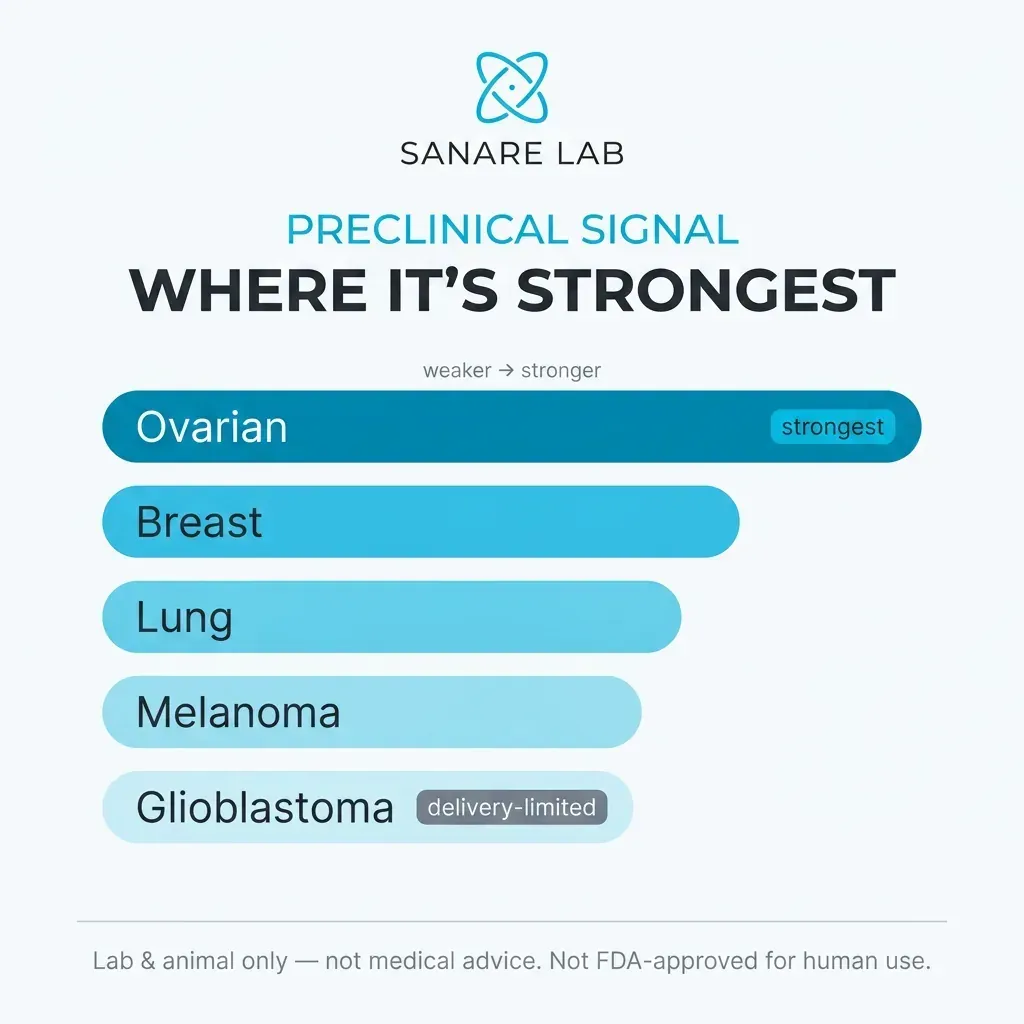
Ovarian Cancer
Among solid tumors, ovarian models have contributed some of the clearer non-PDT metabolic and combination signals in the literature, including exploratory combinations with cytotoxic agents. Intraperitoneal disease geometry also invites regional therapy concepts, still experimental.
Lung Cancer
NSCLC and related lines show ROS-mediated cytotoxicity and PDT responsiveness in vitro. Pulmonary PDT has historical clinical platforms with other photosensitizers; MB-specific lung cancer therapy remains early-stage.
Colorectal Cancer
Colorectal models are common PDT testbeds. MB can photosensitize colorectal cancer cells; hypoxia and light delivery again limit deep bulky disease. Oral systemic metabolic strategies are less well validated than local photodynamic concepts.
Melanoma
Pigmented lesions complicate optical dosimetry; still, melanoma cells are used in ROS and PDT studies. Immunotherapy dominates modern melanoma care — any MB combination with checkpoint inhibitors would be speculative without dedicated trials.
Pancreatic Cancer
Dense stroma, hypovascularity, and hypoxia make pancreatic adenocarcinoma a hard PDT target. Metabolic stress approaches are theoretically relevant but evidence for MB specifically is thinner than for some other repurposed candidates discussed on Sanare Lab (e.g., benzimidazoles in separate articles).
Hematologic Malignancies
Older and scattered reports describe activity in leukemia/lymphoma cell systems. Clinical development momentum is low relative to modern targeted and cellular therapies.
Prostate and Other Solid Tumors
Limited datasets; mechanistically plausible via mitochondrial and ROS pathways, but not a primary evidence pillar.
| Cancer type | In vitro signal | In vivo / procedural | Overall preclinical strength |
|---|---|---|---|
| Glioblastoma | Moderate–strong in models | Limited / technical barriers | Moderate |
| Breast | Strong volume of papers | Some xenograft data | Moderate–strong (still pre-clinical) |
| Ovarian | Strong in selected studies | Exploratory | Moderate–strong |
| Lung | Moderate | Limited MB-specific | Moderate |
| Colorectal | Strong for PDT models | Local therapy concepts | Moderate |
| Melanoma | Moderate | Optical challenges | Low–moderate |
| Pancreatic | Limited–moderate | Sparse | Low–moderate |
| Hematologic | Historical / sparse | Minimal modern pipeline | Low |
Molecular Targets & Signaling Pathways
Unlike kinase inhibitors with a single defined target, methylene blue is a polypharmacologic redox agent. Reported pathway-level effects in cancer models include:
- Intrinsic apoptosis machinery: Bcl-2 family balance shifts, caspase-9/-3 activation under lethal ROS
- AMPK / mTOR energetic sensing: secondary to ATP stress (model-dependent)
- HIF-1α / hypoxia signaling: indirect via oxygen consumption and ROS
- NF-κB and inflammatory transcription modules: redox-sensitive nodes in some reports
- Cell-cycle checkpoints: p53-dependent and -independent arrests depending on genotype
- Drug-efflux / resistance proteins: exploratory data on sensitization to chemotherapeutics (including P-gp–related hypotheses in older literature)
- Telomerase / nucleic acid stress: occasional reports; not a consensus primary mechanism
A rigorous reading treats these as network consequences of redox and mitochondrial perturbation rather than proof of selective on-target oncology pharmacology.
Synergies with Other Compounds
Combination logic is a major theme in repurposing research. Preclinical rationales include:
| Combination concept | Mechanistic rationale | Evidence level | Key caveats |
|---|---|---|---|
| MB-PDT + chemotherapy | ROS injury + DNA damage stacking | In vitro / limited in vivo | Normal tissue phototoxicity |
| MB + mitochondrial inhibitors | Bioenergetic collapse | Experimental | Host toxicity risk |
| MB + radiotherapy | ROS radiosensitization hypothesis | Early / limited | Scheduling critical |
| MB + fenbendazole-class agents | Metabolic + microtubule stress (theoretical stack) | Mostly conceptual / anecdotal protocols | No validated regimen |
| MB + ivermectin | Orthogonal stress pathways (theoretical) | Insufficient controlled data | Interaction monitoring still required |
| MB + curcumin / polyphenols | Redox and NF-κB modulation | Mixed; antioxidants may antagonize PDT | Context-specific |
For patient-facing safety of related compounds, see ivermectin for humans, fenbendazole dosage safety, curcumin evidence, and ISOM protocol overview. Those articles do not establish MB combination efficacy.
Pharmacokinetics in Cancer Research Context
Translating in vitro micromolar potencies to humans requires PK honesty:
- Routes: IV (hospital), oral solutions/capsules (variable absorption), topical/local for PDT, experimental intralesional approaches
- Distribution: wide; tissues and mitochondria are relevant compartments; CNS penetration is discussed but not a free pass for brain-tumor therapy claims
- Metabolism / elimination: reduction to LMB, urinary excretion of dye species; blue urine is a visible PK tracer, not a efficacy biomarker for cancer
- Light dosimetry (PDT): fluence, wavelength, oxygen, and photosensitizer concentration jointly define “effective dose” more than milligrams alone
- Exposure–response gap: many cell-culture concentrations exceed what chronic oral human use safely achieves
| PK question | Why it matters for oncology translation |
|---|---|
| Can intratumoral levels reach in vitro IC50? | Without this, cytotoxicity papers do not translate |
| Does hypoxia block Type II PDT? | Predicts geographic failure inside tumors |
| Is chronic systemic redox stress tolerable? | Limits metabolic-therapy dosing |
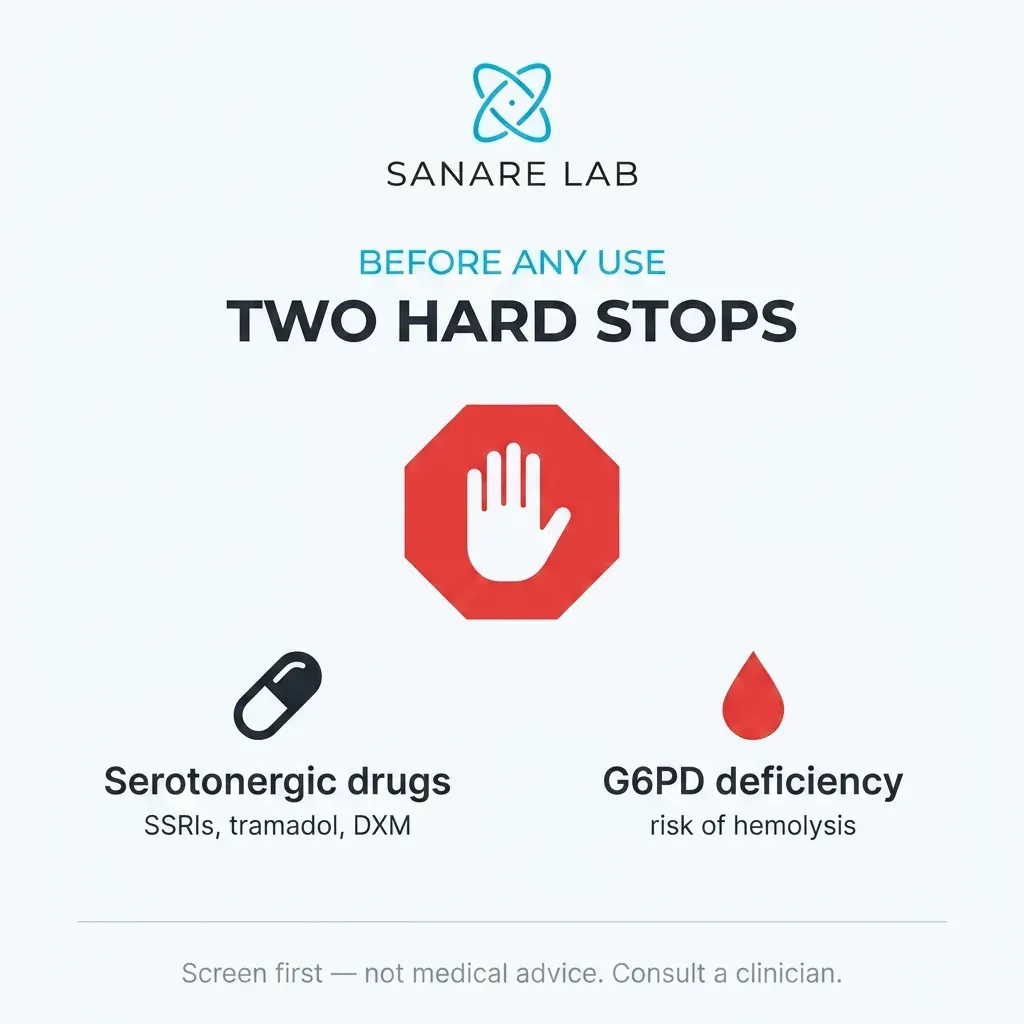
| Do drug–drug interactions alter exposure? | Serotonergic drugs are safety, not just PK, issues |
Current Clinical Research Status
As of mid-2026, methylene blue’s oncology footprint in humans is best summarized as:
- Diagnostic / surgical: established staining uses in cancer operations (not systemic therapy)
- Supportive oncology: ifosfamide-induced encephalopathy (off-label but clinically recognized)
- Therapeutic anticancer RCTs: not a mature, positive Phase III landscape for systemic MB as cancer treatment
- PDT explorations: ongoing interest in accessible tumors and antimicrobial PDT adjacent fields; cancer-specific MB-PDT programs remain selective and early
| Clinical domain | Status | Implication |
|---|---|---|
| Methemoglobinemia | Approved | Anchor human safety dataset (different indication) |
| Surgical dye | Standard practice | Human exposure experience |
| Ifosfamide encephalopathy | Off-label accepted use | Oncology-adjacent pharmacology |
| Systemic anticancer therapy | Not established | Do not replace SOC |
| MB-PDT anticancer | Experimental / early | Device + drug complexity |
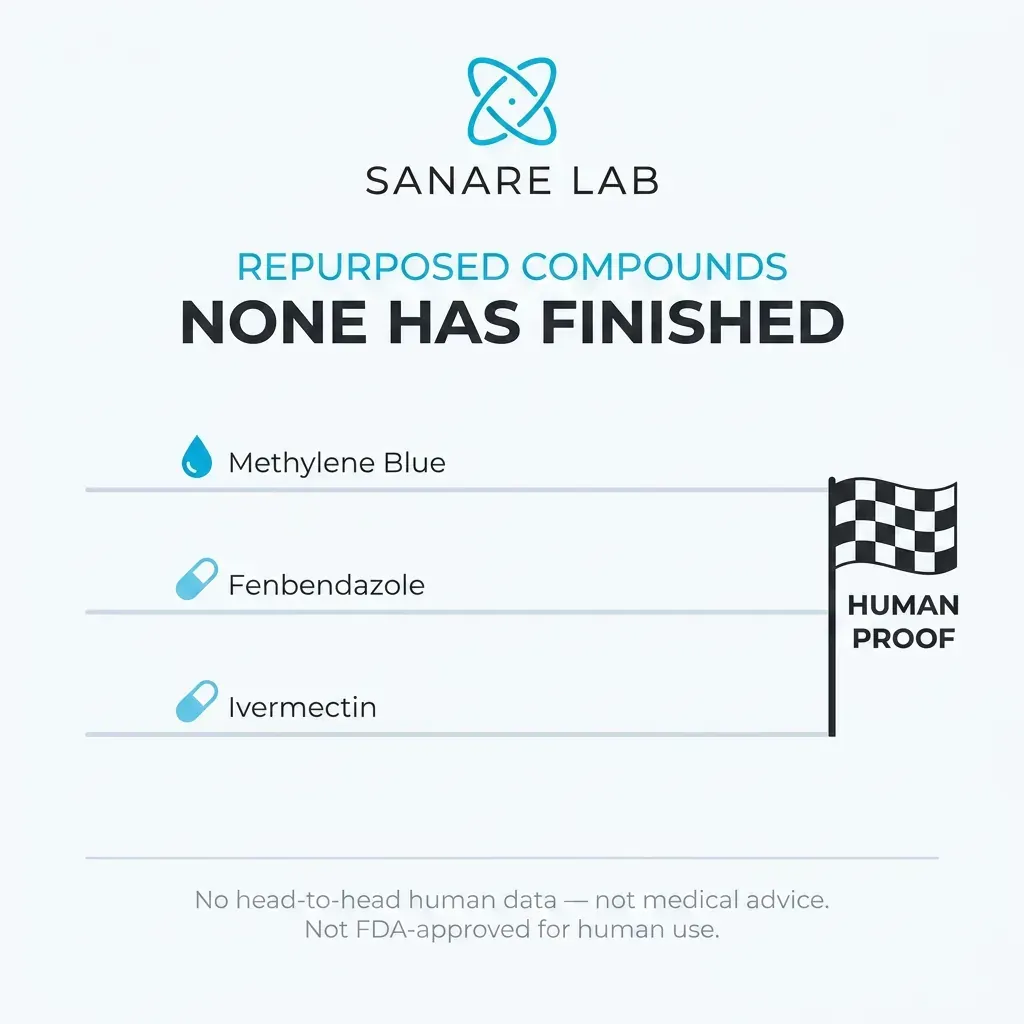
Readers evaluating protocols online should demand: registered trial IDs, dose justification from PK, G6PD screening, serotonergic medication reconciliation, and explicit non-interference with standard care.
Future Research Directions
- Standardized dark vs light experimental reporting — many papers under-specify illumination conditions.
- Intratumoral PK/PD studies linking achievable concentrations to biomarker changes (ROS, ΔΨm, caspase cleavage).
- Hypoxia-compatible PDT strategies (Type I emphasis, fractionation, oxygen-enhancing adjuncts).
- Rational combinations with immunotherapy or metabolic inhibitors under controlled designs — not social-media stacks.
- Biomarker-enriched cohorts (redox gene signatures, mitochondrial phenotypes) if human trials proceed.
- Formulation science — nanoparticles, liposomes, and targeted delivery to improve tumor selectivity and reduce systemic redox burden.
- Safety pharmacology in polypharmacy cancer patients — antidepressants are common; MAOI interaction is a trial-design constraint.
High-priority negative-result publishing would also help the field: which models fail, at what exposure, and why.
Experimental Design Considerations for MB Oncology Studies
Many methylene blue cancer papers are difficult to compare because methods are under-specified. Researchers planning new work should pre-register or at least rigidly report:
- Illumination conditions: wavelength, fluence (J/cm²), irradiance (mW/cm²), dark controls, ambient light shielding during “dark” arms
- Aggregation state: concentration range, solvent, spectra confirming monomer/dimer balance
- Media redox environment: serum percentage, ascorbate, pyruvate, and phenol red can alter apparent potency
- Cell line authentication and mycoplasma testing
- Orthogonal viability readouts (not MTT alone — dye interactions possible)
- ROS probe validation with positive/negative controls and spectral crosstalk checks versus MB absorbance/fluorescence
- In vivo PK: plasma and tumor concentrations at pharmacodynamic time points
| Design element | Minimum reporting | Why it changes interpretation |
|---|---|---|
| Light dose | λ, J/cm², mW/cm², schedule | Defines PDT vs dark pharmacology |
| MB concentration | µM or mg/kg + vehicle | Aggregation and toxicity cliffs |
| Oxygen context | Normoxia / hypoxia % O₂ | Type II PDT dependence |
| Controls | Vehicle, light-only, MB-dark | Prevents false PDT attribution |
| PK | Tumor Cmax / AUC if in vivo | Links exposure to effect |
Deep Dive: The Redox Paradox in Tumor Biology
Cancer cells often maintain elevated ROS that support proliferation signaling while remaining below lethal thresholds. Therapeutic strategies either (a) buffer ROS or (b) push ROS past a death threshold. Methylene blue can theoretically do either depending on dose, light, and baseline metabolism — which is why contradictory “antioxidant” vs “pro-oxidant” language appears across literatures.
Low-Dose / Dark Bioenergetic Support Narrative
In non-oncology mitochondrial research, low-dose MB is sometimes framed as an alternative electron carrier that may improve respiration efficiency. If that narrative dominated in tumors, one might fear tumor-protective effects. Empirical cancer papers more often report cytotoxicity at experimental exposures, but the dualism remains a scientific caution, especially for chronic low-dose systemic use without light.
High-Dose / PDT Cytotoxic Narrative
Photoactivation collapses the ambiguity: ROS generation becomes the intended pharmacologic product. Selectivity then depends on photosensitizer distribution, light geometry, and oxygen — not on a unique cancer receptor.
Implications for Combination Science
- Antioxidant co-administration may antagonize PDT arms
- ETC inhibitors may synergize or cause host toxicity
- Immunotherapy combinations need immune-competent models; ROS can be immunostimulatory or lymphotoxic depending on dose fields
PDT Engineering Constraints
Even when cell-line PDT looks dramatic, clinical translation collides with physics and physiology:
- Light penetration: red light reaches millimeters to a couple of centimeters depending on tissue; bulky or deep tumors need interstitial fibers or intraoperative illumination.
- Oxygen gradients: necrotic and hypoxic regions resist Type II PDT; fractionation and Type I strategies are active topics.
- Photosensitizer delivery: free MB distributes widely; formulations (liposomes, nanoparticles, conjugates) aim to improve tumor-to-normal ratios.
- Photobleaching and dosimetry: MB can photobleach; real-time fluorescence dosimetry is a research enabler.
- Normal tissue photosensitivity: skin and mucosa in the light field are at risk without shielding protocols.
These constraints explain why MB-PDT is more plausible for superficial, luminal, or intraoperative targets than for diffuse metastatic disease treated with pills alone.
Mechanistic Placement Among Repurposed Candidates
Sanare Lab covers several repurposed agents. Mechanistic orthogonality matters more than internet “stack” popularity.
| Agent | Dominant oncology research theme | Relation to MB |
|---|---|---|
| Methylene blue | Redox cycling + PDT + mitochondrial stress | Reference agent in this article |
| Fenbendazole | Microtubule disruption / related stress programs | Orthogonal; not a substitute |
| Mebendazole | Microtubule / anti-cancer benzimidazole data | Orthogonal |
| Ivermectin | Ion channels, signaling, immuno-oncology hypotheses | Orthogonal |
| Curcumin | NF-κB / inflammatory and redox-modulating polyphenol | May antagonize or complement depending on design |
Cross-links for readers building a mental model of the field: fenbendazole vs ivermectin, curcumin evidence, ISOM protocol, Joe Tippens protocol. Practical human safety for MB remains in the dosage guide.
Evidence Grading Snapshot (SORT-Style Reading)
Using a patient-oriented evidence mindset adapted for research communication:
| Claim type | Approximate evidence grade | Comment |
|---|---|---|
| MB kills cancer cells in vitro with PDT | Strong disease-oriented evidence | Reproduced across labs with caveats |
| MB modulates mitochondria/ROS in models | Moderate disease-oriented evidence | Mechanism-supportive |
| Systemic MB improves human cancer outcomes | Insufficient / absent high-quality POEM | No basis for standard care |
| MB surgical dye helps operative localization | Practice-supported (non-therapeutic) | Different use-case |
| MB treats ifosfamide encephalopathy | Clinical off-label supportive care | Not anticancer efficacy |
This grading is intentionally conservative. Enthusiasm for mechanisms should not be laundered into clinical certainty.
Open Mechanistic Questions (Research Agenda)
- Which tumor genomic or metabolic subtypes are most MB-PDT sensitive?
- Can Type I-dominant protocols overcome hypoxia better than classical Type II assumptions?
- What intratumoral concentration–time profiles are achievable with modern formulations?
- Does dark systemic MB ever reach a pro-death redox threshold in human tumors without intolerable host effects?
- How do antidepressants and other common oncology supportive meds constrain trial eligibility given MAO-A inhibition?
- Can immune profiling identify PDT-induced immunogenic cell death signatures worth combining with checkpoint blockade?
- What standardized minimum dataset should journals require for MB cancer papers (light, spectra, PK, authentication)?
Assay Artifacts and False Positives in MB Research
Methylene blue’s intense color and redox activity create systematic assay problems that inflate or distort “anticancer” readouts if uncontrolled.
Colorimetric Viability Assays
MTT, MTS, and related tetrazolium assays depend on absorbance in spectral regions where MB and its reduction products can interfere. Without careful blanking, centrifugation of formazan, or orthogonal readouts (colony formation, flow cytometry dead-cell dyes, impedance), apparent IC50 values may be partly optical artifacts.
Fluorescent ROS and ΔΨm Probes
DCFH-DA, MitoSOX, JC-1, TMRM and similar probes can spectrally overlap with MB or be chemically oxidized in ways that do not equal biologic ROS. Minimum best practice includes:
- Excitation/emission spectra overlay for probe vs MB
- MB-only wells without probe
- Probe-only and vehicle controls
- Secondary ROS detection method when claims are central
Light Contamination
“Dark” experiments performed on open benches under white LED lighting may include unintended low-level PDT. Black-wall plates, foil wrapping, and documented lux levels separate redox-dark pharmacology from accidental photochemistry.
| Artifact source | False conclusion risk | Mitigation |
|---|---|---|
| MB absorbance in MTT | Overestimated cytotoxicity | Orthogonal viability assays |
| Probe spectral overlap | Overestimated ROS/ΔΨm change | Spectral controls; alternate probes |
| Ambient light | Dark arm actually weak PDT | Strict light exclusion |
| Impure dye lots | Off-target toxicity | Analytical QC of MB source |
| Single high serum batch effects | Non-reproducible IC50 | Report media fully; repeat lots |
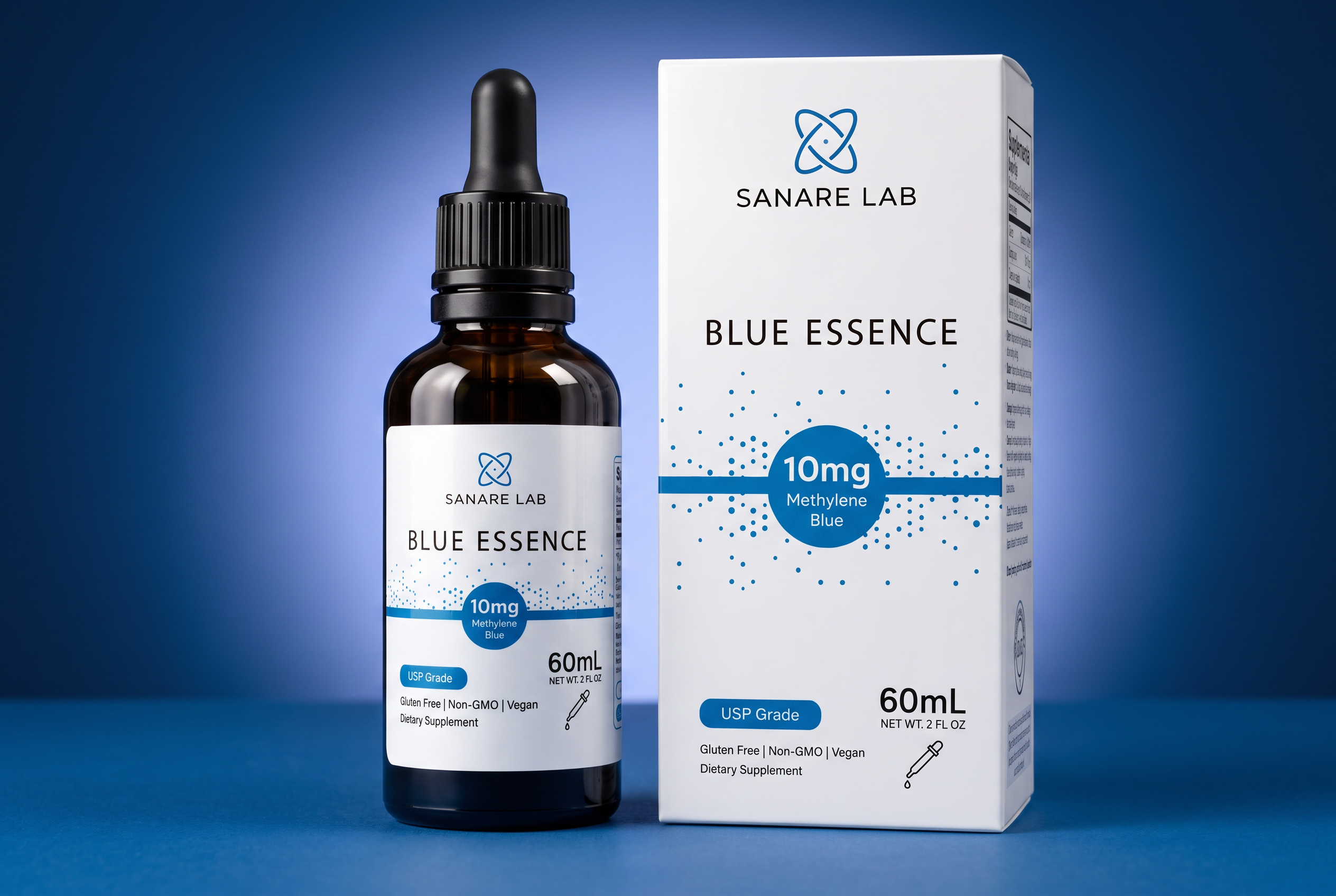
 Also available on Amazon

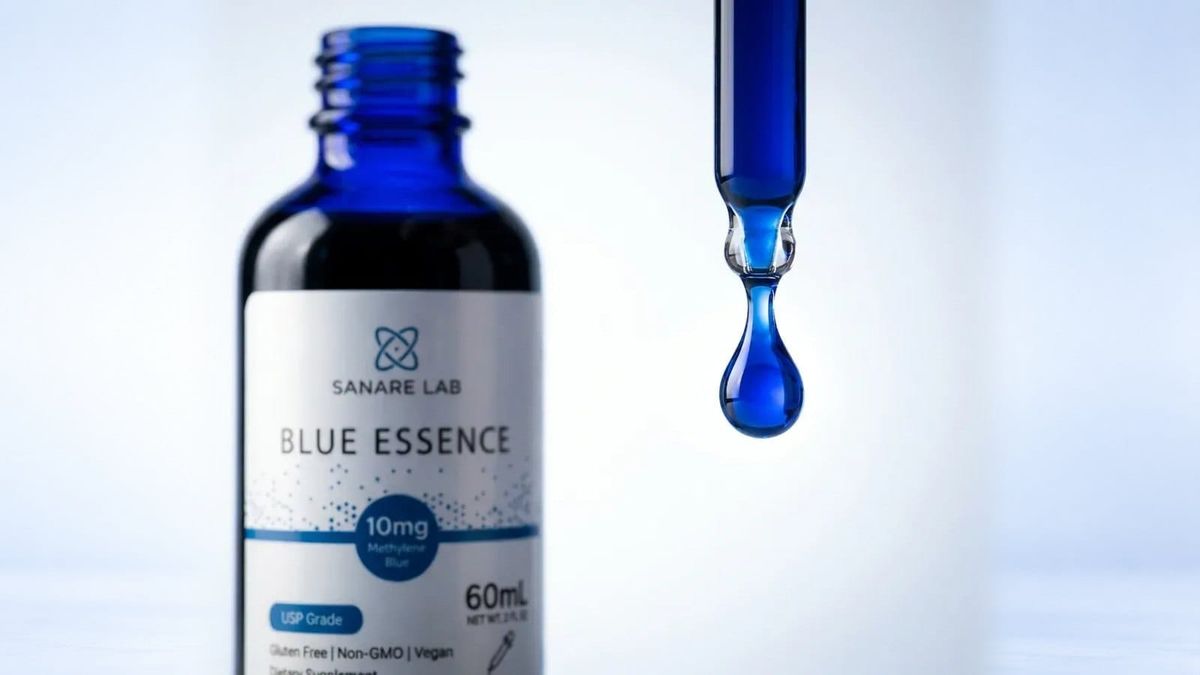
Blue Essence — USP Grade Methylene Blue with Vitamin C & Organic Cocoa | 60 Capsules
Delivery Systems and Formulation Science
Free methylene blue is not optimized as a tumor-selective drug. Formulation research tries to improve the therapeutic index for PDT and metabolic applications:
- Liposomes and lipid nanoparticles: alter distribution, may enhance local retention for PDT
- Polymeric nanoparticles: controlled release; surface ligands for targeting hypotheses
- Conjugation strategies: link MB-like chromophores to antibodies, peptides, or substrates cleaved in tumor microenvironments
- Topical / mucoadhesive gels: for accessible lesions where systemic exposure is unnecessary
- Intralesional or intraperitoneal delivery: regional concentration without high plasma peaks
Each approach redefines PK and toxicity. A liposomal MB PDT paper does not validate oral drop regimens circulating on social media.
Translation Point: Formulation is not a footnote — for photosensitizers it often is the drug product. Compare free MB data to nanoformulated data only with explicit caveats.
Immunogenic Cell Death and Immuno-Oncology Hypotheses
Certain PDT regimens with other photosensitizers can trigger immunogenic cell death (ICD) features — calreticulin exposure, ATP release, HMGB1 — that prime adaptive immunity. Whether MB-PDT reliably induces ICD signatures suitable for checkpoint inhibitor combinations is an open experimental question.
Why the Hypothesis Is Attractive
- Localized tumor destruction may release antigens in situ
- ROS-driven stress can upregulate danger signals
- Modern oncology success with PD-1/PD-L1 blockade creates a combination template
Why Caution Dominates
- Systemic MB redox stress could harm lymphocytes at some exposures
- ICD claims require specific assays, not only tumor shrinkage in nude mice
- Immune-competent orthotopic models are underused in older MB literature
Until such data mature, immuno-oncology combinations remain speculative research directions rather than clinical recommendations.
Systems Biology View: Network Stress, Not Single-Target Inhibition
Kinase inhibitors are often described with a primary target and off-target map. Methylene blue is better described as a network stressor:
- Primary physicochemical events: redox cycling, photoexcitation, mitochondrial localization
- Secondary bioenergetic events: OCR/ECAR shifts, ATP stress, ΔΨm instability
- Tertiary signaling events: AMPK, HIF, NF-κB, p53 modules as sensors of that stress
- Quaternary phenotypes: cycle arrest, autophagy, apoptosis, necrosis, senescence mixtures
This layered model predicts high context dependence — genotype, nutrient state, oxygen, light, and co-drugs all move the phenotype. It also predicts that biomarker strategies should track stress physiology (ROS, ΔΨm, caspase activity, metabolic flux) rather than a single MB “receptor occupancy” metric.
| Layer | Example readouts | Common failure mode |
|---|---|---|
| Physicochemical | Spectra, ¹O₂ yield, aggregation | Ignoring dimerization |
| Bioenergetic | OCR, ECAR, ATP, ΔΨm | Single time point only |
| Signaling | p-AMPK, HIF-1α, cleaved caspase | Over-interpreting one blot |
| Phenotype | Apoptosis vs autophagy balance | MTT-only endpoint |
A Conservative Translational Roadmap
If the field aims for credible human anticancer development rather than perpetual in vitro novelty, a staged roadmap might look like:
- Analytical & formulation lock: GMP-like MB source, impurity profile, stable product for PDT or systemic use
- PK/PD bridge: plasma + tumor concentrations linked to ROS/apoptosis biomarkers in animals
- Indication triage: prefer disease settings where light delivery or regional therapy is feasible
- Safety pharmacology for oncology populations: explicit serotonergic medication rules, G6PD screening SOPs, hemolysis monitoring
- Early human studies: procedural PDT or window-of-opportunity trials with biomarker endpoints before survival claims
- Combination only after monotherapy control of dosimetry and safety
Skipping to chronic oral self-administration protocols bypasses every serious translational gate.
Reproducibility, Effect Sizes, and Publication Bias
The MB cancer literature, like much of preclinical oncology, is vulnerable to:
- Small n animal studies without power calculations
- Selective reporting of responsive cell lines
- Absence of pre-registration for confirmatory experiments
- Positive-result publication bias
- Incomplete raw data and spectrum files for PDT dosimetry
Readers should demand effect sizes with uncertainty, independent replication, and materials transparency (MB supplier, purity, lot). A single spectacular spheroid image is not a dose–response relationship.
MB Among Clinical and Experimental Photosensitizers
Clinical PDT already uses agents such as porfimer sodium and various aminolevulinic acid pathways in selected indications. MB’s theoretical advantages include low cost, well-known chemistry, and red absorption; disadvantages include less mature oncology regulatory packages, aggregation quirks, and systemic staining/interaction baggage.
| Photosensitizer class | Clinical maturity (general) | MB comparison note |
|---|---|---|
| Porfimer-type agents | Established in select PDT indications | More oncology procedure history than MB |
| ALA / PpIX pathways | Dermatology and selected fields | Different activation biology |
| Methylene blue | Strong lab PDT tool; limited cancer therapy approval | Cost and chemistry attractive; translation incomplete |
| Next-gen targeted conjugates | Emerging | May outpace free MB on selectivity |
Positioning MB as “the” cancer PDT agent of the future is not required by the data; positioning it as a useful experimental photosensitizer with unfinished translational work is.
Model Systems Ranked by Translational Utility
Not all preclinical systems equally inform human MB oncology decisions:
| Model system | Utility for MB research | Main limitation |
|---|---|---|
| 2D cell lines | High-throughput mechanism screens | Poor PK, oxygen, and architecture fidelity |
| 3D spheroids / organoids | Gradients of oxygen and drug penetration | Still simplified stroma/immunity |
| CAM / zebrafish models | Rapid in vivo-like observations | Phylogenetic distance |
| Subcutaneous xenografts | Tumor growth endpoints | Wrong microenvironment; often immunodeficient |
| Orthotopic models | Organ-site biology | Technical difficulty; variable imaging |
| Syngeneic immune-competent | Immuno-PDT hypotheses | Murine immunology differs from human |
| Patient-derived xenografts | Closer human tumor genetics | Cost; immune system absent unless humanized |
| Ex vivo human tissue slices | Human architecture + light testing | Short viability window |
A hierarchy that jumps from MTT on a single line to human oral protocols skips the models that actually test light delivery, hypoxia, and exposure.
Dose-Response Shapes Unique to Redox Agents
Linear "more drug, more kill" assumptions fail for redox cyclers and photosensitizers:
- Hormetic or biphasic curves: low-dose metabolic support vs high-dose toxicity narratives can coexist in different systems
- Threshold PDT curves: below a fluence/photosensitizer product, little kill; above it, steep cytotoxicity
- Oxygen-limited plateaus: additional light without oxygen yields diminishing returns
- Aggregation cliffs: raising concentration may increase dimers that photobleach or absorb differently
Therefore IC50 single numbers without full curves, light axes, and oxygen notes are weak evidence objects. Prefer surface plots of concentration times fluence where PDT is claimed.
Proposed Minimum Biomarker Panel for Mechanistic Papers
To make MB oncology papers comparable, a minimum panel might include:
- MB uptake / fluorescence or analytical quantification in cells or tumors
- ROS evidence with spectral controls
- Mitochondrial membrane potential with orthogonal confirmation when central to the claim
- Apoptosis markers (cleaved caspase-3, Annexin/PI) plus necrosis distinction
- Autophagy markers if autophagy is claimed (flux assays, not LC3 alone)
- Metabolic flux (OCR/ECAR) for dark metabolic claims
- For PDT: explicit dosimetry table
- For in vivo: tumor volume + body weight toxicity and, ideally, intratumoral drug level
Journals and reviewers who enforce such minima would reduce noise faster than another narrative review.
Ethics of Overclaiming Preclinical MB Data
Scientific communication ethics matter because patients read PubMed-adjacent blogs. Responsible framing includes:
- Lead with indication status: not approved for cancer therapy
- Separate PDT procedural hypotheses from oral metabolic anecdotes
- Disclose conflicts and product affiliations
- Avoid survival language based solely on cell death assays
- Link readers to safety realities (G6PD, serotonin) even in research articles — briefly, with pointer to clinical guides
This article intentionally offloads patient dosing tables to the practical companion to prevent research text from being misused as a protocol while still acknowledging safety constraints that shape trial design.
Integration with Metabolic Protocol Literature
Readers of Sanare Lab often encounter multi-agent metabolic strategies. From a scientific integration standpoint:
- ISOM-style metabolic frameworks discuss repurposed agents as a class — MB may appear as a mitochondrial/redox candidate, not as proven standard of care
- Joe Tippens-related fenbendazole narratives are mechanistically distinct (microtubules) from MB PDT/redox biology
- Curcumin research shares redox vocabulary but differs in photochemistry and clinical evidence structure
- Ivermectin oncology hypotheses (human safety context) again differ in primary targets
Stacking agents multiplies unknown interaction surfaces. Scientifically, combinations require factorial designs; clinically, they require explicit safety gates. MB MAO-A inhibition is one such hard gate.
Mechanism-Evidence-Translation Matrix
| Mechanism cluster | Preclinical support | Translational bottleneck | Near-term research path |
|---|---|---|---|
| MB-PDT ROS kill | High in vitro / model | Light + oxygen delivery | Procedural / local trials with dosimetry |
| Dark mitochondrial stress | Moderate, heterogeneous | Exposure vs host toxicity | PK/PD biomarker studies first |
| Autophagy modulation | Moderate markers | Cytoprotective vs cytotoxic ambiguity | Flux-defined combination studies |
| Metabolic / Warburg claims | Mixed | Assay standardization | Metabolomics + flux under controlled media |
| Immuno-PDT synergy | Early hypothesis | Immune-competent models lacking | Syngeneic + checkpoint designs |
| Chemo sensitization | Scattered in vitro | Scheduling and normal tissue toxicity | Controlled combination PK |
Historical Threads That Shaped MB Oncology Interest
Three historical threads explain why methylene blue keeps reappearing in cancer-adjacent literature despite lacking modern Phase III anticancer approval:
- Dye-to-drug lineage: Ehrlich selective staining philosophy made phenothiazinium dyes intellectual ancestors of targeted therapy concepts, even though MB itself is not a modern targeted agent.
- PDT technology waves: each generation of cheaper red light sources (lasers, then LEDs) lowers the barrier to test old photosensitizers again.
- Metabolic oncology renaissance: renewed attention to Warburg biology, OXPHOS heterogeneity, and mitochondrial drug projects created a conceptual home for redox cyclers.
Understanding these threads prevents anachronistic readings — 2026 interest is not proof of 2026 clinical readiness.
What Good Enough Quantitative Targets Might Look Like
Although no consensus regulatory target set exists for systemic MB anticancer development, research groups can pre-specify internal go/no-go metrics, for example:
| Domain | Example internal target | Rationale |
|---|---|---|
| Tumor exposure | Intratumoral levels exceeding in vitro EC50 with safety margin | Bridges dish to animal |
| PDT dosimetry | Reproducible fluence delivery with defined tolerance | Makes light a controlled variable |
| Selectivity | Tumor-to-normal damage ratio above pre-set threshold in models | Therapeutic index proxy |
| Host safety | No grade-limiting hemolysis or serotonin toxicity signals in protocol rules | Hard safety gates |
| Biomarker | On-mechanism ROS/apoptosis change at achievable exposure | Supports causal story |
| Reproducibility | Independent lab replication of key efficacy endpoint | Counters single-lab bias |
Without pre-specified targets, every modest spheroid result can be narrated as progress.
How to Read an MB Cancer Paper in 10 Minutes
- Is the arm dark, light, or both? If unclear, stop and demand methods.
- What purity and source of MB were used?
- Are viability assays orthogonal to colorimetric interference?
- For PDT: full dosimetry table present?
- For metabolic claims: flux data or only viability?
- In vivo: orthotopic or only subcutaneous? Immune status?
- Any intratumoral PK?
- Toxicity: body weight, labs, photosensitivity notes?
- Statistics: n, effect size, multiple comparison handling?
- Do the authors over-extrapolate to human oral protocols?
This checklist is deliberately harsh. Harsh reading is how a field matures.
Research Conclusion
Methylene blue occupies an unusual niche: a nineteenth-century dye with twenty-first-century photochemical and mitochondrial relevance, abundant preclinical oncology signals, and a thin systemic anticancer clinical spine. The scientifically honest position in 2026 is dual:
- Yes — MB is a legitimate experimental photosensitizer and redox probe with multi-lineage model activity and coherent mechanistic stories around ROS, mitochondrial membrane potential, apoptosis, and metabolic stress.
- No — those facts do not authorize treating MB as standard cancer therapy, nor do they validate unmonitored chronic oral protocols marketed online.
Progress requires dosimetry discipline, PK linkage, hypoxia-aware design, immune-competent models where immuno-claims are made, and safety architectures that respect MAO-A inhibition and G6PD biology. Until then, the highest-value use of this literature is to guide better experiments — and to keep patient-facing dosing and interaction guidance in dedicated practical resources such as our Methylene Blue Dosage and Safety Guide.
Plan the numbers in our interactive dosing workspace.
Frequently Asked Questions
Is methylene blue a mitochondrial-targeted anticancer drug in the formal sense?
It is a redox-active phenothiazinium that can localize to and affect mitochondria, but it is not a modern precision mitochondrial drug with a single validated oncology target profile.
Why does light change MB’s anticancer pharmacology so dramatically?
Photoexcitation enables Type I/II ROS generation at rates far above dark redox cycling, converting a mild metabolic perturbagen into a localized phototoxic agent.
Does MB reverse the Warburg effect?
Not in a simple, universal way. Some models show metabolic shifts; others show cytotoxicity without clean ‘Warburg reversal.’ Claims require flux analysis, not only viability assays.
What is the strongest preclinical use-case?
MB-PDT in optically accessible models with controlled dosimetry is generally more coherent than systemic dark metabolic therapy claims.
Why might in vitro IC50 values mislead?
Protein binding, aggregation, media redox buffers, light contamination on the bench, and unrealistic exposure durations all distort translation.
How should ΔΨm assays be controlled when MB is present?
Account for spectral overlap, use multiple probes or non-fluorescent orthogonal readouts, and include vehicle and light-only controls.
Is singlet oxygen the only important PDT species for MB?
No. Type II ¹O₂ is central under oxygenated conditions, but Type I radicals matter, especially when oxygen is limited.
Could MB antagonize antioxidant-based interventions?
Yes in principle. High-dose antioxidants may blunt PDT efficacy; combination design must specify sequence and endpoints.
What animal model features improve translational value?
Orthotopic implantation, immune-competent hosts where relevant, measured intratumoral drug levels, and clinically realistic light delivery.
How does hypoxia limit MB-PDT?
Classic Type II PDT needs O₂; hypoxic cores may survive. Fractionated light or Type I–leaning conditions are active research topics.
Are surgical dye doses informative for therapy doses?
Only partially. Staining doses demonstrate human exposure feasibility, not antitumor exposure–response.
What molecular biomarkers would support an on-mechanism clinical study?
Intratumoral ROS signatures, apoptotic markers, metabolic flux changes, and photosensitizer fluorescence pharmacokinetics.
How does MB compare mechanistically to fenbendazole?
Fenbendazole is primarily microtubule-targeting in cancer models; MB is redox/PDT/metabolic. They are orthogonal hypotheses, not substitutes.
How does MB compare mechanistically to ivermectin in oncology research?
Ivermectin literature emphasizes ion channels, pathways such as YAP1/PAK1 contexts, and immunomodulation hypotheses; MB emphasizes redox and PDT. Different tool compounds.
Is oral chronic MB a viable oncology strategy scientifically?
Unproven. Chronic systemic redox modulation faces therapeutic-index and interaction barriers; local PDT or short supervised courses are more coherent experimental frames.
What confounds older MB cancer papers?
Uncontrolled ambient light, impure dye lots, single endpoint MTT artifacts, and missing authentication of cell lines.
Does blue urine indicate therapeutic levels in tumor tissue?
No. It indicates systemic dye presence/excretion, not intratumoral effective concentration.
What trial design is most ethical for first systemic anticancer tests?
Dose-escalation with mandatory G6PD screening, serotonergic drug exclusion/washout, PK sampling, and no delay of standard care.
Where should negative results be published?
In specialty PDT, mitochondrial biology, or repurposing journals — negative metabolic and PDT failures are as informative as positive cell-kill figures.
What single sentence summarizes the 2026 evidence state?
Methylene blue is a mechanistically rich experimental photosensitizer and redox probe with meaningful preclinical anticancer signals, without established systemic anticancer clinical efficacy.
Can methylene blue treat cancer in humans?
Not as an established therapy. There are no completed randomized trials showing methylene blue treats any human cancer, and it is not approved for oncology. The human-relevant evidence is limited to early photodynamic therapy research and preclinical models.
Does methylene blue kill cancer cells?
In the laboratory it can, primarily by generating reactive oxygen species when activated by light and by disturbing mitochondrial electron transport. Whether this translates into a safe, selective effect in patients is unproven.
What cancers has methylene blue been studied in?
Preclinical and photodynamic studies span breast, colorectal, lung, ovarian, glioma/brain, melanoma, and bladder models, among others. These are cell-culture and animal experiments, not evidence of clinical efficacy.
Is methylene blue a cancer cure?
No. Mechanistic promise in cells and animals is not a cure. Claims that methylene blue cures cancer are not supported by controlled human evidence.
Is methylene blue safe to take for cancer?
Pharmaceutical methylene blue has known risks, including serotonin toxicity when combined with serotonergic drugs (it is an MAO-A inhibitor) and methemoglobinemia in individuals with G6PD deficiency. Self-treatment is not advised; any use should be medically supervised.
Key Scientific Takeaways
- MB is a cationic phenothiazinium redox cycler and photosensitizer — polypharmacology, not a single-target TKI analog.
- Anticancer hypotheses split into light-activated PDT and dark metabolic/mitochondrial stress.
- Preclinical signals exist across multiple tumor types; clinical anticancer validation is not mature.
- Translational bottlenecks: intratumoral exposure, hypoxia, dosimetry, and human polypharmacy safety (MAO-A interaction).
- Practical dosing, G6PD, and SSRI/MAOI safety belong in the patient dosage guide — intentionally separated from this research article.
Shop Sanare Lab
Lab-tested products referenced in the research above — order direct from Sanare Lab.
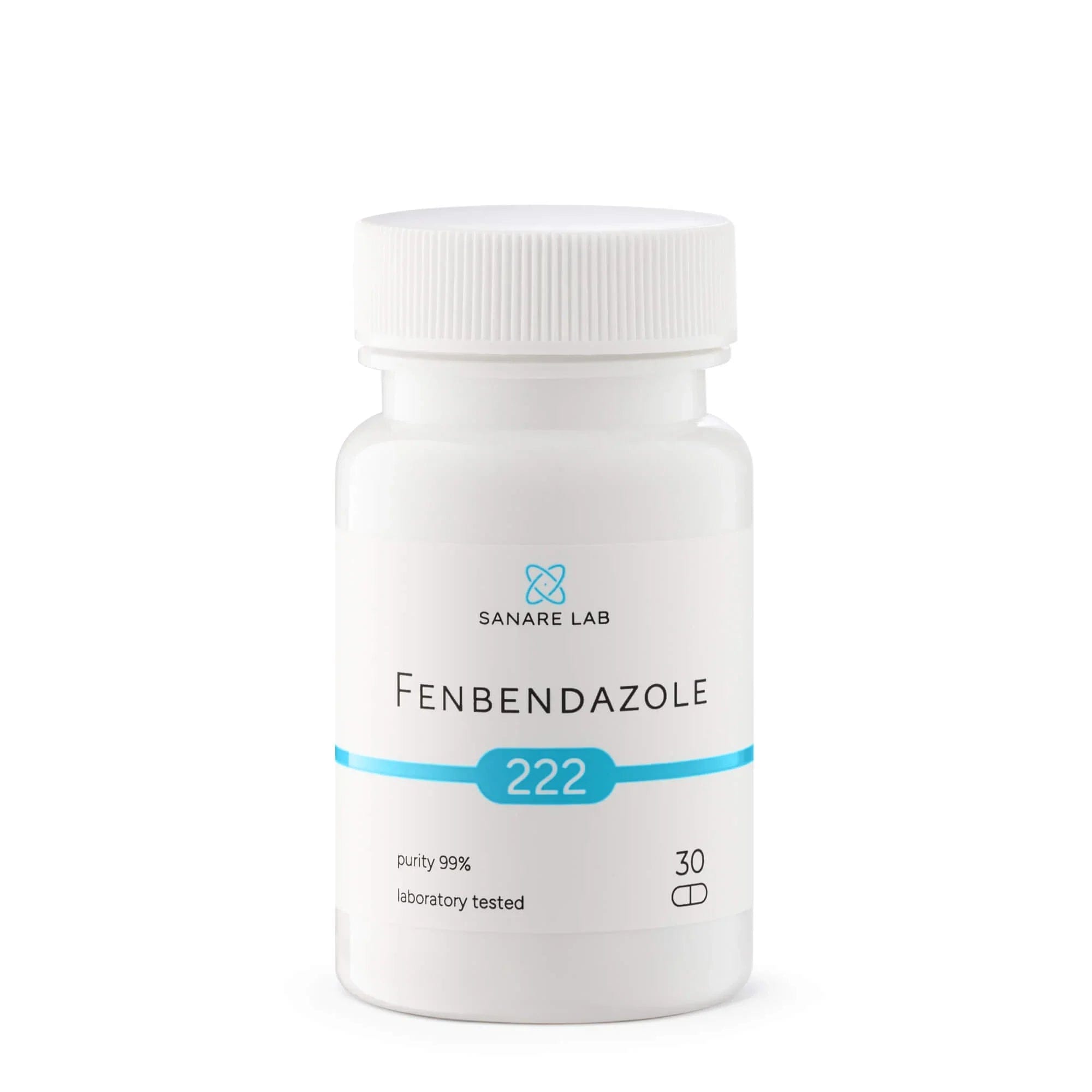
Pharmaceutical grade
Fenbendazole 222 mg
99%+ purity, third‑party lab tested.
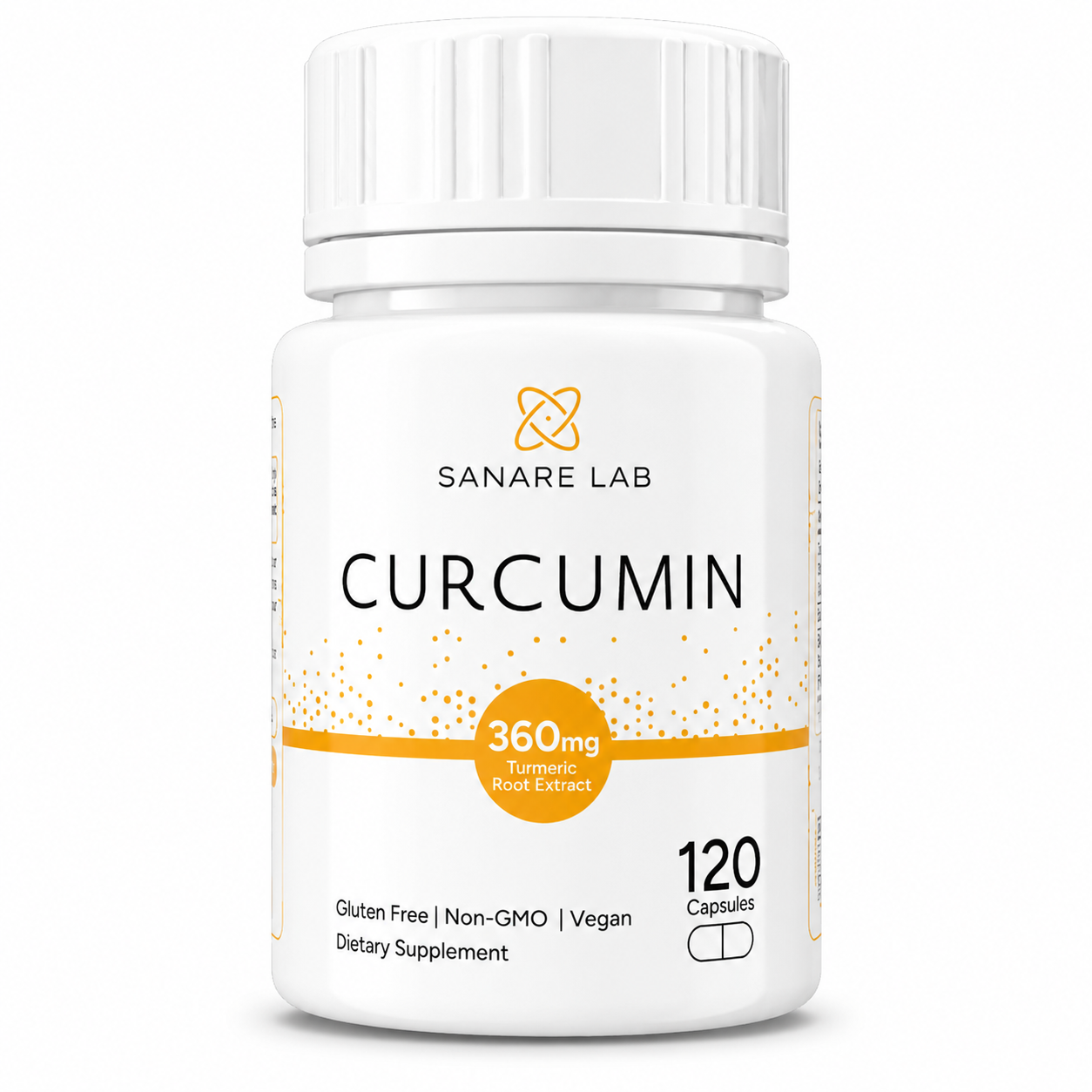
Daily adjunct
Curcumin 360 mg
95% curcuminoids with black pepper extract.
Prices checked September 2026 and may change; the store page shows the current price.
Disclaimer: Links are informational and for convenience. This site does not provide medical advice. Always verify product quality, labeling, and consult a licensed professional for health decisions.
References & Further Reading
- FDA labeling — methylene blue injection (ProvayBlue® and generics): approved indication and boxed warnings.
- StatPearls. Methylene Blue. NCBI Bookshelf NBK557593.
- Reviews of methylene blue photodynamic therapy in cancer models (Type I/II photochemistry).
- Primary literature on mitochondrial redox cycling and leucomethylene blue biochemistry.
- Preclinical studies of MB in breast, ovarian, glioma, colorectal, and lung cancer cell/animal models (PubMed-indexed).
- APSF and clinical toxicology literature on methylene blue as MAO-A inhibitor and serotonin toxicity.
- Methemoglobinemia pathophysiology and NADPH-dependent mechanism (clinical biochemistry texts / reviews).
- Warburg effect and cancer metabolic plasticity reviews (context for dark metabolic hypotheses).
- PDT oxygen dependence and hypoxia limitation literature.
- Sanare Lab companion: practical methylene blue dosage and safety guide (patient-facing).
- Tardivo JP, et al. Methylene blue in photodynamic therapy: from basic mechanisms to clinical applications. Photodiagnosis Photodyn Ther. 2005.
- Primary literature on methylene blue ROS generation, singlet-oxygen photochemistry, and mitochondrial electron cycling in tumour cell models (PubMed-indexed).
This research article prioritizes mechanistic and preclinical framing. Regulatory safety details for patients are centralized in the companion practical guide to avoid content duplication.
Medical Disclaimer
This article is for educational and informational purposes only. It is not intended to be a substitute for professional medical advice, diagnosis, or treatment. Always seek the advice of your physician or other qualified health provider with any questions you may have regarding a medical condition. Never disregard professional medical advice or delay in seeking it because of something you have read on this website.

Dr. Andrew Ellison, MD
Science editor and health researcher at Sanare Lab, covering evidence-based wellness, emerging compound research, clinical studies, and practical health protocols. Content is educational and does not replace medical advice.