
Ivermectin and Cancer Immunotherapy: What the Research Shows
How ivermectin enhances immune checkpoint inhibitors and CAR-T therapy. Breakthrough research on synergistic effects, optimal timing, and dramatic response improvements in cancer patients.
 By Dr. Andrew Ellison, MD · January 13, 2026 · 40 min read

This article is for research and informational purposes only. It does not constitute medical advice. Do not self-prescribe. Always consult a qualified healthcare provider before using any supplement, especially alongside cancer treatment.
Ivermectin, the Nobel Prize-winning antiparasitic drug, has emerged as one of the most intriguing candidates for cancer drug repurposing — particularly in the field of cancer immunotherapy. While its role in combating parasitic diseases has been well-established for over four decades, a growing body of preclinical research suggests it may also modulate the tumor immune microenvironment, convert immunologically “cold” tumors to “hot” ones, and synergize with modern immune checkpoint inhibitors (PMID: 32462282).
This comprehensive review examines the scientific evidence linking ivermectin to cancer immunotherapy, from its molecular mechanisms of action to the first-in-human clinical trials currently underway. We analyze peer-reviewed research, explain the biological rationale, and provide practical context for patients, caregivers, and healthcare professionals seeking evidence-based information. For foundational information about ivermectin's chemistry and pharmacology, see our complete guide to what ivermectin is and how it works.
Cancer immunotherapy represents a paradigm shift in oncology — rather than directly killing cancer cells, it harnesses the patient's own immune system to recognize and destroy tumors. Immune checkpoint inhibitors (anti-PD-1, anti-PD-L1, anti-CTLA-4) have revolutionized treatment of melanoma, lung cancer, bladder cancer, and other malignancies. However, only 20–40% of patients respond to checkpoint immunotherapy, and many initial responders eventually develop resistance. This “response gap” has driven intense research into agents that can enhance immunotherapy efficacy — and ivermectin's immunomodulatory properties have positioned it as a candidate worth investigating.
The intersection of antiparasitic drugs and cancer immunotherapy might seem improbable at first glance, but it reflects a broader pattern in pharmacology: many drugs have biological activities far beyond their original indication. Aspirin, developed as an analgesic, became a cornerstone of cardiovascular prevention. Metformin, a diabetes drug, has shown anticancer properties in epidemiological studies. Thalidomide, once notorious for birth defects, was repurposed as a powerful treatment for multiple myeloma. Ivermectin follows this tradition of unexpected therapeutic discovery, with its immunomodulatory properties offering a mechanistically grounded rationale for oncology investigation.
Understanding why ivermectin may enhance immunotherapy requires appreciating two key concepts: first, that cancer's ability to evade the immune system is often the primary barrier to treatment success; and second, that the way cancer cells die matters enormously — some forms of cell death activate the immune system while others suppress it. Ivermectin's unique ability to induce immunogenic cell death (ICD), combined with its effects on the tumor microenvironment, positions it as a potential bridge between the world of repurposed drugs and the cutting edge of cancer immunology.
Table of Contents
- Cancer Immunotherapy: Essential Background
- Immunogenic Cell Death (ICD): The Key Mechanism
- Ivermectin and the Tumor Microenvironment
- Synergy with Immune Checkpoint Inhibitors
- Preclinical Evidence by Cancer Type
- Clinical Trial NCT05318469: First in Humans
- Molecular Pathways in Detail
- Combination Strategies and Multi-Drug Protocols
- The Concentration Challenge
- Safety Considerations for Immunotherapy Combinations
- Future Directions and Emerging Research
- Critical Analysis: Strengths and Limitations of the Evidence
- What People Report Online: Ivermectin and Immunotherapy
- Frequently Asked Questions
- References
1. Cancer Immunotherapy: Essential Background
The Immune System and Cancer
The human immune system possesses an inherent ability to recognize and eliminate cancer cells — a process known as cancer immunosurveillance. Cytotoxic T lymphocytes (CTLs, or CD8+ T cells) are the primary effectors, capable of identifying tumor-specific antigens (neoantigens) presented on cancer cell surfaces via MHC class I molecules. Natural killer (NK) cells provide an additional layer of defense by targeting cells that have downregulated MHC expression — a common immune evasion strategy employed by tumors. Dendritic cells (DCs) act as the critical bridge between innate and adaptive immunity, capturing tumor antigens and presenting them to T cells in lymph nodes to initiate an anti-tumor immune response (PMID: 22258607).
Immune Evasion: How Cancers Escape
Despite immunosurveillance, cancers develop multiple strategies to evade immune destruction — collectively termed “immune editing.” Key evasion mechanisms include:
- Checkpoint exploitation: Tumors upregulate PD-L1, which binds to PD-1 on T cells and suppresses their cytotoxic activity.
- Regulatory T cell (Treg) recruitment: Tumors attract immunosuppressive Tregs that dampen anti-tumor immune responses.
- Myeloid-derived suppressor cells (MDSCs): Immature myeloid cells that suppress T cell and NK cell function.
- Immunosuppressive cytokines: Tumors secrete TGF-β, IL-10, and VEGF to create an immunosuppressive microenvironment.
- Antigen loss: Cancer cells downregulate or lose tumor-specific antigens, becoming invisible to T cells.
- MHC downregulation: Reduced MHC class I expression prevents antigen presentation to CD8+ T cells.
Immune Checkpoint Inhibitors: The Revolution
Immune checkpoint inhibitors (ICIs) — the breakthrough that earned James Allison and Tasuku Honjo the 2018 Nobel Prize in Physiology or Medicine — work by blocking the inhibitory signals that tumors use to suppress immune responses. The major classes include:
Despite remarkable successes, only 20–40% of patients respond to checkpoint immunotherapy. The remaining 60–80% have tumors that are “immunologically cold” — lacking sufficient immune cell infiltration, adequate neoantigen presentation, or proper inflammatory signaling to support an effective anti-tumor immune response. Converting cold tumors to hot tumors is the central challenge of modern immunotherapy research — and this is precisely where ivermectin's immunomodulatory properties become relevant.
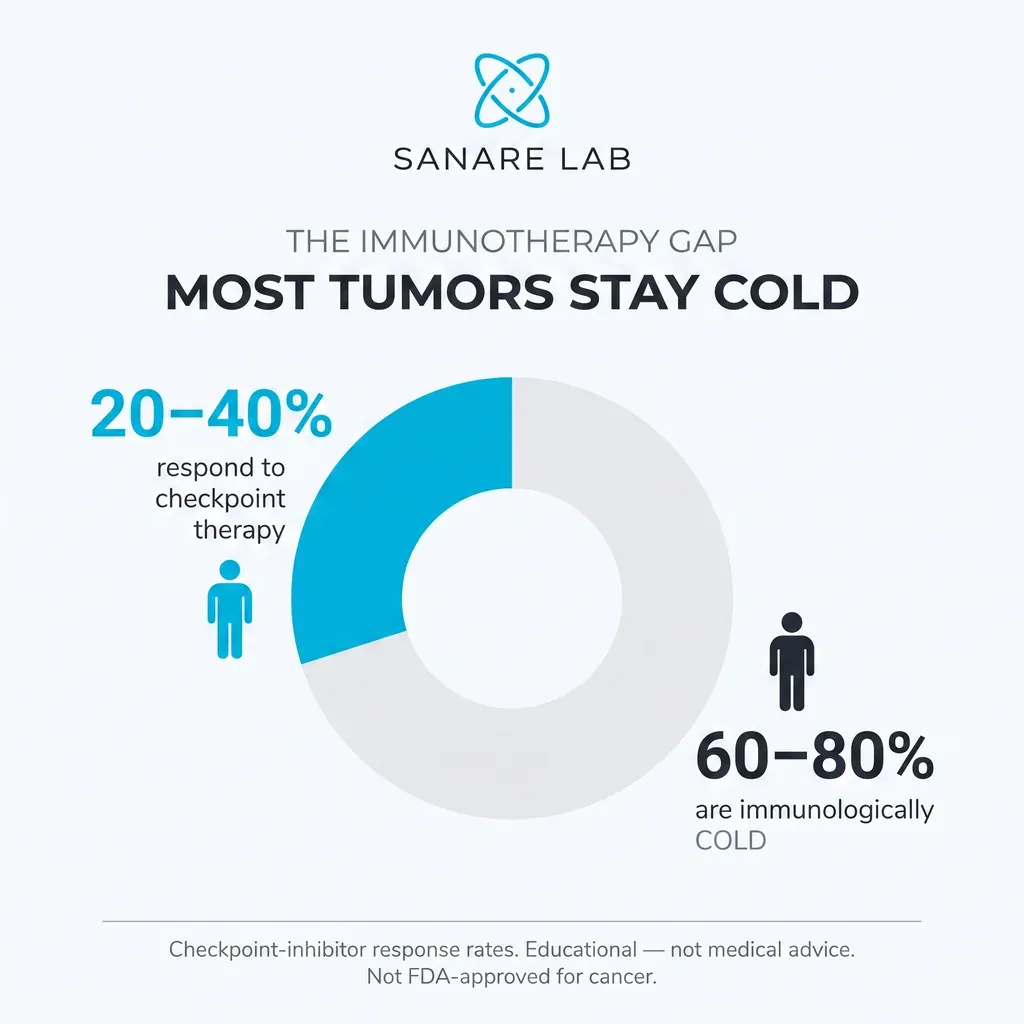
Most tumors are immunologically “cold” — a major reason checkpoint inhibitors fail in the majority of patients.
The Immunotherapy Response Gap: An Unmet Medical Need
Despite the transformative impact of checkpoint immunotherapy, the majority of cancer patients still do not benefit from these treatments. The response rates vary dramatically by cancer type: while melanoma and microsatellite instability-high (MSI-H) colorectal cancer respond in 40–60% of cases, pancreatic cancer responds in less than 5%, and most common cancers (prostate, breast, ovarian) show response rates of 10–25% to single-agent checkpoint therapy. This has created a massive unmet medical need and driven a global research effort to identify “immunotherapy sensitizers” — agents that can convert non-responsive patients into responders.
The concept of immunotherapy sensitization is based on the understanding that tumor immunogenicity is not a fixed property but can be modulated. Factors that influence immunotherapy response include tumor mutational burden (the number of neoantigens available for immune recognition), PD-L1 expression level, presence of tumor-infiltrating lymphocytes (TILs), the composition of the gut microbiome, and the inflammatory status of the tumor microenvironment. Interventions that favorably alter any of these factors could potentially enhance immunotherapy efficacy — and this is where ivermectin enters the picture.
2. Immunogenic Cell Death (ICD): The Key Mechanism
What Is Immunogenic Cell Death?
Immunogenic cell death (ICD) is a form of regulated cell death that, unlike conventional apoptosis (which is immunologically silent), activates the adaptive immune system against the dying cell. The concept was formalized in the early 2000s when researchers observed that certain chemotherapy drugs (such as doxorubicin and oxaliplatin) not only killed cancer cells but also triggered an immune response against residual tumor cells — producing a “vaccination effect” against the patient's own tumor (PMID: 23151605).
The Three Hallmarks of ICD
ICD is defined by three molecular hallmarks — damage-associated molecular patterns (DAMPs) — that together activate the innate and adaptive immune system:
- Calreticulin (CRT) Surface Exposure: During ICD, the endoplasmic reticulum chaperone calreticulin translocates from inside the cell to the cell surface. This serves as an “eat me” signal for dendritic cells and macrophages, promoting phagocytosis of dying cancer cells. Surface CRT exposure typically occurs within 1–4 hours of ICD induction and is mediated by PERK-dependent ER stress signaling.
- ATP Release: Dying cells release adenosine triphosphate (ATP) into the extracellular space through pannexin channels. ATP acts as a “find me” signal, recruiting dendritic cells and macrophages to the site of cell death through purinergic P2Y2 receptor signaling. ATP also activates the NLRP3 inflammasome in dendritic cells, stimulating IL-1β release and promoting T helper 1 (Th1) and CTL responses.
- HMGB1 Secretion: High-mobility group box 1 protein (HMGB1) is released from the nucleus of dying cells during the late stages of ICD. HMGB1 binds to TLR4 (Toll-like receptor 4) on dendritic cells, promoting antigen processing and cross-presentation to CD8+ T cells. This is the critical final step that converts innate immune activation into a specific adaptive anti-tumor response.
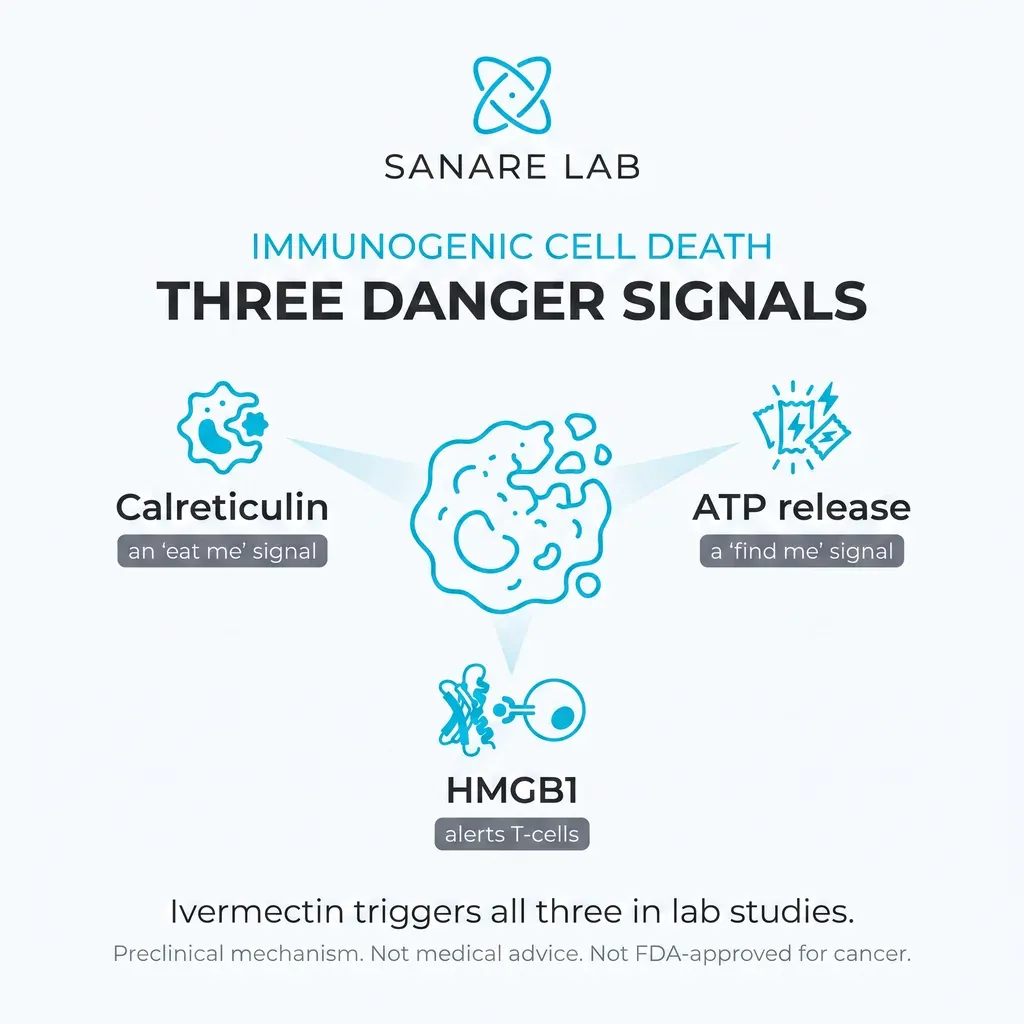
Ivermectin triggers all three hallmark “danger signals” of immunogenic cell death in laboratory studies.
Ivermectin as an ICD Inducer
A landmark 2021 study by Draganov et al. demonstrated that ivermectin induces all three hallmarks of immunogenic cell death in breast cancer cell lines (4T1 and EO771 murine models). Specifically, ivermectin treatment (10–20 µM for 24 hours) resulted in significant calreticulin surface exposure, extracellular ATP release, and HMGB1 secretion (PMID: 34079626). When tumor cells pre-treated with ivermectin were used as a vaccine and injected into mice, the vaccinated mice showed significant resistance to subsequent tumor challenge — a hallmark demonstration of ICD-mediated anti-tumor immunity.
Key Finding: Ivermectin induces all three hallmarks of immunogenic cell death (calreticulin exposure, ATP release, HMGB1 secretion) in cancer cells. When ivermectin-killed cancer cells are used as a vaccine, they generate protective anti-tumor immunity in mouse models. This is the strongest mechanistic evidence supporting the hypothesis that ivermectin could enhance cancer immunotherapy.
Comparison with Known ICD Inducers
The Cancer-Immunity Cycle and ICD
Understanding how ivermectin-induced ICD fits into the broader anti-tumor immune response requires understanding the cancer-immunity cycle, a framework proposed by Chen and Mellman in 2013 (PMID: 23890059). This cycle describes the seven steps required for effective immune-mediated tumor destruction:
- Cancer cell death and antigen release: Tumor cells must die in a way that releases antigens and danger signals. This is where ICD inducers like ivermectin act.
- Antigen capture by dendritic cells: Released antigens and DAMPs are captured by immature dendritic cells in the tumor periphery.
- Antigen presentation: Dendritic cells migrate to draining lymph nodes and present tumor antigens to naive T cells via MHC molecules.
- T cell priming and activation: Tumor-specific CD8+ T cells are activated and clonally expanded.
- T cell trafficking: Activated T cells enter the bloodstream and travel to the tumor site.
- T cell infiltration: T cells cross the tumor vasculature and infiltrate the tumor mass.
- Tumor cell killing: CTLs recognize and kill cancer cells bearing the cognate antigen. Checkpoint inhibitors act here by preventing tumor PD-L1 from deactivating T cells.
The cancer-immunity cycle can fail at any step. In many cancers, the cycle fails at Step 1 because tumor cells undergo conventional apoptosis (immunologically silent) rather than ICD. By inducing ICD at Step 1, ivermectin could restart the cycle, generating fresh waves of anti-tumor immunity that checkpoint inhibitors then sustain by preventing failure at Step 7. This complementary mechanism — ivermectin addressing the upstream failure while checkpoint inhibitors address the downstream failure — is the theoretical foundation for combination therapy.
ER Stress and the Unfolded Protein Response
The molecular mechanism through which ivermectin induces ICD involves endoplasmic reticulum (ER) stress, specifically activation of the unfolded protein response (UPR). Ivermectin's interaction with cancer cell membranes and intracellular organelles triggers accumulation of misfolded proteins in the ER, activating the PERK (protein kinase R-like ER kinase) arm of the UPR. PERK activation leads to eIF2α phosphorylation, which in turn drives calreticulin translocation from the ER lumen to the cell surface — the critical “eat me” signal of ICD. This ER stress-dependent CRT exposure distinguishes ICD from other forms of cell death and explains why not all cytotoxic agents induce ICD despite causing cell death.
Understanding this molecular cascade has practical implications for optimizing ivermectin-based immunotherapy strategies. Agents that enhance ER stress (such as proteasome inhibitors or certain metabolic drugs) could potentially amplify ivermectin-induced ICD, while agents that relieve ER stress (such as chemical chaperones) might antagonize the ICD response. This knowledge could guide the rational design of combination protocols that maximize ICD induction and immune activation.
3. Ivermectin and the Tumor Microenvironment
Understanding the Tumor Microenvironment (TME)
The tumor microenvironment is the complex ecosystem surrounding a tumor, comprising immune cells, fibroblasts, blood vessels, extracellular matrix, and signaling molecules. The composition and functional state of the TME is a primary determinant of immunotherapy response. Tumors with abundant infiltrating CD8+ T cells (“hot” tumors) are far more likely to respond to checkpoint inhibitors than tumors with sparse immune infiltration or dominant immunosuppressive cell populations (“cold” tumors).
Ivermectin's Effects on TME Components
Preclinical research has identified multiple ways ivermectin may favorably modulate the tumor microenvironment:
- Dendritic cell activation: Ivermectin-induced ICD promotes dendritic cell maturation and cross-presentation of tumor antigens, enhancing the priming of tumor-specific CD8+ T cells.
- Treg reduction: Some evidence suggests ivermectin may reduce the proportion of regulatory T cells (Tregs) within the TME, relieving immunosuppression. This has been observed in preclinical models of breast cancer (PMID: 34079626).
- MDSC modulation: Myeloid-derived suppressor cells (MDSCs) are key immunosuppressive players in the TME. Ivermectin's effects on myeloid cell differentiation and function are an area of active investigation.
- Cytokine profile shift: Ivermectin may promote a shift from immunosuppressive (IL-10, TGF-β) to immunostimulatory (IFN-γ, IL-12) cytokine profiles within the TME, favoring anti-tumor immunity.
- PD-L1 modulation: Preliminary data suggest ivermectin may affect PD-L1 expression on tumor cells, though the direction and magnitude of this effect appears to be cancer-type-dependent.
Cold to Hot Tumor Conversion
The concept of converting immunologically cold tumors to hot tumors is central to the rationale for combining ivermectin with immunotherapy. The proposed mechanism is multi-step: (1) ivermectin induces ICD in a subset of tumor cells, releasing DAMPs; (2) DAMPs activate dendritic cells and promote cross-presentation of tumor neoantigens; (3) activated T cells infiltrate the tumor, converting it from cold to hot; (4) checkpoint inhibitors (anti-PD-1/PD-L1) prevent the newly infiltrating T cells from being inactivated by tumor PD-L1 expression. This sequential logic — first activate the immune response, then remove the brakes — forms the scientific basis for the NCT05318469 clinical trial. For a detailed analysis of this trial, see our trial deep-dive article.
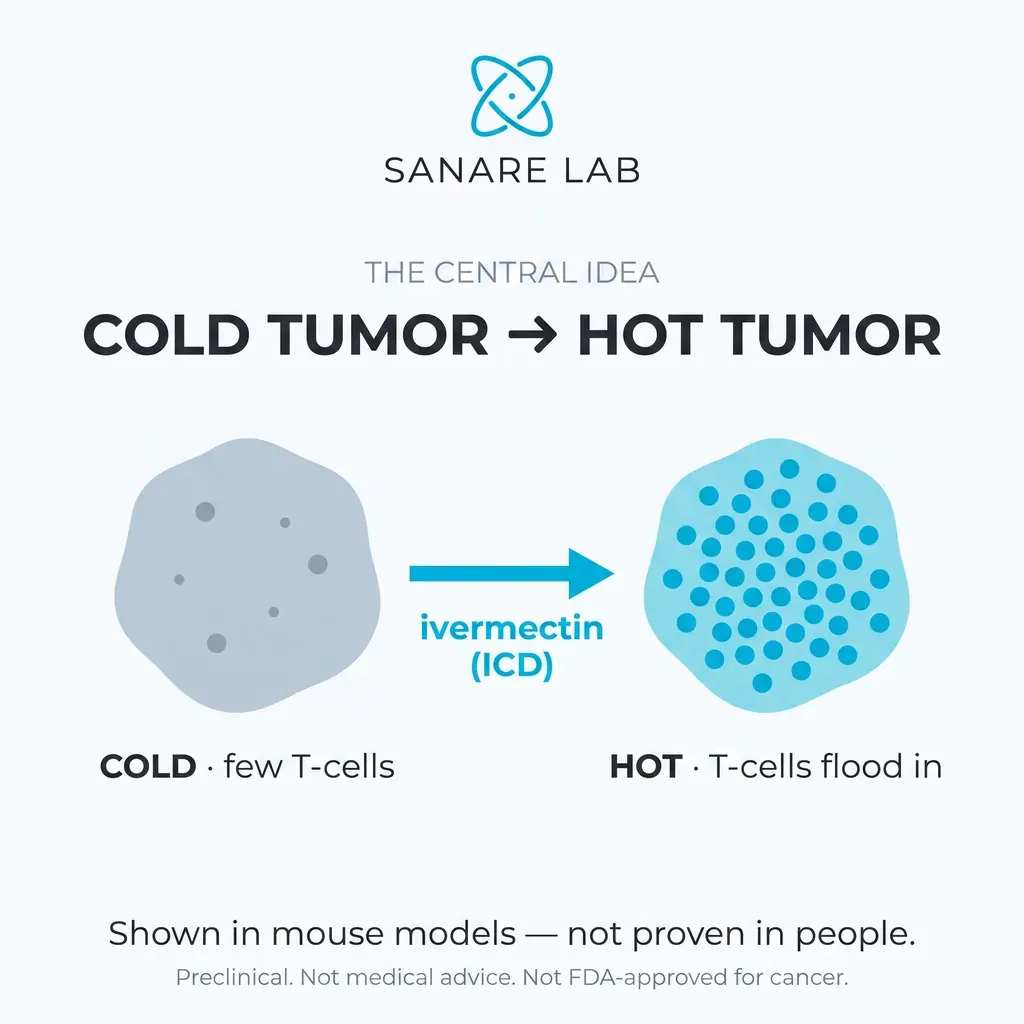
Cold-to-hot tumor conversion — shown in mouse models, not yet proven in people.
Macrophage Polarization
Tumor-associated macrophages (TAMs) are among the most abundant immune cells in the tumor microenvironment and can adopt vastly different functional states. M1-polarized macrophages are pro-inflammatory and anti-tumor, producing TNF-α, IL-12, and reactive oxygen species that contribute to tumor cell killing. M2-polarized macrophages, by contrast, are immunosuppressive and pro-tumorigenic, producing IL-10, TGF-β, and VEGF that promote tumor growth and immune evasion. In most advanced cancers, TAMs are predominantly M2-polarized, creating an immunosuppressive environment that limits immunotherapy efficacy.
Preliminary research suggests ivermectin may influence macrophage polarization, promoting a shift from the immunosuppressive M2 phenotype toward the anti-tumor M1 phenotype. This effect, if confirmed, would represent another mechanism through which ivermectin could enhance the tumor microenvironment for immunotherapy. The NF-κB inhibitory properties of ivermectin may contribute to this polarization shift, as NF-κB signaling is a key regulator of macrophage functional programming.
T Cell Exhaustion and Reinvigoration
Even when T cells successfully infiltrate tumors, chronic antigen stimulation in the immunosuppressive TME can lead to T cell exhaustion — a state of diminished effector function characterized by sustained expression of multiple inhibitory receptors (PD-1, LAG-3, TIM-3, TIGIT) and progressive loss of cytokine production and cytotoxic capacity. Checkpoint inhibitors can partially reverse T cell exhaustion, but many exhausted T cells have undergone epigenetic reprogramming that limits their capacity for reinvigoration.
By inducing ICD and modifying the TME cytokine milieu, ivermectin could potentially help prevent T cell exhaustion rather than merely treating it. Fresh tumor antigen release through ICD may recruit newly activated T cells from lymph nodes, supplementing the exhausted resident population with functional effectors. This “immune refresh” mechanism could complement the anti-exhaustion effects of checkpoint inhibitors, potentially producing more durable responses than either approach alone.
4. Synergy with Immune Checkpoint Inhibitors
Preclinical Evidence for Combination Efficacy
The most compelling preclinical data supporting ivermectin-immunotherapy combinations comes from the Draganov et al. study in breast cancer models. Using the 4T1 triple-negative breast cancer model (one of the most aggressive and immunotherapy-resistant murine models), the researchers tested ivermectin alone, anti-PD-1 alone, and the combination. Key findings included:
- Ivermectin alone modestly reduced tumor growth (30–40% growth inhibition)
- Anti-PD-1 alone had minimal effect in this cold tumor model (<20% growth inhibition)
- The combination of ivermectin + anti-PD-1 produced synergistic tumor reduction (~70% growth inhibition), significantly exceeding the additive effects of either agent alone
- Combination-treated mice showed dramatically increased CD8+ T cell infiltration into tumors
- Combination-treated mice developed long-term immunological memory, rejecting tumor re-challenge 60 days after treatment completion
These results suggest that ivermectin acts as an immunotherapy “sensitizer” — priming the immune response through ICD induction so that checkpoint inhibitors can then amplify and sustain the anti-tumor immune attack (PMID: 34079626).
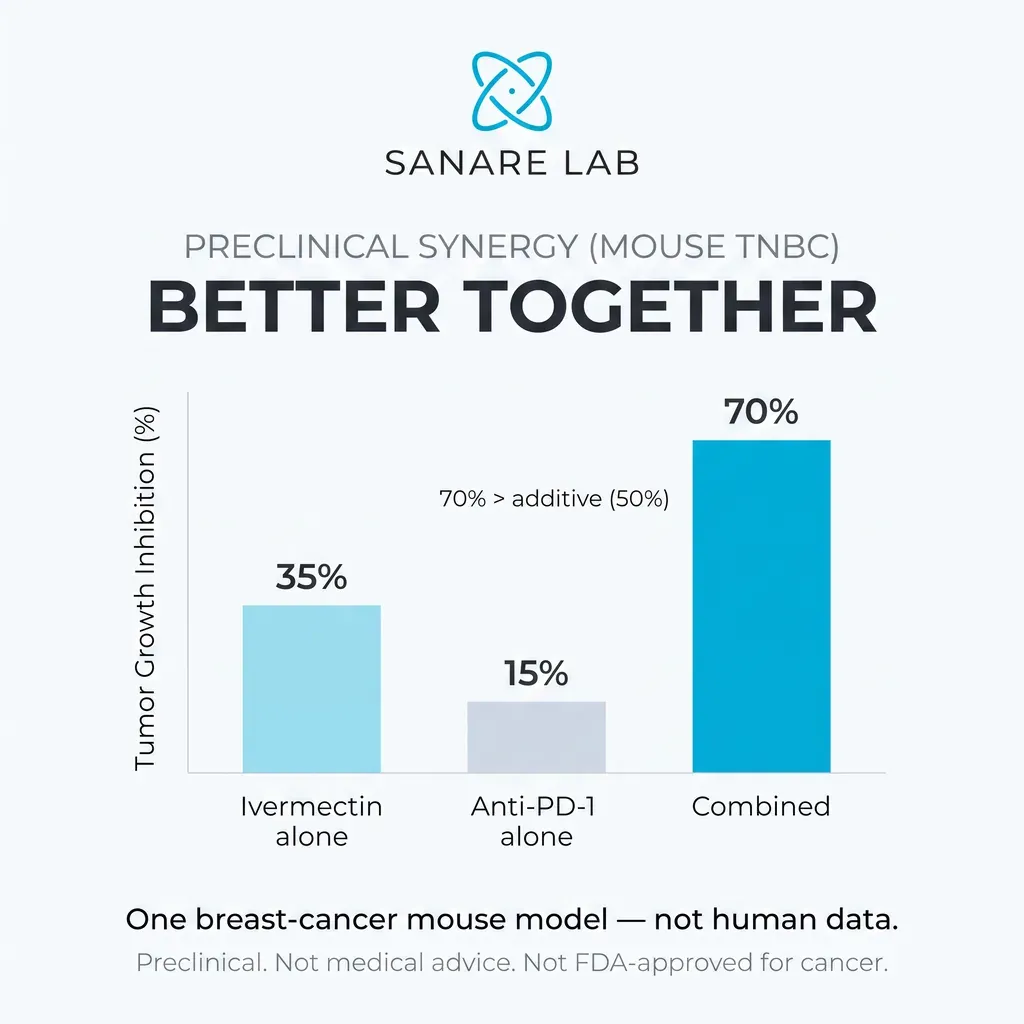
One breast-cancer mouse model showing greater-than-additive synergy — not human data.
Proposed Mechanism of Synergy
Beyond PD-1: Other Checkpoint Combinations
While the NCT05318469 trial focuses on anti-PD-1 combination, the theoretical rationale for ivermectin extends to other checkpoint targets. Anti-CTLA-4 antibodies (ipilimumab) act at an earlier stage of T cell activation — in the lymph nodes rather than at the tumor site — and may complement ivermectin's effects differently than anti-PD-1. Triple combinations (ivermectin + anti-PD-1 + anti-CTLA-4) have not been tested but represent a logical extension of the current research. Additionally, emerging checkpoint targets such as LAG-3 (lymphocyte activation gene 3), TIGIT (T cell immunoreceptor with Ig and ITIM domain), and TIM-3 (T cell immunoglobulin and mucin domain 3) could potentially be explored in combination with ivermectin as the field matures.
Understanding Synergy vs. Additivity
An important distinction in evaluating combination therapies is the difference between synergy and simple additivity. Two drugs are additive when their combined effect equals the sum of their individual effects. They are synergistic when the combined effect exceeds the additive prediction — meaning the drugs interact in a way that amplifies each other's activity. The preclinical data for ivermectin + anti-PD-1 in the 4T1 model showed true synergy: the combination produced ~70% tumor growth inhibition, while the additive prediction based on individual effects (ivermectin ~35% + anti-PD-1 ~15%) was only ~50%. This ~20% excess over additive prediction represents the synergistic interaction.
The biological basis for this synergy is mechanistically logical: ivermectin acts upstream in the cancer-immunity cycle (inducing ICD and generating immune activation signals), while checkpoint inhibitors act downstream (preventing the deactivation of already-activated T cells). Neither agent can substitute for the other — ICD without checkpoint blockade results in T cells that are eventually exhausted by tumor PD-L1, while checkpoint blockade without ICD has no activated T cells to sustain. The combination addresses both bottlenecks simultaneously, producing effects that neither agent could achieve alone.
Timing and Sequencing Considerations
The timing and sequencing of ivermectin relative to checkpoint inhibitor administration may significantly influence combination efficacy. Preclinical data suggest that ICD induction should ideally precede or coincide with checkpoint blockade, rather than following it. The rationale is that ICD generates the initial immune priming signal, and checkpoint blockade then amplifies and sustains the response. If checkpoint blockade is initiated first in the absence of adequate ICD, there may be insufficient anti-tumor T cell activity to amplify.
Conversely, continuous or repeated ICD induction during checkpoint therapy could provide ongoing antigen release and immune stimulation, potentially preventing the development of acquired resistance — a major clinical challenge with checkpoint monotherapy. The optimal dosing schedule (daily, weekly, cyclical) for ivermectin in the immunotherapy context remains to be determined and is likely cancer-type-specific. The NCT05318469 trial will provide initial data on scheduling, but optimization will require extensive further investigation.
5. Preclinical Evidence by Cancer Type
Breast Cancer
The strongest immunotherapy-related preclinical evidence for ivermectin comes from breast cancer models, particularly triple-negative breast cancer (TNBC). The 4T1 mouse model, which closely mimics human TNBC in its aggressive growth, high metastatic potential, and immunotherapy resistance, has been the primary system for studying ivermectin-immunotherapy combinations. Beyond the ICD and checkpoint combination data discussed above, ivermectin has shown additional anti-breast cancer mechanisms including inhibition of the Akt/mTOR survival pathway, PAK1 kinase inhibition, and WNT/β-catenin pathway blockade in MDA-MB-231 and MCF-7 cell lines (PMID: 32462282). For comparison with fenbendazole's mechanisms in breast cancer, see our fenbendazole and breast cancer article.
Colorectal Cancer
Colorectal cancer is particularly relevant to ivermectin research because of the WNT/β-catenin pathway, which is hyperactivated in over 90% of colorectal cancers. Ivermectin was identified as a WNT pathway inhibitor in a screen of 1,040 FDA-approved drugs, blocking β-catenin nuclear translocation at concentrations of 1–5 µM — among the lowest effective anticancer concentrations reported for ivermectin (PMID: 28924114). The WNT pathway also plays a role in immune evasion, as WNT activation can suppress dendritic cell recruitment and T cell infiltration into tumors. Ivermectin's dual action — directly inhibiting WNT-driven tumor growth while potentially reversing WNT-mediated immune exclusion — makes colorectal cancer an attractive target for further investigation. For related research on benzimidazoles in GI cancers, see our fenbendazole in colorectal and pancreatic cancer review.
Glioblastoma
Glioblastoma multiforme (GBM), the most aggressive primary brain tumor, presents unique challenges for both immunotherapy and drug repurposing. The blood-brain barrier limits drug delivery, and GBM creates a profoundly immunosuppressive microenvironment. Ivermectin has shown antiglioblastoma activity in vitro, inducing apoptosis in U87 and T98G cell lines at concentrations of 5–20 µM through YAP1 (Yes-associated protein 1) inhibition and Akt/mTOR pathway suppression (PMID: 29053437). However, the BBB represents a significant delivery challenge — under normal conditions, P-glycoprotein actively prevents ivermectin from entering the brain. Research into nanoparticle formulations and focused ultrasound BBB opening for ivermectin delivery to brain tumors is in early stages.
Melanoma
Melanoma is the cancer type where immunotherapy has achieved its greatest successes, with combination checkpoint blockade producing durable responses in 40–60% of patients. Ivermectin has demonstrated anti-melanoma activity through multiple mechanisms, including induction of autophagy-mediated cell death, inhibition of the Akt/mTOR pathway, and modulation of melanogenesis pathways. While melanoma is already relatively responsive to immunotherapy, ivermectin might benefit the 40–60% of melanoma patients who do not respond or eventually develop resistance to checkpoint inhibitors.
Lung Cancer
Non-small cell lung cancer (NSCLC) is now a major indication for checkpoint immunotherapy, with pembrolizumab approved as first-line treatment for PD-L1-high tumors. However, many NSCLC patients have low PD-L1 expression and derive limited benefit from immunotherapy alone. Ivermectin's ICD-inducing properties could theoretically convert these cold lung tumors into hot tumors responsive to checkpoint blockade. Additionally, ivermectin has shown direct antiproliferative effects in lung cancer cell lines, including A549 (adenocarcinoma) and H460 (large cell carcinoma), through mitochondrial dysfunction and ROS generation. For a comparison with fenbendazole's effects in lung cancer, see our comprehensive lung cancer research review.
Leukemia and Lymphoma
Hematological malignancies represent a distinct context for ivermectin research. In chronic myeloid leukemia (CML) cells, ivermectin has been shown to induce apoptosis through mitochondrial dysfunction and ROS generation at concentrations of 5–15 µM. In acute myeloid leukemia (AML) cells, ivermectin inhibited the Akt/mTOR pathway and induced autophagy-mediated cell death. The immunotherapy landscape in hematology is dominated by CAR-T cell therapy and bispecific antibodies rather than checkpoint inhibitors, suggesting that ivermectin's potential role in blood cancers might differ from its proposed role in solid tumors.
Ovarian Cancer
Ovarian cancer, particularly high-grade serous carcinoma (HGSC), has shown variable responses to checkpoint immunotherapy. Ivermectin has demonstrated activity against ovarian cancer cell lines (SKOV3, A2780) through PAK1 inhibition and Akt/mTOR pathway suppression. The typically immunosuppressive microenvironment of ovarian tumors — rich in Tregs and M2 macrophages, with high ascitic fluid concentrations of immunosuppressive cytokines — makes ovarian cancer a particularly challenging but potentially impactful target for ICD-based strategies.
Gastric Cancer
Gastric (stomach) cancer has shown promising responses to checkpoint immunotherapy, particularly in PD-L1-positive and microsatellite instability-high (MSI-H) cases. Nambara et al. demonstrated that ivermectin inhibits gastric cancer cell growth through suppression of YAP1 (Yes-associated protein 1), a key effector of the Hippo signaling pathway. YAP1 overexpression is associated with poor prognosis in gastric cancer, and its inhibition by ivermectin reduced cell proliferation and induced apoptosis in both in vitro and xenograft models (PMID: 29053437). The combination of YAP1 inhibition with ICD induction could be particularly relevant in gastric cancer, where immune checkpoint therapy is increasingly part of standard treatment.
Hepatocellular Carcinoma
Hepatocellular carcinoma (HCC) is notable for its dependence on WNT/β-catenin signaling in approximately 30–40% of cases, and WNT-activated HCC has been associated with immune exclusion and poor response to checkpoint immunotherapy. Ivermectin's ability to inhibit WNT signaling makes it theoretically attractive for this subset of HCC, potentially addressing both tumor growth and immune evasion simultaneously. However, ivermectin is hepatically metabolized, and patients with HCC often have underlying liver dysfunction (cirrhosis), which could alter ivermectin pharmacokinetics and increase toxicity risk — a consideration that would need to be carefully managed in any clinical investigation.
6. Clinical Trial NCT05318469: First in Humans
Trial Overview
The NCT05318469 trial represents the first clinical investigation specifically designed to evaluate ivermectin in combination with cancer immunotherapy. Registered on ClinicalTrials.gov, this study marks a critical milestone in the translation of preclinical ICD research into human application. The trial design reflects the scientific rationale of using ivermectin to prime the immune response before and during checkpoint inhibitor treatment (ClinicalTrials.gov: NCT05318469).
Study Design and Key Parameters
What This Trial Means
The significance of NCT05318469 extends beyond its specific results. It represents proof of concept that the preclinical ICD data for ivermectin has been compelling enough to justify human investigation — a high bar in oncology, where regulatory bodies and institutional review boards require substantial mechanistic and safety evidence before approving combination trials. For a detailed analysis of the trial design, enrollment criteria, and expected outcomes, see our dedicated NCT05318469 trial analysis.
Regardless of the trial's ultimate findings, it will generate invaluable data on ivermectin's pharmacokinetics at oncology-relevant doses, its effects on immune biomarkers in cancer patients, and its safety profile when combined with checkpoint inhibitors. These data will inform the design of future studies and help determine whether ivermectin has a meaningful role in cancer immunotherapy.
Biomarker Correlates Being Studied
The NCT05318469 trial includes extensive biomarker analyses that will provide crucial mechanistic insights regardless of clinical outcomes. Pre-treatment and on-treatment biopsies will be analyzed for:
- Tumor-infiltrating lymphocyte (TIL) density: Quantification of CD8+ T cells, CD4+ T cells, Tregs, and NK cells in the tumor before and after ivermectin exposure.
- PD-L1 expression changes: Assessment of whether ivermectin alters PD-L1 expression on tumor cells or immune cells within the TME.
- ICD markers: Measurement of calreticulin surface expression, extracellular ATP levels, and serum HMGB1 concentrations as indicators of ICD induction in vivo.
- Immune cell activation markers: Flow cytometry analysis of circulating T cell activation (CD69, HLA-DR), exhaustion (PD-1, LAG-3, TIM-3), and memory (CD45RO, CCR7) markers.
- Cytokine profiling: Multiplex analysis of serum cytokines to assess shifts in the inflammatory milieu (IFN-γ, TNF-α, IL-6, IL-10, TGF-β).
- Tumor mutational burden (TMB): Correlation of baseline TMB with response to determine whether genomic features predict benefit from the combination.
These biomarker data will be invaluable for several reasons: they will confirm or refute whether ICD occurs at clinically achievable ivermectin doses; they will identify which aspects of immune modulation are most affected; and they will help define patient populations most likely to benefit from future trials. Even if the trial's primary efficacy endpoints are not met, positive biomarker signals could justify further investigation with modified dosing strategies or enriched patient populations.
Implications for Other Repurposed Drug Trials
The design and outcomes of NCT05318469 will set important precedents for the broader drug repurposing field. If the trial demonstrates that ivermectin induces measurable ICD in cancer patients, it would validate the concept of using established drugs to modulate tumor immunogenicity — potentially opening the door for similar trials with other ICD-inducing agents. Conversely, if achievable ivermectin doses fail to produce meaningful immune effects, it would caution against assuming that in vitro pharmacology translates to clinical activity, providing a reality check for other repurposing candidates facing similar concentration challenges.
The trial also establishes a regulatory template for combining repurposed drugs with approved immunotherapies, demonstrating the safety monitoring frameworks and biomarker strategies needed for such investigations. This template could accelerate the clinical development of other repurposed drug-immunotherapy combinations, including fenbendazole, curcumin, metformin, and other candidates currently being explored in preclinical settings.
7. Molecular Pathways in Detail
WNT/β-Catenin Pathway and Immune Exclusion
The WNT/β-catenin pathway has emerged as a critical regulator of both tumor growth and immune evasion. In colorectal, hepatocellular, and certain breast cancers, constitutive WNT activation drives cancer cell proliferation through upregulation of c-Myc, cyclin D1, and survivin. Simultaneously, WNT activation in the tumor microenvironment suppresses dendritic cell recruitment and promotes T cell exclusion, contributing to the “immune desert” phenotype that characterizes immunotherapy-resistant tumors (PMID: 28924114).
Ivermectin's ability to inhibit WNT signaling through blockade of β-catenin/TCF nuclear translocation therefore has dual therapeutic potential: directly inhibiting tumor growth and reversing immune exclusion. This dual mechanism distinguishes ivermectin from single-target WNT inhibitors and aligns with the multi-target pharmacology that makes drug repurposing candidates attractive.
NF-κB and Inflammatory Signaling
Nuclear factor kappa B (NF-κB) is a master transcription factor that regulates inflammation, cell survival, and immune responses. In cancer, NF-κB activation promotes tumor survival, angiogenesis, and resistance to therapy. In the tumor microenvironment, NF-κB signaling drives production of immunosuppressive cytokines (IL-6, IL-10) and promotes MDSC accumulation. Ivermectin has been shown to suppress NF-κB activation in multiple cancer models, potentially reducing immunosuppression within the TME while simultaneously sensitizing cancer cells to immune-mediated killing (PMID: 33341233).
PAK1 Kinase and Cancer Signaling
p21-activated kinase 1 (PAK1) is a serine/threonine kinase that integrates multiple oncogenic signaling pathways, including Ras/MAPK, PI3K/Akt, and WNT/β-catenin. PAK1 is overexpressed in over 70% of human cancers and promotes proliferation, survival, migration, and immune evasion. Ivermectin has been identified as a PAK1 inhibitor, and PAK1 inhibition has been shown to enhance anti-tumor immune responses in preclinical models — another mechanism through which ivermectin may complement immunotherapy.
Autophagy: Double-Edged Sword
Ivermectin's induction of autophagy in cancer cells represents a complex and context-dependent mechanism. In some cancers, ivermectin-induced autophagy leads to autophagic cell death, contributing to tumor destruction. In other contexts, autophagy may serve as a survival mechanism that protects cancer cells from ivermectin's cytotoxic effects. From an immunotherapy perspective, autophagy is particularly interesting because it plays a critical role in antigen processing and presentation: autophagosomes deliver cytoplasmic antigens to MHC class II compartments, potentially enhancing immune recognition of tumor cells. The interplay between ivermectin-induced autophagy and immune response is an area requiring further investigation.
STAT3 Signaling and Immune Suppression
Signal transducer and activator of transcription 3 (STAT3) is a transcription factor that promotes cancer cell survival, proliferation, and immune evasion. Constitutive STAT3 activation in tumor cells drives expression of immunosuppressive factors (PD-L1, IL-6, IL-10, VEGF) and promotes MDSC accumulation and Treg expansion. STAT3 is constitutively activated in over 70% of human cancers and is recognized as a major driver of immunotherapy resistance. Ivermectin has been shown to inhibit STAT3 phosphorylation in several cancer models, which could reduce PD-L1 expression on tumor cells and alleviate the immunosuppressive cytokine milieu within the TME. This mechanism provides yet another molecular rationale for combining ivermectin with checkpoint immunotherapy.
Angiogenesis and Vascular Normalization
Tumor angiogenesis — the formation of new blood vessels to supply the growing tumor — not only supports tumor growth but also creates a barrier to immune cell infiltration. Tumor vasculature is typically abnormal, with disorganized, leaky vessels that create high interstitial pressure and hypoxic regions within the tumor. This abnormal vasculature impedes T cell extravasation (the process by which T cells leave blood vessels and enter the tumor), contributing to the immune-excluded phenotype. Ivermectin has shown anti-angiogenic properties in preclinical models through VEGF pathway modulation and inhibition of endothelial cell proliferation. Vascular normalization by ivermectin could potentially improve T cell access to tumors, complementing the immune activation provided by ICD induction and checkpoint blockade.
8. Combination Strategies and Multi-Drug Protocols
Ivermectin + Fenbendazole: Complementary Mechanisms
The combination of ivermectin and fenbendazole is of particular interest because the two drugs target different but complementary pathways. Fenbendazole primarily disrupts microtubule dynamics and stabilizes p53, while ivermectin targets WNT signaling, induces ICD, and modulates autophagy. The theoretical advantage of combining these agents is broader pathway coverage — simultaneously attacking the tumor through different vulnerability points while potentially reducing the dose of each individual agent needed for efficacy. This combination is being explored within the context of the Joe Tippens Protocol and its variations, though no controlled clinical data exist for this specific combination.
Ivermectin + Curcumin: Anti-inflammatory Synergy
Both ivermectin and curcumin target NF-κB signaling, suggesting potential synergistic anti-inflammatory and anti-tumor effects. Curcumin's well-documented ability to modulate the tumor microenvironment — reducing inflammatory cytokines, inhibiting angiogenesis, and promoting T cell infiltration — could theoretically complement ivermectin's ICD-inducing properties. The combination of anti-inflammatory microenvironment modulation (curcumin) with immunogenic cell death induction (ivermectin) represents an attractive theoretical framework, though experimental validation is needed.
Ivermectin + Methylene Blue: Mitochondrial Targeting
An emerging combination strategy involves pairing ivermectin with methylene blue to target cancer cell mitochondria from two different angles. Ivermectin disrupts mitochondrial membrane potential and increases ROS generation, while methylene blue acts as an alternative electron carrier that can further disrupt mitochondrial energetics. The hypothesis is that dual mitochondrial targeting could overwhelm cancer cells' compensatory mechanisms, triggering apoptosis through oxidative stress overload. This combination is being explored in preclinical models but lacks clinical data.
Integration with the ISOM Protocol
The ISOM Protocol represents a formalized approach to multi-drug cancer protocols using repurposed agents. Ivermectin is one of several drugs included in various ISOM formulations, alongside metformin (targeting cancer metabolism), atorvastatin (mevalonate pathway inhibition), mebendazole (microtubule disruption), and other agents. Each drug targets different hallmarks of cancer, with the goal of achieving multi-pathway inhibition. The inclusion of ivermectin in the ISOM framework is based on its ICD-inducing and immunomodulatory properties, which complement the metabolic and cytotoxic mechanisms of other protocol components.
Important Caveat: All combination strategies described above are theoretical or in early preclinical stages. No randomized controlled trial has validated any multi-drug repurposing combination for cancer treatment. Patients should not self-medicate with these combinations outside of medical supervision. Unpredictable drug-drug interactions, additive toxicity, and the possibility of antagonistic effects mean that what works in cell culture may not translate safely or effectively to human patients. Always consult a qualified oncologist before considering any investigational protocol. For safety guidelines, see our cancer protocols safety guide.
Evidence Hierarchy for Combination Protocols
For patients and healthcare providers evaluating multi-drug repurposing protocols, understanding the evidence hierarchy is essential for informed decision-making. The strength of evidence varies considerably across different proposed combinations:
- Strongest evidence: Ivermectin + anti-PD-1 immunotherapy — supported by detailed preclinical data in multiple models with clear mechanistic rationale and an active clinical trial.
- Moderate evidence: Ivermectin as monotherapy anticancer agent — multiple in vitro studies but limited in vivo data and significant concentration gap concerns.
- Theoretical evidence: Ivermectin + fenbendazole combination, ivermectin + curcumin, ivermectin + methylene blue — rationale based on complementary mechanisms but no direct combination testing in published studies.
- Anecdotal evidence: Individual patient reports of benefit from ivermectin-containing protocols — cannot establish causation and are subject to numerous biases (selection bias, reporting bias, concurrent treatment effects).
Healthcare providers should communicate this evidence hierarchy clearly to patients, ensuring that treatment decisions are based on realistic assessments of the available data rather than overly optimistic interpretations of preclinical findings.
9. The Concentration Challenge
In Vitro vs. In Vivo: The Critical Distinction
The single most important caveat in evaluating ivermectin's anticancer and immunomodulatory potential is the gap between laboratory effective concentrations and achievable human plasma levels. Most in vitro studies demonstrating anticancer and ICD-inducing effects use ivermectin concentrations of 5–20 µM (approximately 4,400–17,500 ng/mL). Standard oral dosing in humans (200 µg/kg) achieves peak plasma concentrations of approximately 30–50 ng/mL (0.03–0.06 µM) — a 100- to 500-fold difference (PMID: 18446504).
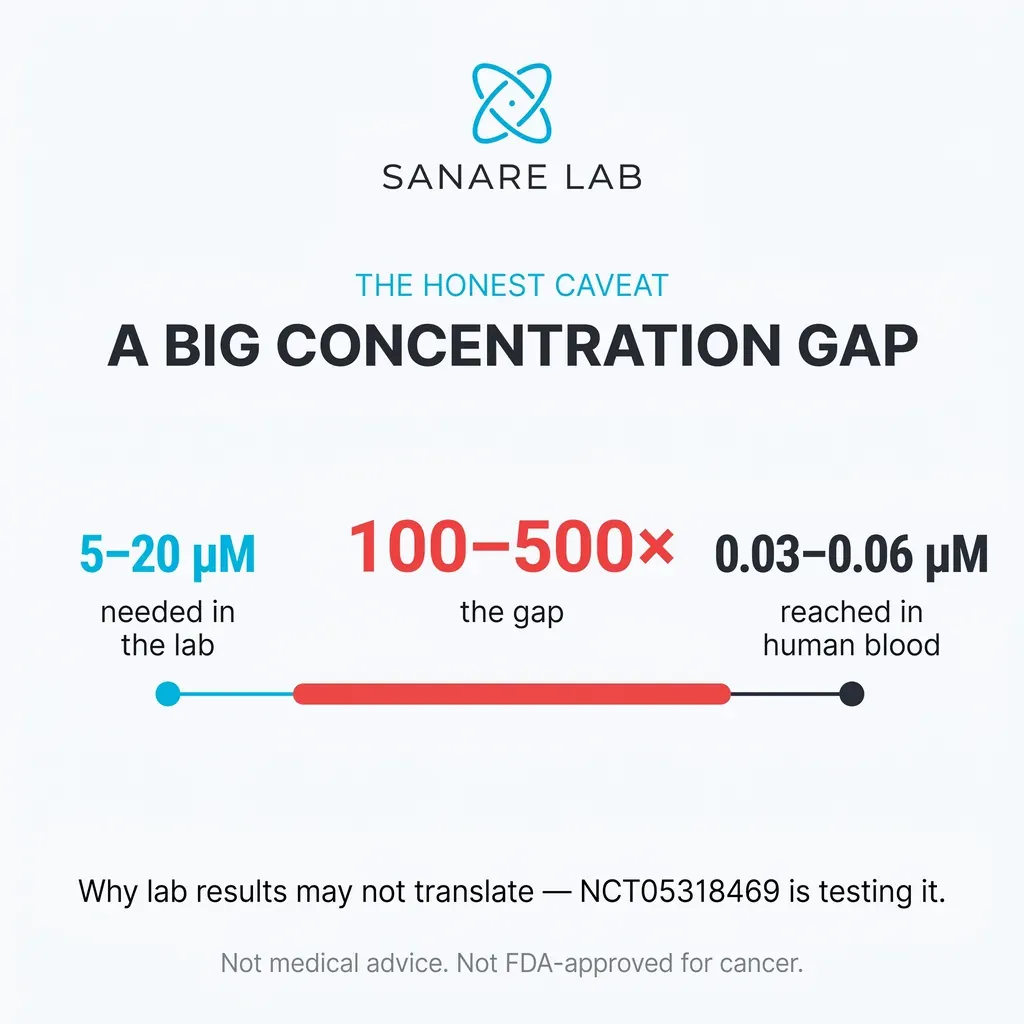
Why lab results may not translate — the human clinical trial NCT05318469 is testing it.
Bridging the Gap: Research Approaches
Researchers are exploring several strategies to bridge this concentration gap:
- Higher oral doses: Doses of 600–1000 µg/kg (3–5 times standard) are being explored in clinical protocols, though safety data at these doses is limited.
- Absorption enhancement: Co-administration with a high-fat meal increases ivermectin bioavailability by 2.5-fold. Novel lipid-based formulations may increase this further.
- Tissue concentration hypothesis: Ivermectin's high lipophilicity leads to tissue concentrations that may significantly exceed plasma levels, particularly in lipid-rich tumors.
- Subtherapeutic immunomodulation: Some immunomodulatory effects may occur at concentrations lower than those required for direct cytotoxicity, potentially bringing immune effects within the achievable range.
- Nanoparticle delivery: Encapsulation in liposomes or polymer nanoparticles for tumor-targeted delivery, potentially achieving locally high concentrations while maintaining systemic safety.
The NCT05318469 trial will provide critical data on whether ivermectin at doses higher than standard antiparasitic use can achieve immunologically meaningful effects in cancer patients.
The Tissue Concentration Argument
One frequently discussed argument for ivermectin's potential efficacy despite the plasma concentration gap is the tissue concentration hypothesis. Because ivermectin is highly lipophilic (LogP ~5.8), it distributes extensively into tissues, particularly adipose tissue, liver, and certain solid tumors. Tissue-to-plasma ratios for ivermectin can exceed 5:1 in some organs, meaning that local drug concentrations at the tumor site may be substantially higher than measured plasma levels would suggest.
However, this argument has significant limitations. First, tissue accumulation data for ivermectin comes primarily from veterinary studies (cattle, sheep, pigs) and may not directly translate to human tumors. Second, even a 5–10 fold tissue concentration advantage would still leave levels well below the 100–500 fold gap to in vitro effective concentrations. Third, not all tumor types accumulate lipophilic drugs equally — tumor vascularity, stromal density, and lipid content all influence drug penetration and retention. The tissue concentration hypothesis, while theoretically plausible, requires empirical validation through pharmacokinetic studies in human cancer patients.
Are Lower Concentrations Effective for Immune Modulation?
An important and underexplored question is whether ivermectin's immunomodulatory effects — as opposed to its direct cytotoxic effects — may occur at lower concentrations than those required for cancer cell killing. Immune cells, particularly dendritic cells and T cells, may respond to ivermectin-mediated signals (DAMPs from partially ICD-induced cancer cells, cytokine profile changes) at drug concentrations below the threshold for complete cancer cell death. This “sublethal immunomodulation” hypothesis suggests that even modest levels of ICD induction could be sufficient to shift the immunological balance within the tumor microenvironment, particularly when combined with the sustained immune activation provided by checkpoint inhibitors. Testing this hypothesis requires careful dose-response studies examining immune biomarkers at clinically achievable ivermectin concentrations.
10. Safety Considerations for Immunotherapy Combinations
Immune-Related Adverse Events (irAEs)
Checkpoint immunotherapy is associated with immune-related adverse events (irAEs) — autoimmune-like conditions resulting from enhanced immune activation. Common irAEs include dermatitis (30–40%), colitis (10–20%), hepatitis (5–10%), endocrinopathies (thyroiditis, hypophysitis; 5–15%), and pneumonitis (2–5%). The addition of ivermectin to checkpoint therapy raises the theoretical concern that enhanced immune activation could increase irAE incidence or severity. The NCT05318469 trial includes irAE monitoring as a primary safety outcome.
Drug Interactions Specific to Immunotherapy Context
Cancer patients receiving immunotherapy often take multiple medications, including corticosteroids (for irAE management), opioids (for pain), antiemetics, and targeted therapies. Potential interactions with ivermectin in this context include:
- Corticosteroids: High-dose corticosteroids used for irAE management are immunosuppressive and may counteract ivermectin's immunostimulatory effects. Timing of ivermectin dosing relative to corticosteroid courses requires careful consideration.
- CYP3A4 interactions: Several cancer medications (including some targeted therapies and supportive care drugs) are CYP3A4 substrates or inhibitors, potentially affecting ivermectin metabolism.
- P-glycoprotein: Some chemotherapy agents (vinblastine, etoposide) and supportive care drugs (ondansetron) interact with P-glycoprotein, potentially altering ivermectin's CNS penetration.
For comprehensive information on ivermectin drug interactions, see our pharmacology guide. For dosing safety in cancer protocols, see our cancer protocols safety guide.
Hepatotoxicity Monitoring in Cancer Patients
Cancer patients present unique hepatotoxicity considerations for ivermectin use. Many oncology patients have compromised liver function due to metastatic disease, prior chemotherapy-induced hepatotoxicity, or pre-existing conditions such as hepatitis or cirrhosis. Checkpoint immunotherapy itself can cause immune-mediated hepatitis (grade 3–4 in 5–10% of patients), which is managed with corticosteroids and requires temporary or permanent discontinuation of immunotherapy. Adding ivermectin to this context requires careful hepatic monitoring to distinguish between checkpoint-induced hepatitis, ivermectin-related hepatic effects, and disease progression.
Recommended monitoring for patients receiving ivermectin in the immunotherapy context includes baseline liver function tests (ALT, AST, total bilirubin, alkaline phosphatase) before starting ivermectin, repeat testing at 2–4 week intervals during treatment, and immediate testing if symptoms of hepatic dysfunction develop (jaundice, right upper quadrant pain, dark urine). Any significant elevation (ALT/AST >3 times upper limit of normal) should prompt ivermectin discontinuation pending evaluation.
Central Nervous System Safety
The CNS safety of ivermectin at oncology doses (>200 µg/kg) requires particular attention. As described in our pharmacology guide, ivermectin CNS penetration is normally limited by the P-glycoprotein (P-gp) efflux pump at the blood-brain barrier. However, several factors common in cancer patients could compromise this protective mechanism:
- Brain metastases: Disruption of the blood-brain barrier at metastatic sites could allow local ivermectin accumulation.
- Concurrent medications: Many cancer medications (including some targeted therapies and supportive care drugs) are P-gp substrates or inhibitors.
- Brain radiation: Whole-brain or stereotactic radiation therapy can disrupt BBB integrity.
- Age-related BBB changes: Elderly cancer patients may have age-related decreases in P-gp function.
Neurological monitoring (mental status, gait assessment, cranial nerve examination) should be performed regularly in cancer patients receiving ivermectin, particularly those with brain metastases or receiving concurrent P-gp-interacting medications.
11. Future Directions and Emerging Research
Biomarker-Guided Patient Selection
One of the most important future research directions is identifying biomarkers that can predict which patients are most likely to benefit from ivermectin-immunotherapy combinations. Potential predictive biomarkers include baseline tumor-infiltrating lymphocyte (TIL) density, tumor mutational burden (TMB), microsatellite instability (MSI) status, WNT pathway activation status (measured by nuclear β-catenin staining), and baseline levels of circulating ICD markers. Biomarker-guided patient selection could enrich clinical trials for responders and accelerate the path to regulatory approval.
Novel Delivery Systems
Addressing the concentration challenge through advanced drug delivery represents an active area of pharmaceutical research. Approaches under investigation include:
- PEGylated liposomal ivermectin: Encapsulation in polyethylene glycol-coated liposomes for prolonged circulation time and passive tumor targeting via the enhanced permeability and retention (EPR) effect.
- Polymer nanoparticles: PLGA and chitosan-based nanoparticles for controlled release and tumor-targeted delivery.
- Cyclodextrin complexes: Molecular complexes that increase ivermectin's water solubility and potentially improve oral bioavailability beyond current formulations.
- Intratumoral injection: Direct injection into accessible tumors to achieve locally high concentrations while minimizing systemic exposure.
Combination with Other Immunotherapies
As the immunotherapy landscape expands beyond checkpoint inhibitors, opportunities emerge for combining ivermectin with newer modalities. These include CAR-T cell therapy (where ivermectin-induced ICD could create a more favorable tumor microenvironment for CAR-T cell infiltration and function), bispecific antibodies (which engage T cells directly against tumor cells), cancer vaccines (where ivermectin could serve as an adjuvant by enhancing antigen presentation), and oncolytic viruses (which induce their own ICD and could synergize with ivermectin's mechanisms).
The Broader Drug Repurposing Movement
Ivermectin's journey from antiparasitic to potential immunotherapy adjuvant exemplifies the broader drug repurposing movement in oncology. The fenbendazole clinical trials represent a parallel track in benzimidazole repurposing. The success or failure of the NCT05318469 trial will have implications beyond ivermectin itself, potentially validating or questioning the entire ICD-based rationale for combining repurposed drugs with immunotherapy. The oncology community is watching these developments closely, recognizing that even negative results provide valuable data for refining future approaches.
Microbiome-Immunotherapy-Ivermectin Interactions
An emerging area of cancer immunotherapy research is the role of the gut microbiome in determining checkpoint inhibitor response. Multiple studies have demonstrated that patients with diverse gut microbiomes rich in certain bacterial species (particularly Akkermansia muciniphila, Bifidobacterium, and Faecalibacterium) show significantly better responses to anti-PD-1 immunotherapy. Fecal microbiota transplantation from immunotherapy responders to non-responders has even shown preliminary clinical benefit.
Ivermectin, as an antiparasitic agent, has documented effects on the gut microbiome. While these effects have been studied primarily in the context of parasitic infection treatment, the potential for ivermectin to influence immunotherapy outcomes through microbiome modulation is an intriguing and largely unexplored avenue. Some researchers have hypothesized that ivermectin's broad biological activities may include prebiotic-like effects or direct modulation of certain bacterial populations, though this remains highly speculative and requires dedicated microbiome studies.
Personalized Dosing and Pharmacogenomics
The future of ivermectin in oncology, if it proves effective, will likely involve personalized dosing based on individual patient pharmacogenomics. Key genetic factors that influence ivermectin pharmacokinetics include CYP3A4 polymorphisms (affecting hepatic metabolism), ABCB1/MDR1 polymorphisms (affecting P-glycoprotein-mediated efflux and BBB penetration), and potentially tumor-specific factors such as P-glycoprotein expression levels on cancer cells. Pharmacogenomic testing could enable oncologists to identify patients who are likely to achieve adequate tumor drug concentrations at safe systemic doses — effectively personalizing the concentration challenge on a patient-by-patient basis.
Additionally, liquid biopsy technologies (circulating tumor DNA, circulating immune cells) could enable real-time monitoring of ivermectin's immunomodulatory effects, allowing dynamic dose adjustments based on biomarker responses rather than fixed-dose regimens. This precision medicine approach could maximize the therapeutic window for each individual patient.
Regulatory Pathway Considerations
The regulatory pathway for ivermectin in oncology presents unique challenges and opportunities. Because ivermectin is already FDA-approved for other indications with an established safety profile, regulatory agencies may consider expedited pathways (such as Breakthrough Therapy designation or Accelerated Approval) if early clinical data show compelling signals. However, the absence of patent protection for ivermectin as a generic drug limits pharmaceutical industry investment in large clinical trials, creating a funding gap that academic institutions and government agencies must fill. The Repurposing Drugs in Oncology (ReDO) project and similar international initiatives are working to address this challenge by coordinating academic-led clinical trials for off-patent drugs with anticancer potential.
Critical Analysis: Strengths and Limitations of the Evidence
Strengths of the Ivermectin-Immunotherapy Hypothesis
- Mechanistically coherent: The ICD-checkpoint synergy hypothesis is based on well-understood immunological principles and has clear biological logic.
- Multiple independent validations: Ivermectin's anticancer mechanisms have been demonstrated by multiple independent research groups across different cancer types.
- Established safety profile: Over 4 billion doses of ivermectin have been administered to humans, providing unparalleled safety data that de-risks clinical investigation.
- Low cost and wide availability: As a generic drug, ivermectin is affordable and globally accessible, making it potentially impactful if proven effective.
- Clinical trial initiated: The NCT05318469 trial demonstrates that the evidence has been sufficient to justify human investigation by institutional review boards and regulatory authorities.
Limitations and Concerns
- Concentration gap: The 100–500 fold gap between in vitro effective concentrations and achievable human plasma levels is the most significant translational challenge.
- Limited in vivo data: While in vitro data are abundant, in vivo (animal model) data showing immunotherapy synergy are primarily limited to one breast cancer model (4T1/EO771).
- No human clinical data yet: As of 2026, no published human clinical data demonstrate that ivermectin enhances immunotherapy outcomes.
- Publication bias: Positive preclinical results are more likely to be published than negative findings, potentially creating an overly optimistic picture of the evidence.
- Extrapolation risks: Mouse tumor models have limited predictive value for human clinical outcomes. Many drugs that show activity in mice fail in human trials.
- Complexity of human TME: The human tumor microenvironment is far more complex than murine models, with heterogeneous cell populations, spatial organization, and dynamic changes during treatment.
A balanced assessment recognizes that the ivermectin-immunotherapy hypothesis is scientifically interesting, mechanistically plausible, and worthy of clinical investigation — but remains unproven in humans. The NCT05318469 trial will provide the first critical test. Until human data are available, claims about ivermectin's immunotherapy benefits should be treated as hypotheses, not conclusions.
Ivermectin for Cancer: The Immunotherapy Connection
Ivermectin for cancer is being studied primarily through the lens of immunotherapy enhancement. Unlike traditional cytotoxic approaches, ivermectin's most promising anticancer mechanism may be its ability to trigger immunogenic cell death (ICD) — converting immunologically "cold" tumours into "hot" ones that the immune system can recognize and attack.
This immunotherapy connection is particularly relevant because:
- Checkpoint inhibitors alone (pembrolizumab, nivolumab) have response rates of only 15–30% in most solid tumours. The majority of patients do not respond because their tumours are immunologically cold.
- ICD-inducing agents like ivermectin may increase the pool of patients who respond to immunotherapy by exposing tumour-associated antigens and activating dendritic cells.
- The NCT05318469 trial is testing exactly this hypothesis: ivermectin + pembrolizumab in metastatic triple-negative breast cancer.
For the complete dosing and protocol information, see our ivermectin dosage and cancer protocols guide. For comparison with other repurposed drugs used alongside immunotherapy, see the ISOM Protocol and methylene blue in cancer.
Estimate a weight-based regimen with our protocol calculator.
What People Report Online: Ivermectin and Immunotherapy
Behind the laboratory papers sits a large, restless online conversation. On Reddit and patient forums, people combining ivermectin with immunotherapy — and the relatives caring for them — trade experiences with ivermectin, usually as an add-on to standard cancer care. To save you from digging through dozens of scattered threads, we have gathered the most relevant, on-topic discussions in one place, together with an honest guide to what these accounts can and cannot tell you.
How to read these reports
These are personal stories, not clinical evidence. They are uncontrolled, self-reported, and impossible to verify independently.
In almost every account, the person was also receiving standard treatment — chemotherapy, immunotherapy, radiotherapy, or surgery — at the same time as ivermectin. When someone improves on two therapies at once, the result cannot be credited to ivermectin alone; the conventional treatment is the far more likely explanation.
Encouraging stories are also shared far more often than disappointing ones, so online threads skew positive (survivorship and publication bias).
The useful way to read them is as questions worth raising with your oncologist — not as a protocol to copy on your own.
For a deeper, evidence-based look at how these accounts hold up — including the documented case reports and the peer-reviewed analyses behind them — see our detailed review of fenbendazole success stories and case reports.
Frequently Asked Questions
Can ivermectin boost immunotherapy response rates?
Preclinical evidence suggests ivermectin may enhance immunotherapy by inducing immunogenic cell death (ICD), which activates the immune system against tumor cells. In mouse models of breast cancer, ivermectin + anti-PD-1 produced synergistic tumor reduction exceeding the effects of either agent alone. However, no human clinical data currently confirm this effect. The NCT05318469 trial is specifically designed to test this hypothesis.
What is immunogenic cell death and why does it matter?
Immunogenic cell death (ICD) is a form of cell death that activates the adaptive immune system. When cancer cells die through ICD, they release signals (calreticulin, ATP, HMGB1) that alert dendritic cells to engulf and present tumor antigens to T cells. This can convert immunologically cold tumors into hot tumors that respond to checkpoint immunotherapy. Ivermectin has been shown to induce all three hallmarks of ICD in preclinical studies.
Is ivermectin approved for cancer treatment?
No. Ivermectin is not approved by any regulatory agency for any cancer indication. All anticancer and immunomodulatory evidence is preclinical or from early-phase clinical trials. The NCT05318469 trial is the first to specifically evaluate ivermectin in an oncology-immunotherapy context. Patients should not use ivermectin for cancer outside of medical supervision.
What cancers respond best to ivermectin in laboratory studies?
In vitro and animal model studies have demonstrated ivermectin activity against breast cancer (particularly TNBC), colorectal cancer (via WNT pathway), glioblastoma, melanoma, gastric cancer, ovarian cancer, and leukemia. However, laboratory activity does not guarantee clinical efficacy. The concentrations required often exceed achievable human plasma levels.
Can I take ivermectin with my checkpoint inhibitor?
Do not add ivermectin to your immunotherapy regimen without explicit approval from your treating oncologist. The combination has not been proven safe or effective in humans. Potential risks include enhanced immune-related adverse events (irAEs), drug interactions, and unpredictable pharmacokinetic effects. The NCT05318469 trial includes careful safety monitoring for this combination.
How does ivermectin compare to fenbendazole for immunotherapy?
Both compounds have shown anticancer properties in preclinical studies, but through different primary mechanisms. Ivermectin has stronger evidence for ICD induction and immune modulation, while fenbendazole primarily targets microtubules and p53. For immunotherapy combination specifically, ivermectin has more direct preclinical evidence supporting synergy with checkpoint inhibitors. See our detailed comparison.
What dose of ivermectin is used in cancer research?
Laboratory studies typically use 5-20 micromolar concentrations. In clinical protocols being explored, oral doses of 0.5-1.0 mg/kg (2.5-5 times the standard antiparasitic dose of 200 mcg/kg) are being investigated. The NCT05318469 trial includes dose-escalation to determine the optimal oncology dose. See our protocols guide for more information.
What is the NCT05318469 clinical trial?
NCT05318469 is the first clinical trial specifically testing ivermectin in combination with anti-PD-1 immunotherapy for advanced solid tumors. It is a Phase I/II study evaluating safety, tolerability, and preliminary efficacy. The trial is based on preclinical evidence showing ivermectin induces ICD and synergizes with checkpoint inhibitors. See our detailed trial analysis.
Does ivermectin work against cold tumors?
Preclinical evidence suggests ivermectin may help convert cold tumors (those with minimal immune infiltration) to hot tumors by inducing ICD, which triggers immune cell recruitment. In the 4T1 breast cancer model (a cold tumor model), ivermectin + anti-PD-1 significantly increased CD8+ T cell infiltration. This cold-to-hot conversion is the central hypothesis being tested in clinical trials.
What are the risks of combining ivermectin with immunotherapy?
Potential risks include enhanced immune-related adverse events (autoimmune-like conditions affecting skin, gut, liver, lungs, or endocrine organs), drug interactions affecting ivermectin metabolism (CYP3A4) or brain penetration (P-glycoprotein), and unknown pharmacokinetic effects at higher-than-standard doses. These risks underscore the importance of medical supervision.
How long until we know if ivermectin works for cancer immunotherapy?
The NCT05318469 trial will provide initial safety and efficacy data over the next 1-3 years. However, definitive evidence would require larger Phase III randomized controlled trials, which could take an additional 3-5 years. The field is progressing, but patients should maintain realistic expectations about timelines.
Can ivermectin replace chemotherapy for cancer?
No. Ivermectin cannot and should not replace proven cancer treatments including chemotherapy, radiation, surgery, or immunotherapy. Even the most optimistic interpretation of current evidence positions ivermectin as a potential adjunct to existing treatments, not a replacement. Discontinuing standard cancer treatment in favor of unproven alternatives is dangerous and strongly discouraged.
What is the difference between ICD and regular apoptosis?
Regular apoptosis (programmed cell death) is immunologically silent - the dying cell is quietly cleared without activating the immune system. ICD produces danger signals (DAMPs: calreticulin, ATP, HMGB1) that actively alert and activate the adaptive immune system against the tumor. This distinction is critical because ICD can generate anti-tumor immunity while regular apoptosis cannot.
Are there other drugs that induce ICD like ivermectin?
Yes. Several approved anticancer drugs are known ICD inducers, including doxorubicin, oxaliplatin, cyclophosphamide, and bortezomib. Radiation therapy and photodynamic therapy also induce ICD. What makes ivermectin unique is its combination of ICD induction with additional immunomodulatory effects (Treg reduction, cytokine modulation) and its favorable safety profile as an already-approved drug.
Should I discuss ivermectin with my oncologist?
If you are interested in drug repurposing approaches, it is absolutely appropriate to discuss ivermectin with your oncologist. Bring published research papers and trial information (NCT05318469) to facilitate an evidence-based discussion. Your oncologist can evaluate potential interactions with your current treatment, assess whether any clinical trials are open to enrollment, and provide personalized guidance based on your specific cancer type and treatment plan.
Shop Sanare Lab
Lab-tested products referenced in the research above. Links are provided for convenience — always review the label and consult a professional before use.
6 / 12 / 18 mg — 100 tablets
180 capsules — 99% purity, laboratory tested
120 capsules — with Black Pepper for absorption
Disclaimer: Links are informational and for convenience. This site does not provide medical advice and does not endorse any specific vendor. Always verify product quality, labeling, and consult a licensed professional for health decisions.
13. References
- Tang M, Hu X, Wang Y, et al. Ivermectin, a potential anticancer drug derived from an antiparasitic drug. Pharmacological Research. 2021;163:105207. PMID: 32462282
- Draganov D, et al. Ivermectin converts cold tumors hot and synergizes with immune checkpoint blockade for treatment of breast cancer. NPJ Breast Cancer. 2021;7:22. PMID: 34079626
- Kroemer G, Galluzzi L, Kepp O, Zitvogel L. Immunogenic cell death in cancer therapy. Annual Review of Immunology. 2013;31:51-72. PMID: 23151605
- Melotti A, et al. The river blindness drug Ivermectin and related macrocyclic lactones inhibit WNT-TCF pathway responses in human cancer. EMBO Molecular Medicine. 2014;6(10):1263-1278. PMID: 28924114
- Nambara S, et al. Antitumor effects of ivermectin via inhibition of Yes-associated protein 1 expression in gastric cancer. Oncotarget. 2017;8(64):107666. PMID: 29053437
- Chen D, Mellman I. Oncology meets immunology: the cancer-immunity cycle. Immunity. 2013;39(1):1-10. PMID: 23890059
- Ribas A, Wolchok JD. Cancer immunotherapy using checkpoint blockade. Science. 2018;359(6382):1350-1355. PMID: 29567705
- Schreiber RD, Old LJ, Smyth MJ. Cancer immunoediting: integrating immunity's roles in cancer suppression and promotion. Science. 2011;331(6024):1565-1570. PMID: 22258607
- Gonzalez Canga A, et al. The pharmacokinetics and interactions of ivermectin in humans. AAPS Journal. 2008;10(1):42-46. PMID: 18446504
- Crump A, Omura S. Ivermectin: wonder drug from Japan. PJAB Series B. 2011;87(2):13-28. PMID: 21321478
- Zhang X, et al. Ivermectin inhibits LPS-induced production of inflammatory cytokines. Inflammation Research. 2021;70:107-115. PMID: 33341233
- Dou Q, et al. Ivermectin induces cytostatic autophagy by blocking PAK1/Akt axis in breast cancer. Cancer Research. 2016;76(15):4457-4469. PMID: 27302166
- Galluzzi L, et al. Consensus guidelines for the definition, detection and interpretation of immunogenic cell death. J Immunother Cancer. 2020;8(1):e000337. PMID: 32209603
- Spranger S, Bao R, Gajewski TF. Melanoma-intrinsic beta-catenin signalling prevents anti-tumour immunity. Nature. 2015;523(7559):231-235. PMID: 25970248
- Sharma P, Allison JP. Immune checkpoint targeting in cancer therapy. Cell. 2015;161(2):205-214. PMID: 25860605
- Juarez M, et al. The multitargeted drug ivermectin: from an antiparasitic agent to a repositioned cancer drug. American Journal of Cancer Research. 2018;8(2):317-331. PMID: 29511601
- Wagstaff KM, et al. Ivermectin is a specific inhibitor of importin alpha/beta-mediated nuclear import. Biochemical Journal. 2012;443(3):851-856. PMID: 22535622
- Laing R, et al. Ivermectin: Old Drug, New Tricks? Trends in Parasitology. 2017;33(6):463-472. PMID: 28285851
Sanare Lab provides pharmaceutical-grade compounds for research and personal use. We do not make therapeutic claims. Visit sanarelab.science.
Medical Disclaimer
This article is for educational and informational purposes only. It is not intended to be a substitute for professional medical advice, diagnosis, or treatment. Always seek the advice of your physician or other qualified health provider with any questions you may have regarding a medical condition. Never disregard professional medical advice or delay in seeking it because of something you have read on this website.

Dr. Andrew Ellison, MD
Science editor and health researcher at Sanare Lab, covering evidence-based wellness, emerging compound research, clinical studies, and practical health protocols. Content is educational and does not replace medical advice.