
Fenbendazole for Pancreatic & Colorectal Cancer: What the Research Shows (2026)
Targeted treatment strategies for digestive system cancers using repurposed drugs. Evidence-based protocols, survival data, and combination approaches for difficult-to-treat malignancies.
 By Dr. Andrew Ellison, MD · April 9, 2026 · 29 min read
This article is for research and informational purposes only. It does not constitute medical advice. Do not self-prescribe. Always consult a qualified healthcare provider before using any supplement, especially alongside cancer treatment.
Short answer. The evidence for fenbendazole in pancreatic and colorectal cancer is preclinical (cell lines, organoids, animal models) plus a few case reports; no controlled human trial shows that it treats either cancer. In pancreatic cancer cell lines the related drug parbendazole showed synergy with gemcitabine, and a 2026 case report describes severe liver injury in a colon cancer patient on immunotherapy. Always involve your oncologist.
Gastrointestinal cancers — colorectal, pancreatic, and hepatocellular — are among the most-discussed cancer types in online fenbendazole communities. On social media forums dedicated to repurposed drug research, questions about FBZ and colon cancer, pancreatic cancer, and liver cancer appear daily, driven in part by the extreme difficulty of treating these cancers with conventional approaches alone. Colorectal cancer is the third most diagnosed cancer worldwide and the second leading cause of cancer death. Pancreatic cancer carries a five-year survival rate under 12%. These grim statistics have driven patients and researchers alike to explore every available avenue, including benzimidazole antiparasitics.
Table of Contents
- Why GI Cancers Are at the Center of FBZ Research
- Colorectal Cancer: AACR 2022 Data on Cell Cycle Arrest
- FBZ and 5-FU-Resistant Colorectal Cancer: The Ferroptosis Angle
- Pancreatic Cancer: Parbendazole + Gemcitabine Synergy
- Products Referenced in This Research
- Current Limitations and What the Research Cannot Tell Us
- Mebendazole in Colorectal Cancer: The Only Randomized Trial
- Pyroptosis: A Third Cell Death Pathway in GI Cancer
- The 2024 Anticancer Research Review
- The Tumor Microenvironment Question
- Liver and HCC: A Benzimidazole Cousin Shows Promise
- The 2026 Case Report: A Safety Lesson for Colon Cancer Patients
- Dosing Considerations for GI Cancer Patients
- How FBZ Fits into GI Cancer Protocols
- Where Conventional GI Cancer Research Stands in 2026
- Frequently Asked Questions
- Key Takeaways
- What People Report Online: Colorectal and Pancreatic Cancer
- References
This article synthesizes the preclinical and early clinical evidence around fenbendazole and its benzimidazole relatives in three GI cancer types: colorectal cancer (CRC), pancreatic cancer (PC), and hepatocellular carcinoma (HCC). We cover cell cycle arrest data from a 2022 AACR abstract, the unique finding that FBZ retains activity in 5-fluorouracil-resistant CRC cells via p53-independent ferroptosis, parbendazole + gemcitabine synergy in pancreatic cancer, and the UCSF liver cancer benzimidazole research. We also examine a 2026 safety case report from a metastatic colon cancer patient that carries important lessons about monitoring and dose escalation.
Why GI Cancers Are at the Center of FBZ Research
The gastrointestinal tract is a particularly relevant site for benzimidazole pharmacology. Orally administered benzimidazoles like fenbendazole are absorbed from the GI tract, meaning that intestinal and colonic tissues are exposed to relatively higher local concentrations compared to many other tissues. This has led researchers to examine whether these drugs might have particular relevance in GI-originating tumors.
Beyond pharmacokinetics, GI cancers share several biological features that align with FBZ's known mechanisms of action:
- High proliferative rate: Colorectal tumors are driven by rapid epithelial cell turnover, making cell cycle disruption especially relevant.
- Chemotherapy resistance: Both colorectal (5-FU resistance) and pancreatic (gemcitabine resistance) cancers are notorious for developing resistance to first-line agents.
- Metabolic dependency: GI cancers show strong reliance on glucose metabolism and microtubule-driven cell division — two pathways benzimidazoles target directly.
- p53 mutations: Common in colorectal and pancreatic cancers, yet fenbendazole retains activity through p53-independent pathways, which is a significant mechanistic finding.
The Joe Tippens Protocol, which popularized fenbendazole in cancer communities, involved a patient with small cell lung cancer — but the community's attention quickly expanded to GI cancers given their prevalence and unmet need.
Colorectal Cancer: AACR 2022 Data on Cell Cycle Arrest
One of the most important pieces of evidence for FBZ in colorectal cancer comes from a 2022 abstract presented at the American Association for Cancer Research (AACR) Annual Meeting — one of the most prestigious oncology conferences in the world. For more details, see our guide on Joe Tippens Protocol. The study, by Kang and Kim, specifically investigated fenbendazole in both colorectal cancer cell lines and patient-derived colon cancer organoids — a more clinically relevant model than standard 2D cell cultures (AACR 2022, Abstract 2313).
The researchers specifically chose 3D tumor organoids because standard cell lines fail to recapitulate the physiology of solid tumors. This methodological decision increases the translational relevance of the findings.
Key findings from the AACR 2022 abstract:
- ✅ Fenbendazole induced apoptosis within 24 hours in colon cancer cells, with the effect extending over a longer term.
- ✅ FBZ markedly suppressed proliferation rate via cell cycle arrest — not just slowing growth, but disrupting the cell division machinery.
- ✅ Molecular screening of cell cycle regulators showed drastic downregulation of CDK1 phosphorylated at Tyr15 and cyclin B1, both critical regulators of M phase (mitotic) transition.
- ✅ In an in vivo AOM/DSS colorectal tumor-bearing mouse model, oral FBZ administration reduced not only tumor cell numbers but also lowered tumor grades.
The downregulation of CDK1/cyclin B1 is mechanistically significant. Cyclin B1 is the essential mitotic cyclin — without it, cells cannot progress through mitosis. This explains why FBZ can halt the rapid proliferation that characterizes colorectal cancer tumors.
FBZ and 5-FU-Resistant Colorectal Cancer: The Ferroptosis Angle
Drug resistance is the central challenge in colorectal cancer treatment. 5-fluorouracil (5-FU) remains the mainstay of standard chemotherapy for CRC, but resistance mechanisms — including p53 mutations and altered MAPK signaling — frequently develop, leaving patients with few options.
A 2022 study published in the Korean Journal of Physiology & Pharmacology directly investigated FBZ in 5-FU-resistant SNU-C5 colorectal cancer cells — one of the most clinically relevant resistance models available (PMC9437363). The findings were striking in several respects:
- Fenbendazole outperformed albendazole in 5-FU-resistant cells, making it the preferred benzimidazole in this resistance context.
- FBZ induced both apoptosis and G2/M cell cycle arrest in both sensitive and resistant CRC cells — meaning resistance to 5-FU did not confer cross-resistance to FBZ.
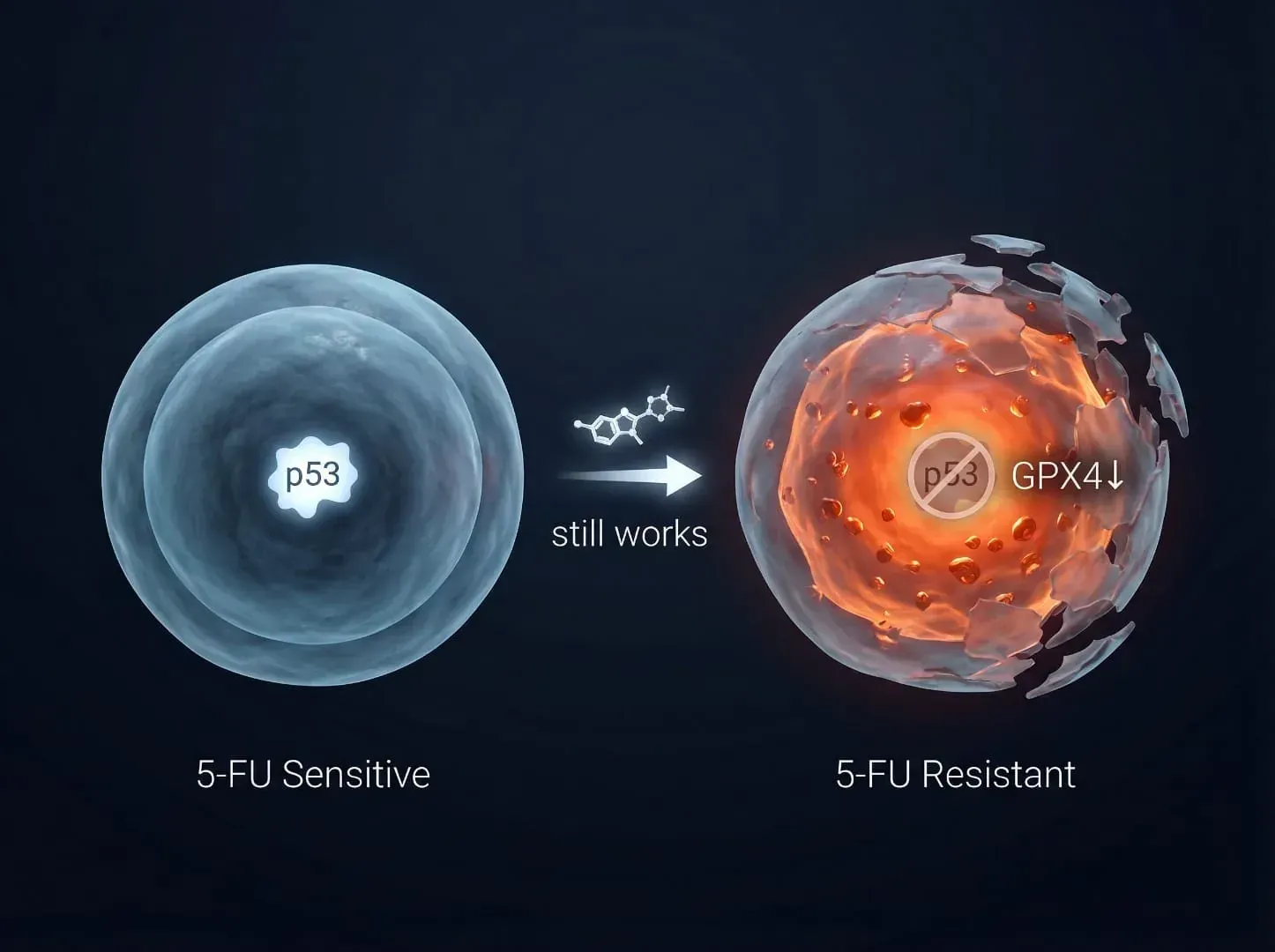
- Critically, in the resistant SNU-C5/5-FUR cells, FBZ triggered apoptosis without activating p53. This is mechanistically important because p53 mutations are a major driver of 5-FU resistance, yet FBZ operates around this barrier.
- The resistant cells showed enhanced ferroptosis — an iron-dependent, non-apoptotic form of cell death — via suppression of GPX4 and SLC7A11. This ferroptosis-augmented apoptosis was actually greater in resistant cells than in 5-FU-sensitive ones.
The Frontiers 2025 pyroptosis paper's discussion section also cites this finding, noting that "in 5-FU-resistant CRC, FBZ induced apoptosis without affecting p53 expression and could enhance p53-independent iron death to promote apoptosis" (Frontiers Pharmacology 2025). Learn more about fenbendazole dosage guide.
Why this matters: A drug that retains cytotoxic activity in chemotherapy-resistant cells via a completely different mechanism (ferroptosis rather than p53-dependent apoptosis) has genuine therapeutic rationale as an add-on strategy in refractory CRC — though this remains preclinical evidence only.
Pancreatic Cancer: Parbendazole + Gemcitabine Synergy
Pancreatic cancer is arguably the most challenging GI malignancy to treat. With a five-year survival rate below 12% and most patients presenting with advanced disease, there is an urgent need for novel treatment approaches. Gemcitabine remains the first-line chemotherapy standard, yet resistance is nearly universal over time.
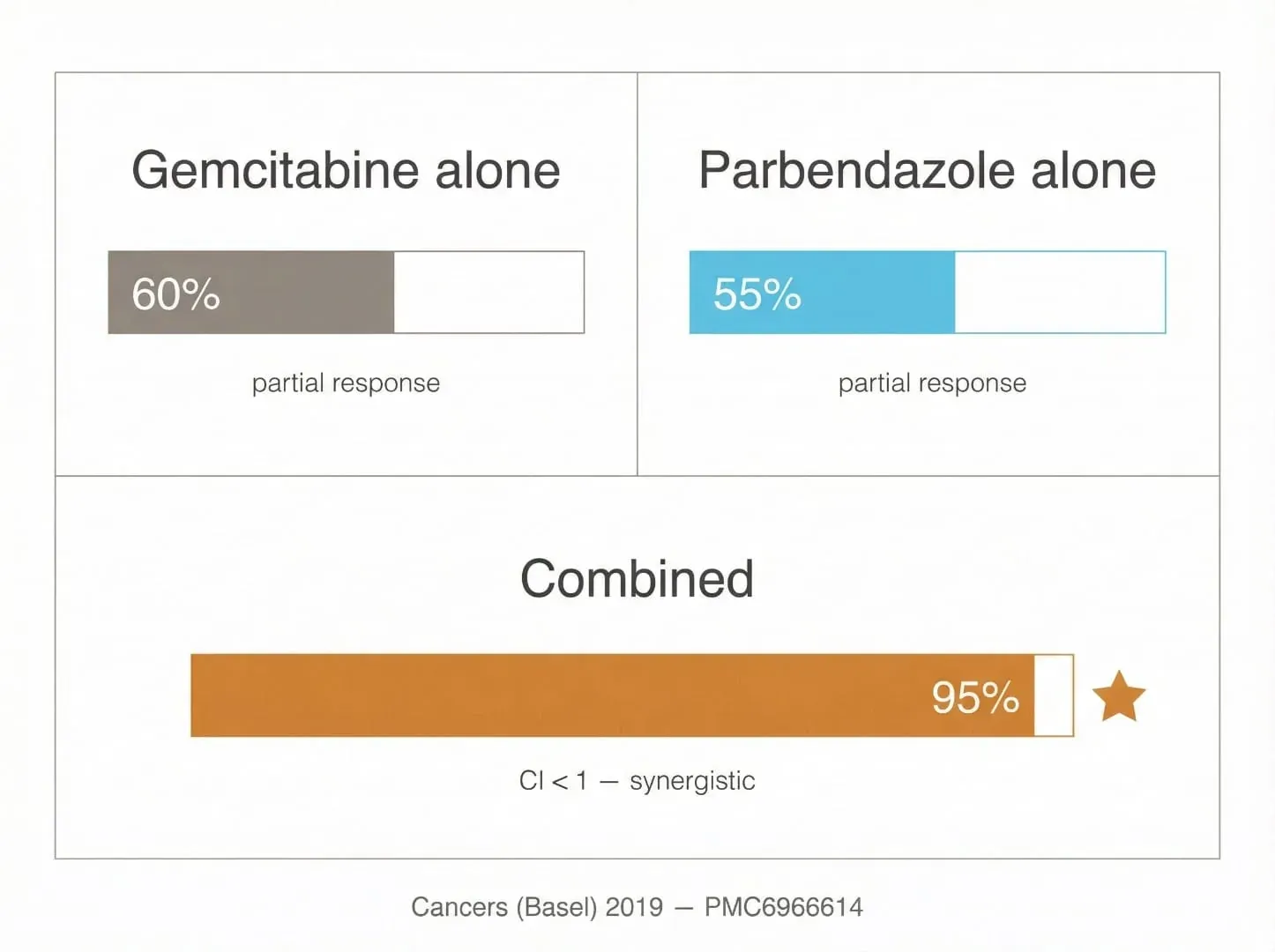
A pivotal 2019 study published in Cancers (Basel) tested all four FDA-approved benzimidazoles — including fenbendazole — against two pancreatic cancer cell lines with distinct genetic backgrounds (AsPC-1 and Capan-2) (PMC6966614). The results established important evidence for the benzimidazole class in pancreatic cancer:
- All four benzimidazoles affected PC cell viability in a dose-dependent fashion, with IC₅₀ values in the nanomolar-to-low-micromolar range — concentrations potentially achievable with standard oral dosing.
- Parbendazole was the most potent of the four, with IC₅₀ values in the nanomolar range — lower than other benzimidazoles including fenbendazole.
- Parbendazole completely abolished clonogenic activity (the ability of cancer cells to self-renew) at even the lowest tested concentrations.
- The drug caused irregular mitotic spindle formation, G2/M cell cycle arrest, mitotic catastrophe, and ultimately apoptosis — the same core microtubule disruption mechanism shared by fenbendazole.
- Most significantly: combinations of parbendazole + gemcitabine showed synergistic (not merely additive) effects on PC cell viability, confirmed by CompuSyn analysis with combination index (CI) < 1.
That fenbendazole is a structural cousin to parbendazole — both are benzimidazole carbamate antiparasitics — means these findings are highly relevant to understanding FBZ's potential class effects. As the Healthline review of FBZ in pancreatic cancer notes, early preclinical evidence for the benzimidazole class shows promise through microtubule disruption and metabolic interference, though human clinical evidence remains absent.
Mechanisms in Pancreatic Cancer Cells
The benzimidazole class targets pancreatic cancer through several complementary pathways: Learn more about fenbendazole and lung cancer.
- Microtubule disruption: Binds β-tubulin, preventing proper mitotic spindle formation. Pancreatic cancer cells require intact microtubules for rapid division and metastatic migration.
- G2/M cell cycle arrest: Trapped in mitosis, cells cannot complete division and undergo mitotic catastrophe.
- DNA damage induction: Parbendazole (and likely related compounds) activates DNA damage response pathways, adding a second route to apoptosis.
- Cell migration impairment: Microtubule disruption also impairs cancer cell movement, potentially reducing metastatic spread.
- WNT/β-catenin signaling inhibition: Benzimidazoles may modulate the WNT pathway, which plays a key role in PC's invasive and immunotolerant behavior.
- Gemcitabine synergy: When combined with gemcitabine, the effect exceeds what either drug achieves alone — a finding with direct clinical relevance.
For patients exploring pancreatic cancer protocols, see our Fenbendazole Dosage Guide and the ISOM Protocol overview for context on how benzimidazoles are used within structured integrative frameworks.
Products Referenced in This Research
Pharmaceutical-grade fenbendazole referenced in the studies above — 99% purity, lab-tested with full certificates of analysis.
See the product cards below.
Disclaimer: For convenience only. Consult a licensed professional before use.
Current Limitations and What the Research Cannot Tell Us
As compelling as the preclinical findings are, it is essential to contextualize them honestly. The current body of evidence for FBZ in GI cancers is almost entirely preclinical — conducted in cell cultures and mouse models. Several critical limitations apply:
- No randomized controlled trials: There are currently no published Phase II or Phase III trials evaluating fenbendazole specifically in colorectal, pancreatic, or liver cancer patients.
- Bioavailability challenges: Fenbendazole has poor and highly variable oral bioavailability in humans (approximately 20-40% depending on formulation and food content). Plasma concentrations achievable with standard dosing may differ substantially from the concentrations used in cell culture experiments.
- Organoid models vs. real tumors: Even the 3D organoid models used in the AACR study — while superior to standard cell lines — cannot fully replicate the immune microenvironment, stromal tissue, and vascular supply of human tumors.
- GI cancer heterogeneity: Colorectal cancer alone encompasses dozens of molecular subtypes (MSI-H, MSS, KRAS-mutant, BRAF-mutant, etc.) with different biology and treatment responses. Whether FBZ's efficacy varies across these subtypes is unknown.
- Drug interactions: As the PMC12836008 case illustrates, FBZ can cause hepatotoxicity, which is particularly concerning for GI cancer patients already under metabolic stress — and for those on hepatically metabolized chemotherapy agents.
Liver and HCC: A Benzimidazole Cousin Shows Promise
Hepatocellular carcinoma (HCC) is the most common primary liver cancer and a frequent complication of cirrhosis. For more details, see our guide on fenbendazole and breast cancer. Standard treatment with sorafenib, a tyrosine kinase inhibitor, extends survival but rarely achieves durable remission. Researchers at UCSF used computational data-mining tools to identify a promising combination approach (UCSF 2017).
The UCSF team identified niclosamide ethanolamine (NEN) — a soluble salt of niclosamide, which like fenbendazole is in the broader antiparasitic family used in veterinary medicine — as a candidate for HCC. When combined with sorafenib in a patient-derived HCC tissue engrafted into mouse models, the combination:
- Stopped tumor growth in the experimental model
- Reversed a 274-gene molecular disease signature (comparing cancerous vs. normal liver tissue) after six weeks of treatment
- Targeted multiple genes simultaneously, suggesting it could be effective despite the genetic heterogeneity typical of HCC
Separate from the UCSF work, a 2022 study published in PubMed (PMID 35110505) directly investigated fenbendazole in H4IIE rat hepatocellular carcinoma cells (PubMed 35110505). The findings revealed a critical and nuanced pattern:
- FBZ dose-dependently suppressed growth and induced apoptosis only in actively growing (proliferating) cells
- In fully confluent, quiescent (non-dividing) cells, FBZ showed no significant activity — a finding with important implications
- The mechanism involved p21-mediated cell cycle arrest at both G1/S and G2/M phases, with upregulation of p21 and suppression of cyclin D1 and cyclin B1
- No significant changes were observed in autophagy, cell migration, glycolytic markers, or ROS generation
The quiescent cell finding is clinically significant: It suggests FBZ may have a selective action against actively dividing cancer cells while sparing quiescent normal liver cells — a desirable therapeutic profile. However, it also implies that slowly growing or dormant tumors may be less responsive.
GI Cancer Research Summary Table
Mebendazole in Colorectal Cancer: The Only Randomized Trial
While fenbendazole remains without human trial data, its closely related benzimidazole cousin — mebendazole — produced the single strongest piece of clinical evidence for the entire drug class in colorectal cancer. In 2022, Hegazy and colleagues published a randomized, double-blind, placebo-controlled trial in the journal Life Sciences that tested mebendazole as an add-on to standard bevacizumab plus FOLFOX4 chemotherapy in 40 patients with metastatic CRC.
The results were striking:
- Patients who received 500 mg mebendazole twice daily for 12 weeks alongside chemotherapy achieved an overall response rate of 65%, compared to just 10% in the placebo-plus-chemotherapy group.
- Median progression-free survival in the mebendazole arm was 9.25 months versus 3 months in the control arm.
- The mebendazole group showed reduced levels of vascular endothelial growth factor (VEGF), suggesting an anti-angiogenic component to the drug's effect — a mechanism that complements the anti-angiogenic action of bevacizumab itself.
- Treatment was well-tolerated, with no significant increase in adverse events compared to the placebo arm.
These numbers are impressive, but they must be read with appropriate caution. The trial was small (n = 40) and conducted at a single center. It has not yet been independently replicated. Additionally, the 65% vs. 10% response gap is unusually large for an adjunct therapy, raising questions about whether a larger multi-center trial would reproduce such dramatic results.
Importantly, a separate Phase 2a trial (NCT03628079) tested mebendazole as a near-monotherapy in 11 patients with treatment-refractory GI cancers — including CRC — and found no clinical benefit. All evaluable patients progressed, and the trial was terminated early. Doses up to 4 g/day were safe, but maintaining adequate plasma concentrations proved difficult. This underscores a critical distinction: mebendazole may work best as a chemotherapy adjunct in treatment-naïve or responsive patients, rather than as a rescue agent in heavily pretreated, refractory disease.
The two trials together tell a coherent story: benzimidazoles appear to add value when combined with active chemotherapy in patients who are still responding, but have little standalone power against heavily pretreated, resistant tumors. This is consistent with the class's known mechanism — disrupting microtubules and glucose metabolism works best in actively dividing cells, exactly as the hepatocellular carcinoma data in this article confirmed.
Pyroptosis: A Third Cell Death Pathway in GI Cancer
The existing research on fenbendazole in colorectal cancer has focused primarily on two forms of cell death: apoptosis (the classic programmed cell death) and ferroptosis (the iron-dependent pathway that 5-FU-resistant cells are particularly vulnerable to). In 2025 and 2026, a third mechanism emerged that is directly relevant to GI cancers: pyroptosis.
Pyroptosis is an inflammatory form of programmed cell death mediated by gasdermin proteins, particularly GSDME (gasdermin E). Unlike apoptosis — which is immunologically silent — pyroptosis causes the cell to swell and rupture, releasing inflammatory signals that can activate anti-tumor immune responses. This makes it especially interesting for "cold" tumors like microsatellite-stable (MSS) colorectal cancers, which are notoriously resistant to immune checkpoint blockade.
A 2025 paper in Frontiers in Pharmacology confirmed that fenbendazole induces pyroptosis via the HK2/caspase-3/GSDME signaling pathway: FBZ downregulates hexokinase 2 (the first enzyme in glycolysis), which activates caspase-3, which in turn cleaves GSDME into its pore-forming N-terminal fragment. The pores rupture the cell membrane, triggering inflammatory cell death. Critically, this mechanism overlaps with FBZ's known action of inhibiting glucose uptake — suggesting that the metabolic disruption and the pyroptotic cell death are two sides of the same coin.
The GI cancer implications are substantial. GSDME is frequently downregulated in colorectal tumors through epigenetic silencing, which helps cancer cells evade pyroptosis and the immune response it triggers. A separate 2026 study in Frontiers in Pharmacology demonstrated that curcumin can restore GSDME expression in MSS-type CRC cells (CT26, HT29) by inhibiting the ubiquitin-proteasome system, and that this restoration sensitized otherwise immunotherapy-resistant tumors to anti-PD-1 treatment. When GSDME was knocked out, the synergistic benefit of curcumin plus PD-1 blockade disappeared entirely — confirming GSDME as the molecular switch.
For patients exploring combination strategies, this research suggests a mechanistic rationale for pairing fenbendazole (which activates the caspase-3/GSDME axis via HK2 suppression) with curcumin (which restores GSDME expression) — though this specific combination has not been tested in any study, and remains speculative.
The 2024 Anticancer Research Review: What the Field's Largest Assessment Says
In September 2024, the journal Anticancer Research published what remains the most comprehensive peer-reviewed assessment of fenbendazole as an anticancer agent, covering both human and animal evidence across all cancer types (Anticancer Research, 2024; 44: 3725–3735). This 11-page review is the closest the field has to a definitive literature synthesis, and its conclusions are directly relevant to GI cancer patients.
The review confirmed the four principal preclinical mechanisms of FBZ — microtubule destabilization, glycolysis inhibition via GLUT transporter and HK2 downregulation, p53 stabilization, and oxidative stress induction — and noted that these mechanisms are consistent across cancer types including colorectal and hepatocellular carcinoma. It acknowledged the 5-FU-resistant CRC data (Park et al. 2022) as one of the strongest preclinical signals, specifically highlighting the p53-independent ferroptosis pathway as a promising avenue for drug-resistant cancers.
However, the review was equally direct about the limitations:
- No human clinical trials exist specifically for fenbendazole in any cancer type. The entire evidence base is preclinical (cell lines and animal models) plus anecdotal case reports.
- Pharmacokinetic challenges remain unsolved: FBZ has poor water solubility and low systemic bioavailability, meaning that the drug concentrations used in cell culture experiments may not be achievable in human tumors with standard oral dosing.
- Safety is not established at the doses and durations used in cancer protocols. The review cited emerging case reports of hepatotoxicity and noted that long-term safety data in humans simply does not exist.
- Nanoparticle formulations were identified as the most promising route to improving bioavailability and tumor targeting, but this technology is still in early development.
The review concluded with an explicit call for "urgent, well-designed clinical investigations" — a position shared by essentially every peer-reviewed paper in the field. For GI cancer patients weighing this evidence, the review provides the clearest possible picture: compelling laboratory rationale, zero clinical validation.
The Tumor Microenvironment Question
One of the less discussed but potentially consequential aspects of fenbendazole research is its effect on the tumor microenvironment (TME) — the ecosystem of immune cells, blood vessels, and signaling molecules that surrounds a tumor and determines whether the immune system attacks or tolerates it.
Data from mouse lymphoma models has shown that fenbendazole treatment can upregulate PD-L1 (the "don't eat me" signal that tumors use to evade immune detection) and CD86 on tumor-associated cells. If this effect translates to human GI cancers, it would have a critical practical implication: FBZ might simultaneously kill cancer cells through direct cytotoxicity while inadvertently helping surviving cancer cells hide from the immune system.
This does not mean FBZ is counterproductive — it means the TME effects appear to be context-dependent. In tumors where the immune system is already active (such as microsatellite-instable / MSI-H colorectal cancers), PD-L1 upregulation might be addressed by combining FBZ with an immune checkpoint inhibitor. In immunologically "cold" tumors (MSS colorectal cancer, most pancreatic cancers), the TME effects could potentially be more problematic.
The 2026 curcumin-GSDME-PD-1 research described in the pyroptosis section above offers one possible solution: curcumin-mediated pyroptosis can remodel the TME by releasing danger-associated molecular patterns (DAMPs) that recruit and activate immune cells, counteracting the immunosuppressive signals. Whether combining FBZ, curcumin, and a PD-1 inhibitor produces additive benefit or unexpected toxicity is unknown — no study has tested this three-way combination.
For GI cancer patients already on immunotherapy (pembrolizumab, nivolumab, ipilimumab), this TME data adds another reason to disclose any FBZ use to the treating oncologist: the immune-modulating effects of FBZ could interact with checkpoint inhibitors in ways that are difficult to predict without monitoring.
The 2026 Case Report: A Safety Lesson for Colon Cancer Patients
In January 2026, a case report published in the World Journal of Clinical Cases described a 47-year-old woman with metastatic colon cancer (Lynch syndrome variant) who had been self-administering fenbendazole alongside her oncology treatment (PMC12836008). This case is worth examining carefully because it illustrates several safety principles directly relevant to GI cancer patients.
Case Details
- The patient was on nivolumab/relatlimab (Opdualag) for 9 months — a dual immune checkpoint inhibitor regimen — with her last infusion 4 weeks before admission.
- She began self-administering fenbendazole (Panacur C) after consulting a "holistic healer" and being influenced by social media "fenben protocols."
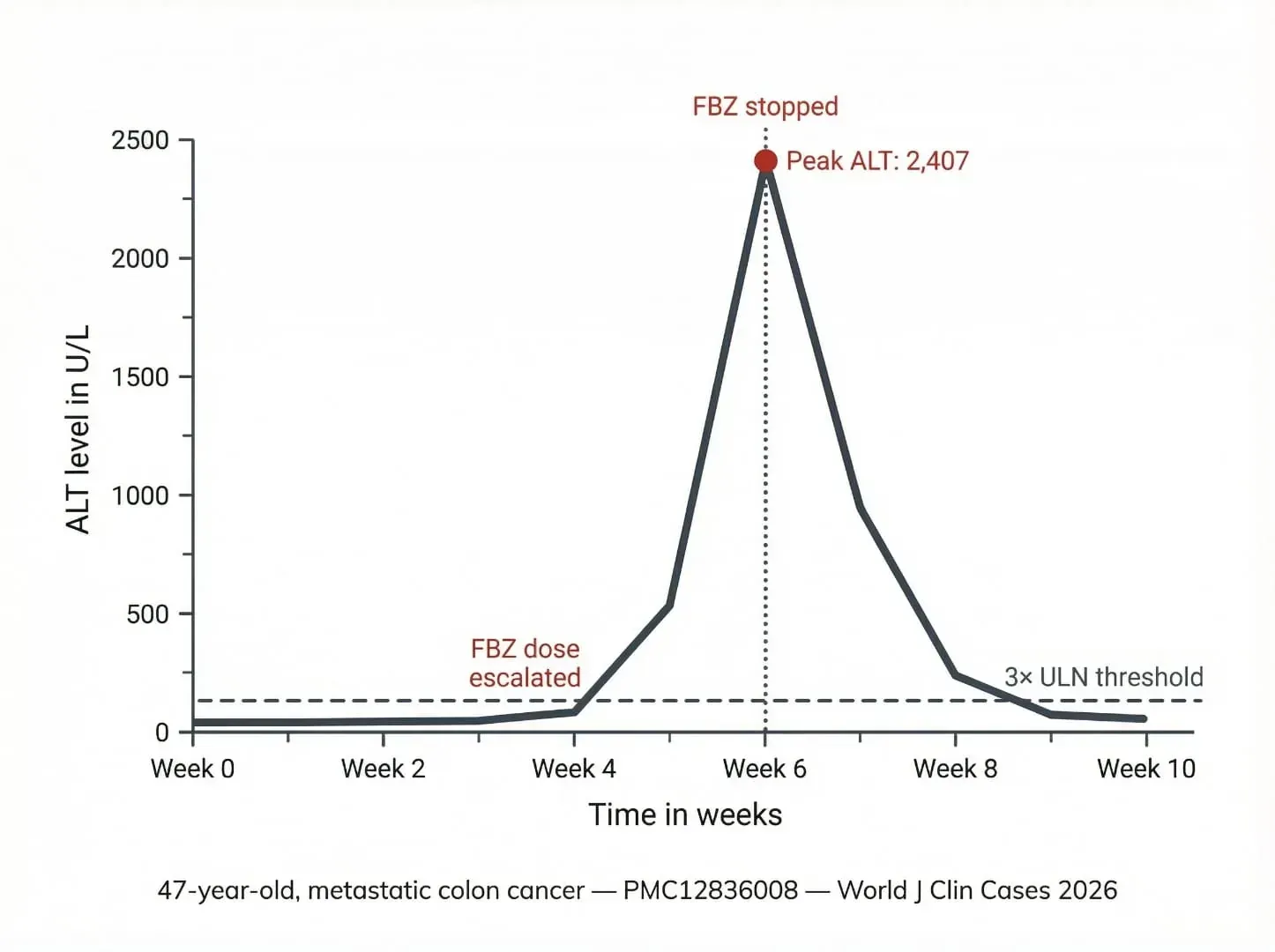
- She started at 222 mg three times weekly for 6 weeks, then escalated to 222 mg daily (approximately 1,554 mg weekly total) in the two weeks before presentation.
- She presented with 1 week of nausea, fatigue, dark urine, and jaundice.
- Labs showed severe hepatocellular injury: AST 2,435 U/L, ALT 2,407 U/L, elevated bilirubin, INR 1.52 — a hepatocellular pattern.
- RUCAM causality score of 8 = probable FBZ-induced liver injury.
- All other causes (viral hepatitis, autoimmune, acetaminophen, infection) were ruled out.
- After stopping FBZ, ALT dropped 78% within 10 days and normalized fully — confirming FBZ as the causative agent.
- Importantly, the patient successfully resumed immunotherapy (nivolumab/relatlimab) after FBZ discontinuation with no recurrence of liver injury.
Key Safety Lessons from This Case
- Dose escalation is high-risk: The liver injury onset correlated with dose increase to daily 222 mg — a pattern seen in other FBZ DILI cases. Gradual escalation without monitoring is particularly dangerous.
- Concurrent immunotherapy compounds the risk: Immune checkpoint inhibitors (ICIs) can cause immune-mediated hepatitis that looks identical to drug-induced liver injury. In this patient, the diagnostic challenge was distinguishing FBZ-DILI from ICI hepatitis — an important distinction because the treatments differ significantly.
- GI cancer patients have compromised liver reserves: Metastatic colon cancer frequently involves liver metastases. Any patient with known or suspected hepatic involvement has reduced capacity to tolerate hepatotoxic insults.
- Disclose to your oncologist: The diagnostic complexity in this case was substantially increased because the FBZ use was undisclosed. Early disclosure enables proper monitoring and safer decision-making.
This case is discussed in much greater depth in our dedicated post on Fenbendazole Liver Safety and Side Effects. Learn more about fenbendazole case reports showing remission.
Dosing Considerations for GI Cancer Patients
Patients with GI cancers face unique pharmacological considerations when exploring FBZ. The following reflects published protocols and known pharmacology — not medical advice.
Absorption and GI Context
Fenbendazole is a highly lipophilic compound with poor aqueous solubility. Its oral bioavailability is significantly enhanced when taken with a fatty meal. For GI cancer patients:
- Always take with food containing fat (e.g., olive oil, avocado, nuts, fatty fish). Studies show absorption can increase 3-5x with food vs. fasting.
- GI cancer patients who have undergone bowel resection, colostomy, or have significant mucosal damage may have altered drug absorption — making plasma level monitoring especially relevant.
- Pancreatic cancer patients with exocrine insufficiency may have impaired fat digestion, potentially reducing FBZ absorption further. Pancreatic enzyme supplementation may affect this.
- Patients with liver metastases or compromised hepatic function have reduced capacity to metabolize FBZ and may be at higher risk of drug accumulation and hepatotoxicity.
Standard Reference Dosing (Educational Only)
See the complete Fenbendazole Dosage Guide for detailed protocol schedules, and our comparison of Fenbendazole vs. Ivermectin for those exploring combinations.
Liver Monitoring Protocol for GI Cancer Patients
Because GI cancers can directly involve or metastasize to the liver, any FBZ user with GI cancer should apply a more rigorous monitoring schedule than the general population:
- Baseline LFTs before starting (AST, ALT, ALP, bilirubin, GGT, albumin)
- Repeat at 2 weeks after initiation or dose change
- Monthly monitoring during stable dosing
- Immediate testing if any symptoms appear: fatigue, nausea, dark urine, jaundice, right upper quadrant pain
- Stop FBZ immediately if ALT/AST exceeds 3× upper limit of normal (ULN) and consult physician
- If on immune checkpoint inhibitors (pembrolizumab, nivolumab, relatlimab, etc.), always disclose FBZ use — distinguishing FBZ-DILI from ICI hepatitis requires knowing the full medication history
How FBZ Fits into GI Cancer Protocols
Within structured integrative oncology frameworks, fenbendazole is not typically used as a standalone therapy but as part of a multi-agent metabolic approach. The ISOM Protocol, developed by researchers affiliated with the International Society for Orthomolecular Medicine, positions benzimidazoles alongside metabolic agents (metformin, repurposed drugs), orthomolecular support (vitamin D3, vitamin C, zinc, curcumin), and dietary interventions (ketogenic diet, intermittent fasting).
For GI cancer patients specifically, several combination considerations arise:
- With standard chemotherapy: The parbendazole + gemcitabine synergy data (PMC6966614) provides preclinical rationale for benzimidazole + gemcitabine combination in pancreatic cancer, though no human trial has yet validated this. See our full post on Fenbendazole and Chemotherapy.
- With curcumin: Curcumin has well-established anti-inflammatory and NF-κB inhibitory effects in CRC, and its combination with FBZ is part of several community protocols. Curcumin may also provide some hepatoprotective support. Absorption with black pepper (piperine) is essential.
- With vitamin D3: Vitamin D deficiency is associated with increased colorectal cancer risk and worse outcomes; optimal D3 levels (40–80 ng/mL) support immune function alongside any investigational protocol.
Comparing Available Evidence Across GI Cancers
Not all GI cancers have equal research depth when it comes to benzimidazole data. Here is a transparent comparison of the current evidence landscape:
Where Conventional GI Cancer Research Stands in 2026
Benzimidazole research does not exist in a vacuum. Understanding how the conventional treatment landscape has evolved provides essential context for evaluating where — if anywhere — repurposed drugs might eventually fit.
Colorectal Cancer
Standard first-line treatment for metastatic CRC remains fluoropyrimidine-based chemotherapy (FOLFOX, FOLFIRI, or FOLFOXIRI) with or without targeted agents (bevacizumab for anti-angiogenic therapy; cetuximab or panitumumab for RAS wild-type tumors). For the ~15% of CRC patients whose tumors are MSI-H/dMMR, immune checkpoint inhibitors — particularly pembrolizumab — have become a transformative option, with some patients achieving durable complete responses. The 2026 landscape is also seeing increasing use of ctDNA (circulating tumor DNA) monitoring to guide treatment duration and detect recurrence earlier.
Pancreatic Cancer
The most significant developments in 2025–2026 have been in targeted therapy. Daraxonrasib (RMC-6236), a RAS(ON) multi-selective inhibitor, has shown promise in extending survival for KRAS-mutant pancreatic cancer — a mutation present in ~90% of cases — and is available under expanded access programs. The Phase III CASSANDRA trial demonstrated that the PAXG regimen (cisplatin, nab-paclitaxel, capecitabine, and gemcitabine) improved event-free survival over mFOLFIRINOX in resectable disease. Meanwhile, tumor-treating fields (TTFields) combined with gemcitabine/nab-paclitaxel improved overall survival in locally advanced disease in the PANOVA-3 trial.
For repurposed drug researchers, the conventional landscape matters because it defines the realistic niche where benzimidazoles might eventually be tested: as adjuncts to chemotherapy regimens (similar to the Hegazy mebendazole trial), rather than as replacements for standard-of-care treatment. The parbendazole-gemcitabine synergy data from the preclinical pancreatic cancer studies described earlier in this article aligns well with this adjunct model.
Key Takeaways
- ✅ The AACR 2022 abstract demonstrated fenbendazole induces apoptosis in colorectal cancer cells and patient-derived organoids within 24 hours, via CDK1/cyclin B1 downregulation.
- ✅ In 5-FU-resistant colorectal cancer, FBZ retains cytotoxic activity through a p53-independent mechanism involving enhanced ferroptosis — directly relevant to refractory CRC.
- ✅ Parbendazole (benzimidazole cousin) showed nanomolar IC₅₀ values in pancreatic cancer cells and synergized with gemcitabine in preclinical models — the best benzimidazole class evidence for pancreatic cancer.
- ✅ In hepatocellular carcinoma, FBZ caused p21-mediated cell cycle arrest selectively in proliferating cells, with the UCSF research highlighting benzimidazole class + sorafenib synergy in HCC mouse models.
- A 2026 case report (PMC12836008) of a 47-year-old colon cancer patient on immunotherapy who developed severe FBZ-induced liver injury highlights the critical importance of liver monitoring, disclosure to oncologists, and avoiding unsupervised dose escalation.
- GI cancer patients have uniquely elevated liver risk from FBZ due to potential liver metastases, concurrent hepatotoxic therapies, and altered hepatic metabolism — requiring more rigorous LFT monitoring than other cancer types.
- Absorption optimization (always with fatty food) is especially relevant for GI cancer patients, whose surgeries and disease processes may alter drug absorption in ways not applicable to the general population.
- All current evidence is preclinical. Fenbendazole is not approved or validated for any human cancer treatment. Human trials are urgently needed.
Frequently Asked Questions
Is fenbendazole proven to treat colorectal or pancreatic cancer?
No. All current evidence for fenbendazole in these cancers is preclinical — conducted in cell cultures and animal models. There are no published randomized controlled trials testing fenbendazole in human colorectal or pancreatic cancer patients. The drug is not approved for cancer treatment.
What about mebendazole — is there human trial data for colorectal cancer?
Yes. A 2022 randomized controlled trial (Hegazy et al., Life Sciences) tested mebendazole as an adjunct to standard chemotherapy in 40 metastatic CRC patients. The mebendazole group achieved a 65% response rate versus 10% in the placebo group, with median progression-free survival of 9.25 versus 3 months. However, this was a small single-center study that has not been independently replicated.
Does fenbendazole work against 5-FU-resistant colon cancer?
In lab studies, yes. A 2022 study showed that FBZ retained full cytotoxic activity in 5-FU-resistant SNU-C5 cells by triggering p53-independent apoptosis and enhanced ferroptosis (iron-dependent cell death via GPX4 and SLC7A11 suppression). The fact that FBZ bypasses the p53 mutations that drive 5-FU resistance is mechanistically significant, but this has only been demonstrated in cell culture.
What is the evidence for benzimidazoles in pancreatic cancer specifically?
A 2019 study tested four benzimidazoles (including fenbendazole) against pancreatic cancer cell lines. Parbendazole was most potent, with nanomolar IC₅₀ values and synergy with gemcitabine (CI < 1). Fenbendazole showed low-micromolar activity. No human data exist for any benzimidazole in pancreatic cancer.
What is pyroptosis and why does it matter for GI cancers?
Pyroptosis is an inflammatory form of programmed cell death mediated by gasdermin proteins (especially GSDME). Unlike apoptosis, pyroptosis ruptures the cell membrane and releases signals that activate immune responses. This is relevant for immunologically "cold" tumors like MSS colorectal cancers that resist immunotherapy. A 2025 study confirmed FBZ induces pyroptosis via the HK2/caspase-3/GSDME pathway.
Can fenbendazole be combined with standard chemotherapy for colon cancer?
There is no human data on combining fenbendazole with FOLFOX, FOLFIRI, or other CRC chemotherapy regimens. The mebendazole-FOLFOX4 trial (Hegazy 2022) provides the closest evidence for the benzimidazole class. Timing, drug interactions (via CYP3A4), and overlapping hepatotoxicity risk make oncologist supervision mandatory. See our fenbendazole and chemotherapy guide.
Why are GI cancer patients at higher liver risk from fenbendazole?
GI cancers — particularly CRC and pancreatic — frequently metastasize to the liver, reducing its metabolic reserve. These patients are also often on hepatically metabolized chemotherapy. Adding a hepatotoxic drug (fenbendazole) on top of already stressed liver function creates a compounding risk, which is why more frequent LFT monitoring is recommended. See our liver safety guide.
What happened in the 2026 colon cancer case report?
A 47-year-old woman with metastatic colon cancer (Lynch syndrome) on immunotherapy self-administered fenbendazole and escalated to daily 222 mg dosing. She developed severe liver injury (ALT 2,407 U/L). After stopping FBZ, liver enzymes normalized within 10 days. The RUCAM score of 8 classified FBZ as the probable cause. She later resumed immunotherapy safely.
Should I take fenbendazole with food?
Yes — always. Fenbendazole is highly lipophilic and poorly water-soluble. Taking it with a meal containing fat (olive oil, avocado, nuts, fatty fish) can increase absorption by 3–5× compared to fasting. For GI cancer patients who have had bowel resections or have pancreatic insufficiency, absorption may be further altered and should be discussed with a physician.
Does fenbendazole affect the immune system or tumor microenvironment?
Emerging data from mouse models suggests FBZ may upregulate PD-L1 — the "don't eat me" signal tumors use to evade immune detection — in some contexts. This is significant for patients on immunotherapy. The effect appears context-dependent, and researchers are investigating whether combining FBZ with immune checkpoint inhibitors or pyroptosis-inducing agents (like curcumin) could counteract the immunosuppressive signal.
Is there any difference between fenbendazole and mebendazole for GI cancers?
Both share the same core mechanism (microtubule disruption, glucose metabolism interference), but mebendazole has stronger clinical data in CRC (the Hegazy trial), better-characterized human pharmacokinetics, and pharmaceutical-grade human formulations. Fenbendazole has more preclinical GI cancer data and may have superior tolerability at high doses. See our full comparison.
What about gastric (stomach) cancer?
Evidence is extremely limited. The main mechanistic signal is GSDME-mediated pyroptosis through the same caspase-3/GSDME pathway active in CRC. No studies have specifically tested fenbendazole against human gastric cancer cell lines in a dedicated experiment. Gastric cancer ranks as "very early" on the evidence scale for benzimidazoles.
Are there any clinical trials planned for fenbendazole in GI cancers?
As of mid-2026, there are no registered clinical trials on ClinicalTrials.gov testing fenbendazole specifically in colorectal, pancreatic, or hepatocellular carcinoma. Mebendazole has been tested in the two CRC-related trials described in this article. For more context, see our clinical trials update.
What liver tests should I monitor and how often?
Baseline LFTs (AST, ALT, ALP, bilirubin, GGT, albumin) before starting, then repeat at 2 weeks, monthly during stable dosing, and immediately if symptoms appear (fatigue, nausea, dark urine, jaundice). Stop FBZ if ALT or AST exceeds 3× the upper limit of normal. GI cancer patients should follow stricter monitoring than general protocols because of potential liver metastases and concurrent hepatotoxic therapies.
Does the curcumin + fenbendazole combination have any evidence in CRC?
No direct study has tested fenbendazole plus curcumin in CRC. However, a 2026 Frontiers in Pharmacology study showed that curcumin restores GSDME expression in MSS CRC cells and sensitizes them to anti-PD-1 therapy, while FBZ activates the same caspase-3/GSDME pyroptosis axis through HK2 suppression. The mechanistic overlap is suggestive but the combination itself remains untested and speculative.
What is the strongest preclinical finding for fenbendazole in colorectal cancer?
The 2022 AACR abstract (Kang & Kim) showing FBZ-induced apoptosis within 24 hours in patient-derived 3D colon cancer organoids, with CDK1/cyclin B1 downregulation and tumor grade reduction in an AOM/DSS mouse model. The organoid data is more translatable than standard cell line experiments. The ferroptosis finding in 5-FU-resistant cells (Park et al. 2022) is arguably the most clinically relevant, given the prevalence of drug resistance in CRC.
Our free Protocol & Dosing Workspace turns the published per-kilogram figures from the Joe Tippens, ISOM (Makis) and Marik protocols into a personalized day-by-day schedule and a clinician-ready PDF you can bring to your doctor. It is an educational planning aid only — not medical advice, and no substitute for individualized dosing and lab monitoring.
Open the Dosing Calculator →What People Report Online: Colorectal and Pancreatic Cancer
Behind the laboratory papers sits a large, restless online conversation. On Reddit and patient forums, people living with colorectal and pancreatic cancer — and the relatives caring for them — trade experiences with fenbendazole, usually following some version of the Joe Tippens protocol. To save you from digging through dozens of scattered threads, we have gathered the most relevant, on-topic discussions in one place, together with an honest guide to what these accounts can and cannot tell you.
How to read these reports
These are personal stories, not clinical evidence. They are uncontrolled, self-reported, and impossible to verify independently.
In almost every account, the person was also receiving standard treatment — chemotherapy, immunotherapy, radiotherapy, or surgery — at the same time as fenbendazole. When someone improves on two therapies at once, the result cannot be credited to fenbendazole alone; the conventional treatment is the far more likely explanation.
Encouraging stories are also shared far more often than disappointing ones, so online threads skew positive (survivorship and publication bias).
The useful way to read them is as questions worth raising with your oncologist — not as a protocol to copy on your own.
For a deeper, evidence-based look at how these accounts hold up — including the documented case reports and the peer-reviewed analyses behind them — see our detailed review of fenbendazole success stories and case reports.
Shop Sanare Lab
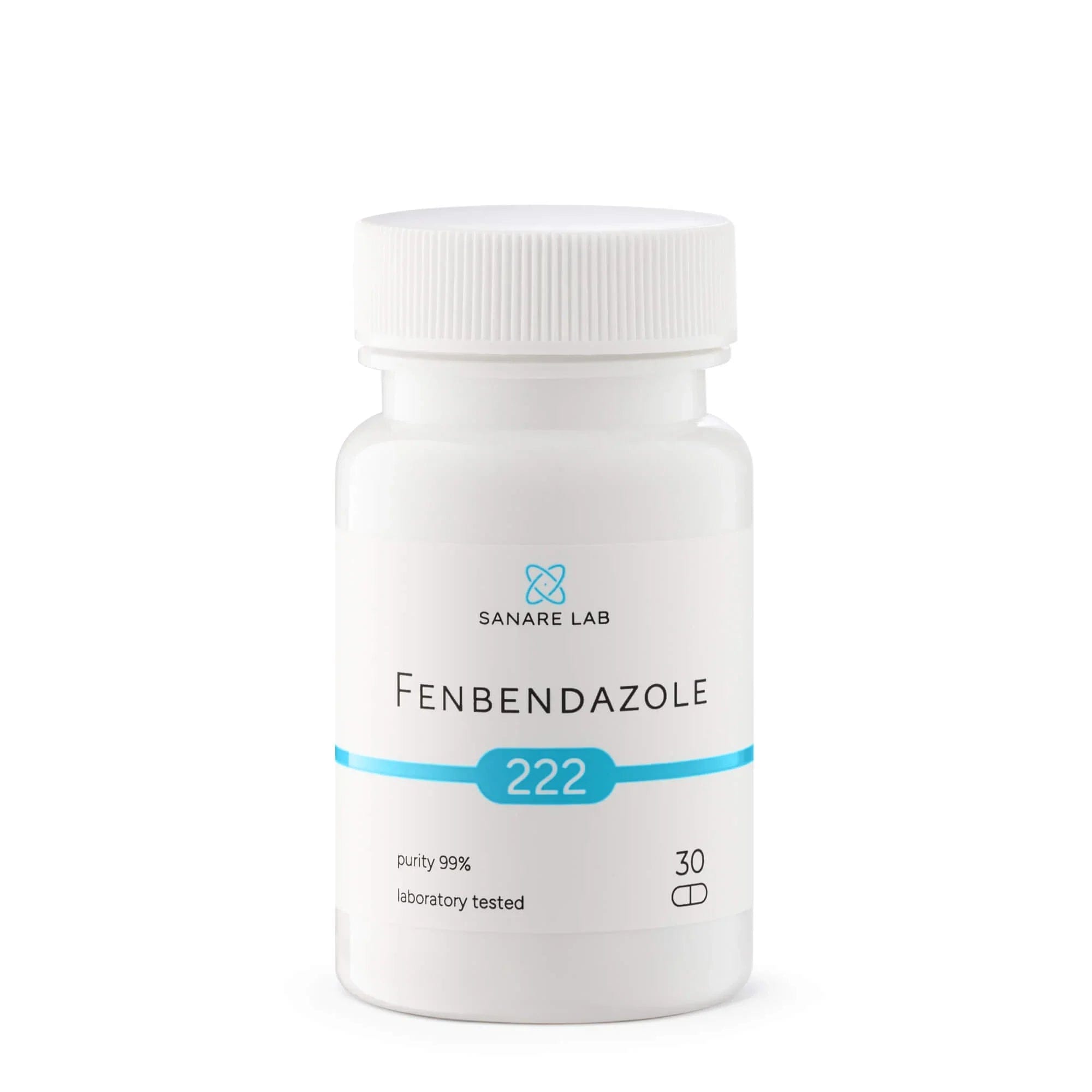
Pharmaceutical grade
Fenbendazole 222 mg
99%+ purity, third‑party lab tested.
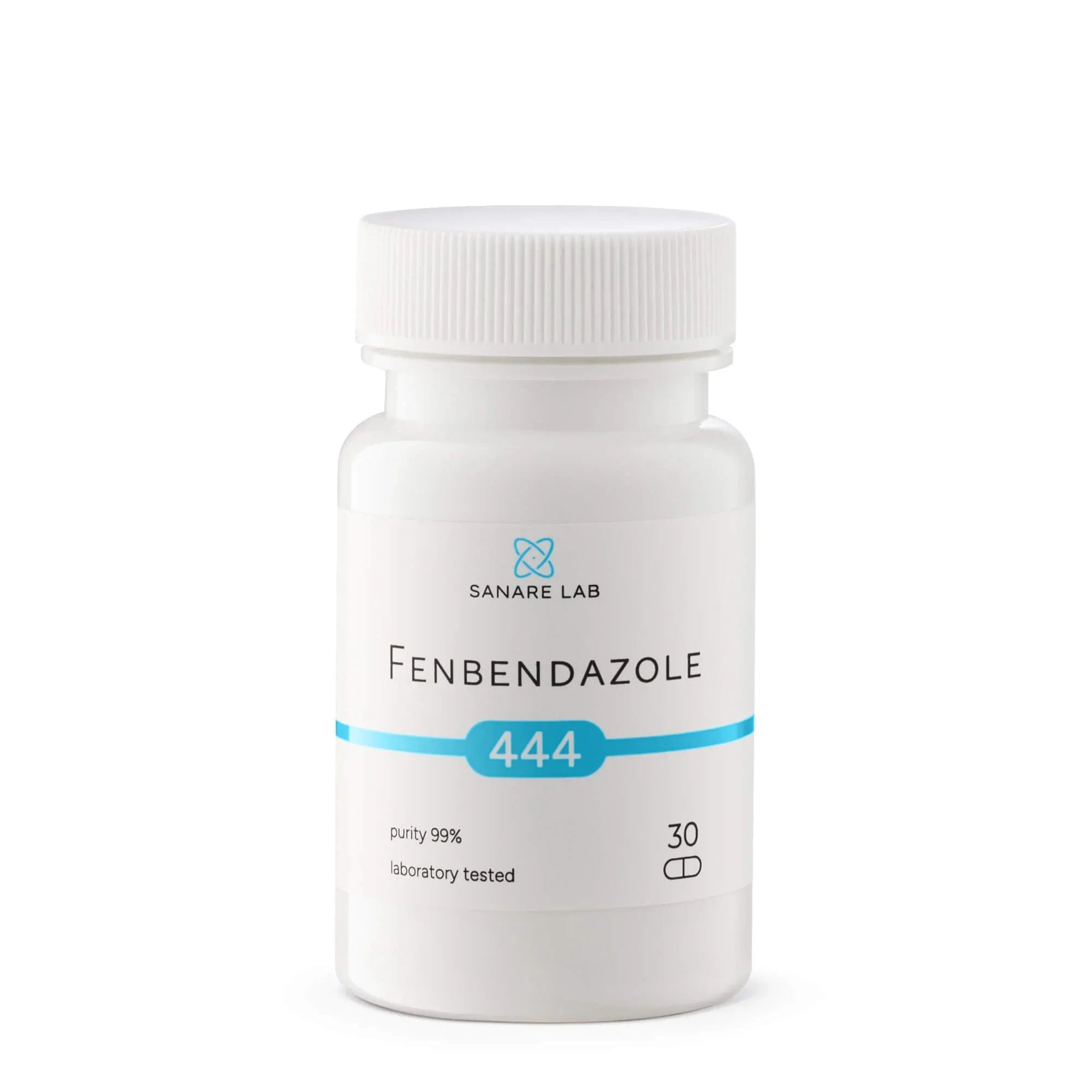
Pharmaceutical grade
Fenbendazole 444 mg
Double strength, 99%+ purity, lab tested.
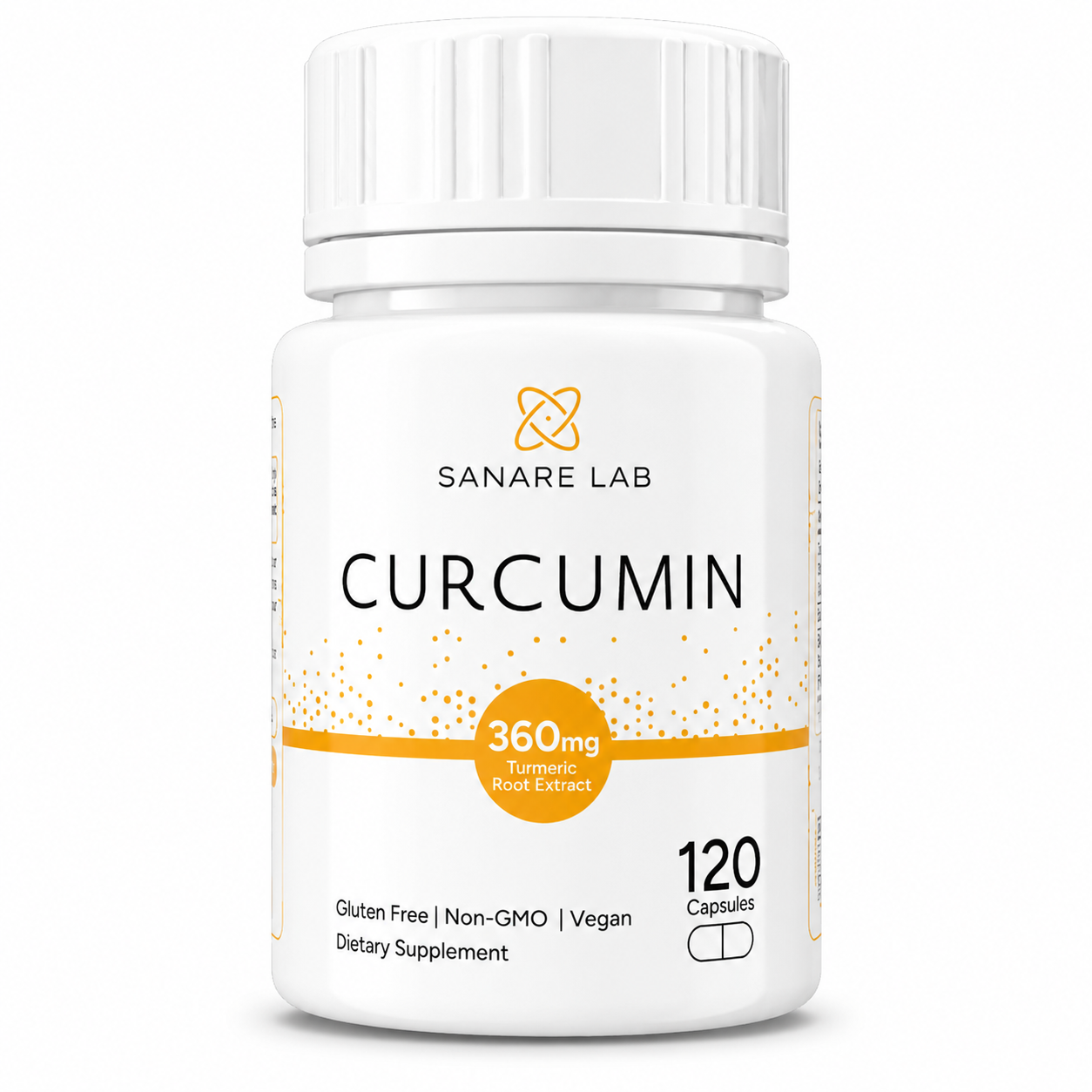
Daily adjunct
Curcumin 360 mg
95% curcuminoids with black pepper extract.
Prices may change; the store page shows the current price.
Disclaimer: Links are for convenience only. Consult a licensed professional before use.
References
- Dogra N, Kumar A, Mukhopadhyay T. Fenbendazole acts as a moderate microtubule destabilizing agent and causes cancer cell death by modulating multiple cellular pathways. Sci Rep, 2018. PMID: 30093705. PubMed
- Song B, Park EY, Kim KJ, et al. Repurposing of Benzimidazole Anthelmintic Drugs as Cancer Therapeutics. Cancers (Basel). 2022;14. PMID 36230527.
- Florio R, Carradori S, Veschi S, et al. Screening of Benzimidazole-Based Anthelmintics and Their Enantiomers as Repurposed Drug Candidates in Cancer Therapy. Pharmaceuticals (Basel). 2021;14. PMID 33920661.
- Bai RY, Staedtke V, Aprhys CM et al.. Antiparasitic mebendazole shows survival benefit in 2 preclinical models of glioblastoma multiforme. Neuro Oncol, 2011. PMID: 21764822. PubMed
- Duan Q, Liu Y, Rockwell S. Fenbendazole as a potential anticancer drug. Anticancer Res. 2013;33:355-62. PMID 23393324.
- Mrkvová Z, Uldrijan S, Pombinho A, et al. Benzimidazoles Downregulate Mdm2 and MdmX and Activate p53 in MdmX Overexpressing Tumor Cells. Molecules. 2019;24. PMID 31181622.
- Park D, Lee JH, Yoon SP. Anti-cancer effects of fenbendazole on 5-fluorouracil-resistant colorectal cancer cells. Korean J Physiol Pharmacol. 2022;26:377-387. PMID 36039738.
- Chu SW, Badar S, Morris DL, et al. Potent inhibition of tubulin polymerisation and proliferation of paclitaxel-resistant 1A9PTX22 human ovarian cancer cells by albendazole. Anticancer Res. 2009;29:3791-6. PMID 19846910.
- Nygren P, Larsson R. Drug repositioning from bench to bedside: tumour remission by the antihelmintic drug mebendazole in refractory metastatic colon cancer. Acta Oncol, 2014. PMID: 24160353. PubMed
- Huang L, Zhao L, Zhang J, et al. Antiparasitic mebendazole (MBZ) effectively overcomes cisplatin resistance in human ovarian cancer cells by inhibiting multiple cancer-associated signaling pathways. Aging (Albany NY). 2021;13:17407-17427. PMID 34232919.
- Guerini AE, Triggiani L, Maddalo M, et al. Mebendazole as a Candidate for Drug Repurposing in Oncology: An Extensive Review of Current Literature. Cancers (Basel). 2019;11. PMID 31480477.
- Son DS, Lee ES, Adunyah SE. The Antitumor Potentials of Benzimidazole Anthelmintics as Repurposing Drugs. Immune Netw. 2020;20:e29. PMID 32895616.
- Hegazy SK, El-Azab GA, Zakaria F, Mostafa MF, El-Ghoneimy RA. Mebendazole; from an anti-parasitic drug to a promising candidate for drug repurposing in colorectal cancer. Life Sciences, 2022;299:120536. ScienceDirect
- Mansoori S, Fryknäs M, Alvfors C, et al. A phase 2a clinical study on the safety and efficacy of individualized dosed mebendazole in patients with advanced gastrointestinal cancer. Sci Rep. 2021;11:8981. PMID 33903692.
- Oral Fenbendazole for Cancer Therapy in Humans and Animals (comprehensive review). Anticancer Research, 2024;44:3725-3735. Anticancer Research
- Wen L, et al. Fenbendazole induces pyroptosis of breast cancer cells via the HK2/caspase-3/GSDME signaling pathway. Frontiers in Pharmacology, 2025;16:1596694. Frontiers
- Liu G, et al. Curcumin enhances anti-PD-1 efficacy in MSS colorectal cancer via GSDME-dependent pyroptosis. Frontiers in Pharmacology, 2026;17:1734653. Frontiers
- Krishnan A, et al. Drug-induced liver injury from fenbendazole in a patient with metastatic colon cancer on immunotherapy. World J Clin Cases, 2026;14(1). PMC12836008. PMC
Medical Disclaimer
This article is for educational and informational purposes only. It is not intended to be a substitute for professional medical advice, diagnosis, or treatment. Always seek the advice of your physician or other qualified health provider with any questions you may have regarding a medical condition. Never disregard professional medical advice or delay in seeking it because of something you have read on this website.

Dr. Andrew Ellison, MD
Science editor and health researcher at Sanare Lab, covering evidence-based wellness, emerging compound research, clinical studies, and practical health protocols. Content is educational and does not replace medical advice.