
Fenbendazole and Liver Safety: What You Need to Know About Side Effects
Can fenbendazole damage the liver? Compare primary human DILI reports, reported doses, warning signs and the limits of monitoring and supplements.
 By Dr. Andrew Ellison, MD · April 14, 2026 · 18 min read
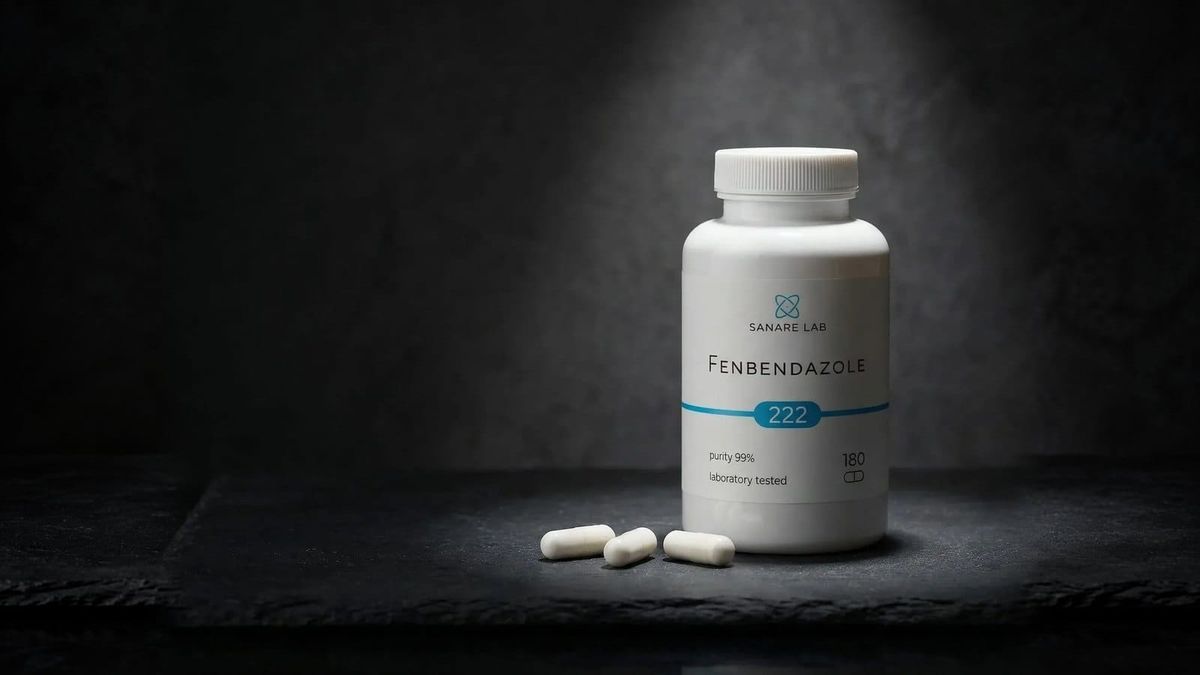
This article is for research and informational purposes only. It does not constitute medical advice. Do not self-prescribe. Always consult a qualified healthcare provider before using any supplement, especially alongside cancer treatment.
Can fenbendazole damage the liver? Yes. Published human reports describe hepatocellular drug-induced liver injury (DILI). They cannot tell us how common it is or establish a safe human dose. Neither a 222 mg schedule, dosing breaks nor supplements have been shown to prevent it.
This article reviews three detailed reports from 2021, 2024 and 2026, plus a separate combined-exposure report. Dose descriptions below preserve the source wording: a gram of veterinary granules must not automatically be read as a gram of active fenbendazole. Editorial update: 12 October 2026.
Human Liver-Injury Reports at a Glance
| Report | Reported exposure | Human finding | Limit |
|---|---|---|---|
| 2026 | 222 mg three times/week → daily. | Severe enzyme elevation; improved after withdrawal. | Immunotherapy and another reported exposure complicate attribution. |
| 2024 | Three 1-g packets of granules, three times/week. | Biopsy-supported DILI; recovery by three months. | Packet weight is not an established active dose. |
| 2021 | Reported 1 g/day, three days on/four off. | Injury detected by routine testing; improved after withdrawal. | An intermittent schedule did not prevent injury. |
Table of Contents
- How Fenbendazole Is Processed by the Liver
- Understanding Drug-Induced Liver Injury (DILI)
- Clinical Pharmacology: Why Dose Matters
- Published Case Reports: A Detailed Review
- Summary Comparison of All Three Cases
- Risk Factors: Who Is Most Vulnerable?
- Benzimidazole Class: Hepatotoxicity in Context
- The 3-On-4-Off Schedule and Liver Safety
- Who Should Avoid Fenbendazole
- Liver Support Supplements
- Liver Monitoring Protocol
- Putting It in Perspective
- Key Takeaways
- The Veterinary Safety Margin
- DILI in Context: How FBZ Compares
- Why the Liver Recovers
- N-Acetylcysteine (NAC)
- Understanding Your Lab Results
- CYP450 Drug Interactions
- Alcohol, Fatty Liver & Risk
- Advanced DILI Biomarkers
- Frequently Asked Questions
- Scientific References
- What People Report Online: Fenbendazole and the Liver
How Fenbendazole Is Processed by the Liver
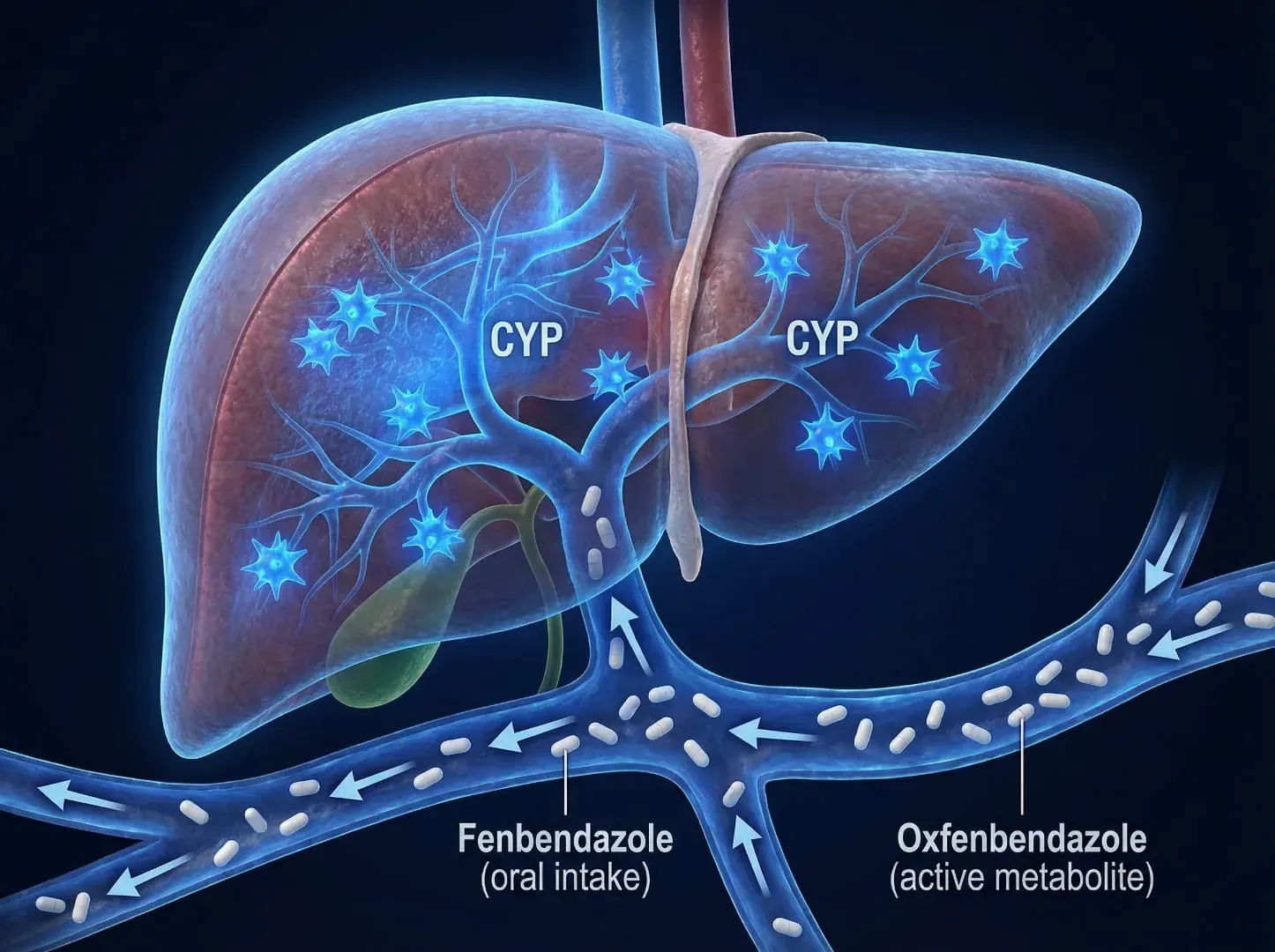
Fenbendazole is metabolized in the liver. A study comparing human and dog liver microsomes identified CYP1A1, CYP2D6 and CYP2J2 as major enzymes involved in metabolism. This laboratory evidence does not establish a safe human dose or a complete clinical interaction profile. Primary metabolism study.
Oxidative stress, altered metabolism and immune effects are possible mechanisms under investigation. The individual DILI reports do not prove one mechanism or show that glutathione supplements prevent injury.
No validated human threshold separates a harmless dose from a hepatotoxic one. The Joe Tippens schedule is a publicly described regimen, not a dose established as safe in clinical trials.
Understanding Drug-Induced Liver Injury (DILI)
DILI means liver injury attributed to a drug or other exposure after evaluating competing causes. Diagnosis uses the exposure timeline, blood tests, imaging and, in selected cases, biopsy. Immunotherapy-related hepatitis can resemble it.
DILI is classified by pattern of liver injury based on the R value (ratio of ALT/ULN to ALP/ULN):
- Hepatocellular: R ≥ 5.
- Cholestatic: R ≤ 2.
- Mixed: 2 < R < 5.
The three detailed reports below describe predominantly hepatocellular injury. That does not exclude other patterns in future patients.
RUCAM and Naranjo scores structure causality assessment; they do not prove causation. The 2026 authors reported RUCAM 8 (probable), the 2024 authors RUCAM 9 (highly probable), and the 2021 authors Naranjo 6 (probable).
Marked enzyme elevation accompanied by jaundice or impaired clotting is a serious clinical signal. A favourable outcome in one report does not make a similar presentation safe to watch at home.
Clinical Pharmacology: Why Dose Matters
Human dose–exposure and dose–toxicity relationships for fenbendazole remain inadequately characterized. The reports describe different schedules and formulations; they cannot define a safe ceiling or an escalation protocol.
Key pharmacokinetic considerations include:
- Animal pharmacokinetics and studies of ivermectin or oxfendazole cannot supply a validated human fenbendazole absorption percentage.
- Product mass and active-drug mass are different quantities.
- Four days off have not been shown to ensure complete metabolite clearance or prevent human DILI.
- Co-medications and underlying disease complicate exposure and causality assessment.
Normal tests before exposure do not guarantee safety later. Review the exact formulation, schedule and all medicines with a clinician; laboratory monitoring can detect injury but cannot make an unvalidated regimen safe.
See the dose-evidence guide for the distinction between reported regimens and validated human dosing.
Published Case Reports: A Detailed Review
Case 1: Dose Escalation in Metastatic Colon Cancer (2026)
A 47-year-old woman receiving nivolumab/relatlimab reported 222 mg three times weekly for six weeks, then 222 mg daily. Symptoms began a week after escalation. AST was 2,435 U/L, ALT 2,407 U/L and bilirubin 3.1 mg/dL. The authors favoured fenbendazole-related DILI after structured assessment and improvement on withdrawal; immunotherapy timing alone did not exclude immune hepatitis. 2026 primary report.
The temporal association is a safety signal, not proof that the earlier intermittent schedule was safe.
Case 2: Histologically Confirmed Severe DILI (2024)
A 67-year-old woman reported taking three 1-gram packets of fenbendazole granules three times weekly for about a year. The granule mass should not be converted to an active-drug dose without the formulation concentration. AST was 1,869 U/L, ALT 2,600 U/L and peak bilirubin 24 mg/dL. Biopsy supported severe DILI. Treatment included NAC and later budesonide; tests normalized by three months. 2024 primary report.
This was not recovery with supportive care alone. Nor does treatment after injury prove that taking NAC preventively would avert injury.
Case 3: NSCLC Patient on Pembrolizumab (2021)
An 80-year-old woman with NSCLC receiving pembrolizumab reported fenbendazole 1 g/day for three days followed by four days off, for roughly a month. Routine tests found AST 386 U/L and ALT 487 U/L. Tests normalized after withdrawal, and pembrolizumab was resumed without recurrence. No tumour shrinkage was observed. The report’s dose wording is retained without inferring the concentration of a veterinary product. 2021 primary report.
Injury was detected on routine testing despite an intermittent schedule. See also the lung-cancer evidence review.
Summary Comparison of All Three Cases
The comparison table is placed at the beginning of this article for quick reference. Follow the individual reports above for the clinical context; their exposure descriptions are not recommended doses.
Compare the reported laboratory values and follow-up in the primary papers; the three cases are not a validated mild/moderate/severe recovery timeline.
These three reports describe improvement after withdrawal. They provide no denominator for incidence, no validated safe dose and no guarantee that every future case will recover. A separate 2026 fenbendazole–ivermectin co-ingestion report should be considered separately because the exposures cannot be disentangled.
Risk Factors: Who Is Most Vulnerable?
The following issues warrant a clinical review; they are not a validated risk score derived from three patients.
- Dose changes and prolonged self-administration.
- Immunotherapy, which can independently cause hepatitis and complicate diagnosis.
- Existing liver disease or abnormal baseline tests.
- Other medicines, supplements and alcohol exposure.
- Uncertain active-drug content in veterinary formulations.
Benzimidazole Class: Hepatotoxicity in Context
Fenbendazole's hepatotoxic potential should be understood within the broader context of the benzimidazole drug class. Mebendazole, the most closely related compound, has a more extensive hepatotoxicity literature due to its longer history of human use. A 2014 review in Ecancermedicalscience documented that mebendazole-associated hepatotoxicity has been reported primarily at doses exceeding standard antiparasitic levels and with prolonged treatment duration.
Albendazole, another benzimidazole widely used in human medicine, has the most documented hepatotoxicity data of the class. A systematic review by Horton (2000) in the American Journal of Tropical Medicine and Hygiene found that albendazole-associated hepatotoxicity occurred in approximately 1-5% of patients receiving prolonged high-dose therapy for echinococcosis (hydatid disease), but was rare at standard short-course antiparasitic doses.
Key comparative insights from the benzimidazole class:
Related benzimidazoles have their own human labels and safety data. Their dosing, adverse-event rates and monitoring requirements cannot be substituted for fenbendazole data.
Class comparisons support taking hepatotoxicity seriously, but do not establish that fenbendazole risk is predictable or manageable by a particular schedule.
The 3-On-4-Off Schedule and Liver Safety
Schedule limitation: four rest days are not a demonstrated liver-recovery period in humans.
The three-days-on/four-days-off schedule is commonly described online. No controlled human study shows that it prevents DILI; injury was reported on such a schedule in 2021. A break is not evidence of complete metabolite clearance.
| Claim | What the evidence supports |
|---|---|
| 222 mg is a low-risk human dose | No validated human safety threshold. |
| Four days off protects the liver | Not demonstrated in controlled human studies. |
| Normal tests allow escalation | Normal tests are a snapshot, not permission to increase exposure. |
| Supplements prevent injury | No demonstrated preventive benefit for fenbendazole-associated DILI. |
Who Should Avoid Fenbendazole
Fenbendazole has no approved human prescribing label establishing contraindications or a safe oncology regimen. Existing liver disease, pregnancy, kidney disease, immunotherapy and multiple medicines require individualized clinical assessment.
Do not start or restart it on the assumption that a lower dose, a supplement or a normal blood test removes the risk. Disclose any use to the treating team.
Liver Support Supplements
No supplement has been demonstrated to prevent fenbendazole-associated liver injury in humans. Adding products can also complicate interaction assessment and identification of the culprit exposure.
| Product discussed online | Evidence boundary |
|---|---|
| NAC | Use in a treated DILI case is not proof of prevention; no preventive fenbendazole dose is established. |
| Milk thistle or TUDCA | Evidence in other liver conditions does not establish protection during fenbendazole use. |
| Curcumin or alpha-lipoic acid | Mechanistic antioxidant arguments do not demonstrate prevention of human DILI. |
Liver Monitoring Protocol
Testing should be arranged by the treating clinician according to the patient’s cancer therapy, baseline results, symptoms and exposures. The 2021 case was detected by routine testing; the reports do not validate one universal fenbendazole monitoring schedule.
| Situation | Discuss with the treating clinician |
|---|---|
| Before considering an exposure | Current medicines and supplements, liver history, exact product and baseline tests. |
| During exposure or after a dose change | Timing of repeat ALT, AST, ALP, bilirubin and other tests based on the individual situation. |
| New abnormal tests | Prompt assessment; do not wait for a generic website threshold. |
| Jaundice, dark urine, severe fatigue or abdominal pain | Stop the suspected non-prescribed product and seek prompt medical evaluation. Confusion, bleeding or rapidly worsening illness warrant emergency care. |
For the relevant dose limitations, see the fenbendazole dose-evidence guide.
What Veterinary Safety Data Can and Cannot Tell Us
Veterinary safety data apply to specified species, formulations, doses and durations. They cannot establish the safety of a cancer regimen in a person.
The FDA has also described serious adverse events, including bone-marrow suppression, after extra-label prolonged fenbendazole use in dogs. This does not quantify human liver risk, but prevents treating the veterinary record as an unlimited safety margin. FDA veterinary safety letter.
A claim that animals tolerate many times a labelled dose cannot be converted into a human dose threshold. The human dose-evidence guide explains this distinction.
DILI in Context: How Fenbendazole Compares to Everyday Medicines
Comparing the number of case reports for fenbendazole with population rates for approved medicines is misleading. The populations, exposure duration, surveillance and denominators differ. The combined-exposure case adds a signal, not an incidence estimate.
| Question | Current limit |
|---|---|
| How common is fenbendazole DILI? | Unknown: a reliable number of exposed people and systematic follow-up are unavailable. |
| Is it safer than common medicines? | Case counts alone cannot support that comparison. |
| Do reported recoveries rule out severe outcomes? | No. Individual recovery cannot guarantee the outcome of another exposure. |
Case reports are useful for identifying possible harm. They are unsuitable for ranking drug safety or estimating the percentage of users who will remain well.
Recovery After Withdrawal: What the Reports Show
The three detailed reports describe improvement after stopping fenbendazole. The 2024 patient also received NAC and budesonide, so improvement cannot be assigned to withdrawal or one supportive treatment alone.
Recovery of blood tests must be followed by a clinician. A falling ALT does not by itself establish that all liver function has recovered.
Severe DILI can have serious outcomes; these reports do not establish the prognosis of every future case.
Do not restart the suspected product to test whether symptoms return. Re-exposure decisions require specialist assessment.
NAC: Treatment Context Is Not Prevention Evidence
N-acetylcysteine (NAC) was administered after injury in the 2024 report. That observation does not show that routine oral NAC prevents fenbendazole toxicity.
A plausible antioxidant mechanism is a reason for research, not proof of a protective supplement regimen.
Hospital treatment of acute liver injury is a separate question from self-prescribing a supplement during experimental cancer-drug use.
No preventive NAC dose for fenbendazole-associated DILI has been established. Discuss existing supplements with the treating clinician.
Understanding Your Lab Results: A Plain-English Guide to LFTs
Blood tests help identify and follow liver injury. They do not establish a safe fenbendazole dose or replace clinical assessment.
The R-value compares ALT and ALP relative to their laboratory upper limits: (ALT/ALT ULN) ÷ (ALP/ALP ULN). A clinician interprets this pattern together with bilirubin, symptoms, medication history and other tests. No single ratio diagnoses the cause.
New abnormalities deserve prompt review in context. Do not wait for values to cross a website threshold, especially with jaundice, dark urine or significant symptoms.
CYP450 Drug Interactions: A Practical Guide
Human-microsome research demonstrates metabolism, not a clinically validated interaction chart. The magnitude and direction of interactions with oncology medicines remain uncertain; a pharmacist should review the exact medicine list. Primary microsome study.
| Bring to the review | Why |
|---|---|
| Prescription and over-the-counter medicines | Cancer therapies and other medicines may cause liver injury or have interaction risks of their own. |
| All supplements and alternative products | Multiple exposures complicate causality assessment. |
| Exact formulation, amount and dates | Product weight and active-drug amount may differ; timing matters. |
Tell your oncologist and pharmacist about any fenbendazole use. See the chemotherapy interaction review for the distinction between laboratory hypotheses and clinical evidence.
Alcohol, Fatty Liver, and Your Baseline Risk
Alcohol history and existing liver disease belong in the assessment, but the reports cannot quantify how much either changes fenbendazole-specific risk.
No safe amount of alcohol to combine with fenbendazole has been established. Discuss alcohol exposure and abnormal tests with the treating clinician.
Known fatty liver, viral hepatitis or other liver disease requires individualized review. A normal baseline panel does not prove that a new exposure will be safe.
Advanced DILI Biomarkers: The Future of Early Detection
Standard liver function tests are invaluable, but they have limitations: AST is not liver-specific (it also comes from muscle), and none of the conventional markers reveal why or how the liver is being injured. Research into next-generation biomarkers aims to close these gaps. While these tools remain largely investigational, they point to where safe monitoring is heading.
- microRNA-122 (miR-122): A small RNA molecule highly abundant and specific to hepatocytes. It is released into the blood very early after liver injury — often before ALT rises — making it a promising early-warning signal. Its main limitation is high variability between individuals.
- Glutamate dehydrogenase (GLDH): A mitochondrial enzyme whose presence in the blood is a highly specific marker of liver-cell necrosis and mitochondrial damage. Because it is not found in muscle, GLDH avoids one of AST's key weaknesses.
- Cytokeratin-18 (CK-18) fragments: A structural hepatocyte protein offering mechanistic insight. Full-length CK-18 is released during necrosis (uncontrolled cell death), while a caspase-cleaved fragment (ccK18) is released during apoptosis (programmed cell death) — so measuring both can reveal the type of cell death occurring, information with real prognostic value.
These biomarkers are research topics, not a validated fenbendazole monitoring or prevention programme.
✅ Putting It in Perspective
The evidence supports a real liver-injury signal and substantial uncertainty. It does not support calling 222 mg safe, rating intermittent dosing as low risk, guaranteeing recovery, or recommending supplements as proven protection.
Key Takeaways
- Human reports document hepatocellular injury, including severe cases.
- Reported veterinary product mass is not automatically active-drug mass.
- Incidence and a safe human dose remain unknown.
- Neither dosing breaks nor supplements have demonstrated preventive efficacy.
- Monitoring can detect injury, but cannot guarantee safety.
- New symptoms or abnormal tests need prompt clinical assessment.
Disclaimer: This article is for educational and research purposes only. It does not constitute medical advice. Fenbendazole is not FDA-approved for human use. Always discuss any investigational protocol with a qualified physician, particularly if you are on immunotherapy or have pre-existing liver or kidney conditions.
How to Cite This Article
Source: Fenbendazole and Liver Safety: What You Need to Know About Side Effects
Published by: Sanare Lab
URL: https://www.sanarelab.science/fenbendazole-liver-safety-side-effects/
Editorially updated: 12 October 2026.
Frequently Asked Questions
Is fenbendazole safe for the liver at standard doses?
A safe human dose has not been established. Published liver-injury cases do not provide an incidence estimate or prove that a 222 mg schedule is safe.
Should I take NAC with fenbendazole?
No preventive NAC regimen has been demonstrated for fenbendazole-associated DILI. Treatment after injury in a case report is different from prevention. Discuss supplements with your clinician.
Can I drink alcohol while taking fenbendazole?
No safe amount of alcohol for this combination has been established. Disclose alcohol use and other exposures during clinical assessment.
Does fatty liver disease increase my risk?
Existing liver disease warrants individualized assessment. The case reports cannot quantify the added fenbendazole-specific risk; normal baseline tests do not guarantee safety.
How do I read my liver function test results?
ALT, AST, ALP and bilirubin help characterize injury. A clinician must interpret the pattern, symptoms and exposure history. Seek prompt review of new abnormalities rather than waiting for a website threshold.
Will liver damage from fenbendazole be permanent?
The three detailed reports describe improvement after withdrawal, but they cannot guarantee recovery in every future patient. Severe injury requires medical assessment and follow-up.
How often should I get my liver checked?
There is no validated universal fenbendazole monitoring schedule. The treating clinician should choose tests and timing based on therapy, baseline results, symptoms and exposures.
Can fenbendazole interact with my other medications?
The clinical interaction profile is incomplete. Laboratory metabolism findings cannot predict every drug interaction. Review the full medicine and supplement list with your oncologist and pharmacist.
Is it safe to combine fenbendazole with immunotherapy (checkpoint inhibitors)?
Safety has not been established. Immunotherapy can itself cause hepatitis and complicate attribution; disclose any fenbendazole use to the treating team.
Does the 3-on-4-off schedule protect my liver?
No controlled human evidence shows that it prevents liver injury. Injury was reported during an intermittent schedule; four days off are not a demonstrated safety guarantee.
What are the early warning signs of liver trouble?
Jaundice, dark urine, pale stools, severe fatigue, right upper-abdominal pain or unexplained nausea need prompt evaluation. Stop the suspected non-prescribed product and contact a clinician; severe or rapidly worsening illness warrants emergency care.
Do milk thistle and TUDCA actually work?
Neither has demonstrated prevention of fenbendazole-associated liver injury in humans. Evidence from other liver conditions cannot establish protection here.
Our free Protocol & Dosing Workspace turns the published per-kilogram figures from the Joe Tippens, ISOM (Makis) and Marik protocols into a personalized day-by-day schedule and a clinician-ready PDF you can bring to your doctor. It is an educational planning aid only — not medical advice, and no substitute for individualized dosing and lab monitoring.
Open the Dosing Calculator →What People Report Online: Fenbendazole and the Liver
Behind the laboratory papers sits a large, restless online conversation. On Reddit and patient forums, people taking fenbendazole who worry about their liver — and the relatives caring for them — trade experiences with fenbendazole, usually following some version of the Joe Tippens protocol. To save you from digging through dozens of scattered threads, we have gathered the most relevant, on-topic discussions in one place, together with an honest guide to what these accounts can and cannot tell you.
How to read these reports
These are personal stories, not clinical evidence. They are uncontrolled, self-reported, and impossible to verify independently.
In almost every account, the person was also receiving standard treatment — chemotherapy, immunotherapy, radiotherapy, or surgery — at the same time as fenbendazole. When someone improves on two therapies at once, the result cannot be credited to fenbendazole alone; the conventional treatment is the far more likely explanation.
Encouraging stories are also shared far more often than disappointing ones, so online threads skew positive (survivorship and publication bias).
The useful way to read them is as questions worth raising with your oncologist — not as a protocol to copy on your own.
For a deeper, evidence-based look at how these accounts hold up — including the documented case reports and the peer-reviewed analyses behind them — see our detailed review of fenbendazole success stories and case reports.
Shop Sanare Lab
Lab-tested products referenced in the research above — order direct from Sanare Lab.
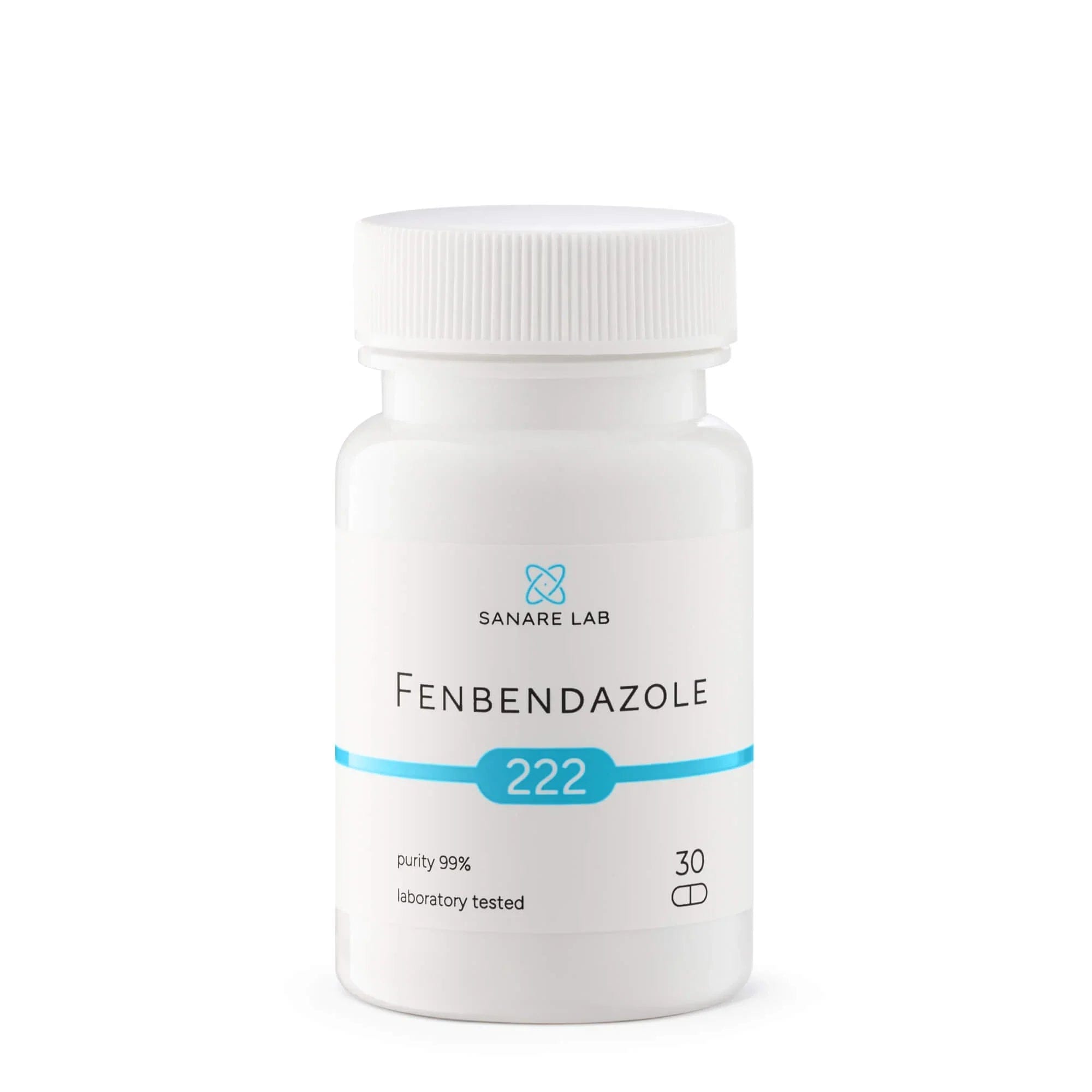
Pharmaceutical grade
Fenbendazole 222 mg
99%+ purity, third‑party lab tested.
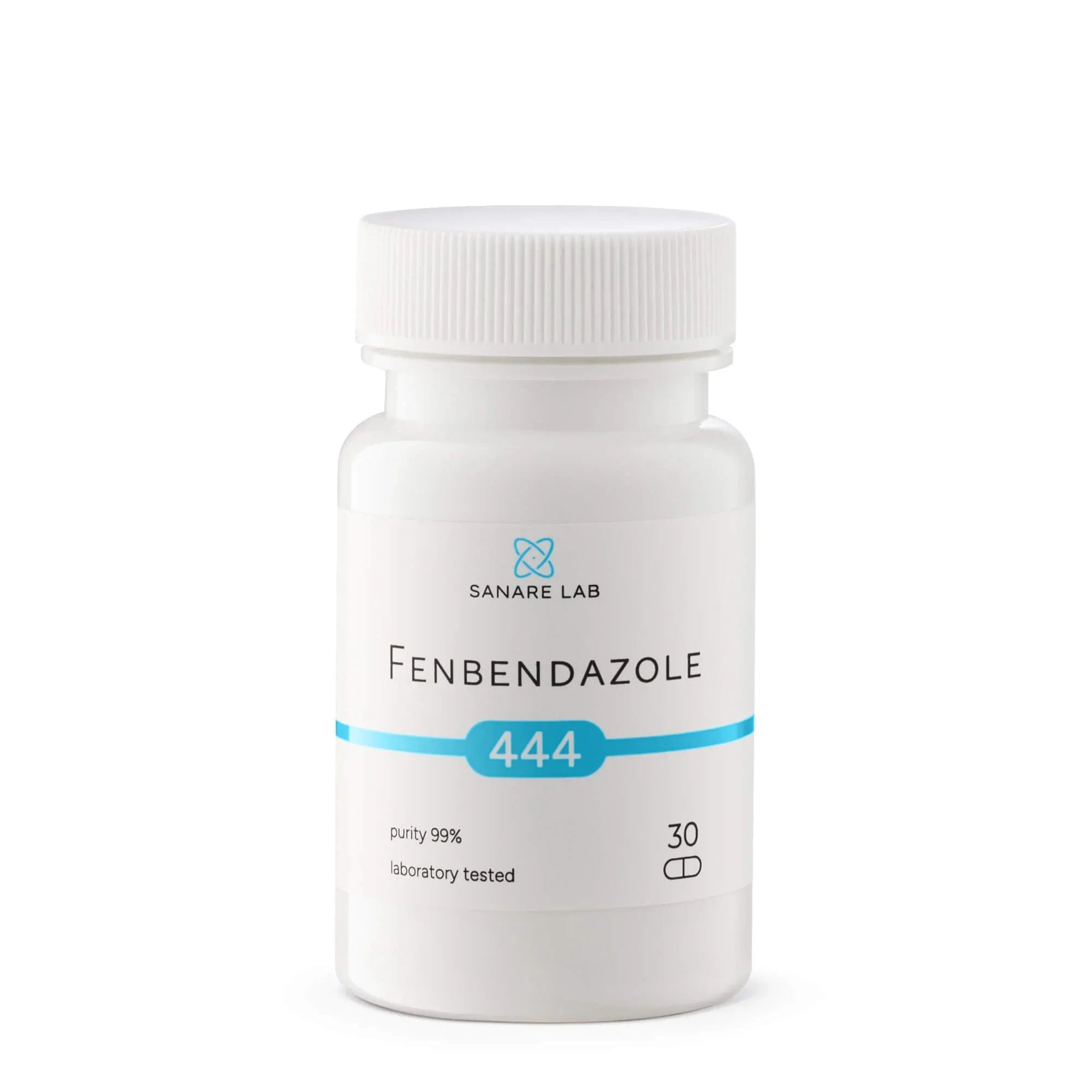
Pharmaceutical grade
Fenbendazole 444 mg
Double strength, 99%+ purity, lab tested.
Daily adjunct
Curcumin 360 mg
95% curcuminoids with black pepper extract.
Prices checked September 2026 and may change; the store page shows the current price.
Disclaimer: Links are informational and for convenience. This site does not provide medical advice. Always verify product quality, labeling, and consult a licensed professional for health decisions.
Scientific References
- Krishnan A, Lucas K, Maas L, Woreta TA. Differentiating fenbendazole-induced liver injury from immune-mediated hepatitis in a patient with metastatic colon cancer on nivolumab/relatlimab. World J Clin Cases, 2026. PMC12836008
- Thakurdesai A, Rivera-Matos L, Nagra N, et al. Severe Drug-Induced Liver Injury Due to Self-administration of the Anthelmintic Fenbendazole. ACG Case Rep J, 2024. PMC11068125
- Yamaguchi T, Shimizu J, Oya Y, et al. Drug-Induced Liver Injury in a Patient with NSCLC after Self-Administration of Fenbendazole. Case Rep Oncol, 2021;14(1):886-891. PMC8255718
- Dogra N, Kumar A, Mukhopadhyay T. Fenbendazole acts as a moderate microtubule destabilizing agent and causes cancer cell death. Scientific Reports (Nature), 2018;8:11926. PMID: 30093705. PubMed
- Chalasani NP, Hayashi PH, Bonkovsky HL, et al. ACG Clinical Guideline: The diagnosis and management of idiosyncratic drug-induced liver injury. American Journal of Gastroenterology, 2014;109(7):950-966. PMID: 24935270. PubMed
- Danan G, Teschke R. RUCAM in drug and herb induced liver injury: the update. International Journal of Molecular Sciences, 2016;17(1):14. PMID: 26712744. PubMed
- Björnsson ES. Drug-induced liver injury: an overview over the most critical compounds. Archives of Toxicology, 2015;89(3):327-334. PMID: 25618546. PubMed
- Pantziarka P, et al. Repurposing drugs in oncology — mebendazole as an anti-cancer agent. Ecancermedicalscience, 2014;8:443. PMID: 25157439. PubMed
- Horton J. Albendazole: a review of anthelmintic efficacy and safety in humans. Parasitology, 2000;121(S1):S113-S132. PMID: 15042656. PubMed
- Hayes RH, et al. Fenbendazole safety margin in dogs. American Journal of Veterinary Research, 1983;44(7):1267-1269. PMID: 6770245. PubMed
- Björnsson ES, Hoofnagle JH. Categorization of drugs implicated in causing liver injury. Hepatology, 2016;63(2):590-603. PMID: 26517184. PubMed
- Senior JR. Evolution of the Food and Drug Administration approach to liver safety assessment. Drug Safety, 2014;37(Suppl 1):S9-S17. PMID: 25352236. PubMed
- Andrade RJ, et al. Drug-induced liver injury: an analysis of 461 incidences submitted to the Spanish registry over a 10-year period. Gastroenterology, 2005;129(2):512-521. PMID: 16083708. PubMed
- Krishnan A, et al. Differentiating fenbendazole-induced liver injury from immunotherapy hepatitis — the importance of structured causality assessment. World J Clin Cases, 2026. PMID: 41608149. PubMed
- Björnsson ES. Drug-induced liver injury associated with statins. Semin Liver Dis, 2009. PMID: 19826975. PubMed
- Michalopoulos GK, et al. Mechanisms and biomarkers of liver regeneration after drug-induced liver injury. Adv Pharmacol, 2019. PMID: 31307589. PubMed
- Unravelling drug-drug interactions in pigs: induction of hepatic cytochrome P450 1A (CYP1A) after benzimidazole exposure. Res Vet Sci, 2024. PMID: 38141570. PubMed
- Preventive use of a hepatoprotectant against anti-tuberculosis drug-induced liver injury: a randomized controlled trial. J Gastroenterol Hepatol, 2016. PMID: 26243373. PubMed
- Chughlay MF, et al. N-acetylcysteine for non-paracetamol drug-induced liver injury: a systematic review. Br J Clin Pharmacol, 2016. PMID: 26757427. PubMed
- Church RJ, Watkins PB. The transformation in biomarker detection and management of drug-induced liver injury. Liver Int, 2017. PMID: 28386997. PubMed
- Church RJ, et al. Candidate biomarkers for the diagnosis and prognosis of drug-induced liver injury: an international collaborative effort. Hepatology, 2019. PMID: 29357190. PubMed
- Novel biomarkers for drug-induced liver injury. Clin Toxicol, 2023. PMID: 37767912. PubMed
- LiverTox: Clinical and Research Information on Drug-Induced Liver Injury — Fenbendazole. National Institute of Diabetes and Digestive and Kidney Diseases, 2024. NCBI Bookshelf
- Reuben A, et al. Drug-induced acute liver failure: results of a US multicenter, prospective study. PMC, 2023. PMC10031606
- Villanueva-Paz M, et al. Oxidative stress in drug-induced liver injury: mechanisms and hepatoprotective strategies. PMC, 2021. PMC8668310
- Fenbendazole metabolism and cytochrome P450 pathways: pharmacology overview. PMC, 2013. PMC3811268
Medical Disclaimer
This article is for educational and informational purposes only. It is not intended to be a substitute for professional medical advice, diagnosis, or treatment. Always seek the advice of your physician or other qualified health provider with any questions you may have regarding a medical condition. Never disregard professional medical advice or delay in seeking it because of something you have read on this website.

Dr. Andrew Ellison, MD
Science editor and health researcher at Sanare Lab, covering evidence-based wellness, emerging compound research, clinical studies, and practical health protocols. Content is educational and does not replace medical advice.