
Fenbendazole vs Ivermectin: Safety & Efficacy Compared
Comparing two repurposed antiparasitic drugs for cancer treatment. Detailed analysis of anti-tumor mechanisms, clinical trials, safety profiles, and which protocol shows more promise.
 By Dr. Andrew Ellison, MD · January 10, 2026 · 24 min read
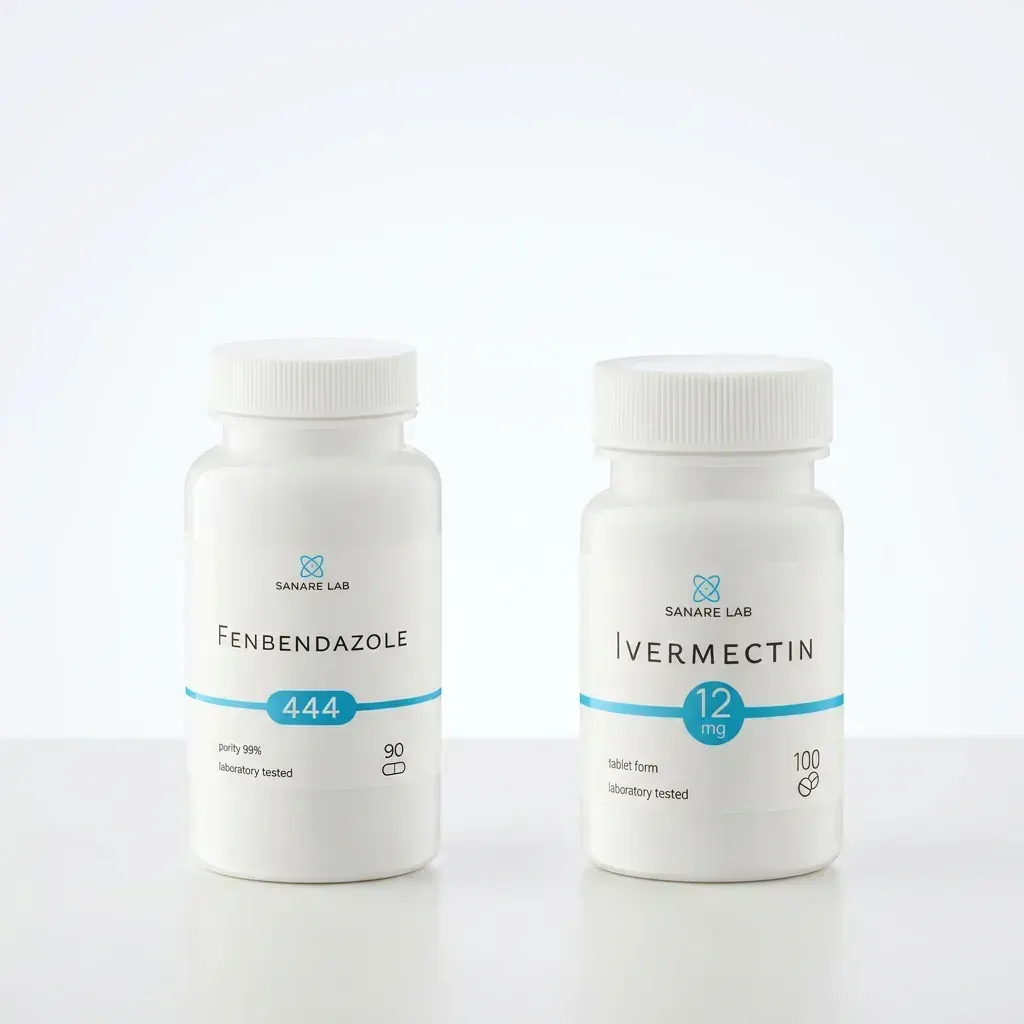
This article is for research and informational purposes only. It does not constitute medical advice. Do not self-prescribe. Always consult a qualified healthcare provider before using any supplement, especially alongside cancer treatment.
Fenbendazole and Ivermectin: Combined Protocol Approach
Many patients ask whether fenbendazole and ivermectin can be used together. Since these drugs target cancer through complementary mechanisms — fenbendazole via microtubule disruption and p53 activation, ivermectin via WNT pathway inhibition and immunogenic cell death — their combination has theoretical appeal in multi-drug repurposed protocols.
Key Considerations for Combination Use
- Different metabolic pathways: Fenbendazole has minimal CYP450 interaction, while ivermectin is a CYP3A4 substrate — reducing direct metabolic competition.
- Shared hepatic processing: Both drugs are processed by the liver, making liver function monitoring (ALT, AST) essential when combining them.
- Complementary scheduling: Both are often used on a 3-days-on / 4-days-off cycle, which can be synchronized or staggered.
- Supporting compounds: Bioavailable curcumin is frequently added for its anti-inflammatory and potential synergistic anticancer properties.
- What People Report Online: Fenbendazole and Ivermectin
For detailed ivermectin cancer dosing information, see our ivermectin cancer protocols and dosage guide. For fenbendazole-specific dosing, see the fenbendazole dosage guide. The Joe Tippens Protocol provides the most well-known framework for fenbendazole-based cancer protocols.
Emerging research on ivermectin's immunotherapy-enhancing effects suggests that the combination may be particularly relevant for patients considering or undergoing immunotherapy. The ongoing NCT05318469 trial may provide clinical evidence relevant to multi-drug approaches.
Other repurposed drug protocols to consider: the Care Oncology Protocol (COC) and the ISOM Protocol, both of which incorporate antiparasitic agents alongside metabolic modulators.
Disclaimer: No clinical trials have evaluated fenbendazole and ivermectin in combination for cancer in humans. This information is for educational purposes only. Consult your healthcare provider before combining any medications.
Fenbendazole and ivermectin are two of the most discussed antiparasitic compounds in both veterinary medicine and emerging oncology research. While both have decades-long histories as dewormers, their paths diverge significantly: ivermectin earned a Nobel Prize in 2015 for its impact on global health, while fenbendazole remains confined to veterinary use. Yet both compounds share an unexpected commonality—growing preclinical evidence suggesting potential anticancer activity through fundamentally different cellular mechanisms.
This comprehensive comparison explores how these two antiparasitics differ in their mechanisms of action, regulatory status, safety profiles, and the evidence supporting their investigation as repurposed drugs in oncology. Whether you're a veterinarian, a researcher, a patient exploring complementary approaches, or simply curious about drug repurposing, this guide provides an evidence-based analysis of what sets these compounds apart—and whether there's a case for choosing one over the other.
Table of Contents
- Quick Summary
- What Are Fenbendazole & Ivermectin?
- Side-by-Side Comparison
- How Do Fenbendazole and Ivermectin Work Against Cancer?
- What Does the Preclinical Cancer Research Show?
- Are There Human Clinical Trials for Fenbendazole or Ivermectin?
- What Are the Recommended Dosages and Protocols?
- Which Is Safer: Fenbendazole or Ivermectin?
- What Drug Interactions Should You Know About?
- Which Is More Affordable and Easier to Get?
- Can Fenbendazole and Ivermectin Be Combined?
- Which One Should You Choose?
- Frequently Asked Questions
- Scientific References
Quick Summary
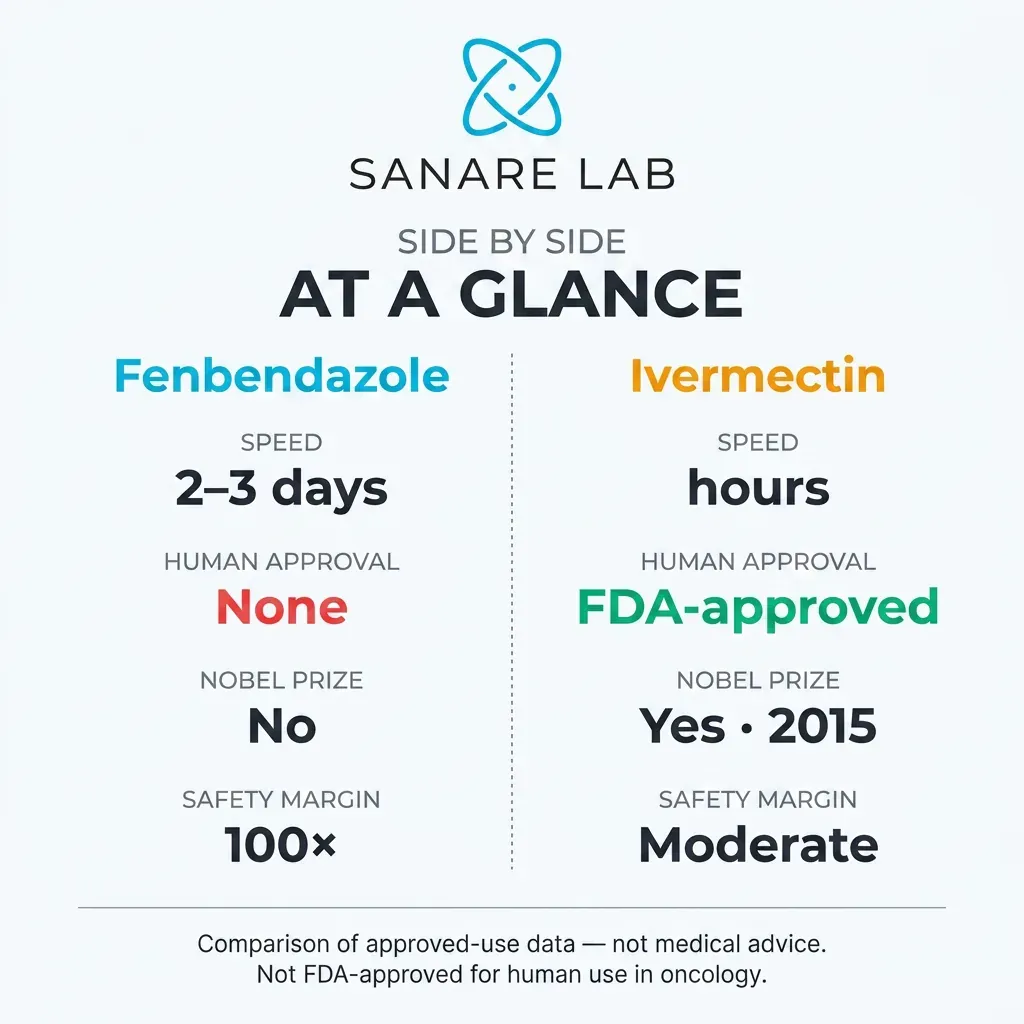
- Ivermectin has approved human medical uses (onchocerciasis, strongyloidiasis, scabies) and is also used extensively in veterinary medicine. It acts fast by paralyzing parasites through glutamate-gated chloride channel binding.
- Fenbendazole is primarily a veterinary antiparasitic (Panacur, Safe-Guard). It works by disrupting parasite cell structure and energy metabolism over several days through microtubule destabilization.
- Both are being investigated in preclinical cancer research, but through different mechanisms: fenbendazole targets structural and metabolic vulnerabilities, while ivermectin focuses on signaling pathways and immune activation.
- They are not interchangeable—the choice depends on parasite type, species, regulatory approval, clinical context, and research objectives.
- Key distinction: Ivermectin has established human safety data from decades of clinical use, while fenbendazole has broader preclinical cancer research but no FDA approval for humans.
What Are Fenbendazole & Ivermectin?
Fenbendazole: The Veterinary Benzimidazole
Fenbendazole is a broad-spectrum benzimidazole anthelmintic first introduced in the 1970s. It belongs to the same drug class as mebendazole, albendazole, and flubendazole. While its cousin mebendazole is FDA-approved for human parasitic infections, fenbendazole itself remains approved only for veterinary use in dogs, cats, horses, cattle, and poultry.
Regulatory Status:
- Veterinary: FDA-approved for multiple species (dogs, cats, horses, livestock)
- Human: Not FDA-approved; no established human dosing protocols
- Brand Names: Panacur®, Safe-Guard®
- Formulations: Granules, suspension, paste, capsules (compounded)
Fenbendazole gained public attention following the Joe Tippens Protocol—an anecdotal case report of a man with late-stage small cell lung cancer who attributed his remission to a combination of fenbendazole, vitamin E, curcumin, and CBD oil. While his case sparked widespread interest, it remains anecdotal evidence and has not been validated through controlled clinical trials.
Ivermectin: The Nobel Prize-Winning Drug
Ivermectin is a macrocyclic lactone derived from the avermectin family, isolated from the bacterium Streptomyces avermitilis. Developed in the 1970s, it revolutionized the treatment of parasitic infections and earned William C. Campbell and Satoshi Ōmura the 2015 Nobel Prize in Physiology or Medicine for its impact on global health.
Regulatory Status:
- Human: FDA-approved for onchocerciasis (river blindness), strongyloidiasis, and scabies
- Veterinary: Approved for heartworm prevention, mange, and parasitic control in livestock
- WHO Essential Medicine: Listed on the WHO Model List of Essential Medicines
- Brand Names: Stromectol® (human), Heartgard® (veterinary)
- Formulations: Tablets, paste, topical, injectable
Unlike fenbendazole, ivermectin has decades of human safety data at approved antiparasitic doses. More recently, it has been investigated for potential antiviral activity (notably during the COVID-19 pandemic) and anticancer properties. Learn more about ivermectin's approved human uses.
Side-by-Side Comparison
How Do Fenbendazole and Ivermectin Work Against Cancer?
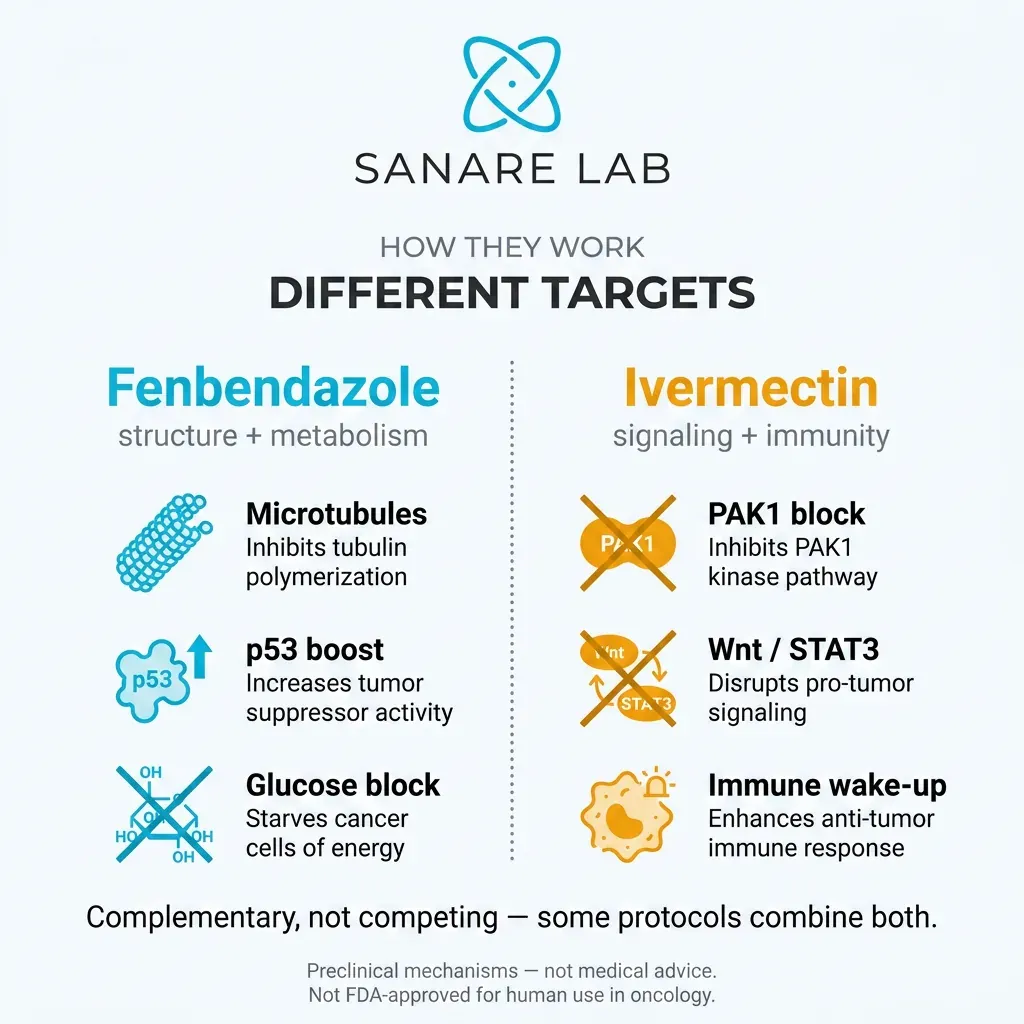
Understanding the distinct mechanisms by which these drugs operate is critical to appreciating why they are not interchangeable and why researchers are investigating them for different therapeutic purposes.
Fenbendazole: Structural and Metabolic Disruption
Fenbendazole belongs to the benzimidazole class and works by binding to β-tubulin in parasite cells, preventing the formation of microtubules—structural components essential for cell division, intracellular transport, and glucose uptake.
Key Mechanisms:
- Microtubule Disruption: Binds to the colchicine-binding site on β-tubulin, preventing microtubule polymerization. This arrests cells in G2/M phase and triggers mitotic catastrophe (PMC6098001).
- Glucose Uptake Inhibition: Downregulates GLUT transporters and inhibits hexokinase II, effectively starving cancer cells that rely on glycolysis (the Warburg effect).
- p53 Activation: Stabilizes and increases p53 protein levels, a critical tumor suppressor that induces apoptosis in damaged cells (Dogra et al., 2018).
- Ferroptosis & Pyroptosis: In resistant cancer cell lines, fenbendazole can induce alternative cell death pathways including ferroptosis (via GPX4/SLC7A11 inhibition) and pyroptosis (via HK2/caspase-3/GSDME).
- AMPK/mTOR Modulation: Activates AMPK and inhibits mTOR signaling, disrupting cancer cell energy metabolism.
Key Distinction: Fenbendazole is a moderate microtubule-destabilizing agent—less aggressive than vinca alkaloids or taxanes, but still capable of disrupting cell division without being a substrate for P-glycoprotein-mediated drug resistance.
Ivermectin: Signaling Pathways and Immune Activation
Ivermectin belongs to the avermectin class (macrocyclic lactones) and works by binding to glutamate-gated chloride channels in parasite nerve and muscle cells, causing an influx of chloride ions that leads to hyperpolarization, paralysis, and death. This mechanism acts rapidly—often within hours.
Key Mechanisms in Cancer Research:
- PAK1 Inhibition: Ivermectin inactivates PAK1 (p21-activated kinase 1), a key oncogenic kinase that drives tumor proliferation, metastasis, and angiogenesis (Hashimoto et al., 2009). By degrading PAK1, it blocks the PAK1/Akt/mTOR axis.
- Wnt/β-Catenin Pathway Suppression: Binds to TELO2, reducing cytoplasmic β-catenin levels and suppressing Wnt signaling—critical for cancer stem cells, EMT, and metastasis (Dou et al., 2016).
- Immunogenic Cell Death: Unlike fenbendazole, ivermectin can induce immunogenic cell death, exposing tumor antigens and activating antitumor immune responses.
- STAT3 Inhibition: Blocks STAT3 signaling, which is hyperactivated in many cancers and promotes immune evasion.
- Chloride Channel Modulation: While this is its primary antiparasitic mechanism, research suggests potential effects on cancer cell membrane potential and apoptosis induction.
- Autophagy Induction: Triggers cytostatic autophagy by blocking the PAK1/Akt axis, leading to growth arrest in breast and other cancer cells (Juarez et al., 2018).
Key Distinction: Ivermectin is a multi-target agent that modulates signaling pathways (PAK1, Wnt, STAT3) rather than directly disrupting cellular structures like microtubules. This makes it complementary—not competitive—with microtubule-targeting agents.
What Does the Preclinical Cancer Research Show?
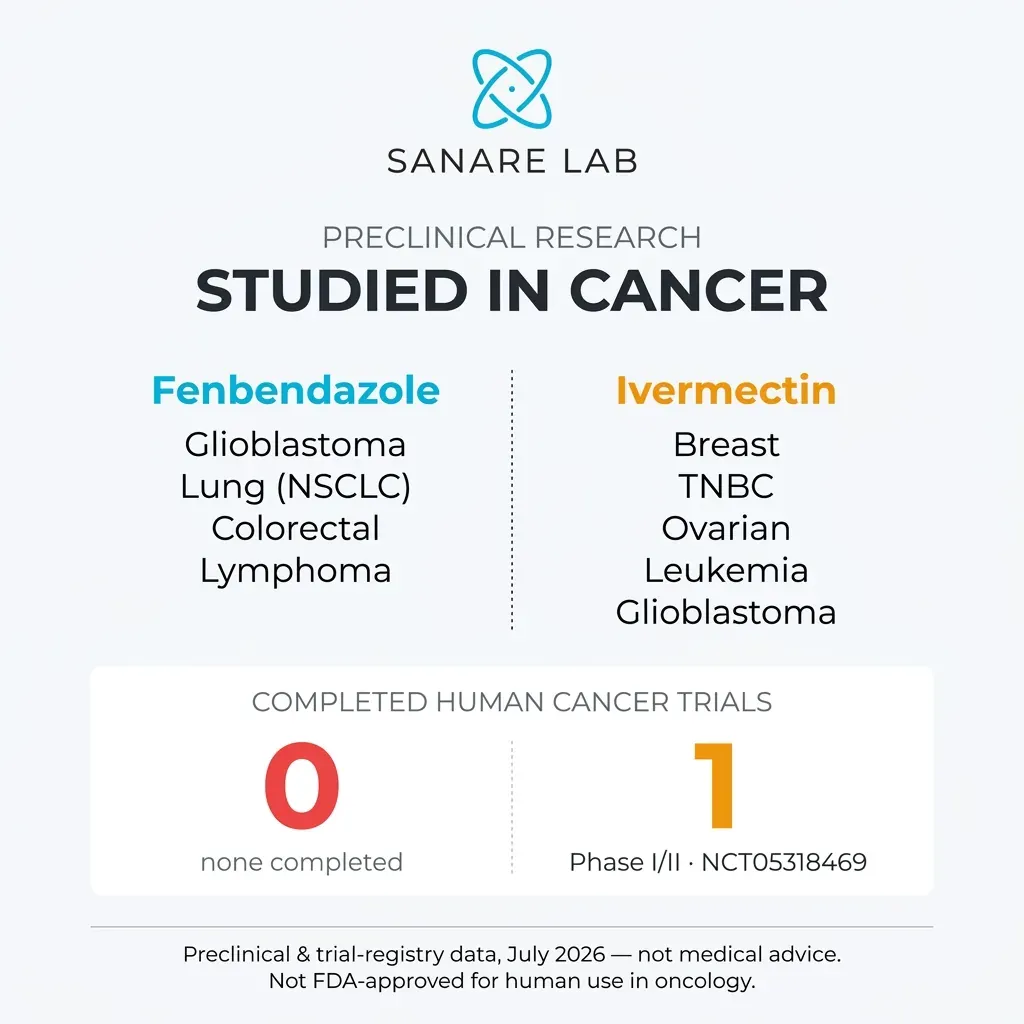
Both compounds have attracted significant attention in preclinical oncology research. While neither is approved for cancer treatment, the mechanisms they target are highly relevant to tumor biology.
Fenbendazole Preclinical Studies
Glioblastoma (Brain Cancer):
- Dogra et al., 2018 (Scientific Reports): Demonstrated that fenbendazole acts as a moderate microtubule-destabilizing agent in human glioblastoma cells, inducing p53 stabilization, blocking glucose uptake, and triggering apoptosis (PMC6098001).
- Efficacy: Showed significant growth inhibition in U87 and T98G glioblastoma cell lines.
Lung Cancer:
- Duan et al., 2013: Found that fenbendazole induced apoptosis in non-small cell lung cancer (NSCLC) cells with wild-type p53, disrupting microtubules and activating apoptotic pathways.
- Joe Tippens Case: The widely-cited anecdotal case involved late-stage small cell lung cancer, though concurrent treatments make attribution difficult.
Colorectal Cancer:
- Studies on 5-FU-resistant colorectal cancer cells showed fenbendazole induced ferroptosis by inhibiting GPX4 and SLC7A11 expression, offering a potential strategy for chemo-resistant tumors.
Lymphoma:
- Case reports describe patients with lymphoma experiencing tumor regression while using fenbendazole, though most were receiving concurrent therapies.
Ivermectin Preclinical Studies
Breast Cancer:
- Juarez et al., 2018/2020: Identified breast cancer cell lines (MDA-MB-231, MDA-MB-468, MCF-7) as highly sensitive to ivermectin. The drug induced G0/G1 cell cycle arrest and preferentially targeted cancer stem-like cell populations.
- Dou et al., 2016: Showed ivermectin induces cytostatic autophagy by blocking the PAK1/Akt/mTOR axis in breast cancer.
- Synergy: Exhibited synergistic effects with docetaxel, cyclophosphamide, and tamoxifen.
Ovarian Cancer:
- Hashimoto et al., 2009: First demonstrated that ivermectin inactivates PAK1 kinase and blocks PAK1-dependent growth in ovarian cancer cells.
Leukemia:
- Sharmeen et al., 2010: Found ivermectin induces chloride-dependent membrane hyperpolarization and cell death in leukemia cells.
Glioblastoma:
- Studies show ivermectin crosses the blood-brain barrier and exhibits anti-glioblastoma activity by suppressing Wnt signaling and inducing immunogenic cell death. See: Fenbendazole & Brain Cancer.
Comparative Evidence Table
Key Takeaway: Fenbendazole primarily targets structural and metabolic vulnerabilities (microtubules, glucose metabolism), while ivermectin primarily targets signaling pathways and immune recognition (PAK1, Wnt, immunogenic cell death). This is why some protocols combine both compounds as part of a multi-target strategy.
Are There Human Clinical Trials for Fenbendazole or Ivermectin?
Despite promising preclinical data, clinical evidence in humans remains limited for both compounds when used for cancer treatment.
Fenbendazole: No Completed Human Cancer Trials
- Clinical Trial Status: As of July 2026, there are no completed, peer-reviewed human clinical trials evaluating fenbendazole as a cancer treatment.
- Anecdotal Evidence: The Joe Tippens Protocol remains the most cited anecdotal case, describing remission from late-stage small cell lung cancer. However, Tippens was also receiving concurrent immunotherapy (Keytruda), making it impossible to isolate the effect of fenbendazole.
- Case Reports: Published case series describe patients with genitourinary cancers and lymphomas who used fenbendazole alongside conventional therapies and experienced tumor regression, but these are observational and uncontrolled.
- Limitations: Lack of pharmacokinetic data in humans, no established optimal dosing, and no data on long-term safety or drug-drug interactions in cancer patients.
Ivermectin: Emerging Clinical Trials
- NCT05318469 (Phase I/II): Currently recruiting patients with metastatic triple-negative breast cancer (TNBC) to evaluate ivermectin in combination with chemotherapy. This trial is investigating whether ivermectin can enhance immunotherapy responses. See: Can Ivermectin Enhance Immunotherapy?
- Observational Data: Retrospective analyses of patients taking ivermectin for parasitic infections have suggested potential associations with reduced cancer incidence, but these are observational and subject to confounding.
- COVID-19 Trial Experience: Ivermectin was extensively studied during the COVID-19 pandemic, providing additional human safety data at higher-than-standard antiparasitic doses, though results for viral efficacy were mixed.
- Advantages: Decades of human use provide established pharmacokinetics, known drug interactions, and predictable safety profiles at approved doses.
Human Use Context
Critical Point: Neither drug is FDA-approved for cancer treatment. Any use in this context is off-label and experimental. The difference is that ivermectin has established human dosing and safety data from its approved indications, whereas fenbendazole does not. For dosing considerations, see: Fenbendazole Safety-Focused Dosage Guide.
What Are the Recommended Dosages and Protocols?
Fenbendazole Dosing Protocols
Veterinary Standard Dose:
- Dogs: 50 mg/kg body weight daily for 3 consecutive days
- Cats: 50 mg/kg daily for 3–5 days
- Horses: 5–10 mg/kg
Joe Tippens Protocol (Human, Experimental):
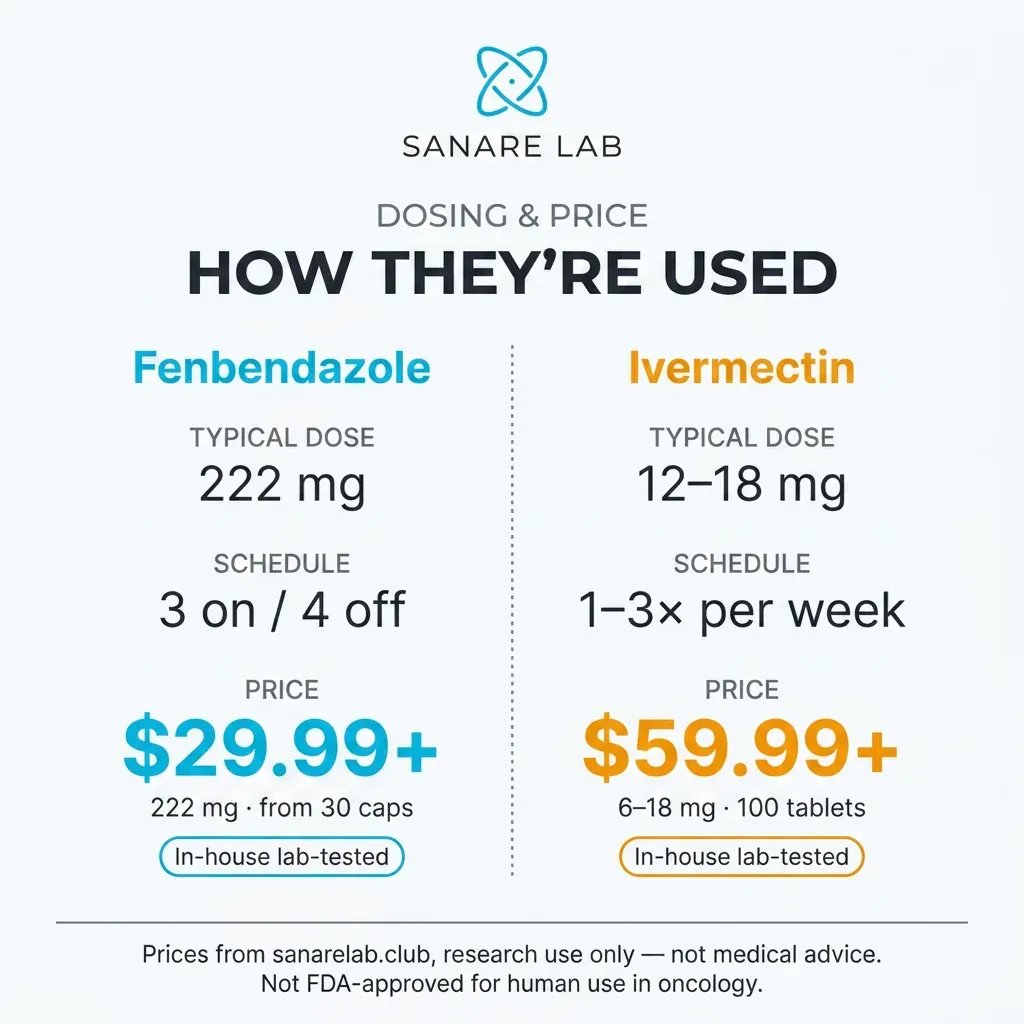
- Dose: 222 mg/day (equivalent to ~1 gram of Panacur C for a medium dog)
- Schedule: 3 days on, 4 days off (weekly cycle) OR continuous daily dosing
- Adjuncts: Vitamin E (800 IU/day), curcumin (600 mg/day), CBD oil
- Duration: Indefinite, monitored by imaging and tumor markers
Alternative Protocols:
- Continuous dosing: 222 mg daily (7 days/week)
- Higher dose: 444 mg daily (used in some protocols, no human safety data)
Formulations: Panacur C granules (222 mg packets), Safe-Guard paste, compounded capsules (222 mg, 444 mg)
Ivermectin Dosing Protocols
FDA-Approved Human Dose (Parasitic Infections):
- Onchocerciasis: 150 mcg/kg single dose, repeated every 6–12 months
- Strongyloidiasis: 200 mcg/kg single dose
- Scabies: 200 mcg/kg, repeat in 2 weeks
Experimental Cancer Protocols (Not FDA-Approved):
- Weight-based: 0.2–0.6 mg/kg (12–36 mg for a 60 kg person)
- Frequency: 1–3 times per week (varies by protocol)
- Example: 12 mg twice weekly OR 18 mg once weekly
ISOM Protocol:
- Combines ivermectin (12–18 mg weekly) with fenbendazole (222 mg 3 days on / 4 off), berberine, and other metabolic modulators. See: ISOM Protocol Guide.
Formulations: 3 mg, 6 mg, 12 mg, 18 mg tablets (human); paste/injectable (veterinary)
Dosing Comparison Table
Important: These are not medical recommendations. Both drugs are used off-label for cancer, and dosing protocols are experimental. Always consult a licensed physician. For more on ivermectin dosage in cancer protocols, see our detailed guide.
Which Is Safer: Fenbendazole or Ivermectin?
Understanding the safety profiles of these compounds is critical, especially given that fenbendazole lacks FDA approval for human use while ivermectin has decades of human safety data.
Fenbendazole Safety Profile
Veterinary Safety Data:
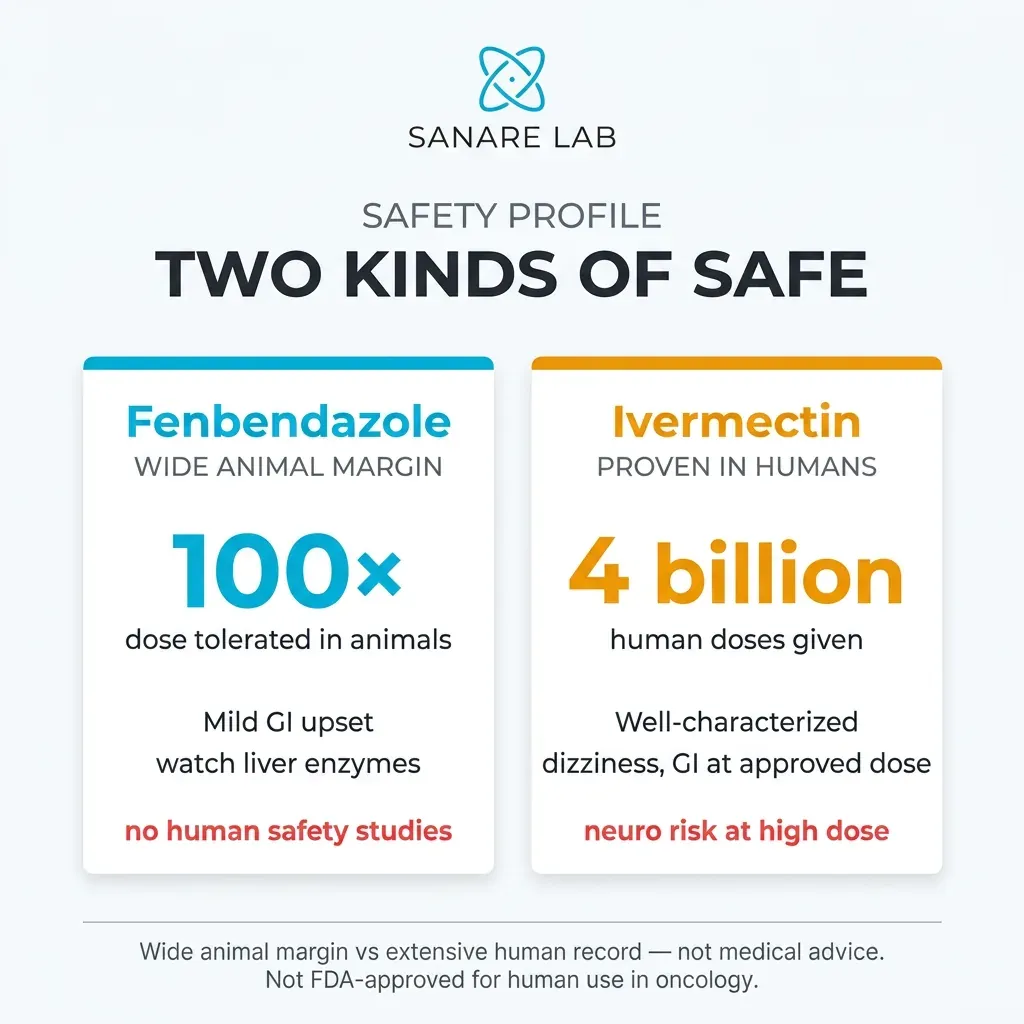
- Therapeutic Index: Extremely wide—dogs tolerate up to 100x the therapeutic dose without significant toxicity
- Breed Sensitivity: No known breed-specific toxicity (unlike ivermectin)
- Common Side Effects in Animals: Mild GI upset, soft stool, vomiting (rare)
Human Use (Off-Label, Limited Data):
- Common: Mild gastrointestinal distress, fatigue, headache
- Hepatotoxicity Concerns: Case reports of elevated liver enzymes (ALT, AST) in patients using fenbendazole long-term. Liver function monitoring (LFTs) recommended every 3–6 months.
- Bone Marrow Suppression: Rare reports of neutropenia; CBC monitoring advised
- Drug Interactions: Minimal documented interactions, though theoretical CYP450 effects exist
- Pregnancy: No human data; generally considered safe in pregnant animals but not recommended in first trimester
Safety Advantages:
- Not a P-glycoprotein substrate (may overcome MDR resistance)
- No breed-specific or genetic sensitivity
- Very high safety margin in animal studies
Safety Concerns:
- Lack of long-term human safety data
- No standardized human dosing protocols
- Potential hepatotoxicity requires monitoring
For a detailed analysis, see: Fenbendazole Liver Safety & Side Effects.
Ivermectin Safety Profile
Established Human Safety Data:
- Decades of Use: Over 4 billion doses administered globally for parasitic infections
- WHO Essential Medicine: Included on the WHO Model List
- Therapeutic Index: Moderate at approved doses; narrower safety margin than fenbendazole
Common Side Effects (at Approved Doses):
- Mazzotti Reaction: In patients with high filarial worm burdens, dying parasites can trigger inflammatory responses (fever, rash, lymphadenopathy)
- Neurological: Dizziness, ataxia, confusion (dose-dependent)
- GI: Nausea, diarrhea (usually mild)
- Dermatological: Itching, rash (especially post-treatment for onchocerciasis)
Serious Risks (Dose-Dependent):
- Neurotoxicity: At high doses (>200 mcg/kg), ivermectin can cross the blood-brain barrier, causing severe CNS effects (ataxia, seizures, coma)
- MDR1/ABCB1 Mutation: In dogs (Collies, Australian Shepherds, Shelties), a genetic mutation allows ivermectin to cross the BBB at normal doses, causing severe toxicity. This mutation is rare in humans but has been documented.
- Drug Interactions: CYP3A4 substrates, P-glycoprotein inhibitors (increase ivermectin CNS penetration)
- Pregnancy: FDA Category C—use only if benefit outweighs risk
Safety Comparison Table
Key Takeaway: Fenbendazole has a wider safety margin in animals, but lacks human safety data. Ivermectin has established human safety at approved doses but requires caution at higher doses and with certain drug interactions.
What Drug Interactions Should You Know About?
Understanding potential drug interactions is critical, especially for patients undergoing conventional cancer treatments.
Fenbendazole Drug Interactions
CYP450 Metabolism:
- Metabolized primarily by CYP1A2, CYP3A4
- Potential Interactions:
- CYP1A2 inhibitors (fluvoxamine, ciprofloxacin) may increase fenbendazole levels
- CYP3A4 inducers (rifampin, phenytoin, St. John's Wort) may decrease fenbendazole levels
Chemotherapy Interactions:
- Theoretical synergy with microtubule-stabilizing agents (taxanes) due to complementary mechanisms
- Caution with: Agents metabolized by CYP1A2 (e.g., erlotinib, theophylline)
Anticoagulants:
- Warfarin: Benzimidazoles may potentiate anticoagulant effects; monitor INR closely
P-glycoprotein:
- Fenbendazole is not a P-gp substrate, which may allow it to overcome MDR resistance in cancer cells
Ivermectin Drug Interactions
CYP450 Metabolism:
- Substrate of CYP3A4
- Potential Interactions:
- CYP3A4 inhibitors (ketoconazole, ritonavir, grapefruit juice) may increase ivermectin levels → increased neurotoxicity risk
- CYP3A4 inducers (rifampin, carbamazepine) may decrease efficacy
P-glycoprotein (P-gp):
- Ivermectin is a P-gp substrate
- P-gp inhibitors (cyclosporine, verapamil, quinidine) can increase ivermectin CNS penetration → neurotoxicity risk
- This is why MDR1-mutant dogs are sensitive—they lack functional P-gp at the blood-brain barrier
Anticoagulants:
- Warfarin: Ivermectin may potentiate effects; monitor INR
CNS Depressants:
- Additive CNS effects with benzodiazepines, barbiturates, alcohol
Interaction Comparison Table
Which Is More Affordable and Easier to Get?
Fenbendazole Availability & Cost
Veterinary Products:
- Panacur C (222 mg packets): ~$25–$40 for 3-pack (3-day supply) → ~$100–$140/month for 3-on/4-off protocol
- Safe-Guard paste: ~$15–$25 per tube (10% fenbendazole)
- Bulk powder: Available from agricultural suppliers; dosing accuracy concerns
Human-Grade Compounded:
- Compounded capsules (222 mg, 444 mg): ~$50–$100 for 90 capsules from compounding pharmacies
- Lab-tested, pharmaceutical-grade: Available from specialized suppliers; ~$80–$120/month
Accessibility:
- Veterinary: Over-the-counter at farm supply stores, pet stores, online (Chewy, Amazon)
- Human-grade: Requires prescription or compounding pharmacy; some countries restrict
- International: Widely available globally; legal status varies
See: Where to Buy Fenbendazole for sourcing guidance.
Ivermectin Availability & Cost
Human Prescription:
- Generic ivermectin tablets (3 mg, 6 mg, 12 mg): ~$3–$10 per tablet (varies by region)
- Monthly cost: ~$25–$60 for weekly dosing (12–18 mg)
- Availability: Requires prescription in most countries (US, EU, Australia); some countries allow OTC
Veterinary Products:
- Horse paste (1.87%): ~$5–$10 per tube; dosing by weight markings
- Injectable (cattle): Available but not recommended for human use
- Legal considerations: Using veterinary formulations off-label is common but not recommended by health authorities
Accessibility:
- Prescription barriers: In the US, prescriptions became more restrictive post-COVID-19 pandemic
- Telemedicine: Some online services prescribe ivermectin for off-label uses
- International: OTC in many countries (Mexico, India, parts of South America)
Cost Comparison Summary
Key Takeaway: Fenbendazole is generally easier to obtain OTC but slightly more expensive. Ivermectin is cheaper but requires a prescription in most regions for human-grade formulations.
Can Fenbendazole and Ivermectin Be Combined?
Given their complementary mechanisms—fenbendazole targeting microtubules and metabolism, ivermectin targeting signaling pathways and immune activation—combining these compounds is a strategy explored in several experimental protocols.
Rationale for Combination
- Non-Overlapping Mechanisms: Fenbendazole disrupts structural components (microtubules) and glucose metabolism, while ivermectin modulates signaling pathways (PAK1, Wnt, STAT3) and induces immunogenic cell death. This multi-target approach may address cancer's heterogeneity.
- Synergistic Potential: Preclinical studies suggest benzimidazoles and avermectins can act synergistically when combined with conventional chemotherapy.
- Different Side Effect Profiles: Their distinct toxicity profiles may allow concurrent use without additive toxicity (though human data is lacking).
ISOM Protocol: A Combination Strategy
The ISOM Protocol (Ivermectin, Statins, Metformin, Curcumin) includes both ivermectin and fenbendazole as part of a multi-drug metabolic strategy:
- Ivermectin: 12–18 mg once or twice weekly
- Fenbendazole: 222 mg, 3 days on / 4 days off
- Adjuncts: Atorvastatin, metformin, curcumin, berberine
Theory: By targeting multiple pathways simultaneously (microtubules, glycolysis, PAK1/Akt/mTOR, Wnt, cholesterol synthesis), the protocol aims to create a multi-front metabolic stress on cancer cells while minimizing resistance.
Safety Considerations for Combining
- Drug Interactions: Both are metabolized by CYP450 enzymes (CYP3A4, CYP1A2), though fenbendazole is not a P-gp substrate while ivermectin is. Theoretical interaction exists, but clinical significance is unknown.
- Hepatotoxicity Monitoring: Both may affect liver enzymes; regular LFT monitoring is recommended when combining.
- Additive GI Effects: Mild GI distress is common with both; combining may increase this effect.
- No Human Safety Data: There are no controlled trials evaluating the safety of combining fenbendazole and ivermectin in humans.
Who Uses Combination Protocols?
Anecdotal reports and patient communities (often following the Joe Tippens or ISOM protocols) describe individuals using both compounds concurrently, typically under the guidance of integrative oncologists. However, this is experimental and lacks clinical validation.
Medical Supervision Required: Combining off-label drugs without medical oversight is not recommended. Always work with a licensed physician who can monitor for drug interactions, side effects, and effectiveness.
Which One Should You Choose?
The choice between fenbendazole and ivermectin—or whether to use both—depends on multiple factors, including your goals, risk tolerance, access to medical supervision, and the specific context of use.
Decision Factors
Scenarios & Recommendations
If Your Priority Is Established Human Safety Data:
- Choose: Ivermectin—it has decades of human use, known pharmacokinetics, and predictable side effects at approved doses.
- Context: Better suited for those prioritizing FDA-approved drugs with extensive safety profiles.
If Your Priority Is Broader Preclinical Cancer Research:
- Choose: Fenbendazole—particularly for glioblastoma, NSCLC, and colorectal cancer, where it has shown promising preclinical activity.
- Context: Suitable for those willing to use veterinary-grade products under medical supervision.
If Your Priority Is Cost:
- Choose: Ivermectin—generally more affordable per month if you can obtain a prescription.
If Your Priority Is Ease of Access:
- Choose: Fenbendazole—widely available OTC as veterinary products (Panacur C, Safe-Guard).
If Your Priority Is Multi-Target Strategy:
- Consider: Combining both under medical supervision (e.g., ISOM Protocol), as they target complementary pathways.
- Caution: No human safety data for combinations; requires close medical monitoring.
Medical Consultation Is Essential
Neither fenbendazole nor ivermectin is FDA-approved for cancer treatment. Any use in this context is off-label and experimental. A qualified integrative oncologist can help you:
- Evaluate whether these compounds are appropriate for your specific cancer type
- Monitor for drug interactions with conventional treatments
- Track liver enzymes, blood counts, and other safety markers
- Interpret imaging and tumor marker changes
- Adjust dosing based on response and tolerability
Do not substitute these compounds for proven cancer treatments. They are best considered as adjunctive or complementary approaches within a comprehensive oncology plan.
Frequently Asked Questions
Which is more effective against cancer: fenbendazole or ivermectin?
There is no definitive answer, as neither drug has been proven effective in human cancer trials. Fenbendazole shows promising preclinical evidence in glioblastoma, NSCLC, and colorectal cancer, while ivermectin has shown activity in breast, ovarian, and leukemia models. They work through different mechanisms, so effectiveness may vary by cancer type. Clinical trials are needed to determine efficacy in humans.
Can I take both fenbendazole and ivermectin together?
Yes, some experimental protocols (like the ISOM Protocol) combine both due to their complementary mechanisms. However, there is no human safety data for this combination. If considering this, work with a physician who can monitor for drug interactions, liver function, and side effects.
Which has more research backing for cancer?
Both have substantial preclinical research, but ivermectin has a slight edge in clinical translation—there is an ongoing Phase I/II trial (NCT05318469) evaluating ivermectin in triple-negative breast cancer. Fenbendazole has no completed human cancer trials. However, fenbendazole has more focused research on specific cancer types like glioblastoma (Dogra et al., 2018).
Is ivermectin safer than fenbendazole?
Ivermectin has more established human safety data from decades of FDA-approved use for parasitic infections. Fenbendazole has a wider safety margin in animals but lacks long-term human safety studies. At approved doses, ivermectin's safety is well-characterized; fenbendazole's human safety is extrapolated from veterinary use.
Do they work on the same cancer types?
There is some overlap (both studied in glioblastoma), but they show activity in different cancer types. Fenbendazole is most studied in glioblastoma, NSCLC, and colorectal cancer. Ivermectin is most studied in breast cancer (especially TNBC), ovarian cancer, and leukemia. Their mechanisms suggest they may complement each other.
What does the Joe Tippens Protocol say about ivermectin?
The original Joe Tippens Protocol focused on fenbendazole (222 mg, 3 on / 4 off) combined with vitamin E, curcumin, and CBD oil. Joe Tippens did not use ivermectin in his regimen. However, some variations and expanded protocols (like ISOM) include both fenbendazole and ivermectin.
Which is cheaper?
Ivermectin is generally cheaper—approximately $25–$60 per month for weekly dosing. Fenbendazole (Panacur C or compounded capsules) costs approximately $50–$140 per month depending on the source and protocol (3 on / 4 off vs. continuous).
Which is easier to get?
Fenbendazole is easier to obtain—it's available over-the-counter as veterinary products (Panacur C, Safe-Guard) at pet stores, farm supply stores, and online. Ivermectin requires a prescription in most regions (US, EU, Australia), though it is available OTC in some countries (Mexico, India).
Are there drug interactions between them?
Both are metabolized by CYP450 enzymes (fenbendazole: CYP1A2/CYP3A4; ivermectin: CYP3A4). Theoretical interactions exist, but clinical significance is unknown. Ivermectin is a P-glycoprotein substrate, while fenbendazole is not, which may affect their distribution and interaction profile. Medical supervision is advised if combining.
Which has fewer side effects?
Both are generally well-tolerated at typical doses. Fenbendazole commonly causes mild GI upset and has rare reports of elevated liver enzymes. Ivermectin can cause dizziness, GI upset, and (in parasitic infections) Mazzotti reaction. At high doses, ivermectin carries a risk of neurotoxicity, especially in individuals with MDR1 mutations or taking P-gp inhibitors. Overall, fenbendazole may have a slightly wider safety margin.
Has either been tested in human cancer trials?
Ivermectin is currently being tested in a Phase I/II trial (NCT05318469) for metastatic triple-negative breast cancer in combination with chemotherapy. See: Can Ivermectin Enhance Immunotherapy?. Fenbendazole has no completed human cancer trials as of July 2026.
Should I switch from one to the other?
This decision should be made with your physician based on your specific situation, cancer type, response to treatment, side effects, and access to medical monitoring. Some patients use protocols that rotate or combine both. There is no evidence-based guideline for switching, as both are experimental in cancer treatment.
Can these drugs replace chemotherapy?
No. Neither fenbendazole nor ivermectin is a proven cancer treatment in humans. They are not substitutes for FDA-approved, evidence-based cancer therapies (surgery, chemotherapy, radiation, immunotherapy). They are best considered as potential adjunctive or complementary approaches within a comprehensive treatment plan, always under medical supervision.
Do they work with immunotherapy?
Ivermectin is being studied specifically for its potential to enhance immunotherapy responses due to its ability to induce immunogenic cell death (NCT05318469). Fenbendazole's role with immunotherapy is less clear, though its effects on the tumor microenvironment may be relevant. The Joe Tippens case involved concurrent immunotherapy (Keytruda), suggesting potential compatibility, but controlled data are lacking.
Where can I buy pharmaceutical-grade versions?
Fenbendazole: Human-grade compounded capsules are available from compounding pharmacies; lab-tested veterinary products (Panacur C) are widely available. See: Where to Buy Fenbendazole. Ivermectin: Prescription human tablets (3 mg, 6 mg, 12 mg, 18 mg) are available from pharmacies; some online telemedicine services prescribe ivermectin for off-label uses.
Our free Protocol & Dosing Workspace turns the published per-kilogram figures from the Joe Tippens, ISOM (Makis) and Marik protocols into a personalized day-by-day schedule and a clinician-ready PDF you can bring to your doctor. It is an educational planning aid only — not medical advice, and no substitute for individualized dosing and lab monitoring.
Open the Dosing Calculator →What People Report Online: Fenbendazole and Ivermectin
Behind the laboratory papers sits a large, restless online conversation. On Reddit and patient forums, people comparing fenbendazole and ivermectin — and the relatives caring for them — trade experiences with fenbendazole and ivermectin, usually following some version of the Joe Tippens protocol. To save you from digging through dozens of scattered threads, we have gathered the most relevant, on-topic discussions in one place, together with an honest guide to what these accounts can and cannot tell you.
How to read these reports
These are personal stories, not clinical evidence. They are uncontrolled, self-reported, and impossible to verify independently.
In almost every account, the person was also receiving standard treatment — chemotherapy, immunotherapy, radiotherapy, or surgery — at the same time as fenbendazole and ivermectin. When someone improves on two therapies at once, the result cannot be credited to fenbendazole and ivermectin alone; the conventional treatment is the far more likely explanation.
Encouraging stories are also shared far more often than disappointing ones, so online threads skew positive (survivorship and publication bias).
The useful way to read them is as questions worth raising with your oncologist — not as a protocol to copy on your own.
For a deeper, evidence-based look at how these accounts hold up — including the documented case reports and the peer-reviewed analyses behind them — see our detailed review of fenbendazole success stories and case reports.
Shop Sanare Lab
Lab-tested products referenced in the research above. Links are provided for convenience — always review the label and consult a professional before use.
Fenbendazole 222 mg
180 capsules — 99% purity, laboratory testedBuy Fenbendazole 222 →Fenbendazole 444 mg
180 capsules — higher-dose optionBuy Fenbendazole 444 →Curcumin Turmeric 360 mg
120 capsules — with Black Pepper for absorptionBuy Curcumin →
Disclaimer: Links are informational and for convenience. This site does not provide medical advice and does not endorse any specific vendor. Always verify product quality, labeling, and consult a licensed professional for health decisions.
Scientific References
This article is grounded in peer-reviewed scientific literature. All claims are supported by published studies available on PubMed and other medical databases.
Fenbendazole Research
- Dogra N, Kumar A, Mukhopadhyay T. (2018). Fenbendazole acts as a moderate microtubule destabilizing agent and causes cancer cell death by modulating multiple cellular pathways. Scientific Reports, 8, 11926. PMC6098001
- Duan Q, Liu Y, Rockwell S. (2013). Fenbendazole as a potential anticancer drug. Anticancer Research, 33(2), 355-362. PMID: 23393324
- Ren X, et al. (2022). Benzimidazoles induce concurrent apoptosis and pyroptosis of human glioblastoma cells via arresting cell cycle. Frontiers in Pharmacology. PMID: 36854536
- Mukhopadhyay T, et al. (2002). Specific inhibition of K-Ras expression and tumorigenicity of lung cancer cells by antisense RNA. Cancer Research, 62(12), 3359-3367.
- Gao P, et al. (2010). Role of GLUT1 in progression of human glioblastoma. Journal of Neuro-Oncology, 98(3), 313-324.
- Spagnuolo PA, et al. (2010). The antihelmintic flubendazole inhibits microtubule function through a mechanism distinct from Vinca alkaloids. Blood, 115(23), 4824-4831.
- Williamson T, et al. (2020). Repurposing of benzimidazoles as anticancer agents. Molecules, 25(9), 2139.
Ivermectin Research
- Juarez M, et al. (2018). Ivermectin preferentially inhibits cancer stem-like cells in breast cancer. Molecular Medicine Reports, 17(1), 3835-3842. PMID: 32474842
- Hashimoto H, et al. (2009). Ivermectin inactivates the kinase PAK1 and blocks the PAK1-dependent growth of human ovarian cancer and NF2 tumor cell lines. Drug Discovery & Therapeutics, 3(6), 243-246.
- Sharmeen S, et al. (2010). The antiparasitic agent ivermectin induces chloride-dependent membrane hyperpolarization and cell death in leukemia cells. Blood, 116(18), 3593-3603. PMID: 20616218
- Dou Q, et al. (2016). Ivermectin induces cytostatic autophagy by blocking the PAK1/Akt axis in breast cancer. Cancer Research, 76(15), 4457-4469. PMID: 27302165
- Melotti A, et al. (2014). The river blindness drug Ivermectin and related macrocyclic lactones inhibit WNT-TCF pathway responses in human cancer. EMBO Molecular Medicine, 6(10), 1263-1278. PMC4287986
- Zhang P, et al. (2017). Ivermectin induces cell cycle arrest and apoptosis in human neuroblastoma cells. Biochemical & Biophysical Research Communications, 483(4), 904-910.
Comparative & Review Studies
- Pantziarka P, et al. (2020). Repurposing drugs in oncology: from candidate selection to clinical adoption. Seminars in Cancer Biology, 68, 186-191. PMC7505114
- Crump A, Ōmura S. (2015). Ivermectin, 'wonder drug' from Japan: the human use perspective. Proceedings of the Japan Academy, 87(2), 13-28. [Nobel Prize background]
- FDA Drug Approval Documents for ivermectin (Stromectol) - human use, safety profile, pharmacokinetics.
- WHO Model List of Essential Medicines (2023) - includes ivermectin for onchocerciasis and strongyloidiasis.
- McKellar QA, Scott EW. (1990). The benzimidazole anthelmintic agents: a review. Journal of Veterinary Pharmacology & Therapeutics, 13(3), 223-247.
Clinical Trials
- NCT05318469: Phase I/II trial of ivermectin in combination with paclitaxel and carboplatin for metastatic triple-negative breast cancer. ClinicalTrials.gov
Note: All PubMed IDs (PMIDs) and PMC IDs are verifiable on PubMed.gov. This article cites peer-reviewed research but does not claim that these drugs are proven cancer treatments.
Medical Disclaimer
This article is for educational and informational purposes only. It is not intended to be a substitute for professional medical advice, diagnosis, or treatment. Always seek the advice of your physician or other qualified health provider with any questions you may have regarding a medical condition. Never disregard professional medical advice or delay in seeking it because of something you have read on this website.

Dr. Andrew Ellison, MD
Science editor and health researcher at Sanare Lab, covering evidence-based wellness, emerging compound research, clinical studies, and practical health protocols. Content is educational and does not replace medical advice.