
Fenbendazole for Brain Cancer & Glioblastoma: BBB Penetration and Evidence
Can fenbendazole cross the blood-brain barrier? Evidence for glioblastoma treatment, BBB penetration studies, and clinical considerations for brain tumor protocols.
 By Dr. Andrew Ellison, MD · August 1, 2026 · 30 min read
This article is for research and informational purposes only. It does not constitute medical advice. Do not self-prescribe. Always consult a qualified healthcare provider before using any supplement, especially alongside cancer treatment.
Glioblastoma (GBM) remains one of the most lethal human cancers. Despite multimodal therapy (surgery, radiation, temozolomide, tumor-treating fields), median overall survival is barely 15 months. The blood-brain barrier (BBB) — the selective filter protecting the brain — blocks most anticancer drugs, limiting treatment options. Fenbendazole's potential BBB penetration and microtubule-targeting mechanisms have generated particular interest in GBM research.
Table of Contents
- Glioblastoma: The Challenge
- The Blood-Brain Barrier Problem
- Preclinical GBM Research
- FBZ + TMZ Combination Rationale
- Fenbendazole vs. Mebendazole for GBM
- Safety Considerations in GBM Patients
- The Serendipitous Origin
- What the Real Preclinical Data Show
- Why Mebendazole Reached Trials
- The Blood-Brain Barrier: Deeper Look
- Standard of Care in 2026
- Temozolomide, MGMT & Combination
- Cancer Stem Cells & Recurrence
- FBZ Pharmacology & Bioavailability
- Drug Interactions in Neuro-Oncology
- Repurposed-Drug Trial Landscape
- What the Evidence Does NOT Show
- A Rational Framework for Patients
- Epidemiology, Risk Factors & Symptoms
- Grading & Classification
- Recurrent GBM: Options
- Ketogenic Diet & Metabolic Approaches
- Finding & Evaluating Clinical Trials
- Evaluating Anecdotes & Online Claims
- Imaging & Response Assessment
- Palliative & Supportive Care
- What People Report Online: Brain Cancer and Glioblastoma
- FAQ
- References
Glioblastoma: The Challenge
Glioblastoma is a grade IV astrocytoma — the most aggressive primary brain tumor:
The Blood-Brain Barrier Problem
The BBB is a highly selective barrier that blocks most chemotherapy drugs from reaching brain tumors. Only small, lipophilic drugs or compounds with specific transporters can cross effectively.
BBB characteristics: Learn more about Joe Tippens Protocol.
- Tight junctions between endothelial cells block ~98% of drugs
- P-glycoprotein (efflux pump) actively pumps drugs back out of the brain
- Only compounds <400-600 Da (molecular weight) with lipophilicity can penetrate
Fenbendazole properties:
- Molecular weight: 298 Da (below the cutoff) ✅
- LogP (lipophilicity): ~4.5 (relatively lipophilic) ✅
- Theoretical BBB penetration: Possible
- Actual BBB penetration in humans: Unknown (not directly measured)
Preclinical GBM Research
In Vitro Studies (Cell Culture)
Multiple studies have demonstrated FBZ activity against glioblastoma cell lines:
In Vivo Studies (Animal Models)
Animal data for benzimidazoles in glioblastoma are strongest for mebendazole, not fenbendazole. In the foundational work by Bai and colleagues (2011), systemic mebendazole significantly extended survival in two orthotopic mouse glioma models, and later studies showed mebendazole added to temozolomide extended survival beyond temozolomide alone in the GL261 model — the results that justified human Phase I testing.
For fenbendazole specifically, the clearest in vivo signal comes from the Ren 2022 study, in which the related benzimidazole flubendazole (up to 50 mg/kg/day) dose-dependently suppressed growth of U87 flank xenografts in nude mice without obvious toxicity. Importantly, this was a subcutaneous (flank) xenograft, not an orthotopic brain model, so it does not test blood-brain-barrier penetration.
An important correction: despite claims that circulate online, there is no published, dedicated fenbendazole-plus-temozolomide glioblastoma xenograft study demonstrating dramatic complete-regression rates. The robust combination data belong to mebendazole. As of 2026, no human trial of fenbendazole in glioblastoma has been initiated.
FBZ + TMZ Combination Rationale
Temozolomide (TMZ): Alkylating agent that causes DNA strand breaks. Standard of care for GBM.
Fenbendazole: Microtubule destabilizer + p53 stabilizer + glucose inhibitor. Learn more about fenbendazole and lung cancer.
Mechanistic synergy:
- TMZ activates p53-mediated DNA damage response
- FBZ simultaneously stabilizes p53 and disrupts mitotic machinery
- Convergent pressure from two independent pathways
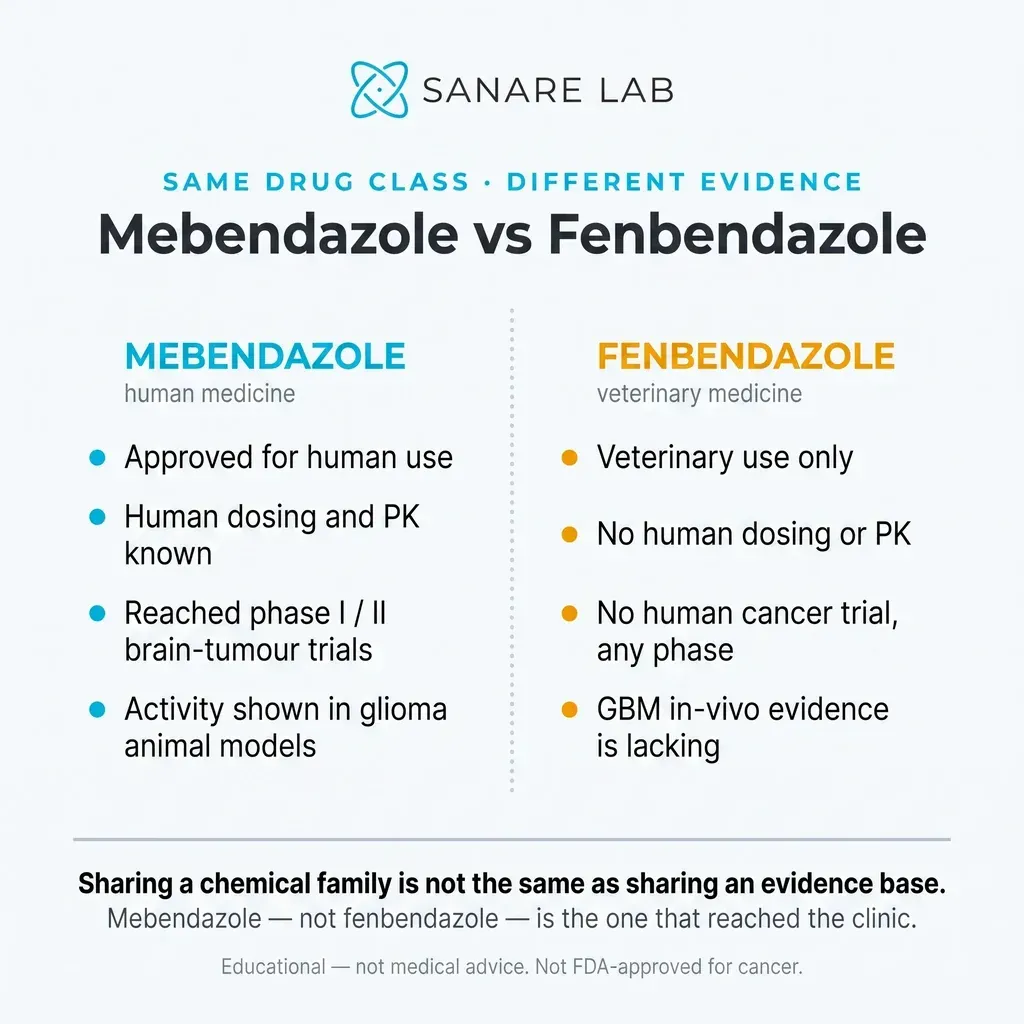
Fenbendazole vs. Mebendazole for GBM
Mebendazole (a closely related benzimidazole) has been studied more formally in humans, but that reflects a regulatory head start rather than any proven superiority over fenbendazole. In the laboratory the two compounds behave very similarly:
Safety Considerations in GBM Patients
Patients with GBM often receive aggressive treatment and have specific safety concerns: Learn more about fenbendazole and breast cancer.
1. Corticosteroid Interactions
GBM patients typically take dexamethasone or other corticosteroids to manage brain edema. Potential interactions:
- Both corticosteroids and FBZ undergo hepatic metabolism (CYP3A4)
- Potential for altered steroid levels if FBZ is added
- Clinical significance unknown but warrants monitoring
2. Anticonvulsant Interactions
Many GBM patients take seizure prophylaxis (levetiracetam, phenytoin). FBZ could potentially interact via enzyme induction, but documented interactions are rare.
3. Hepatotoxicity in Immunocompromised Patients
GBM patients may be immunosuppressed from radiation and chemotherapy. For more details, see our guide on fenbendazole case reports showing remission. Hepatotoxicity risk from FBZ may be increased. Liver function monitoring is critical.
4. BBB Integrity Compromise
Tumor and radiation can disrupt the BBB. This could theoretically increase FBZ brain penetration (potentially beneficial) but also increase neurotoxicity risk (potentially harmful).
The Serendipitous Origin of Benzimidazole Brain-Tumor Research
The entire scientific interest in benzimidazoles for brain tumors began not with a hypothesis but with an accident. In the mid-2000s, researchers at Johns Hopkins were running glioblastoma experiments in laboratory mice when they noticed something strange: their tumor models suddenly stopped growing as expected. After ruling out the obvious explanations, they discovered that the animal facility had treated a pinworm infestation by adding fenbendazole — a common veterinary anthelmintic — to the rodent feed. The fenbendazole appeared to be interfering with tumor engraftment.
This observation launched a systematic investigation. The Hopkins group, led by Gregory Riggins and including Ren-Yuan Bai and Verena Staedtke, screened a panel of benzimidazole compounds to find the one with the best combination of anti-tumor potency and drug-like properties for human use. That work, published in Neuro-Oncology in 2011, showed that mebendazole — fenbendazole's close human-approved relative — produced a significant survival benefit in two preclinical glioblastoma models. Crucially, the researchers ultimately prioritized mebendazole over fenbendazole for clinical development, because mebendazole is approved for human use and had a more workable pharmacological profile.
This origin story is important for two reasons. First, it means the "fenbendazole for brain cancer" idea has a legitimate scientific root — it was not invented by marketers. Second, and just as important, it means the drug that actually advanced toward patients was mebendazole, not fenbendazole. Much of the online enthusiasm conflates the two, treating human trial data for mebendazole as if it validated fenbendazole. The honest picture is that fenbendazole was the spark that opened this entire field, and mebendazole was taken into early trials chiefly because it already carried a human regulatory approval — a logistical advantage, not evidence that it works better.
What the Real Preclinical Data Actually Show
The strongest, cleanest published evidence for fenbendazole specifically against glioblastoma cells comes from a 2022 study by Ren and colleagues in Acta Pharmacologica Sinica. This study is worth describing accurately, because it is frequently either ignored or exaggerated online.
The researchers tested several benzimidazoles — including flubendazole, mebendazole, and fenbendazole — against the human glioblastoma cell lines U87 and U251. All three drugs potently inhibited proliferation, with IC₅₀ values below 0.26 μM (roughly 260 nanomolar), a concentration in the range achievable in laboratory conditions. Mechanistically, the study documented a coherent and interesting picture:
- Cell-cycle arrest: the drugs arrested cells at the G2/M phase through the p53/p21/cyclin B1 axis — consistent with the known microtubule-disrupting action of benzimidazoles.
- Two forms of programmed cell death: the compounds triggered both classical mitochondria-dependent apoptosis and pyroptosis (an inflammatory form of cell death) via the NF-κB/NLRP3/GSDMD pathway — an unusual dual mechanism.
- Reduced migration and invasion: the drugs suppressed DNA synthesis and dampened epithelial–mesenchymal transition (EMT) markers, which are associated with tumor spread.
- In vivo signal: in a nude-mouse U87 xenograft model, flubendazole (up to 50 mg/kg/day) dose-dependently suppressed tumor growth without obvious toxicity.
This is real, peer-reviewed, mechanistically detailed evidence — and it is genuinely encouraging at the cell-and-mouse level. But two caveats are essential. First, the strongest in vivo result in that paper was for flubendazole, not fenbendazole. Second, and more fundamentally, activity in cultured cells and flank xenografts is a very early step. The history of oncology is littered with compounds that killed cancer cells in a dish and shrank tumors in mice yet failed in humans. Cell-culture potency does not account for the blood-brain barrier, human drug metabolism, achievable blood levels, or tumor heterogeneity.
Why Mebendazole — Not Fenbendazole — Reached Human Trials
If fenbendazole was the original discovery, why has mebendazole been the one tested in humans? The answer comes down to regulatory status and pharmacology. Mebendazole is approved for human use as an anti-parasitic, which makes it far easier to study in patients: dosing, safety, and manufacturing are already established for people. Fenbendazole, by contrast, is licensed only for veterinary use and has never undergone the human safety characterization that a cancer trial requires.
Following the 2011 preclinical work, Johns Hopkins launched a Phase I trial (NCT01729260) testing mebendazole combined with temozolomide in patients with newly diagnosed high-grade gliomas. A separate pediatric brain-tumor safety study also evaluated mebendazole added to standard chemotherapy. These trials were designed primarily to establish safety and tolerable dosing — not to prove that the drug extends survival — and mebendazole was generally well tolerated. Notably, several of these clinical protocols explicitly exclude patients from taking other benzimidazoles such as fenbendazole during the study, precisely because uncontrolled co-use would confound the results.
A recurring practical obstacle for both drugs is bioavailability. Benzimidazoles are poorly water-soluble and erratically absorbed from the gut, so achieving consistent, meaningful drug levels in the bloodstream — let alone across the blood-brain barrier and into a tumor — is genuinely difficult. This is why researchers have explored reformulations and nanoparticle delivery systems. The bottom line for readers: the human clinical experience that does exist belongs to mebendazole, is early-phase, and does not yet demonstrate a survival benefit. Extrapolating it to fenbendazole is not scientifically justified.
The Blood-Brain Barrier: A Deeper Look
The blood-brain barrier (BBB) is the single biggest reason brain-tumor drug development is so hard, and it is worth understanding why fenbendazole's favorable-looking chemistry does not guarantee it works in the brain. The BBB is formed by specialized endothelial cells joined by tight junctions, wrapped by pericytes and astrocyte end-feet. It blocks the overwhelming majority of small-molecule drugs and essentially all large ones.
Fenbendazole has two properties that, on paper, favor entry: a modest molecular weight (~299 Da) and high lipophilicity (logP around 3–4). But lipophilicity is a double-edged sword. Highly lipophilic molecules are often substrates for P-glycoprotein (P-gp) and other efflux transporters that sit in the BBB and actively pump drugs back out of the brain before they can accumulate. Many benzimidazoles are indeed P-gp substrates, which can sharply limit their brain concentrations regardless of how "brain-penetrant" they look by size and fat-solubility alone. Critically, fenbendazole's actual brain penetration in humans has never been measured — any claim about how much reaches a brain tumor is inference, not data.
There are two complicating wrinkles specific to glioblastoma. First, the tumor itself and the radiation used to treat it partially disrupt the BBB, which can locally increase drug entry — but unevenly, and mostly at the tumor core rather than the infiltrating margins where recurrence begins. Second, the infiltrating tumor cells that drive recurrence often sit behind an intact BBB, exactly where drugs penetrate least. This is why "it's small and lipophilic, so it should get in" is an incomplete argument, and why formal pharmacokinetic studies — not theoretical calculations — are required to know whether a drug reaches the tumor at active concentrations.
Standard of Care for Glioblastoma in 2026
Any discussion of investigational agents must be anchored in what proven, standard treatment looks like — the care that fenbendazole or any adjunct is meant to complement, never replace. The backbone remains the Stupp protocol, established in a landmark 2005 randomized trial: maximal safe surgical resection, followed by radiotherapy (typically 60 Gy) given concurrently with daily temozolomide, then adjuvant (maintenance) temozolomide cycles.
Several factors refine this framework:
- Extent of resection. Greater safe removal of tumor is consistently associated with longer survival; fluorescence-guided surgery (5-ALA) helps surgeons see tumor tissue.
- MGMT promoter methylation. Tumors in which the MGMT DNA-repair gene is silenced respond substantially better to temozolomide. This single biomarker is one of the strongest predictors of benefit and survival.
- Tumor Treating Fields (TTFields / Optune). Added since 2015, this wearable device delivers low-intensity alternating electric fields to the tumor region and, in a randomized trial, extended survival when combined with maintenance temozolomide.
- IDH status and the 2021 WHO reclassification. "Glioblastoma" is now defined as IDH-wildtype; IDH-mutant tumors are classified and treated differently and carry a better prognosis.
Even with optimal modern therapy, glioblastoma prognosis remains difficult, with median survival still measured in months for most patients. That sobering reality is precisely why patients and families explore options like fenbendazole — and precisely why the responsible message is to add investigational agents only alongside proven care, under medical supervision, never as a substitute.
Temozolomide, MGMT, and the Combination Rationale
The theoretical appeal of combining fenbendazole with temozolomide (TMZ) rests on the idea of hitting cancer cells through two independent mechanisms — TMZ damages DNA, while benzimidazoles disrupt microtubules and the cell cycle. On paper, convergent pressure on dividing cells could be synergistic, and the preclinical mebendazole literature does show that adding mebendazole to TMZ extended survival beyond TMZ alone in mouse glioma models.
But the nuance matters. TMZ's benefit is heavily modulated by MGMT status: patients whose tumors have an unmethylated MGMT promoter derive relatively little benefit from TMZ, because the MGMT enzyme repairs the DNA damage TMZ inflicts. Whether adding a benzimidazole meaningfully changes outcomes in either MGMT subgroup is simply unknown in humans. There is also a real theoretical concern with combinations that is rarely discussed in enthusiast circles: two drugs that both stress the same pathways can produce additive toxicity (for example, on blood counts or the liver) without necessarily producing additive benefit. The honest summary is that the FBZ+TMZ combination is a reasonable hypothesis supported by mebendazole mouse data, not a validated human strategy — and no published human trial has tested fenbendazole plus TMZ.
Cancer Stem Cells and Why Glioblastoma Recurs
One of the cruelest features of glioblastoma is its near-universal recurrence, typically within a year or two even after aggressive treatment. A leading explanation involves glioma stem cells — a small subpopulation of tumor cells with stem-like properties that are relatively resistant to radiation and chemotherapy, capable of repopulating the tumor after treatment, and skilled at infiltrating normal brain far from the main mass. Because standard therapy is better at killing the bulk tumor than these resilient, infiltrating cells, the disease usually returns.
This biology is part of why repurposed drugs like benzimidazoles attract interest: microtubule disruption, interference with cell division, and the pyroptosis mechanism documented in the Ren 2022 study could, in theory, affect stem-like populations differently from conventional agents. However, "could in theory affect cancer stem cells" is a hypothesis shared by dozens of experimental compounds, most of which have not translated into patient benefit. There is currently no human evidence that fenbendazole eliminates glioma stem cells or delays recurrence. Understanding the stem-cell model helps explain both why GBM is so hard to cure and why claims of easy cures should be met with skepticism.
Fenbendazole Pharmacology and the Bioavailability Problem
A drug can only work if enough of it reaches the target. For fenbendazole, this is a genuine hurdle. Fenbendazole is highly lipophilic and very poorly water-soluble, which means oral absorption is limited and variable. Taking it with fatty food increases absorption somewhat, but blood levels remain modest and inconsistent between individuals. In the body, fenbendazole is metabolized (partly to oxfendazole and fenbendazole sulfone) and cleared largely through the liver.
These pharmacokinetic realities compound the blood-brain-barrier problem discussed above: even before a molecule faces the BBB, only a fraction of an oral dose reaches the bloodstream at all. This is a major reason that laboratory potency (IC₅₀ values in the nanomolar range in a dish) cannot be assumed to translate into effective tumor concentrations in a person. It also underlies the scientific interest in improved formulations — nanoparticle carriers, co-solvents, and solid dispersions — designed to raise and stabilize blood levels. For readers, the practical implication is humility: dosing that "works" in a cell-culture experiment tells us little about what dose, if any, could achieve meaningful brain-tumor exposure in a human, and self-experimentation cannot answer that question safely.
Drug Interactions in Neuro-Oncology
Glioblastoma patients are typically on several medications, and this makes interaction awareness especially important for anyone considering adding fenbendazole. Three categories deserve particular attention.
- Corticosteroids (dexamethasone). Almost universally used to control brain swelling, dexamethasone is metabolized via CYP3A4 and can both influence and be influenced by other drugs. Steroids also suppress immune function and can affect blood sugar and the liver — relevant when stacking additional agents.
- Anti-seizure medications. Many patients take levetiracetam or enzyme-inducing anticonvulsants (such as phenytoin or carbamazepine). Enzyme inducers can alter the metabolism of co-administered drugs, potentially changing their levels unpredictably.
- Chemotherapy and targeted agents. Temozolomide and, at recurrence, bevacizumab or other agents carry their own toxicity profiles (marrow suppression, liver effects, bleeding/clotting risk), which can compound with an added drug.
Because fenbendazole itself is cleared hepatically and can, at least theoretically, stress the liver, liver-function monitoring is the single most important safeguard for anyone using it alongside cancer therapy. The overriding practical rule is that the treating neuro-oncology team must know about every substance the patient is taking; undisclosed use is a leading cause of preventable interactions.
The Repurposed-Drug Trial Landscape in Glioblastoma
Fenbendazole is one of many repurposed or off-label agents that patients and researchers have explored for glioblastoma. Placing it in context helps calibrate expectations. Mebendazole, as discussed, reached Phase I trials in combination with temozolomide. Chloroquine — an antimalarial and autophagy inhibitor — was tested in a small randomized glioblastoma trial that suggested a possible survival signal, though the study was too small to be definitive. Disulfiram (the alcohol-aversion drug) has been studied as a proteasome-affecting agent with copper. Metabolic approaches, including metformin-based protocols such as the Care Oncology Clinic regimen, have also been explored in GBM.
The unifying theme across all of these is familiar: promising laboratory mechanisms, encouraging early data, and a chronic shortage of the large, randomized, adequately funded trials needed to prove benefit — largely because these are cheap, generic, unpatentable drugs with little commercial incentive for definitive testing. Fenbendazole sits at the earlier, less-tested end of even this modestly evidenced spectrum: it has real preclinical activity but, unlike mebendazole or chloroquine, no completed human cancer trials at all.
What the Evidence Does NOT Show
Given how easily hope outruns data in glioblastoma, it is worth stating the limits plainly:
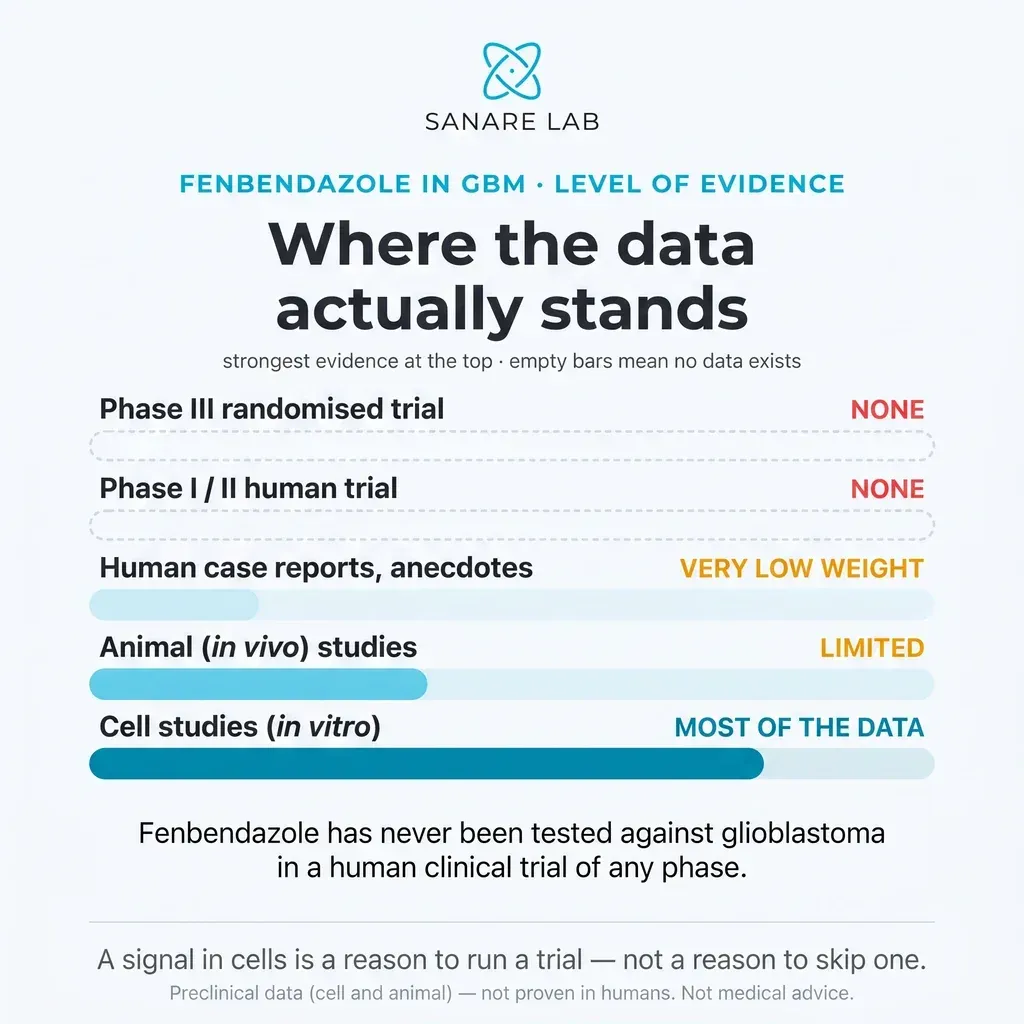
- No human clinical trial of fenbendazole for any cancer has been completed or published. All fenbendazole-specific data are from cells and animals.
- No study has measured how much fenbendazole reaches a human brain tumor. BBB penetration in people is unknown, and efflux transporters may limit it.
- Human trial experience belongs to mebendazole, not fenbendazole, and even that is early-phase and has not demonstrated a survival benefit.
- Preclinical potency does not equal clinical efficacy. The gap between a nanomolar IC₅₀ in a dish and a meaningful effect in a patient is enormous and frequently fatal to drug candidates.
- Fenbendazole is not a substitute for standard care. Surgery, radiation, temozolomide, and TTFields have randomized-trial support; forgoing them for an unproven agent carries a real, measurable cost.
None of this means the research is worthless — the preclinical signals are genuine and worth pursuing through proper trials. It means that fenbendazole for brain cancer is, today, an investigational hypothesis, not a treatment.
A Rational, Honest Framework for Patients
For patients and families navigating a glioblastoma diagnosis, the pull toward anything that might help is completely understandable. A rational approach starts by maximizing proven therapy: confirm the molecular profile (IDH, MGMT), pursue maximal safe resection, complete the Stupp protocol, and discuss TTFields and appropriate clinical trials. Enrolling in a well-designed clinical trial is often the single best way to access promising new approaches while contributing to knowledge that helps others.
If, after securing standard care, a patient still wishes to explore an agent like fenbendazole, the safest path is to do so transparently and under supervision: tell the neuro-oncologist, agree on liver-function and blood-count monitoring, review interactions with steroids and anticonvulsants, and set clear stop rules for side effects. Be skeptical of any source — a website, a vendor, or a social-media community — that promises cures, discourages standard treatment, or presents anecdotes as proof. The most honest framing is also the most useful: fenbendazole is an interesting molecule with real laboratory activity and no proven human benefit in brain cancer, and it should be treated as the experiment it currently is, not as the answer patients understandably wish it to be.
Glioblastoma: Epidemiology, Risk Factors, and Symptoms
Glioblastoma is the most common malignant primary brain tumor in adults, yet it remains relatively rare in absolute terms, with roughly 3 cases per 100,000 people per year. It is slightly more common in men than women and becomes more frequent with age, with most diagnoses occurring between 45 and 70 years. The great majority of glioblastomas arise "de novo" (primary GBM) without a recognizable precursor lesion; a smaller fraction evolve from lower-grade gliomas (secondary GBM).
Established risk factors are surprisingly few. The only well-confirmed environmental risk factor is prior ionizing radiation to the head (for example, radiotherapy for a childhood cancer). A small percentage of cases occur in the context of hereditary syndromes such as Li-Fraumeni syndrome, Lynch syndrome, or neurofibromatosis. Despite widespread public concern, large studies have not established mobile-phone use as a proven cause. Most patients have no identifiable risk factor at all.
Symptoms depend on tumor location and size and often develop over weeks. Common presentations include persistent and progressively worsening headaches (sometimes worse in the morning), new-onset seizures in an adult, focal neurological deficits such as weakness or speech difficulty, personality or cognitive changes, and symptoms of raised intracranial pressure such as nausea and vomiting. Because these symptoms overlap with many benign conditions, diagnosis usually follows imaging (MRI with contrast) and is confirmed by biopsy or surgical resection with molecular testing. Understanding this clinical picture matters for context: glioblastoma is a fast-moving disease in which timely, proven treatment is critical, and delays to pursue unproven remedies carry real consequences.
How Brain Tumors Are Graded and Classified
Not all brain tumors are the same, and precise classification drives treatment. Gliomas — tumors arising from glial (supportive) cells — are graded by the World Health Organization from grade 1 (least aggressive) to grade 4 (most aggressive). Glioblastoma is a grade 4 tumor. The 2021 WHO classification made a major change by integrating molecular markers alongside microscope appearance. Under this system, the term "glioblastoma" is now reserved for IDH-wildtype tumors; gliomas with IDH mutations are classified separately (as astrocytomas, IDH-mutant) and generally carry a better prognosis.
Key molecular markers that now shape diagnosis and treatment include IDH1/IDH2 mutation status, MGMT promoter methylation (which predicts temozolomide benefit), 1p/19q co-deletion (which defines oligodendrogliomas), and alterations such as EGFR amplification, TERT promoter mutation, and chromosome 7 gain/10 loss. This precision matters for anyone researching treatments online: studies and anecdotes that predate the 2021 reclassification may lump together tumors we now recognize as biologically distinct, which can make older "survival" comparisons misleading. It is another reason to interpret dramatic survival claims — including those attached to repurposed drugs — with care about exactly which patients and tumor types were involved.
Recurrent Glioblastoma: Options at Progression
Because glioblastoma recurs in the large majority of patients, understanding the options at progression is important — and it is often at recurrence that patients begin exploring investigational agents most intensively. There is no single standard of care for recurrent GBM, and management is individualized based on the pattern of recurrence, prior treatment, performance status, and molecular features.
Options that may be considered include repeat surgery (if the recurrence is accessible and the patient is fit), re-irradiation in selected cases, systemic therapies such as bevacizumab (an anti-angiogenic antibody that can reduce swelling and improve symptoms and imaging, though its effect on overall survival is debated), alternative chemotherapies such as lomustine, continued or restarted Tumor Treating Fields, and — importantly — clinical trials. For many patients with recurrent disease, a well-chosen clinical trial represents one of the most rational ways to access promising experimental approaches within a monitored, ethical framework. This is precisely the setting where a candid conversation with the neuro-oncology team about goals, quality of life, and any complementary agents under consideration is most valuable.
Ketogenic Diet and Metabolic Approaches: An Honest Review
Because glioblastoma cells rely heavily on glucose (the Warburg effect), the ketogenic diet — very low carbohydrate, high fat, moderate protein — has attracted interest as a metabolic adjunct. The theory is appealing: shifting the body toward ketone metabolism might partially "starve" glucose-dependent tumor cells while normal brain cells adapt to using ketones. Preclinical models have shown some slowing of tumor growth, and the diet is being studied in small clinical trials.
The honest state of the evidence is that the ketogenic diet is feasible and generally safe for many patients under supervision, but it has not been proven to extend survival in glioblastoma in rigorous randomized trials. Practical challenges are real: strict ketogenic diets are difficult to maintain, can cause weight loss and nutritional issues in already-vulnerable patients, and may interact with steroid-induced high blood sugar (dexamethasone can raise glucose and blunt ketosis). As with fenbendazole, the appropriate framing is that dietary metabolic therapy is a plausible, actively studied adjunct — worth discussing with the care team and a dietitian — not a proven treatment and never a replacement for standard therapy.
How to Find and Evaluate Clinical Trials
For a disease as aggressive as glioblastoma, clinical trials are not a last resort — they are often a first-rate option that provides access to cutting-edge approaches under careful oversight. Trials in GBM span many strategies: novel targeted drugs, immunotherapies (including vaccines and CAR-T approaches), oncolytic viruses, improved drug-delivery methods that bypass the blood-brain barrier, and combinations with standard care.
Practical steps for patients and families include asking the treating neuro-oncologist about trials for which the patient may be eligible, searching public registries such as ClinicalTrials.gov, and contacting academic cancer centers with active neuro-oncology programs. When evaluating any trial, useful questions include: What phase is it (Phase I focuses on safety, Phase III on proving benefit)? What are the eligibility criteria and required molecular markers? What is the time and travel commitment? And what monitoring and support are provided? Enrolling in a well-designed trial not only offers potential personal benefit but also generates the rigorous data that could eventually settle open questions — including whether repurposed drugs like benzimidazoles have any real role.
Evaluating Anecdotes and Online Claims
The internet is full of compelling stories about fenbendazole and other repurposed drugs reversing advanced cancer. These stories are emotionally powerful and deserve to be taken seriously as human experiences — but they cannot substitute for controlled evidence, and understanding why protects patients from false hope and harmful decisions.
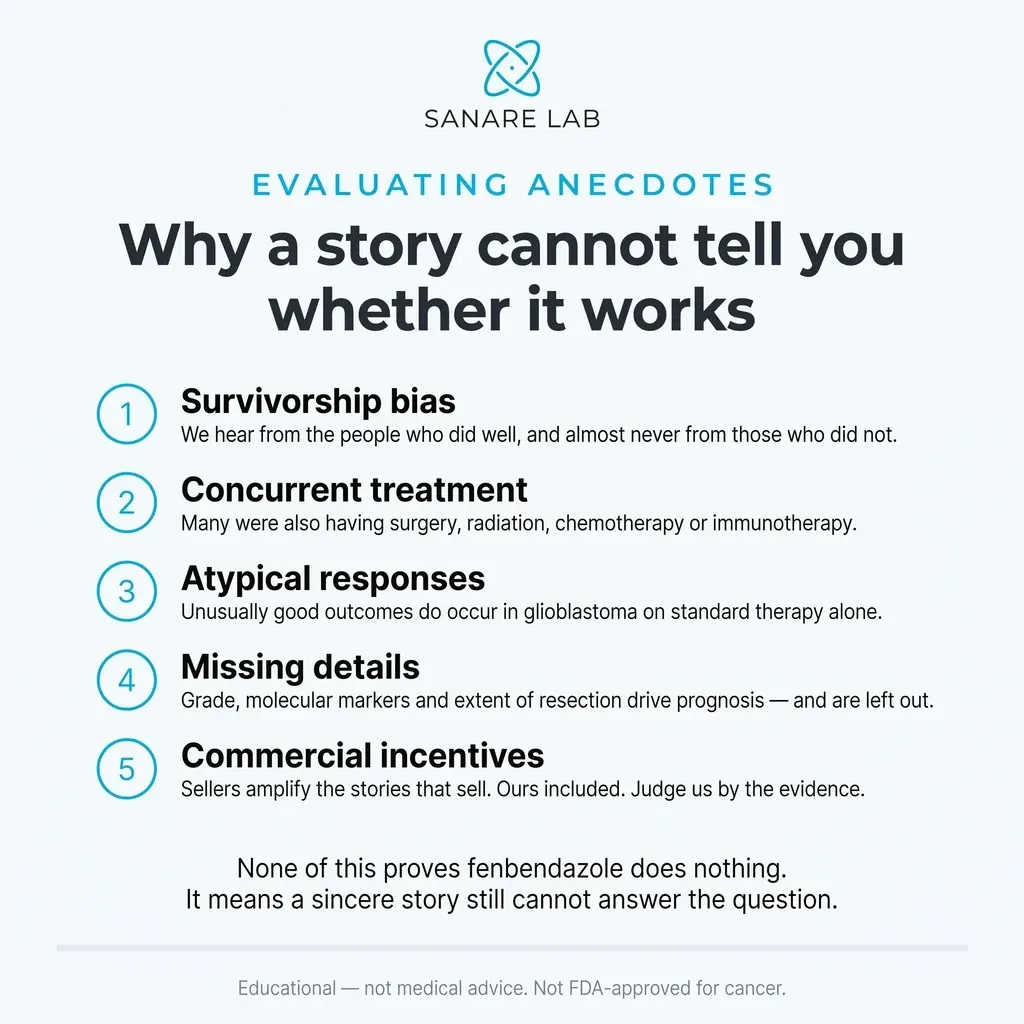
Several forces distort the online picture. Survivorship bias means we hear from the people who did well and rarely from those who did not. Concurrent treatment is common: many people who credit fenbendazole were simultaneously receiving surgery, radiation, chemotherapy, or immunotherapy — any of which could explain their response. Spontaneous and atypical responses occur even in glioblastoma, and standard therapy sometimes works better than average. Diagnostic and timing details (tumor grade, molecular markers, MGMT status, extent of resection) that hugely affect prognosis are usually missing from anecdotes. And commercial incentives — from vendors selling products — can shape which stories get amplified. None of this proves fenbendazole does nothing; it means individual stories, however sincere, cannot tell us whether a treatment works. That question can only be answered by well-designed trials — which, for fenbendazole in cancer, do not yet exist.
Imaging and Response Assessment in Glioblastoma
One of the most misunderstood aspects of glioblastoma care — and a frequent source of confusion when patients try to judge whether an experimental agent like fenbendazole is "working" — is how treatment response is actually measured. Unlike many solid tumors where a shrinking mass on a scan straightforwardly signals benefit, glioblastoma imaging is notoriously difficult to interpret. Understanding why matters enormously for anyone trying to make rational decisions about their care.
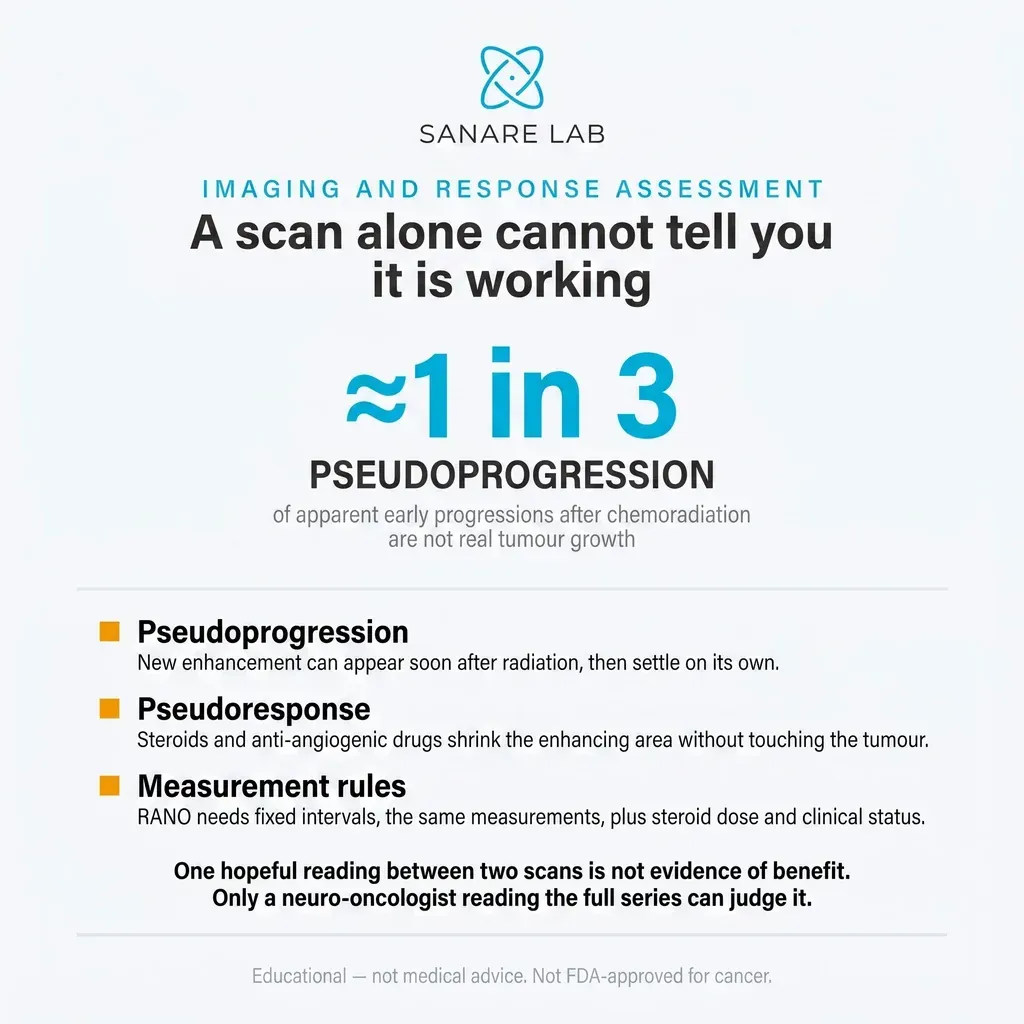
The standard framework is the Response Assessment in Neuro-Oncology (RANO) criteria, which integrate contrast-enhancing tumor measurements on MRI, non-enhancing (T2/FLAIR) disease, corticosteroid dose, and clinical status. RANO exists precisely because tumor size alone is misleading in the brain. Contrast enhancement on MRI reflects blood-brain barrier disruption, not tumor cells per se — so anything that changes vascular permeability (radiation, steroids, anti-angiogenic drugs) can dramatically alter the picture without changing the underlying cancer.
Two phenomena illustrate the trap. Pseudoprogression is an increase in contrast enhancement in the weeks to months after chemoradiation that mimics tumor growth but actually represents treatment-related inflammation and eventually stabilizes or improves without any change in therapy. It occurs in roughly 20–30% of patients after standard Stupp-protocol chemoradiation and is more common in tumors with a methylated MGMT promoter. A patient who added an over-the-counter agent during this window could easily — and wrongly — credit it with "stabilizing" a scan that would have stabilized anyway. Conversely, pseudoresponse is the rapid, dramatic reduction in enhancement seen within days of starting anti-angiogenic drugs like bevacizumab; the scan looks better, but this reflects normalized vascular permeability rather than true tumor kill, and non-enhancing infiltrative disease often continues to progress underneath.
These realities are why neuro-oncologists rarely make decisions on a single scan, why they incorporate advanced techniques such as perfusion MRI, MR spectroscopy, and sometimes amino-acid PET, and why the timing of imaging relative to treatment is standardized. For patients, the practical lesson is humbling: you cannot reliably self-assess glioblastoma response from imaging reports, and anecdotal "my tumor shrank after I started X" claims are exactly the situations most vulnerable to pseudoprogression and pseudoresponse confounding. This is a core reason that repurposed-drug enthusiasm built on individual scan stories is scientifically fragile, and why formal trials with blinded central radiology review remain the only trustworthy way to establish whether any agent — fenbendazole included — genuinely alters the disease course.
Palliative and Supportive Care: An Underused Standard
Discussions of glioblastoma treatment often focus exclusively on tumor-directed therapies, but supportive and palliative care is an evidence-based component of standard management that materially affects both quality and, in some cancers, length of life. Early integration of palliative care alongside active treatment is recommended by major oncology bodies and is emphatically not synonymous with giving up or hospice-only care — a misconception that leads many patients to under-use it.
Glioblastoma produces a distinctive symptom burden that supportive care directly addresses. Seizures affect a large proportion of patients and are managed with anti-epileptic drugs — with careful attention to interactions, since enzyme-inducing agents can alter the metabolism of other drugs. Cerebral edema and its accompanying headaches, nausea, and focal deficits are typically controlled with corticosteroids such as dexamethasone, balanced against their considerable long-term toxicities (myopathy, hyperglycemia, immunosuppression, insomnia). Venous thromboembolism is markedly more common in glioblastoma than in most cancers and requires vigilance. Fatigue, mood disturbance, and cognitive changes are pervasive and benefit from rehabilitation, neuropsychological support, and attention to sleep.
This matters directly to the repurposed-drug conversation for two reasons. First, several agents that patients add on their own — including corticosteroid-sparing hopes pinned on unproven compounds — can interact with the medications that are genuinely controlling symptoms; undisclosed use undermines the supportive-care plan. Second, the energy, money, and emotional investment poured into acquiring and self-administering unproven agents sometimes crowds out engagement with supportive services that have a far stronger evidence base for improving day-to-day life. A rational framework treats symptom control, functional independence, and quality of life as primary goals in their own right — not as afterthoughts to be addressed only when tumor-directed options run out.
Questions Worth Asking Your Neuro-Oncology Team
- What is my tumor's MGMT methylation and IDH status, and how do they affect my prognosis and treatment options?
- Am I a candidate for any clinical trials, either at this center or elsewhere, at my current disease stage?
- How will we distinguish true progression from pseudoprogression on my follow-up scans, and how often will I be imaged?
- What is the plan for seizure prophylaxis, steroid tapering, and thrombosis risk?
- If I am considering any supplements or repurposed drugs, how should I disclose them so we can screen for interactions?
- When should palliative care and rehabilitation services be involved, and how do I access them now rather than later?
Bringing these questions to appointments accomplishes something no online protocol can: it grounds decisions in your specific molecular biology, your functional status, and a care team accountable for the outcome.
What People Report Online: Brain Cancer and Glioblastoma
Behind the laboratory papers sits a large, restless online conversation. On Reddit and patient forums, people living with brain tumours and glioblastoma — and the relatives caring for them — trade experiences with fenbendazole, usually following some version of the Joe Tippens protocol. To save you from digging through dozens of scattered threads, we have gathered the most relevant, on-topic discussions in one place, together with an honest guide to what these accounts can and cannot tell you.
How to read these reports
These are personal stories, not clinical evidence. They are uncontrolled, self-reported, and impossible to verify independently.
In almost every account, the person was also receiving standard treatment — chemotherapy, immunotherapy, radiotherapy, or surgery — at the same time as fenbendazole. When someone improves on two therapies at once, the result cannot be credited to fenbendazole alone; the conventional treatment is the far more likely explanation.
Encouraging stories are also shared far more often than disappointing ones, so online threads skew positive (survivorship and publication bias).
The useful way to read them is as questions worth raising with your oncologist — not as a protocol to copy on your own.
For a deeper, evidence-based look at how these accounts hold up — including the documented case reports and the peer-reviewed analyses behind them — see our detailed review of fenbendazole success stories and case reports.
Frequently Asked Questions
Can fenbendazole cross the blood-brain barrier?
Theoretically, yes. FBZ is small (<400 Da) and lipophilic, properties favoring BBB penetration. However, its actual BBB penetration in humans has never been measured. Animal studies suggest crossing is possible but modest. Mebendazole may have better documented BBB penetration.
Does fenbendazole work for glioblastoma?
Preclinical evidence is genuinely interesting: fenbendazole inhibits GBM cell lines (Ren 2022), and the related mebendazole extends survival in mouse glioma models. However, no human clinical trials of fenbendazole have been conducted, no dedicated FBZ+temozolomide xenograft "complete regression" study exists, and anecdotal human reports are sparse. Fenbendazole for GBM remains investigational.
Should patients with GBM use fenbendazole?
This is a decision for you and your neuro-oncologist. FBZ remains investigational. Standard therapy (surgery + radiation + TMZ) has proven benefit. FBZ could be considered as an adjunctive therapy only under medical supervision, with regular monitoring of liver function and drug interactions.
What is Tumor Treating Fields (TTF), and how does it compare to fenbendazole?
TTF (Optune) is an FDA-approved technology using alternating electric fields to disrupt cancer cell division. It improves GBM survival when combined with chemotherapy. TTF has proven clinical benefit; FBZ remains investigational. Both could theoretically be combined, but no data exist.
Has fenbendazole been tested in humans for brain cancer?
No. There are no completed or published human clinical trials of fenbendazole for glioblastoma or any other cancer. The human trial experience in brain tumors belongs to mebendazole, a closely related but human-approved benzimidazole (e.g., the Johns Hopkins Phase I trial NCT01729260 with temozolomide). Even that data is early-phase and does not prove a survival benefit.
What did the real fenbendazole glioblastoma study actually find?
The best fenbendazole-specific GBM study (Ren et al., Acta Pharmacologica Sinica, 2022) showed that fenbendazole, mebendazole, and flubendazole inhibited U87 and U251 glioblastoma cells (IC₅₀ below 0.26 μM), arrested the cell cycle at G2/M, and triggered both apoptosis and pyroptosis. This is genuine, encouraging cell-and-mouse data — but it is preclinical, and the strongest in vivo result was for flubendazole, not fenbendazole.
Why did researchers choose mebendazole over fenbendazole for trials?
Mebendazole is approved for human use, so its safety, dosing, and manufacturing are already established, making human trials feasible. Fenbendazole is licensed only for veterinary use and has never undergone human safety characterization. When the Johns Hopkins team screened benzimidazoles after their serendipitous discovery, mebendazole offered the best combination of potency and drug-like properties for people.
Does radiation or the tumor itself help fenbendazole reach the brain?
Partially and unevenly. Both the tumor and radiotherapy disrupt the blood-brain barrier near the tumor core, which can locally increase drug entry. However, the infiltrating tumor cells that drive recurrence often sit behind an intact barrier, where drug penetration is lowest. This is one reason localized BBB disruption does not guarantee effective, tumor-wide drug exposure.
What is MGMT methylation and why does it matter?
MGMT is a DNA-repair gene. When its promoter is "methylated" (silenced), the tumor repairs temozolomide-induced DNA damage less effectively, so patients respond better to chemotherapy and tend to live longer. MGMT status is one of the strongest predictors of temozolomide benefit and is routinely tested. It also means the value of any add-on drug may differ between MGMT-methylated and unmethylated tumors.
Is the fenbendazole + temozolomide combination proven?
No. The combination rationale is based on mebendazole plus temozolomide extending survival in mouse glioma models. No published human trial has tested fenbendazole with temozolomide. Combining drugs can also add toxicity (e.g., on liver or blood counts) without adding benefit, so any combination should only be considered under oncology supervision.
Why is fenbendazole's absorption a problem?
Fenbendazole is highly fat-soluble and very poorly water-soluble, so oral absorption is limited and varies a lot between people. Taking it with fatty food helps somewhat, but blood levels stay modest and inconsistent. Because only a fraction of a dose reaches the bloodstream — and even less may cross into a brain tumor — laboratory potency cannot be assumed to translate into effective human tumor exposure.
What other repurposed drugs are being studied in glioblastoma?
Several, including mebendazole (Phase I with temozolomide), chloroquine (a small randomized trial suggested a possible signal), disulfiram (with copper), and metabolic protocols such as the Care Oncology regimen. All share the same pattern: interesting mechanisms and early data, but a shortage of large randomized trials — largely because these cheap generics lack commercial funding.
Can fenbendazole replace surgery, radiation, or temozolomide?
Absolutely not. Standard treatment (maximal safe surgery, radiotherapy, temozolomide, and often Tumor Treating Fields) has randomized-trial evidence behind it. Fenbendazole has no completed human trials. Replacing proven therapy with an unproven agent forgoes real benefit and can shorten survival. If used at all, fenbendazole should only ever be an adjunct under medical supervision.
How should I discuss fenbendazole with my neuro-oncologist?
Be direct and bring specifics: the exact product and dose you are considering, and ask about interactions with your steroids (dexamethasone) and anticonvulsants, what liver and blood monitoring makes sense, and what side effects should prompt stopping. Framing it as "I want to do this safely and transparently" usually leads to a more productive conversation than not disclosing it — undisclosed use is a common cause of avoidable problems.
Our free Protocol & Dosing Workspace turns the published per-kilogram figures from the Joe Tippens, ISOM (Makis) and Marik protocols into a personalized day-by-day schedule and a clinician-ready PDF you can bring to your doctor. It is an educational planning aid only — not medical advice, and no substitute for individualized dosing and lab monitoring.
Open the Dosing Calculator →Shop Sanare Lab
Lab-tested products referenced in the research above — order direct from Sanare Lab.
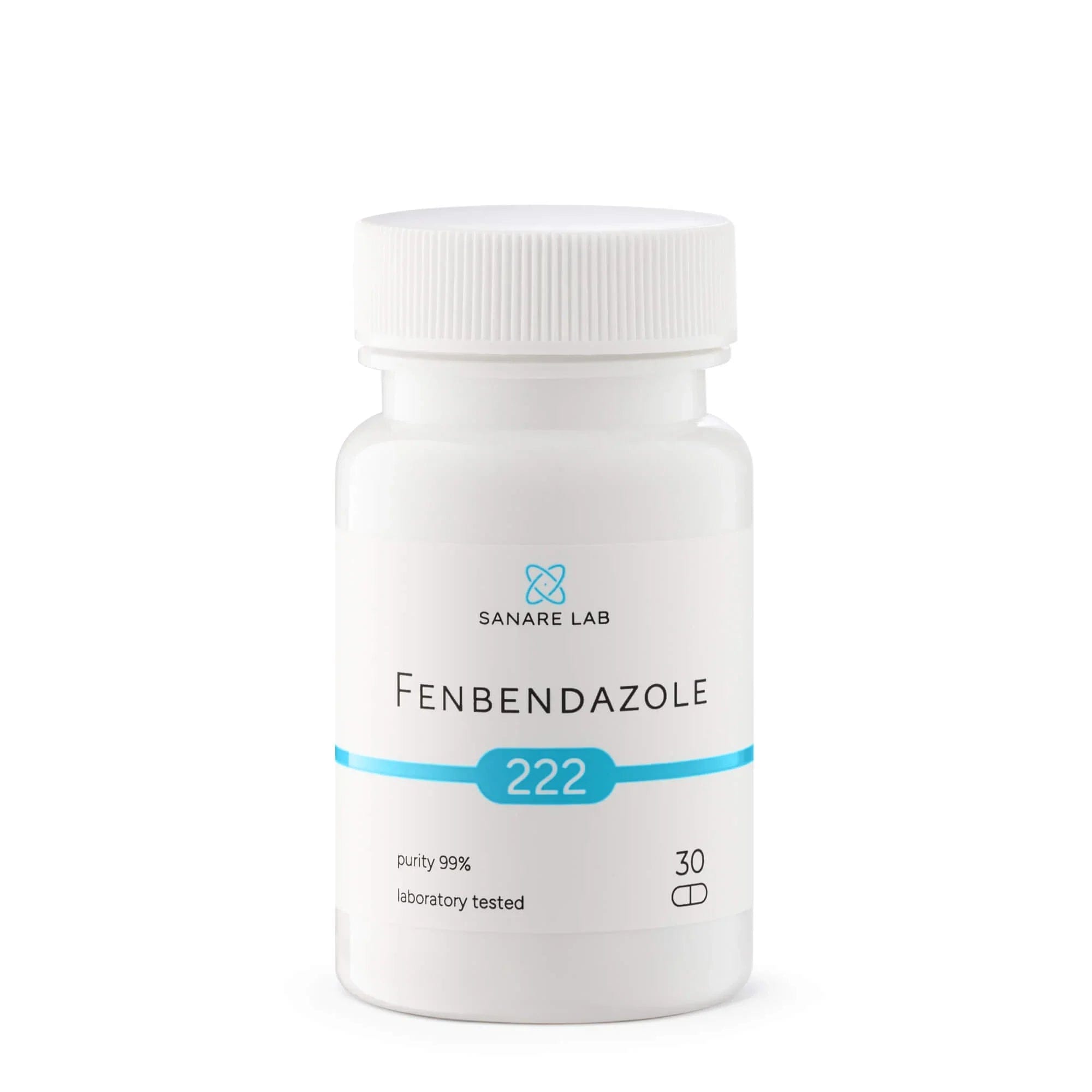
Pharmaceutical grade
Fenbendazole 222 mg
99%+ purity, third‑party lab tested.
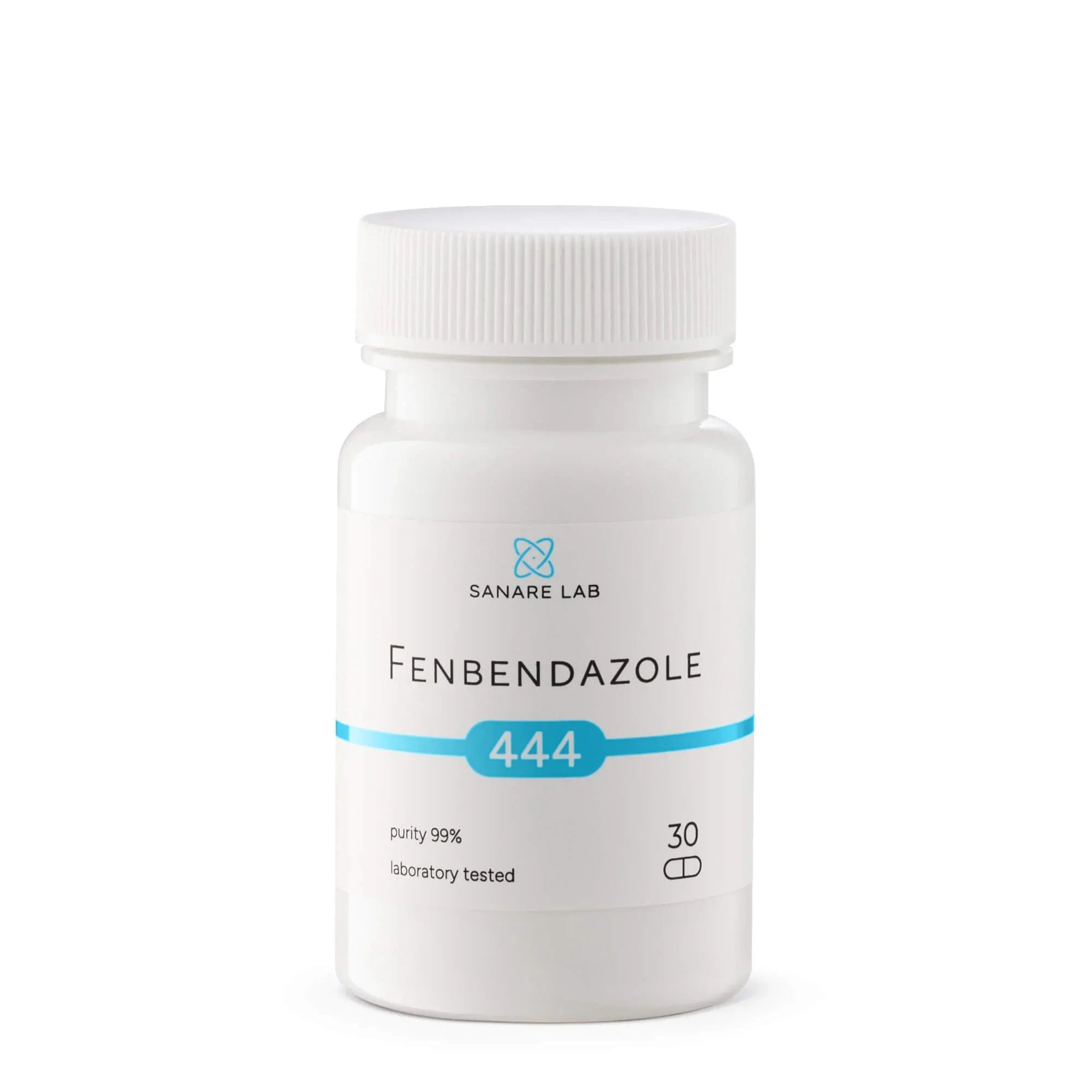
Pharmaceutical grade
Fenbendazole 444 mg
Double strength, 99%+ purity, lab tested.
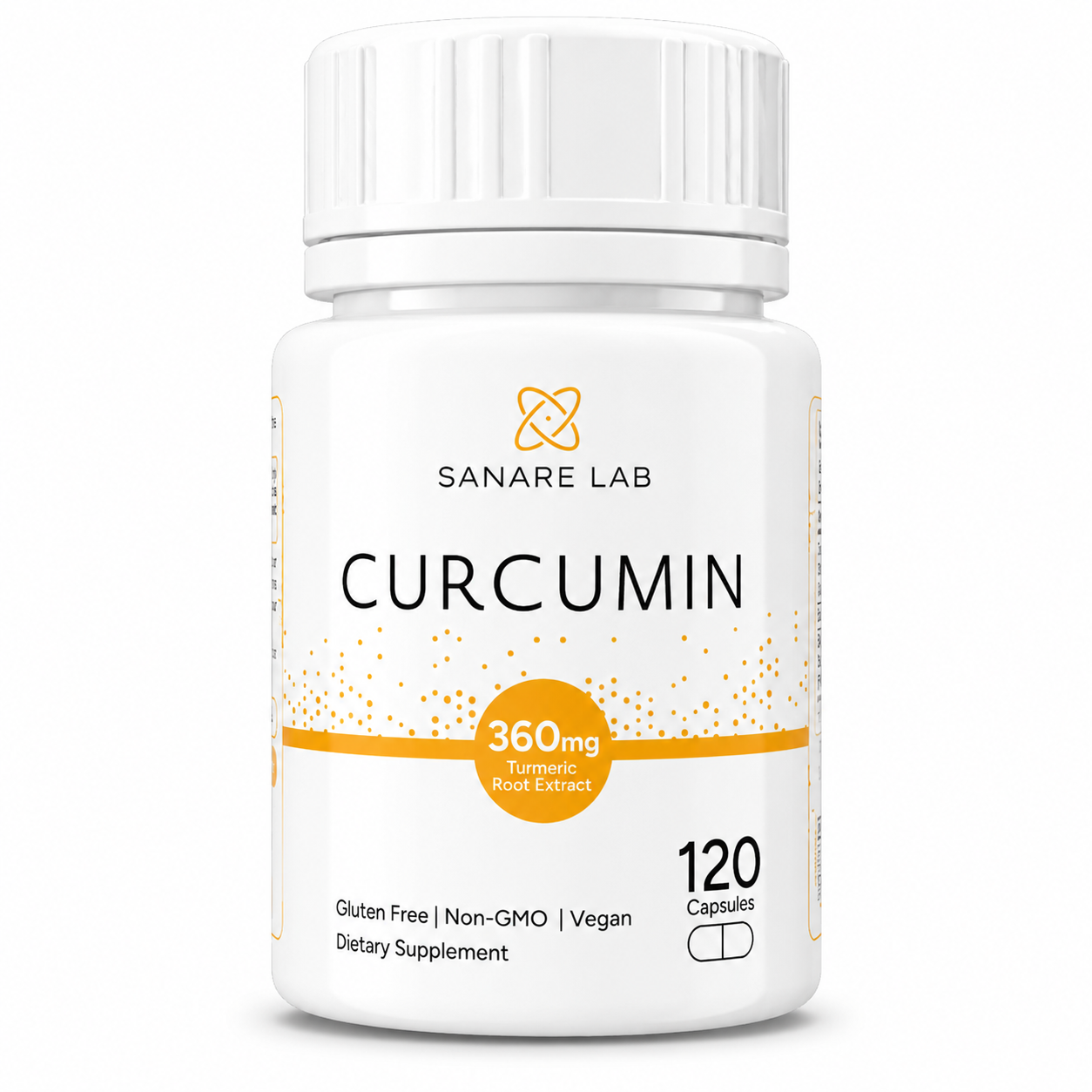
Daily adjunct
Curcumin 360 mg
95% curcuminoids with black pepper extract.
Prices checked September 2026 and may change; the store page shows the current price.
Disclaimer: Links are informational and for convenience. This site does not provide medical advice. Always verify product quality, labeling, and consult a licensed professional for health decisions.
References
- Dogra N, Kumar A, Mukhopadhyay T. Fenbendazole acts as a moderate microtubule destabilizing agent and causes cancer cell death by modulating multiple cellular pathways. Sci Rep, 2018. PMID: 30093705. PubMed
- Song B, Park EY, Kim KJ, et al. Repurposing of Benzimidazole Anthelmintic Drugs as Cancer Therapeutics. Cancers (Basel). 2022;14. PMID 36230527.
- Florio R, Carradori S, Veschi S, et al. Screening of Benzimidazole-Based Anthelmintics and Their Enantiomers as Repurposed Drug Candidates in Cancer Therapy. Pharmaceuticals (Basel). 2021;14. PMID 33920661.
- Bai RY, Staedtke V, Aprhys CM et al.. Antiparasitic mebendazole shows survival benefit in 2 preclinical models of glioblastoma multiforme. Neuro Oncol, 2011. PMID: 21764822. PubMed
- Duan Q, Liu Y, Rockwell S. Fenbendazole as a potential anticancer drug. Anticancer Res. 2013;33:355-62. PMID 23393324.
- Mrkvová Z, Uldrijan S, Pombinho A, et al. Benzimidazoles Downregulate Mdm2 and MdmX and Activate p53 in MdmX Overexpressing Tumor Cells. Molecules. 2019;24. PMID 31181622.
- Park D, Lee JH, Yoon SP. Anti-cancer effects of fenbendazole on 5-fluorouracil-resistant colorectal cancer cells. Korean J Physiol Pharmacol. 2022;26:377-387. PMID 36039738.
- Chu SW, Badar S, Morris DL, et al. Potent inhibition of tubulin polymerisation and proliferation of paclitaxel-resistant 1A9PTX22 human ovarian cancer cells by albendazole. Anticancer Res. 2009;29:3791-6. PMID 19846910.
- Nygren P, Larsson R. Drug repositioning from bench to bedside: tumour remission by the antihelmintic drug mebendazole in refractory metastatic colon cancer. Acta Oncol, 2014. PMID: 24160353. PubMed
- Huang L, Zhao L, Zhang J, et al. Antiparasitic mebendazole (MBZ) effectively overcomes cisplatin resistance in human ovarian cancer cells by inhibiting multiple cancer-associated signaling pathways. Aging (Albany NY). 2021;13:17407-17427. PMID 34232919.
- Guerini AE, Triggiani L, Maddalo M, et al. Mebendazole as a Candidate for Drug Repurposing in Oncology: An Extensive Review of Current Literature. Cancers (Basel). 2019;11. PMID 31480477.
- Son DS, Lee ES, Adunyah SE. The Antitumor Potentials of Benzimidazole Anthelmintics as Repurposing Drugs. Immune Netw. 2020;20:e29. PMID 32895616.
- Ren LW, Li W, Zheng XJ, et al. Benzimidazoles induce concurrent apoptosis and pyroptosis of human glioblastoma cells via arresting cell cycle. Acta Pharmacol Sin. 2022;43:194-208. PMID 34433903.
- Bai RY, Staedtke V, Aprhys CM, Gallia GL, Riggins GJ. Antiparasitic mebendazole shows survival benefit in 2 preclinical models of glioblastoma multiforme. Neuro Oncol, 2011. PMID: 21764822. PubMed
- Gallia GL, Holdhoff M, Brem H et al. Mebendazole and temozolomide in patients with newly diagnosed high-grade gliomas: results of a Phase I clinical trial (NCT01729260). Neurooncol Adv, 2021. PMID: 33604574. PubMed
- Stupp R, Mason WP, van den Bent MJ et al. Radiotherapy plus concomitant and adjuvant temozolomide for glioblastoma. N Engl J Med, 2005. PMID: 15758009. PubMed
- Stupp R, Taillibert S, Kanner A et al. Effect of Tumor-Treating Fields Plus Maintenance Temozolomide vs Temozolomide Alone on Survival in Glioblastoma: A Randomized Clinical Trial. JAMA, 2017. PMID: 29260225. PubMed
- Hegi ME, Diserens AC, Gorlia T et al. MGMT gene silencing and benefit from temozolomide in glioblastoma. N Engl J Med, 2005. PMID: 15758010. PubMed
- Louis DN, Perry A, Wesseling P et al. The 2021 WHO Classification of Tumors of the Central Nervous System: a summary. Neuro Oncol, 2021. PMID: 34185076. PubMed
- Sotelo J, Briceño E, López-González MA. Adding chloroquine to conventional treatment for glioblastoma multiforme: a randomized, double-blind, placebo-controlled trial. Ann Intern Med. 2006;144:337-43. PMID 16520474.
- Bai RY, Staedtke V, Rudin CM, et al. Effective treatment of diverse medulloblastoma models with mebendazole and its impact on tumor angiogenesis. Neuro Oncol. 2015;17:545-54. PMID 25253417.
- Son DS, Lee ES, Adunyah SE. The antitumor potentials of benzimidazole anthelmintics as repurposing drugs. Immune Netw, 2020. PMID: 32895616. PubMed
Medical Disclaimer
This article is for educational and informational purposes only. It is not intended to be a substitute for professional medical advice, diagnosis, or treatment. Always seek the advice of your physician or other qualified health provider with any questions you may have regarding a medical condition. Never disregard professional medical advice or delay in seeking it because of something you have read on this website.

Dr. Andrew Ellison, MD
Science editor and health researcher at Sanare Lab, covering evidence-based wellness, emerging compound research, clinical studies, and practical health protocols. Content is educational and does not replace medical advice.