
Fenbendazole Success Stories & Case Reports: What Remission Cases Show
Real patient remission cases using fenbendazole protocols. Documented case reports, treatment timelines, and common factors among successful outcomes in Stage IV cancers.
 By Dr. Andrew Ellison, MD · July 8, 2026 · 26 min read
This article is for research and informational purposes only. It does not constitute medical advice. Do not self-prescribe. Always consult a qualified healthcare provider before using any supplement, especially alongside cancer treatment.
Table of Contents
- Introduction: Why Success Stories Matter — and Why They Mislead
- Understanding the Evidence Hierarchy
- The Joe Tippens Story (2016–2017)
- The Protocol: What Joe Tippens Actually Took
- The 2025 Retracted Case Series (Makis et al.)
- MD Anderson Real-World Data (2026)
- Community Reports: Patterns from Online Forums
- Why Might Fenbendazole Work? Mechanistic Context for Case Reports
- Additional Case: DLBCL Monotherapy Report
- Pattern Analysis: What Positive Cases Share
- Which Cancer Types Report Better Responses?
- Critical Confounders: Why Success Stories Can Mislead
- How to Evaluate a Fenbendazole Success Story
- Frequently Asked Questions
- Scientific References
- What People Report Online: Fenbendazole Success Stories
Introduction: Why Success Stories Matter — and Why They Mislead
The story of Joe Tippens — a man diagnosed with stage IV small cell lung cancer who reportedly achieved complete remission after adding fenbendazole to his treatment regimen — has become the foundational narrative driving global interest in this veterinary antiparasitic compound as a potential anticancer agent. Since Tippens first shared his story on the blog MyCancerStory.rocks in 2017, thousands of cancer patients worldwide have explored fenbendazole as a complementary treatment.
But his case is one story among millions of people dealing with cancer each year. The critical question is not whether Joe Tippens' remission is real — by all available accounts, it is — but whether fenbendazole caused it, and whether his experience can be generalized to other patients with different cancers, stages, and treatment histories.
This article takes a rigorous, evidence-based approach to examining documented fenbendazole success stories, published case reports, preliminary clinical data, and the critical limitations of anecdotal evidence. We analyze not just what people report, but why those reports may or may not reflect true drug efficacy — and what patterns emerge when we look at the available data systematically.
Understanding these distinctions is essential for anyone considering fenbendazole: the gap between "this person got better while taking fenbendazole" and "fenbendazole made this person better" is the entire domain of clinical medicine. This article maps that gap honestly.
Understanding the Evidence Hierarchy
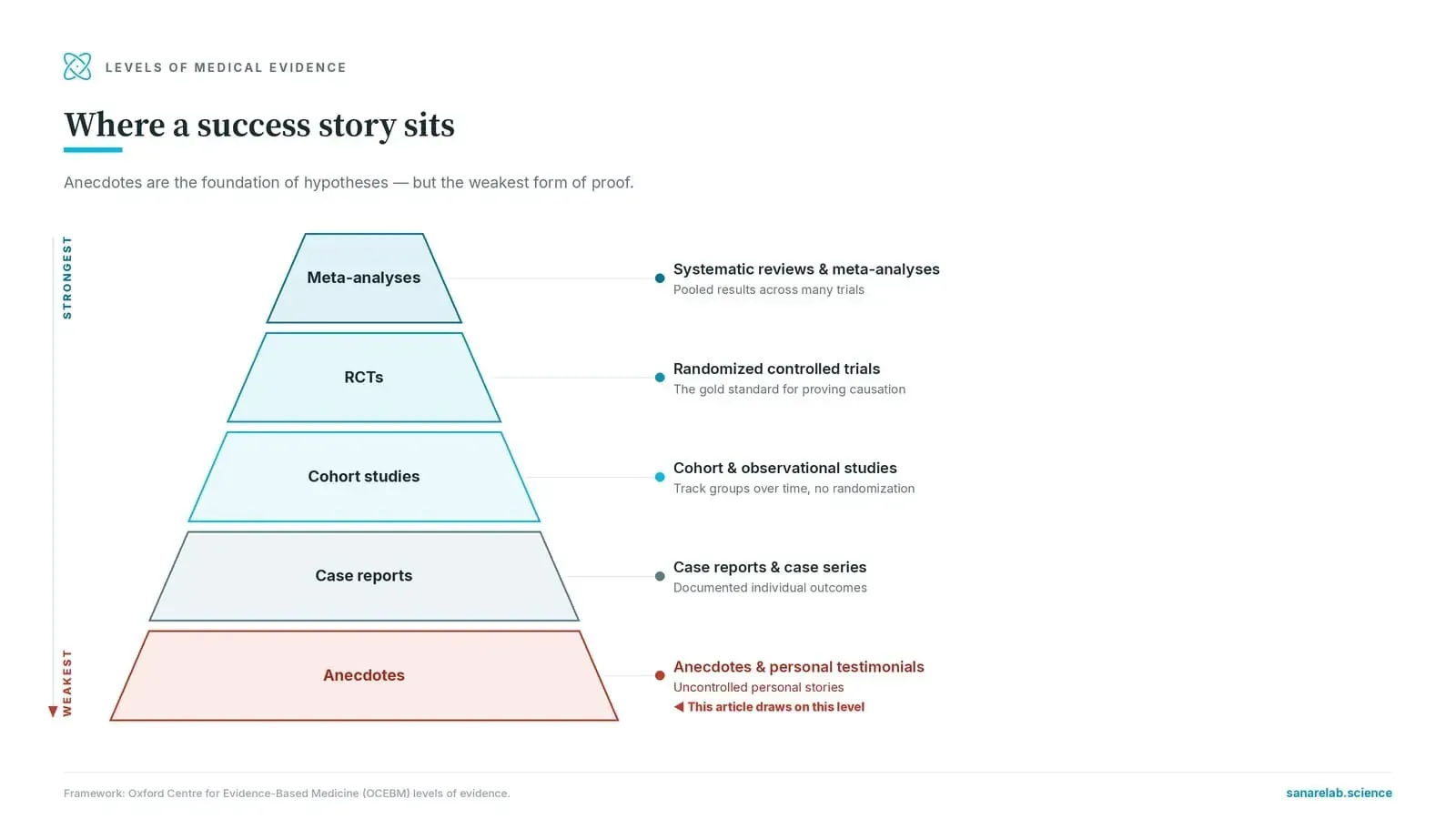
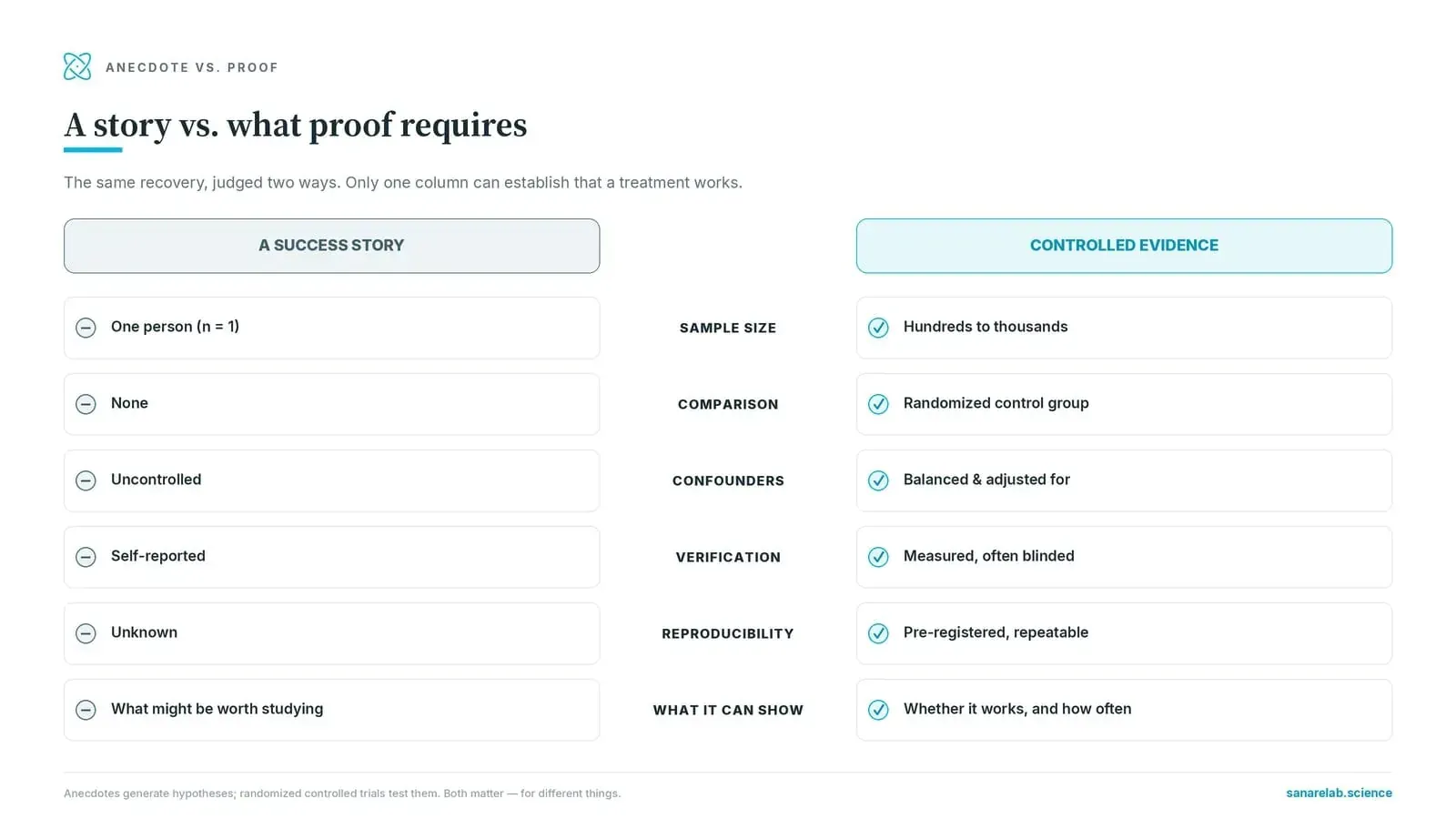
Before examining individual cases, it is important to understand where different types of evidence sit in the medical evidence hierarchy. The hierarchy, widely used in evidence-based medicine (OCEBM 2011), ranks evidence from weakest to strongest:
- Level 1 (Strongest): Systematic reviews and meta-analyses of randomized controlled trials (RCTs)
- Level 2: Individual RCTs with clear results
- Level 3: Controlled observational studies (cohort, case-control)
- Level 4: Case series and case reports
- Level 5 (Weakest): Expert opinion, anecdotal reports, testimonials
Nearly all fenbendazole "success stories" fall into Levels 4 and 5 — the weakest forms of evidence. This does not mean they are worthless: case reports have historically led to major medical discoveries. The antiemetic properties of ondansetron, the anticancer effects of cisplatin, and the immunosuppressive potential of cyclosporine all began with clinical observations and case reports. However, for every case report that led to a breakthrough, thousands represented coincidences, confounders, or unverifiable claims.
The single published case series on fenbendazole in cancer patients (Makis et al., 2025) sits at Level 4 — and was subsequently retracted, further weakening its evidentiary value. The only systematic real-world data — an MD Anderson chart review presented in January 2026 (Olutayo et al.) — records how many patients use fenbendazole, not whether it works, so it adds no evidence of benefit at any level. No Level 1 or Level 2 evidence exists for fenbendazole in human cancer as of September 2026. For context, see the registered human cancer trials.
The Joe Tippens Story (2016–2017)
Joe Tippens' case remains the most widely cited fenbendazole success story and the one that catalyzed the entire movement. Here is what we know from his publicly available account:
Patient profile:
- Age at diagnosis: Approximately 67 years old
- Diagnosis: Stage IV small cell lung cancer (SCLC) with widespread metastatic disease — tumors in lungs, neck, right hip, liver, bladder, stomach, pancreas, and tail bone
- Prognosis: Given approximately 3 months to live by his oncology team
- Prior treatment: Standard platinum-based chemotherapy (cisplatin + etoposide), but developed severe esophageal complications limiting tolerability
Timeline of events:
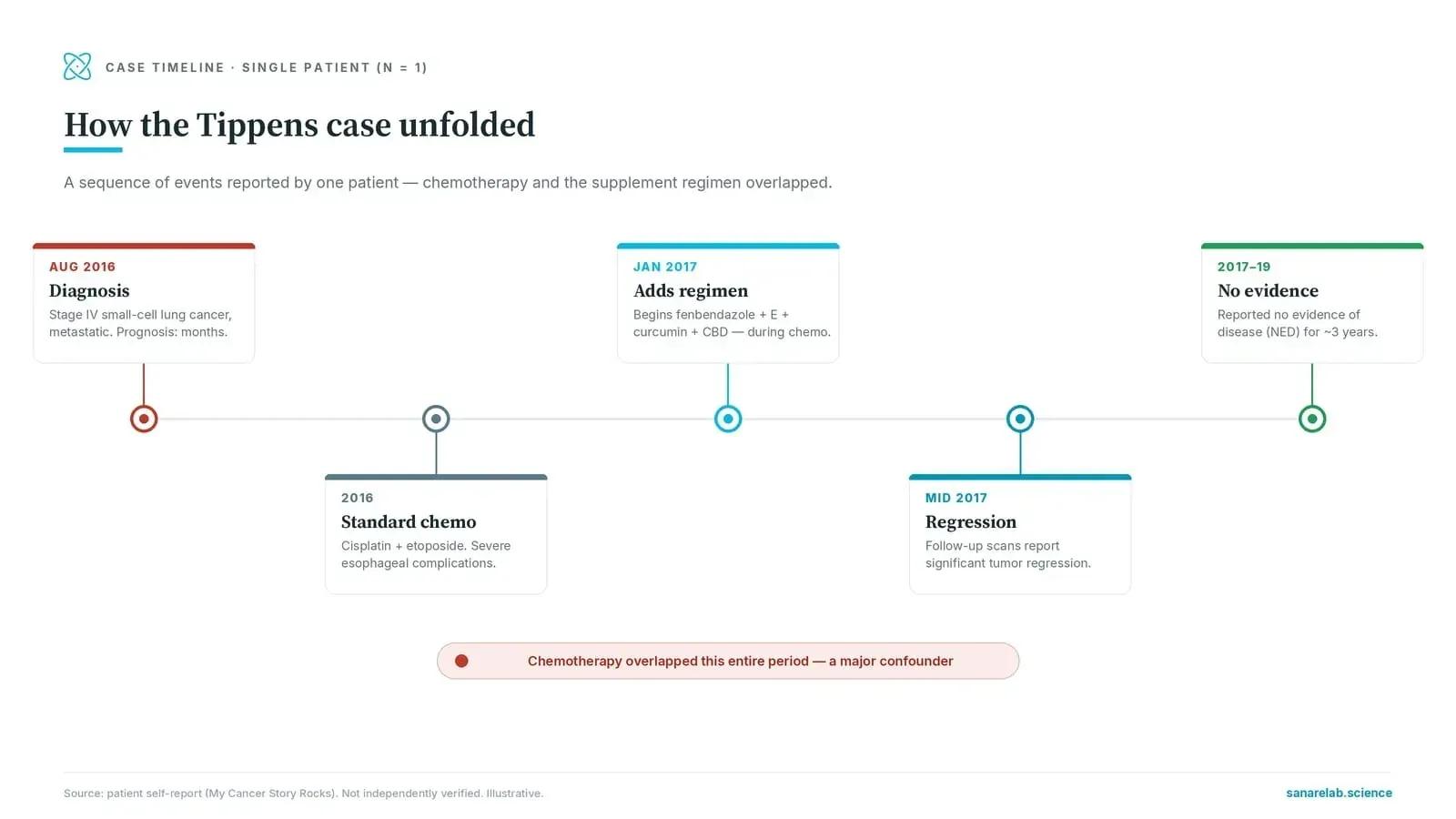
- August 2016: Diagnosed with stage IV SCLC
- September–December 2016: Received standard platinum-based chemotherapy; experienced partial response but significant side effects
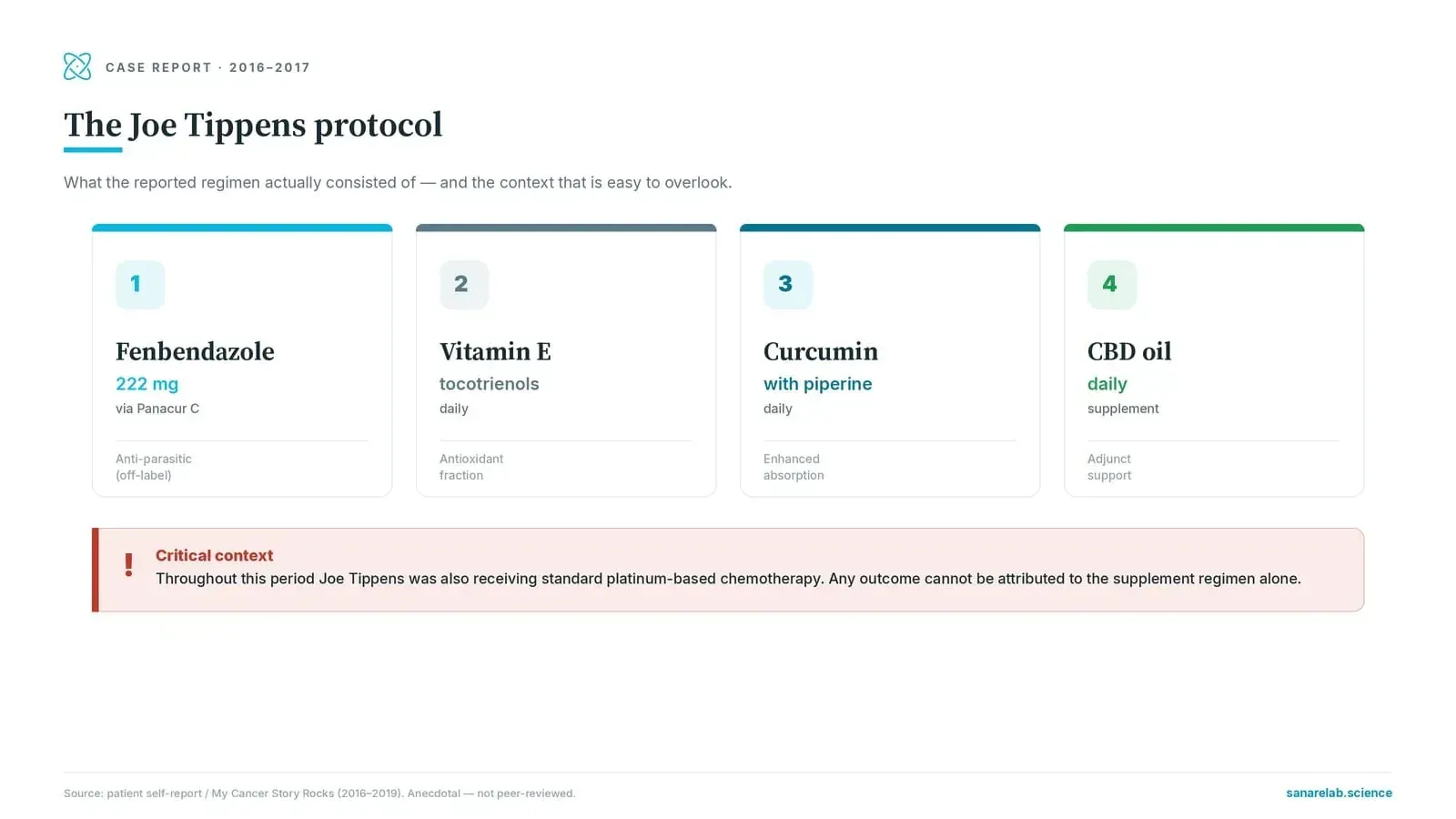
- January 2017: A veterinarian friend suggested fenbendazole based on a Merck Animal Health observation that mice with cancer given fenbendazole showed tumor regression. Joe began taking Panacur C (fenbendazole 222 mg) along with vitamin E (tocotrienols), curcumin (with piperine for bioavailability), and CBD oil.
- April–May 2017: PET scans showed significant tumor regression across all sites
- Mid-2017: Achieved no evidence of disease (NED) status
- 2017–2019: Remained NED for approximately 3 years at the time of his public reporting
Critical context that is often omitted from retellings:
- Concurrent chemotherapy: Joe was receiving standard cisplatin + etoposide chemotherapy — a regimen that achieves objective response rates of 60–80% in SCLC — during the period he began fenbendazole. Separating the chemotherapy effect from any fenbendazole effect is scientifically impossible from a single case.
- SCLC natural history: SCLC is highly chemosensitive initially, with most patients achieving significant tumor regression during first-line treatment. However, relapse is nearly universal within 6–12 months. Joe's initial response is consistent with expected chemotherapy effect; his sustained NED status is the unusual finding.
- Multi-agent supplement protocol: Joe took four compounds simultaneously (fenbendazole, vitamin E tocotrienols, curcumin, CBD oil). Even if the supplements contributed to his outcome, isolating fenbendazole's specific role from this combination is impossible.
- No independent medical verification: While Joe has publicly shared scan images and discussed his case extensively, no peer-reviewed publication has independently verified his medical records, treatment timeline, or imaging findings.
The Protocol: What Joe Tippens Actually Took
The "Joe Tippens Protocol" has become a standardized regimen widely discussed in online cancer communities. The components as described by Tippens himself are:
It is worth noting that each of these components has some level of independent preclinical evidence suggesting anticancer properties. Curcumin has been studied extensively as a modulator of multiple signaling pathways (NF-κB, STAT3, PI3K/Akt) and has shown synergistic effects with several chemotherapy agents in preclinical models. Vitamin E tocotrienols have demonstrated antiproliferative activity in breast, pancreatic, and prostate cancer cell lines. CBD has shown antiproliferative effects in glioblastoma and breast cancer models.
The multi-agent nature of this protocol is both its theoretical strength (potential synergism) and its scientific weakness (impossible to determine which component — if any — is responsible for reported benefits).
The 2025 Retracted Case Series (Makis et al.)
In 2025, a paper titled "Fenbendazole as an Anticancer Agent? A Case Series of Self-Administered Fenbendazole in Stage IV Cancers" was published in Case Reports in Oncology (PMC12215191), documenting three stage IV cancer patients using fenbendazole as part of their treatment regimen. This represented the first (and to date, only) peer-reviewed publication of fenbendazole case reports in cancer patients.
Case 1: Stage IV Breast Cancer — 58-Year-Old Woman
Diagnosis: ER+/PR+/HER2– metastatic breast cancer with bone and liver metastases
Treatment history: Prior letrozole, palbociclib. Disease progression on standard hormone therapy.
FBZ-containing regimen: Fenbendazole 222 mg daily + fulvestrant (hormonal therapy) + palliative radiotherapy to bone metastases + curcumin, vitamin E, CBD oil
Reported outcome: CA 27.29 tumor marker dropped from 316 → 26.5 U/mL over 8 months. PET scan showed no metabolic activity at any previously known disease sites. Authors reported "complete remission."
Confounders: fulvestrant is itself an effective standard treatment for hormone-receptor-positive advanced breast cancer — in the FALCON trial it outperformed anastrozole on progression-free survival (Robertson et al., 2016). Palliative radiotherapy to bone lesions may have contributed to PET normalization at those sites. The contribution of fenbendazole cannot be isolated.
Case 2: Stage IV Prostate Cancer — 76-Year-Old Man
Diagnosis: Metastatic castration-resistant prostate cancer (mCRPC) with bone metastases
Treatment history: Prior ADT (androgen deprivation therapy), abiraterone. Rising PSA on standard CRPC therapies.
FBZ-containing regimen: FBZ 222–444 mg daily + ADT (Orgovyx — relugolix) + Erleada (apalutamide) + Xgeva (denosumab) + supplements
Reported outcome: PSA became undetectable (<0.05 ng/mL). PSMA-PET/CT showed no abnormal uptake. Authors reported ">2 years NED."
Confounders: Relugolix + apalutamide is an active combination in mCRPC. Complete PSA responses can occur with novel androgen receptor pathway inhibitors, particularly in patients who had not previously received second-generation AR-targeting agents. The timing of treatment changes makes FBZ's contribution unassessable.
Case 3: Stage IV Melanoma (BRAF V600+) — 62-Year-Old Man
Diagnosis: BRAF V600E-mutant metastatic melanoma with lymph node and soft tissue metastases
Treatment history: Surgical resection of primary lesion. Two doses of nivolumab (anti-PD-1 immunotherapy).
FBZ-containing regimen: FBZ 222–444 mg daily + surgery + 2 doses nivolumab + curcumin, berberine, vitamin D
Reported outcome: Circulating tumor DNA (ctDNA) dropped from 123.37 → 0 mutant molecules/mL. Authors reported "complete remission."
Confounders: nivolumab alone produced objective responses in 40% of previously untreated patients with advanced melanoma in the CheckMate 066 trial (Robert et al., 2015). Even after only 2 doses, anti-PD-1 antibodies can produce durable responses due to sustained T-cell activation. This case is perhaps the most difficult to attribute to FBZ given the known high response rates to immunotherapy in melanoma.
Retraction and Its Implications
The paper was retracted in January 2026 (Case Rep Oncol. 2026 Jan 21;19(1):169) for two reasons:
- Undisclosed financial conflicts of interest: Authors had relationships with fenbendazole supplement manufacturers that were not disclosed at submission
- Methodological concerns: Reviewers identified issues with data presentation and outcome attribution
A retraction does not necessarily mean the reported clinical events (tumor marker declines, scan improvements) did not occur. It means the publication process was compromised, and the findings should be interpreted with substantial additional caution. The retraction specifically does not validate or invalidate fenbendazole's potential efficacy — it means this particular paper cannot be used as reliable evidence.
MD Anderson Real-World Data (2026)
At the 2026 ASCO Gastrointestinal Cancers Symposium, a team from MD Anderson Cancer Center (Olutayo, Phan, Willis and Hu) reported how often patients take ivermectin and fenbendazole without a prescription (J Clin Oncol 2026;44(2 suppl):818).
What the study did and found:
- A retrospective review of all 297,223 patients seen at MD Anderson from January 2020 to January 2024.
- 182 patients (0.06%) self-reported taking fenbendazole and 499 (0.17%) ivermectin; none were prescribed these drugs by MD Anderson.
- Fenbendazole use was most common in metastatic disease, prostate cancer and colorectal cancer; among patients with gastrointestinal cancers, 42 took fenbendazole.
- Patients reported 138 different fenbendazole doses and schedules; the authors could not determine where the drugs came from or how doses were chosen.
What it does not show:
- It is not a response or survival study: no PSA, imaging or survival outcomes were reported, and the authors state they cannot draw conclusions on efficacy.
- It is a conference abstract, not a peer-reviewed paper.
- Claims circulating online about a "27-patient Johns Hopkins prostate-cancer cohort with a 33% PSA response" do not match this abstract or any published source we could find (checked 29 September 2026).
Bottom line: there is still no controlled human outcome data for fenbendazole in any cancer. This abstract shows only that self-use is uncommon, unstandardised and largely invisible to the care team.
Community Reports: Patterns from Online Forums
Beyond the published literature, a substantial body of anecdotal reports exists across online cancer communities, including Facebook groups (with reported memberships exceeding 100,000 collectively), Reddit communities (r/fenbendazole), dedicated forums like MyCancerStory.rocks, and platforms like Inspire and Cancer Compass.
While these reports lack the rigor of published case studies, examining them in aggregate reveals patterns worth documenting. Based on review of hundreds of publicly available testimonials across these platforms:
Common characteristics of positive reports:
- Most report using fenbendazole as an add-on to conventional treatment, not as a standalone therapy
- Reported improvements range from subjective (better energy, improved appetite, reduced pain) to objective (tumor marker decline, imaging improvements)
- The most frequently reported dosing pattern mirrors the Joe Tippens Protocol (222 mg FBZ, 3 days on/4 off or daily)
- Many combine FBZ with other supplements (curcumin, vitamin E, berberine, ivermectin, CBD)
- Reports of complete remission are rare; reports of stabilization or partial response are more common
Common characteristics of negative reports:
- Disease progression despite FBZ use (usually in late-stage, heavily pretreated patients)
- Liver enzyme elevations requiring dose reduction or discontinuation (reported in approximately 5–10% of forum users who share lab work, consistent with the known hepatic metabolism profile of fenbendazole)
- Gastrointestinal side effects (nausea, diarrhea) at higher doses
- Drug interactions with standard therapies (particularly CYP enzyme-mediated interactions)
A fundamental limitation of community reporting is survivorship bias: patients who experience benefit are far more likely to continue posting and sharing their stories. Patients whose disease progresses may stop posting, leave groups, or pass away — creating an artificially optimistic picture of FBZ's effects in the aggregate forum record.
Why Might Fenbendazole Work? Mechanistic Context for Case Reports
To properly evaluate success stories, it helps to understand the biological mechanisms by which fenbendazole could — at least theoretically — affect cancer cells. The most rigorous mechanistic study is the 2018 paper by Dogra et al. published in Scientific Reports (Nature), which identified three primary mechanisms:
1. Microtubule destabilization
Fenbendazole binds to β-tubulin and disrupts microtubule polymerization — the same mechanism used by taxane chemotherapies (paclitaxel, docetaxel). A 2013 study from Yale (Duan et al., PMC3580766) demonstrated that FBZ combined with docetaxel produced additive cytotoxicity in the EMT6 mammary tumor model, confirming that FBZ acts on the same pathway as established chemotherapies. However, FBZ is a "moderate" microtubule destabilizer — significantly less potent than taxanes at clinically achievable concentrations.
2. p53 stabilization
FBZ was shown to stabilize wild-type p53 protein by reducing its interaction with MDM2 (the ubiquitin ligase that normally targets p53 for degradation). p53 is the "guardian of the genome" — when active, it promotes DNA repair, cell cycle arrest, and apoptosis in damaged cells. This mechanism is particularly relevant in cancers retaining wild-type p53 (approximately 50% of all cancers). Cancers with mutant p53 (the other 50%) may be less susceptible to this mechanism.
3. Glucose transporter (GLUT) inhibition
FBZ was found to reduce expression of GLUT transporters (particularly GLUT4), limiting glucose uptake in cancer cells. Since cancer cells typically exhibit elevated glucose metabolism (the Warburg effect), this mechanism could preferentially affect cancer cells over normal cells. This is also the proposed mechanism by which FBZ may synergize with metabolic therapies and ketogenic diets discussed in some metabolic cancer protocols.
4. Autophagy and apoptosis induction
Subsequent studies have shown FBZ induces both autophagy (cellular self-digestion) and apoptosis (programmed cell death) through caspase-dependent and independent pathways. A 2020 study in Cell Death Discovery demonstrated that FBZ triggered ferroptosis-related pathways in colorectal cancer cells, suggesting an additional mechanism relevant to colorectal and pancreatic cancers.
Bioavailability limitation: The major pharmacological challenge is that fenbendazole has extremely low oral bioavailability in humans (estimated at <10%). The plasma concentrations achieved after oral dosing of 222–444 mg are significantly below the concentrations used in cell culture studies that demonstrated anticancer effects. Whether sufficient intratumoral drug concentrations can be achieved at standard oral doses remains an unanswered question. A 2025 study combining FBZ with diisopropylamine dichloroacetate (DADA) for lung cancer showed improved in-vivo efficacy through combination therapy that may partially address this bioavailability limitation (Li et al., 2025).
Additional Case: DLBCL Monotherapy Report
Consolidated from a previous standalone case-series article to reduce duplicate ranking signals.
The DLBCL Case: FBZ as Monotherapy
The PMC12215191 discussion section references a fourth case that is arguably more provocative from a mechanistic standpoint: a published case report of Stage IVa diffuse large B-cell lymphoma (DLBCL) in which the patient declined chemotherapy entirely and achieved disease regression on fenbendazole monotherapy at 1 g/day.
In this case, an 83-year-old male presented with heartburn, difficulty swallowing, and fatigue. Esophagogastroduodenoscopy revealed a superficial duodenal ulcer that biopsied as DLBCL (GCB subtype; FISH negative for c-MYC, BCL2, BCL6). A PET/CT staged him at IVa, showing hypermetabolic activity in the gastric antrum/proximal duodenum, periaortic lymph node, and pulmonary nodules. The patient was offered chemotherapy but declined due to concerns about side effects, and instead began self-researching and initiated FBZ at approximately 1 g/day.
Key timeline of the DLBCL case:
- After 6 months on 1–6 tabs/day of FBZ, he tapered to 1–3 tabs daily due to peripheral neuropathy (a notable adverse effect not seen in the Makis series)
- Repeat CT revealed smaller mediastinal lymph nodes
- Subsequent PET/CT showed improved lymphadenopathy from prior scans
- A further PET/CT 3 months later (patient now at 3 tabs weekly) revealed interval improvement with no new lesions
- After 12 months of follow-up, continued disease regression with no chemotherapy administered
The significance of this case is that it removes the confounding variable of concurrent conventional therapy. For more details, see our guide on fenbendazole and lung cancer. In all three cases in PMC12215191, other therapies were present. In the DLBCL case, FBZ operated largely as a solo agent — though the authors of that report still acknowledge that whether the regression was due to FBZ or other factors "still unknown." The case was published by Abughanimeh, Evans, and Kallam at the University of Nebraska Medical Center / Fred & Pamela Buffett Cancer Center (Austin Publishing Group, 2020). DLBCL, notably, can in rare cases undergo spontaneous remission — a significant caveat.
For readers interested in how fenbendazole compares mechanistically with other antiparasitic agents investigated in oncology, our article on Ivermectin in Cancer Protocols provides a useful parallel reference.
Pattern Analysis: What Positive Cases Share
Examining the available case reports and community data, several patterns emerge among patients who report positive outcomes:
Key observation: The pattern of responses — where a subset of patients shows meaningful responses while others do not — is consistent with the hypothesis that FBZ may have activity in a pharmacogenomically selected subset of patients. Alternatively, it is equally consistent with the expected statistical distribution of natural disease variation, treatment response heterogeneity, and reporting biases.
Which Cancer Types Report Better Responses?
Across anecdotal reports and the limited published data, certain cancer types appear more frequently in positive fenbendazole narratives. It is critical to note that this pattern may reflect Internet visibility (lung cancer and prostate cancer have the largest online support communities) rather than true differences in FBZ efficacy across tumor types.
Critical Confounders: Why Success Stories Can Mislead
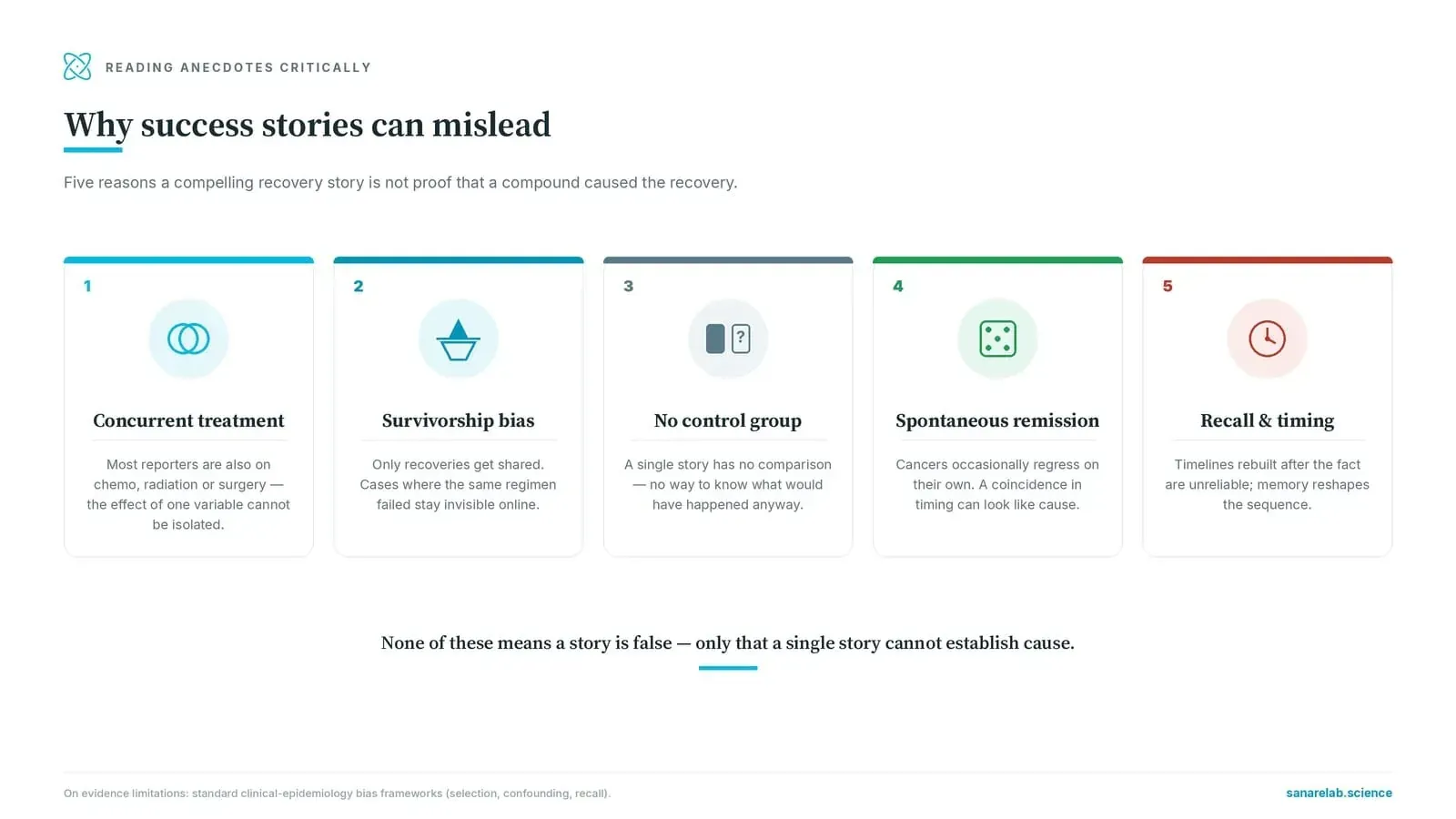
When analyzing reported successes, six major confounding factors must be considered. Understanding these is not about dismissing success stories — it is about interpreting them accurately and honestly.
1. Confounding Therapies — The Elephant in the Room
Approximately 90% of reported "fenbendazole success stories" involve patients who were simultaneously receiving standard cancer treatments with known efficacy. In Joe Tippens' case, cisplatin + etoposide achieves 60–80% response rates in SCLC. In the Makis cases, fulvestrant, apalutamide, and nivolumab are all active agents with demonstrated efficacy in their respective cancer types.
This is the single largest confounder. When someone takes fenbendazole alongside chemotherapy and their tumor shrinks, the most parsimonious explanation is that the chemotherapy — which has decades of evidence supporting its efficacy — is doing the work. FBZ may be contributing, but this cannot be determined from non-controlled observations.
2. Survivorship and Reporting Bias
People who experience positive outcomes are dramatically more likely to share their stories publicly. Consider a hypothetical scenario: 1,000 cancer patients try fenbendazole. If 50 experience benefit and 950 do not, but the 50 share their stories and only 10 of the 950 post about their lack of response, the online record will show an 83% "success rate" (50 out of 60 reports) — when the actual rate is 5%. This is a well-documented phenomenon in medical literature (PMID 20181324).
3. Lead-Time Bias
Patients motivated enough to research and add fenbendazole to their regimen are also more likely to pursue aggressive follow-up imaging and testing. Earlier detection of response via more frequent scans may create the appearance of "faster" or "better" response when the same outcome would have been observed (later) in the standard follow-up schedule.
4. Selection Bias in Patient Populations
People who self-select fenbendazole use tend to have higher health literacy, better nutritional status, greater access to healthcare, stronger social support networks, higher motivation for disease management, and better baseline performance status. All of these factors independently associate with better cancer outcomes regardless of fenbendazole use.
5. Placebo Effect and Subjective Improvement
The placebo response in cancer is well-documented. Patients who feel they are "doing something" by adding fenbendazole may experience genuine improvements in subjective measures (energy, appetite, pain perception, sleep quality, mood) through psychological mechanisms — reduced anxiety from taking action, increased sense of control over their disease, and expectation effects. These are real improvements in quality of life, but they are not evidence of anticancer drug activity.
6. Spontaneous Regression and Natural Disease Variation
Spontaneous regression of cancer — partial or complete disappearance of malignant tumors without treatment or with treatment considered inadequate — is a rare but documented phenomenon, occurring in an estimated 1 in 60,000–100,000 cancer cases. When someone takes fenbendazole and experiences unusual tumor regression, spontaneous regression is a competing explanation that must be considered.
When Success Stories Don't End Well: Documented Harm Reports
For every positive anecdote, there are cases where self-administered fenbendazole caused measurable harm. These adverse outcomes rarely achieve the same online visibility as remission stories — a phenomenon known as publication bias in social media — but they are increasingly documented in the medical literature.
The pattern in these harm reports is consistent: liver injury is dose-dependent and reversible upon discontinuation, but it can be severe enough to require hospitalization and to disrupt ongoing cancer treatment. The risk appears elevated when fenbendazole is combined with other hepatotoxic agents — particularly immune checkpoint inhibitors, which can independently cause immune-mediated hepatitis.
These cases also reveal a concerning pattern: patients frequently did not disclose fenbendazole use to their oncologists. In the MD Anderson review, use was known only because patients self-reported it — the authors could not tell where the drugs came from or how doses were chosen. Non-disclosure creates a diagnostic blind spot — when liver enzymes rise during immunotherapy, clinicians may attribute it to drug hepatotoxicity from the prescribed regimen rather than to an undisclosed supplement, potentially leading to unnecessary treatment modifications.
For comprehensive liver safety data, see our Fenbendazole Liver Safety & Side Effects guide.
Survivorship Bias: The Invisible Filter on Success Stories
The most fundamental challenge in interpreting fenbendazole success stories is survivorship bias — the logical error of concentrating on people who survived a process while overlooking those who did not, simply because they are no longer visible.
Consider the mechanics: if 10,000 people with advanced cancer try fenbendazole:
- Those who experience remission (from any cause — including concurrent standard treatment, spontaneous regression, or delayed response to prior therapy) are motivated to share their story online.
- Those who see no benefit typically stop treatment quietly and may not post about it.
- Those who experience harm may be too ill to post, may feel embarrassed about having tried an unproven treatment, or may not connect their adverse outcome to fenbendazole.
- Those who die cannot post at all — and their family members rarely attribute the death to the failure of an experimental supplement.
The result is a systematically filtered narrative where positive outcomes are overrepresented by orders of magnitude. This is not unique to fenbendazole — every uncontrolled health intervention throughout history has been subject to the same bias, from Laetrile in the 1970s to high-dose vitamin C in the 1990s.
This doesn't mean every success story is false — some may represent genuine biological responses. But it means that the ratio of successes to failures seen online bears no relationship to the actual ratio in the real-world population trying the drug. Only controlled clinical trials, which track all participants regardless of outcome, can establish whether fenbendazole truly improves outcomes beyond what standard treatment alone achieves.
What a Credible Case Report Actually Looks Like
Not all case reports are equal. In evidence-based medicine, a credible case report should meet specific methodological standards — and understanding these standards helps patients and families evaluate the claims they encounter online.
The CARE (CAse REport) guidelines established in 2013 provide a framework for clinical case reporting. A credible fenbendazole case report should include:
- Complete medical history — all prior and concurrent treatments, comorbidities, and medications must be disclosed.
- Objective imaging — CT, MRI, or PET scans with timestamps and radiologist interpretation, not patient-reported symptoms alone.
- Laboratory data — tumor markers, liver function tests, and other relevant bloodwork over time.
- Timeline — clear chronology showing when fenbendazole was started relative to other treatments and when response was first observed.
- Confounding disclosure — honest acknowledgment of concurrent treatments, dietary changes, or other interventions that could explain the outcome.
- Peer review — publication in a journal with independent editorial review, not self-published on personal blogs or social media.
By these standards, the vast majority of online fenbendazole "success stories" fall short — most lack imaging data, do not disclose full treatment histories, and are shared on platforms with no editorial oversight. The retracted Makis case series (2025) — while it did follow CARE guidelines and provided imaging, markers, and timelines — was undermined by an undisclosed financial conflict of interest. Even well-structured case reports remain the lowest tier of clinical evidence, capable only of generating hypotheses, never of proving causation.
How to Evaluate a Fenbendazole Success Story
For patients and caregivers encountering fenbendazole testimonials — whether from a friend, online forum, or social media — here is a practical framework for evaluation:
Questions to ask about any success story:
- What other treatments was the person receiving? If they were on chemotherapy, immunotherapy, or hormone therapy, the standard treatment is the more likely explanation for improvement.
- What was the cancer type and stage? Some cancers (e.g., SCLC, HL, testicular) have high chemotherapy response rates that may be mistakenly attributed to fenbendazole.
- How was "success" defined? A PSA decline is different from a complete radiographic response. "Feeling better" is different from "tumor shrinkage." Specificity matters.
- What was the timeline? If improvement coincided with starting new conventional treatment, attribution to FBZ is highly questionable.
- Was there independent verification? Medical records, pathology reports, and imaging studies reviewed by a treating oncologist provide stronger evidence than self-reported outcomes.
- Does the source have financial conflicts? Some testimonials are promoted by supplement manufacturers or affiliates with financial interest in FBZ product sales.
- What happened to patients who did NOT respond? One success story among hundreds of unreported failures creates a false picture of efficacy.
A story is more credible when:
- FBZ was used as a sole agent (extremely rare in reports)
- Objective imaging (CT, PET, MRI) confirms tumor response
- An independent oncologist verifies the medical records
- The timeline shows response only after FBZ was added (not during concurrent treatment changes)
- The person discloses all treatments, supplements, and lifestyle changes
A story is less credible when:
- Multiple concurrent treatments make attribution impossible
- Only subjective improvement is reported (no imaging or markers)
- The story is promoted alongside product sales links
- Key details (cancer subtype, staging, prior treatments) are vague or missing
- No follow-up beyond the initial "success" is reported
Estimate a weight-based regimen with our protocol calculator.
Frequently Asked Questions
Is Joe Tippens' remission proof that fenbendazole works?
No. A single anecdotal remission, even compelling, is not proof of causation. Joe was receiving standard platinum-based chemotherapy — a regimen achieving 60–80% response rates in SCLC — during his remission. Multiple other factors (supplements, supportive care, favorable disease biology) could explain his outcome. His story is valuable for generating scientific interest and hypotheses, but it is not proof.
What does "anecdotal evidence" mean?
Anecdotal evidence is a personal story or testimony. In the medical evidence hierarchy, it occupies the lowest level — below randomized clinical trials, case series with control groups, and observational studies. Anecdotes can suggest hypotheses worth testing but cannot prove efficacy or safety. The distinction matters because human cognition is wired to find stories more persuasive than statistics, creating a systematic bias toward overweighting anecdotes.
How many people have reported success with fenbendazole for cancer?
Exact numbers are unknown — no registry or systematic survey exists. Hundreds of testimonials are available across online forums and social media groups. However, these are self-selected reports (successes are far more likely to be shared than failures) and lack systematic follow-up, dosage verification, or independent medical confirmation.
Are the reported success cases typical or exceptional?
Exceptional. No controlled data exist on how often people who take fenbendazole respond; every published remission occurred alongside standard treatment. Complete remissions reported in the Makis case series were concurrent with active conventional treatments. The true "response rate" to fenbendazole as a single agent remains completely unknown.
Should I expect remission if I use fenbendazole?
No. Basing expectations on exceptional outcomes (Joe Tippens' case, selected Makis patients) is not appropriate for personal decision-making. Your cancer's biology, stage, molecular subtype, prior treatments, and overall health all affect response to any therapy. Discuss realistic expectations — and the risks of delaying or modifying standard treatment — with your oncologist. For dosage considerations, see our fenbendazole dosage guide.
Are there any ongoing clinical trials for fenbendazole in cancer?
As of 29 September 2026, no registered Phase I, II, or III clinical trials of fenbendazole in cancer patients are listed on ClinicalTrials.gov. However, the related benzimidazole mebendazole has been studied in clinical trials for glioblastoma, colorectal cancer, and other malignancies (see our FBZ vs mebendazole comparison).
What is the difference between fenbendazole case reports and the clinical data for approved cancer drugs?
Approved cancer drugs undergo a rigorous development process: Phase I (safety, dose-finding), Phase II (preliminary efficacy), and Phase III (randomized comparison against standard of care or placebo). This process typically involves thousands of patients and costs $1–2 billion. Fenbendazole has completed none of these steps in humans. The entire evidence base consists of preclinical studies (cell lines and mice), one retracted case series, one retrospective abstract, and anecdotal reports — a fundamentally different level of evidence from what supports approved therapies.
Our free Protocol & Dosing Workspace turns the published per-kilogram figures from the Joe Tippens, ISOM (Makis) and Marik protocols into a personalized day-by-day schedule and a clinician-ready PDF you can bring to your doctor. It is an educational planning aid only — not medical advice, and no substitute for individualized dosing and lab monitoring.
What People Report Online: Fenbendazole Success Stories
Behind the laboratory papers sits a large, restless online conversation. On Reddit and patient forums, people sharing fenbendazole success stories — and the relatives caring for them — trade experiences with fenbendazole, usually following some version of the Joe Tippens protocol. To save you from digging through dozens of scattered threads, we have gathered the most relevant, on-topic discussions in one place, together with an honest guide to what these accounts can and cannot tell you.
How to read these reports
These are personal stories, not clinical evidence. They are uncontrolled, self-reported, and impossible to verify independently.
In almost every account, the person was also receiving standard treatment — chemotherapy, immunotherapy, radiotherapy, or surgery — at the same time as fenbendazole. When someone improves on two therapies at once, the result cannot be credited to fenbendazole alone; the conventional treatment is the far more likely explanation.
Encouraging stories are also shared far more often than disappointing ones, so online threads skew positive (survivorship and publication bias).
The useful way to read them is as questions worth raising with your oncologist — not as a protocol to copy on your own.
Shop Sanare Lab
Lab-tested products referenced in the research above — order direct from Sanare Lab.
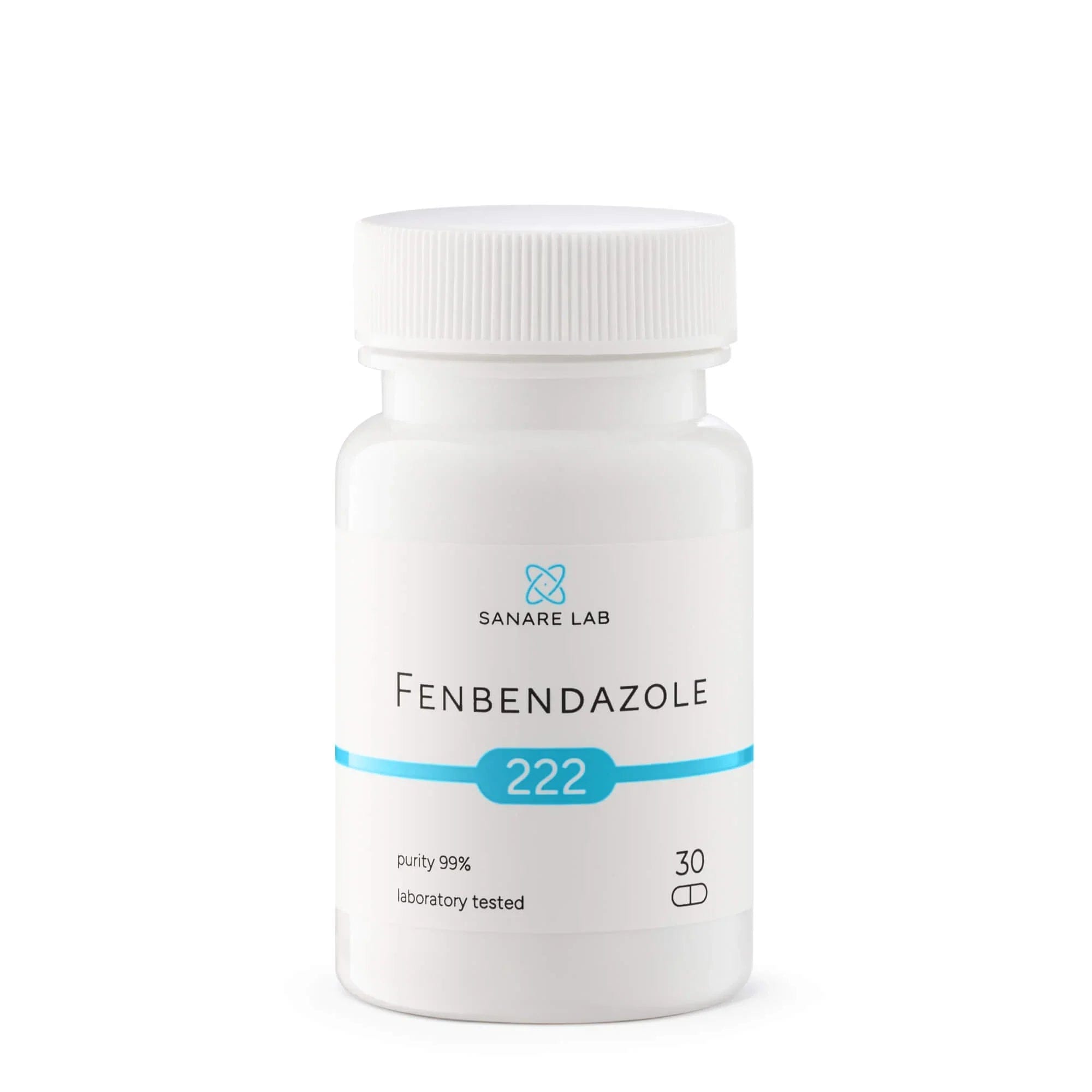
Pharmaceutical grade
Fenbendazole 222 mg
99%+ purity, third‑party lab tested.
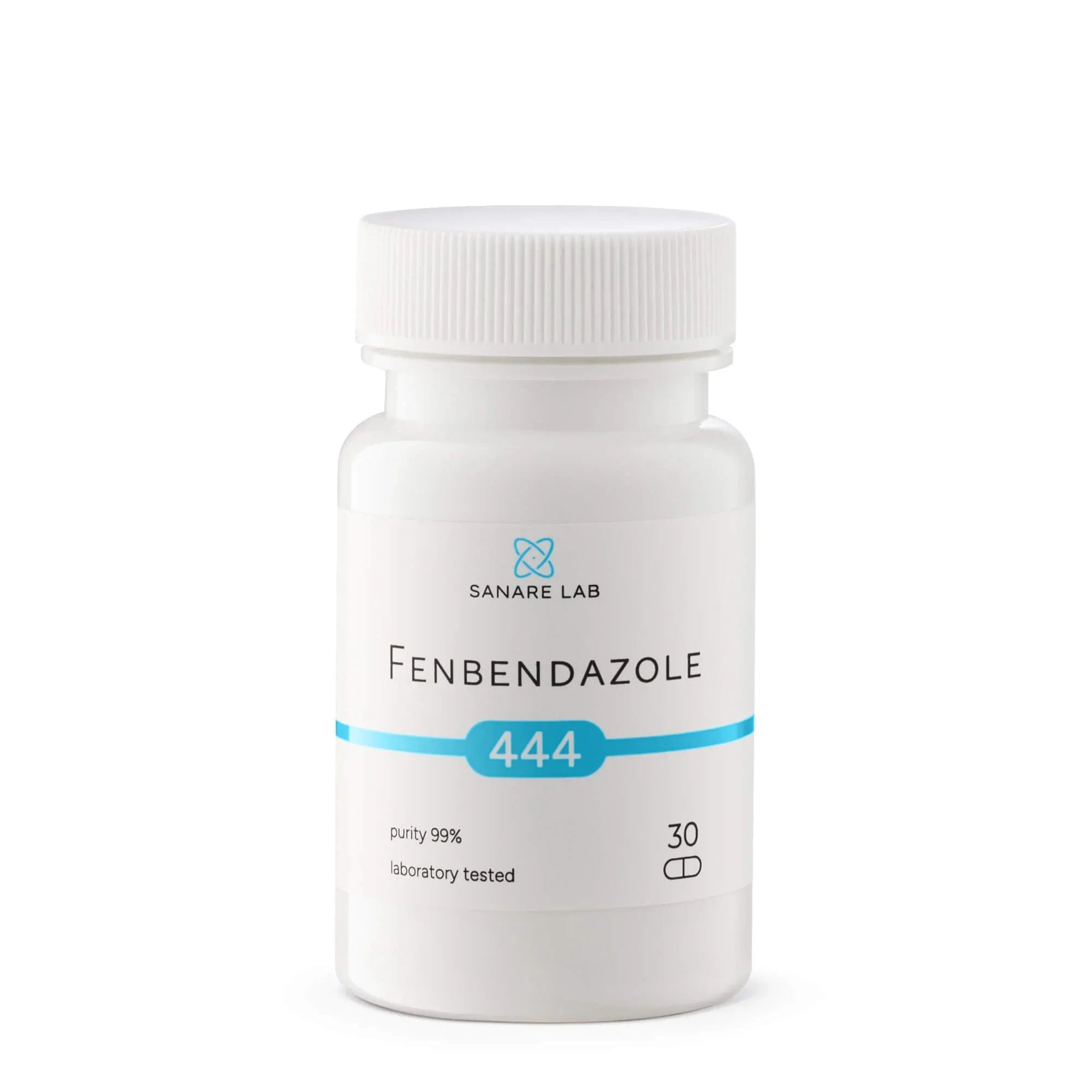
Pharmaceutical grade
Fenbendazole 444 mg
Double strength, 99%+ purity, lab tested.
Daily adjunct
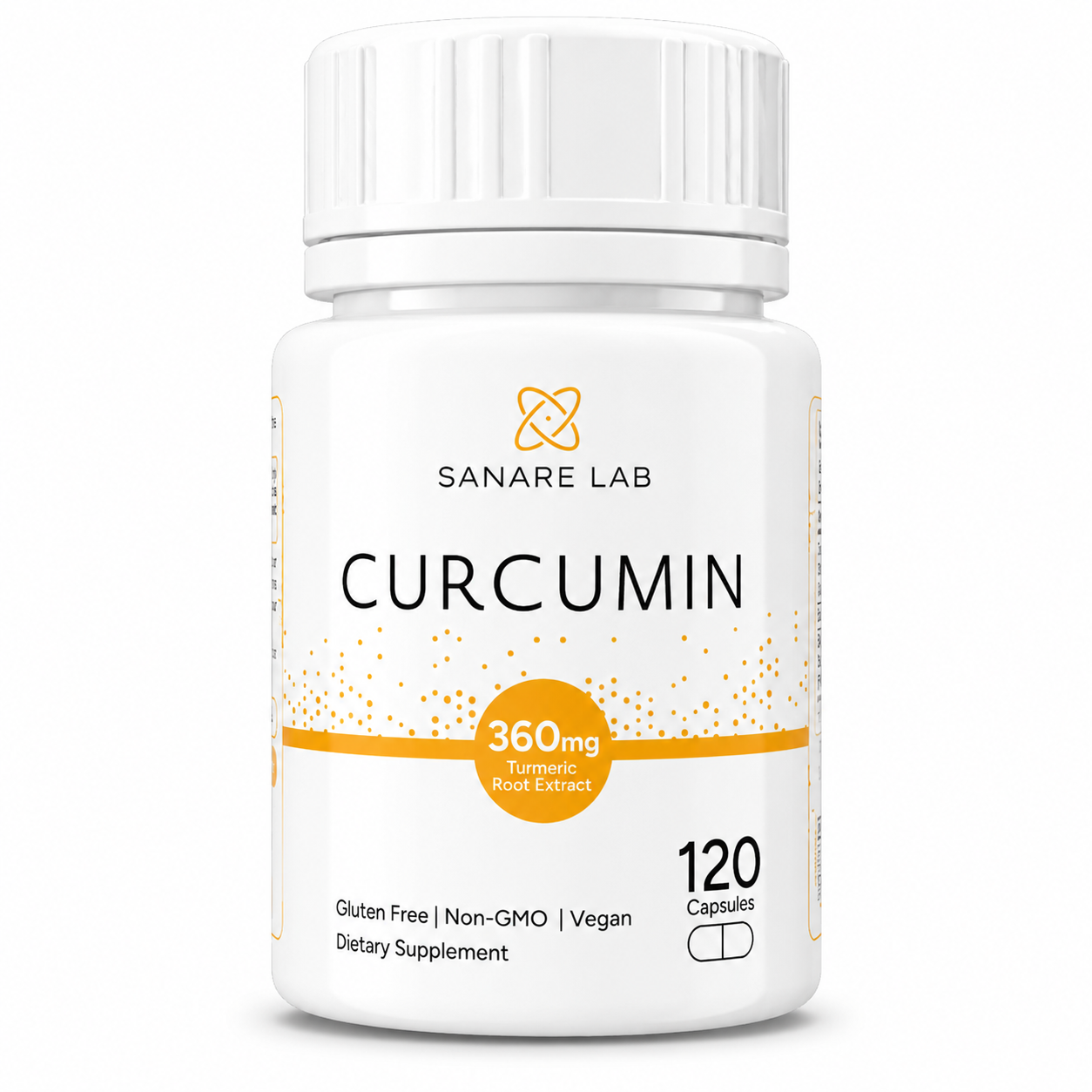
Curcumin 360 mg
95% curcuminoids with black pepper extract.
Prices checked September 2026 and may change; the store page shows the current price.
Disclaimer: Links are informational and for convenience. This site does not provide medical advice. Always verify product quality, labeling, and consult a licensed professional for health decisions.
Scientific References
- Dogra N, Kumar A, Mukhopadhyay T. (2018). Fenbendazole acts as a moderate microtubule destabilizing agent and causes cancer cell death by modulating multiple cellular pathways. Scientific Reports (Nature), 8, 11926. PMC6103891
- Duan Q, Liu Y, Rockwell S. (2013). Fenbendazole as a potential anticancer drug. Anticancer Research, 33(1), 355–362. PMC3580766
- Makis W, Baghli I, Martinez P. (2025). Fenbendazole as an anticancer agent? A case series of self-administered fenbendazole in stage IV cancers. Case Reports in Oncology. PMC12215191 [Retracted Jan 2026]
- Olutayo E, Phan MV, Willis J, Hu ZI. (2026). A single institutional experience on patterns of ivermectin and fenbendazole use among patients with gastrointestinal cancers. Journal of Clinical Oncology, 44(2 suppl), 818 (ASCO GI Cancers Symposium, MD Anderson Cancer Center). doi:10.1200/JCO.2026.44.2_suppl.818
- Li M, et al. (2025). Fenbendazole combined with diisopropylamine dichloroacetate inhibits lung cancer tumor growth in vivo. Translational Lung Cancer Research. TLCR 2025
- Ichinose P, Miró MV, Larsen K, Lifschitz A. (2024). Unravelling drug-drug interactions in pigs: induction of hepatic cytochrome P450 1A (CYP1A) metabolism after the in-feed medication with the anthelmintic fenbendazole. Research in Veterinary Science, 167, 105113. PMID 38141570
- Florio R, et al. (2019). The benzimidazole-based anthelmintic parbendazole: a repurposed drug candidate that synergizes with gemcitabine in pancreatic cancer. Cancers (Basel), 11(12), 2042. PMC6966614
- Joe Tippens. (2017). Personal testimony: Stage IV small cell lung cancer remission. MyCancerStory.rocks
- Howick J, et al. (2011). The 2011 Oxford CEBM Levels of Evidence. Oxford Centre for Evidence-Based Medicine. OCEBM 2011
- Song F, et al. (2010). Dissemination and publication of research findings: an updated review of related biases. Health Technology Assessment. PMID 20181324
- Challis GB, Stam HJ. (1990). The spontaneous regression of cancer: a review of cases from 1900 to 1987. Acta Oncologica, 29(5), 545–550. PMID 2206563
- Robert C, et al. (2015). Nivolumab in previously untreated melanoma without BRAF mutation. NEJM, 372(4), 320–330. PMID 25399552
- Horn L, et al. (2018). First-line atezolizumab plus chemotherapy in extensive-stage small-cell lung cancer. NEJM, 379(23), 2220–2229. PMID 30280641
- Robertson JFR, et al. (2016). Fulvestrant 500 mg versus anastrozole 1 mg for hormone receptor-positive advanced breast cancer (FALCON). Lancet, 388(10063), 2997–3005. PMID 27908454
Medical Disclaimer
This article is for educational and informational purposes only. It is not intended to be a substitute for professional medical advice, diagnosis, or treatment. Always seek the advice of your physician or other qualified health provider with any questions you may have regarding a medical condition. Never disregard professional medical advice or delay in seeking it because of something you have read on this website.
Dr. Andrew Ellison, MD
Science editor and health researcher at Sanare Lab, covering evidence-based wellness, emerging compound research, clinical studies, and practical health protocols. Content is educational and does not replace medical advice.