
Panacur C: 77% Hidden Excipients Make It Unsafe for Humans
Complete guide to the viral fenbendazole cancer protocol. Learn exact dosages, supplement combinations, and real patient outcomes from the man who started it all.
 By Dr. Andrew Ellison, MD · July 13, 2026 · 24 min read
This article is for research and informational purposes only. It does not constitute medical advice. Do not self-prescribe. Always consult a qualified healthcare provider before using any supplement, especially alongside cancer treatment.
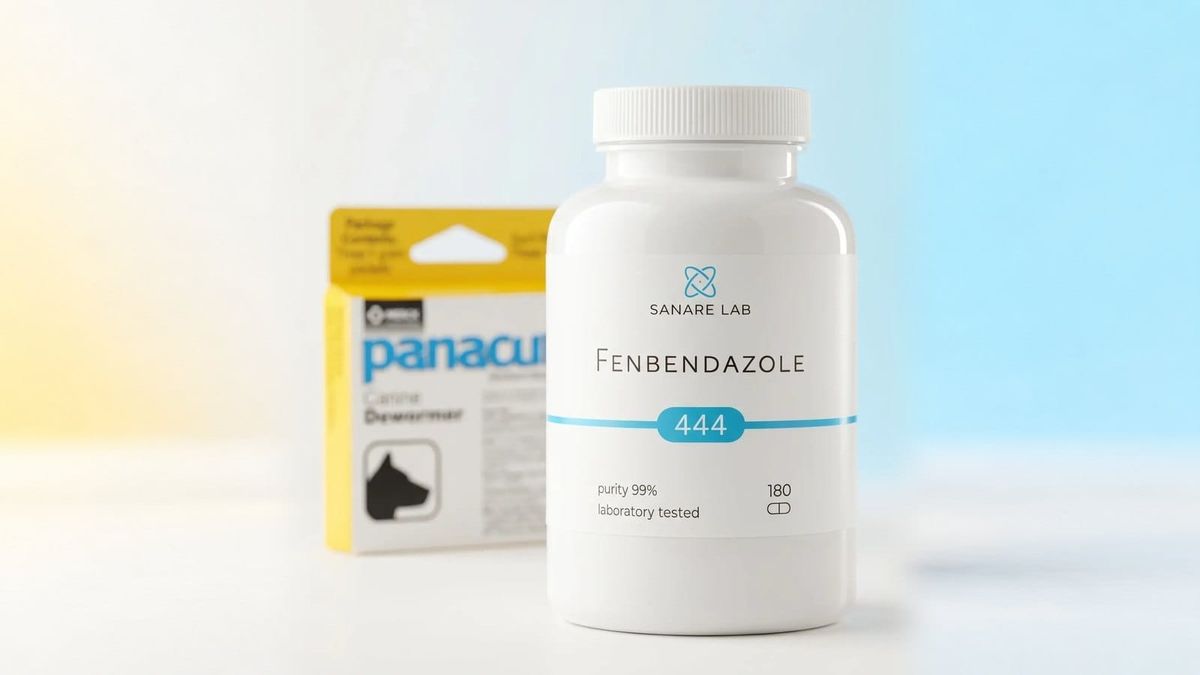
Panacur C is a veterinary deworming medication manufactured by Merck Animal Health, primarily formulated for dogs, where it is proven effective against roundworms and hookworms. Despite its intended use, many individuals have turned to Panacur C for off-label human protocols, particularly cancer-related applications. However, recent analysis reveals a critical safety concern: 77.8% of each Panacur C sachet consists of undisclosed excipients — inactive ingredients not listed on the U.S. product label. These Panacur C excipients include lactose monohydrate, povidone K25, and corn starch, all formulated for canine consumption. This article examines why Panacur C poses unique risks for human consumption and presents pharmaceutical-grade alternatives designed with human safety standards.
Table of Contents
- What Is Panacur C?
- Panacur C Composition: The 77% Problem
- Hidden Excipients in Panacur C: What You're Really Taking
- Why Panacur C Is Dangerous for Humans
- Safe Alternatives: Pharmaceutical-Grade Fenbendazole
- The Joe Tippens Protocol: Use Clean Fenbendazole
- How to Identify Safe Fenbendazole Products
- Panacur C vs Pharmaceutical-Grade Fenbendazole
- Is Panacur C Safe for Humans?
- Panacur C for Cancer: What You Need to Know
- Published Case Reports: Liver Injury
- Human Pharmacokinetics
- Beyond Panacur C: Safe-Guard & Other Forms
- Frequently Asked Questions About Panacur C
- Case Reports: Why Patients Avoid Panacur C
- Regulatory Status
- Conclusion: Choose Safety Over Convenience
- Scientific References
TRANSPARENCY & SAFETY CONCERNS
Panacur C is a veterinary product with 77.8% undisclosed excipients on the U.S. label.
- Undisclosed composition: 77.8% of the product consists of excipients (lactose, povidone, corn starch) not listed on the U.S. label
- Veterinary formulation: Designed for dogs, not formulated with human safety disclosure standards
- Documented sensitivities: Medical literature contains case reports of hypersensitivity reactions to these excipients, though such reactions are rare
- Not FDA-approved for human use: No oversight for human consumption safety
- Monthly accumulation: ~9.3 grams of undisclosed excipients on standard protocols
For human cancer protocols, pharmaceutical-grade fenbendazole with disclosed composition and third-party testing is recommended. See safe alternatives below ↓
What Is Panacur C?
Panacur C is a veterinary anthelmintic (anti-parasitic) product manufactured by Merck Animal Health (MSD), marketed under the Zoetis distribution network. It is approved exclusively for treating parasitic infections in dogs — including hookworms, roundworms, whipworms, and Giardia.
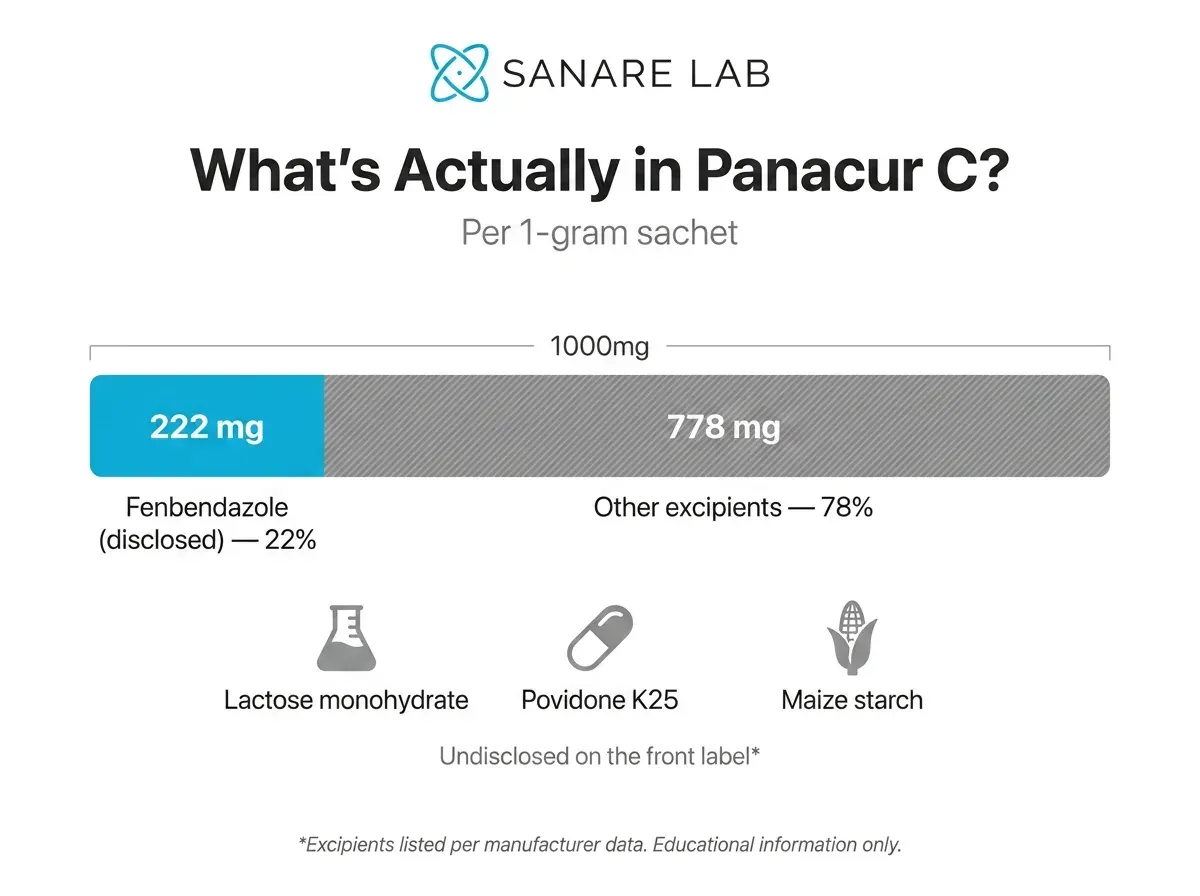
Each 1-gram sachet of Panacur C contains:
Despite being formulated exclusively for dogs, Panacur C gained widespread popularity among humans following the Joe Tippens Protocol — an anecdotal cancer treatment regimen. However, the fact that nearly 78% of each sachet consists of undisclosed, veterinary-grade excipients is a critical safety concern that most users are unaware of.
Unlike human pharmaceutical products, which are required by the FDA to disclose all inactive ingredients on labels, veterinary OTC products are exempt from excipient disclosure under FDA 21 CFR 201.105. This means you have no way of knowing what's in Panacur C from the US label alone.
Panacur C Composition: The 77% Problem
A detailed investigation by TheFenbendazole.com revealed the full excipient composition of Panacur C, confirmed through the UK VMD Summary of Product Characteristics (SPC) — a regulatory document not available on US packaging.
Hidden Excipients in Panacur C: What You're Really Taking
Quick Answer: What Are the Hidden Excipients in Panacur C?
Panacur C contains three undisclosed excipients that make up 77.8% of the product: lactose monohydrate (dairy-derived filler), povidone K25 (synthetic polymer binder), and corn starch (disintegrant). These Panacur C ingredients are NOT listed on the U.S. front label.
The three hidden excipients in every Panacur C sachet are:
1. Lactose Monohydrate (Filler/Diluent)
Lactose monohydrate is a dairy-derived sugar used as a bulking agent. While common in pharmaceuticals, it carries specific risks:
- Milk protein contamination: Trace casein and whey proteins may remain after processing
- Documented reactions: The European Medicines Agency (EMA) published a 2016 guideline noting that lactose-containing medications have been associated with rare cases of reactions in milk-allergic patients
- Lactose intolerance: Approximately 68% of the global population has some degree of lactose malabsorption, with higher prevalence in Asian, African, and Hispanic populations
- Cumulative exposure: On a standard protocol, users consume significant quantities of dairy-derived filler monthly
2. Povidone K25 (Binder)
Povidone (polyvinylpyrrolidone/PVP) is a synthetic polymer used to bind ingredients together. Despite being widely used in pharmaceuticals, povidone has a documented allergenic profile:
- IgE-mediated hypersensitivity: Medical literature contains case reports of anaphylactic reactions from povidone exposure in medical settings, though such reactions are uncommon
- Cross-reactivity: Allergic reactions can occur across all povidone grades (K17, K25, K90) — meaning sensitivity to one form can trigger reactions to others
- Surgical complications: Povidone-iodine (Betadine) anaphylaxis cases have highlighted the allergenic potential of the povidone molecule itself
- Difficult to diagnose: Povidone allergies are frequently misattributed to active ingredients rather than the binder
3. Maize Starch (Disintegrant)
Maize (corn) starch helps the granules break apart when mixed with food or water. However:
- Undisclosed ingredient: A 2024 study found that approximately 37% of medications contain maize starch, yet it often goes undisclosed on labels
- Rare documented reactions: The same review identified rare case reports of corn-related reactions from pharmaceutical excipients
- Not disclosed: US Panacur C labels do not list maize starch, making it impossible for corn-allergic individuals to identify the risk
- GMO concerns: Veterinary-grade maize starch may not meet the same sourcing standards as pharmaceutical-grade products
Excipient Accumulation Over Time
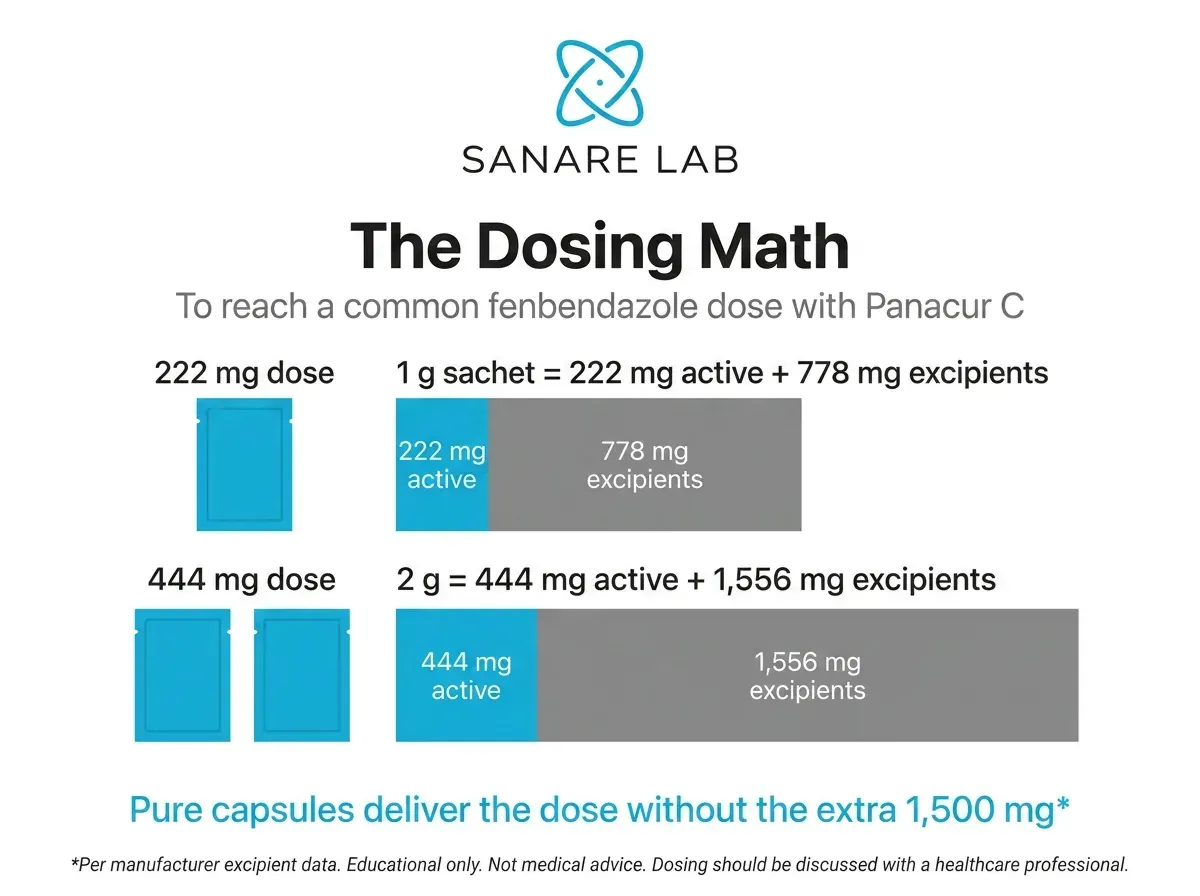
For individuals following cancer protocols that involve daily or cyclical Panacur C use, the cumulative excipient load is substantial:
Over 6 months, a person on the standard protocol ingests approximately 55 grams of undisclosed veterinary excipients — including dairy derivatives, synthetic polymers, and corn products — none of which are listed on the packaging.
Learn more about fenbendazole purity and sourcing in our Where to Buy Fenbendazole guide.
Why Panacur C Is Dangerous for Humans
Quick Answer: Why Is Panacur C Dangerous for Humans?
Panacur C is dangerous for humans because: 1) 77.8% undisclosed excipients on the U.S. label, 2) veterinary formulation not designed for human safety standards, 3) documented rare hypersensitivity cases to excipients, 4) no FDA oversight for human use, 5) pharmaceutical-grade alternatives exist with full transparency.
While fenbendazole itself has shown a relatively favorable safety profile in human studies and case reports, Panacur C as a delivery vehicle introduces risks that pure fenbendazole does not. Here's why using a veterinary dewormer designed for dogs is dangerous for human health:
1. Designed for Canine Metabolism, Not Human Physiology
Dogs and humans metabolize drugs differently. Canine digestive systems, liver enzyme profiles (particularly cytochrome P450 pathways), and gut pH levels differ significantly from humans. Panacur C's excipient ratios, dissolution rates, and binding characteristics were optimized for a dog's gastrointestinal tract — not a human's.
This means:
- Absorption rates may differ unpredictably
- Excipient breakdown products may vary in humans
- Bioavailability of fenbendazole may be suboptimal or inconsistent
2. No Quality Control for Human Consumption
Both human and veterinary drug manufacturers in the U.S. are required to comply with Current Good Manufacturing Practice (CGMP) regulations under 21 CFR Parts 210 and 211 — the same statutory framework. However, the application of these standards differs in practice. Veterinary facilities may receive certain regulatory accommodations (for example, less stringent facility-separation rules for penicillin/cephalosporin production), and the overall oversight ecosystem is calibrated for animal rather than human safety endpoints. Panacur C is produced to meet veterinary quality standards, which means:
- Different acceptable impurity thresholds — calibrated for animal safety margins, not human pharmacopeia standards
- No requirement for human bioequivalence testing — the formulation was never characterized for human absorption
- No human pharmacokinetic data specific to this product or its excipient combination
- No adverse-event reporting for human users — reactions fall entirely outside FDA monitoring systems
3. Excipients Have Documented Rare Hypersensitivity Cases
As detailed by the TheFenbendazole.com investigation, a 2024 systematic review by Seth et al. in the Internal Medicine Journal (doi:10.1111/imj.16605) documented excipient-related allergic reactions from oral medications and found:
Important context: These documented reactions are rare in medical literature. The primary concern is not that these ingredients commonly cause severe reactions, but that the lack of label disclosure prevents individuals with known sensitivities from making informed decisions.
- Povidone, polysorbates, lactose, and starch were among the top allergens identified
- Allergic reactions were frequently misattributed to active ingredients rather than excipients
- Cross-reactivity and delayed diagnosis were common due to low clinical awareness
- Reactions occurred through oral, intravenous, and topical exposure routes
WARNING: HIGH-RISK GROUPS
The following individuals should NEVER use Panacur C:
- Milk/dairy allergy sufferers — lactose monohydrate may contain trace milk proteins
- Corn/maize allergy sufferers — maize starch is not disclosed on US labels
- Povidone/PVP-sensitive individuals — documented case reports of cross-reactivity across grades
- Immunocompromised patients — may have heightened sensitivity to undisclosed ingredients
- Patients on chemotherapy — lack of transparency regarding excipients is particularly concerning for this group
- Individuals with known sensitivities — cannot make informed decisions without full ingredient disclosure
Pharmaceutical-grade fenbendazole with full ingredient disclosure and third-party testing is strongly recommended.
4. No FDA Oversight for Human Use
Panacur C is regulated by the FDA Center for Veterinary Medicine (CVM) (FDA Green Book), not the Center for Drug Evaluation and Research (CDER) that oversees human pharmaceuticals. This means:
- No human clinical trials have been conducted on this specific formulation
- No human adverse event reporting system captures Panacur C reactions
- No human dosage, safety, or efficacy data exists for this product
- Any adverse reactions from off-label human use fall outside FDA monitoring
For information on fenbendazole's safety profile in humans, see our Fenbendazole Liver Safety & Side Effects guide.
5. Regulatory Transparency Gap
Under FDA 21 CFR 201.105, veterinary OTC products are not required to disclose inactive ingredients. This creates a dangerous transparency gap:
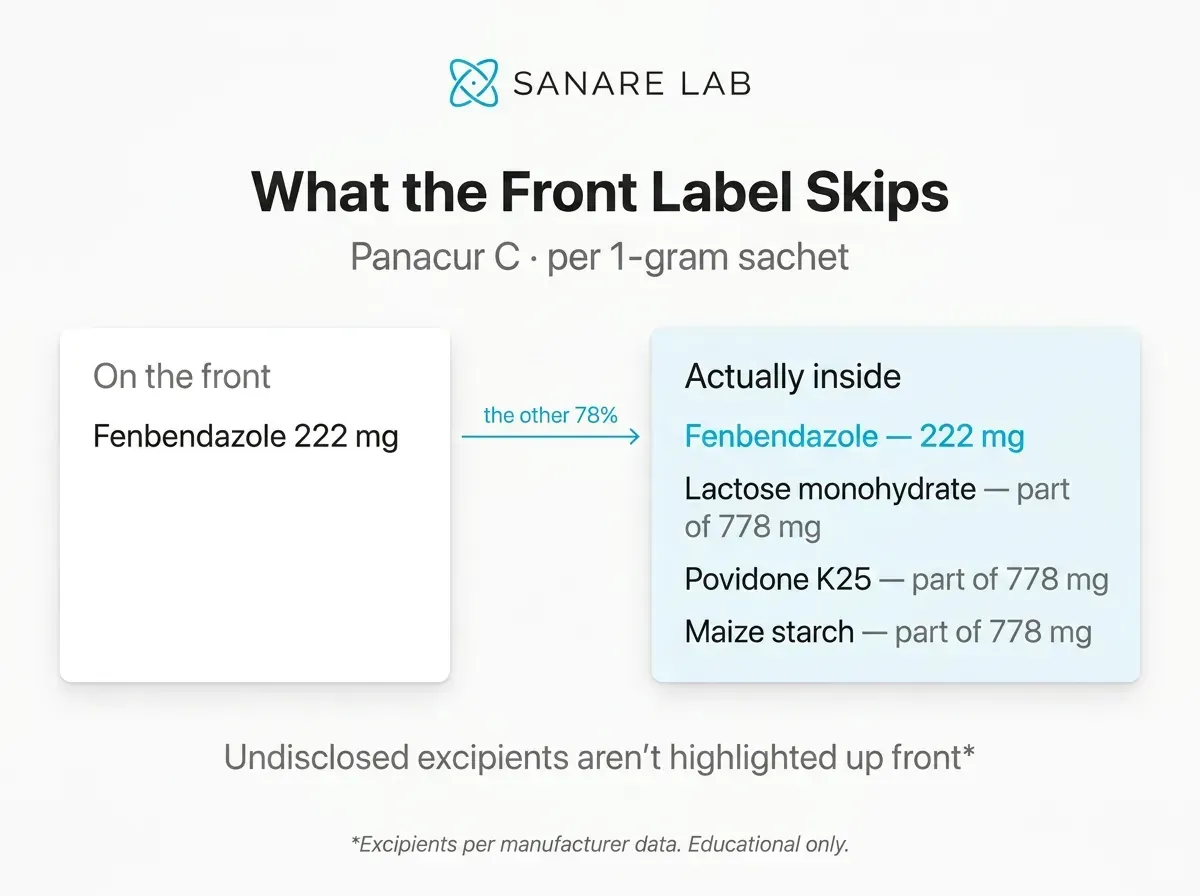
- US labels: List only "fenbendazole 222 mg" — no excipient information
- UK VMD SPC: Full composition disclosed (lactose, povidone K25, maize starch) — but this document is unavailable to US consumers
- No allergen warnings: Despite containing dairy and corn derivatives, no allergen labeling exists
This means millions of people using Panacur C for off-label cancer protocols have no way of knowing what they're actually consuming.
✅ Safe Alternatives: Pharmaceutical-Grade Fenbendazole
If you are considering fenbendazole for research purposes or as part of a protocol discussed with your healthcare provider, pharmaceutical-grade fenbendazole offers significant advantages over Panacur C:
Pharmaceutical-grade fenbendazole capsules address the core concerns raised in this article: 99%+ purity (verified by third-party HPLC), full ingredient disclosure, precise capsule dosing (no measuring granules), and batch-specific Certificates of Analysis from accredited laboratories. For a detailed comparison table, see the Panacur C vs Pharmaceutical-Grade section below.
The Joe Tippens Protocol: Use Clean Fenbendazole
The Joe Tippens Protocol is an anecdotal cancer treatment regimen that originally used Panacur C as its fenbendazole source. Joe Tippens, a stage IV small cell lung cancer patient, publicly shared his story of remission while using fenbendazole alongside curcumin, CBD oil, and vitamin E.
The Original Protocol
Why Clean Fenbendazole Matters for the Protocol
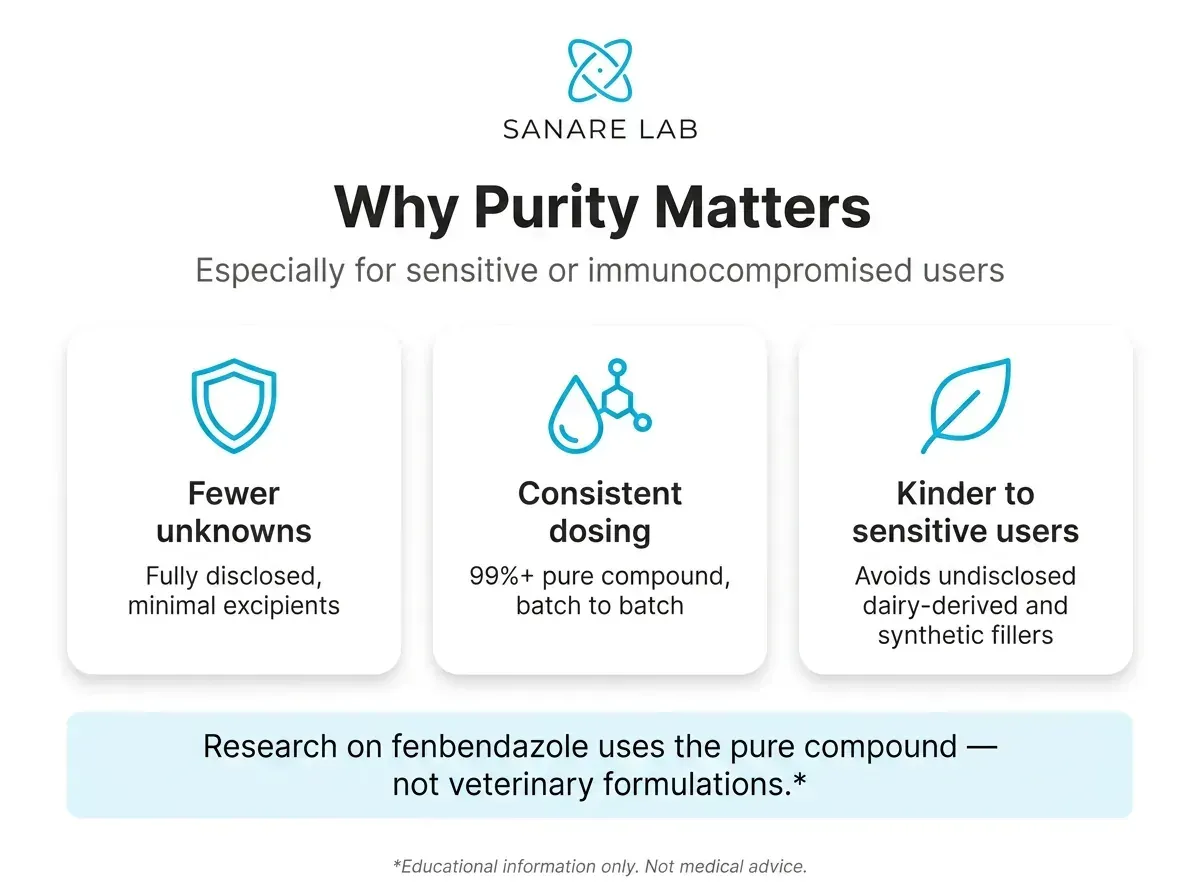
While the Joe Tippens Protocol brought fenbendazole into public awareness, the science supports the active ingredient — not the veterinary delivery vehicle. Research on fenbendazole's anti-cancer mechanisms — including microtubule disruption, p53 stabilization, and anti-angiogenic effects (PubMed) — focuses on the pure compound, not on Panacur C's excipient-laden granules.
Key reasons to switch from Panacur C to pure fenbendazole:
- Purity: 99%+ fenbendazole vs. 22.2% in Panacur C — you get what you're paying for
- Consistency: Precise capsule dosing vs. variable granule measurement
- Safety: No hidden allergens, no dairy, no corn, no synthetic polymers
- Transparency: Full Certificate of Analysis (COA) with third-party testing results
- Research alignment: Cancer research uses pure fenbendazole, not veterinary formulations
Many patients who began with Panacur C have transitioned to pharmaceutical-grade fenbendazole as higher-purity options became available. For detailed case reports, see our Fenbendazole Success Stories & Case Reports page.
For comprehensive dosing guidance, consult our Fenbendazole Dosage Guide: How Much Is Too Much?
How to Identify Safe Fenbendazole Products
Not all fenbendazole products are created equal. When choosing a pharmaceutical-grade alternative to Panacur C, look for these critical quality indicators:
1. Third-Party Laboratory Testing
- Independent lab verification of purity (should be 99%+ pure fenbendazole)
- Testing for heavy metals, microbial contamination, and residual solvents
- Results should be publicly available or provided upon request
2. Certificate of Analysis (COA)
- Every batch should have a COA from an accredited laboratory
- COA should confirm identity, purity, potency, and absence of contaminants
- Verify the COA matches the specific batch/lot number on your product
3. Full Ingredient Disclosure
- All active and inactive ingredients should be clearly listed on the label
- No proprietary blends or hidden fillers
- Capsule shell composition should be specified (vegetable cellulose vs. gelatin)
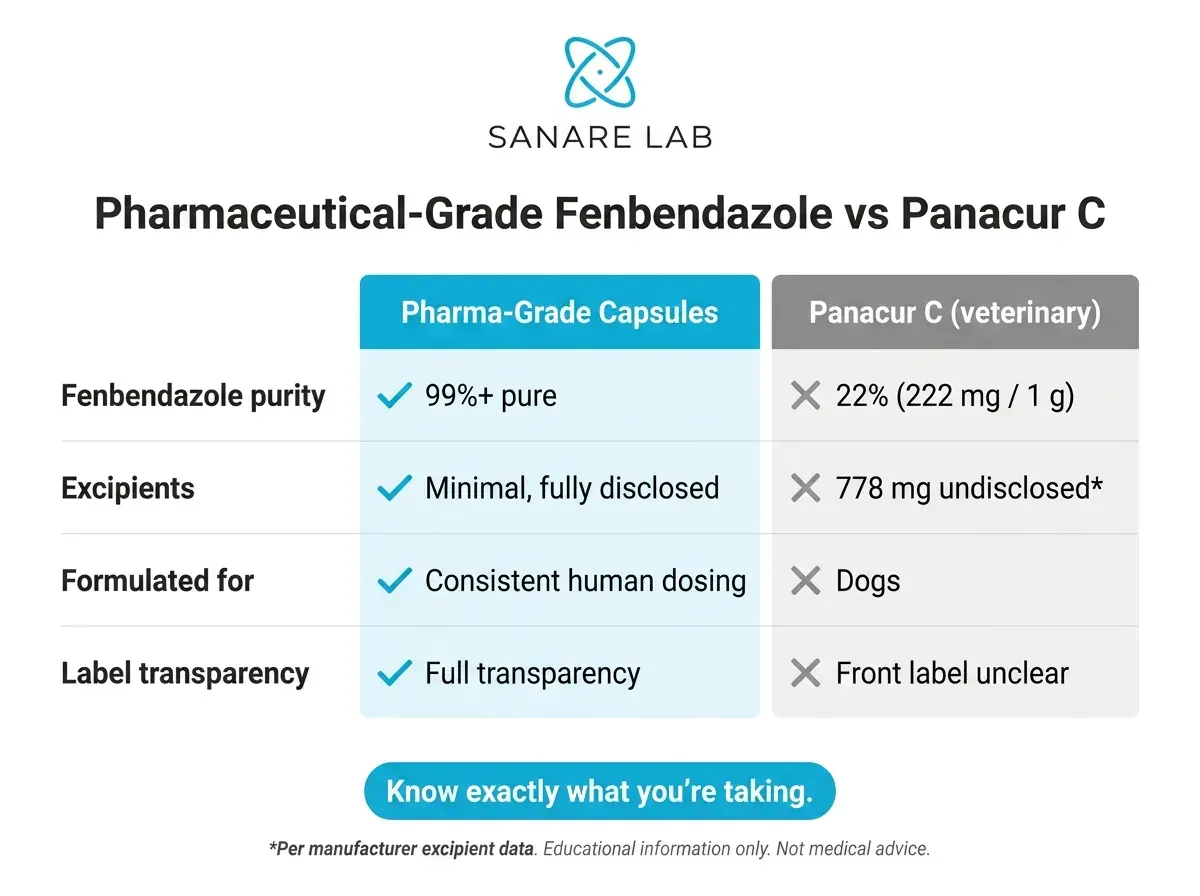
4. Pharmaceutical-Grade vs. Veterinary-Grade
5. Red Flags to Avoid
- Products that don't disclose all ingredients
- No COA or third-party testing available
- Unusually low prices (may indicate lower purity or contamination)
- Repackaged veterinary products sold as "human-grade"
- No identifiable manufacturer or contact information
For a comprehensive guide to sourcing, read our Where to Buy Fenbendazole: Quality Verification & Reliable Sources article.
Panacur C vs Pharmaceutical-Grade Fenbendazole
Quick Answer: Panacur C vs Pharmaceutical-Grade Fenbendazole
Panacur C contains only 22.2% fenbendazole with 77.8% undisclosed excipients, while pharmaceutical-grade fenbendazole offers 99%+ purity with full ingredient disclosure. Panacur C is formulated for dogs; pharmaceutical-grade alternatives are designed for consistent human dosing with third-party testing and Certificate of Analysis.
The choice between Panacur C and pharmaceutical-grade fenbendazole comes down to purity, transparency, and safety. Here is a detailed comparison of Panacur C versus pure fenbendazole:
The bottom line: when comparing Panacur C vs fenbendazole in pharmaceutical grade, every metric favors the pharmaceutical-grade option for anyone considering human use. Panacur C was never designed for human consumption, while pharmaceutical-grade fenbendazole is specifically formulated for consistent, safe dosing.
Is Panacur C Safe for Humans?
Quick Answer: Is Panacur C Safe for Humans?
No, Panacur C is not recommended for human use. Panacur C is a veterinary product containing 77.8% undisclosed excipients designed for dogs, not formulated with human safety standards. Pharmaceutical-grade fenbendazole (99%+ pure) is the safer alternative for human protocols.
The question "is Panacur C safe for humans" is one of the most commonly searched queries about this product. The answer is clear: Panacur C was not designed, tested, or approved for human use. Here are the key safety concerns:
- 77.8% undisclosed excipients: The U.S. label does not list the inactive ingredients, preventing informed consent
- Veterinary formulation: Excipient ratios and dissolution profiles are optimized for canine GI tracts
- No human safety data: No clinical trials have tested this specific Panacur C formulation in humans
- Documented excipient sensitivities: Medical literature contains rare case reports of hypersensitivity to lactose, povidone, and corn starch
- No adverse event monitoring: Human reactions to Panacur C fall outside FDA reporting systems
- Safer alternatives exist: Pharmaceutical-grade fenbendazole (99%+ pure) with full disclosure is readily available
If you are considering fenbendazole for any purpose, pharmaceutical-grade fenbendazole with full ingredient disclosure is strongly recommended over Panacur C. Consult a qualified healthcare provider before starting any protocol. For side effect information, see our Fenbendazole Side Effects & Safety Profile guide.
Panacur C for Cancer: What You Need to Know
Quick Answer: Can Panacur C Be Used for Cancer?
Panacur C is not FDA-approved for cancer treatment. While fenbendazole (the active ingredient) has shown anti-cancer properties in preclinical research, Panacur C's 77.8% veterinary excipients make it a suboptimal choice. Cancer patients should use pharmaceutical-grade fenbendazole (99%+ pure) under medical supervision.
The popularity of Panacur C for cancer protocols stems from the Joe Tippens story, where fenbendazole was used alongside other supplements. However, there are critical distinctions:
- Research uses pure fenbendazole: All published studies on fenbendazole's anti-cancer mechanisms — including microtubule disruption and p53 stabilization — use pure compound, not Panacur C
- Cancer patients are immunocompromised: The undisclosed excipients in Panacur C pose additional risks for individuals with weakened immune systems
- Dosing inconsistency: Panacur C granules provide less precise dosing than pharmaceutical-grade capsules — critical for cancer protocols
- Drug interactions: The excipients in Panacur C may interact with chemotherapy drugs in unpredictable ways
- Clinical trials use pharmaceutical-grade: Active fenbendazole clinical trials use pure compound, validating the pharmaceutical-grade approach
For cancer-related fenbendazole research, see our articles on fenbendazole and breast cancer, colorectal & pancreatic cancer, and case reports of remission.
Published Case Reports: Fenbendazole-Induced Liver Injury
Beyond anecdotal community reports, the medical literature now contains peer-reviewed case reports of drug-induced liver injury (DILI) in patients who self-administered fenbendazole. These cases are directly relevant to the Panacur C discussion because they document harm from the active ingredient itself — and the use of a poorly characterized veterinary formulation adds further uncontrolled variables.
Key patterns across these cases:
- Dose-dependent and duration-dependent. The worst outcomes involved high doses, rapid dose escalation, or continuous use without "rest days." Fenbendazole's first-pass liver metabolism is saturable — exceeding the liver's capacity causes disproportionately higher systemic exposure.
- Reversible upon discontinuation. In all documented cases, liver function tests normalized after stopping fenbendazole, typically within weeks to a few months.
- Concurrent immunotherapy amplifies risk. Two of these patients were receiving immune checkpoint inhibitors, which may lower the threshold for drug-induced hepatic inflammation.
- Pre-existing liver disease dramatically worsens outcomes. The patient with cirrhosis had the least favorable course — a critical warning for anyone with baseline liver compromise.
None of these case reports specify whether the patient used Panacur C or pharmaceutical-grade fenbendazole. This is a significant gap: if the patient consumed veterinary granules, the large excipient load and unknown quality contribute additional uncontrolled variables that neither the patient nor the reporting physician can disentangle from the active-ingredient effect. This is precisely the kind of compounding risk that using an undocumented veterinary product introduces.
For a detailed analysis of fenbendazole's liver safety profile and monitoring recommendations, see our Fenbendazole Liver Safety & Side Effects guide.
Human Pharmacokinetics: Why Formulation Matters More Than You Think
Understanding how fenbendazole is absorbed, metabolized, and eliminated in the human body sheds direct light on why the delivery vehicle — whether veterinary granules or pharmaceutical-grade capsules — is not just a branding distinction but a pharmacological one.
Fenbendazole is classified as a BCS Class II compound — high membrane permeability but extremely low aqueous solubility. In practical terms, this means the drug readily crosses intestinal membranes if it can dissolve first, but it dissolves poorly in water. The majority of an oral dose taken on an empty stomach will pass through the GI tract unabsorbed, simply because it never enters solution.
The food effect is dramatic. Co-administration with a fatty meal increases systemic absorption by approximately 2–3× (and for related benzimidazoles like albendazole, up to 5×). Dietary fat triggers bile-salt release, which forms mixed micelles that solubilize the lipophilic drug and ferry it to the absorptive gut wall. Fat also slows gastric emptying, giving the crystalline powder a longer "dissolution window" before it reaches the small intestine.
This has a direct bearing on Panacur C. The granules are designed to be mixed into a dog's food bowl — an environment where fat content and mixing are uncontrolled. A person sprinkling granules into yogurt, stirring them into water, or simply swallowing them on an empty stomach will achieve unpredictable and likely suboptimal absorption compared to a formulated capsule taken with a deliberate fatty meal.
Metabolism and the liver bottleneck. Once absorbed, fenbendazole undergoes extensive first-pass hepatic metabolism. The primary pathway converts it to oxfendazole (fenbendazole sulfoxide, the active metabolite) via cytochrome P450 enzymes — specifically CYP2J2 and CYP2C19 (as established by recombinant P450 and human liver microsome studies), with contributions from FMO and CYP3A4. This metabolism is saturable: at higher doses, the liver's enzymatic capacity is overwhelmed, causing disproportionately higher systemic drug levels and increasing the risk of hepatotoxicity through glutathione depletion and oxidative stress.
The saturable-metabolism finding is especially relevant for users who escalate doses beyond standard protocols. Combined with an unpredictable absorption profile from veterinary granules, the net result is a pharmacokinetic profile that neither the user nor a monitoring physician can characterize with confidence — one more reason that a documented, consistently formulated product is fundamentally different from a handful of dog dewormer granules.
Beyond Panacur C: Safe-Guard and Other Veterinary Fenbendazole Forms
While Panacur C granules are the most commonly discussed veterinary product, they are not the only one people use. Safe-Guard (also manufactured by Merck Animal Health) is another widely available fenbendazole formulation, sold primarily as a 10% oral suspension (100 mg/mL) for cattle and goats. Some individuals seeking higher or more flexible doses turn to Safe-Guard liquid as an alternative to sachets.
The liquid form introduces its own set of problems that differ from Panacur C granules:
- Sedimentation and inconsistent dosing: Fenbendazole's low aqueous solubility means the active ingredient in a liquid suspension tends to settle over time. Inadequate shaking before each dose leads to unpredictable drug concentration — one dose may contain far less fenbendazole than intended, the next far more. This variability is especially dangerous given fenbendazole's dose-dependent hepatotoxicity risk.
- Different excipients and preservatives: While Safe-Guard liquid avoids the granule excipients (lactose, povidone, corn starch), it contains its own set of undisclosed inactive ingredients — suspending agents, preservatives, and flavoring compounds designed for palatability to livestock. These are no more characterized for human consumption than Panacur C's granule fillers.
- Livestock-calibrated dosing: Safe-Guard products for cattle and goats are labeled at 5 mg/kg body weight. This dosing reference is veterinary-specific, and the volumes involved are designed for administration to large animals via drench syringes — not for precise human oral dosing.
- Shorter usable lifespan once opened: Liquid suspensions, once exposed to air, degrade faster than dry formulations. Without a controlled storage environment, potency loss and microbial contamination become concerns.
The same core principle applies: regardless of whether the veterinary product is a granule or a suspension, none of these formulations were designed, tested, or documented for human consumption. The argument for pharmaceutical-grade fenbendazole is not specific to Panacur C sachets — it extends to every veterinary form factor.
Frequently Asked Questions About Panacur C
Below are the most commonly asked questions about Panacur C, its safety, composition, and alternatives:
Can I use Panacur C for cancer protocols?
NOT RECOMMENDED. While fenbendazole has shown anti-cancer properties in research, Panacur C contains 77.8% excipients formulated for dogs — including allergens with documented anaphylaxis cases. Use pharmaceutical-grade fenbendazole with 99%+ purity instead.
What's the actual difference between Panacur C and pure fenbendazole?
Panacur C delivers only 222 mg of fenbendazole per 1-gram sachet — the remaining 778 mg are dairy-derived lactose, synthetic povidone, and corn starch. Pharmaceutical-grade capsules contain 99%+ pure fenbendazole with minimal, fully disclosed excipients.
Why is purity important for cancer protocols?
Cancer patients are often immunocompromised, making them more susceptible to allergic reactions from excipients. Additionally, research on fenbendazole's anti-cancer mechanisms uses pure compound — not veterinary formulations. Higher purity means more consistent dosing and fewer unknown variables. Learn more about fenbendazole's cancer mechanisms in our Fenbendazole and Breast Cancer article.
Is fenbendazole itself safe for humans?
Fenbendazole has shown a relatively favorable safety profile in limited human studies and case reports. The main concern is liver enzyme elevation, which is typically reversible. However, this applies to the pure compound — not to Panacur C's excipient-laden formulation.
How much fenbendazole should I take?
Dosing should be discussed with a healthcare professional. Common protocols use 222 mg or 444 mg of pure fenbendazole. For detailed guidance, see our Fenbendazole Dosage Guide.
Can Panacur C cause allergic reactions?
Medical literature contains rare case reports of hypersensitivity reactions to all three excipients in Panacur C — lactose monohydrate, povidone K25, and maize starch. A 2024 systematic review in the Internal Medicine Journal identified these among pharmaceutical excipients associated with allergic reactions. While such reactions are uncommon, the primary concern is that these ingredients are not disclosed on the U.S. label, preventing informed decision-making for individuals with known sensitivities.
Why don't Panacur C labels list the excipients?
Under FDA regulation 21 CFR 201.105, veterinary OTC products are not required to disclose inactive ingredients. The full composition is only available through the UK VMD Summary of Product Characteristics.
Case Reports: Why Patients Avoid Panacur C
As fenbendazole has gained popularity in cancer protocol communities, an increasing number of patients have reported transitioning away from Panacur C due to adverse experiences or safety concerns:
Commonly Reported Issues
- Gastrointestinal distress: Bloating, cramping, nausea, and diarrhea — often attributed to fenbendazole but potentially caused by lactose or maize starch intolerance
- Skin reactions: Rashes, hives, and itching that resolved after switching to pure fenbendazole — suggesting excipient sensitivity rather than fenbendazole allergy
- Inconsistent dosing: Granule-based measurement is inherently less precise than capsule dosing, leading to variable fenbendazole intake
- Taste and palatability: The granule format, designed for mixing with dog food, is unpleasant for human consumption
- Unknown long-term effects: No data exists on chronic human exposure to Panacur C's specific excipient combination
Many of these individuals reported symptom resolution after switching to pharmaceutical-grade fenbendazole, strongly suggesting that the excipients — not fenbendazole — were responsible for adverse reactions.
For documented fenbendazole remission cases, see our Fenbendazole Case Reports: Stage IV Cancers in Remission and Success Stories & Case Reports pages.
Regulatory Status
FDA Classification
Panacur C is classified as a veterinary OTC anthelmintic. It is:
- Approved by the FDA Center for Veterinary Medicine (CVM) for dogs only
- NOT approved by the FDA Center for Drug Evaluation and Research (CDER) for human use
- Not subject to human pharmaceutical labeling, testing, or safety requirements
- Not monitored for human adverse events
Legal Considerations
While it is not illegal for individuals to purchase Panacur C, using it for human consumption is entirely off-label and unsupervised. This means:
- No healthcare provider oversight by default
- No adverse event reporting mechanism for human users
- No legal recourse for adverse reactions from off-label use
- No product liability protection for human consumers
International Regulatory Context
The regulatory landscape for fenbendazole varies globally and is actively tightening. In October 2025, Australia's Therapeutic Goods Administration (TGA) reclassified fenbendazole for human use as Schedule 4 (prescription-only) in the Poisons Standard — a direct response to surging off-label self-medication. The enforcement numbers are striking:
- Between September 2024 and September 2025, Australian authorities intercepted over 44,300 units of fenbendazole intended for human use, seizing approximately 34,500 units
- This represented a 15-fold increase in seizures compared to the preceding four years combined
- The TGA also took enforcement action against domestic sellers marketing fenbendazole for human cancer treatment
While fenbendazole remains available over the counter in the United States as a veterinary product, Australia's action signals a regulatory trend: when self-medication with veterinary products becomes widespread enough to pose a public health concern, regulators respond by restricting access. Other jurisdictions may follow. Some countries have active clinical trials investigating fenbendazole for human cancer treatment — but these trials use pharmaceutical-grade compound under medical supervision, never veterinary products like Panacur C.
FINAL TRANSPARENCY REMINDER
Panacur C is a veterinary product with 77.8% undisclosed excipients on the U.S. label. Medical literature contains rare case reports of hypersensitivity to these ingredients.
Instead, choose pharmaceutical-grade fenbendazole that offers:
- ✅ 99%+ purity with full Certificate of Analysis
- ✅ Complete ingredient disclosure — no hidden allergens
- ✅ Precise capsule dosing — no guesswork
- ✅ Manufactured to pharmaceutical GMP standards
- ✅ Third-party laboratory tested for safety
→ View Pharmaceutical-Grade Fenbendazole from Sanare Lab
Conclusion: Choose Safety Over Convenience
Panacur C became popular for one simple reason: availability. When Joe Tippens first shared his story, Panacur C was the most accessible source of fenbendazole. But availability should never be confused with safety.
The facts are clear:
- 77.8% of every Panacur C sachet is NOT fenbendazole — it's dairy-derived lactose, synthetic povidone, and corn starch
- None of these excipients are disclosed on U.S. packaging
- Medical literature contains rare case reports of hypersensitivity to these excipients
- No quality control for human consumption exists for this product
- Cancer patients are particularly vulnerable to excipient-related adverse reactions due to compromised immune systems
Today, pharmaceutical-grade fenbendazole with 99%+ purity is readily available — offering precise dosing, full ingredient transparency, third-party testing, and no hidden allergens. For anyone serious about a fenbendazole-based protocol, the choice between a veterinary dewormer designed for dogs and a pharmaceutical-grade supplement is not a choice at all.
Your health deserves better than a dog dewormer.
For more information on fenbendazole research and protocols, explore these resources:
- Joe Tippens Protocol — Complete Guide
- Fenbendazole Dosage Guide
- Fenbendazole for Lung Cancer
- Fenbendazole vs Mebendazole for Cancer
- Fenbendazole and Chemotherapy
- Fenbendazole for Colorectal & Pancreatic Cancer
Our free Protocol & Dosing Workspace turns the published per-kilogram figures from the Joe Tippens, ISOM (Makis) and Marik protocols into a personalized day-by-day schedule and a clinician-ready PDF you can bring to your doctor. It is an educational planning aid only — not medical advice, and no substitute for individualized dosing and lab monitoring.
Open the Dosing Calculator →Shop Sanare Lab
Lab-tested products referenced in the research above — order direct from Sanare Lab.
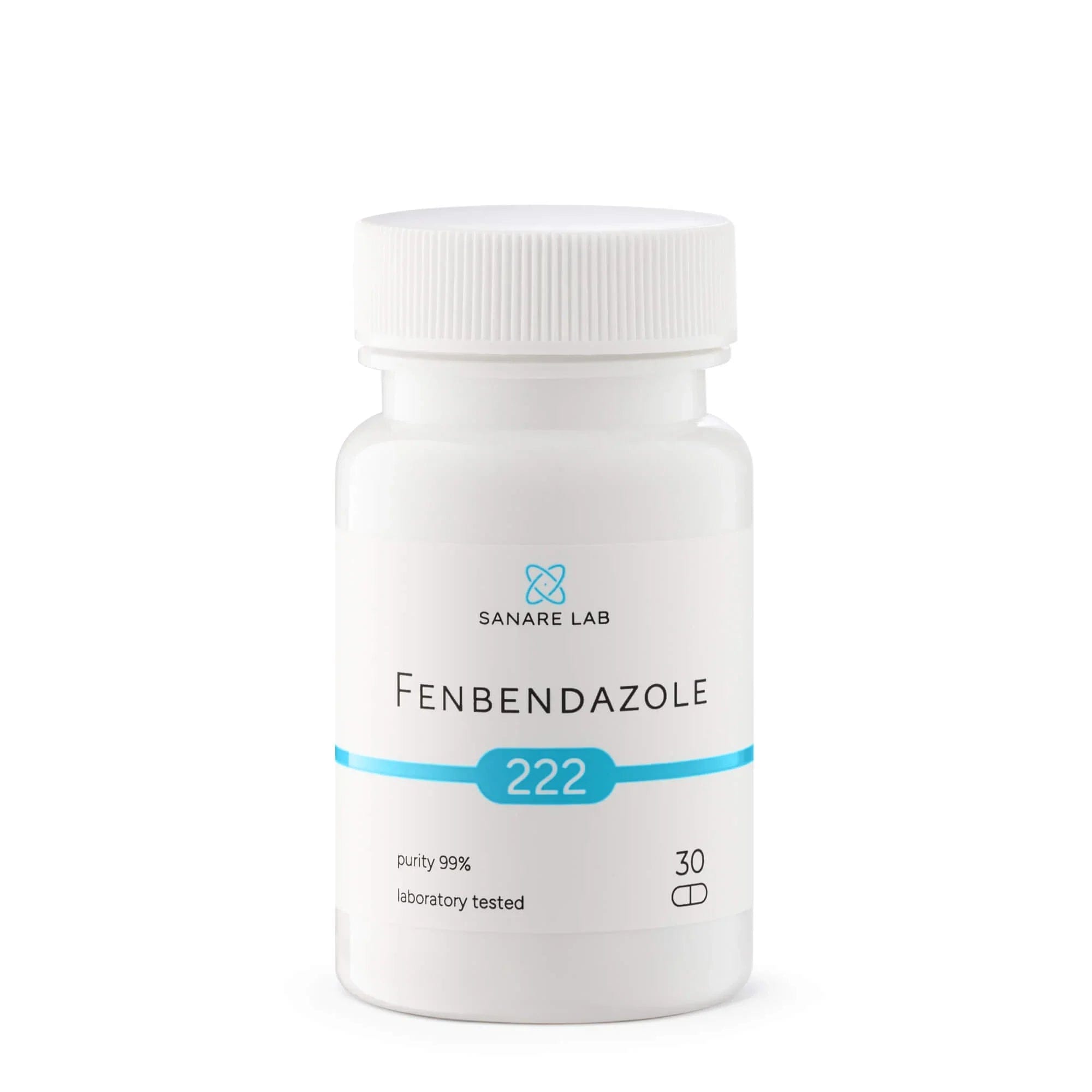
Pharmaceutical grade
Fenbendazole 222 mg
99%+ purity, third‑party lab tested.
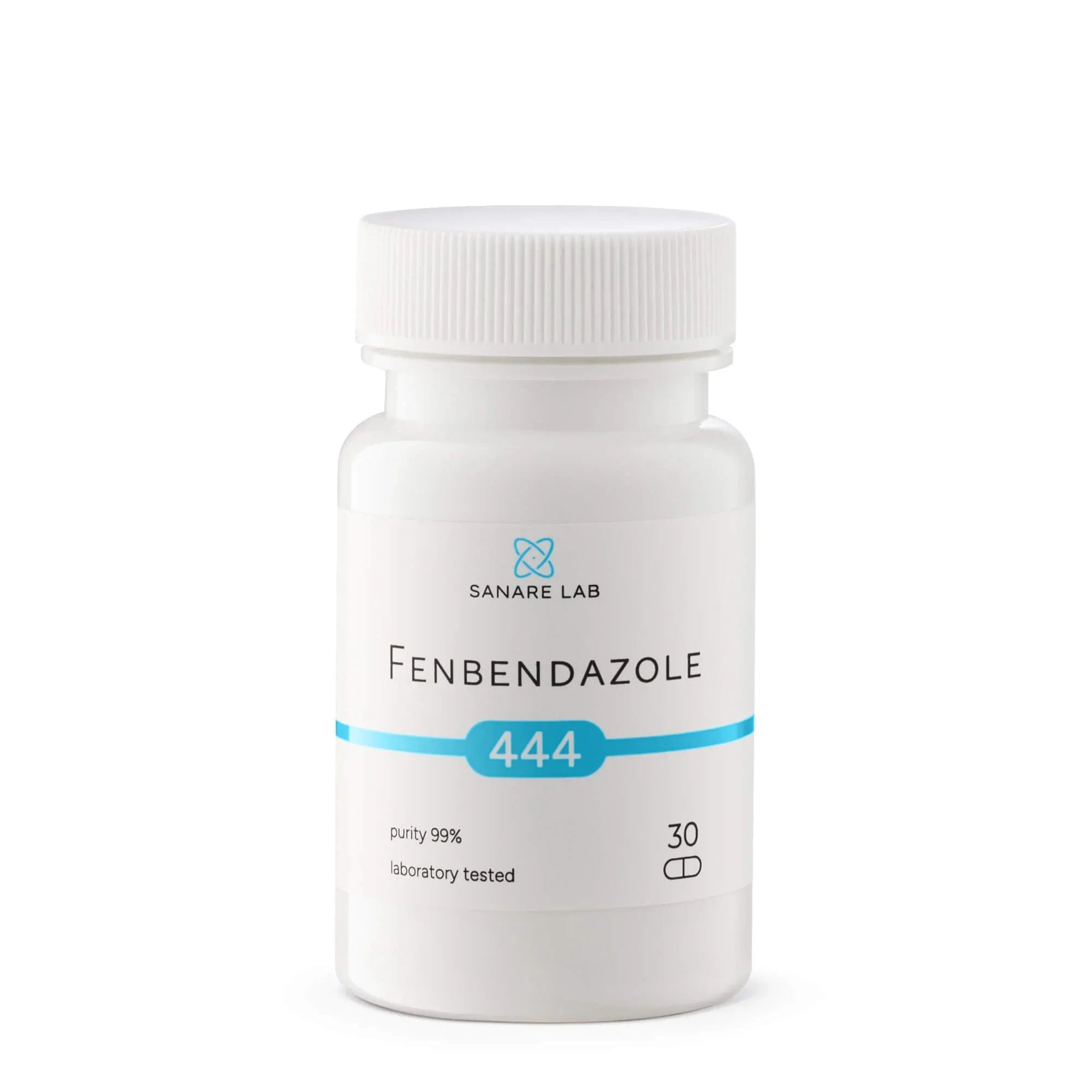
Pharmaceutical grade
Fenbendazole 444 mg
Double strength, 99%+ purity, lab tested.
Daily adjunct
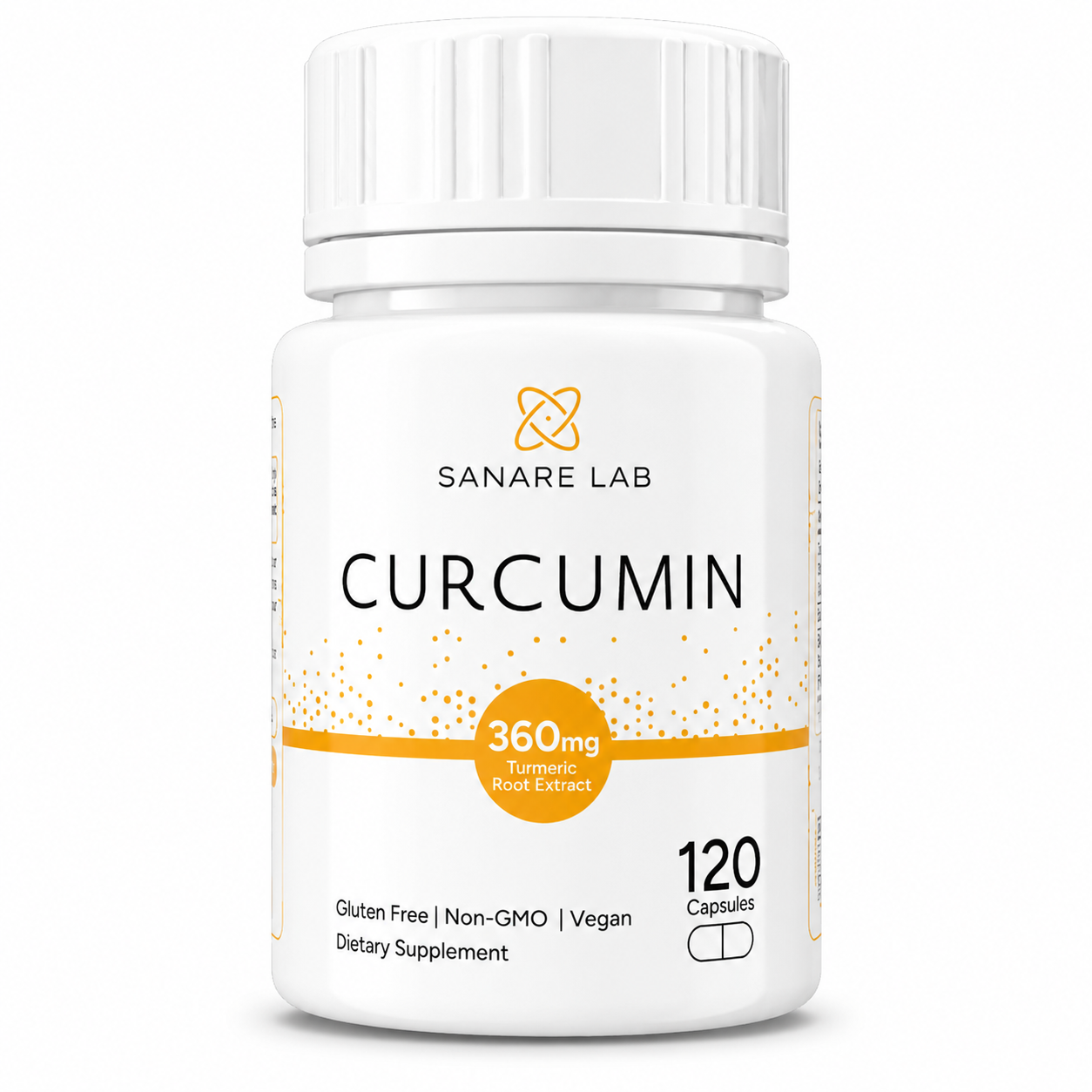
Curcumin 360 mg
95% curcuminoids with black pepper extract.
Prices checked September 2026 and may change; the store page shows the current price.
Disclaimer: Links are informational and for convenience. This site does not provide medical advice. Always verify product quality, labeling, and consult a licensed professional for health decisions.
Scientific References
- UK VMD Summary of Product Characteristics — Panacur C 22.2% granules (Vm 01708/4019). Veterinary Medicines Directorate, UK.
- FDA 21 CFR 201.105 — Veterinary drugs; adequate directions for use. U.S. Food and Drug Administration.
- European Medicines Agency (EMA). Annex to the European Commission guideline on 'Excipients in the labelling and package leaflet of medicinal products for human use' (SANTE-2017-11668). EMA/CHMP/302620/2017. 2016.
- TheFenbendazole.com. "The 77.8% You Don't Know About: Hidden Excipients in Panacur C and Why They Matter." April 9, 2026. https://www.thefenbendazole.com/panacur-c-hidden-excipients-77-percent/
- Seth S, Lukose S, et al. "Excipient induced allergies in oral medications: unravelling the covert threat — a systematic review." Internal Medicine Journal. 2024. doi:10.1111/imj.16605
- Dogra N, Kumar A, Mukhopadhyay T. "Fenbendazole acts as a moderate microtubule destabilizing agent and causes cancer cell death by modulating multiple cellular pathways." Scientific Reports. 2018;8(1):11926. PMID: 30093705. doi:10.1038/s41598-018-30158-6
- Semkova S, Nikolova B, Tsoneva I, et al. Redox-mediated anticancer activity of anti-parasitic drug fenbendazole in triple-negative breast cancer cells. Anticancer Research. 2023;43(3). doi:10.21873/anticanres.16267
- Čáňová K, et al. "Fenbendazole induces apoptosis and cell cycle arrest in bovine lymphoma cell line." Animal Science Journal. 2019;90(9):1140-1148.
- Rushworth GF, Megson IL. "Existing and potential therapeutic uses for N-acetylcysteine: the need for conversion to intracellular glutathione for antioxidant benefits." Pharmacology & Therapeutics. 2014;141(2):150-159.
- Sultana T, et al. "Anaphylaxis to polyvinylpyrrolidone (povidone): Case report and review of the literature." Journal of Allergy and Clinical Immunology. 2012;129(2):AB71.
- Lim SY, et al. "Severe Drug-Induced Liver Injury Due to Self-administration of the Veterinary Anthelmintic Medication Fenbendazole." ACG Case Reports Journal. 2024. PMC 11068125
- Kim JH, et al. "Drug-Induced Liver Injury in a Patient with Non-Small Cell Lung Cancer after Self-Administration of Fenbendazole." Case Reports in Oncology. 2021;14(2):886-891. Karger
- Park JW, et al. "Fenbendazole-associated hepatotoxicity in a patient with metastatic colon cancer on immune checkpoint inhibitor therapy." World J Clin Cases. 2026. PMC 12836008
- FDA Center for Veterinary Medicine. NADA 128-620 — Panacur C (fenbendazole) Granules 22.2%. FDA Approved Animal Drug Products (Green Book).
- Baldo BA, Pham NH. "Drug Allergy: Clinical Aspects, Diagnosis, Mechanisms, Structure-Activity Relationships." Springer. 2013. Chapter 11: Excipient Allergy.
- Barbaud A, et al. "Excipients of drugs: clinical and allergological aspects." European Journal of Dermatology. 2022;32(3):315-325.
- Kelso JM. "Potential food allergens in medications." Journal of Allergy and Clinical Immunology. 2014;133(6):1509-1518.
- Lim SY, et al. "Severe Drug-Induced Liver Injury Due to Self-administration of the Veterinary Anthelmintic Medication Fenbendazole." ACG Case Reports Journal. 2024. PMC 11068125
- Kim JH, et al. "Drug-Induced Liver Injury in a Patient with Non-Small Cell Lung Cancer after Self-Administration of Fenbendazole." Case Reports in Oncology. 2021;14(2):886-891. Karger
- Park JW, et al. "Fenbendazole-associated hepatotoxicity in a patient with metastatic colon cancer on immune checkpoint inhibitor therapy." World J Clin Cases. 2026. PMC 12836008
- Wu Z, Lee D, Joo J, et al. "CYP2J2 and CYP2C19 Are the Major Enzymes Responsible for Metabolism of Albendazole and Fenbendazole in Human Liver Microsomes." Antimicrob Agents Chemother. 2013;57(11):5448-5456. PMID: 23959307. PMC 3811268
- Australian Therapeutic Goods Administration (TGA). "Final decisions: fenbendazole reclassification to Schedule 4 (prescription-only) for human use." Poisons Standard, October 2025. TGA
- Safe-Guard (fenbendazole) Suspension 10% — FDA veterinary drug label. DailyMed / U.S. National Library of Medicine. DailyMed
Medical Disclaimer
This article is for research and informational purposes only. Panacur C is a veterinary product NOT approved for human use. This article does not constitute medical advice. Always consult a qualified healthcare professional before starting any supplement or off-label protocol.

Dr. Andrew Ellison, MD
Science editor and health researcher at Sanare Lab, covering evidence-based wellness, emerging compound research, clinical studies, and practical health protocols. Content is educational and does not replace medical advice.