
Fenbendazole Cancer Clinical Trials: Human Evidence & 2026 Registry Update
A dated registry check separating fenbendazole evidence from related ivermectin and mebendazole trials, with study IDs, status freshness and results availability.
 By Dr. Andrew Ellison, MD · July 16, 2026 · 31 min read
This article is for research and informational purposes only. It does not constitute medical advice. Do not self-prescribe. Always consult a qualified healthcare provider before using any supplement, especially alongside cancer treatment.
Reader summary updated 10 October 2026
Our ClinicalTrials.gov check on 10 October 2026 found no human cancer trial testing fenbendazole as the study intervention. Related ivermectin and mebendazole trials concern different drugs.
Fenbendazole cancer trials: registry check, 10 October 2026
We searched ClinicalTrials.gov for “fenbendazole” and inspected the listed interventions. The broad search returned nine records, including oxfendazole studies and unrelated matches. None listed a human cancer treatment trial administering fenbendazole as the study intervention. A word match in a registry is not itself a fenbendazole trial.
This is a dated ClinicalTrials.gov check, not a claim to have exhaustively searched every national registry or all unpublished research.
Related human trials at a glance
The following studies investigate different drugs. Their status and results cannot be transferred to fenbendazole. Statuses below reproduce registry listings checked on 10 October 2026.
| Trial | Intervention | Setting | Phase | Listed status / freshness | Registry results |
|---|---|---|---|---|---|
| NCT05318469 | Ivermectin + checkpoint inhibitor | Metastatic triple-negative breast cancer | 1/2 | Recruiting Last posted update: 2026-08-05 | No registry results posted |
| NCT07487805 | Ivermectin + checkpoint inhibitor (ICONIC) | Adult solid tumours | 2 | Not yet recruiting Last posted update: 2026-07-15 | No registry results posted |
| NCT03925662 | Mebendazole | Colon cancer; adjuvant setting | 3 | Recruiting Last posted update: 2019-04-24 Old record: confirm with the study team. | No registry results posted |
| NCT01837862 | Mebendazole | Paediatric gliomas | 1/2 | Active not recruiting Last posted update: 2026-08-06 | No registry results posted |
“Recruiting” is a registry label, not confirmation that a particular centre has an open place today. ICONIC still lists “Not yet recruiting”; an estimated start date in September does not establish that recruitment began. NCT03925662 has not had a posted update since 2019 and needs direct confirmation.
Clinical results and patient stories answer different questions
A registered protocol describes a planned study. Posted results and peer-reviewed publications describe findings, which must be assessed for study design, participants, outcomes and limitations. A case report has no randomised comparator and cannot establish that a substance caused a remission.
For individual reports, see the existing case-report review. For the drug comparison, see fenbendazole versus mebendazole. For safety reports, see the liver-safety review.
Sources for this summary: ClinicalTrials.gov: fenbendazole search
Table of Contents
- Update — September 2026
- Introduction: The Evidence Gap
- Current Status: No Fenbendazole Clinical Trials (2026)
- Why No Human Trials Yet?
- Related Antiparasitic Trials (Ivermectin, Mebendazole)
- ClinicalTrials.gov Analysis: The Broader Context
- ASCO 2026: Real-World Data on Self-Use
- What Clinical Trials Are Needed?
- Regulatory and Funding Barriers
- International Clinical Trial Registries: A Global Search (2024–2026)
- Mebendazole Clinical Trial Results: The Closest Human Evidence
- Albendazole and Flubendazole in Cancer Research
- The 2026 ASCO Clinical Notice on Fenbendazole
- Human Pharmacokinetics: The Core Scientific Obstacle
- Drug Interaction Concerns in Cancer Patients
- Manufacturing and Quality Control Challenges
- Regulatory Pathways for a Repurposed Drug
- Lessons from Other Repurposed Drugs
- Patient Advocacy, Funding, and "Right to Try"
- What People Report Online: Fenbendazole and Cancer
- FAQ
- References
As of September 2026, despite growing public interest in fenbendazole as a potential cancer therapeutic — fueled by the Joe Tippens story, anecdotal reports, and numerous online communities — there are still no completed, peer-reviewed human clinical trials evaluating fenbendazole for cancer treatment. This absence is striking given the compound's 50+ years of veterinary use and growing preclinical research evidence.
Update — September 2026
We re-checked the registries and the literature on 10 October 2026 (fenbendazole, ivermectin and mebendazole records); other items below date from the September 2026 update. The core answer has not changed: there is still no registered or completed human trial of fenbendazole for any cancer. What is new:
- Registries: ClinicalTrials.gov lists 9 records that mention fenbendazole; none is a cancer study (they are oxfendazole trials for parasitic infections or unrelated records).
- A new ivermectin trial: ICONIC (NCT07487805), a Phase 2 study from the University of Florida testing intermediate- or high-dose ivermectin with immune checkpoint inhibitors in adult solid tumours — still listed as not yet recruiting on the registry (checked 10 October 2026).
- A new case report (Frontiers in Oncology, 1 September 2026): a 74-year-old man with metastatic melanoma declined standard treatment and took ivermectin and fenbendazole on his own. His tumours first shrank and his circulating tumour DNA fell from 2.04 to 0.18 MTM/mL, then the disease progressed (ctDNA 0.93 MTM/mL). Because the tumour carried a very high mutational burden, the authors judged spontaneous immune-mediated regression at least as plausible as any drug effect (Cheng & Araujo, 2026).
- More liver-injury reports: a woman with metastatic colon cancer on nivolumab/relatlimab developed severe liver injury after raising her self-administered fenbendazole dose, judged probably drug-related by a formal causality score (Krishnan et al., 2026); a man with prostate cancer taking fenbendazole with ivermectin presented with ALT 1,764 U/L and AST 1,132 U/L, which normalised within six weeks of stopping (Powderly et al., 2026); and a further case occurred despite a supplement taken to protect the liver (Satinsky et al., 2026).
- Earlier in 2026: the 2025 three-patient case series was retracted in January 2026 (retraction notice), and ASCO published a clinical notice against using ivermectin or fenbendazole for cancer outside a trial in 2026 (see below).
Introduction: The Evidence Gap
The fenbendazole evidence landscape as of 2026 can be summarized succinctly:
The Gap: The jump from animal studies to clinical use has occurred entirely outside the formal clinical trial system, driven by patient interest and internet communities rather than institutional research programs.
Current Status: No Fenbendazole Clinical Trials (2026)
A comprehensive search of ClinicalTrials.gov as of 10 October 2026 confirms: there are zero active, recruiting, or completed clinical trials of fenbendazole for cancer registered with the NIH.
Specific searches performed:
- "Fenbendazole AND cancer" — 0 results
- "Fenbendazole AND tumor" — 0 results
- "Fenbendazole AND oncology" — 0 results
- "Fenbendazole AND neoplasm" — 0 results
This stands in stark contrast to the dozens of active cancer trials of metformin and statins, and the handful of ivermectin and mebendazole trials listed below. See the Expression of Concern on the 197-patient ivermectin + mebendazole study.
Why No Human Trials Yet?
The absence of clinical trials for fenbendazole is attributable to multiple convergent factors:
1. Off-Patent Veterinary Drug — No Commercial Incentive
Fenbendazole has been off-patent since the 1990s. For more details, see our guide on Joe Tippens Protocol. No pharmaceutical company owns exclusive rights, meaning there is no financial incentive to conduct expensive clinical trials. A company would invest $10-100 million in Phase I-III trials only to have competitors immediately market a generic drug. This "market failure" is a major barrier to trials of repurposed, off-patent compounds.
Contrast: New cancer drugs (checkpoint inhibitors, targeted therapies) are still patent-protected, and companies invest billions in trials to capture market share and justify premium pricing.
2. Veterinary Use Creates Regulatory Ambiguity
The FDA has never formally evaluated fenbendazole for human cancer use. A company would need to:
- Establish manufacturing standards for human-grade pharmaceutical FBZ
- Conduct pharmacokinetic/pharmacodynamic studies in humans
- Submit an IND (Investigational New Drug) application to the FDA
- Design and execute Phase I, II, and III trials
This pathway is lengthy and expensive, and without commercial incentive, most institutions lack the resources or motivation to pursue it.
3. Limited Academic Funding for Off-Patent Compounds
NIH and NSF grants prioritize novel compounds and mechanistic insights. Trials of already-approved veterinary drugs are seen as less "innovative." While the NCI has programs supporting repurposed drug research, funding remains limited compared to support for novel agents.
4. Regulatory Classification — Is FBZ a Drug or Dietary Supplement?
In the United States, fenbendazole is classified as a veterinary pharmaceutical. If someone sells it for human use, it would potentially be regulated as a drug requiring FDA approval. However, it's commonly sold as a "dietary supplement" or "research chemical," which faces less oversight. This ambiguity means:
- No approved manufacturing standards for human use
- Quality and purity vary by vendor
- Clinical trials would clarify regulatory status but are therefore risky for sponsors
5. Anecdotal Evidence Is Not Sufficient to Justify Trials
While Joe Tippens' story is compelling, a single anecdotal remission is not sufficient to justify a million-dollar clinical trial. The scientific community requires larger case series or at least preclinical evidence of superior activity to conventional treatments. Recent 2025 case reports (Makis retracted series) attempted to provide this, but the retraction and methodological limitations undermined credibility.
Related Antiparasitic Trials (Ivermectin, Mebendazole)
While fenbendazole itself lacks trials, related antiparasitic compounds are being formally studied: Learn more about fenbendazole dosage guide.
Active/Recent Trials on Ivermectin:
Why ivermectin trials exist: ivermectin is already approved for human use against parasites, so its human dosing and safety profile are known — that lowers the barrier to a cancer trial. It is not a close chemical relative of fenbendazole (ivermectin is a macrocyclic lactone, fenbendazole a benzimidazole), so ivermectin results cannot be read across to fenbendazole.
Mebendazole: Registered Cancer Trials
Mebendazole — licensed for human use and the closest relative of fenbendazole — has registered cancer trials (ClinicalTrials.gov, 10 October 2026):
- NCT03925662 — mebendazole as adjuvant treatment for colon cancer (Phase 3, recruiting).
- NCT01837862 — mebendazole with chemotherapy in paediatric low-grade gliomas (Phase 1/2, active, not recruiting).
ClinicalTrials.gov Analysis: The Broader Context
A broader search for cancer trials involving antiparasitic or repurposed compounds on 29 September 2026 (open or upcoming studies, searched by drug and "cancer"):
- Metformin + cancer: about 83 active or upcoming studies
- Statins + cancer: about 27
- Ivermectin + cancer: 2 (NCT05318469, NCT07487805)
- Mebendazole + cancer: 2 (NCT03925662, NCT01837862)
- Albendazole + cancer: 0
- Fenbendazole + cancer: 0
Interpretation: Fenbendazole lags significantly behind even other repurposed compounds. The lack of trials is not evidence of ineffectiveness (trials are not conducted for weak compounds, but are also not conducted for off-patent compounds without commercial interest), but rather a reflection of regulatory and economic barriers.
ASCO 2026: Real-World Data on Self-Use
At the 2026 ASCO Gastrointestinal Cancers Symposium (January 2026), MD Anderson Cancer Center presented the first large look at how often patients take fenbendazole on their own (abstract 818, J Clin Oncol 44, suppl 2).
MD Anderson: Patterns of Self-Reported Use (Olutayo et al.)
Title: "A Single Institutional Experience on Patterns of Ivermectin and Fenbendazole Use Among Patients with Gastrointestinal Cancers"
Key findings:
- A retrospective review of all 297,223 patients seen at MD Anderson from January 2020 to January 2024.
- 182 patients (0.06%) self-reported taking fenbendazole and 499 (0.17%) ivermectin — none of them prescribed by MD Anderson.
- Fenbendazole use was most common in metastatic disease, prostate cancer and colorectal cancer.
- Among patients with gastrointestinal cancers, 42 took fenbendazole and 85 ivermectin.
- Patients reported 138 different fenbendazole doses and schedules; the authors could not judge efficacy or where the drugs came from.
Implication: self-use is real but uncommon, highly variable and happens outside medical supervision — the context for ASCO’s clinical notice later in 2026.
What Clinical Trials Are Needed?
If the scientific and clinical community were to pursue fenbendazole trials, the optimal study design would be: Learn more about fenbendazole and breast cancer.
Phase 1a: Pharmacokinetics & Safety in Healthy Volunteers
Phase 1b: Safety & Pharmacokinetics in Cancer Patients
Phase II: Efficacy in Specific Cancer Types
Recommended priority cancers (based on preclinical evidence):
Regulatory and Funding Barriers
Multiple systemic barriers prevent initiation of FBZ clinical trials:
1. Commercial Incentives
Problem: FBZ is off-patent. A company investing in trials cannot recoup costs through exclusive market access.
Potential solution: NIH/NCI funding for academic institutions, or public-private partnerships with price controls.
2. Regulatory Classification Uncertainty
Problem: Is FBZ a drug (FDA-regulated) or a supplement (minimal oversight)? This uncertainty deters trials.
Potential solution: FDA guidance clarifying that FBZ studied for cancer is a drug, not a supplement, triggering appropriate oversight and protecting trial integrity.
3. Insufficient Preclinical Data to Justify Trials
Problem: While growing, preclinical FBZ data are not yet at the level that would typically justify Phase I trials (compared to novel compounds with extraordinary in vitro and animal efficacy). Learn more about fenbendazole liver safety and side effects.
Potential solution: Continued funding for foundational preclinical research (mechanistic studies, more animal models, optimal dose-schedule studies).
4. Intellectual Property and Publishing Bias
Problem: Journals and funding agencies favor novel compounds with publishable IP. Old drugs like FBZ are seen as "less innovative."
Potential solution: NIH initiatives specifically prioritizing repurposed drug research (e.g., Broad Agency Announcements).
International Clinical Trial Registries: A Global Search (2024–2026)
ClinicalTrials.gov is the most widely searched database, but it is far from the only one. To confirm whether any jurisdiction has opened a human cancer trial of fenbendazole, we queried the major international registries that feed the World Health Organization's International Clinical Trials Registry Platform (ICTRP). The conclusion is unambiguous: as of mid-2026, no registered, active, or completed Phase I, II, or III clinical trial is investigating fenbendazole for any cancer indication anywhere in the world.
This absence spans every major registry — the U.S. ClinicalTrials.gov, the EU Clinical Trials Register (EUCTR) and its successor the Clinical Trials Information System (CTIS), the UK/international ISRCTN registry, the Australian New Zealand Clinical Trials Registry (ANZCTR), the Clinical Trials Registry–India (CTRI), and the Chinese Clinical Trial Registry (ChiCTR). Human benzimidazole oncology research is instead concentrated almost entirely on mebendazole, a drug already licensed for human use, with a smaller footprint for albendazole and the fenbendazole metabolite oxfendazole (the latter studied only for parasitic disease).
The practical takeaway is that the fenbendazole "clinical trial" a patient may hope to join simply does not exist in any country. The oxfendazole trials sometimes cited online (for example, NCT04713787 and NCT04326868) are dose-finding and efficacy studies against the whipworm Trichuris trichiura — they are antiparasitic studies, not oncology studies, even though oxfendazole is fenbendazole's active sulfoxide metabolite. For the current safety-focused dosing context, see our safety-focused dosage guide.
Mebendazole Clinical Trial Results: The Closest Human Evidence
Because fenbendazole has no human data, its nearest licensed relative — mebendazole (MBZ) — provides the best available window into how a benzimidazole behaves in cancer patients. Unlike our dedicated fenbendazole vs mebendazole comparison, the focus here is strictly on published trial outcomes. The picture that has emerged by 2026 is one of confirmed safety but inconsistent efficacy.
Newly Diagnosed High-Grade Glioma (Phase 1)
A frequently cited Johns Hopkins Phase 1 study (NCT01729260) combined high-dose mebendazole with temozolomide in newly diagnosed high-grade glioma. Doses up to 200 mg/kg/day proved tolerable, with the principal toxicity being reversible elevation of liver enzymes. Median overall survival in the treated cohort was approximately 21 months — an encouraging but uncontrolled signal that established feasibility rather than proof of benefit.
Recurrent Glioblastoma (Phase 2 — Negative)
The most rigorous test came from a randomized Phase 2 study published in EClinicalMedicine (Patil et al., 2022). Adding mebendazole to salvage lomustine or temozolomide in recurrent glioblastoma did not improve its primary endpoint, overall survival at nine months. A negative result in a randomized design is significant: it suggests that, at least in heavily pre-treated recurrent glioblastoma, mebendazole does not deliver a meaningful survival advantage.
Pediatric Brain Tumors (Phase 1 — Mixed)
Phase 1 trials have repeatedly confirmed that mebendazole is safe and well tolerated in children with brain tumors, even at high doses. A 2025 publication reported good tolerability but "limited evidence of single-agent efficacy."
Metastatic Colorectal Cancer (Phase 2 — Positive Signal)
The most promising human data come from a small (n=40) randomized, placebo-controlled trial published in 2022, in which mebendazole was added to standard FOLFOX chemotherapy plus bevacizumab in metastatic colorectal cancer. The mebendazole arm showed a markedly higher overall response rate (65% vs 10%) and longer median progression-free survival (9.25 vs 3.0 months). The study is small and requires independent replication, but it remains the single most encouraging controlled result for any benzimidazole in oncology.
The lesson for fenbendazole is sobering: even the most clinically advanced benzimidazole, with decades of human safety behind it, has not proven itself as a reliable anticancer agent. A drug with no human data at all is many years further back.
Albendazole and Flubendazole in Cancer Research
Fenbendazole and mebendazole are not the only benzimidazoles under study. Albendazole and flubendazole both show anticancer activity in the laboratory, and understanding their clinical status rounds out the picture.
Albendazole is a licensed human antiparasitic with strong preclinical anticancer data, including potent inhibition of tubulin polymerization in paclitaxel-resistant ovarian cancer cells. Despite this, its clinical oncology footprint is minimal: a handful of early studies, some terminated for lack of demonstrable effect, and no active large-scale cancer program. Its poor and variable oral bioavailability — a problem shared with fenbendazole — has limited enthusiasm.
Flubendazole has attracted interest as a microtubule inhibitor and inducer of autophagy in preclinical leukemia and solid-tumor models, and it is being explored in reformulated versions to overcome its negligible oral absorption. However, its human cancer investigation remains preclinical or very early, with no registered late-phase oncology trials. Collectively, the benzimidazole class illustrates a recurring theme in drug repurposing: promising in a dish, difficult in a patient, largely because of pharmacokinetic and funding hurdles rather than a lack of biological plausibility.
The 2026 ASCO Clinical Notice on Fenbendazole
The single most consequential development of the 2024–2026 period was not a trial result but a formal position statement. On 2026, the American Society of Clinical Oncology (ASCO) issued a clinical notice explicitly recommending against the use of ivermectin and fenbendazole for cancer treatment outside of a formal clinical trial. ASCO characterized self-treatment with these agents as carrying an "unacceptable risk" to patients.
ASCO's stated concerns were specific and evidence-based:
- No proven benefit: No robust, peer-reviewed clinical data demonstrate that fenbendazole treats cancer in humans.
- Serious toxicity: Peer-reviewed case reports describe severe drug-induced liver injury in patients self-administering fenbendazole, alongside theoretical risks of bone marrow suppression and neurological effects at the high, unverified doses promoted online. Our article on fenbendazole liver safety and side effects reviews these hepatotoxicity reports in detail.
- Harmful drug interactions: Fenbendazole is metabolized by hepatic CYP450 enzymes, creating potential to alter the toxicity or effectiveness of standard chemotherapy and immunotherapy.
- Delay of effective care: The greatest danger is that patients forgo or postpone proven treatment in favor of an unproven substance.
This guidance is important context for the entire fenbendazole discussion. It does not claim the compound is inert — it states that, in the absence of human trials and in the presence of documented harm, self-treatment cannot be endorsed. It is the clearest signal yet that the formal oncology community views fenbendazole as an unproven, potentially hazardous option until trials say otherwise.
Human Pharmacokinetics: The Core Scientific Obstacle
A drug can only work if enough of it reaches the tumor. Fenbendazole's pharmacokinetics (PK) are the central reason human translation has stalled, and they are poorly characterized in people.
Poor and Variable Bioavailability
Fenbendazole is highly lipophilic and almost insoluble in water. Taken orally, only a small — and likely variable — fraction is absorbed, and absorption is heavily influenced by the presence of dietary fat. This is precisely why online protocols emphasize taking it with a fatty meal, but even then, the blood levels achieved in a human are essentially unknown and probably inconsistent from person to person.
The Metabolite Web: Oxfendazole and Fenbendazole Sulfone
Once absorbed, fenbendazole is oxidized to oxfendazole (fenbendazole sulfoxide), which can be reduced back to fenbendazole or further oxidized to the inactive fenbendazole sulfone. Human PK studies of oxfendazole reveal complex, non-linear kinetics and interconversion between parent and metabolite, meaning a single dose produces a shifting mixture of compounds that is difficult to predict. Without formal absorption, distribution, metabolism, and excretion (ADME) studies in humans, no one can state with confidence what plasma concentration a given fenbendazole dose achieves — a prerequisite for any rational trial design.
Why Experimental Formulations Do Not Change the Present Picture
Researchers have explored nanoparticle and lipid-based formulations to raise fenbendazole's bioavailability, and these are scientifically interesting. But every such formulation remains experimental, unvalidated in humans, and unavailable as a regulated product. They do not alter the fact that today's veterinary-grade fenbendazole has no established human PK profile.
Drug Interaction Concerns in Cancer Patients
Drug interactions are not a theoretical footnote for cancer patients — they can determine whether a chemotherapy works or becomes toxic. Fenbendazole and its metabolites interact with the hepatic cytochrome P450 system, particularly CYP3A4, which also metabolizes a large share of oncology drugs.
- CYP3A4 substrates: Many targeted therapies (numerous kinase inhibitors), taxanes, and vinca alkaloids are CYP3A4 substrates. A benzimidazole that competes for or modulates this pathway could raise or lower their blood levels unpredictably.
- Inducers and inhibitors: Concurrent CYP3A4 inhibitors (for example, azole antifungals frequently used in cancer care) or inducers (such as certain anticonvulsants and corticosteroids) could in turn change fenbendazole exposure.
- Overlapping toxicity: Both fenbendazole (per case reports) and several cancer drugs can be hepatotoxic; stacking them may amplify liver injury.
Because there is no human interaction data for fenbendazole, these risks cannot be quantified — they can only be flagged. This uncertainty is itself a barrier to trial design, since a Phase I protocol must specify concomitant-medication rules that presently cannot be evidence-based. For a broader comparison of how fenbendazole differs from another popular repurposed antiparasitic, see fenbendazole vs ivermectin.
Manufacturing and Quality Control Challenges
For any compound to enter a human trial, it must be produced under Good Manufacturing Practice (GMP) conditions that guarantee identity, purity, potency, and stability. Fenbendazole faces a specific and often overlooked obstacle here: there is no known GMP-grade, human-pharmaceutical fenbendazole and no United States Pharmacopeia (USP) monograph defining human-use standards.
The practical consequences are significant:
- Veterinary and "research-grade" sourcing: Patients currently obtain products manufactured for animals or sold as research chemicals or supplements, categories that do not require the stringent controls of human medicine.
- Batch-to-batch variability: Without a human monograph, purity and actual content can vary between vendors and lots, compounding the already unpredictable pharmacokinetics.
- Trial-grade supply gap: A sponsor wishing to run a trial would first have to commission GMP manufacturing and full analytical characterization — an upfront cost with no commercial payoff for an off-patent molecule.
This manufacturing vacuum is a quiet but decisive barrier: even a fully funded, scientifically justified trial could not begin until a GMP human-grade product existed.
Regulatory Pathways for a Repurposed Drug
If fenbendazole were ever to be developed formally, several regulatory routes exist in theory — none of which is a shortcut past safety and efficacy testing.
FDA 505(b)(2)
The U.S. 505(b)(2) pathway lets a sponsor rely partly on existing published data or the FDA's prior findings for an approved drug, potentially reducing the new studies required. It is the natural route for repurposing established molecules. But 505(b)(2) still demands that the application be supported by adequate safety and efficacy evidence for the proposed human use — and for fenbendazole there is effectively no human clinical data to reference and no approved human product to bridge from. In its current state the pathway is closed to fenbendazole.
EMA PRIME and Orphan Designation
In Europe, the EMA's PRIME (PRIority MEdicines) scheme offers enhanced support for medicines addressing unmet needs, and orphan-drug designation can provide incentives and market exclusivity for rare cancers. Either could, in principle, improve the economics of developing a repurposed drug for a defined rare indication (for example, a specific glioma subtype). Both, however, require a credible development plan and preliminary evidence that fenbendazole does not yet possess.
Investigator-Initiated and Nonprofit Models
The most realistic near-term route is an investigator-initiated trial funded by government (NIH/NCI) grants or philanthropy, run under an academic Investigational New Drug (IND) application. This model has advanced other off-patent drugs, but it depends on a champion institution willing to shoulder the regulatory and manufacturing burden — which, for fenbendazole, has not yet emerged.
Lessons from Other Repurposed Drugs
Fenbendazole's advocates often point to metformin, aspirin, and statins as proof that cheap, off-patent drugs can become cancer therapies. The comparison is instructive — but it cuts the other way. Those drugs have decades of human safety data, well-characterized pharmacokinetics, and enormous epidemiological datasets suggesting cancer associations, and even they have struggled to prove causal benefit in randomized trials.
Metformin's journey is the cautionary tale: despite roughly fifteen years of intensive preclinical and epidemiological work and multiple large trials, it has not become a standard cancer therapy. Aspirin's cancer-prevention story has unfolded over decades and is still nuanced. If drugs with this much human evidence remain unproven, fenbendazole — which has not cleared even the first hurdle of a human safety and dosing study — faces an exceptionally long and uncertain road.
Patient Advocacy, Funding, and "Right to Try"
Interest in fenbendazole has been driven largely by patient communities and social media rather than by the research establishment — the Joe Tippens protocol being the best-known example. Patient advocacy is a legitimate and often powerful engine for research funding; in fenbendazole's case, however, that energy has not yet translated into a single IRB-approved clinical trial.
Two structural realities explain the gap:
- Funding: Formal trials cost millions of dollars. With no patent to protect and therefore no commercial sponsor, the only plausible funders are government agencies or philanthropy — and neither has committed to a fenbendazole oncology program. Crowdfunding has supported individual patients but not the infrastructure a trial requires.
- "Right to Try" does not apply: The U.S. federal Right to Try Act permits access only to investigational drugs that have completed at least a Phase 1 trial and remain in active development toward FDA approval. Because fenbendazole has never undergone a formal human Phase 1 trial, it does not meet the law's basic eligibility criteria. Right to Try therefore offers no legal pathway to fenbendazole for cancer.
The constructive role for advocacy is clear: channel patient interest toward funding foundational human safety and pharmacokinetic studies and toward structured real-world data collection, which is the only way the compound could ever earn a legitimate trial.
What People Report Online: Fenbendazole and Cancer
Behind the laboratory papers sits a large, restless online conversation. On Reddit and patient forums, people following the fenbendazole story — and the relatives caring for them — trade experiences with fenbendazole, usually following some version of the Joe Tippens protocol. To save you from digging through dozens of scattered threads, we have gathered the most relevant, on-topic discussions in one place, together with an honest guide to what these accounts can and cannot tell you.
How to read these reports
These are personal stories, not clinical evidence. They are uncontrolled, self-reported, and impossible to verify independently.
In almost every account, the person was also receiving standard treatment — chemotherapy, immunotherapy, radiotherapy, or surgery — at the same time as fenbendazole. When someone improves on two therapies at once, the result cannot be credited to fenbendazole alone; the conventional treatment is the far more likely explanation.
Encouraging stories are also shared far more often than disappointing ones, so online threads skew positive (survivorship and publication bias).
The useful way to read them is as questions worth raising with your oncologist — not as a protocol to copy on your own.
For a deeper, evidence-based look at how these accounts hold up — including the documented case reports and the peer-reviewed analyses behind them — see our detailed review of fenbendazole success stories and case reports.
Frequently Asked Questions
Why are there no fenbendazole cancer clinical trials?
Multiple barriers: (1) FBZ is off-patent, eliminating commercial incentive for expensive trials; (2) Regulatory ambiguity — is it a drug or supplement?; (3) Limited academic/NIH funding for repurposed compounds; (4) Preclinical evidence, while growing, is not yet at the level typically justifying Phase I trials; (5) Anecdotal human evidence is sparse and recent case reports have credibility issues (retracted Makis series).
Is the absence of trials evidence that fenbendazole doesn't work?
No. Lack of trials is not evidence of ineffectiveness. It reflects economic and regulatory barriers, not evidence of futility. However, lack of trials also means we have no formal proof of efficacy in humans. The correct statement is: "There is interesting preclinical evidence and anecdotal reports, but no clinical trial data establishing efficacy or safety in cancer patients."
When will fenbendazole clinical trials be initiated?
Impossible to predict. Trials would likely require: (1) Increased NIH funding prioritizing repurposed drugs; (2) Academic institution commitment (major cancer center with dedicated researchers); (3) Resolution of regulatory classification; (4) Stronger preliminary human data (case series, real-world outcomes). Given current barriers, it could be 3-5 years before Phase I trials begin, if they begin at all.
Is ivermectin ahead of fenbendazole in clinical development?
Yes. Ivermectin is already approved for human use, which makes trials easier to start. Two ivermectin cancer trials are registered (NCT05318469 in triple-negative breast cancer; NCT07487805, ICONIC, in solid tumours). Because ivermectin is chemically unrelated to fenbendazole, its results will not answer the fenbendazole question.
Will mebendazole trials provide insights for fenbendazole?
Possibly. Mebendazole is structurally similar to fenbendazole and has somewhat better BBB penetration. Trials of mebendazole (planned Phase 1b in 2026) will establish safety, dosing, and preliminary efficacy in a related benzimidazole. Results may support (or undermine) the rationale for fenbendazole trials.
How can I participate in fenbendazole cancer research?
There is no fenbendazole cancer trial to join anywhere (registries checked 10 October 2026). If you want to contribute evidence: (1) tell your oncologist exactly what you take so it is recorded in your medical file — that is how real-world data such as the MD Anderson review are built; (2) ask about registered trials of related drugs such as mebendazole or ivermectin; (3) search ClinicalTrials.gov yourself for new entries.
What is the realistic timeline for fenbendazole FDA approval?
Very long, if it ever happens. FDA approval for a new cancer indication requires: Phase I (1-2 years), Phase II (2-3 years), Phase III (2-4 years), plus regulatory review (1-2 years). Total: 6-11 years minimum, starting from today. Additionally, there is no pharmaceutical company driving this. It would require sustained NIH or NCI funding and institutional commitment — both currently absent.
Should I wait for clinical trials before using fenbendazole?
This is a personal decision between you and your oncologist. Waiting ensures you don't expose yourself to unknowns (long-term safety, optimal dosing, drug interactions). Using now means you're participating in real-world "research" without institutional oversight, monitoring, or data collection. There is no "right" answer — it depends on your disease stage, prognosis, and risk tolerance. Always consult your physician before deciding.
Are there fenbendazole cancer trials outside the United States?
No. Searches of the major international registries — the EU Clinical Trials Register/CTIS, ISRCTN, Australia–New Zealand's ANZCTR, India's CTRI, and China's ChiCTR — return no registered, active, or completed human cancer trials of fenbendazole in any country as of mid-2026. Human benzimidazole oncology research is concentrated on mebendazole, not fenbendazole.
What did the mebendazole clinical trials actually show?
Mixed results. A randomized Phase 2 trial in recurrent glioblastoma failed to meet its survival endpoint (negative). Pediatric brain-tumor trials confirmed safety but limited single-agent efficacy. The most promising signal was a small (n=40) randomized colorectal cancer trial where adding mebendazole to FOLFOX plus bevacizumab improved response rate (65% vs 10%) and progression-free survival (9.25 vs 3.0 months). Even the most advanced benzimidazole is not a proven "magic bullet."
Is oxfendazole (fenbendazole's metabolite) being tested in cancer trials?
No. Oxfendazole is in human trials (for example, NCT04713787 and NCT04326868), but exclusively as an antiparasitic against infections such as whipworm — not as a cancer treatment. It is often cited online as if it were an oncology trial, which is inaccurate.
Why is fenbendazole's poor bioavailability such a big problem?
Fenbendazole is nearly water-insoluble and poorly absorbed orally, so only a small, variable fraction enters the bloodstream, and absorption depends heavily on dietary fat. Without formal human ADME (absorption, distribution, metabolism, excretion) studies, no one knows what blood concentration a given dose achieves. That uncertainty makes it impossible to design a rational dose for a trial.
Could fenbendazole interfere with my chemotherapy or immunotherapy?
Potentially yes. Fenbendazole is metabolized by liver CYP450 enzymes (notably CYP3A4), which also process many cancer drugs, including numerous kinase inhibitors and taxanes. This creates a real potential for interactions that could increase toxicity or reduce the effectiveness of standard therapy. Because there is no human interaction data, the risk cannot be quantified — only flagged. Always disclose any supplement use to your oncologist.
Did ASCO take a position on fenbendazole?
Yes. On 2026, ASCO issued a clinical notice recommending against using ivermectin and fenbendazole for cancer outside a formal clinical trial, citing lack of proven benefit, documented liver toxicity, potential drug interactions, and the risk of patients delaying effective treatment. It is the clearest statement yet from the formal oncology community.
Why isn't fenbendazole covered by "Right to Try" laws?
The federal Right to Try Act applies only to investigational drugs that have completed at least a Phase 1 clinical trial and remain in active development toward FDA approval. Fenbendazole has never undergone a formal human Phase 1 trial, so it does not meet the law's basic eligibility criteria.
Is there a pharmaceutical-grade, human version of fenbendazole for trials?
No. There is no known GMP (Good Manufacturing Practice) human-grade fenbendazole and no USP monograph defining human-use standards. Products in circulation are veterinary-grade or sold as research chemicals/supplements, with purity and content that can vary between vendors and batches. A trial could not begin until a properly manufactured, characterized human product existed.
How could fenbendazole ever reach the market if trials began?
The theoretical routes include the FDA's 505(b)(2) pathway (relying partly on existing data), Europe's EMA PRIME scheme, and orphan-drug designation for a rare cancer indication. None is a shortcut around proving safety and efficacy, and all require preliminary human evidence fenbendazole does not yet have. The most realistic near-term option is an investigator-initiated academic trial funded by government or philanthropy.
What does the metformin comparison tell us about fenbendazole's chances?
It tempers expectations. Metformin has decades of human safety data, well-understood pharmacokinetics, and large epidemiological signals — yet after roughly fifteen years of intensive study and multiple large trials, it is still not a standard cancer therapy. Fenbendazole is far behind, lacking even basic human safety and dosing data, so its path (if it begins) would likely be longer and less certain.
Have there been reports of harm from off-label fenbendazole use?
Yes. Peer-reviewed case reports published in recent years document severe, histologically confirmed drug-induced liver injury in patients who self-administered veterinary fenbendazole, in some cases requiring hospitalization. The injury appears reversible on stopping the drug, but it confirms a genuine hepatotoxicity risk, particularly with the escalating or continuous dosing schedules shared online. See our detailed review of fenbendazole liver safety and side effects.
What would actually move fenbendazole toward legitimate trials?
Four things, roughly in order: (1) foundational human pharmacokinetic and safety studies to define what a dose does in people; (2) GMP human-grade manufacturing so a trial has a validated product; (3) dedicated non-commercial funding (NIH/NCI or philanthropy); and (4) a champion academic institution willing to file an IND and run an investigator-initiated study. Until these exist, formal efficacy trials cannot responsibly begin.
Related research: Methylene blue is another compound under active preclinical investigation for anticancer properties. Learn about its mechanisms, photodynamic therapy potential, and current evidence in our comprehensive guide: Methylene Blue and Cancer: Mechanisms, Preclinical Evidence & Research 2026.
Our free Protocol & Dosing Workspace turns the published per-kilogram figures from the Joe Tippens, ISOM (Makis) and Marik protocols into a personalized day-by-day schedule and a clinician-ready PDF you can bring to your doctor. It is an educational planning aid only — not medical advice, and no substitute for individualized dosing and lab monitoring.
Open the Dosing Calculator →Shop Sanare Lab
Lab-tested products referenced in the research above — order direct from Sanare Lab.
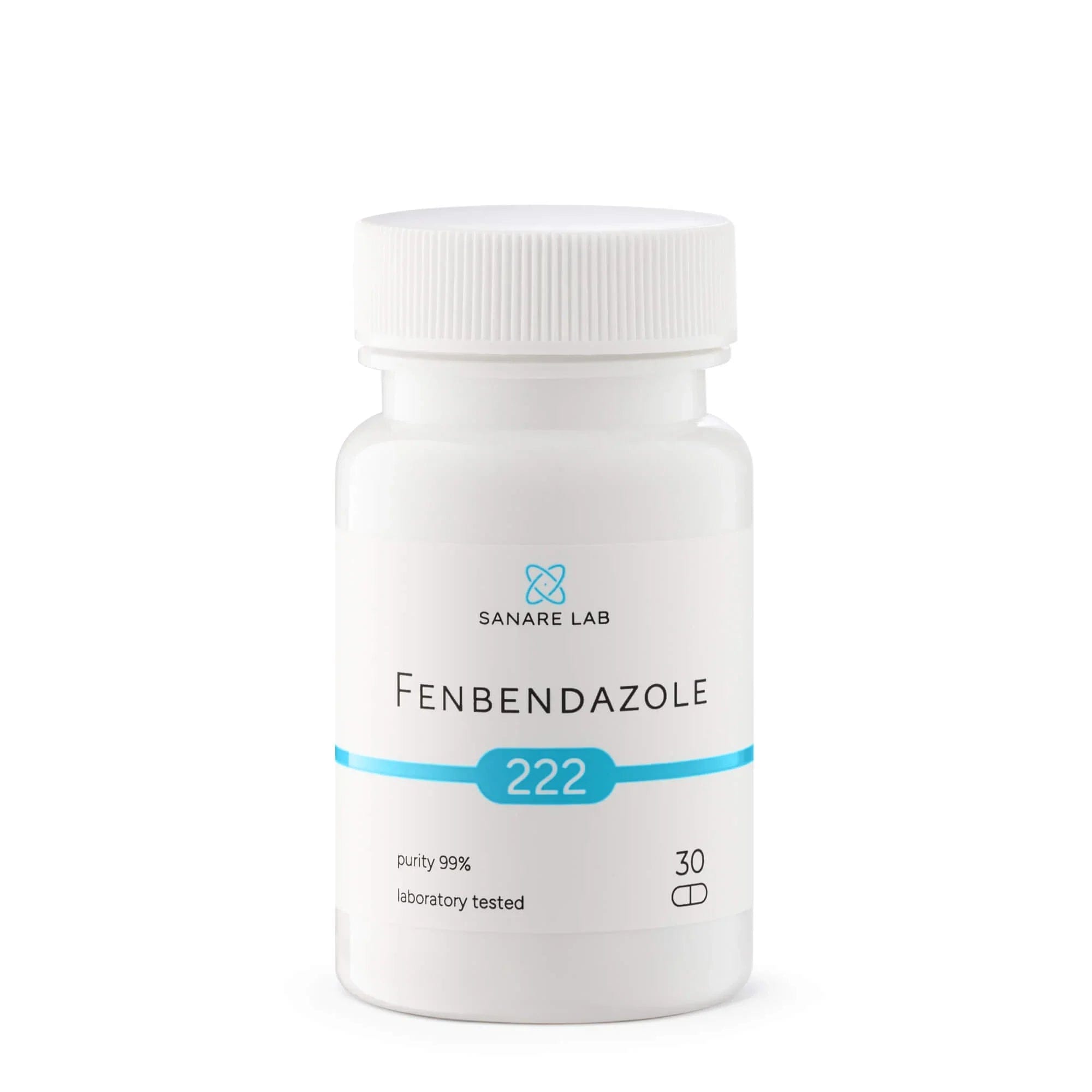
Pharmaceutical grade
Fenbendazole 222 mg
99%+ purity, third‑party lab tested.
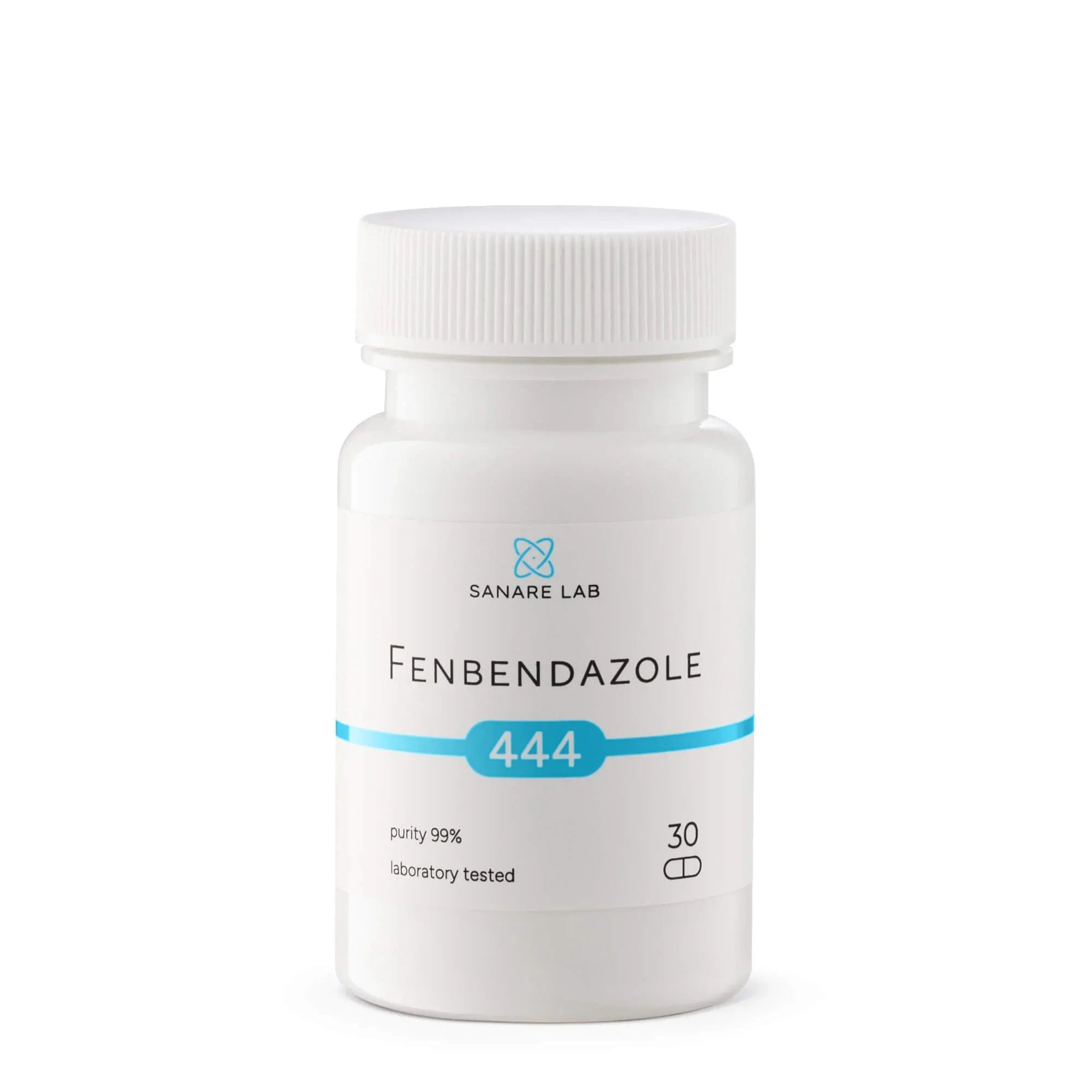
Pharmaceutical grade
Fenbendazole 444 mg
Double strength, 99%+ purity, lab tested.
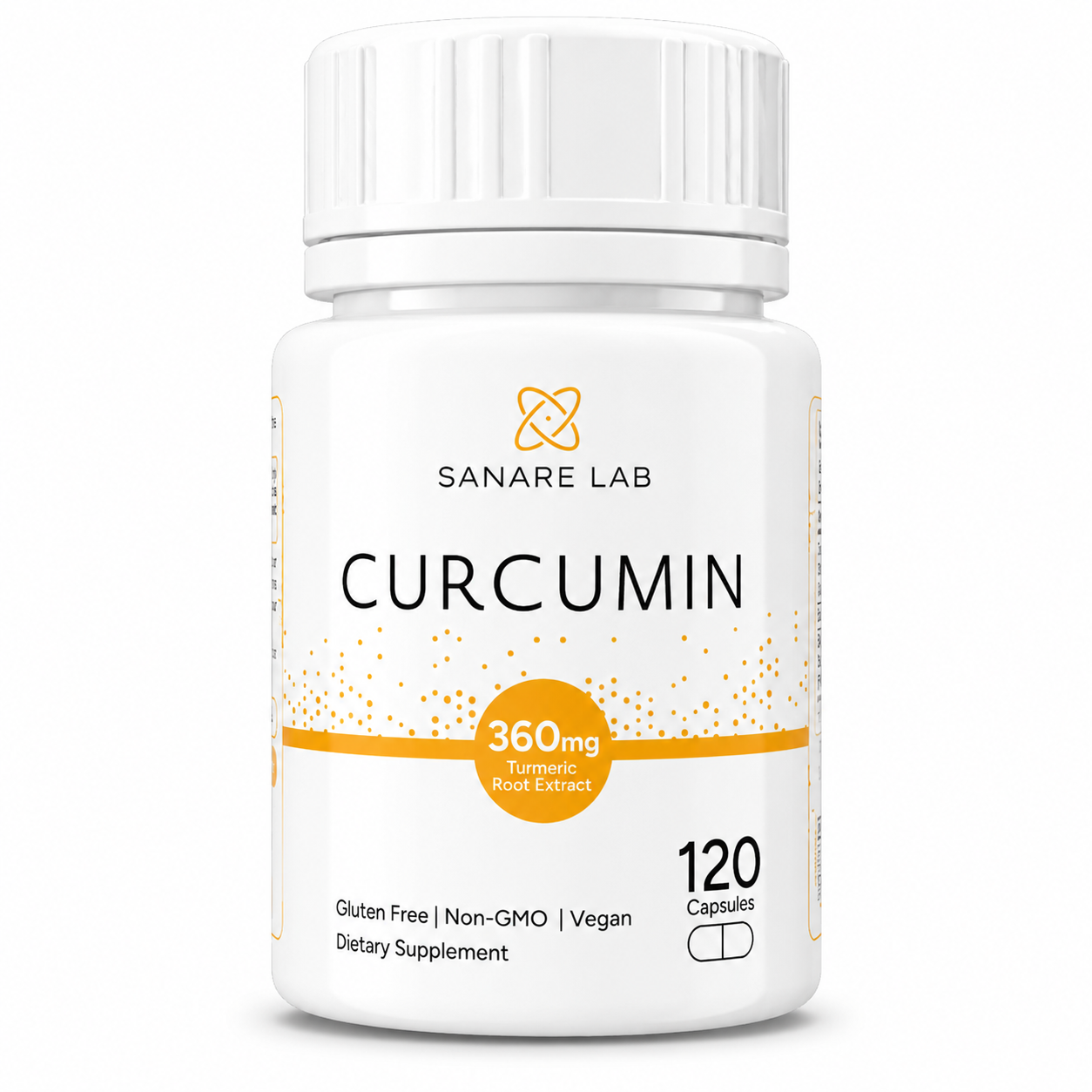
Daily adjunct
Curcumin 360 mg
95% curcuminoids with black pepper extract.
Prices checked September 2026 and may change; the store page shows the current price.
Disclaimer: Links are informational and for convenience. This site does not provide medical advice. Always verify product quality, labeling, and consult a licensed professional for health decisions.
References
- Dogra N, Kumar A, Mukhopadhyay T. Fenbendazole acts as a moderate microtubule destabilizing agent and causes cancer cell death by modulating multiple cellular pathways. Sci Rep. 2018;8:11926. PMID 30093705.
- Song B, Park EY, Kim KJ, et al. Repurposing of Benzimidazole Anthelmintic Drugs as Cancer Therapeutics. Cancers (Basel). 2022;14. PMID 36230527.
- Florio R, Carradori S, Veschi S, et al. Screening of Benzimidazole-Based Anthelmintics and Their Enantiomers as Repurposed Drug Candidates in Cancer Therapy. Pharmaceuticals (Basel). 2021;14. PMID 33920661.
- Bai RY, Staedtke V, Aprhys CM, et al. Antiparasitic mebendazole shows survival benefit in 2 preclinical models of glioblastoma multiforme. Neuro Oncol. 2011;13:974-82. PMID 21764822.
- Duan Q, Liu Y, Rockwell S. Fenbendazole as a potential anticancer drug. Anticancer Res. 2013;33:355-62. PMID 23393324.
- Mrkvová Z, Uldrijan S, Pombinho A, et al. Benzimidazoles Downregulate Mdm2 and MdmX and Activate p53 in MdmX Overexpressing Tumor Cells. Molecules. 2019;24. PMID 31181622.
- Park D, Lee JH, Yoon SP. Anti-cancer effects of fenbendazole on 5-fluorouracil-resistant colorectal cancer cells. Korean J Physiol Pharmacol. 2022;26:377-387. PMID 36039738.
- Chu SW, Badar S, Morris DL, et al. Potent inhibition of tubulin polymerisation and proliferation of paclitaxel-resistant 1A9PTX22 human ovarian cancer cells by albendazole. Anticancer Res. 2009;29:3791-6. PMID 19846910.
- Nygren P, Larsson R. Drug repositioning from bench to bedside: tumour remission by the antihelmintic drug mebendazole in refractory metastatic colon cancer. Acta Oncol. 2014;53:427-8. PMID 24160353.
- Huang L, Zhao L, Zhang J, et al. Antiparasitic mebendazole (MBZ) effectively overcomes cisplatin resistance in human ovarian cancer cells by inhibiting multiple cancer-associated signaling pathways. Aging (Albany NY). 2021;13:17407-17427. PMID 34232919.
- Guerini AE, Triggiani L, Maddalo M, et al. Mebendazole as a Candidate for Drug Repurposing in Oncology: An Extensive Review of Current Literature. Cancers (Basel). 2019;11. PMID 31480477.
- Gallia GL, Holdhoff M, Brem H, et al. Mebendazole and temozolomide in patients with newly diagnosed high-grade gliomas: results of a phase 1 clinical trial. Neurooncol Adv. 2021;3:vdaa154. PMID 33506200.
- Patil VM, Menon N, Chatterjee A, et al. Mebendazole plus lomustine or temozolomide in patients with recurrent glioblastoma: A randomised open-label phase II trial. EClinicalMedicine. 2022;49:101449. PMID 35747192.
- Hegazy SK, El-Azab GA, Zakaria F, et al. Mebendazole; from an anti-parasitic drug to a promising candidate for drug repurposing in colorectal cancer. Life Sci. 2022;299:120536. PMID 35385794.
- Phan P, Stapleton SL, Riggins GJ, et al. Phase 1 study of mebendazole therapy for refractory/progressive or recurrent pediatric brain tumors. Neurooncol Pract. 2025;12:1092-1098. PMID 41458919.
- Bach T, Murry DJ, Stebounova LV, et al. Population Pharmacokinetic Model of Oxfendazole and Metabolites in Healthy Adults following Single Ascending Doses. Antimicrob Agents Chemother. 2021;65. PMID 33526484.
- Nguyen TQ, Phan UTT, Can MV, et al. Synergistic anti-tumor effect of fenbendazole and diisopropylamine dichloroacetate in immunodeficient BALB/c nude mice transplanted with A549 lung cancer cells. Transl Lung Cancer Res. 2025;14:2509-2521. PMID 40799435.
- Cheng R, Araujo DV. Case Report: Metastatic melanoma with initial ctdna decline and radiographic response during self-directed antiparasitic use: treatment effect or spontaneous regression?. Front Oncol. 2026;16:1907192. PMID 42745863.
- Krishnan A, Lucas K, Maas L, et al. Differentiating fenbendazole-induced liver injury from immunotherapy hepatitis - the importance of structured causality assessment: A case report. World J Clin Cases. 2026;14:116700. PMID 41608149.
- Powderly GE, Hassevoort K, Loy M, et al. Drug-Induced Liver Injury Following Co-ingestion of Veterinary Fenbendazole and Ivermectin for Prostate Cancer: A Case Report. Cureus. 2026;18:e108896. PMID 42299164.
- Satinsky A, Mayer N, Swanson C, et al. Fenbendazole-Associated Drug-Induced Liver Injury with Concomitant Use of Tauroursodeoxycholic Acid. ACG Case Rep J. 2026;13:e02222. PMID 42383214.
- Yamaguchi T, Shimizu J, Oya Y, et al. Drug-Induced Liver Injury in a Patient with Nonsmall Cell Lung Cancer after the Self-Administration of Fenbendazole Based on Social Media Information. Case Rep Oncol. 2021;14:886-891. PMID 34248555.
- Thakurdesai A, Rivera-Matos L, Nagra N, et al. Severe Drug-Induced Liver Injury Due to Self-administration of the Veterinary Anthelmintic Medication, Fenbendazole. ACG Case Rep J. 2024;11:e01354. PMID 38706451.
- Retraction Statement: Paper by William Makis, Ilyes Baghli, and Pierrick Martinez entitled "Fenbendazole as an Anticancer Agent? A Case Series of Self-Administration in Three Patients" [Case Rep Oncol. 2025;18:856-863; https://doi.org/10.1159/000546362]. Case Rep Oncol. 2026;19:169. PMID 41574240.
- Olutayo E, et al. A single institutional experience on patterns of ivermectin and fenbendazole use among patients with gastrointestinal cancers. J Clin Oncol. 2026;44(2 suppl):818 (ASCO GI Cancers Symposium). doi:10.1200/JCO.2026.44.2_suppl.818.
- American Society of Clinical Oncology. ASCO Clinical Notice recommending against ivermectin and fenbendazole for cancer treatment. 2026. asco.org.
- ClinicalTrials.gov searches for fenbendazole, ivermectin and mebendazole, accessed 10 October 2026. clinicaltrials.gov.
Medical Disclaimer
This article is for educational and informational purposes only. It is not intended to be a substitute for professional medical advice, diagnosis, or treatment. Always seek the advice of your physician or other qualified health provider with any questions you may have regarding a medical condition. Never disregard professional medical advice or delay in seeking it because of something you have read on this website.
Dr. Andrew Ellison, MD
Science editor and health researcher at Sanare Lab, covering evidence-based wellness, emerging compound research, clinical studies, and practical health protocols. Content is educational and does not replace medical advice.