
Can Ivermectin Enhance Immunotherapy? Trial NCT05318469
Phase I/II trial NCT05318469 tests oral ivermectin with checkpoint inhibitors in metastatic TNBC. Design, dosing, mechanisms, safety, and early ASCO data explained.
 By Dr. Andrew Ellison, MD · January 13, 2026 · 40 min read
This article is for research and informational purposes only. It does not constitute medical advice. Do not self-prescribe. Always consult a qualified healthcare provider before using any supplement, especially alongside cancer treatment.
Ivermectin trial NCT05318469 is one of the first structured human studies to test whether a Nobel Prize–winning antiparasitic can enhance cancer immunotherapy. Metastatic triple-negative breast cancer remains difficult to treat because many tumors are immunologically “cold.” This research-backed guide explains the trial’s design, scientific rationale, dosing schedule, endpoints, safety considerations, and what early results can — and cannot — prove.
Triple-negative breast cancer (TNBC) lacks estrogen, progesterone, and HER2 receptors, so it does not respond to many targeted therapies that transformed other breast cancer subtypes. In the metastatic setting, even modern immune checkpoint inhibitors such as pembrolizumab help only a subset of patients, and responses are often not durable. That clinical gap is exactly why investigators launched NCT05318469: a Phase I/II trial evaluating whether oral ivermectin can remodel the tumor microenvironment and improve responses to PD-1 blockade.
Ivermectin is not an FDA-approved cancer drug. It is an investigational partner in this trial, grounded in preclinical work showing immunogenic cell death, T-cell infiltration, and synergy with checkpoint blockade in breast cancer models. This article is written for patients, caregivers, clinicians, and researchers who want a rigorous, transparent analysis of the trial — not hype. For foundational pharmacology, see our guides on ivermectin for humans and what ivermectin is and how it works. For broader immunotherapy context, see ivermectin and cancer immunotherapy research.
Table of Contents
- Study Team, Site Logistics, and What Participation Involves
- Comparing Evidence Tiers: Trials vs Protocols vs Testimonials
- Three Future Scenarios for NCT05318469
- Scientific Background
- Trial Design & Methodology
- Patient Population
- Dosing Regimen
- Primary & Secondary Endpoints
- Mechanisms of Action
- Preclinical Evidence
- Safety Profile
- Other Ivermectin Cancer Trials
- Immunotherapy Context
- Timeline & Current Status
- Clinical Implications
- Why Metastatic TNBC Needs New Immunotherapy Partners
- Pharmacology Bridge: From Antiparasitic PK to Oncology Scheduling
- How to Read the ASCO 2025 Snapshot Responsibly
- Biomarkers That Could Make or Break the Hypothesis
- Ethics, Misinformation, and Patient Communication
- Practical Questions Patients Often Ask Their Oncologist
- What a Mature Research Agenda Would Look Like
- Key Takeaways
- Frequently Asked Questions
- What People Report Online: Ivermectin and Immunotherapy
- References
Study Team, Site Logistics, and What Participation Involves
Academic early-phase trials are not abstract registry entries; they are operational systems. At a site such as Cedars-Sinai, participation typically involves a principal investigator, sub-investigators, research nurses, investigational pharmacists, data coordinators, and regulatory staff. Patients usually complete informed consent discussions that cover risks of both ivermectin and checkpoint inhibitors, alternative treatments, and the right to withdraw.
Logistically, participants should expect frequent visits during early cycles: infusion days, laboratory draws, toxicity checks, and imaging appointments. Travel burden, caregiver support, and work leave are practical factors that influence whether a trial is feasible even when medical eligibility is met. Financial navigation teams may help with trial-related costs, though standard-of-care billing rules still apply to many services.
Because balstilimab is investigational in this context and pembrolizumab is an approved agent used according to protocol, pharmacy handling and accountability follow investigational-drug standards. Oral ivermectin in a trial is dispensed and documented differently from a retail antiparasitic prescription. That chain of custody is part of what makes trial data credible.
Comparing Evidence Tiers: Trials vs Protocols vs Testimonials
Patients researching ivermectin encounter at least four content types online:
- Peer-reviewed mechanistic papers — high value for biology, low value for clinical dosing decisions alone.Registered interventional trials such as NCT05318469 — highest relevance for human safety/efficacy learning.
- Community protocols (for example discussions inspired by the Joe Tippens Protocol) — culturally influential, scientifically uncontrolled.
- Testimonials and social posts — emotionally powerful, maximally confounded.
A rigorous personal research workflow ranks these tiers explicitly. It also separates fenbendazole versus ivermectin mechanisms rather than treating all antiparasitics as interchangeable. When readers want dosage literacy for research discussions, the ivermectin dosage and safety guide and ivermectin for humans pages provide pharmacology context without converting education into a prescription.
Sanare Lab’s editorial position is consistent: amplify transparent trials, explain mechanisms, warn about toxicity, and refuse cure claims that outrun data. That position protects readers and protects the legitimacy of genuine repurposing science.
Three Future Scenarios for NCT05318469
Scenario A — Clear positive signal. Safety remains acceptable, responses concentrate in a biomarker-defined subgroup, and correlative science shows immune infiltration increases. Next step: randomized controlled trial. Timeline: years, not weeks.
Scenario B — Stable safety, weak efficacy. The combination is tolerable but activity resembles anti–PD-1 alone in a comparable population. Next step: either stop, redesign schedule/dose, or restrict to a narrower biological subset. This outcome is still scientifically useful.
Scenario C — Safety concerns dominate. Unexpected neurologic, hepatic, or immune toxicity forces dose abandonment. Next step: protect patients, publish toxicity lessons, and reassess whether formulation or interactions were contributors.
All three scenarios are compatible with good-faith research. Only scenario-distorting marketing is incompatible. Until final data appear, clinicians should continue offering guideline-supported mTNBC options first and discuss trials as structured opportunities rather than guaranteed breakthroughs.
For readers following adjacent repurposing science, parallel monitoring of fenbendazole trial updates, ISOM-style multi-agent concepts, and immunotherapy explainers helps maintain perspective across the field without collapsing distinct drugs into one narrative.
Frequently Asked Questions
What Is Trial NCT05318469?NCT05318469 is a Phase I/II interventional clinical trial evaluating the safety, tolerability, recommended Phase II dose, and preliminary antitumor activity of oral ivermectin combined with an anti–PD-1 immune checkpoint inhibitor in adults with metastatic triple-negative breast cancer. The study is conducted at Cedars-Sinai Medical Center in Los Angeles and is registered on ClinicalTrials.gov.The official scientific framing of the study is a Phase I/II evaluation of ivermectin in combination with balstilimab (an investigational anti–PD-1 antibody) in metastatic TNBC, with expansion interest in PD-L1–negative disease — a subgroup that historically derives less benefit from checkpoint inhibitors alone. In practice, the protocol has also allowed pembrolizumab (200 mg IV) as an alternative checkpoint inhibitor arm in some descriptions of the program, reflecting real-world access and evolving collaboration arrangements.
Official identity and sponsorship
Key registry and institutional identifiers include:
- ClinicalTrials.gov ID: NCT05318469
- Phase: Phase 1 / Phase 2
- Study type: Interventional, open-label
- Condition: Metastatic triple-negative breast carcinoma / Anatomic Stage IV breast cancer (AJCC v8)
- Lead site: Cedars-Sinai Medical Center, Los Angeles, CA
- Principal Investigator: Yuan Yuan, MD, PhD
- Collaborators reported in public sources: Agenus Inc. (balstilimab), Gateway for Cancer Research
- Estimated enrollment: approximately 34 participants
- Study start: October 13, 2023
- Estimated primary/study completion: October 31, 2026
Unlike informal online “protocols,” NCT05318469 is a monitored oncology trial with protocol-defined dosing, laboratory surveillance, RECIST response assessment, and formal adverse-event reporting. That distinction matters: self-directed use of veterinary or unregulated products is not equivalent to trial participation and has been associated with serious toxicity reports in the literature.
Why this trial exists
Metastatic TNBC is aggressive. Standard options include chemotherapy, antibody–drug conjugates (such as sacituzumab govitecan in appropriate settings), and immunotherapy for selected patients — especially those with PD-L1–positive disease in earlier lines. Many patients still progress after one or two systemic regimens. Preclinical work suggested that ivermectin might increase tumor immunogenicity and T-cell infiltration, potentially converting cold tumors into hotter ones that respond better to PD-1 blockade. NCT05318469 is the formal human test of that hypothesis in mTNBC.The trial is therefore best understood as a translational bridge: it asks whether laboratory signals of immune priming can be translated into a tolerable combination regimen and early efficacy signals in people. It is not designed to prove that ivermectin is a standalone cancer cure, nor to replace standard-of-care therapy outside a research setting.
For patients comparing repurposed-drug discussions online, NCT05318469 is also a useful benchmark: it shows what a legitimate oncology investigation looks like — institutional IRB oversight, defined eligibility, pharmacokinetic and safety monitoring, and public registration. That is fundamentally different from anecdotal stacks such as the Joe Tippens Protocol or informal combinations discussed in patient communities. Those narratives can motivate research questions, but they are not substitutes for controlled clinical data.
Scientific Background
Ivermectin is a semisynthetic macrocyclic lactone derived from avermectins produced by Streptomyces avermitilis. Its discovery and development by Satoshi Ōmura and William Campbell earned the 2015 Nobel Prize in Physiology or Medicine for transformative impact on river blindness and other parasitic diseases (PMID: 25130507). More than five billion human doses have been distributed through global health programs, giving the drug an unusually deep real-world safety record at antiparasitic doses.That safety history is necessary but not sufficient for oncology use. Anticancer interest rests on a different set of mechanisms — signaling pathway inhibition, mitochondrial stress, autophagy, and immune modulation — documented primarily in cell lines and animal models. Comprehensive reviews have cataloged multi-target anticancer activity across breast, ovarian, colorectal, glioma, leukemia, and other models (PMID: 32979983; PMID: 29531847).
From antiparasitic to oncology candidate
Drug repurposing is attractive when a compound is inexpensive, orally bioavailable, and already characterized for human use. Ivermectin fits that profile. Unlike many experimental oncology agents that require years of first-in-human dose finding from scratch, investigators can start from known human pharmacokinetics and escalate carefully within a monitored trial. The trade-off is that concentrations used in some in vitro experiments may exceed what is safely achievable in patients — a classic translational gap that Phase I work is designed to address.In breast cancer specifically, two research streams converge on NCT05318469:
- Direct antitumor signaling effects — PAK1 inhibition, Wnt/β-catenin disruption, Akt/mTOR modulation, and cytostatic autophagy in breast cancer models (PMID: 27197148; PMID: 26892225).
- Immune priming — immunogenic cell death, T-cell infiltration, and synergy with anti–PD-1 therapy in murine TNBC-like models (PMID: 33727673 / Draganov et al., npj Breast Cancer, 2021).
The second stream is the direct scientific rationale for combining ivermectin with balstilimab or pembrolizumab. Checkpoint inhibitors work best when effector T cells are already present in the tumor. If a drug can recruit those cells and reduce immunosuppressive populations, it may expand the fraction of patients who benefit from PD-1 blockade — including some with PD-L1–negative disease.
Why metastatic TNBC is the right early setting
TNBC is frequently immunologically heterogeneous. Some tumors show high tumor-infiltrating lymphocytes and respond to immunotherapy; many do not. Metastatic disease after prior therapy is a high-need population where experimental combinations can be ethically justified if safety is carefully managed. The trial’s focus on patients with prior systemic therapy reflects both unmet need and the practical reality that first-line standards must not be delayed without strong evidence.Ivermectin is also mechanistically distinct from benzimidazole anthelmintics such as fenbendazole and mebendazole, which primarily disrupt microtubules. That difference supports scientific interest in multi-agent metabolic or repurposed stacks (for example, discussions around the ISOM Protocol), but combination self-experimentation outside trials carries interaction and toxicity risks and is not endorsed by this article.
The gap NCT05318469 aims to fill
Before this trial, most ivermectin–cancer literature was preclinical. Population-level or observational claims circulated widely online, but high-quality prospective human oncology data were scarce. NCT05318469 fills a specific gap: a registered, dose-escalating, immunotherapy-combination study in a defined solid-tumor population with modern response criteria. Even a negative or modest result would be scientifically valuable because it would calibrate expectations for future trials and dosing strategies.Readers should also note that scientific discourse around ivermectin and cancer has become polarized. Responsible interpretation requires separating (a) peer-reviewed mechanistic studies, (b) early-phase clinical safety/efficacy signals, and (c) unverified social-media claims. This article prioritizes (a) and (b).
Trial Design & Methodology
NCT05318469 is an open-label Phase I/II combination study. Open-label means participants and investigators know which treatments are administered; there is no placebo arm described in public summaries. That design is standard for early-phase oncology combinations where the primary goals are safety, dose selection, and preliminary activity rather than definitive comparative efficacy.
Phase I goals
The Phase I portion focuses on:
- Safety and tolerability of oral ivermectin plus anti–PD-1 therapy
- Dose-limiting toxicities (DLTs)
- Maximum tolerated dose (MTD) and/or recommended Phase II dose (RP2D) of ivermectin in the combination
- Pharmacokinetic and clinical monitoring for drug–drug interactions
Public reports of the ASCO 2025 abstract describe fixed oral ivermectin dose levels of 30 mg, 45 mg, and 60 mg on the intermittent schedule described below, combined with balstilimab 450 mg IV on Day 1 of each cycle. Those dose levels are absolute milligram amounts used in the reported cohort, not necessarily weight-based antiparasitic microgram-per-kilogram dosing.
Phase II goals
The Phase II portion is intended to estimate antitumor activity — typically objective response rate (ORR) by RECIST — at the RP2D, with secondary interest in clinical benefit rate, progression-free survival, overall survival, duration of response, and quality of life. Expansion interest in PD-L1–negative TNBC is scientifically important because this subgroup has fewer immunotherapy options.
Treatment cycle structure
Therapy is organized in 21-day cycles:
- Ivermectin (oral): Days 1–3, 8–10, and 15–17 of each cycle (three consecutive days each week)
- Balstilimab: 450 mg IV on Day 1 (some secondary sources list 300 mg; protocol documents and ASCO abstract reporting should be treated as authoritative when they differ)
- Pembrolizumab (alternative ICI described in some public summaries): 200 mg IV on Day 1
- Duration: treatment may continue for many cycles (public summaries cite up to ~35 cycles / ~2 years) or until progression, unacceptable toxicity, or withdrawal
This intermittent (“pulsed”) ivermectin schedule differs from single-dose antiparasitic use. The design aims to maintain repeated exposure across the cycle while allowing recovery days, which may improve tolerability relative to continuous daily high-dose administration.
NCT05318469 — Patient Journey (Conceptual)
mTNBC, prior therapy, labs, imaging
Consent, baseline biomarkers
21-day cycles: IVM + anti–PD-1
Safety + RECIST response
Benefit, toxicity, or progression
Conceptual flowchart of trial NCT05318469 patient flow from screening through response assessment.
Randomization, blinding, and controls
Public descriptions characterize the study as open-label without a concurrent placebo control. That limits causal certainty about efficacy relative to anti–PD-1 alone, especially in small cohorts. Early-phase designs accept this limitation in exchange for faster safety learning and operational feasibility. Any promising signal would need confirmation in larger randomized studies before changing practice.
Assessments and monitoring
Typical Phase I/II oncology monitoring (and public trial summaries) include:
- Baseline and on-treatment laboratory panels (hematology, chemistry, liver enzymes, thyroid function for ICI toxicity)
- Clinical adverse-event grading (CTCAE)
- Periodic imaging for RECIST response
- Performance status tracking (ECOG)
- Management algorithms for immune-related adverse events (irAEs)
Because ivermectin is metabolized largely via CYP3A4 and is a P-glycoprotein substrate/inhibitor in experimental systems, concomitant medications are carefully reviewed — a critical safety feature absent from unsupervised self-medication.
Patient Population
Eligibility criteria define who can safely and scientifically contribute to the research question. The population is adults with metastatic TNBC after prior systemic therapy, not newly diagnosed early-stage disease.
Core inclusion themes
Based on public trial summaries and secondary clinical-trial aggregators, inclusion generally requires:
- Age ≥ 18 years
- Histologically confirmed metastatic triple-negative breast cancer (ER-negative, PR-negative, HER2-negative per institutional standards)
- Stage IV / metastatic disease
- Prior systemic therapy for metastatic disease (commonly described as 1–2 prior lines of chemotherapy or antibody–drug conjugates in public summaries; ASCO reporting noted a heavily pretreated cohort with a high median number of prior lines in the early dataset)
- Measurable disease suitable for response assessment (RECIST)
- ECOG performance status 0–1
- Adequate organ function (bone marrow, hepatic, renal) per protocol thresholds
- Ability to take oral medication and comply with visit schedules
For Phase II expansion concepts, PD-L1–negative status has been highlighted as a group of special interest because these patients often have limited benefit from checkpoint inhibitor monotherapy.
Core exclusion themes
Exclusions protect patients from predictable harm and protect the integrity of safety data:
- Active autoimmune disease requiring recent systemic immunosuppression
- Prior severe immune-related adverse events that would make re-challenge with PD-1 blockade unsafe
- Uncontrolled or symptomatic CNS metastases (stable treated brain metastases off steroids for a defined period may be allowed in some protocols)
- Active serious infections (including uncontrolled hepatitis B/C or HIV, depending on protocol language)
- Concurrent warfarin use or live vaccines where specified
- Pregnancy or breastfeeding
- Significant uncontrolled cardiopulmonary disease
- Concomitant medications with prohibitive interaction risk
Sample size rationale
An enrollment target near 34 participants is appropriate for a Phase I/II combination study: large enough to explore a few dose levels and observe preliminary response rates with wide confidence intervals, but far too small to establish standard of care. Early ASCO reporting described 9 accrued patients in the initial dataset, underscoring that the program was still in early accrual when first public efficacy/safety snapshots appeared.Patients considering enrollment should discuss alternatives with their oncologist, including approved antibody–drug conjugates, clinical trials of other novel agents, and palliative goals of care. Trial participation is a treatment option, not an obligation, and eligibility is determined only by the study team after formal screening.For broader context on how repurposed agents are discussed in patient communities versus trials, compare this study with research summaries on fenbendazole and breast cancer and safety-focused dosing content in our ivermectin dosage and cancer protocols guide.
Dosing Regimen
Dosing is the operational heart of NCT05318469. Because no anticancer dose of ivermectin is FDA-approved, the trial uses protocol-defined oral amounts on an intermittent schedule plus a fixed IV checkpoint inhibitor dose.
Ivermectin schedule
Oral ivermectin is given on Days 1–3, 8–10, and 15–17 of every 21-day cycle. That is nine dosing days per cycle, clustered as three consecutive days each week. The intermittent pattern is intentional: it provides repeated exposure while inserting rest days that may reduce cumulative toxicity compared with uninterrupted daily high-dose use.In the ASCO 2025 abstract dataset, dose-escalation levels of 30 mg, 45 mg, and 60 mg orally on those days were described. These are absolute milligram doses used in the reported cohort. They should not be casually converted into home “mg/kg protocols” without medical supervision. Standard antiparasitic dosing is typically about 150–200 µg/kg as a single or limited-repeat dose — a different use case with different risk calculus.
Checkpoint inhibitor schedule
- Balstilimab: 450 mg IV on Day 1 of each 21-day cycle (as reported in ASCO abstract summaries)
- Pembrolizumab (alternative described in some public trial summaries): 200 mg IV on Day 1 of each cycle
Balstilimab is an investigational anti–PD-1 antibody; pembrolizumab is an approved anti–PD-1 agent used across multiple cancers. Using a PD-1 backbone allows the trial to test whether ivermectin adds immune-priming value on top of a clinically meaningful immunotherapy class.
Duration and dose modifications
Treatment continues in repeating cycles until disease progression, unacceptable toxicity, withdrawal of consent, or a protocol-defined maximum duration (public summaries mention up to roughly two years). Dose holds, reductions, or discontinuation follow oncology standards for DLTs and immune-related adverse events. Patients do not self-titrate.Food effect and formulation details are managed by the study pharmacy. Outside trials, people sometimes assume that “more is better.” That assumption is dangerous with macrocyclic lactones because CNS toxicity risk rises when blood–brain barrier protection is impaired (for example, with P-glycoprotein inhibition or rare MDR1/ABCB1 variants). Trial dosing exists precisely to map the therapeutic window under monitoring. See also our safety-focused discussion in the ivermectin cancer dosage guide.
What this dosing is not
NCT05318469 dosing is not the same as:
- Single-dose community antiparasitic mass administration
- Veterinary paste or livestock formulations (unsafe excipients, inaccurate dosing)
- Unsupervised multi-drug stacks combining ivermectin with fenbendazole, mebendazole, and supplements without clinician oversight
Case reports of severe liver injury and life-threatening neurotoxicity after off-label self-administration of antiparasitics for cancer have been published and reinforce why monitored trials matter.
Primary & Secondary Endpoints
Endpoints determine what the trial can scientifically claim. Confusing safety endpoints with survival proof is a common source of online misinformation.
Primary endpoints
- Phase I primary focus: safety, tolerability, dose-limiting toxicities, and determination of MTD/RP2D for ivermectin combined with anti–PD-1 therapy
- Phase II primary focus: objective response rate (ORR) — typically complete response (CR) + partial response (PR) by RECIST 1.1
In plain language: first confirm the combination can be given safely at a defined dose; then estimate how often tumors shrink at that dose.
Secondary endpoints
Secondary endpoints commonly include:
- Clinical benefit rate (CBR) — often CR + PR + stable disease lasting a minimum duration (for example, 4 months in the ASCO snapshot)
- Progression-free survival (PFS)
- Overall survival (OS)
- Duration of response (DOR)
- Safety profile beyond DLTs (all-grade and high-grade adverse events)
- Quality of life (QOL) measures
Exploratory / translational endpoints
Although not always fully detailed in public summaries, early-phase immunotherapy combinations often explore:
- Changes in tumor-infiltrating lymphocytes
- Peripheral immune cell subsets
- PD-L1 dynamics and other tissue biomarkers
- Pharmacokinetic interactions between ivermectin and concomitant drugs
These exploratory readouts are scientifically crucial because the trial’s mechanistic hypothesis is immune priming, not only direct cytotoxicity.
Early public efficacy snapshot (ASCO 2025 abstract e13146)
An early public dataset associated with ASCO 2025 abstract e13146 reported approximately 9 enrolled patients, with 8 evaluable for response in a heavily pretreated mTNBC population. Among evaluable patients, reports described 1 partial response, 1 stable disease, and 6 progressive disease; median PFS about 2.5 months; and a 4-month clinical benefit rate of 37.5% (wide confidence interval). Investigators described the combination as safe and well-tolerated and considered the CBR encouraging enough to justify continued investigation.These numbers are preliminary, small, and non-randomized. They do not prove superiority to standard options. They do support the limited claim that the combination can be studied further without an obvious catastrophic safety signal in the reported cohort.
Mechanisms of Action
Understanding mechanisms explains why a parasiticide appears in an immunotherapy trial. Ivermectin’s antiparasitic action (glutamate-gated chloride channels in invertebrates) is not the main oncology story. In cancer models, multiple host-cell pathways are implicated.
Ivermectin — Proposed Anticancer & Immune Mechanisms
↓ proliferation, cytostatic autophagy
↓ stemness, EMT, metastasis programs
metabolic stress, survival signaling ↓
selective cancer-cell stress
CRT, ATP, HMGB1 danger signals
↑ CD8/CD4 infiltration, ↓ MDSCs/Tregs
Mechanistic map linking ivermectin signaling effects to immunotherapy synergy hypotheses in NCT05318469.
PAK1 pathway inhibition
P21-activated kinase 1 (PAK1) is a serine/threonine kinase that promotes proliferation, survival, and invasion. It is hyperactivated in a large fraction of human cancers. Studies show ivermectin can inactivate or promote degradation of PAK1, blocking PAK1-dependent growth and inducing cytostatic autophagy in breast cancer models (PMID: 27197148; PMID: 26892225). Because PAK1 also intersects with Wnt signaling, PAK1 inhibition may have both cell-intrinsic and microenvironment effects.
Wnt/β-catenin disruption
Wnt/β-catenin signaling supports cancer stemness, epithelial–mesenchymal transition, and immune exclusion in some tumors. Ivermectin has been reported to repress Wnt-dependent transcription, including via TELO2-related mechanisms and downregulation of Wnt-associated proteins, reducing invasion markers in resistant breast cancer models (PMID: 32979983). Immune exclusion linked to β-catenin pathway activity is one reason Wnt-high tumors may respond poorly to checkpoint inhibitors — making this pathway relevant to NCT05318469’s immunotherapy hypothesis.
Immunogenic cell death and purinergic signaling
Draganov and colleagues reported that ivermectin can promote immunogenic cell death (ICD) features — calreticulin exposure, ATP release, and HMGB1 release — and act as an allosteric modulator in the ATP/P2X4/P2X7 axis. In murine breast cancer models, this was associated with increased CD4+ and CD8+ T-cell infiltration and depletion of immunosuppressive myeloid-derived suppressor cells and regulatory T cells, converting cold tumors toward a hotter phenotype and synergizing with anti–PD-1 therapy (PMID: 33727673).This is the most direct mechanistic bridge to balstilimab/pembrolizumab combination therapy: checkpoint blockade removes a brake on T cells, while ivermectin may help ensure T cells are present and the microenvironment is less suppressive.
Autophagy, apoptosis, and mitochondrial effects
Ivermectin can induce autophagy-associated growth suppression and apoptotic signaling in multiple cancer cell types, with contributions from Akt/mTOR inhibition and mitochondrial stress/ROS generation (PMID: 31624152; PMID: 32979983). Dual cell-death programs can make single-pathway resistance harder, at least in vitro.
STAT3 and metabolic signaling
Constitutive STAT3 activity supports tumor survival and immune evasion. Reports of ivermectin interfering with STAT3-linked metabolic programs (including glycolysis-related signaling in some models) add another layer to its multi-target profile (PMID: 32979983). Multi-target drugs can be pharmacologically attractive but also complicate dose selection because different pathways may have different concentration thresholds.
P-glycoprotein and drug resistance interfaces
Ivermectin interacts with P-glycoprotein (ABCB1). Experimentally, P-gp inhibition can affect drug distribution and multidrug resistance phenotypes (PMID: 8862723). Clinically, this is a double-edged sword: potential chemosensitization on one hand, interaction and CNS exposure risks on the other. Trial monitoring of concomitant medications is therefore essential.
Anti-angiogenic and stemness-related observations
Additional preclinical reports describe effects on cancer stem-like phenotypes and other hallmarks of malignancy (PMID: 29207081). These findings broaden biological interest but remain secondary to the immune-priming rationale that specifically motivated NCT05318469.
Preclinical Evidence
Preclinical evidence is the foundation of the trial, but it is not clinical proof. Readers should weight study type carefully: cell culture < organoids < syngeneic mouse models with intact immunity < human trials.
In vitro (cell line) findings
Across breast and other cancer cell lines, ivermectin has been shown to:
- Reduce viability and colony formation
- Induce autophagy and/or apoptosis
- Inhibit migration/invasion programs linked to EMT
- Modulate PAK1, Akt/mTOR, Wnt, and STAT3-associated signaling
Classic breast-cancer papers on PAK1-mediated cytostatic autophagy remain central citations for direct antitumor activity (PMID: 27197148). Leukemia models also demonstrated chloride-dependent membrane effects and cell death, illustrating that activity is not limited to one histology (PMID: 20581313).
In vivo (animal) immunotherapy synergy
The pivotal translational paper for this trial concept is Draganov et al., 2021, in npj Breast Cancer, showing that ivermectin can convert cold tumors hot and synergize with immune checkpoint blockade in breast cancer models, including complete regressions and protective immunity on re-challenge in a subset of animals (PMID: 33727673). Monotherapy effects were more limited than combination effects — a pattern that directly supports combination trial design rather than ivermectin-alone oncology use.
Cancer types with reported sensitivity
Reviews summarize activity signals in breast, ovarian, colorectal, gastric, glioma, prostate, and hematologic models (PMID: 32979983; PMID: 29531847). Sensitivity varies by model system and concentration. TNBC-relevant models are the most pertinent to NCT05318469, but cross-tumor data help justify broader future exploration if safety and biomarkers look favorable.
Synergy with other agents
Besides checkpoint inhibitors, preclinical literature explores combinations with chemotherapy and metabolic strategies. Those data are hypothesis-generating. They should not be used to justify unsupervised stacking with fenbendazole-based protocols, methylene blue, or curcumin without clinician guidance. Synergy in a dish does not guarantee safety in a patient on multiple CYP-metabolized drugs.
Dose translation challenges
A recurring critique of antiparasitic oncology papers is concentration realism: IC50 values in vitro may exceed plasma levels achieved with approved human doses. High-dose healthy-volunteer pharmacokinetic studies exist, but oncology intermittent schedules still require empirical safety mapping. NCT05318469’s dose-escalation design is the correct scientific response to that critique.
Safety Profile
Safety is the first question any Phase I combination must answer. Ivermectin’s antiparasitic record is strong; oncology-relevant intermittent dosing plus immunotherapy is a different exposure pattern.
Known effects at antiparasitic doses
At standard human doses for parasites, ivermectin is generally well tolerated. Common effects can include transient gastrointestinal symptoms, dizziness, fatigue, or rash. In onchocerciasis, some reactions relate to dying microfilariae (Mazzotti-type reactions) rather than direct drug toxicity. Decades of mass drug administration support a wide therapeutic index in people with intact blood–brain barrier function (PMID: 25130507).
Higher-dose and oncology-context considerations
As doses and frequency increase, neurologic adverse effects become the principal concern: confusion, ataxia, tremor, visual disturbance, and, in severe poisoning scenarios, seizures or coma. Risk rises with blood–brain barrier compromise, P-gp inhibition, extreme overdoses, or use of non-pharmaceutical formulations. Published case reports of life-threatening neurotoxicity after off-label cancer-related self-use underscore this hazard.Hepatic stress is another monitoring priority, especially if patients combine multiple oral agents. Drug-induced liver injury has been reported in the context of unsupervised antiparasitic combinations for cancer. Trial participants undergo scheduled labs; self-medicating patients often do not.
Early safety observations from NCT05318469 public data
In the ASCO 2025 early cohort, the combination was described as safe and well-tolerated. Reported treatment-related events included grade 1 maculopapular rash, diarrhea, dysgeusia, muscle weakness, and vomiting; grade 2 hypothyroidism; and grade 3 anemia, with serious events interpreted cautiously in a small sample. Hypothyroidism is a recognized immune-related adverse event of PD-1 inhibitors and may reflect the checkpoint inhibitor component rather than ivermectin alone.
Critical drug interactions
Clinically important interaction themes include:
- CYP3A4 modulators: strong inhibitors or inducers may alter ivermectin exposure
- P-glycoprotein inhibitors: may increase CNS exposure risk
- Sedatives / neuroactive drugs: additive neurologic effects possible in overdose contexts
- Warfarin and narrow-therapeutic-index drugs: protocol exclusions or intensified monitoring may apply
- Other immunotherapeutics or immunosuppressants: complicate irAE interpretation and management
Patients should never add over-the-counter antiparasitics on top of trial therapy. Doing so can invalidate safety data and cause harm.
Contraindications and cautions
- Known hypersensitivity to ivermectin
- Pregnancy and breastfeeding (unless a specific protocol exception exists — generally excluded)
- Uncontrolled CNS disease
- Situations with high risk of CNS accumulation
- Inability to complete safety monitoring visits
Immunotherapy-specific contraindications (active severe autoimmunity, prior life-threatening irAEs) remain decisive even if ivermectin itself were tolerated.
Monitoring requirements in a responsible setting
Minimum monitoring themes for combination therapy include baseline and serial CBC, comprehensive metabolic panel, liver enzymes, thyroid function, clinical neurologic assessment, and irAE symptom education (diarrhea/colitis, pneumonitis symptoms, rash, endocrinopathies). This infrastructure is a major reason trial enrollment is safer than internet-guided self-treatment.
Other Ivermectin Cancer Trials
As of mid-2026, the oncology clinical-trial landscape for ivermectin remains sparse compared with the volume of preclinical papers and online discussion. NCT05318469 is the most visible, well-documented Phase I/II immunotherapy combination study in metastatic TNBC. Other registrations and concepts appear intermittently in registries and secondary databases, but few have mature peer-reviewed efficacy packages.
How to interpret the global landscape
When scanning ClinicalTrials.gov and conference abstracts, distinguish:
- Active interventional oncology trials with ivermectin as a study drug
- Observational cohorts of self-administered antiparasitics (high bias risk)
- Preclinical-only programs without human dosing
- Non-oncology ivermectin trials (parasitic disease, scabies, etc.)
NCT05318469 stands out because it pairs a clear immunotherapy hypothesis with an academic medical center, a named PI, a defined solid-tumor population, and public early safety/efficacy communication.
Comparison with other repurposed antiparasitics
Ivermectin is part of a broader repurposing wave that includes benzimidazoles. Fenbendazole clinical research and mebendazole oncology studies often target microtubules and angiogenesis-related pathways, whereas ivermectin’s most trial-relevant differentiator is immune modulation plus PAK1/Wnt signaling. That is why NCT05318469 is an immunotherapy combination study rather than a chemotherapy-replacement study.Patients comparing options should evaluate evidence quality, not social-media volume. A registered Phase I/II academic trial with ASCO communication is a higher evidence tier than testimonials, but still far below Phase III confirmation.
Immunotherapy Context
Immune checkpoint inhibitors transformed oncology, yet most patients with solid tumors still do not experience deep, durable responses to PD-1/PD-L1 monotherapy. Response rates are higher in inflamed (“hot”) tumors with T-cell infiltration and lower in excluded or desert (“cold”) tumors.
Why cold tumors fail checkpoint therapy
Cold tumors may lack neoantigen visibility, dendritic-cell activation, chemokine gradients for T-cell trafficking, or may actively suppress effectors via MDSCs, Tregs, and inhibitory cytokines. PD-1 blockade cannot unleash T cells that are not present. Strategies that induce immunogenic cell death, improve antigen presentation, or deplete suppressors are therefore rational partners for ICIs.
Where ivermectin fits
Preclinical data position ivermectin as a potential priming agent: ICD induction, T-cell influx, and suppressor-cell modulation create a microenvironment in which anti–PD-1 antibodies have something to work with (PMID: 33727673). NCT05318469 tests whether that biology is clinically actionable in mTNBC.TNBC is a strategic choice because:
- It can be immunogenic in a subset of patients
- Checkpoint inhibitors already have a role in selected settings
- Metastatic disease after prior therapy has high unmet need
- PD-L1–negative expansion cohorts address a hard-to-treat group
Potential combinations beyond this trial
If ivermectin plus PD-1 shows a clean safety profile and biomarker-linked activity, future designs might explore:
- Earlier disease settings (with extreme caution not to delay proven therapy)
- Other ICI backbones (PD-L1 or CTLA-4 combinations in selected tumors)
- Biomarker-enriched enrollment (immune signature–low tumors)
- Rational triplets only after pairwise safety is understood
For a deeper immunotherapy-focused review, see Ivermectin and Cancer Immunotherapy: What the Research Shows.
Unique practical advantages — and limits
Advantages of studying ivermectin include oral administration, low drug cost, extensive antiparasitic safety history, and multi-mechanism biology. Limits include uncertain on-target plasma exposures for every proposed mechanism, interaction potential, politicized public discourse that can distort risk communication, and the absence of Phase III oncology data.
Timeline & Current Status
NCT05318469 Timeline & Milestones
Public sources list a start date of October 13, 2023, and an estimated completion around October 31, 2026, with target enrollment near 34 participants at Cedars-Sinai under PI Yuan Yuan, MD, PhD. Recruitment status can change; always verify on ClinicalTrials.gov and with the site study coordinator.The ASCO 2025 communication provided the first widely discussed human snapshot: small N, acceptable tolerability signal, and modest but non-zero clinical benefit metrics in a heavily pretreated group. Final results may differ substantially as enrollment and follow-up mature.
How to follow updates
- ClinicalTrials.gov record NCT05318469 (status, contacts, outcome postings)
- ASCO, AACR, and San Antonio Breast Cancer Symposium abstract search
- Peer-reviewed publications linked from PubMed once available
- Cedars-Sinai clinical trials pages for local recruitment notes
Sanare Lab will continue tracking registry and publication updates in related explainers on dosing/safety and immunotherapy research.
Clinical Implications
What would positive results mean — and what would they not mean?
If the trial is clearly positive
A strong outcome would look like a favorable safety profile at a defined RP2D plus a response or clinical-benefit signal that is compelling for the enrolled population, ideally with biomarker correlation supporting immune priming. That would justify a larger randomized Phase II/III design comparing anti–PD-1 ± ivermectin (or a biomarker-selected strategy). It could also stimulate trials in other cold solid tumors.Even then, ivermectin would not automatically become standard care. Regulatory approval pathways require substantial evidence, manufacturing quality standards, and labeled oncology indications that do not currently exist.
If results are mixed or negative
A negative trial would still be informative. It might mean exposures were insufficient, the wrong schedule was used, the population was too pretreated, or the mouse-to-human immune translation failed. Negative results should reduce unsupported clinical use, not be ignored because they are unpopular in some communities.
Limitations and caveats
- Small sample size and open-label design
- No definitive comparison to anti–PD-1 alone in the early dataset
- Heavily pretreated patients may have limited immune reserve
- Conference abstracts are not final peer-reviewed manuscripts
- Off-label self-medication remains unsupported and potentially harmful
Patient access considerations
The appropriate access pathway today is clinical-trial enrollment when eligible, or standard oncology care guided by an oncologist. Pharmaceutical-grade human ivermectin products exist for approved antiparasitic indications; that is not the same as an oncology indication. Quality matters: veterinary products and unverified online sources introduce formulation and dosing risks. For product quality literacy (not treatment advice), see Sanare Lab educational pages and always involve a licensed clinician.
Regulatory pathway (high level)
A plausible path, if data warrant it, would be: complete Phase I/II → randomized controlled trial(s) → regulatory review for a specific combination indication in a defined population. Shortcuts that skip controlled evidence put patients at risk and undermine legitimate research.
Available from Sanare Lab
Educational note: the compound studied in oncology research contexts is pharmaceutical-grade ivermectin. Sanare Lab provides lab-tested research compounds for informed customers — not as a substitute for clinical-trial participation or oncology care.
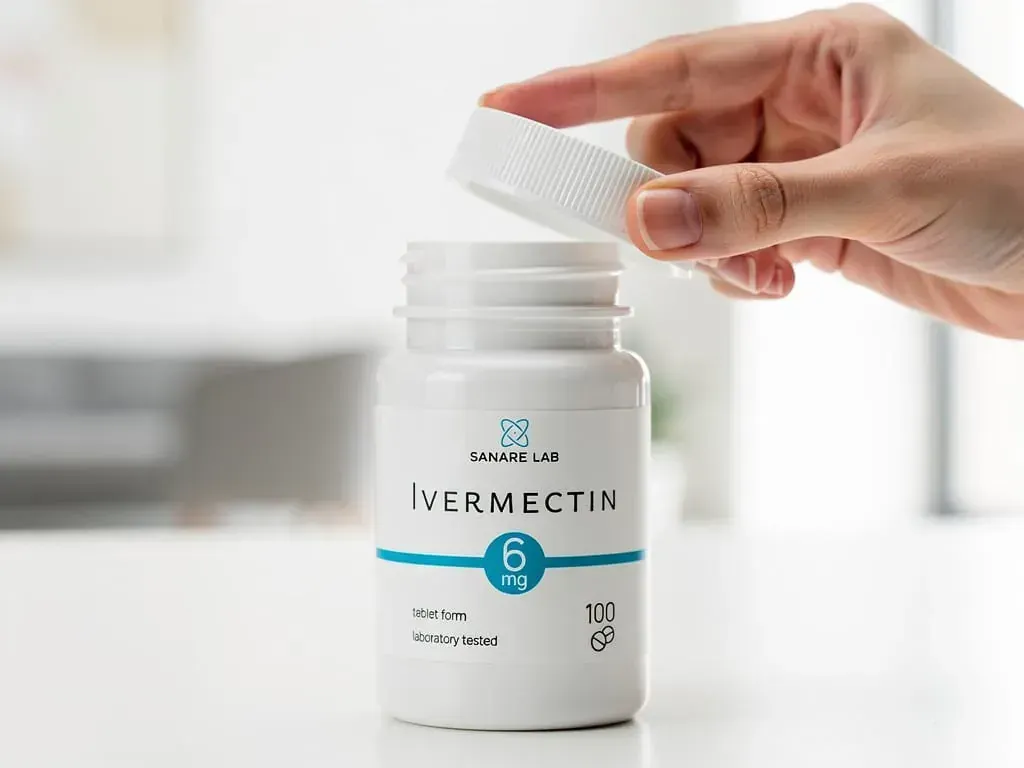
Ivermectin 6 / 12 / 18 mg — 100 tablets
- ✅ Pharmaceutical-oriented quality controls
- ✅ Third-party style verification / COA availability where offered
- ✅ Human tablet strengths commonly referenced in research discussions
Disclaimer: For convenience only. Not medical advice. Consult a licensed professional. Ivermectin is not FDA-approved to treat cancer.
Why Metastatic TNBC Needs New Immunotherapy Partners
Triple-negative breast cancer accounts for roughly 10–15% of breast cancers but a disproportionate share of metastatic mortality. Because it lacks hormone receptors and HER2 amplification, classic targeted options are limited. Chemotherapy remains foundational, antibody–drug conjugates have improved outcomes for many patients, and immunotherapy helps a subset — especially those with PD-L1–positive disease in earlier lines. Still, once disease is metastatic and pretreated, response durability is often short.Immunologically, TNBC is heterogeneous. Some tumors resemble melanoma-like inflamed cancers with abundant tumor-infiltrating lymphocytes; others are immune-excluded or immune-desert. Checkpoint inhibitors work best in the inflamed subset. For cold tumors, the field has tested chemotherapy combinations, dual checkpoint blockade, vaccines, oncolytic viruses, and STING agonists — with mixed success and sometimes substantial toxicity. An oral, inexpensive agent that can modestly reprogram the tumor microenvironment is therefore scientifically attractive if — and only if — human data confirm a favorable therapeutic index.NCT05318469 sits at that intersection. It does not claim that ivermectin replaces sacituzumab govitecan, platinum agents, or other standards. It asks a narrower question: can pulsed oral ivermectin make anti–PD-1 therapy more active or more broadly useful in mTNBC without unacceptable toxicity? That question is precise enough to be answerable and important enough to justify a carefully monitored academic trial.From a patient-education standpoint, this precision matters. Online narratives sometimes collapse all “ivermectin for cancer” claims into one story. In reality, a leukemia cell-line IC50, a mouse complete-response experiment, an observational self-medication cohort, and a Cedars-Sinai Phase I/II protocol are different evidence objects. Only the last is designed to guide regulated clinical development.
Pharmacology Bridge: From Antiparasitic PK to Oncology Scheduling
Ivermectin is highly lipophilic, extensively protein-bound, and metabolized primarily in the liver, with a plasma half-life on the order of roughly one day in typical human use. Absorption can be influenced by formulation and prandial state. The drug and its metabolites are eliminated over several days, which is why intermittent multi-day pulses can maintain repeated exposure without necessarily requiring continuous daily dosing.Healthy-volunteer high-dose studies historically explored single doses substantially above standard antiparasitic microgram-per-kilogram levels and generally found tolerability within studied bounds, but those studies were not oncology combination trials and did not include chronic multi-cycle immunotherapy co-administration (PMID: 12362927). Translating pharmacokinetics into an anticancer schedule therefore requires empirical clinical testing — exactly what dose escalation in NCT05318469 provides.Another pharmacologic nuance is tissue distribution. Lipophilicity may favor distribution into some tissues, while P-glycoprotein limits central nervous system penetration under normal conditions. Anything that weakens that barrier — drug interactions, extreme overdose, or rare transporter variants — changes the risk profile. This is why interaction screening is not bureaucratic paperwork; it is core safety science.Compared with intravenous cytotoxics, oral pulsed ivermectin is operationally simple. Compared with many experimental immune adjuvants, it is inexpensive. Those practical advantages only matter if efficacy and safety align. Pharmacology enables the trial; it does not pre-answer the efficacy question.
How to Read the ASCO 2025 Snapshot Responsibly
Conference abstracts are provisional. They are invaluable for transparency and scientific communication, but they are not final clinical practice guidelines. When abstract e13146 reported a small cohort with one partial response, one stable disease case, six progressions, median PFS near 2.5 months, and a 4-month CBR of 37.5%, several interpretive rules apply:
- Wide confidence intervals: With eight evaluable patients, percentages swing dramatically with one additional responder or progressor.
- No randomized control: Historical benchmarks in late-line mTNBC are imperfect comparators because populations differ.
- Heavy pretreatment: A high median number of prior lines lowers the expected response rate for almost any regimen.
- Safety first: In Phase I, demonstrating that a combination is administrable is itself a positive developmental milestone.
- Endpoint hierarchy: CBR including stable disease is softer than confirmed objective responses; both can be useful, but they mean different things.
Responsible communication says: “Early signal, hypothesis still open, larger data required.” Irresponsible communication says: “Ivermectin proven for breast cancer.” Sanare Lab’s standard is the former. Patients deserve hope that is tethered to methods.If later peer-reviewed full publications revise numbers upward or downward, the correct response is to update interpretations — not to freeze an abstract as permanent truth. That is how evidence-based oncology works.
Biomarkers That Could Make or Break the Hypothesis
Because the central idea is immune priming, biomarkers may ultimately matter as much as raw response rates. Useful exploratory markers in this class of trials often include:
- Baseline and on-treatment tumor-infiltrating CD8+ T-cell density
- T-cell receptor clonality shifts suggesting systemic immune engagement
- PD-L1 expression dynamics
- Myeloid suppressor signatures in blood or tissue
- Inflammatory cytokine panels
- Genomic correlates of antigenicity (tumor mutational burden is imperfect but sometimes informative)
If ivermectin truly converts cold tumors hot, one would hope to see pharmacodynamic immune changes even in some patients without deep radiographic responses. Conversely, if responses occur without immune shifts, alternative mechanisms (direct cytotoxicity, chance, or PD-1 backbone activity alone) become more plausible. Either result advances science.Patients sometimes ask whether commercial immune-profile tests can predict benefit from off-label ivermectin. At present, no validated companion diagnostic exists for that use. Biomarker work inside trials is research-grade, not a consumer product claim.
Ethics, Misinformation, and Patient Communication
Few drugs illustrate modern medical misinformation dynamics as clearly as ivermectin. During and after the COVID-19 era, public trust fractures made nuanced oncology discussion harder. Two errors are common:
- Dismissal error: treating all ivermectin–cancer research as fringe nonsense despite peer-reviewed mechanistic papers and registered trials
- Hype error: treating early laboratory or tiny clinical signals as proof of cure
Ethical patient communication rejects both. It says: preclinical data are interesting; NCT05318469 is a legitimate early-phase experiment; results to date are preliminary; self-medication with veterinary products is unsafe; standard oncology care should not be abandoned.Clinicians can acknowledge patient interest without endorsing unmonitored use. Offering trial referral when appropriate, explaining evidence tiers, and scheduling laboratory monitoring if any off-label therapy is considered under informed consent are all more ethical than either ridicule or uncritical enthusiasm.Publishers and educational sites also carry responsibility. Inflated headlines drive clicks but harm patients. This article intentionally uses cautious verbs — “may,” “investigational,” “preliminary” — wherever human benefit remains unproven.
Practical Questions Patients Often Ask Their Oncologist
Bringing a printout of NCT05318469 to a clinic visit can be productive if questions are concrete:
- Am I eligible for this or similar immunotherapy trials?
- What standard options remain, and how do their response rates compare in my line of therapy?
- If I am not trial-eligible, what are the risks of off-label antiparasitic use given my medications and liver function?
- How would we monitor for neurologic, hepatic, and immune-related toxicities?
- Would experimental therapy delay a time-sensitive approved option?
These questions center patient safety and opportunity cost. They also help clinicians understand that the patient is seeking partnership, not confrontation. For many people, interest in ivermectin is really interest in agency after exhausting frightening treatment sequences. Validating that emotion while redirecting to evidence is good medicine.Caregivers should be included in these conversations. They often manage pill schedules, transportation to academic centers, and online research load. Clear written plans reduce the chance that well-meaning family members introduce interacting supplements.
What a Mature Research Agenda Would Look Like
If the field takes ivermectin–immunotherapy seriously, a mature agenda would include:
- Complete and publish NCT05318469 with full safety tables, dose justification, and correlative science.
- Randomized Phase II in a biomarker-defined cold-tumor population, with anti–PD-1 ± ivermectin.
- Pharmacokinetic/pharmacodynamic modeling to identify schedules that hit immune endpoints at tolerable exposures.
- Formulation science ensuring pharmaceutical quality and reproducible bioavailability.
- Interaction studies with common oncology supportive-care drugs.
- Comparative work against other immune-priming strategies to determine relative value.
Only after those steps would guideline committees have the kind of evidence they require. Skipping ahead to mass off-label oncology use would repeat historical mistakes seen with other hyped repurposed agents.There is also a global-health angle. If a low-cost oral partner ever proved beneficial, access in resource-limited settings could be more feasible than with many novel biologics. That potential is inspiring — and still conditional on rigorous proof.
Key Takeaways
- NCT05318469 is a real Phase I/II academic trial of oral ivermectin plus anti–PD-1 therapy in metastatic TNBC at Cedars-Sinai.
- The scientific rationale is strongest around immune priming (ICD, T-cell infiltration) plus multi-pathway signaling effects (PAK1, Wnt, mTOR/STAT3 axes).
- Dosing uses pulsed oral ivermectin across 21-day cycles with IV checkpoint inhibition on Day 1.
- Early ASCO 2025 data suggest acceptable tolerability and a modest clinical-benefit signal in a tiny, heavily pretreated sample — not practice-changing proof.
- Ivermectin is not FDA-approved for cancer; trial participation and oncologist-guided care are the appropriate frameworks.
- Self-administration of veterinary or high-dose unsupervised regimens has documented serious risks and can delay effective therapy.
- Related Sanare Lab explainers on human use, comparisons with fenbendazole, and community protocols provide additional context without equating anecdotes to trials.
Bottom line: NCT05318469 is one of the most important currently discussed human experiments linking ivermectin to cancer immunotherapy. It deserves attention, careful reading, and patience for mature data — not premature certainty.
Frequently Asked Questions
What is ivermectin and why is it being studied for cancer?
Ivermectin is a Nobel Prize–winning antiparasitic medicine with a long human safety record at approved doses. It is being studied in cancer because preclinical research shows multi-target effects on tumor signaling and the immune microenvironment, including potential synergy with checkpoint inhibitors — not because it is an approved oncology drug.
What phase is trial NCT05318469?
NCT05318469 is a Phase I/II trial: Phase I emphasizes safety, tolerability, and dose selection; Phase II estimates preliminary antitumor activity at the recommended dose.
Who is eligible for this trial?
In public summaries, eligible adults generally have metastatic triple-negative breast cancer, prior systemic therapy for metastatic disease, measurable disease, ECOG 0–1, and adequate organ function. Final eligibility is determined only by the study team after screening.
Where is NCT05318469 being conducted?
The lead site is Cedars-Sinai Medical Center in Los Angeles, with Yuan Yuan, MD, PhD, identified as principal investigator in public sources.
What dose of ivermectin is being tested?
Public ASCO-related reporting described oral dose levels of 30, 45, and 60 mg on Days 1–3, 8–10, and 15–17 of each 21-day cycle, combined with IV anti–PD-1 therapy on Day 1. Patients should not copy trial doses outside medical supervision.
How long does trial treatment last?
Treatment is given in repeating 21-day cycles and may continue for many months (public summaries mention up to roughly two years) unless progression, toxicity, or withdrawal occurs sooner.
What primary outcomes are being measured?
Primary goals center on safety/RP2D in Phase I and objective response rate in Phase II, with secondary endpoints such as clinical benefit rate, PFS, OS, and quality of life.
Has ivermectin shown anticancer effects in preclinical studies?
Yes. Multiple peer-reviewed studies report antitumor and immune-modulating effects in cell and animal models, including breast cancer models where ivermectin synergized with anti–PD-1 therapy. Preclinical activity is not proof of clinical benefit.
What are the main mechanisms of action under study?
Key proposed mechanisms include PAK1 inhibition, Wnt/β-catenin disruption, Akt/mTOR and STAT3-related effects, mitochondrial stress, immunogenic cell death, and tumor microenvironment remodeling that increases T-cell infiltration.
Is ivermectin safe at anticancer investigational doses?
Standard antiparasitic doses are generally well tolerated, but investigational oncology schedules require formal safety testing. Early NCT05318469 public data suggested acceptable tolerability in a small cohort; this does not validate unsupervised high-dose use.
What are the major drug interactions?
Clinically important themes include CYP3A4 and P-glycoprotein interactions, additive neurologic risk in overdose contexts, and immunotherapy-related immune adverse events from the PD-1 partner drug. Always review full medication lists with the oncology team.
Are there other ivermectin cancer trials?
A few early-phase or concept studies appear in public discussion, but NCT05318469 is the clearest Phase I/II immunotherapy combination study in mTNBC with accessible early reporting. Always verify live registry status.
When will final results be available?
Estimated completion windows around late 2026 have been listed publicly, but actual publication timing depends on accrual, follow-up, and peer review. Watch ClinicalTrials.gov and major oncology meetings for updates.
How does this compare with other repurposed drugs?
Unlike microtubule-targeting benzimidazoles such as fenbendazole/mebendazole, ivermectin’s standout trial rationale here is immune priming plus signaling pathway effects. Evidence tiers still favor controlled trials over anecdotes for all repurposed agents.
Can patients access ivermectin outside clinical trials for cancer?
Ivermectin is not FDA-approved for cancer. Outside a trial, any use is off-label and should only be considered — if at all — under a licensed clinician who understands interactions, monitoring, and the risk of delaying proven therapy. This article does not recommend self-treatment.
What happens if the trial is successful?
Success would support larger randomized trials and, eventually, regulatory evaluation for a specific oncology indication. It would not instantly make ivermectin standard care worldwide.
What is the difference between balstilimab and pembrolizumab in this research?
Both are anti–PD-1 antibodies. Pembrolizumab is widely approved across cancers; balstilimab is an investigational anti–PD-1 agent used in this research program. Both aim to release PD-1–mediated T-cell inhibition.
Why focus on triple-negative breast cancer?
mTNBC has high unmet need, variable immunotherapy responsiveness, and strong preclinical models for cold-to-hot conversion — making it a rational early clinical setting for an ivermectin + ICI hypothesis.
Can this trial replace standard cancer treatment?
No. NCT05318469 is research. Standard-of-care decisions belong with the treating oncologist. Trial participation is additive or alternative only when clinically appropriate and ethically consented.
How can someone ask about enrollment?
Start with the treating oncologist, then contact the site listed on the ClinicalTrials.gov record for NCT05318469. Only the study team can confirm openings, eligibility, and logistics.
Understanding NCT05318469 in the Broader Ivermectin Research Landscape
The NCT05318469 trial represents the first formal clinical evaluation of ivermectin as a cancer treatment in humans. To fully understand its significance, consider the broader context of ivermectin research:
- Dosing context: The trial's dose escalation design will help answer critical questions about achievable tissue concentrations. For a comprehensive overview, see our ivermectin dosage and cancer protocols guide, which includes an ivermectin dosage chart comparing antiparasitic and investigational doses.
- Immunotherapy mechanisms: Our ivermectin and cancer immunotherapy review details the preclinical evidence for immunogenic cell death (ICD) induction — the core hypothesis being tested in NCT05318469.
- Alternative antiparasitics: Fenbendazole vs. ivermectin — a head-to-head comparison of mechanisms and evidence for these two antiparasitic drugs in cancer research.
- Multi-drug approaches: The Joe Tippens Protocol, COC Protocol, and ISOM Protocol all explore multi-drug repurposed approaches. NCT05318469 may provide the first rigorous clinical data on whether such combinations have merit.
- Supportive compounds: Research on curcumin and methylene blue as potential synergistic agents may complement ivermectin-based protocols.
For practical information about pharmaceutical-grade ivermectin sourcing, visit our ivermectin for humans guide and foundational ivermectin overview.
Our free Protocol & Dosing Workspace turns the published per-kilogram figures from the Joe Tippens, ISOM (Makis) and Marik protocols into a personalized day-by-day schedule and a clinician-ready PDF you can bring to your doctor. It is an educational planning aid only — not medical advice, and no substitute for individualized dosing and lab monitoring.
Open the Dosing Calculator →What People Report Online: Ivermectin and Immunotherapy
Behind the laboratory papers sits a large, restless online conversation. On Reddit and patient forums, people watching the ivermectin immunotherapy trials — and the relatives caring for them — trade experiences with ivermectin, usually as an add-on to standard cancer care. To save you from digging through dozens of scattered threads, we have gathered the most relevant, on-topic discussions in one place, together with an honest guide to what these accounts can and cannot tell you.
How to read these reports
These are personal stories, not clinical evidence. They are uncontrolled, self-reported, and impossible to verify independently.
In almost every account, the person was also receiving standard treatment — chemotherapy, immunotherapy, radiotherapy, or surgery — at the same time as ivermectin. When someone improves on two therapies at once, the result cannot be credited to ivermectin alone; the conventional treatment is the far more likely explanation.
Encouraging stories are also shared far more often than disappointing ones, so online threads skew positive (survivorship and publication bias).
The useful way to read them is as questions worth raising with your oncologist — not as a protocol to copy on your own.
For a deeper, evidence-based look at how these accounts hold up — including the documented case reports and the peer-reviewed analyses behind them — see our detailed review of fenbendazole success stories and case reports.
Shop Sanare Lab
Lab-tested products referenced in the research above. Links are provided for convenience — always review the label and consult a professional before use.
Ivermectin
6 / 12 / 18 mg — 100 tabletsBuy Ivermectin →Fenbendazole 222 mg
180 capsules — 99% purity, laboratory testedBuy Fenbendazole 222 →Curcumin Turmeric 360 mg
120 capsules — with Black Pepper for absorptionBuy Curcumin →
Disclaimer: Links are informational and for convenience. This site does not provide medical advice and does not endorse any specific vendor. Always verify product quality, labeling, and consult a licensed professional for health decisions.
References
- ClinicalTrials.gov. A Phase I/II Study of Ivermectin in Combination with Immune Checkpoint Inhibition in Metastatic Triple-Negative Breast Cancer (NCT05318469). https://clinicaltrials.gov/study/NCT05318469
- Draganov D, et al. Ivermectin converts cold tumors hot and synergizes with immune checkpoint blockade for treatment of breast cancer. npj Breast Cancer. 2021. PMID: 33727673.
- Tang M, Hu X, Wang Y, et al. Ivermectin, a potential anticancer drug derived from an antiparasitic drug. Pharmacol Res. 2021;163:105207. PMID: 32979983.
- Juarez M, Schcolnik-Cabrera A, Dueñas-Gonzalez A. The multitargeted drug ivermectin: from an antiparasitic agent to a repositioned cancer drug. Am J Cancer Res. 2018;8(2):317-331. PMID: 29531847.
- Dou Q, Chen HN, Wang K, et al. Ivermectin induces cytostatic autophagy by blocking the PAK1/Akt axis in breast cancer. Cancer Res. 2016;76(15):4457-4469. PMID: 27197148.
- Wang K, Gao W, Dou Q, et al. Ivermectin induces PAK1-mediated cytostatic autophagy in breast cancer. Autophagy. 2016. PMID: 26892225.
- Liu J, Liang H, Chen C, et al. Ivermectin induces autophagy-mediated cell death through the AKT/mTOR signaling pathway in glioma cells. Biosci Rep. 2019. PMID: 31624152.
- Dominguez-Gomez G, Chavez-Blanco A, Medina-Franco JL, et al. Ivermectin as an inhibitor of cancer stem-like cells. Mol Med Rep. 2018. PMID: 29207081.
- Nappi L, Aguda AH, Nakouzi NA, et al. Ivermectin inhibits HSP27 and potentiates efficacy of oncogene targeting in tumor models. J Clin Invest. 2020. PMID: 31972613.
- Sharmeen S, Skrtic M, Sukhai MA, et al. The antiparasitic agent ivermectin induces chloride-dependent membrane hyperpolarization and cell death in leukemia cells. Blood. 2010. PMID: 20581313.
- Didier A, Loor F. The abamectin derivative ivermectin is a potent P-glycoprotein inhibitor. Anticancer Drugs. 1996. PMID: 8862723.
- Nambara S, Masuda T, Nishio M, et al. Antitumor effects of the antiparasitic agent ivermectin via inhibition of Yes-associated protein 1 expression in gastric cancer. Oncotarget. 2017. PMID: 29228717.
- Omura S, Crump A. Ivermectin: panacea for resource-poor communities? Trends Parasitol. 2014. PMID: 25130507.
- Campbell WC. History of avermectin and ivermectin, with notes on the history of other macrocyclic lactone antiparasitic agents. Curr Pharm Biotechnol. 2012. PMID: 22039826.
- Guzzo CA, et al. Safety, tolerability, and pharmacokinetics of escalating high doses of ivermectin in healthy adult subjects. J Clin Pharmacol. 2002. PMID: 12362927.
- Laing R, Gillan V, Devaney E. Ivermectin — old drug, new tricks? Trends Parasitol. 2017. PMID: 28285851.
- ASCO Annual Meeting 2025. Abstract e13146: Phase I/II ivermectin + balstilimab in metastatic TNBC (NCT05318469) early results communication. JCO abstract link.
- Gateway for Cancer Research. Trial summary: ivermectin + balstilimab in metastatic TNBC with PD-L1–negative expansion concept. Public trial page.
- Luke JJ, Bao R, Sweis RF, et al. WNT/β-catenin pathway activation correlates with immune exclusion across human cancers. Clin Cancer Res. 2019;25(10):3074-3083. PMID: 30635339.
- FDA. STROMECTOL (ivermectin) prescribing information — approved antiparasitic labeling (not an oncology indication). FDA label PDF.
- WHO Model List of Essential Medicines — ivermectin listing for antiparasitic public-health use.
- Juarez M, Schcolnik-Cabrera A, Dueñas-Gonzalez A. Antiparasitic agents as potential anticancer therapies: an updated review. Anticancer Res. 2024;44(9):3725-3735.
Related Sanare Lab Reading
- Ivermectin and Cancer Immunotherapy
- Ivermectin Dosage & Cancer Protocols Safety Guide
- Ivermectin for Humans
- What Ivermectin Is and How It Works
- Fenbendazole vs Ivermectin
- Joe Tippens Protocol
- ISOM Protocol
- Fenbendazole and Breast Cancer
- Fenbendazole Clinical Trials Update 2026
- Fenbendazole Dosage Guide
Medical Disclaimer
This article is for educational and informational purposes only. It is not intended to be a substitute for professional medical advice, diagnosis, or treatment. Always seek the advice of your physician or other qualified health provider with any questions you may have regarding a medical condition. Never disregard professional medical advice or delay in seeking it because of something you have read on this website.

Dr. Andrew Ellison, MD
Science editor and health researcher at Sanare Lab, covering evidence-based wellness, emerging compound research, clinical studies, and practical health protocols. Content is educational and does not replace medical advice.