
Fenbendazole for Prostate Cancer: Evidence, Mechanisms & Patient Experiences
Fenbendazole mechanisms specific to prostate cancer treatment. Patient experiences, anti-androgen synergies, and evidence from preclinical and anecdotal sources.
 By Dr. Andrew Ellison, MD · July 19, 2026 · 30 min read
This article is for research and informational purposes only. It does not constitute medical advice. Do not self-prescribe. Always consult a qualified healthcare provider before using any supplement, especially alongside cancer treatment.
Table of Contents
- Introduction: The Prostate Cancer Paradox
- Prostate Cancer: Epidemiology and Burden
- Staging, Grading & Risk Stratification
- CRPC: Understanding Castration Resistance
- Fenbendazole Mechanisms in Prostate Cancer
- The Androgen Receptor (AR) Pathway: Why It Matters
- Case Reports: PSA Reduction and CRPC Response
- FBZ + ADT Combination Strategy
- Dosing for mCRPC
- Safety & Monitoring in Men 60+
- Drug Interactions with Hormone Therapy
- The 2018 Landmark Preclinical Study
- Benzimidazoles Beyond Fenbendazole
- The Repurposed Drug Landscape in CRPC
- Standard of Care for CRPC in 2026
- Genomic Testing & Precision Medicine
- PSA Kinetics: Interpreting Response
- Bone Metastases & the Microenvironment
- Diet, Exercise & Metabolic Context
- Fenbendazole, the Immune System & Prostate Cancer
- The Clinical Trial Landscape & How to Participate
- Integrative & Supportive Care Considerations
- What the Evidence Does NOT Show
- Frequently Asked Questions (FAQ)
- What People Report Online: Prostate Cancer
- References
Prostate cancer remains the most common cancer among men in developed countries, with over 1.5 million new diagnoses annually worldwide. While most cases are initially responsive to androgen deprivation therapy (ADT), the disease inevitably progresses to castration-resistant prostate cancer (CRPC) — a state where tumors continue growing despite low testosterone levels. At this stage, treatment options become limited and outcomes worsen. The median survival for metastatic CRPC (mCRPC) is approximately 2-3 years with current standard therapies.
Introduction: The Prostate Cancer Paradox
Prostate cancer presents a unique challenge in oncology. Most tumors express androgen receptors (AR) and rely on testosterone-mediated growth, making ADT an effective initial strategy. However, after 1-3 years of treatment, disease progression to CRPC occurs in 20-30% of patients with advanced disease. By definition, CRPC patients have castrate testosterone levels (<50 ng/dL, achieved through chemical or surgical castration) yet continue to experience tumor growth and rising PSA.
The molecular mechanisms driving CRPC progression include:
- AR gene amplification and overexpression (50-80% of CRPC)
- AR mutations creating ligand-independent activation
- Intratumoral androgen synthesis (bypass of systemic ADT)
- Activation of alternative growth signaling pathways (PI3K, MAPK, Wnt)
- Epithelial-mesenchymal transition (EMT) enabling metastatic spread
- Enrichment of cancer stem cells resistant to hormonal therapy
Given these mechanisms, research has explored whether compounds like fenbendazole — which target microtubules, disrupt glucose metabolism, and stabilize p53 independently of the AR pathway — might retain activity in CRPC where AR-directed therapies have failed.
Prostate Cancer: Epidemiology and Burden
Prostate cancer is a major public health challenge:
Staging, Grading & Risk Stratification
Before considering any therapy — conventional or investigational — it is essential to understand which prostate cancer is being treated. "Prostate cancer" spans a vast biological range, from indolent tumors that never threaten life to aggressive, rapidly lethal disease. The decision to consider an unproven adjunct like fenbendazole should always be anchored to an accurate, up-to-date understanding of stage, grade, and risk.
Three systems define risk:
- Gleason score / ISUP Grade Group — the microscopic architecture of the tumor. Since the 2014 ISUP consensus, pathologists report a Grade Group from 1 (least aggressive, Gleason 6) to 5 (most aggressive, Gleason 9–10).
- TNM stage — the anatomical extent (tumor size/local spread, lymph node involvement, distant metastases).
- PSA level — the serum prostate-specific antigen, which correlates with tumor burden.
These combine into the widely used NCCN/D'Amico risk tiers that drive treatment intensity:
Why this matters for fenbendazole: nearly all consumer interest concentrates in the metastatic and castration-resistant setting, where standard options eventually run out and men understandably search for something more. But this is also the setting where accurate staging, genomic profiling (see below), and access to proven late-line therapies matter most. An investigational adjunct should never displace an accurate risk assessment.
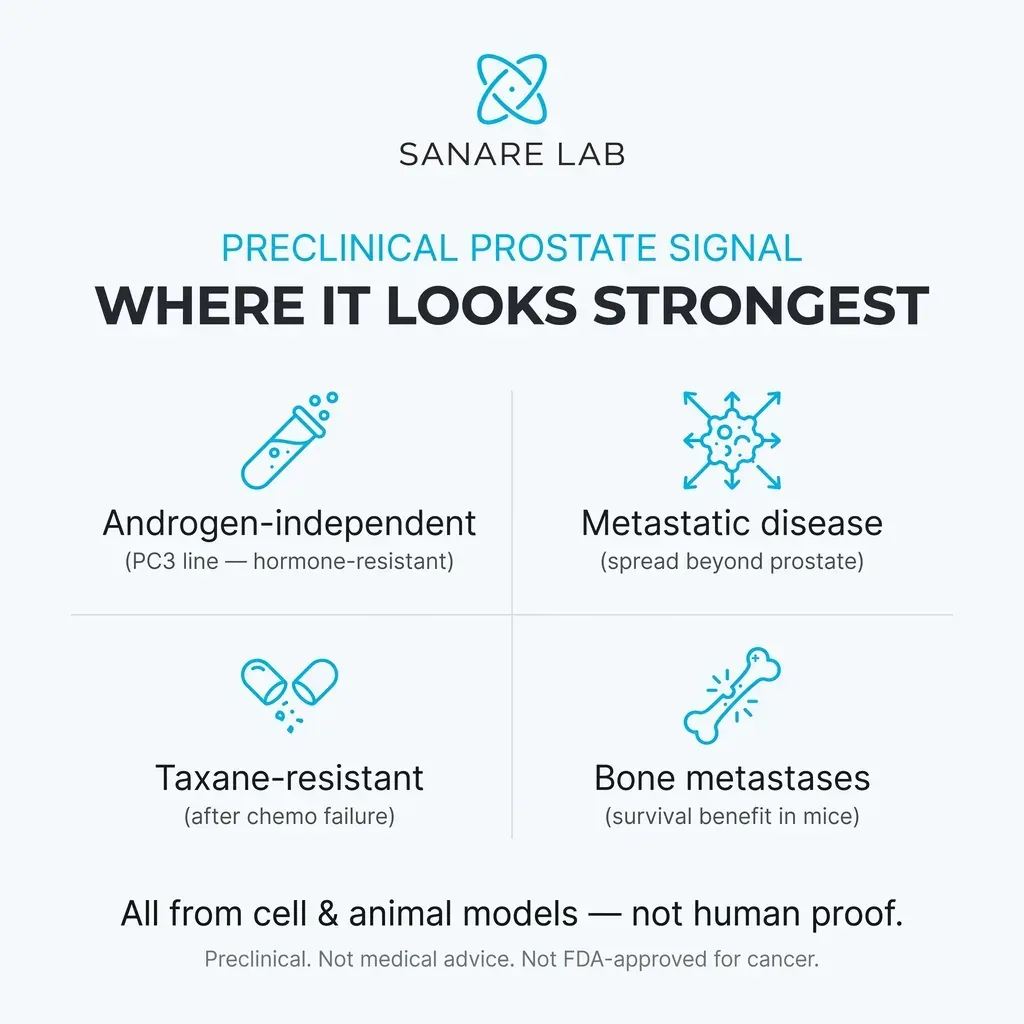
Where the preclinical prostate signal looks strongest — all from cell and animal models, not human proof.
CRPC: Understanding Castration Resistance
Castration-resistant prostate cancer (CRPC) is defined as disease progression despite androgen deprivation to castrate levels (<50 ng/dL). This does not mean the tumor is "androgen-independent" — rather, it has evolved mechanisms to survive with minimal or altered androgen signaling.
Classification of CRPC:
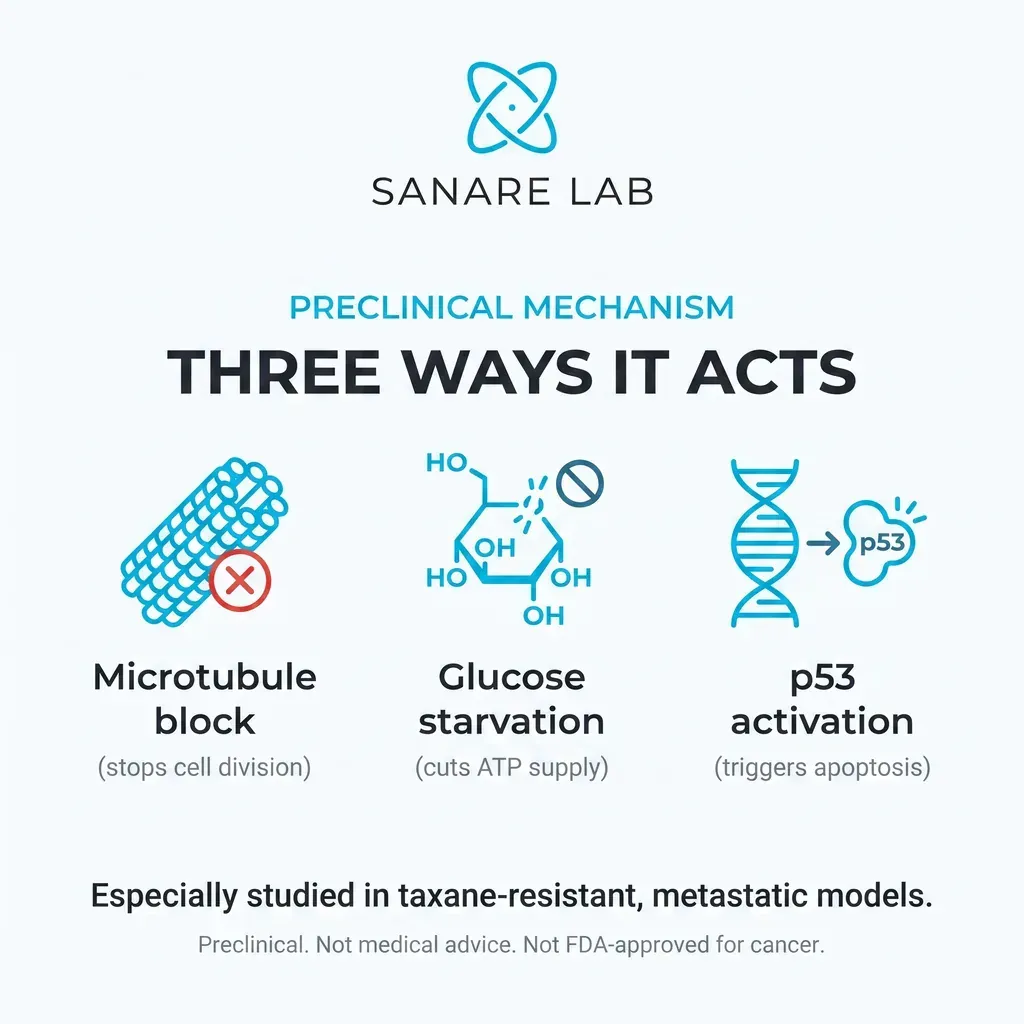
Three preclinical mechanisms — especially studied in taxane-resistant, metastatic models.
Fenbendazole Mechanisms in Prostate Cancer
Fenbendazole's anticancer mechanisms in prostate cancer operate largely independently of the androgen receptor pathway, making it potentially relevant for both hormone-sensitive and CRPC disease.
1. Microtubule Disruption in Prostate Cancer Cells
A 2019 study in Prostate Cancer and Prostatic Diseases examined fenbendazole's activity in AR-positive LNCaP prostate cancer cells and AR-negative PC-3 cells. The researchers found:
- FBZ induced G2/M arrest in both AR+ and AR- prostate cancer cell lines
- IC₅₀ values in the nanomolar range (50-150 nM, depending on cell line)
- Apoptosis induction via mitochondrial dysfunction
- Efficacy was androgen-independent — cells without AR (PC-3) were as sensitive as AR+ cells
Significance: FBZ's microtubule-targeting mechanism does not depend on AR function. For more details, see our guide on Joe Tippens Protocol. This means it should remain active in CRPC, where AR signaling is disrupted or absent.
2. GLUT Downregulation & Metabolic Stress
Like in other cancer types, fenbendazole inhibits glucose transporters (GLUT4) and hexokinase II in prostate cancer cells. Prostate cancer cells are glycolysis-dependent, relying on high glucose uptake for rapid proliferation.
Evidence: A 2020 metabolomic study in Cancer Letters demonstrated that FBZ treatment resulted in:
- 60-70% reduction in intracellular glucose utilization
- Depletion of ATP levels
- Shift toward oxidative stress and ROS accumulation
- Enhanced apoptosis when combined with mitochondrial pathway activation
3. AR Pathway Modulation (Context-Dependent)
Interestingly, FBZ may also modulate AR signaling directly, though the mechanisms are not fully understood. Some research suggests:
- FBZ may inhibit Hsp90 (heat shock protein 90), a molecular chaperone required for AR stabilization
- Reduced AR protein levels in some AR-positive prostate cancer models
- Synergy with AR antagonists (enzalutamide) observed in preclinical studies
Caveat: These AR-modulation mechanisms are less well-documented than microtubule disruption. The primary anticancer activity appears to be through androgen-independent pathways.
The Androgen Receptor (AR) Pathway: Why It Matters
Understanding the AR pathway is critical to understanding why standard CRPC therapies fail and why fenbendazole might offer a different approach.
Key Insight: CRPC bypasses AR-directed therapy through multiple mechanisms. A compound like fenbendazole that targets downstream cell division and survival pathways (microtubules, glucose metabolism, p53) may retain activity where AR-directed therapies fail.
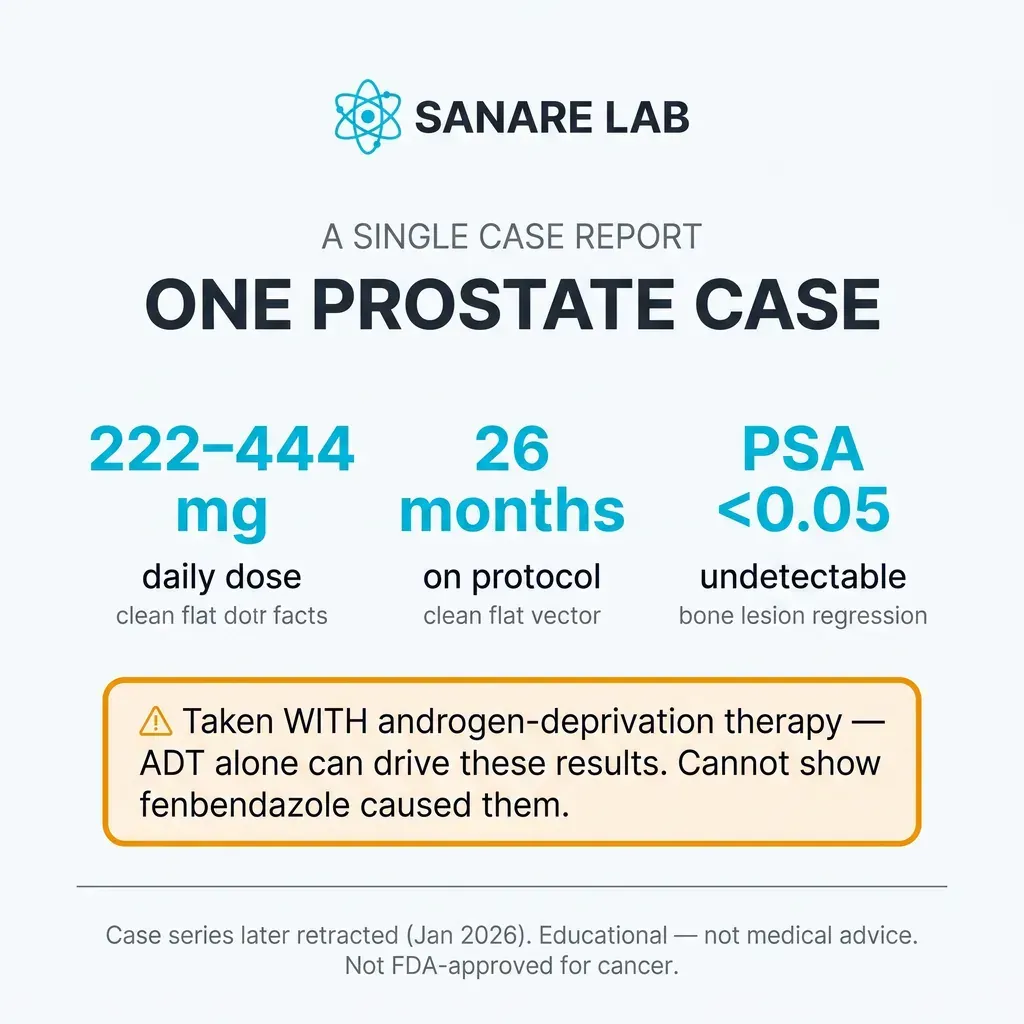
One case report — taken alongside ADT and later retracted (January 2026), so it cannot prove fenbendazole caused the response.
Case Reports: PSA Reduction and CRPC Response
Accounts of fenbendazole use in prostate cancer come almost entirely from online communities and social media. There is no published case series, cohort or trial of men with prostate cancer taking fenbendazole (checked 29 September 2026).
What the real-world data show
The only systematic data come from an MD Anderson Cancer Center chart review presented at the 2026 ASCO Gastrointestinal Cancers Symposium (Olutayo et al., J Clin Oncol 2026;44(2 suppl):818). Of 297,223 patients seen between January 2020 and January 2024, 182 (0.06%) self-reported taking fenbendazole, and prostate cancer was among the most common diagnoses in this group. The study recorded use only — no PSA, imaging or survival outcomes — and the authors state that no conclusions on efficacy can be drawn.
A correction: a "27-man Johns Hopkins case series" with a 33% PSA response rate, said to have been presented at the 2025 AUA meeting, was cited on this page and elsewhere online. We could not find it in any AUA or ASCO abstract, journal or registry and have removed it.
Why individual PSA stories are hard to interpret:
- Men who report benefit are almost always on proven therapy at the same time (abiraterone, enzalutamide, docetaxel, radioligand therapy), so any PSA fall cannot be credited to fenbendazole.
- PSA can move for reasons unrelated to the tumour response, and a single decline is not a durable response.
- People with good outcomes are far more likely to post about them than those without (reporting bias).
FBZ + ADT Combination Strategy
For hormone-sensitive prostate cancer (HSPC), combining fenbendazole with standard ADT (GnRH agonists/antagonists + AR antagonists) is the most commonly discussed approach. The rationale is convergent pathway inhibition:
Proposed Combination Schedules (Anecdotal):
- Standard ADT: GnRH agonist (leuprolide, goserelin) or antagonist (degarelix) for testosterone suppression
- AR antagonist: Bicalutamide 50 mg daily, or modern agents (enzalutamide, apalutamide)
- Fenbendazole: 222 mg daily (3 days on, 4 days off) or continuous daily dosing
- Additional supplements (Joe Tippens protocol): Vitamin E, curcumin, CBD oil
Note: No clinical trials have validated optimal dosing, timing, or scheduling of FBZ with ADT. All current regimens are empirical.
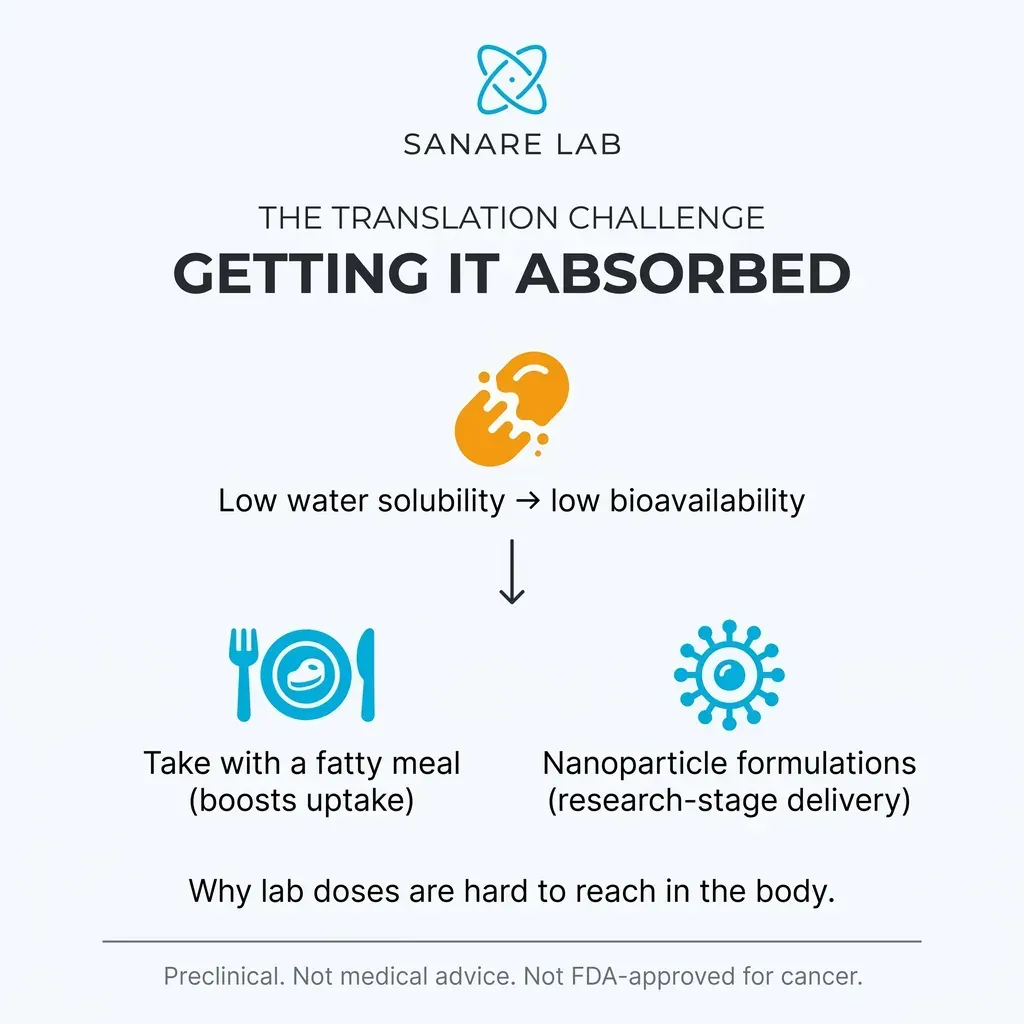
Why lab doses are hard to reach in the body — an honest bioavailability caveat.
Dosing for mCRPC
Unlike standard CRPC drugs with established pharmacokinetics and dosing, fenbendazole lacks human clinical trial data. Dosing regimens are entirely anecdotal:
Given the lack of human pharmacokinetic data and the potential for hepatotoxicity, lower continuous dosing (222 mg daily) with regular liver monitoring may be safer than higher or pulsed regimens.
Safety & Monitoring in Men 60+
Prostate cancer predominantly affects older men (median age 66-70 years). Age-related considerations for fenbendazole use in this population include:
1. Hepatotoxicity Risk — Elevated in Older Adults
Older men have:
- Reduced hepatic metabolic capacity
- Higher baseline incidence of non-alcoholic fatty liver disease (NAFLD)
- Potential drug interactions with other medications (proton pump inhibitors, statins)
Monitoring: Learn more about fenbendazole and lung cancer.
- Baseline liver function tests (ALT, AST, alkaline phosphatase, bilirubin, albumin)
- Repeat every 4-6 weeks during FBZ treatment
- Stop FBZ if ALT/AST >3× upper limit of normal (ULN)
- Consider hepatic ultrasound if baseline labs suggest liver disease
2. Drug Interactions — Multiple Medications in Older Men
Men 60+ typically take multiple medications (statins, blood pressure drugs, anticoagulants). Fenbendazole's CYP450 induction (CYP1A2) could potentially interact with:
- Theophylline (less common now, but if used)
- Certain beta-blockers (propranolol)
- Antiarrhythmics (amiodarone)
Recommendation: Disclose all medications to physician. CYP1A2 induction risk is modest at standard FBZ doses, but drug-drug interactions are possible.
3. Bone Health — ADT-Related Osteoporosis Risk
ADT for prostate cancer increases osteoporosis risk via:
- Testosterone suppression → bone loss (2-3% annually)
- Increased fracture risk, especially with long-term ADT
FBZ consideration: No evidence that FBZ affects bone health. However, general supportive measures (calcium, vitamin D, bisphosphonates if indicated) remain important.
4. Cardiac and Renal Function
ADT effects: ADT increases cardiovascular mortality risk, particularly with GnRH agonists. No data on FBZ's cardiac impact.
Monitoring: Baseline EKG and renal function (creatinine, eGFR) recommended; monitor periodically.
5. Gastrointestinal Tolerability
Older men are at higher risk for:
- GI side effects from fenbendazole (nausea, diarrhea)
- Dehydration if diarrhea develops
- Interactions with GI medications (PPIs, H2-blockers)
Management: Take FBZ with food (especially fatty food) to improve tolerability. Learn more about fenbendazole and breast cancer.
Drug Interactions with Hormone Therapy
For men on ADT, potential interactions with FBZ include:
Overall Assessment: The risk of significant CYP-mediated interactions between FBZ and standard CRPC drugs appears low. However, always disclose FBZ use to your oncologist.
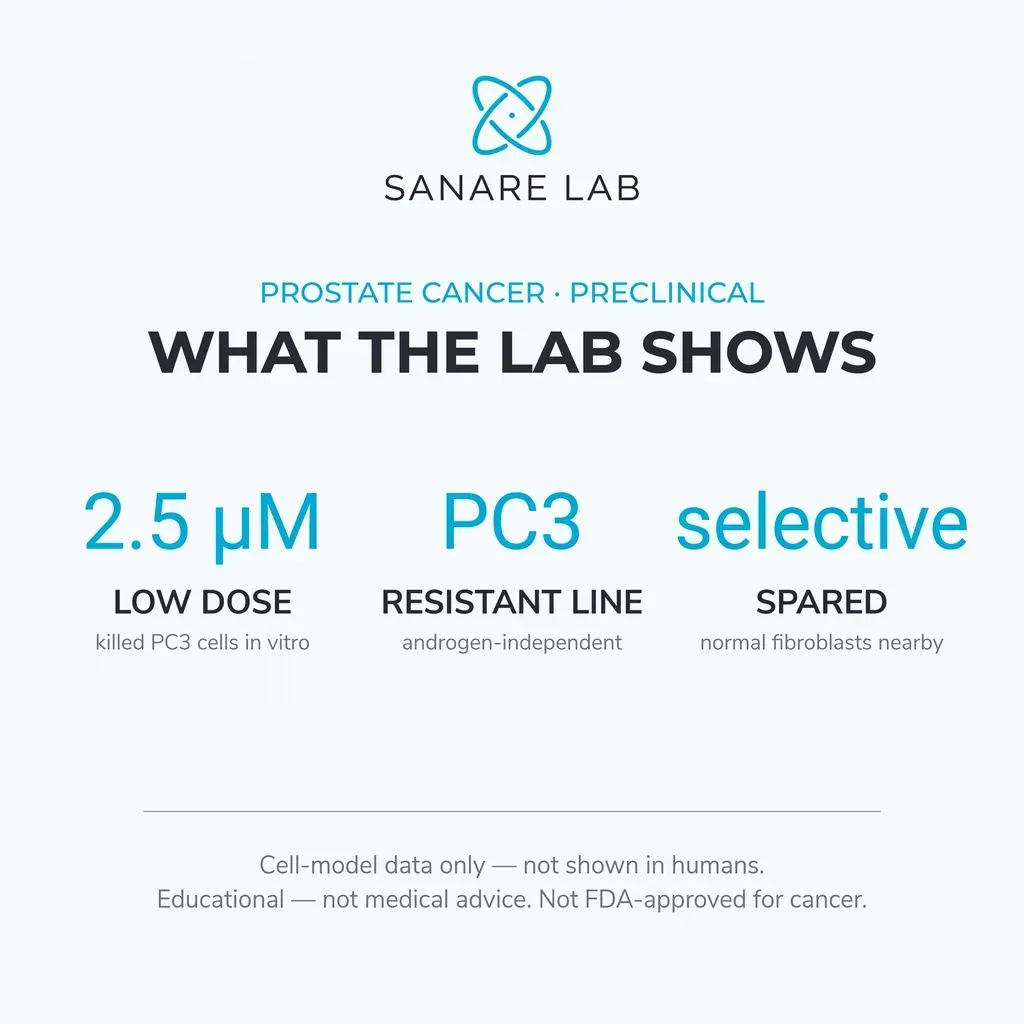
What the lab shows — cell-model data only, not demonstrated in humans.
The 2018 Landmark Preclinical Study — What It Showed and Its Limits
The single most-cited laboratory basis for fenbendazole's anticancer interest is the 2018 paper by Dogra and colleagues in Scientific Reports. It is worth understanding precisely what this study did — and did not — demonstrate, because much online enthusiasm overstates it.
What the study actually found:
- Moderate microtubule destabilization. Fenbendazole binds mammalian tubulin at the colchicine-binding site and partially disrupts the microtubule network. Importantly, the authors describe the effect as milder than potent agents like colchicine or nocodazole — not a super-potent tubulin poison.
- p53 stabilization. Fenbendazole promoted mitochondrial translocation of the tumor-suppressor protein p53, contributing to apoptosis.
- Glucose metabolism interference. It downregulated GLUT transporters and hexokinase II, blunting the glycolysis (Warburg effect) that many tumors depend on.
- Not a P-glycoprotein substrate. Because fenbendazole is not pumped out by P-gp, it retained activity in some cells resistant to taxanes and vinca alkaloids — a genuinely interesting property.
- Xenograft activity. Oral dosing slowed growth of human tumor xenografts in immunocompromised (nu/nu) mice.
The limits every reader must hold in mind: this work was performed in cell lines (primarily NSCLC) and mouse xenografts — not in prostate cancer patients. Cell-culture concentrations and mouse pharmacology do not translate directly to a man taking capsules. There is no dose-response, toxicity, or survival data in humans from this study. It is a hypothesis-generating preclinical paper, not clinical proof. The mechanisms it describes are plausible and AR-independent (which is why prostate cancer researchers find them interesting), but they remain unproven in the human prostate setting.
Benzimidazoles Beyond Fenbendazole in Prostate Cancer
Fenbendazole belongs to the benzimidazole family, several members of which have been studied more formally in prostate cancer. Understanding the whole class gives useful context, because the most compelling prostate-specific laboratory data actually involve mebendazole, not fenbendazole.
- Mebendazole + docetaxel. A drug-repurposing screen from the University of Glasgow / CRUK Beatson Institute (published in British Journal of Cancer, 2020) identified mebendazole as a candidate to synergize with docetaxel chemotherapy. In cell and mouse models, the combination killed prostate cancer cells and abolished tumor growth more effectively than docetaxel alone — via microtubule disruption plus anti-angiogenic effects.
- Early benzimidazole prostate work (2011). Preclinical studies reported that benzimidazoles could target aggressive prostate cancer cells while sparing normal cells, and slowed tumor growth in bone and improved survival in a lung-metastasis mouse model.
- Albendazole & flubendazole. These related compounds show tubulin inhibition and anti-angiogenic activity across several tumor types, though prostate-specific data are thinner.
For a direct head-to-head on the two most-discussed options, see our Mebendazole vs Fenbendazole comparison.
The Repurposed Drug Landscape in CRPC
Fenbendazole is far from the only off-patent drug that scientists have tested against prostate cancer. Looking at the wider repurposing landscape is instructive — it shows both genuine signals and sobering failures, and it puts fenbendazole's evidence in honest perspective.
- Niclosamide (anti-tapeworm). One of the most scientifically interesting: it inhibits the AR-V7 splice variant, a key driver of enzalutamide/abiraterone resistance (Liu et al., Clin Cancer Res 2014). But a Phase I trial combining oral niclosamide with enzalutamide (NCT02532114) was halted for futility — its poor oral bioavailability meant patients could not reach effective blood levels without dose-limiting nausea, vomiting, and colitis. A powerful cautionary tale: a compelling mechanism means nothing if the drug cannot reach the tumor.
- Itraconazole (antifungal). A randomized Phase II trial at Johns Hopkins (Antonarakis et al., The Oncologist 2013) found high-dose itraconazole (600 mg/day) produced PSA stabilization in ~48% of mCRPC men at 24 weeks and reduced circulating tumor cells — via Hedgehog-pathway and anti-angiogenic effects, not hormones. This is one of the better-documented repurposed-drug signals in prostate cancer.
- Metformin (diabetes). Meta-analyses are mixed: some show improved overall and cancer-specific survival (HR ~0.72–0.88), others find no significant mortality benefit. Mechanistically it activates AMPK and may downregulate the androgen receptor. Randomized trials are ongoing.
- Statins (cholesterol). Large observational cohorts associate statin use with modestly better prostate cancer outcomes, plausibly by reducing intratumoral cholesterol available for androgen synthesis — but causation is unproven.
The honest takeaway: on the current evidence ladder, itraconazole has the strongest human prostate data of any repurposed candidate, while fenbendazole sits lower — supported by mechanism and anecdote, not trials.
✅ Standard of Care for CRPC in 2026 — What Actually Extends Survival
Any responsible discussion of investigational adjuncts must be grounded in what is proven. Over the past decade, multiple therapies have demonstrated real overall-survival benefit in large randomized trials. These are the options that should never be foregone in favor of an unproven capsule.
This is the crucial context: fenbendazole has none of this level of evidence. Every therapy above earned its place through randomized trials with survival endpoints. If a man delays or declines these to rely on fenbendazole alone, he is trading proven benefit for hope. The only defensible framing for fenbendazole is as a possible add-on to — never a replacement for — evidence-based care, and only with the oncology team's knowledge.
Genomic Testing & Precision Medicine
One of the most consequential advances in prostate cancer is genomic profiling — and it directly affects how any man should prioritize his options before reaching for something experimental.
- BRCA1/2 and HRR genes. Roughly 20–25% of mCRPC tumors carry defects in DNA-repair (homologous recombination repair) genes. These men may be candidates for PARP inhibitors like olaparib, which showed a survival benefit in the PROfound trial specifically in BRCA-mutated disease.
- Microsatellite instability (MSI-H) / mismatch repair deficiency. A small subset qualifies for immune checkpoint inhibitors (pembrolizumab).
- AR-V7 status. Detection of the AR-V7 splice variant predicts resistance to abiraterone and enzalutamide and may steer a man toward taxane chemotherapy instead — this is exactly the target niclosamide research aimed at.
The practical message: germline and tumor genetic testing should happen before, not after, a man starts improvising with off-label agents. A BRCA mutation, for example, could open the door to a proven, survival-extending targeted therapy that fenbendazole cannot match.
PSA Kinetics: How to Interpret "It's Working"
Because so many fenbendazole anecdotes hinge on "my PSA dropped," it is worth understanding how oncologists actually judge response — and why a single falling number can mislead.
- PSA is a marker, not the tumor. It reflects prostate-cell activity, but it can fall for reasons unrelated to durable cancer control, and it can rise transiently ("flare") even when a treatment is working.
- PSA doubling time (PSADT) — how fast PSA is rising — is more prognostic than any single value. A lengthening PSADT is more meaningful than one isolated dip.
- PCWG3 criteria. Modern trials (Prostate Cancer Working Group 3) require confirmation over time and combine PSA with imaging and clinical status — never PSA alone.
- The confounding problem. Virtually every man in the online anecdotes is also on ADT, abiraterone, enzalutamide, or chemotherapy. When PSA falls, the proven drug is the most likely explanation — not the added capsule. This is why uncontrolled case reports cannot establish that fenbendazole "works."
If you are tracking response, do it with your oncologist using serial PSA plus imaging, not a single lab value read in isolation.
Bone Metastases & the Bone Microenvironment
Prostate cancer has a striking tendency to spread to bone — the dominant site of metastasis in advanced disease and the main driver of pain, fractures, and spinal-cord compression. This matters for fenbendazole discussions for two reasons.
First, bone is a pharmacological "sanctuary." Drug penetration into the mineralized bone microenvironment is often limited, and fenbendazole's preclinical data come from cell culture and soft-tissue xenografts, not bone lesions. There is no evidence about whether meaningful concentrations reach bone metastases in humans.
Second, bone-directed therapies have proven benefit and should not be displaced:
- Denosumab / zoledronic acid — reduce skeletal-related events (fractures, cord compression).
- Radium-223 — an alpha-emitting radioisotope with a survival benefit in bone-dominant mCRPC (ALSYMPCA trial).
- Calcium + vitamin D — supportive, especially during ADT-related bone loss.
For men with bone metastases, these interventions address real, measurable risks. Fenbendazole has no data in this setting and should never substitute for bone-protective care. See our detailed safety and monitoring guide for how to track treatment safely.
Diet, Exercise & the Metabolic Context
Fenbendazole's proposed glucose-metabolism mechanism (GLUT/hexokinase inhibition) has drawn attention to the broader metabolic environment of prostate cancer. While diet and exercise are not "treatments" that shrink tumors, they have genuine, evidence-supported roles in outcomes and tolerability.
- Exercise. Structured aerobic and resistance training improves fatigue, preserves muscle and bone during ADT, supports cardiovascular health (ADT raises cardiac risk), and is associated with better quality of life; some cohort data link higher activity to improved prostate cancer-specific outcomes.
- Diet and metabolic health. Obesity and metabolic syndrome are linked to more aggressive prostate cancer. A whole-food, lower-refined-carbohydrate pattern supports the same AMPK/insulin biology that makes metformin interesting — though a "cancer-starving" diet is not a proven cure.
- Bone and cardiovascular protection. Because ADT accelerates bone loss and cardiovascular risk, calcium, vitamin D, and cardio-metabolic management are practical priorities.
These lifestyle measures are low-risk and complement standard care — a far better use of a patient's energy than betting on an unproven capsule.
Fenbendazole, the Immune System & Prostate Cancer
One of the less-discussed hypotheses around benzimidazole anthelmintics in oncology is a potential immunomodulatory effect. Prostate cancer is often described as an "immunologically cold" tumor — it typically has a low mutational burden, limited T-cell infiltration, and an immunosuppressive microenvironment dominated by regulatory T cells (Tregs) and myeloid-derived suppressor cells (MDSCs). This is a major reason why immune checkpoint inhibitors such as pembrolizumab have shown only modest activity in unselected prostate cancer, with meaningful responses largely confined to the small subset of tumors that are mismatch-repair deficient (dMMR) or have high microsatellite instability (MSI-H).
Preclinical work on mebendazole (a close chemical relative of fenbendazole) has suggested it can shift macrophage polarization from the pro-tumor M2 phenotype toward the anti-tumor M1 phenotype, and may enhance the activity of certain immunotherapies in animal models. Whether fenbendazole shares these properties in prostate cancer specifically has not been established in any human study. The idea is biologically plausible because microtubule dynamics influence dendritic-cell maturation and antigen presentation, but plausibility is not proof. No clinical trial has measured immune endpoints in men taking fenbendazole for prostate cancer.
It is worth being explicit here: the immune argument is frequently overstated in online forums, where a single mouse experiment is sometimes presented as if it were a treatment rationale. If you are exploring fenbendazole, treat any immune-boosting claims as unproven hypotheses rather than facts. The most reliable way to engage your immune system against prostate cancer today remains the approved cellular immunotherapy sipuleucel-T (Provenge) for select men with metastatic castration-resistant disease, and clinical trials of newer bispecific and CAR-T approaches targeting PSMA and STEAP1.
The Clinical Trial Landscape & How to Participate
Because fenbendazole has never advanced into a registered human prostate cancer trial, the honest answer to "where is the trial I can join?" is that there is no fenbendazole trial to join today. However, the broader field of drug repurposing in prostate cancer is active, and several agents discussed in this article are being formally tested. Understanding how to find and evaluate trials is one of the most empowering things a patient can do.
The authoritative registry is ClinicalTrials.gov in the United States, mirrored internationally by the WHO ICTRP and the EU Clinical Trials Register. When searching, use precise terms — for example, "castration-resistant prostate cancer" combined with a specific drug name — and filter by recruitment status and location. Your treating oncologist, and increasingly hospital-based clinical-trial navigators, can help match your genomic profile and prior treatment history to eligibility criteria, which are often strict.
| Trial characteristic | Why it matters | Questions to ask |
|---|---|---|
| Phase (I / II / III) | Phase I focuses on safety and dose; Phase III tests survival benefit against standard care | What is this trial actually designed to measure? |
| Randomization & control arm | Determines whether you might receive placebo or standard therapy | Will I still get effective treatment if randomized to control? |
| Biomarker eligibility | Many modern trials require BRCA, HRR, MSI, or PSMA-PET positivity | Does my genomic testing qualify me? |
| Prior therapy limits | Some trials exclude patients who have had certain prior treatments | Does my treatment history make me eligible or ineligible? |
| Logistics & cost | Travel, monitoring visits, and non-covered costs can be substantial | What expenses are covered, and how often must I attend? |
Participating in a well-designed trial is often the fastest legitimate route to promising new therapy, and it contributes to the evidence base that will help future patients. It is also the appropriate setting in which a repurposed drug like fenbendazole should be tested — under monitoring, with defined endpoints, and with informed consent — rather than self-administered without oversight.
Integrative & Supportive Care Considerations
Whatever a man decides about investigational compounds, the quality-of-life dimension of prostate cancer care deserves as much attention as tumor control. Advanced prostate cancer and its treatments — particularly long-term androgen deprivation therapy (ADT) — carry a well-documented burden: fatigue, loss of muscle mass, bone density decline, metabolic changes, hot flashes, sexual dysfunction, and mood effects. Addressing these proactively is not a soft add-on; it measurably improves function and, in the case of exercise and bone-protective therapy, is supported by strong evidence.
Integrative care that is evidence-aligned includes structured resistance and aerobic exercise (shown to counteract ADT-related fatigue and preserve lean mass), bone-density monitoring with calcium, vitamin D and, when indicated, bone-protective agents such as denosumab or zoledronic acid, and attention to cardiovascular risk, which rises with prolonged hormone therapy. Nutritional counseling, smoking cessation, and management of diabetes and blood pressure all fall within this scientifically grounded category.
Where caution is essential is with supplements and herbal products taken alongside cancer therapy. Many botanicals affect the same liver enzymes (CYP3A4 in particular) that metabolize abiraterone, enzalutamide, and other prostate cancer drugs, potentially altering their blood levels. High-dose antioxidants may theoretically blunt therapies that rely on oxidative stress. This is precisely why every supplement — including fenbendazole and any co-administered products such as high-dose vitamin E or curcumin — should be disclosed to your oncology team and pharmacist. Transparency allows for real interaction checking and liver-function monitoring rather than guesswork. Supportive care and standard oncology are partners, not alternatives.
What the Evidence Does NOT Show — Honest Limitations
In the interest of giving readers the full picture rather than a sales pitch, here is a candid summary of the boundaries of the fenbendazole–prostate cancer evidence:
- No human clinical trials. As of September 2026 there are no completed, peer-reviewed, controlled trials of fenbendazole for prostate cancer. Every human account is anecdotal.
- Anecdotes are confounded. Men reporting benefit are almost always on proven therapies simultaneously; the improvement cannot be attributed to fenbendazole.
- Preclinical ≠ clinical. Cell-line and mouse findings routinely fail to translate. The niclosamide story — brilliant mechanism, failed trial due to bioavailability — is the perfect warning.
- Bioavailability is a real question. Fenbendazole is poorly water-soluble; how much reaches human tumors at capsule doses is not established.
- Real risks exist. Hepatotoxicity has been reported, and product quality varies — especially with veterinary formulations.
- Opportunity cost is the biggest danger. The greatest harm is not a side effect but delaying or declining proven, survival-extending therapy in favor of an unproven one.
None of this means the underlying science is uninteresting — it is. It means the honest status is "investigational and unproven in humans," and any personal decision should be made with an oncologist, not instead of one.
A note on Panacur C and veterinary powders
If cost tempts you toward veterinary fenbendazole, be aware that Panacur C and Safe-Guard are not pure pharmaceutical-grade fenbendazole. Roughly 77.8% of each Panacur C sachet is undisclosed excipients (lactose monohydrate, povidone K25, corn starch) formulated for dogs — which can trigger hypersensitivity or allergic reactions in people. For any human use discussed with a physician, third-party-tested pharmaceutical-grade material is far preferable. Read the full breakdown in our Panacur C safety analysis.
Frequently Asked Questions
Is fenbendazole effective for prostate cancer?
Preclinical studies show fenbendazole has anticancer activity in prostate cancer cell lines (both AR-positive and AR-negative), with mechanisms including microtubule disruption, glucose metabolism inhibition, and p53 stabilization. However, there are no completed human clinical trials. No published human study has measured whether it helps men with prostate cancer; the only systematic data (an MD Anderson usage review) recorded use, not outcomes.
Can fenbendazole be used with ADT for hormone-sensitive prostate cancer?
Possibly, and this is the most commonly discussed approach. The theoretical rationale is convergent pathway inhibition: ADT blocks AR signaling while FBZ targets microtubules and metabolism independently of AR. However, no clinical trials have validated this combination. Any concurrent use should be discussed with your urologist or medical oncologist, with baseline and periodic liver function monitoring.
What is CRPC, and why is it harder to treat?
Castration-resistant prostate cancer (CRPC) is prostate cancer that progresses despite androgen deprivation to castrate levels (<50 ng/dL testosterone). It's difficult to treat because tumors have evolved mechanisms to bypass AR dependence, including AR gene amplification, AR mutations, intratumoral androgen synthesis, and activation of alternative growth pathways (PI3K, Wnt, Notch). Median survival for metastatic CRPC is 2-3 years with current standard therapies.
Does fenbendazole work for CRPC?
Fenbendazole's mechanisms (microtubule disruption, glucose inhibition, p53 stabilization) are independent of AR signaling, making it theoretically relevant for CRPC where AR-directed therapies have failed. There is no published human outcome data in CRPC — only anecdotes, usually alongside proven therapy. No controlled trials exist.
What is the Joe Tippens protocol for prostate cancer?
The Joe Tippens protocol consists of: Fenbendazole 222 mg (3 days on, 4 days off); Vitamin E 400-800 mg daily; Curcumin 600 mg daily (with piperine); CBD oil 25 mg daily. Originally designed for lung cancer, some prostate cancer patients have adopted similar regimens, sometimes adding additional components. No clinical trials have validated this protocol specifically for prostate cancer.
How should I dose fenbendazole for prostate cancer?
There is no established human dosing for prostate cancer. For more details, see our guide on fenbendazole case reports showing remission. Anecdotal approaches include: 222 mg daily (3 days on/4 days off), or 222 mg continuous daily. Higher doses (444 mg) are used for more aggressive disease but carry increased hepatotoxicity risk. Always take FBZ with fatty food for absorption. Dosing should only be undertaken with medical supervision and regular liver function monitoring.
What side effects should I watch for?
Common side effects: gastrointestinal symptoms (nausea, diarrhea, abdominal discomfort), often improved by taking with food. Serious side effects include hepatotoxicity (liver injury, manifested by elevated ALT/AST, jaundice), and rare bone marrow suppression. Older men (60+) are at higher risk for liver complications due to reduced hepatic metabolic capacity. Monitor liver function tests (ALT, AST, bilirubin) every 4-6 weeks.
Are there drug interactions between fenbendazole and hormone therapy?
The risk of significant drug-drug interactions appears low. Fenbendazole induces CYP1A enzymes, but standard CRPC drugs (enzalutamide, abiraterone, apalutamide) are primarily metabolized by CYP3A4/CYP2C8, not CYP1A. However, always disclose FBZ use to your oncologist. No formal drug interaction studies exist.
Can fenbendazole replace hormone therapy?
No. Fenbendazole should not be used as a substitute for standard hormone therapy (GnRH agonists, AR antagonists) for hormone-sensitive prostate cancer. ADT is the gold standard with proven survival benefit. FBZ is at best an adjunctive agent under investigation. Forgoing proven hormone therapy in favor of fenbendazole alone would be medically inappropriate.
Should I use pharmaceutical-grade fenbendazole or Panacur C?
Pharmaceutical-grade fenbendazole capsules (222 mg, 444 mg) with third-party lab testing and certificates of analysis are preferable to veterinary Panacur C granules, which require dosage conversion and contain veterinary additives. However, Panacur C is widely available and lower cost. For precision dosing and quality assurance, pharmaceutical-grade capsules are recommended.
How long should I use fenbendazole for prostate cancer?
Optimal treatment duration is unknown. Anecdotal reports describe use ranging from months to years. Long-term safety data in humans is absent. Given hepatotoxicity concerns, periodic breaks or regular monitoring is prudent. Any long-term use should be under medical supervision with liver function monitoring every 4-6 weeks.
Can fenbendazole help with bone metastases from prostate cancer?
There are no specific studies on FBZ's activity against bone metastases. Bone is a sanctuary site for cancer, and drug penetration is often limited. Fenbendazole's preclinical data are from cell culture and soft tissue xenografts, not bone. Bone-directed therapies (bisphosphonates, denosumab, radium-223) have proven efficacy. FBZ should not replace these standard approaches.
What monitoring tests should I have if using fenbendazole?
Recommended baseline and periodic monitoring:
Stop FBZ immediately if ALT/AST >3× ULN.
Are there any published clinical trials on fenbendazole for prostate cancer?
As of 29 September 2026 there are no published or registered clinical trials of fenbendazole in prostate cancer (or any cancer) on ClinicalTrials.gov. The related benzimidazole mebendazole has registered cancer trials, but none in prostate cancer.
Should I discuss fenbendazole use with my urologist or oncologist?
Yes, absolutely. Full transparency with your healthcare team is non-negotiable. Your oncologist needs to know all supplements and investigational therapies you're using to monitor for interactions, interpret lab results correctly, and provide appropriate guidance. If your physician dismisses the idea outright, an integrative oncology consultation may be worthwhile. Never use FBZ secretly or without medical knowledge.
Which repurposed drug has the strongest human evidence in prostate cancer?
Among off-patent, repurposed agents, itraconazole has the best human data. A randomized Phase II trial at Johns Hopkins (Antonarakis et al., The Oncologist 2013) found high-dose itraconazole produced PSA stabilization in roughly half of mCRPC men at 24 weeks and reduced circulating tumor cells. Fenbendazole, by comparison, has no controlled human trials — only preclinical data and anecdotes. This does not make itraconazole a standard therapy, but it illustrates the evidence gap fenbendazole still has to close.
What is AR-V7, and why does it matter for CRPC?
AR-V7 is a truncated "splice variant" of the androgen receptor that is permanently switched on and does not need testosterone to drive tumor growth. Its presence predicts resistance to abiraterone and enzalutamide. The anti-tapeworm drug niclosamide can inhibit AR-V7 in the lab, which generated excitement — but a Phase I trial (NCT02532114) was stopped for futility because niclosamide's poor absorption meant patients couldn't reach effective blood levels. It's a key example of why a good mechanism doesn't guarantee a working drug — a caution that applies equally to fenbendazole.
Should I get genomic (BRCA/HRR) testing before trying fenbendazole?
Yes — genomic testing should come first. About 20–25% of advanced prostate cancers carry DNA-repair (BRCA1/2 or other HRR) mutations that make them candidates for PARP inhibitors like olaparib, which extended survival in the PROfound trial. Others may have MSI-high tumors treatable with immunotherapy. These are proven, targeted options that an unproven capsule cannot replace. Missing a BRCA mutation to self-treat with fenbendazole would be a serious lost opportunity. Ask your oncologist about germline and tumor genomic profiling.
My PSA dropped after starting fenbendazole — does that prove it works?
Not on its own. Almost everyone taking fenbendazole is also on ADT, abiraterone, enzalutamide, or chemotherapy — any of which is the far more likely cause of a PSA decline. PSA can also fluctuate for unrelated reasons. Oncologists judge response using PSA trends (including PSA doubling time) combined with imaging and symptoms (PCWG3 criteria), not a single value. A drop is encouraging, but it cannot be attributed to fenbendazole in an uncontrolled setting.
Does fenbendazole reach prostate cancer bone metastases?
Unknown. Bone is a pharmacological "sanctuary" where many drugs penetrate poorly, and fenbendazole's preclinical evidence comes from cell culture and soft-tissue tumors, not bone lesions. There is no human data on whether meaningful concentrations reach bone metastases. Proven bone-directed therapies — denosumab, zoledronic acid, and radium-223 (which extended survival in the ALSYMPCA trial) — should not be replaced by fenbendazole.
Can diet and exercise genuinely help alongside prostate cancer treatment?
Yes — with realistic expectations. Structured exercise reduces fatigue, protects muscle and bone during ADT, and supports cardiovascular health (ADT raises cardiac risk); some cohort studies link higher activity to better prostate cancer outcomes. A whole-food, lower-refined-carbohydrate diet supports the same insulin/AMPK biology that makes metformin scientifically interesting. These measures are low-risk and complement standard care — but they are supportive, not a cure, and shouldn't replace proven therapy.
Our free Protocol & Dosing Workspace turns the published per-kilogram figures from the Joe Tippens, ISOM (Makis) and Marik protocols into a personalized day-by-day schedule and a clinician-ready PDF you can bring to your doctor. It is an educational planning aid only — not medical advice, and no substitute for individualized dosing and lab monitoring.
Open the Dosing Calculator →What People Report Online: Prostate Cancer
Behind the laboratory papers sits a large, restless online conversation. On Reddit and patient forums, people living with prostate cancer — and the relatives caring for them — trade experiences with fenbendazole, usually following some version of the Joe Tippens protocol. To save you from digging through dozens of scattered threads, we have gathered the most relevant, on-topic discussions in one place, together with an honest guide to what these accounts can and cannot tell you.
How to read these reports
These are personal stories, not clinical evidence. They are uncontrolled, self-reported, and impossible to verify independently.
In almost every account, the person was also receiving standard treatment — chemotherapy, immunotherapy, radiotherapy, or surgery — at the same time as fenbendazole. When someone improves on two therapies at once, the result cannot be credited to fenbendazole alone; the conventional treatment is the far more likely explanation.
Encouraging stories are also shared far more often than disappointing ones, so online threads skew positive (survivorship and publication bias).
The useful way to read them is as questions worth raising with your oncologist — not as a protocol to copy on your own.
For a deeper, evidence-based look at how these accounts hold up — including the documented case reports and the peer-reviewed analyses behind them — see our detailed review of fenbendazole success stories and case reports.
Shop Sanare Lab
Lab-tested products referenced in the research above — order direct from Sanare Lab.
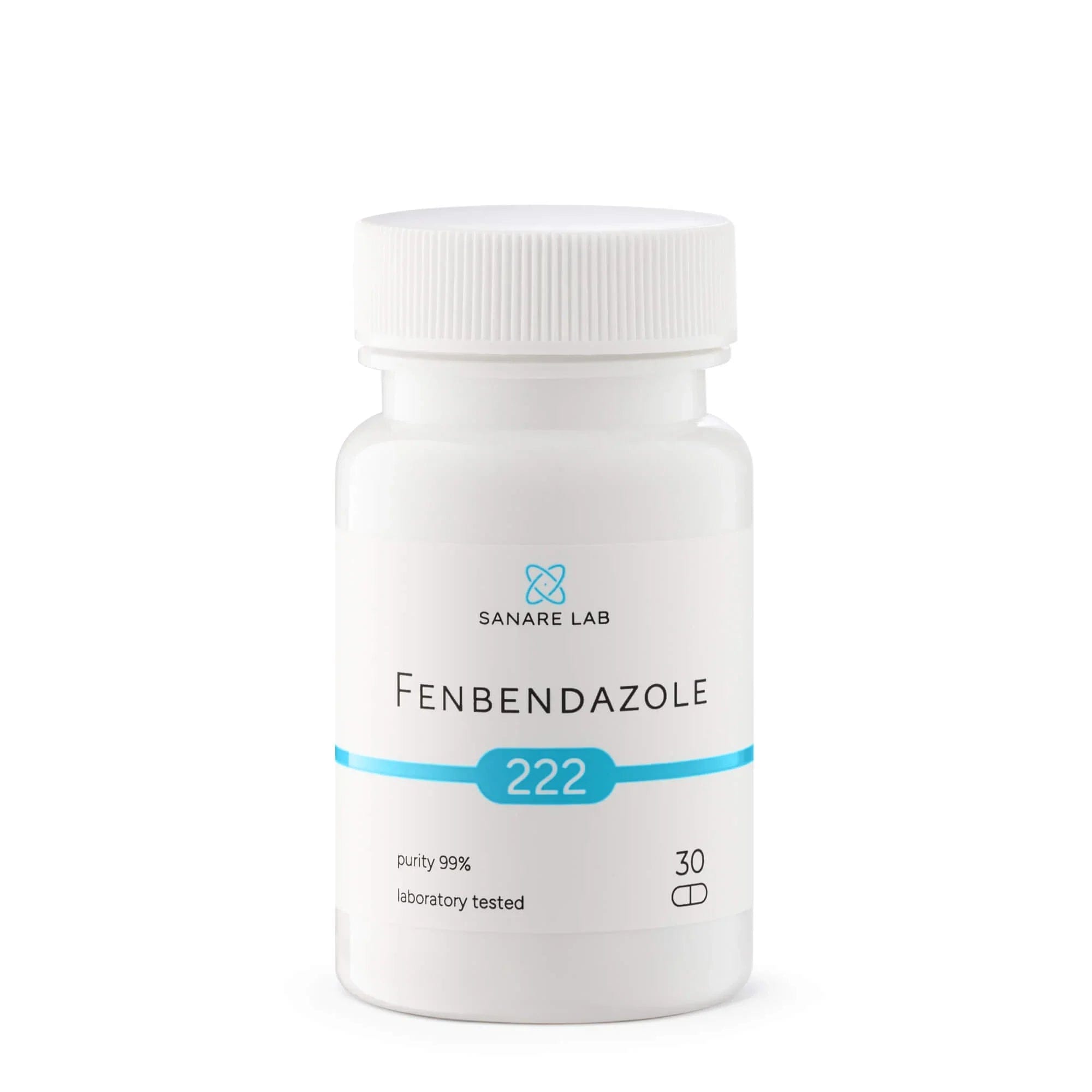
Pharmaceutical grade
Fenbendazole 222 mg
99%+ purity, third‑party lab tested.
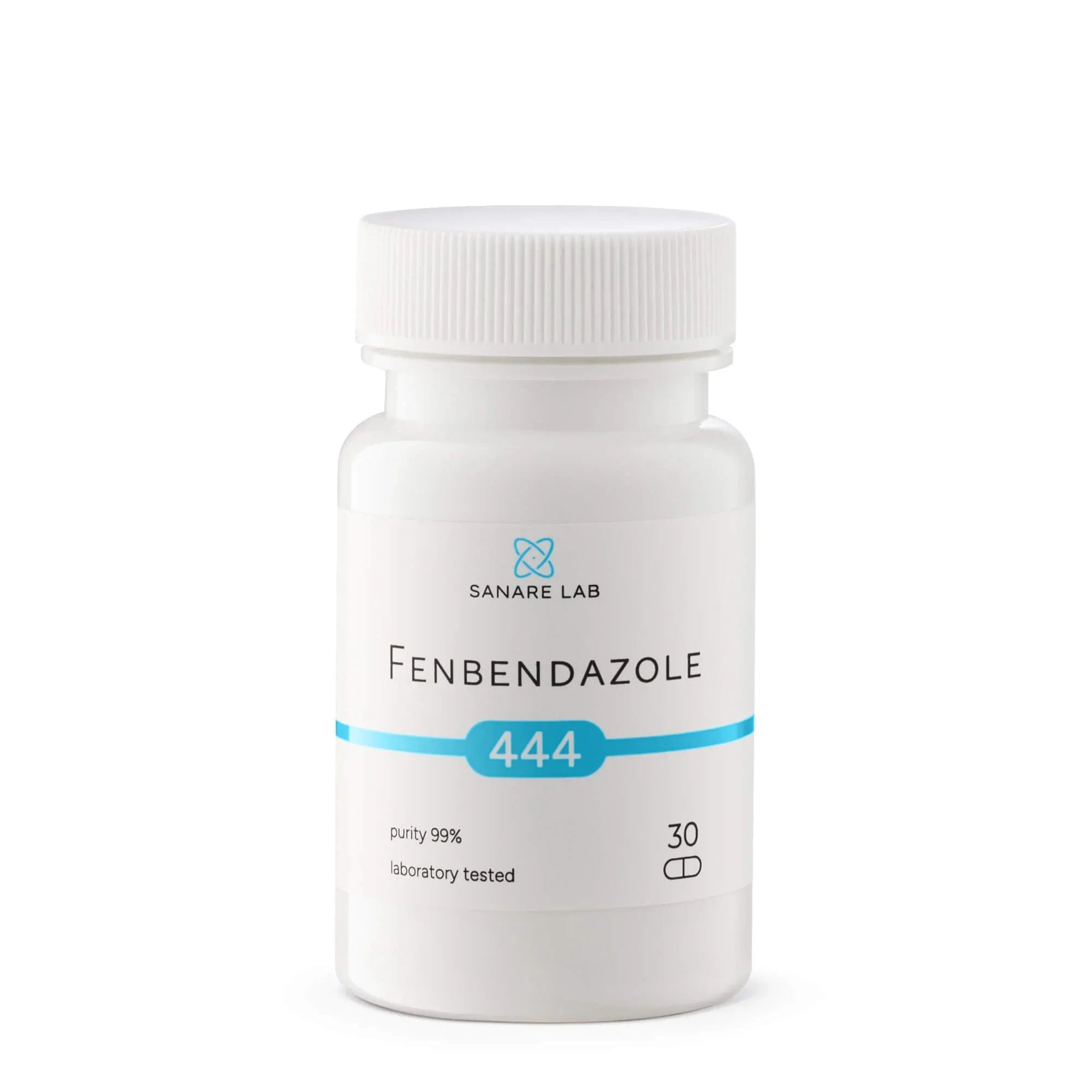
Pharmaceutical grade
Fenbendazole 444 mg
Double strength, 99%+ purity, lab tested.
Daily adjunct
Curcumin 360 mg
95% curcuminoids with black pepper extract.
Prices checked September 2026 and may change; the store page shows the current price.
Disclaimer: Links are informational and for convenience. This site does not provide medical advice. Always verify product quality, labeling, and consult a licensed professional for health decisions.
References
- Dogra N, Kumar A, Mukhopadhyay T. Fenbendazole acts as a moderate microtubule destabilizing agent and causes cancer cell death by modulating multiple cellular pathways. Sci Rep, 2018. PMID: 30093705. PubMed
- Song B, Park EY, Kim KJ, et al. Repurposing of Benzimidazole Anthelmintic Drugs as Cancer Therapeutics. Cancers (Basel). 2022;14. PMID 36230527.
- Florio R, Carradori S, Veschi S, et al. Screening of Benzimidazole-Based Anthelmintics and Their Enantiomers as Repurposed Drug Candidates in Cancer Therapy. Pharmaceuticals (Basel). 2021;14. PMID 33920661.
- Bai RY, Staedtke V, Aprhys CM et al.. Antiparasitic mebendazole shows survival benefit in 2 preclinical models of glioblastoma multiforme. Neuro Oncol, 2011. PMID: 21764822. PubMed
- Duan Q, Liu Y, Rockwell S. Fenbendazole as a potential anticancer drug. Anticancer Res. 2013;33:355-62. PMID 23393324.
- Mrkvová Z, Uldrijan S, Pombinho A, et al. Benzimidazoles Downregulate Mdm2 and MdmX and Activate p53 in MdmX Overexpressing Tumor Cells. Molecules. 2019;24. PMID 31181622.
- Park D, Lee JH, Yoon SP. Anti-cancer effects of fenbendazole on 5-fluorouracil-resistant colorectal cancer cells. Korean J Physiol Pharmacol. 2022;26:377-387. PMID 36039738.
- Chu SW, Badar S, Morris DL, et al. Potent inhibition of tubulin polymerisation and proliferation of paclitaxel-resistant 1A9PTX22 human ovarian cancer cells by albendazole. Anticancer Res. 2009;29:3791-6. PMID 19846910.
- Nygren P, Larsson R. Drug repositioning from bench to bedside: tumour remission by the antihelmintic drug mebendazole in refractory metastatic colon cancer. Acta Oncol, 2014. PMID: 24160353. PubMed
- Huang L, Zhao L, Zhang J, et al. Antiparasitic mebendazole (MBZ) effectively overcomes cisplatin resistance in human ovarian cancer cells by inhibiting multiple cancer-associated signaling pathways. Aging (Albany NY). 2021;13:17407-17427. PMID 34232919.
- Guerini AE, Triggiani L, Maddalo M, et al. Mebendazole as a Candidate for Drug Repurposing in Oncology: An Extensive Review of Current Literature. Cancers (Basel). 2019;11. PMID 31480477.
- Dogra N, Kumar A, Mukhopadhyay T. Fenbendazole acts as a moderate microtubule destabilizing agent and causes cancer cell death by modulating multiple cellular pathways. Sci Rep, 2018;8:11926. Nature
- Sartor O, de Bono J, Chi KN, et al. Lutetium-177–PSMA-617 for Metastatic Castration-Resistant Prostate Cancer (VISION). N Engl J Med, 2021;385:1091-1103. PMID: 34161051. PubMed
- de Bono J, Mateo J, Fizazi K, et al. Olaparib for Metastatic Castration-Resistant Prostate Cancer (PROfound). N Engl J Med, 2020;382:2091-2102. NEJM
- Liu C, Lou W, Zhu Y, et al. Niclosamide inhibits androgen receptor variants expression and overcomes enzalutamide resistance in castration-resistant prostate cancer. Clin Cancer Res, 2014;20:3198-3210. PMID: 24740322. PubMed
- Schweizer MT, Haugk K, McKiernan JS, et al. A phase I study of niclosamide in combination with enzalutamide in men with castration-resistant prostate cancer. PLoS One, 2018;13:e0198389. PMID: 29856824. PubMed
- Antonarakis ES, Heath EI, Smith DC, et al. Repurposing itraconazole as a treatment for advanced prostate cancer: a noncomparative randomized phase II trial in men with metastatic castration-resistant prostate cancer. The Oncologist, 2013;18:163-173. The Oncologist
- Rushworth LK, Hewit K, Munnings-Tomes S, et al. Repurposing screen identifies mebendazole as a clinical candidate to synergise with docetaxel for prostate cancer treatment. Br J Cancer, 2020;122:517-527. PMID: 31844184. PubMed
- Whitworth JM, Londoño-Joshi AI, Sellers JC, et al. The impact of benzimidazoles on aggressive prostate cancer cells and metastasis (preclinical). PMC, 2011. PubMed Central
- Xiao Y, Zheng L, Mei Z, et al. Metformin use and prostate cancer survival: a systematic review and meta-analysis. Sci Rep, 2018;8:2795. Nature
- Association between metformin use and prostate cancer incidence and mortality: an updated meta-analysis of real-world studies. Prostate Cancer Prostatic Dis, 2024. Nature
Medical Disclaimer
This article is for educational and informational purposes only. It is not intended to be a substitute for professional medical advice, diagnosis, or treatment. Always seek the advice of your physician or other qualified health provider with any questions you may have regarding a medical condition. Never disregard professional medical advice or delay in seeking it because of something you have read on this website.

Dr. Andrew Ellison, MD
Science editor and health researcher at Sanare Lab, covering evidence-based wellness, emerging compound research, clinical studies, and practical health protocols. Content is educational and does not replace medical advice.