Ivermectin is one of the most widely recognized antiparasitic medications in the world. Originally developed in the late 1970s from a compound discovered in the bacterium Streptomyces avermitilis, it earned its creators — William C. Campbell and Satoshi Ōmura — the 2015 Nobel Prize in Physiology or Medicine. Since its introduction, ivermectin has been administered billions of times across tropical regions, establishing an unparalleled safety record in global public health.
In human medicine, ivermectin is prescribed for a range of parasitic conditions including intestinal strongyloidiasis, onchocerciasis (river blindness), lymphatic filariasis, scabies, and head lice. More recently, preclinical research has explored its potential activity in cancer immunotherapy and metabolic modulation — though these applications remain investigational. This article provides a comprehensive overview of ivermectin's mechanism of action, approved medical uses, dosage guidelines, side effects, drug comparisons, and emerging research directions.
Mechanism of Action — How Ivermectin Works
Ivermectin belongs to the avermectin class of macrocyclic lactones. It exerts its antiparasitic effect by binding to glutamate-gated chloride (GluCl) channels found in invertebrate nerve and muscle cells. This binding causes an influx of chloride ions, leading to hyperpolarization of the cell membrane, which results in paralysis and death of the parasite. Importantly, mammals lack GluCl channels, which accounts for ivermectin's wide therapeutic margin in humans.
Beyond its primary mechanism, ivermectin also interacts with GABA-gated chloride channels at higher concentrations. In mammals, the blood-brain barrier normally prevents ivermectin from reaching CNS GABA receptors, which is why standard therapeutic doses are well tolerated. However, this is also why ivermectin must be used with caution in patients with compromised blood-brain barrier integrity.
Pharmacokinetics — Absorption, Distribution, and Elimination
After oral administration, ivermectin is well absorbed from the gastrointestinal tract. Peak plasma concentrations are typically reached within 4–5 hours. The drug is highly lipophilic and distributes extensively into tissues, particularly fat, skin, and subcutaneous tissue — which contributes to its efficacy against both internal parasites and ectoparasites like scabies mites.
Ivermectin is metabolized primarily in the liver by cytochrome P450 enzymes (CYP3A4). Its plasma half-life ranges from approximately 12 to 36 hours depending on formulation and individual metabolism. Excretion occurs almost entirely via feces, with less than 1% eliminated in urine. No dose adjustment is typically required for renal impairment, but hepatic dysfunction warrants careful monitoring.
Approved Medical Uses in Humans
Ivermectin has regulatory approval in most countries for the treatment of several parasitic conditions. The World Health Organization includes it on its List of Essential Medicines, reflecting its critical role in global health programs.
Intestinal Strongyloidiasis
Strongyloides stercoralis is a soil-transmitted helminth that can cause chronic infection lasting decades due to its autoinfection cycle. Ivermectin is the treatment of choice, achieving cure rates above 95% with a single or two-day oral course. It is significantly more effective than albendazole for this indication and is considered essential for immunocompromised patients at risk of hyperinfection syndrome.
Onchocerciasis (River Blindness)
Onchocerciasis, caused by the filarial nematode Onchocerca volvulus, affects approximately 21 million people worldwide. Ivermectin does not kill the adult worm but effectively eliminates microfilariae — the larval stage responsible for skin and eye disease. Mass drug administration programs using ivermectin have been a cornerstone of the WHO's elimination strategy since the 1990s, preventing millions of cases of blindness.
Scabies
Oral ivermectin has emerged as an important treatment for scabies, particularly in cases resistant to topical permethrin or in institutional outbreaks where topical treatment is impractical. A standard regimen involves 200 µg/kg given as a single dose, repeated after 7–14 days. Studies show cure rates comparable to topical treatments with superior patient compliance.
Head Lice (Pediculosis)
Ivermectin is used both orally and topically (0.5% lotion) for head lice, especially when over-the-counter pediculicides have failed. Oral ivermectin at 200 µg/kg, repeated after 7 days, provides an effective systemic alternative. The topical formulation was FDA-approved for single-application use.
Lymphatic Filariasis
In combination with albendazole (and sometimes diethylcarbamazine), ivermectin is used in mass drug administration campaigns targeting lymphatic filariasis. While ivermectin alone does not kill adult filarial worms, it suppresses microfilariae and interrupts transmission when administered to at-risk populations annually.
Dosage Chart for Humans
| Condition | Recommended Dosage | Frequency | Form |
|---|---|---|---|
| Intestinal Worms (Strongyloidiasis) | 0.2 mg/kg body weight (6–12 mg) | Single dose; may repeat after 2 weeks | Oral tablet |
| Scabies | 0.2 mg/kg body weight | Single dose; repeat after 7–14 days if needed | Oral tablet |
| Head Lice | 0.2 mg/kg body weight | Single dose; repeat after 7 days | Oral tablet |
| Onchocerciasis | 0.15 mg/kg body weight | Every 6–12 months (as directed) | Oral tablet |
| Lymphatic Filariasis | 0.15–0.2 mg/kg (with albendazole) | Annually in MDA programs | Oral tablet |
Important notes: Do not exceed the prescribed dose. Children under 15 kg, pregnant or breastfeeding individuals, and patients with hepatic impairment should only use ivermectin under direct medical supervision. Take on an empty stomach with water for optimal absorption. Store at room temperature away from moisture and light.
Side Effects and Safety Profile
Ivermectin is generally well tolerated at standard therapeutic doses. Most adverse effects are mild and self-limiting. In patients with heavy parasite burdens, the Mazzotti reaction — caused by the rapid die-off of microfilariae — may produce more pronounced symptoms.
Common Mild Side Effects
Headache, dizziness, nausea, mild diarrhea, fatigue, and transient skin irritation are the most frequently reported effects. These typically resolve within 24–48 hours without intervention.
Less Common Effects
Peripheral edema, lymph node tenderness, low-grade fever, myalgia, and transient tachycardia may occur, particularly in the context of onchocerciasis treatment where microfilarial die-off triggers an inflammatory response.
Rare Serious Adverse Events
Severe neurological effects — including confusion, ataxia, coma, and seizures — have been reported almost exclusively in patients with Loa loa co-infection and extremely high microfilarial counts. Anaphylactic reactions are exceedingly rare. Patients should seek immediate medical attention for severe dizziness, difficulty breathing, facial swelling, or altered consciousness.
Products Referenced in This Guide
Pharmaceutical-grade antiparasitic compounds discussed above — lab-tested with documentation.
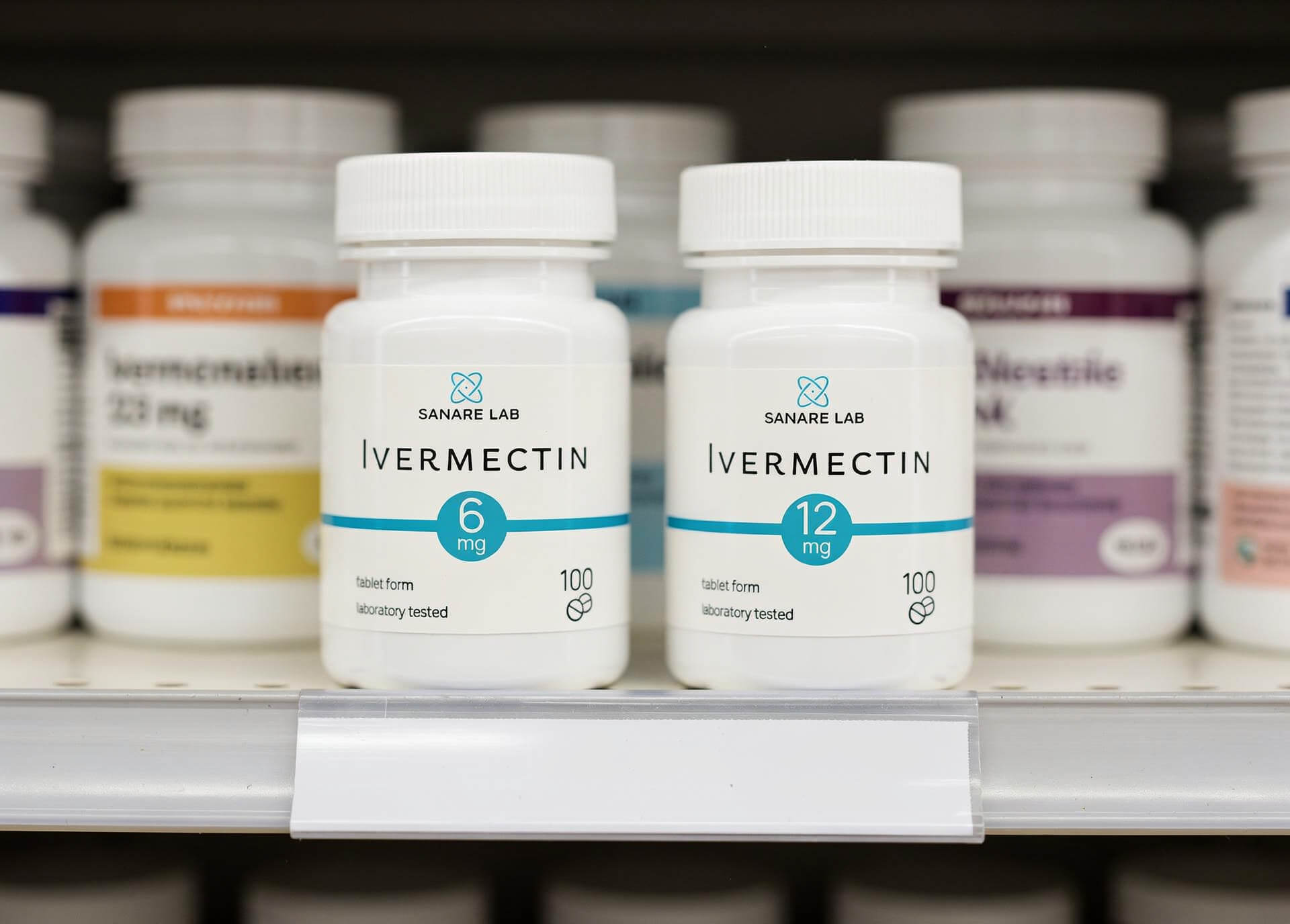
6 / 12 / 18 mg — 100 tablets
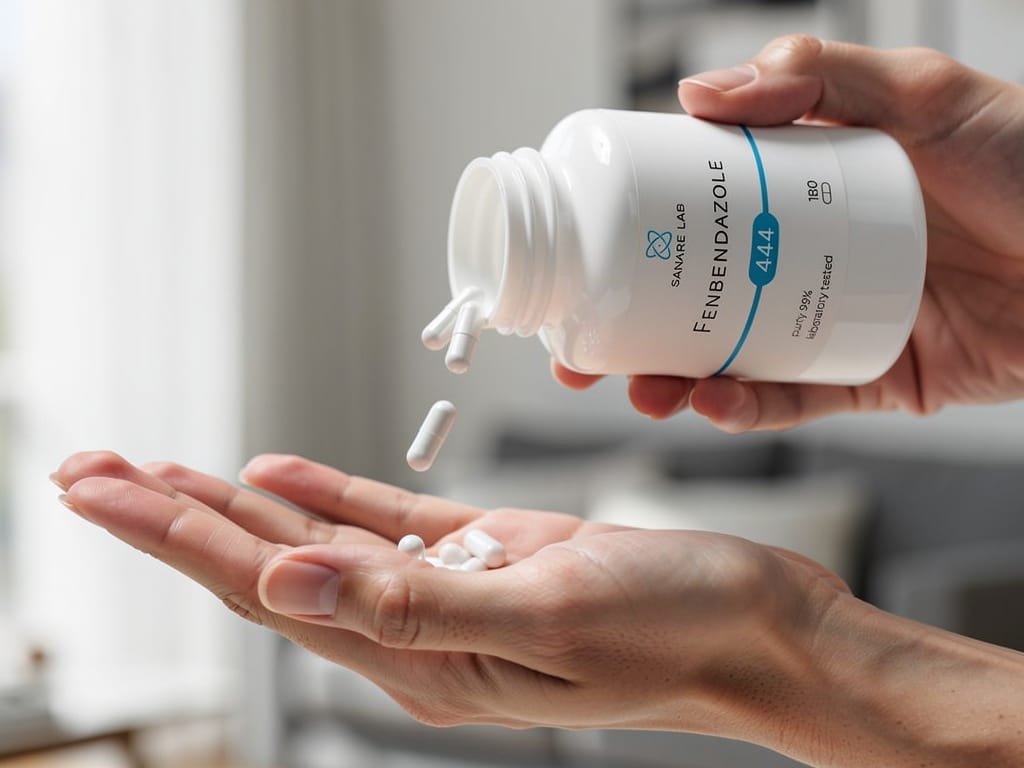
180 capsules — 99% purity, laboratory tested
180 capsules — higher dose option
Disclaimer: For convenience only. Consult a licensed professional.
Comparison With Other Antiparasitic Medications
| Medication | Primary Target | Spectrum | Form | Key Advantage | Limitation |
|---|---|---|---|---|---|
| Ivermectin | Nematodes + ectoparasites | Broad (internal + external) | Oral / topical | Proven safety over 40 years; skin + gut coverage | Requires supervision; no cestode activity |
| Albendazole | Intestinal helminths | Moderate (internal only) | Oral | Effective for soil-transmitted helminths | No ectoparasite coverage |
| Mebendazole | Intestinal nematodes | Narrow (internal only) | Oral | Gentle; suitable for children | Limited spectrum; poor tissue penetration |
| Praziquantel | Cestodes and trematodes | Moderate (flatworms) | Oral | Highly effective against flukes and tapeworms | No nematode or ectoparasite activity |
| Fenbendazole | Nematodes + some cestodes | Broad (veterinary; off-label human) | Oral | Low toxicity; discussed in Joe Tippens Protocol | Not FDA-approved for humans |
For a detailed head-to-head analysis of ivermectin and fenbendazole — including safety profiles, mechanism differences, and human research — see our dedicated Fenbendazole vs. Ivermectin comparison.
Emerging Research — Ivermectin Beyond Parasitology
While ivermectin's established role is antiparasitic, a growing body of preclinical research has examined its potential in other therapeutic areas. Laboratory studies have demonstrated that ivermectin can inhibit proliferation in several cancer cell lines, interfere with the nuclear transport protein importin α/β1, and modulate immune responses through effects on the WNT-TCF pathway and NF-κB signaling.
A registered clinical trial (NCT05318469) is investigating whether ivermectin can enhance the efficacy of immune checkpoint inhibitors in solid tumors. Early-phase data suggest potential synergy, particularly through modulation of the tumor microenvironment and T-cell activation. These findings align with broader interest in ivermectin's immunomodulatory properties observed in vitro.
Additionally, ivermectin appears in the ISOM Protocol, a metabolic approach that combines repurposed drugs for investigational oncology support. It is important to emphasize that all oncology-related applications of ivermectin are experimental and should not replace standard cancer treatment.
Practical Considerations and Precautions
Ivermectin should always be used under the guidance of a qualified healthcare professional. Self-medication — particularly with veterinary formulations — carries significant risks due to differences in concentration, inactive ingredients, and quality control. Human-grade ivermectin is available in standardized tablet form (typically 3 mg, 6 mg, or 12 mg per tablet) and requires a prescription in most jurisdictions.
Patients should inform their prescriber about all concurrent medications, especially those metabolized by CYP3A4 (such as certain antifungals, macrolide antibiotics, and HIV protease inhibitors), as drug interactions may alter ivermectin blood levels. Alcohol should be avoided around the time of dosing. Monitoring is recommended for patients with liver disease, elderly individuals, and those receiving concurrent immunosuppressive therapy.
For individuals interested in documented community experiences with antiparasitic protocols, our customer notes and experiences section provides firsthand accounts shared by users of these products.
Scientific References
- Campbell, W.C. (2012). History of avermectin and ivermectin, with notes on the history of other macrocyclic lactone antiparasitic agents. Current Pharmaceutical Biotechnology, 13(6), 853–865. PubMed
- Crump, A., Ōmura, S. (2011). Ivermectin, 'wonder drug' from Japan: the human use perspective. Proceedings of the Japan Academy, Series B, 87(2), 13–28. PubMed
- González Canga, A. et al. (2008). The pharmacokinetics and interactions of ivermectin in humans — a mini-review. The AAPS Journal, 10(1), 42–46. PubMed
- Juarez, M., Schcolnik-Cabrera, A., Dueñas-Gonzalez, A. (2018). The multitargeted drug ivermectin: from an antiparasitic agent to a repositioned cancer drug. American Journal of Cancer Research, 8(2), 317–331. PubMed
- Laing, R., Gillan, V., Devaney, E. (2017). Ivermectin — old drug, new tricks? Trends in Parasitology, 33(6), 463–472. PubMed
- Ottesen, E.A., Campbell, W.C. (1994). Ivermectin in human medicine. Journal of Antimicrobial Chemotherapy, 34(2), 195–203. PubMed
Protocol Stack (Quick Links)
Below are commonly referenced items mentioned in this article. Links are provided for convenience — always review the label and consult a professional before use.
6 / 12 / 18 mg — 100 tablets
Capsules — commonly referenced in antiparasitic protocols
Higher-strength capsules for adjusted protocols
Disclaimer: Links are informational and for convenience. This site does not provide medical advice and does not endorse any specific vendor. Always verify product quality, labeling, and consult a licensed professional for health decisions.