
All articles
Evidence-led research on repurposed compounds and the protocols people actually ask about — cited to primary literature and reviewed for accuracy.
Methylene Blue 2025–2026: Neuroprotection, Alzheimer's Disease Trials, Senolytic Activity, and Depression Research
2025–2026 research confirms methylene blue as a mitochondrial electron shuttle that bypasses Complex I dysfunction, reduces ROS by 55–65%, inhibits tau aggregation, reduces senescent cells by ~28%, and shows early signal in treatment-resistant depression. Phase 3 Alzheimer's results remain mixed.
197-Patient Ivermectin + Mebendazole Cancer Study: Retracted (2026)
A prospective observational study of 197 cancer patients published in Anticancer Research (2026) found an 84.4% clinical benefit ratio with a compounded ivermectin + mebendazole regimen. Here is a detailed breakdown of the findings.
Curcumin Targets EP300-Driven Glycolysis to Suppress Oral Cancer Growth (Scientific Reports, 2026)
A 2026 study in Scientific Reports identified a specific epigenetic mechanism by which curcumin suppresses oral squamous cell carcinoma (OSCC): by downregulating the histone acetyltransferase EP300, curcumin blocks the Warburg effect in oral cancer cells.
Methylene Blue in Cancer Research: Photodynamic Therapy and Metabolic Targeting — 2026 Update
2026 reviews and preclinical studies continue to explore methylene blue's dual role as a photodynamic therapy (PDT) sensitizer and metabolic disruptor in cancer cells. Here is a research summary.
NCI Initiates Preclinical Investigation of Ivermectin as Potential Anticancer Agent (February 2026)
In February 2026, the National Cancer Institute announced it had begun preclinical laboratory studies to evaluate ivermectin's potential anticancer properties. This is a significant signal from the world's largest cancer research institution.
Mebendazole for Glioblastoma: Blood-Brain Barrier Advantage, Johns Hopkins Trial, and the 2025 MBZ+Bumetanide Strategy
Mebendazole crosses the blood-brain barrier — a rare pharmacokinetic advantage for brain tumor drugs. A Johns Hopkins Phase 1 trial confirmed safety at high doses combined with temozolomide. A 2025 study combined MBZ with bumetanide for a dual cytotoxic and anti-invasive effect in glioblastoma.
Fenbendazole Induces Pyroptosis in Breast Cancer via HK2-Caspase-3/GSDME Pathway (Frontiers, 2025)
A 2025 study in Frontiers in Pharmacology traced a precise mechanism: fenbendazole suppresses HK2, triggering caspase-3/GSDME signaling to cause immunogenic pyroptosis in breast cancer cells. Tumor inhibition comparable to cisplatin in mouse xenograft models. Full mechanistic breakdown inside.
 curcumin
Turmeric vs Curcumin for Cancer: Human Trials & Research Evidence
Compare turmeric and curcumin, then examine human trials with their sample sizes, findings and limitations alongside the preclinical research.
 Fenbendazole
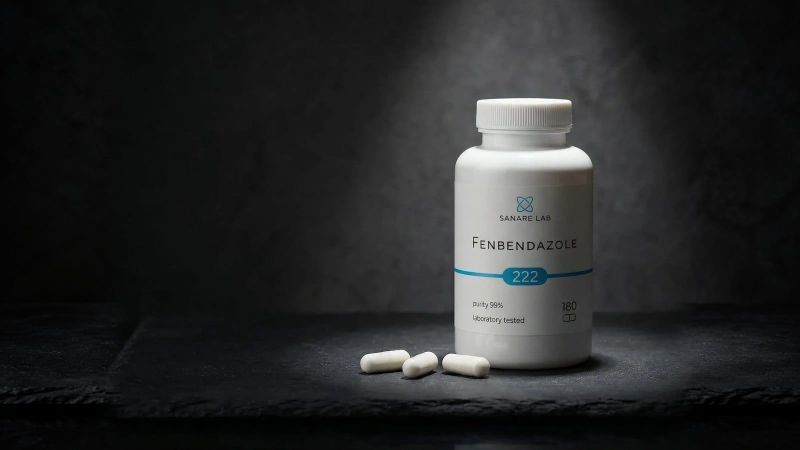
Fenbendazole and Liver Safety: What You Need to Know About Side Effects
Can fenbendazole damage the liver? Compare primary human DILI reports, reported doses, warning signs and the limits of monitoring and supplements.
 Fenbendazole
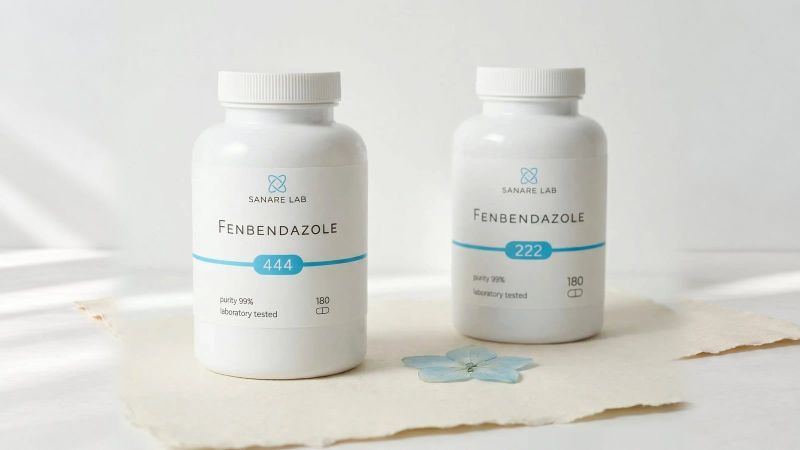
Fenbendazole for Pancreatic & Colorectal Cancer: What the Research Shows (2026)
Targeted treatment strategies for digestive system cancers using repurposed drugs. Evidence-based protocols, survival data, and combination approaches for difficult-to-treat malignancies.
 Fenbendazole
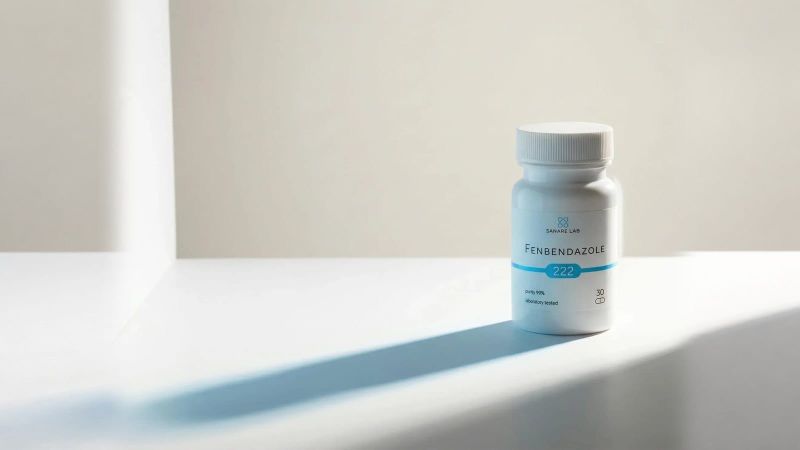
Fenbendazole Case Reports: 3 Stage IV Cancers in Remission (2025 Case Series)
2025 case series documenting three Stage IV cancer remissions with fenbendazole. Detailed protocols, timelines, and independently verified outcomes.
 Fenbendazole
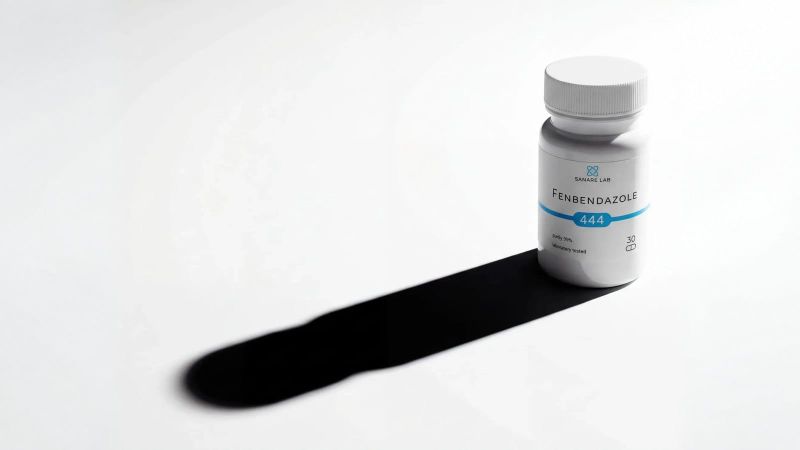
Fenbendazole and Breast Cancer: Pyroptosis, Case Reports & What the Research Shows
2025 case series documenting three Stage IV cancer remissions with fenbendazole. Detailed protocols, timelines, and independently verified outcomes.
Nothing here yet.