
Curcumin Targets NRF1α in Hepatocellular Carcinoma: 2026 Preclinical Study
A 2026 study in Bioorganic Chemistry reveals that curcumin suppresses liver cancer primarily through NRF1α stabilization, with synthetic lethality in NRF1α-deficient tumors.
 By Sanare Lab · August 21, 2026 · 6 min read
Key Takeaway
A 2026 preclinical study in Bioorganic Chemistry demonstrates that curcumin (the active compound in turmeric) suppresses hepatocellular carcinoma (HCC) primarily by stabilizing the transcription factor NRF1α through the suppression of proteasomal degradation. The anti-tumor effects were largely dependent on intact NRF1α signaling, and curcumin induced synthetic lethality in NRF1α-deficient tumors by inhibiting compensatory NRF2 activity. This is preclinical evidence only—no human clinical trials have yet validated this specific mechanism.
Hepatocellular carcinoma (HCC) remains one of the most common and aggressive liver cancers worldwide, with limited treatment options for advanced stages. While curcumin, the natural polyphenol found in turmeric, has been studied for decades for its broad anti-inflammatory and anti-cancer properties, its clinical translation has been hampered by poor bioavailability and poorly defined molecular targets. A new 2026 study published in Bioorganic Chemistry offers a detailed mechanistic map, identifying NRF1α as the primary effector of curcumin's anti-tumor activity in HCC.
The researchers used a panel of isogenic HepG2 cell lines—wild-type, NRF1α-deficient, and NRF2-deficient—alongside xenograft mouse models, to dissect how curcumin interacts with these two closely related transcription factors that regulate redox homeostasis and metabolic stability. Their findings reveal a biphasic, genotype-dependent response that could inform future drug development strategies. For patients exploring how repurposed natural compounds fit into the broader landscape of metabolic cancer therapy, using a reliable dosing calculator can help contextualize preclinical findings against established protocols.
Curcumin's role in cancer research has been extensively reviewed. For a deeper overview of the human and preclinical evidence on turmeric and cancer, see our dedicated curcumin and cancer research guide.
Table of Contents
- Study Design and Methods
- NRF1α as the Primary Effector
- Biphasic Effects and Synthetic Lethality
- Clinical Implications and Limitations
- Frequently Asked Questions
Study Design and Methods
The study, led by researchers at Wrocław University of Science and Technology and published in August 2026, employed a multi-layered experimental approach. In vitro, the team used isogenic HepG2 liver cancer cell lines—wild-type, NRF1α knockout, and NRF2 knockout—to isolate the contribution of each transcription factor. In vivo, they used xenograft mouse models to assess tumor growth under curcumin treatment. Related reading: a curcumin-benzimidazole nanocomplex in liver cancer models.
Key techniques included:
- Protein interaction assays to confirm direct curcumin–NRF1α binding and stabilization
- Proteasome inhibition studies to show that curcumin suppresses NRF1α degradation
- Metabolic profiling to compare oxidative stress resistance and metabolic reprogramming across genotypes
- Tumor xenograft measurements to evaluate single-agent and synthetic lethality effects
All experiments were conducted in controlled laboratory settings. No human participants or clinical trials were involved. The evidence level is preclinical—cell culture and animal models only.
In Plain Terms
Curcumin is the yellow compound in turmeric that gives curry its color. NRF1α and NRF2 are proteins that act as cellular "thermostats" for stress and metabolism. This study found that curcumin's anti-cancer effect in liver cancer cells depends mainly on turning up NRF1α, while also turning down NRF2 in cells where NRF1α is missing. In mice with liver tumors, curcumin only shrank tumors when NRF1α was present; when NRF1α was absent, it still worked by blocking NRF2 instead. This is laboratory-level research, not a human trial.
NRF1α as the Primary Effector
The central finding of the study is that curcumin stabilizes NRF1α by suppressing its proteasomal degradation. In wild-type HepG2 cells, curcumin treatment led to a dose-dependent increase in NRF1α expression, accompanied by downstream metabolic reprogramming and reduced oxidative stress. This activation was not merely a side effect of general anti-oxidant activity—it was specifically mediated through the curcumin–NRF1α interaction.
When NRF1α was genetically knocked out, the anti-tumor efficacy of curcumin dropped dramatically in cell culture. The researchers noted that NRF2 could partially compensate for the loss of NRF1α, providing residual protective effects. However, the core tumor-suppressive functions—metabolic reprogramming, oxidative stress alleviation, and growth inhibition—were NRF1α-dependent. In xenograft models, curcumin showed modest single-agent activity but triggered marked synthetic lethality when NRF1α was absent, by simultaneously inhibiting the hyperactive NRF2 that arises as a compensatory mechanism. Related reading: curcumin, NRF1α/NRF2 and metabolic reprogramming in liver cancer.
| Genotype | Curcumin Effect | Mechanism |
|---|---|---|
| Wild-type HepG2 | Synergistic activation of NRF1α and NRF2 | Metabolic reprogramming + stress resistance |
| NRF1α knockout | Reduced core efficacy; NRF2 compensates | Residual protective effects from NRF2 |
| NRF2 knockout | NRF1α-mediated suppression intact | Core tumor-suppressive functions preserved |
| NRF1α-deficient xenograft | Synthetic lethality via NRF2 inhibition | Curcumin blocks hyperactive NRF2 |
Biphasic Effects and Synthetic Lethality
One of the most striking findings is the biphasic nature of curcumin's effects. In wild-type cells, curcumin activated both NRF1α and NRF2 simultaneously, producing a coordinated anti-tumor response. In NRF1α-deficient cells, however, curcumin paradoxically inhibited the hyperactive NRF2 that emerges as a compensatory survival signal. This created a synthetic lethal effect—tumor cells that had lost NRF1α became especially vulnerable to curcumin because their remaining survival pathway (NRF2) was also suppressed.
The concept of synthetic lethality is well-established in oncology: a drug is harmless to normal cells but lethal to cancer cells with specific genetic vulnerabilities. In this case, curcumin appears to exploit a metabolic vulnerability in NRF1α-deficient HCC by simultaneously targeting the compensatory NRF2 axis. This suggests a potential biomarker strategy: NRF1α expression levels could predict curcumin responsiveness in liver cancer patients, though this hypothesis has not been tested in humans.
Clinical Implications and Limitations
The study's authors explicitly frame their findings as supporting the development of NRF1α-selective curcumin derivatives and highlight NRF1 expression as a candidate predictive biomarker. However, the distance from this preclinical insight to clinical application is substantial. Curcumin's well-known bioavailability challenges—poor absorption, rapid metabolism, and low tissue penetration—mean that achieving the concentrations used in cell culture or animal models in human patients remains an unsolved engineering problem.
Several delivery strategies are under active investigation, including nanoparticle formulations, liposomal encapsulation, and structural analogs such as the DMC-GF derivative studied in glioblastoma models. The current study does not address delivery optimization; it focuses on target identification and mechanism validation. For patients and clinicians, the key message is that curcumin has a newly defined molecular target in liver cancer (NRF1α), but no clinical trial has yet validated this pathway in human HCC.
Evidence level: Preclinical (in vitro cell culture + mouse xenograft).
Human relevance: Unknown—requires clinical translation studies.
Frequently Asked Questions
What is NRF1α and why does it matter for liver cancer?
NRF1α (Nuclear Factor-Erythroid 2-Related Factor 1 alpha) is a transcription factor that regulates genes involved in metabolic stability and oxidative stress resistance. In hepatocellular carcinoma, this study shows it is the primary target through which curcumin exerts its anti-tumor effects. When NRF1α is missing, cancer cells rely on NRF2 as a backup, creating a potential therapeutic vulnerability.
Does this mean curcumin can treat liver cancer in humans?
No. This is preclinical research in laboratory cell lines and mouse models. Curcumin has poor bioavailability in humans, and no clinical trial has yet tested whether NRF1α-targeted curcumin derivatives are effective against liver cancer in patients. The findings are promising for future drug development but do not establish clinical efficacy.
What is synthetic lethality and how does curcumin use it?
Synthetic lethality occurs when a drug is harmless to normal cells but kills cancer cells that have a specific genetic defect. In this study, curcumin was lethal to NRF1α-deficient tumors because it also blocked the compensatory NRF2 pathway that those cells depend on for survival. This is a laboratory observation that has not been tested in human patients.
How does this study differ from earlier curcumin cancer research?
Most prior curcumin cancer studies focused on general anti-inflammatory or anti-oxidant effects without identifying a specific primary molecular target. This study uses isogenic cell lines and knockout models to isolate NRF1α as the dominant effector in HCC, distinguishing it from NRF2. It also identifies a biomarker (NRF1 expression) that could theoretically predict treatment response.
In plain words
What happened: Researchers studied curcumin in preclinical liver cancer models, focusing on a protein that helps control how cells handle stress.
Why it matters: They examined whether stabilizing this protein could disrupt cancer cells’ backup systems for coping with stress.
How strong is the evidence: This is preclinical research only. This specific mechanism has not been validated in human trials.
What it means for you: Nothing changes for people with liver cancer. Talk with your oncologist before using curcumin alongside care.
Shop Sanare Lab
Lab-tested products referenced in the research above — order direct from Sanare Lab.
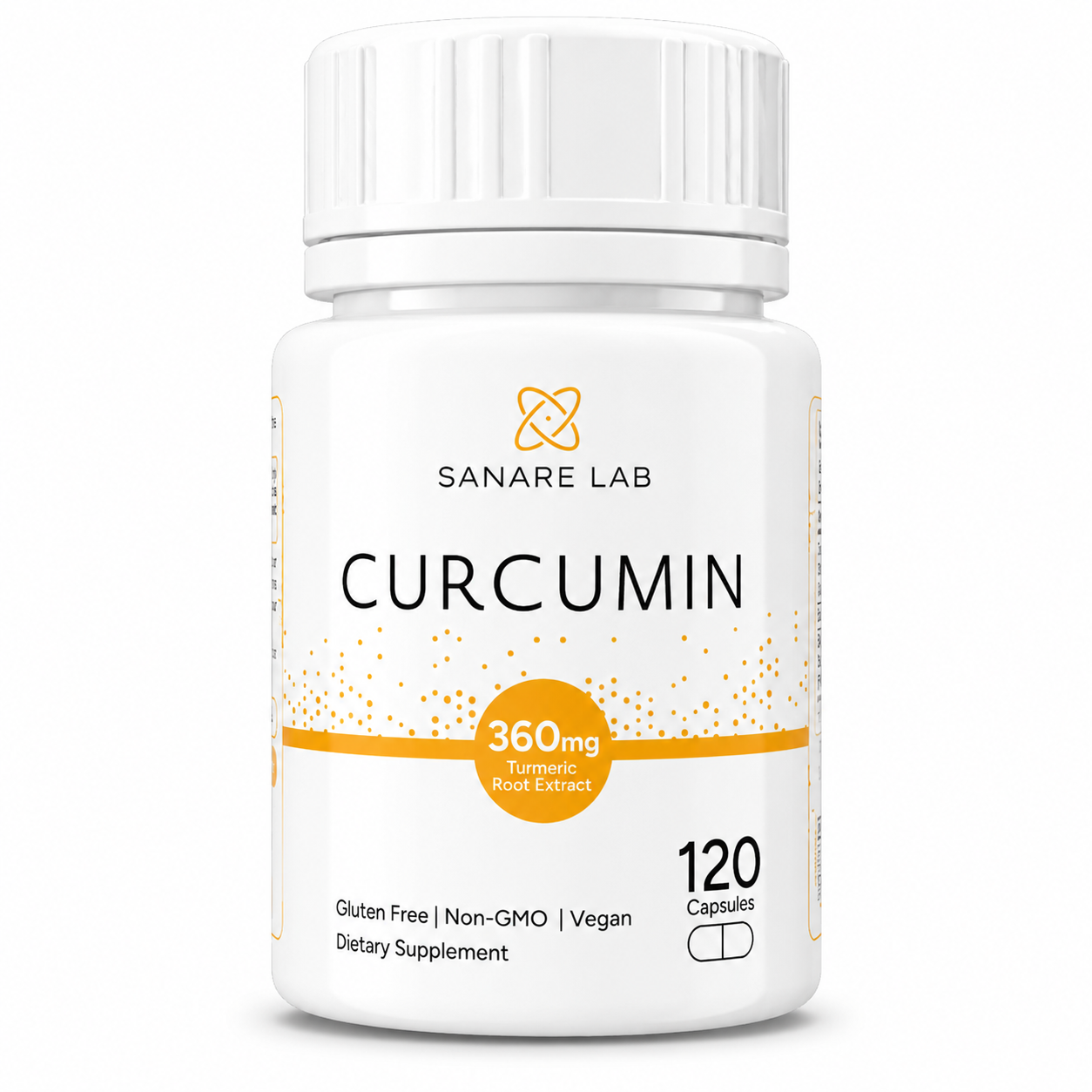
Daily adjunct
Curcumin 360 mg
95% curcuminoids with black pepper extract.
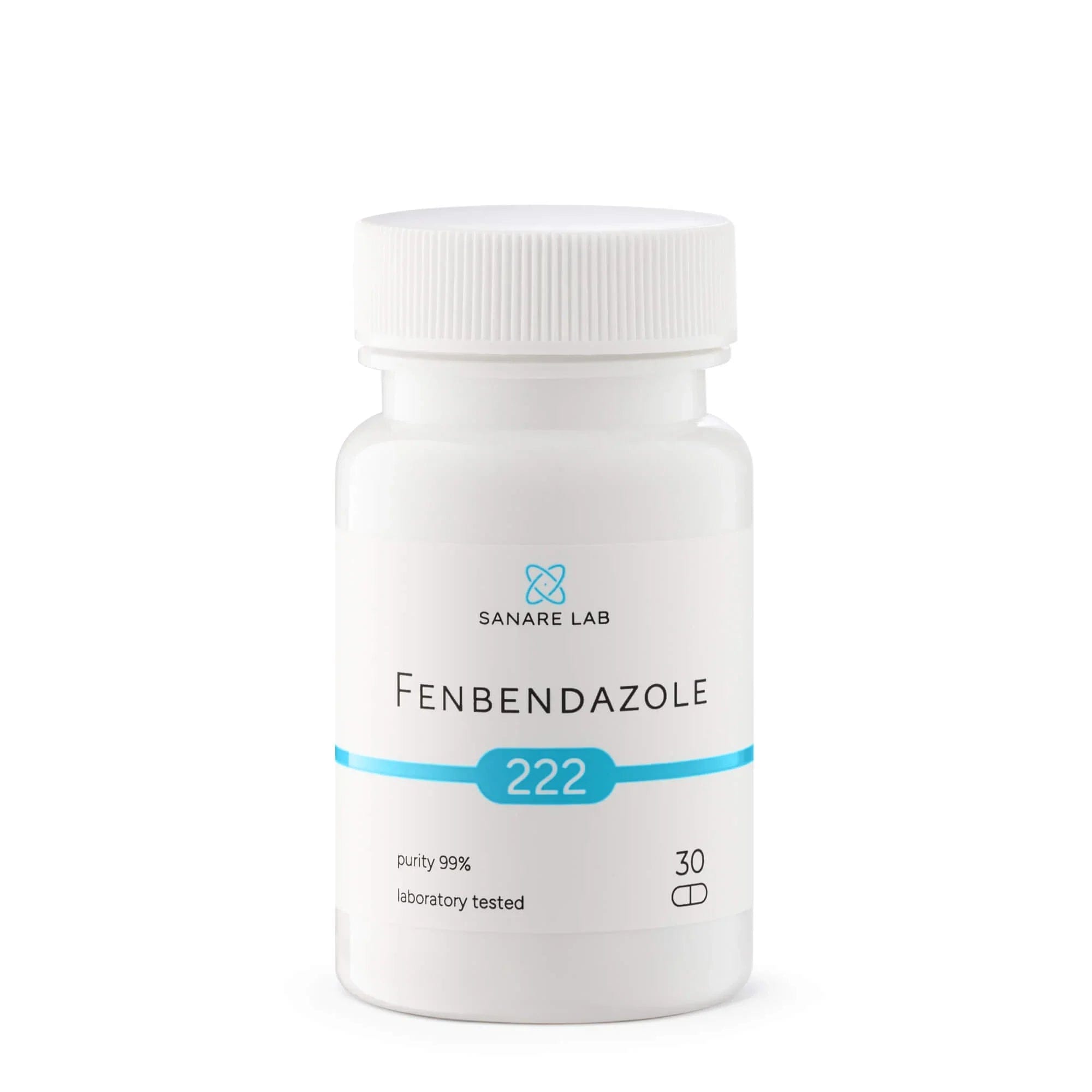
Pharmaceutical grade
Fenbendazole 222 mg
99%+ purity, third‑party lab tested.
Prices checked September 2026 and may change; the store page shows the current price.
Disclaimer: Links are informational and for convenience. This site does not provide medical advice. Always verify product quality, labeling, and consult a licensed professional for health decisions.
References
- Wufuer R, Feng J, Hu S, et al. Curcumin exerts distinct anti-tumor effects mediated by NRF1α from NRF2 via metabolic reprogramming in hepatocellular carcinoma (HepG2). Bioorg Chem. 2026;157:110405. doi:10.1016/j.bioorg.2026.110405. PubMed PMID: 42623915.
- Hewlings SJ, Kalman DS. Curcumin: a review of its effects on human health. Foods. 2017;6(10):92. doi:10.3390/foods6100092.
Medical Disclaimer
The information presented in this article is for educational and informational purposes only. It does not constitute medical advice, diagnosis, or treatment. The study discussed is preclinical—conducted in cell lines and animal models—and has not been validated in human clinical trials. Always consult a qualified healthcare provider before making any health-related decisions, including the use of dietary supplements or repurposed medications. Individual circumstances vary, and professional medical guidance is essential.
Sanare Lab
Science-based health education team reviewing published research on repurposed drugs, integrative oncology, and evidence-based protocols.