
Curcumin + 5-FU Microneedles for Skin Cancer: A 3D-Printed Delivery Platform (2026)
A 2026 study from Queen's University Belfast reports a 3D-printed microneedle system that co-delivers curcumin and 5-FU for localized skin cancer therapy. The platform achieves >95% insertion efficiency and controlled biphasic release in preclinical characterization.
 By Sanare Lab · August 22, 2026 · 6 min read
Key Takeaway
A new preclinical formulation study from Queen's University Belfast demonstrates a one-step digital light processing (DLP) 3D-printing strategy for manufacturing dissolving microneedles that simultaneously incorporate curcumin and 5-fluorouracil (5-FU) into a single photocurable resin. The platform achieves microneedle arrays with computer-defined dimensions, sharp tips, insertion efficiency above 95%, high drug entrapment, and controlled biphasic release. These findings establish a scalable process for localized skin-cancer drug delivery, though biological validation in cancer cell or animal models remains future work.
Skin cancer remains one of the most common malignancies worldwide, and localized treatment options are often limited to surgery, topical chemotherapy, or radiation. For patients seeking less invasive approaches, transdermal drug delivery technologies offer a promising alternative. Dissolving microneedles—tiny biodegradable needles that penetrate the skin and release drugs directly into tissue—have gained attention as a minimally invasive platform for localized chemotherapy.
Patients exploring repurposed drug options may find our dosing calculator useful for reference. In this article, we examine a new 2026 study that advances this field by using 3D printing to manufacture microneedles containing both curcumin and 5-fluorouracil (5-FU) in a single manufacturing step. This work represents a technical advance in combining a natural polyphenol with a conventional chemotherapeutic agent within a scalable transdermal platform.
Table of Contents
- What the Study Tested
- How the Microneedle Platform Works
- Why the Dual-Drug Approach Matters
- What the Results Showed
- Limitations and Next Steps
- Frequently Asked Questions
What the Study Tested
The study aimed to solve a practical problem in transdermal drug delivery: how to manufacture dissolving microneedles (MNs) that contain two chemically different drugs in precise, reproducible amounts. Previous approaches used inkjet or coating methods that deposit drug formulations onto preformed solid needles, which limits surface coating uniformity, matrix integration, and direct control over dose. The researchers at Queen's University Belfast developed a one-step digital light processing (DLP) 3D-printing strategy that incorporates both hydrophilic 5-FU and hydrophobic curcumin directly into a single photocurable resin before fabrication.
The key challenge is that curcumin is optically absorbent and hydrophobic, while 5-FU is hydrophilic. Existing methods struggle to combine such chemically distinct drugs into a single printable matrix. The DLP approach addresses this by mixing both drugs into the resin before printing, allowing the entire microneedle array to be manufactured in one step.
How the Microneedle Platform Works
The platform uses a polyethylene glycol diacrylate (PEGDA) and vinyl pyrrolidone (VP) photocurable resin. Both drugs are mixed into this resin before 3D printing, which then cures under light to form solid microneedle arrays. The key innovation is managing curcumin's optical absorbance through exposure optimization so that it does not interfere with the printing process while maintaining high print fidelity.
The result is a dual-drug-loaded dissolving microneedle array that can be manufactured directly from the therapeutic resin. The one-step process eliminates the need for separate drug coating steps, improving uniformity and reproducibility compared to previous inkjet or coating-based approaches.
Why the Dual-Drug Approach Matters
Curcumin is a hydrophobic polyphenol with documented anti-inflammatory and antioxidant properties that has been studied in various cancer contexts. For a broader overview of curcumin's role in cancer research, see our deep-dive guide on curcumin and cancer. 5-FU is a well-established chemotherapeutic agent used in skin cancer treatment. By combining them in a single microneedle platform, the researchers aim to achieve complementary effects: curcumin may help mitigate 5-FU-related inflammation and oxidative stress, while 5-FU provides direct cytotoxic activity.
The biphasic release profile allows for controlled delivery of both agents over time. This is particularly important because curcumin and 5-FU have different physicochemical properties and therapeutic time courses. The controlled release could theoretically optimize the combined effect while reducing systemic toxicity.
What the Results Showed
The optimized resin enabled high-resolution microneedle arrays with computer-aided design (CAD)-defined dimensions and sharp tips. The microneedles demonstrated insertion efficiency above 95% and high drug entrapment. The system exhibited controlled biphasic release behavior, meaning the two drugs are released at different rates.
Importantly, the study demonstrated that curcumin's optical properties can be managed without compromising the 3D printing process. This is a significant technical advance because optically active natural compounds like curcumin often interfere with light-based 3D printing methods. The ability to incorporate curcumin directly into the photocurable resin opens possibilities for manufacturing other complex drug combinations using similar approaches.
Limitations and Next Steps
The study is a preclinical formulation and process characterization. No biological validation in cancer cell lines or animal models was reported. The authors explicitly state that "future biological validation" is warranted. The work establishes the system as a "formulation-process-performance platform" rather than a clinical therapy report. Related reading: artemisinin silk-fibroin nanoparticles in melanoma models.
Before this technology could reach patients, it would need extensive safety testing, efficacy studies in cancer models, regulatory approval, and manufacturing scale-up. The current work provides a proof-of-concept for the manufacturing process, but the therapeutic effectiveness of this specific curcumin/5-FU combination in microneedle form remains unknown. Related reading: a curcumin hydrogel in postoperative prostate cancer models.
Frequently Asked Questions
What are dissolving microneedles?
Dissolving microneedles are tiny, biodegradable needles that penetrate the outer skin layer and then dissolve, releasing their drug payload directly into the tissue. They offer a minimally invasive alternative to injections or topical creams.
Is this a clinical trial?
No. This is a preclinical formulation study that characterized the microneedle platform in vitro. No human or animal cancer model data was reported. The authors state that biological validation is future work.
How does curcumin work against cancer?
Curcumin has been studied for its anti-inflammatory, antioxidant, and anti-proliferative effects in preclinical cancer models. Research suggests it may modulate multiple signaling pathways involved in cancer cell survival and proliferation. However, clinical evidence in human cancer remains limited.
Can I use curcumin for skin cancer now?
Curcumin is available as a dietary supplement and has been studied in various cancer contexts, but it is not an approved treatment for any cancer. The microneedle platform described in this study is experimental and not available clinically. Always consult an oncologist before adding supplements to a cancer treatment plan.
In Plain Terms
This study is about inventing a new way to make tiny needles that dissolve in the skin and deliver two anti-cancer substances at the same time. The researchers used 3D printing to make the needles, which lets them control the exact shape and drug amount. The work is still in the early stage—no cancer cells or animals were tested yet—but the manufacturing method itself is a meaningful advance for future skin cancer treatments.
In plain words
What happened: Researchers made dissolving skin patches with tiny needles designed to carry curcumin and the chemotherapy drug 5-FU into the skin.
Why it matters: The aim is to place two medicines in one small patch and release them into nearby tissue over time.
How strong is the evidence: This study tested how the printed needles were made and released medicine. Cancer cells and animals were not tested, so there are no treatment results.
What it means for you: Nothing changes for patients today. This is a device research idea, not an available skin cancer treatment.
Shop Sanare Lab
Lab-tested products referenced in the research above — order direct from Sanare Lab.
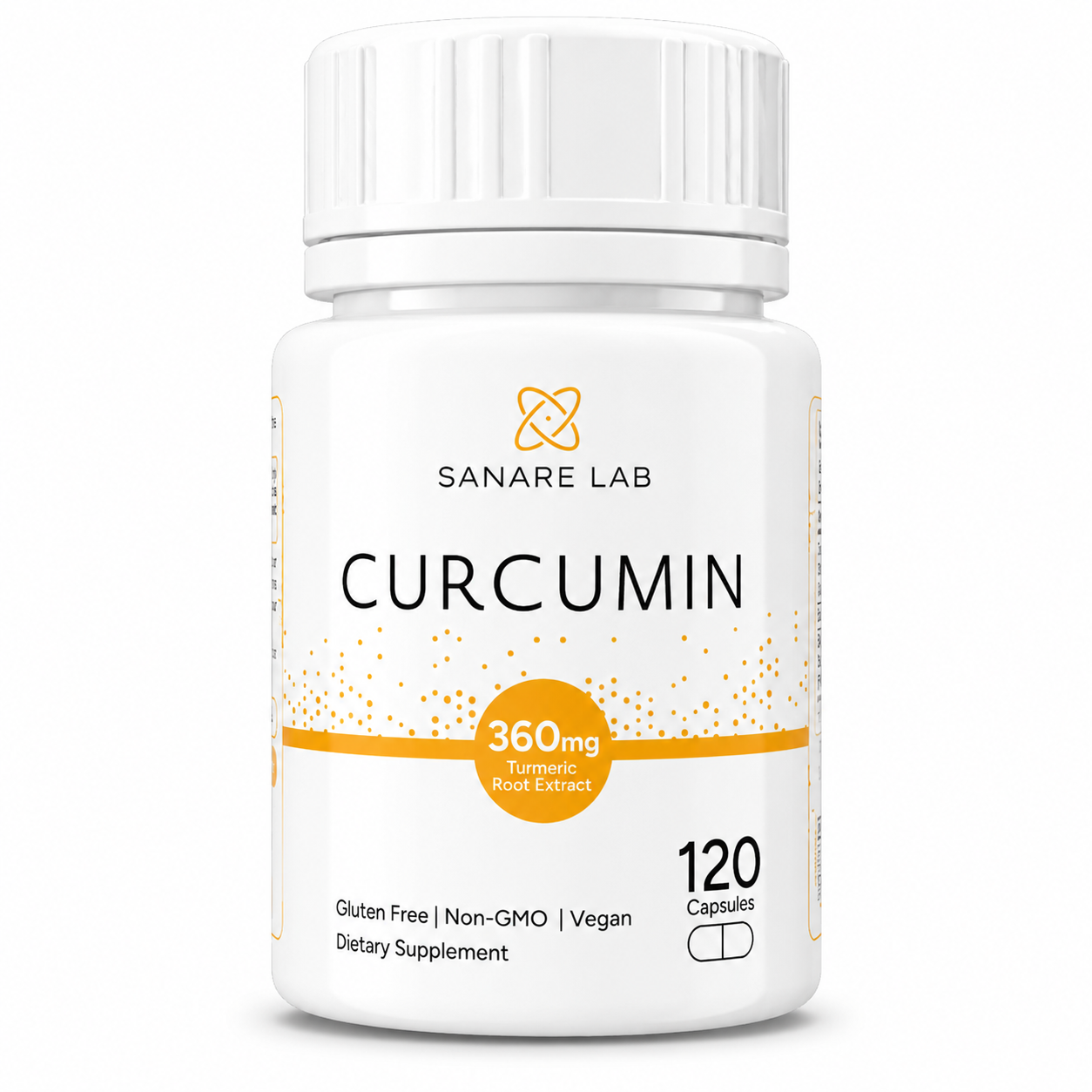
Daily adjunct
Curcumin 360 mg
95% curcuminoids with black pepper extract.
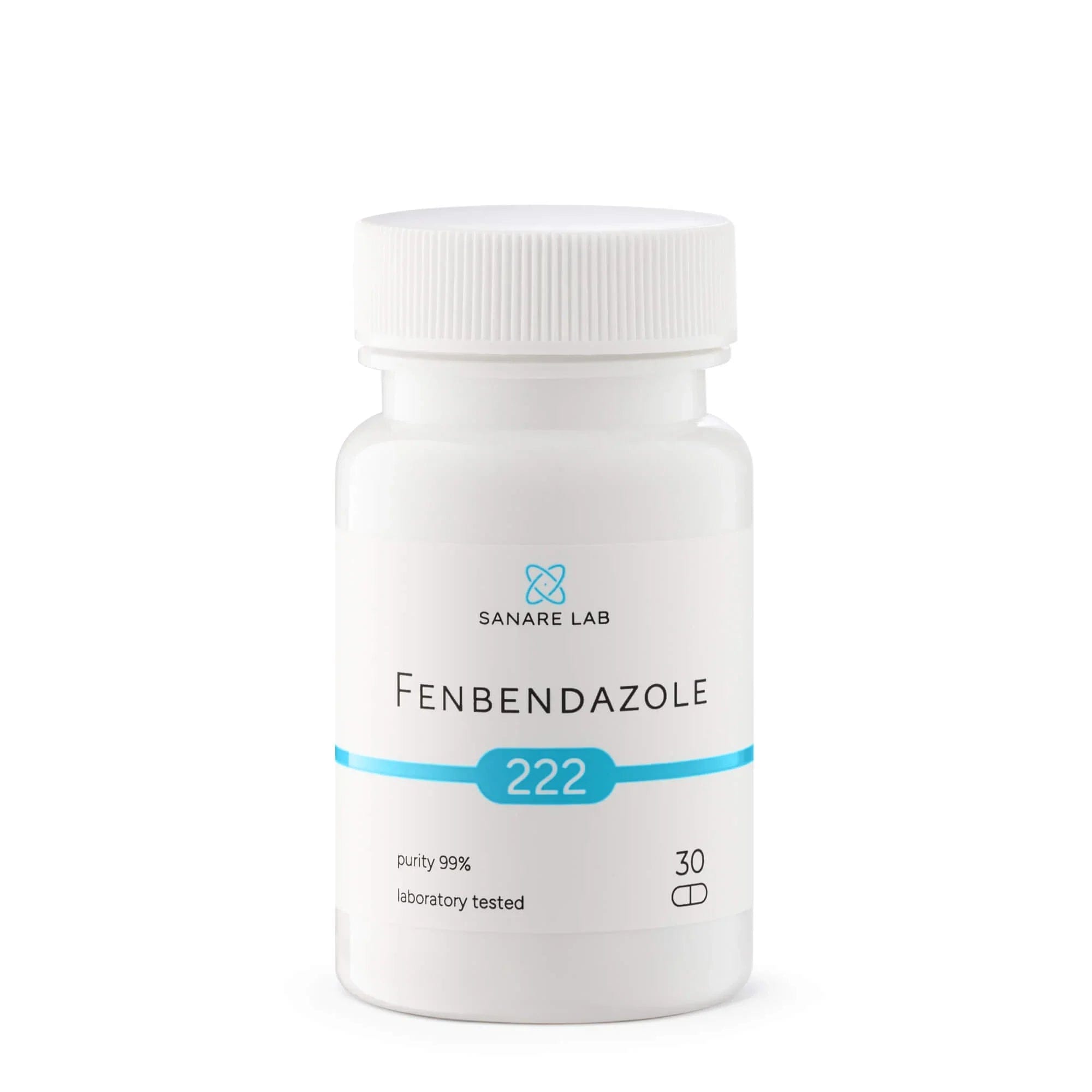
Pharmaceutical grade
Fenbendazole 222 mg
99%+ purity, third‑party lab tested.
Prices checked September 2026 and may change; the store page shows the current price.
Disclaimer: Links are informational and for convenience. This site does not provide medical advice. Always verify product quality, labeling, and consult a licensed professional for health decisions.
References
- Meshram RN, Lamprou DA. Biphasic Co-Delivery of Curcumin and 5-FU using 3D-Printed Dissolving Microneedles for Skin Cancer Therapy. Adv Healthc Mater. 2026 Aug 20:e71620. DOI: 10.1002/adhm.71620 | PMID: 42622368
Medical Disclaimer
This article is for informational and educational purposes only. It does not constitute medical advice, diagnosis, or treatment. The research discussed is preclinical and has not been validated in human clinical trials. Always consult a qualified healthcare provider before making any decisions about cancer treatment or supplementation. Sanare Lab does not endorse any specific product or protocol.
Sanare Lab
Science-based health education team reviewing published research on repurposed drugs, integrative oncology, and evidence-based protocols.