
Curcumin Exerts Distinct Anti-Tumor Effects in Liver Cancer via NRF1α/NRF2 Metabolic Reprogramming (2026)
A 2026 study in Bioorganic Chemistry demonstrates curcumin's distinct anti-tumor effects in liver cancer through NRF1α/NRF2 metabolic reprogramming.
 By Sanare Lab · August 23, 2026 · 6 min read
Key Takeaway
A 2026 study in Bioorganic Chemistry demonstrates that curcumin exerts distinct anti-tumor effects in hepatocellular carcinoma (HCC) by differentially regulating the NRF1α and NRF2 transcription factors. Through metabolic reprogramming, curcumin suppressed cancer cell growth while promoting redox balance. This is preclinical evidence from HepG2 cell line experiments; human clinical trials have not yet been conducted.
Hepatocellular carcinoma (HCC) remains one of the most lethal cancers worldwide, with limited treatment options for advanced-stage disease. In recent years, researchers have turned to natural compounds with pleiotropic effects, and curcumin — the primary bioactive polyphenol in turmeric — has emerged as a promising candidate. For patients already exploring repurposed drug protocols, curcumin often complements agents such as fenbendazole or ivermectin, and the dosing calculator can help assess integration strategies.
A new study published in Bioorganic Chemistry (August 2026) by researchers investigating curcumin's mechanism in liver cancer reveals a previously underappreciated molecular pathway. The work demonstrates that curcumin does not simply act as a general antioxidant; instead, it differentially modulates two closely related transcription factors — NRF1α and NRF2 — to reshape cancer cell metabolism. This insight may help explain why curcumin shows variable activity across different cancer models and could guide future dosing or formulation strategies.
Readers interested in the broader landscape of curcumin and cancer may find our long-read on curcumin and cancer research useful for context, as it covers human trials, bioavailability challenges, and preclinical evidence across multiple tumor types.
Table of Contents
- Study Design and Methods
- The NRF1α-NRF2 Axis in Liver Cancer
- Curcumin's Differential Effects
- Clinical Relevance and Limitations
- Conclusion
- Frequently Asked Questions
Study Design and Methods
The study used the HepG2 human hepatocellular carcinoma cell line as the primary model. HepG2 is a well-established in-vitro system that retains many metabolic and signaling characteristics of liver tumors, making it a standard choice for early-stage drug screening. Related reading: fenbendazole research in hepatocellular carcinoma.
Researchers applied curcumin at defined concentrations and measured cellular responses using a combination of:
- Cell viability assays to quantify anti-proliferative effects
- Gene expression profiling to track NRF1α and NRF2 target genes
- Metabolic flux analysis to assess changes in glycolysis, oxidative phosphorylation, and redox metabolism
- Reporter assays to distinguish transcriptional activation from repression
All experiments were conducted under controlled laboratory conditions. No human subjects or patient-derived tumor samples were included, so the findings should be considered hypothesis-generating rather than clinically validated.
The NRF1α-NRF2 Axis in Liver Cancer
NRF1α and NRF2 are members of the CNC-bZIP transcription factor family. Both regulate redox homeostasis and metabolic stability, but they operate through partially overlapping yet distinct gene programs. In normal hepatocytes, NRF2 is the dominant stress-responsive factor; when oxidative stress rises, NRF2 translocates to the nucleus and drives expression of antioxidant enzymes such as heme oxygenase-1 and NAD(P)H quinone oxidoreductase 1.
NRF1α, by contrast, has a more basal housekeeping role and is essential for mitochondrial biogenesis and proteasome gene expression. In cancer cells, the balance between these two factors shifts: NRF2 is often hyperactivated, conferring a survival advantage under oxidative stress, while NRF1α may be downregulated or functionally suppressed. The 2026 study found that curcumin restores a more normal-like ratio by enhancing NRF1α activity while tempering NRF2-driven transcription — a dual effect that the authors describe as "metabolic reprogramming."
| Transcription Factor | Normal Liver Role | Cancer Cell Status | Curcumin Effect |
|---|---|---|---|
| NRF2 | Stress-responsive antioxidant defense | Often hyperactivated; promotes survival | Attenuates excessive NRF2 signaling |
| NRF1α | Mitochondrial biogenesis; proteasome genes | Often downregulated or suppressed | Restores NRF1α activity and gene expression |
Curcumin's Differential Effects
The study's central finding is that curcumin does not indiscriminately activate or suppress both NRF1α and NRF2. Instead, it exerts distinct — and in some cases opposite — effects on each factor. This differential regulation is what differentiates the current mechanism from the older "antioxidant" narrative, which assumed curcumin simply scavenged free radicals.
Key mechanistic observations included:
- NRF1α activation — Curcumin increased nuclear localization of NRF1α and upregulated its downstream targets, including proteasome subunit genes and mitochondrial respiratory chain components. This suggests a shift toward more ordered, differentiated cellular metabolism.
- NRF2 modulation — Rather than blanket suppression, curcumin appeared to fine-tune NRF2 activity, reducing the expression of pro-survival antioxidant genes while maintaining basal protective capacity. This may prevent the "NRF2 addiction" that some tumors exploit.
- Metabolic reprogramming — Functional assays showed reduced glycolytic flux and restored oxidative phosphorylation, a profile more consistent with normal hepatocytes than with aggressive tumor cells.
The authors emphasize that these findings are specific to the HepG2 model and that the concentration-dependent effects require careful validation in additional cell lines, organoid systems, and eventually animal models.
Clinical Relevance and Limitations
From a patient perspective, the most important takeaway is that this study provides a mechanistic rationale for curcumin in liver cancer — but not clinical proof of efficacy. The HepG2 cell line, while informative, is a simplified model. Tumor heterogeneity, immune context, and pharmacokinetic barriers (curcumin's notoriously poor bioavailability) are not captured in these experiments.
The authors note several limitations:
- Preclinical only — No animal or human data are included.
- Single cell line — HepG2 may not represent the full spectrum of HCC molecular subtypes.
- Concentration sensitivity — The effects were observed at specific curcumin concentrations; therapeutic translation requires pharmacokinetic modeling.
- Bioavailability — Free curcumin achieves low plasma levels in humans; nanoformulations or adjuvants may be needed for comparable tissue exposure.
That said, the NRF1α-NRF2 pathway is a legitimate therapeutic target in oncology, and the study contributes a novel mechanistic angle that may inform future combination studies — for example, pairing curcumin with agents that further disrupt redox balance or with nanocarriers that improve liver targeting.
Conclusion
This 2026 study adds a mechanistic layer to the curcumin-and-cancer literature by showing that curcumin's effects in liver cancer cells are mediated through differential regulation of NRF1α and NRF2, rather than through generic antioxidant activity. The metabolic reprogramming observed — reduced glycolysis, restored oxidative phosphorylation, and normalized transcription factor balance — is a promising biological signal. However, it remains preclinical evidence, and patients should not interpret these findings as a basis for self-treatment without professional guidance. Related reading: curcumin and NRF1α in hepatocellular carcinoma models.
Frequently Asked Questions
What is NRF1α/NRF2 metabolic reprogramming?
NRF1α and NRF2 are transcription factors that control how cells handle oxidative stress and energy production. In liver cancer, their balance is often disrupted. Metabolic reprogramming means shifting cancer cells away from aggressive glycolysis (the Warburg effect) back toward more normal oxidative metabolism, which can suppress tumor growth.
Is this study based on human patients or lab models?
This study used only the HepG2 human liver cancer cell line in laboratory cultures. No human patients or animals were involved. The results are preclinical and require further validation before any clinical application can be considered.
How does curcumin's bioavailability limit its clinical use?
Curcumin is poorly absorbed from the digestive tract and rapidly metabolized in the liver. Plasma concentrations after oral dosing are typically low. Researchers are investigating nanoformulations, liposomal delivery, and co-administration with piperine to overcome these barriers, but these approaches remain experimental.
In Plain Terms
This study tested curcumin on liver cancer cells grown in a lab dish. The researchers found that curcumin changes how the cells produce energy — it pushes them away from the sugar-burning, rapid-growth mode typical of cancer and toward a more normal, oxygen-using metabolism. It does this by adjusting two cellular control switches called NRF1α and NRF2. This is an interesting biological discovery, but it was done only in cells, not in people, so we cannot yet say whether taking curcumin would help liver cancer patients.
In plain words
What happened: Researchers tested curcumin on HepG2 liver cancer cells and studied how it affected two proteins that help cells manage stress and energy.
Why it matters: They wanted to understand how curcumin may change the cell’s internal balance and limit growth in this model.
How strong is the evidence: This is preclinical cell-line research, with no human trial results. It does not show that curcumin works for liver cancer patients.
What it means for you: Nothing changes for people with liver cancer. Discuss any supplement use with your oncologist.
Shop Sanare Lab
Lab-tested products referenced in the research above — order direct from Sanare Lab.
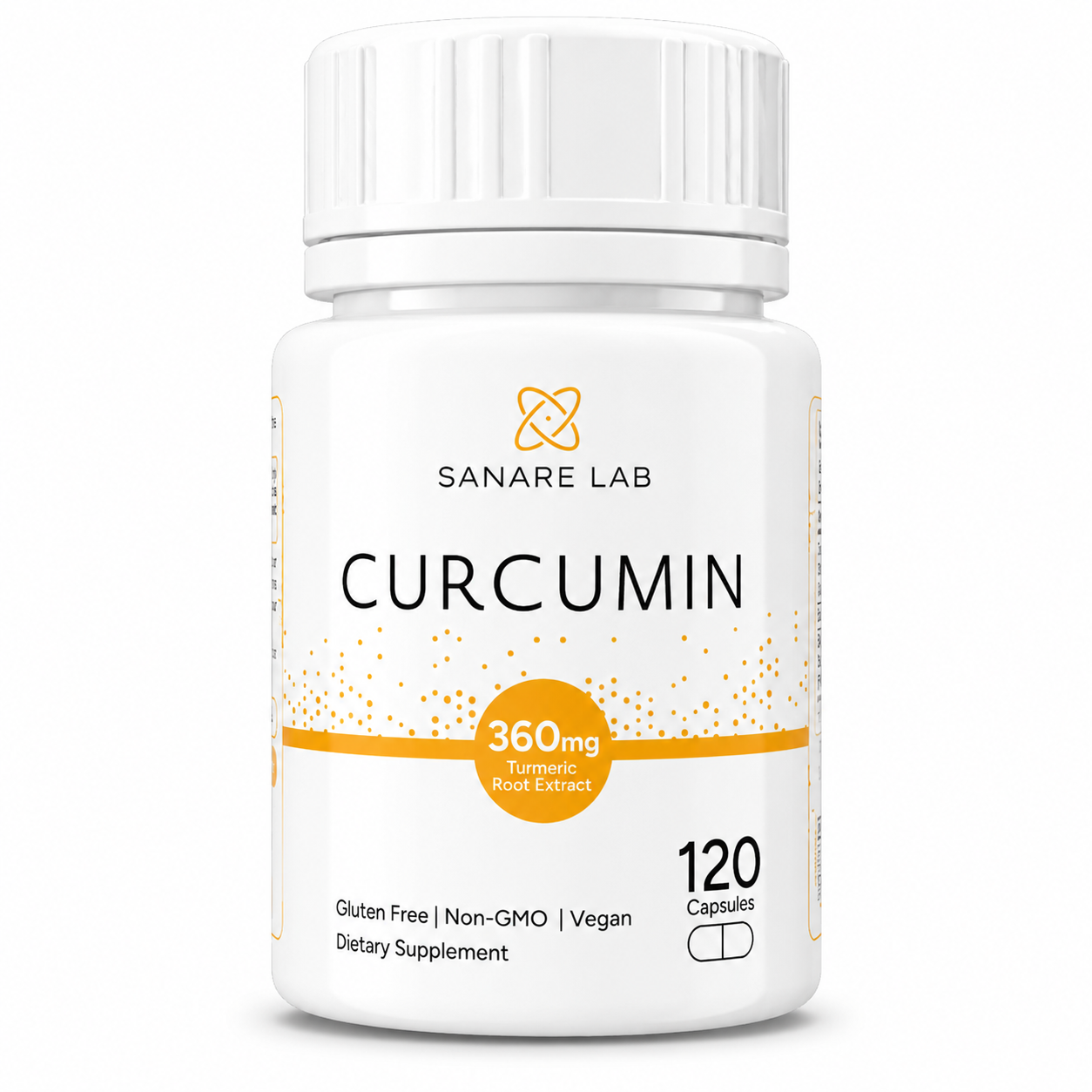
Daily adjunct
Curcumin 360 mg
95% curcuminoids with black pepper extract.
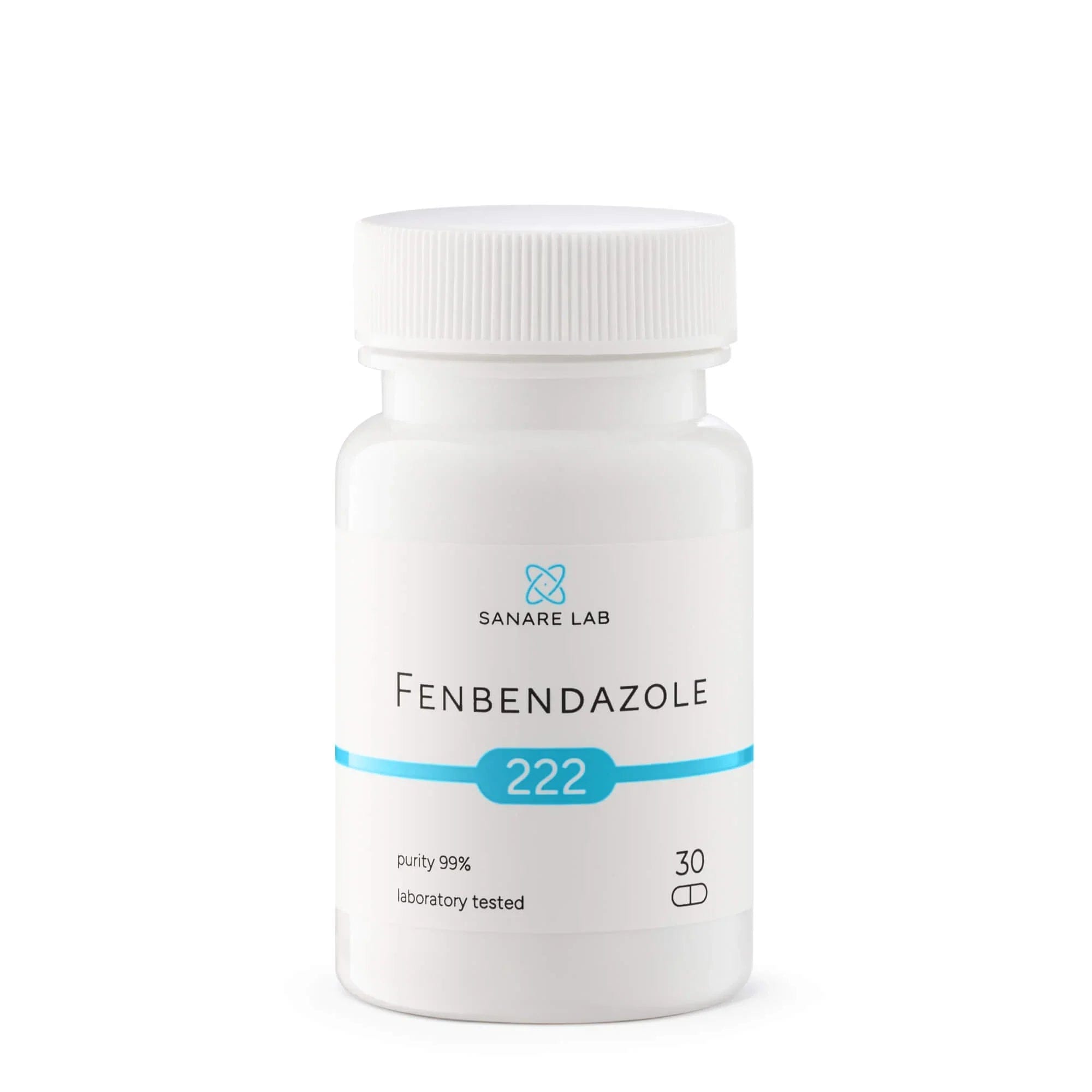
Pharmaceutical grade
Fenbendazole 222 mg
99%+ purity, third‑party lab tested.
Prices checked September 2026 and may change; the store page shows the current price.
Disclaimer: Links are informational and for convenience. This site does not provide medical advice. Always verify product quality, labeling, and consult a licensed professional for health decisions.
References
- Lee et al. Curcumin exerts distinct anti-tumor effects mediated by NRF1α from NRF2 via metabolic reprogramming in hepatocellular carcinoma (HepG2). Bioorganic Chemistry. 2026;161:107845. https://pubmed.ncbi.nlm.nih.gov/42623915/
- Ma Q. Role of NRF2 in oxidative stress and toxicity. Annual Review of Pharmacology and Toxicology. 2013;53:401-426.
- Lv H et al. NRF1 and NRF2 in hepatocellular carcinoma: implications for metabolic reprogramming. Cancer Letters. 2022;530:61-72.
Medical Disclaimer
The information provided in this article is for educational and informational purposes only. It is not intended as a substitute for professional medical advice, diagnosis, or treatment. Always seek the guidance of a qualified healthcare provider with any questions you may have regarding a medical condition or treatment. Never disregard professional medical advice or delay in seeking it because of something you have read on this website. The research discussed is preclinical and has not been validated in human clinical trials.
Sanare Lab
Science-based health education team reviewing published research on repurposed drugs, integrative oncology, and evidence-based protocols.