
Fenbendazole for Liver Cancer (Hepatocellular Carcinoma): Research Review
Does fenbendazole help hepatocellular carcinoma? A look at the preclinical anti-tumour signals, the documented liver-injury cases, and sensible monitoring.
 By Sanare Lab · August 12, 2026 · 15 min read
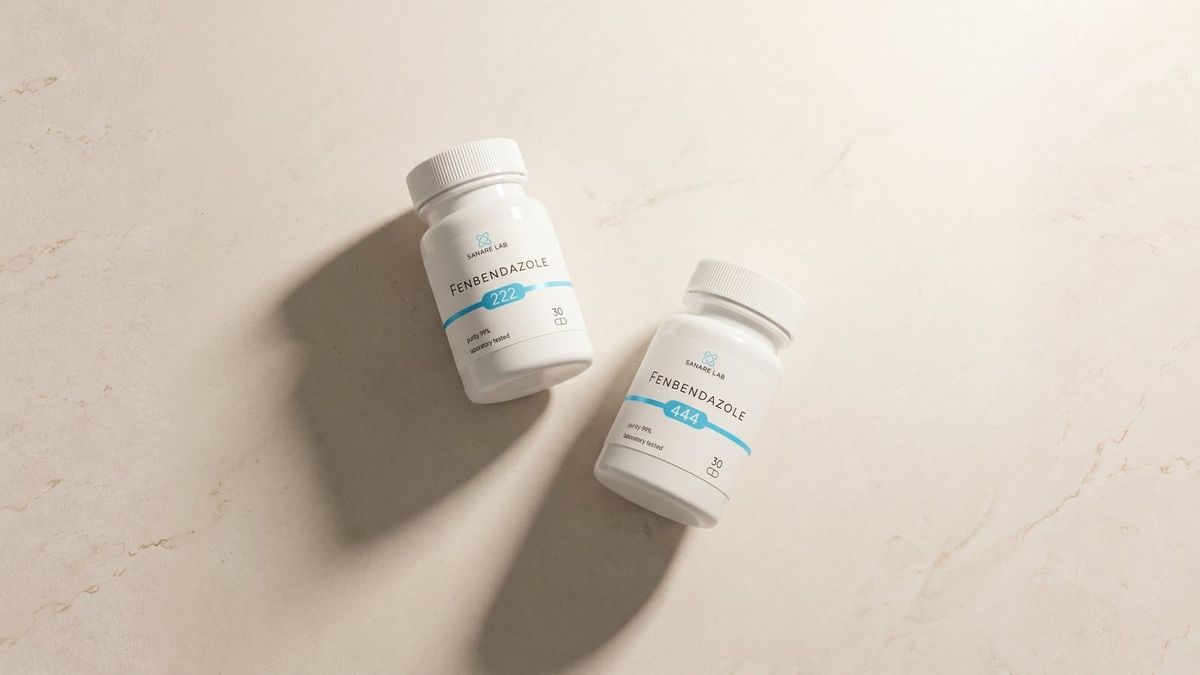
This article is for research and informational purposes only. It does not constitute medical advice. Do not self-prescribe. Always consult a qualified healthcare provider before using any supplement, especially alongside cancer treatment.
Key Takeaway
Preclinical research suggests fenbendazole may have anti-tumour activity against hepatocellular carcinoma (HCC), the most common primary liver cancer. A 2022 study reported that fenbendazole suppressed growth and induced apoptosis in rat HCC cells through p21-mediated cell-cycle arrest, and related benzimidazoles show similar signals in liver-cancer models. All evidence is preclinical — cells and animals — with no human trials and no approved use. This is a different question from whether the drug is safe for the liver — the hepatotoxicity signal, risk factors and monitoring — which we cover in a dedicated section below.
It is easy to confuse two very different questions about fenbendazole and the liver. One is whether the drug is safe for the liver — the rare hepatotoxicity signal and how to monitor liver enzymes — which we cover in full in the liver safety and side effects section below. This article is mainly about the opposite direction: whether fenbendazole shows any activity against liver cancer itself, specifically hepatocellular carcinoma (HCC), the most common primary liver malignancy. A drug can be a research candidate against a tumour that arises in an organ while still requiring caution about that organ’s function — those two facts are not contradictory.
Everything below is preclinical — laboratory cells and animal models. None of it establishes that fenbendazole treats liver cancer in people. For how fenbendazole is being studied across other tumour types, see our fenbendazole by cancer type hub. If you are exploring dosing concepts for research reading, our protocol and dosing workspace summarises commonly cited regimens for educational purposes only — it is not medical advice or a substitute for oncology care.
Table of Contents
- Why Hepatocellular Carcinoma Is Studied for Drug Repurposing
- Fenbendazole in Hepatocellular Carcinoma Cell Studies
- How Fenbendazole Attacks Cancer Cells
- Other Benzimidazoles in Liver-Cancer Models
- Liver Safety and Side Effects
- What This Means If You Have Liver Cancer
- Evidence Level and Limitations
- What People Report Online: Liver Cancer
- Frequently Asked Questions
- References
Why Hepatocellular Carcinoma Is Studied for Drug Repurposing
Hepatocellular carcinoma is the most common primary liver cancer and a leading cause of cancer death worldwide. It usually develops on a background of chronic liver injury — hepatitis B or C infection, alcohol-related liver disease, or metabolic (fatty) liver disease — which means the organ is often already damaged before the tumour appears. Standard systemic options such as the tyrosine-kinase inhibitors sorafenib and lenvatinib, and newer immunotherapy combinations, extend survival for many patients but rarely cure advanced disease, and resistance is common. Response rates to single-agent targeted therapy remain modest, tumours frequently reactivate survival signalling after an initial response, and many patients are diagnosed late, when curative surgery or transplant is no longer an option — so the search for cheap agents that could complement existing drugs is an active area of research.
That combination — serious unmet need, an expensive drug-development pipeline, and a tumour that adapts to single-target therapy — is exactly why researchers look at drug repurposing. Repurposing takes an inexpensive, well-characterised existing drug and tests it in a new disease, skipping much of the early safety work because the compound’s pharmacology is already known. Benzimidazole anthelmintics such as fenbendazole are attractive candidates on paper because they are cheap, orally available, have a long veterinary or human safety record, and hit a target — the microtubule — that dividing cancer cells depend on. Crucially, that mechanism is distinct from how tyrosine-kinase inhibitors work, which is why several of the studies below test benzimidazoles as partners for standard drugs rather than replacements. Whether that theoretical appeal translates into real benefit in HCC is the question the preclinical studies below try to answer.
Fenbendazole in Hepatocellular Carcinoma Cell Studies
The most direct preclinical evidence for fenbendazole in liver cancer comes from a 2022 study in Biological & Pharmaceutical Bulletin (Park et al., 2022). The authors reported that fenbendazole suppressed growth and induced apoptosis in actively growing rat H4IIE hepatocellular carcinoma cells. Mechanistically, the effect was driven by induction of the cell-cycle inhibitor p21, which produced cell-cycle arrest — the cancer cells stalled rather than continuing to divide — and pushed them toward apoptosis rather than uncontrolled proliferation. Notably, the effect was described as depending on the cells being in an active growth phase: rapidly dividing cells were far more sensitive than quiescent ones. That growth-phase dependence is consistent with a microtubule-directed mechanism — the same tubulin-binding action characterised for fenbendazole in other cancer cell lines (Dogra et al., 2018) — and it matters when interpreting how such a drug might behave against a real, heterogeneous tumour in which only a fraction of cells are dividing at any moment.
It is important to be precise about what this study is and is not. It is cell-culture (in vitro) work in a rat hepatoma cell line (H4IIE), not a human trial. It demonstrates a plausible anticancer mechanism in a dish at defined concentrations; it does not show that fenbendazole shrinks liver tumours in animals or people, does not establish a human dose, and cannot account for how the drug is absorbed, distributed, and cleared in a living body. It is a hypothesis-generating result — a reason to study the drug further, not a reason to treat HCC with it.
How Fenbendazole Attacks Cancer Cells
Fenbendazole’s core anticancer mechanism is shared across the benzimidazole family. It acts as a moderate microtubule-destabilising agent (Dogra et al., 2018), binding tubulin and disrupting the cytoskeletal scaffolding that cells rely on to organise their internal structure and to separate chromosomes during division. Unlike the classic taxane chemotherapies that hyper-stabilise microtubules, fenbendazole was characterised as a moderate destabiliser — potent enough to disrupt mitosis in cancer cells yet less aggressive than conventional tubulin poisons, which is part of why it drew interest as a lower-toxicity candidate. Because rapidly dividing cancer cells are especially dependent on this machinery, destabilising it can push them toward mitotic arrest and death.
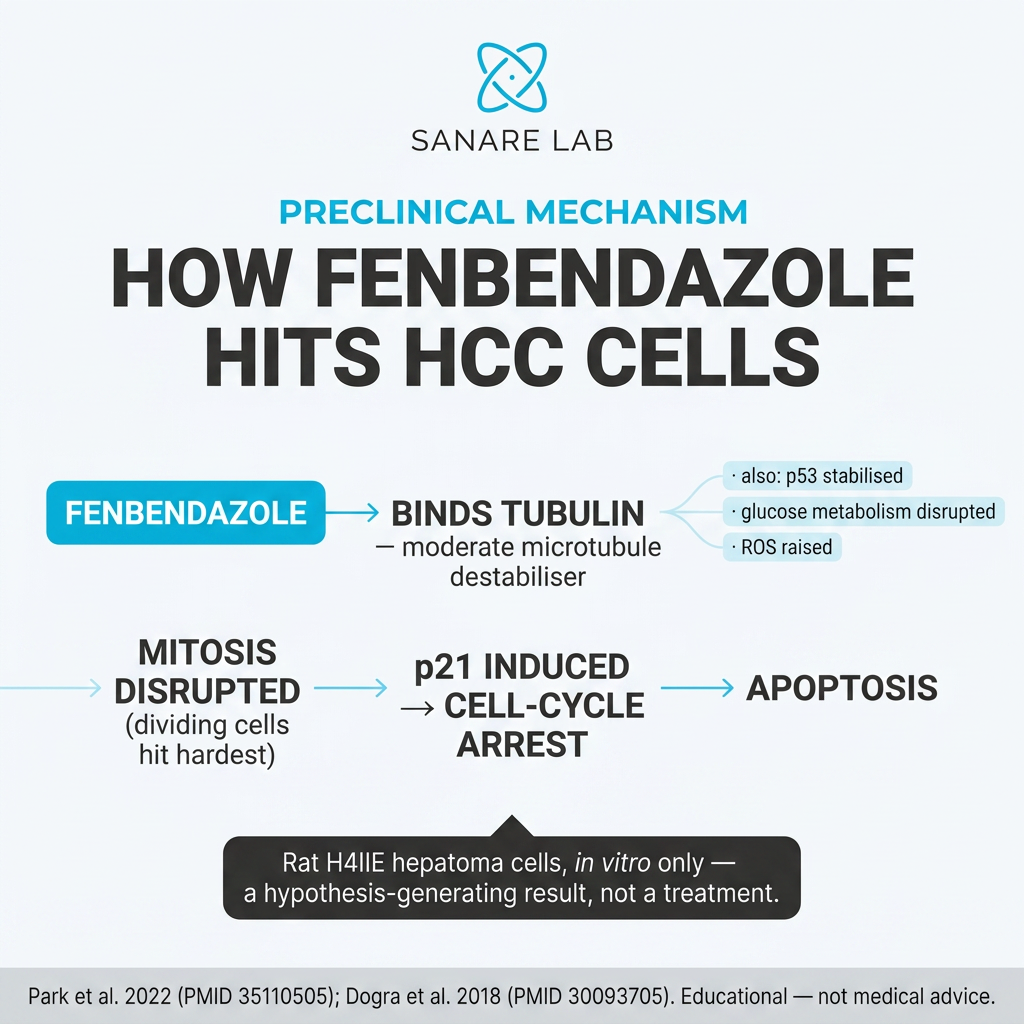
Beyond microtubules, preclinical work has linked fenbendazole to several converging stress pathways: interference with cancer-cell glucose metabolism (limiting the sugar supply many tumours rely on), stabilisation of the tumour-suppressor protein p53 in cells that still carry a functional copy, generation of reactive oxygen species that tip already-stressed cancer cells past a survivable threshold, and — as in the HCC cell study above — induction of p21-driven cell-cycle arrest. This convergence is significant because tumours often escape a single-target drug by rerouting around it; a compound that nudges several stress systems at once is, in theory, harder to evade. That same multi-pathway behaviour, however, makes the drug’s effects harder to predict in a complex living tumour than in a controlled cell dish, where dose, oxygen, and nutrient supply are all held constant.
Other Benzimidazoles in Liver-Cancer Models
Related benzimidazoles have been studied in HCC models and provide useful mechanistic context, though they are not fenbendazole and their results do not automatically transfer to it. Albendazole was reported to exert an anti-HCC effect through a WWOX-dependent pathway (Yang et al., 2022), implicating a known tumour-suppressor gene that is frequently lost or silenced in liver cancer — suggesting the drug may work by restoring a brake the tumour had disabled. Mebendazole was shown to augment sensitivity to the standard HCC drug sorafenib by targeting MAPK and BCL-2 signalling in a chemically induced murine HCC model (Younis et al., 2019); because MAPK reactivation and BCL-2-driven survival are two of the routes by which tumours grow resistant to sorafenib, hitting them alongside the standard drug is a rational combination strategy rather than a straight replacement. Flubendazole has been explored as a repurposed agent that suppresses HCC tumorigenicity via PCSK9-dependent inhibition and may potentiate lenvatinib therapy (Jin et al., 2023), echoing the same combine-with-standard-care theme with a different molecular target.
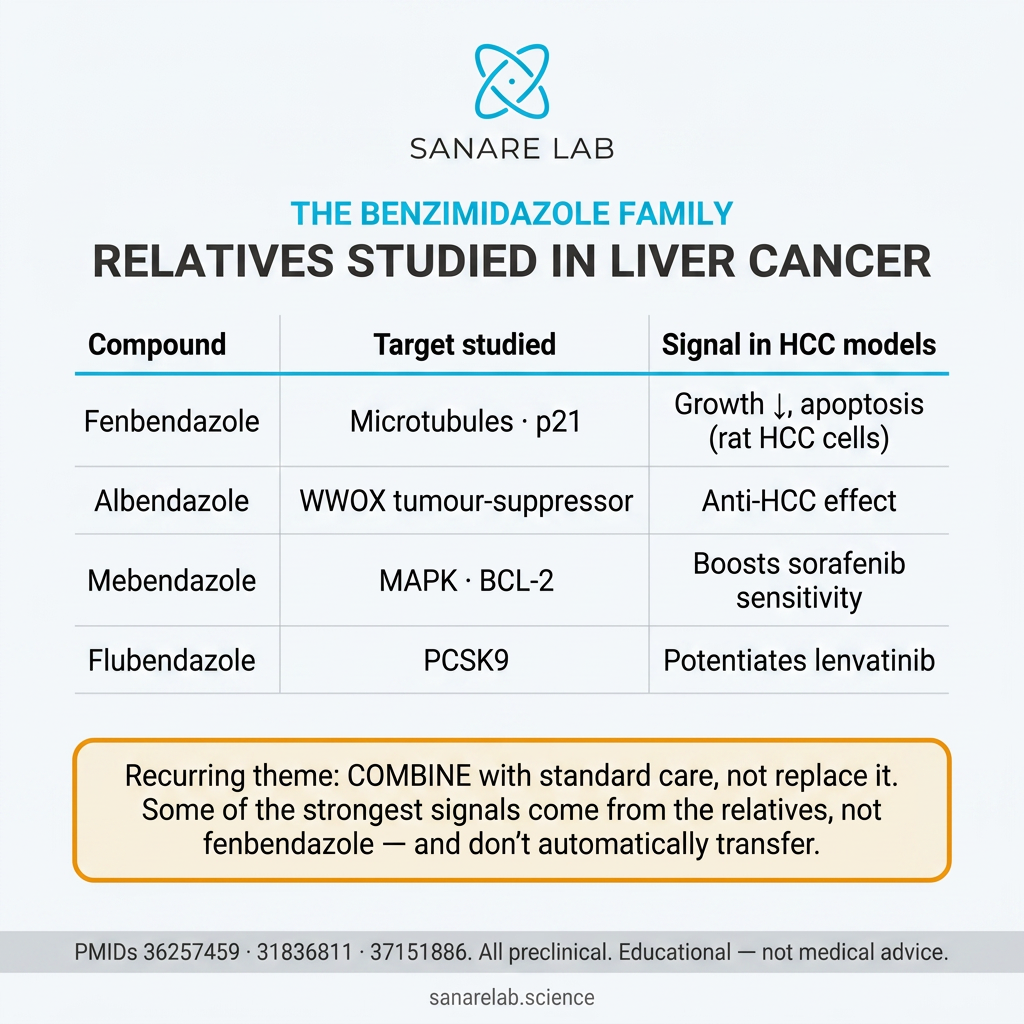
Taken together, these are preclinical repurposing signals across the benzimidazole class. They are genuinely interesting as hypothesis-generating research and they point to recurring themes — combining with standard drugs, hitting tumour-suppressor and survival pathways, and lowering the dose of the standard agent needed for an effect — but they remain cell and animal studies, each with its own model, dose, and molecular target that do not automatically transfer to fenbendazole. None of them is an approved treatment, and it is worth being candid that the strongest liver-cancer results often come from these relatives rather than from fenbendazole itself.
Liver Safety and Side Effects
Because HCC arises in an already-stressed liver, fenbendazole’s hepatic safety profile matters here more than usual. The drug is generally well tolerated and has an exceptionally wide veterinary safety margin (in horses, tolerance extends to roughly 100 times the therapeutic dose), but a small number of human case reports document drug-induced liver injury (DILI) at high, self-administered doses. Anyone considering it — especially with liver cancer — should understand that signal honestly.
How the Liver Processes Fenbendazole
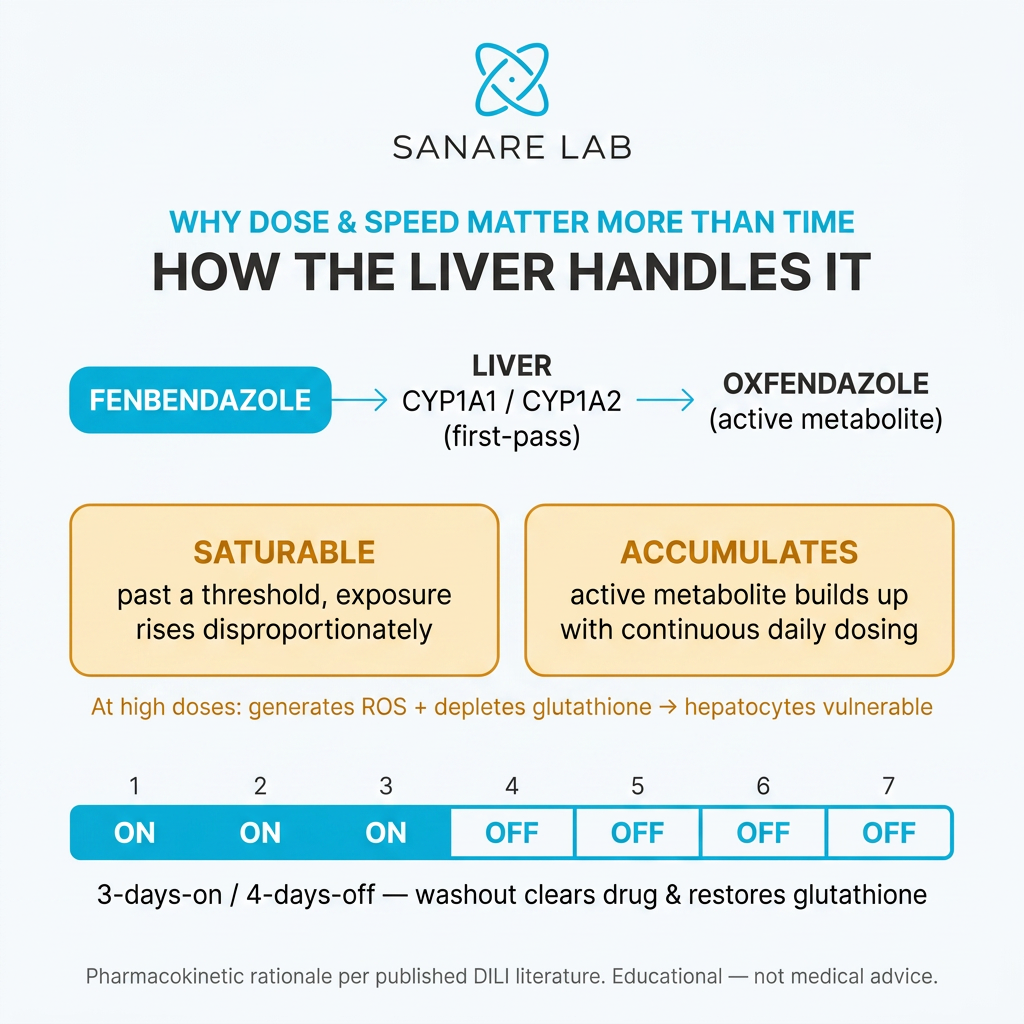
Fenbendazole undergoes extensive first-pass metabolism in the liver, where cytochrome P450 enzymes (notably CYP1A1/CYP1A2) convert it to its active metabolite oxfendazole (fenbendazole sulfoxide). At standard exposure this is efficient and well tolerated. At high doses the process can overwhelm hepatic capacity: metabolism generates reactive oxygen species and depletes glutathione, the liver’s main antioxidant, leaving hepatocytes vulnerable. Two pharmacokinetic quirks explain why the dose and the speed of escalation matter more than total time on the drug: metabolism is saturable, so beyond a threshold systemic exposure rises disproportionately, and the active metabolite accumulates with continuous daily dosing. This is the rationale behind the widely used three-days-on / four-days-off schedule, whose washout allows clearance and glutathione repletion between cycles.
Published Cases of Liver Injury
Three peer-reviewed case reports describe hepatocellular DILI, all at doses well above the commonly cited 222 mg three-times-weekly regimen (about 666 mg/week), and all fully reversible after stopping the drug:
- 2021 (Case Rep Oncol) — an 80-year-old woman with non-small-cell lung cancer on pembrolizumab self-took 1 g on a 3-days-on/4-days-off schedule (about 4.5× the standard dose). Routine monitoring caught an asymptomatic rise (AST 24→386, ALT 16→487 U/L) after about a month; enzymes normalised roughly seven weeks after stopping, and no tumour shrinkage was seen.
- 2024 (ACG Case Rep J) — a 67-year-old woman took roughly 9 g per week for about a year based on social-media claims and developed biopsy-confirmed severe DILI (centrilobular necrosis; bilirubin peaking near 24 mg/dL, INR 1.6). She recovered fully with supportive care within three months.
- 2026 (World J Clin Cases) — a 47-year-old woman with metastatic colon cancer on nivolumab/relatlimab escalated from 222 mg three times weekly to 222 mg daily — a 2.3× jump in weekly exposure. Within a week her transaminases exceeded 2,400 U/L (roughly 60× the upper limit of normal). Stopping the drug dropped ALT by about 78% within ten days.
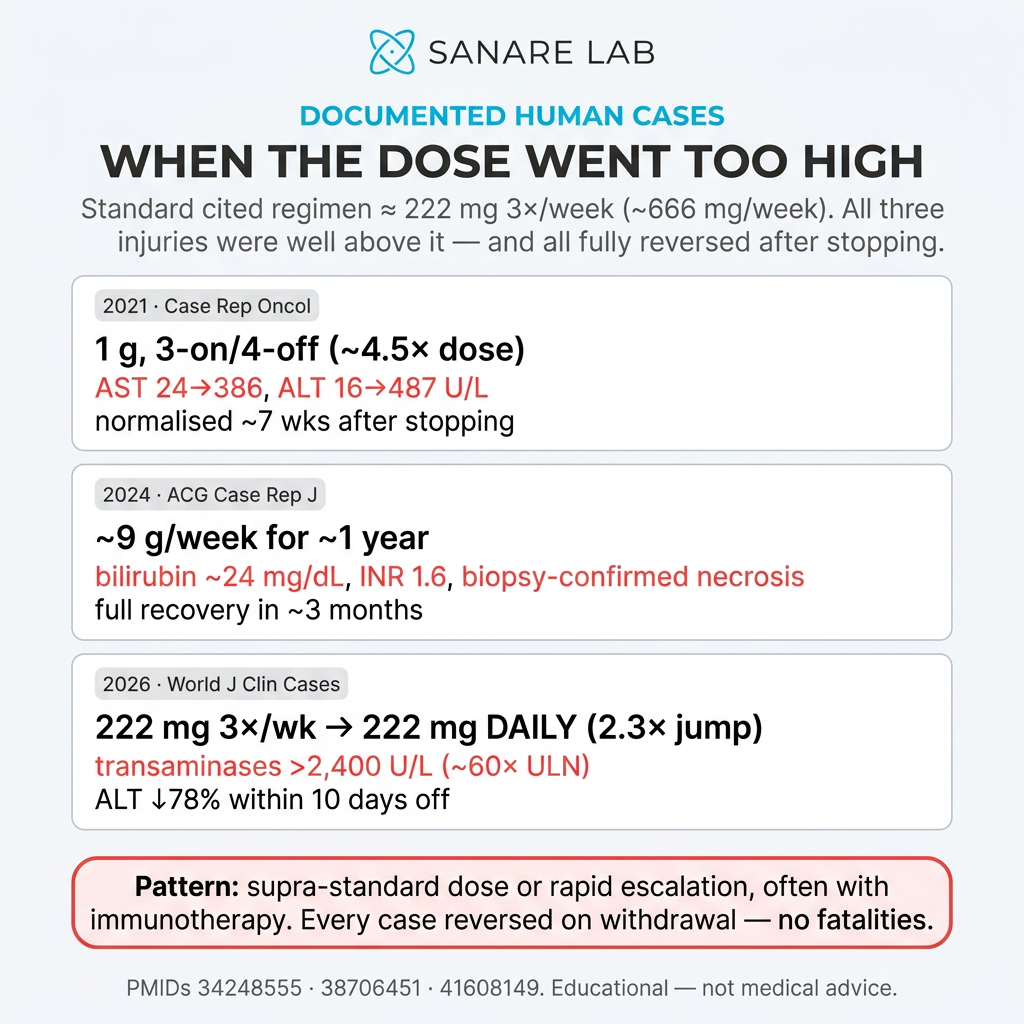
The pattern is consistent: injury followed supra-standard dosing or rapid escalation — sometimes alongside immune-checkpoint inhibitors, which can amplify hepatic inflammation — and every patient recovered fully once the drug was withdrawn. Causality in these reports was graded “probable” to “highly probable” on the standard RUCAM scale (Danan & Teschke, 2016), and idiosyncratic DILI of this kind is a recognised risk for many everyday medicines (Chalasani et al., 2014; Björnsson, 2015). The wider benzimidazole class behaves similarly: mebendazole and albendazole show dose- and duration-dependent, generally reversible hepatotoxicity (Pantziarka et al., 2014; Horton, 2000).
Risk Factors, Monitoring, and Support
The reported risk factors are consistent: high doses or rapid escalation, continuous daily dosing without breaks, concurrent immunotherapy, concurrent hepatotoxic drugs (methotrexate, azathioprine, isoniazid, azole antifungals), pre-existing liver disease, and — critically — the absence of any monitoring. Because fenbendazole is also cleared by CYP enzymes, it can alter the blood levels of co-administered drugs, so a full medication review matters when other cancer therapies are involved. It should be avoided, or used only under close specialist supervision, by anyone with severe liver failure or decompensated cirrhosis, active viral or autoimmune hepatitis, severe kidney failure, or significant liver metastases, and it is not recommended in pregnancy. For someone with HCC, whose functional liver reserve is already reduced, this caution matters more than usual.
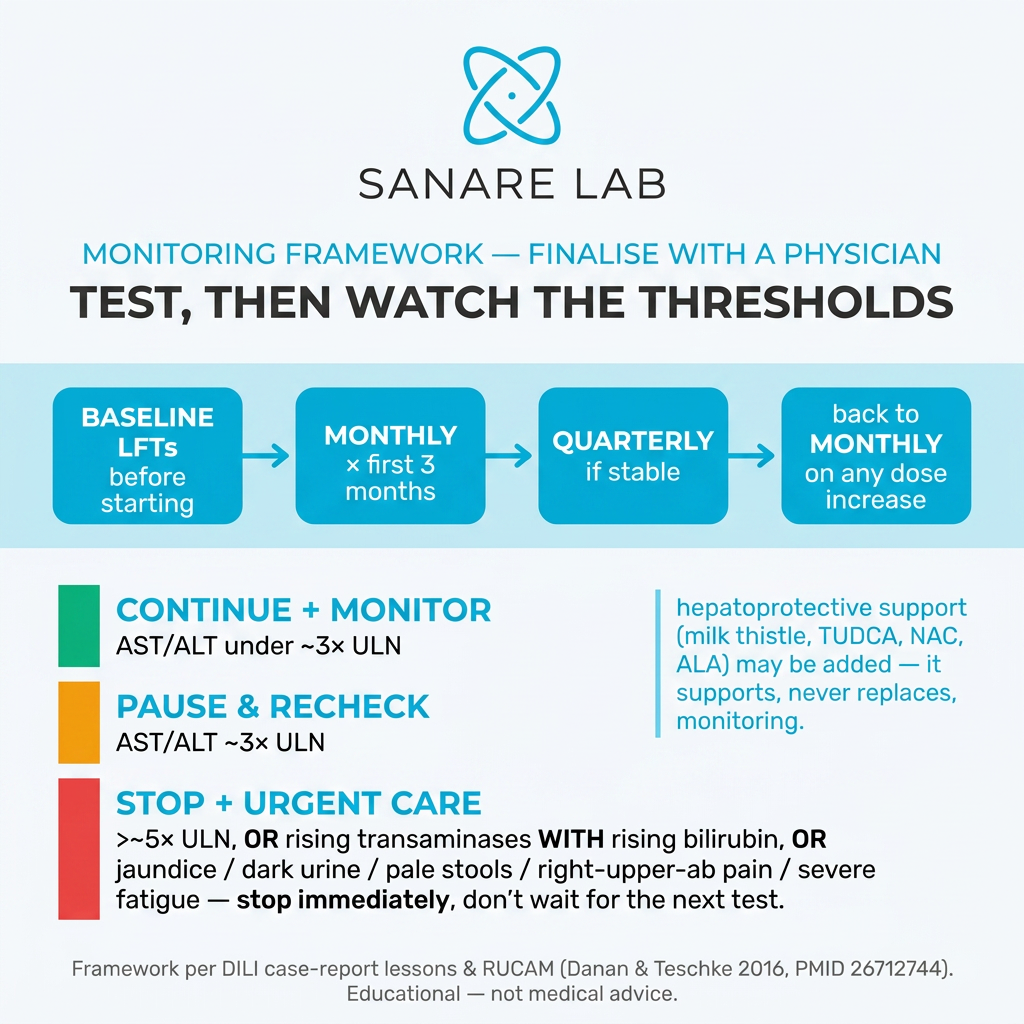
The clearest lesson from the case reports is that injury was caught — or missed — based on monitoring. A reasonable framework, to be finalised with a physician, is baseline liver-function tests before starting, then monthly for the first three months, then quarterly if stable (returning to monthly whenever the dose is escalated). Practical stop rules: pause and recheck if AST/ALT exceed roughly three times the upper limit of normal; stop and seek urgent evaluation above about five times, or whenever rising transaminases are accompanied by rising bilirubin; and stop immediately — without waiting for the next test — for jaundice, dark urine, pale stools, right-upper-quadrant pain, or unexplained severe fatigue. Some protocols add hepatoprotective supplements such as milk thistle (silymarin), TUDCA, curcumin, alpha-lipoic acid, or N-acetylcysteine (a direct glutathione precursor), but these support — and never replace — monitoring and medical supervision. The reassuring counterweight is the liver’s regenerative capacity: in every published case, transaminases fell rapidly once the drug was withdrawn and normalised within weeks to a few months, with no reported fatalities.
What This Means If You Have Liver Cancer
For a patient reading this, the practical message is measured. The laboratory research on fenbendazole and HCC is real and mechanistically plausible, but it lives entirely in cell dishes and animal models. There are no human clinical trials of fenbendazole for liver cancer, no established dose for this use, and no regulatory approval. HCC is also a setting where caution matters more than usual: the same organ that must clear the drug is the one affected by the disease, so the safety margin is narrower than in a person with a healthy liver.
Standard, proven treatments — surgical resection or transplant for early disease, ablation, trans-arterial chemoembolisation, and systemic tyrosine-kinase inhibitors or immunotherapy for advanced disease — remain the evidence-based path, and they should not be delayed or replaced. If fenbendazole interests you as an adjunct for research reasons, the only responsible step is a candid conversation with your oncologist and hepatologist, who can factor in your liver function, current medications, and the complete absence of human efficacy data in liver cancer.
Evidence Level and Limitations
To be clear about where this stands: the liver-cancer evidence for fenbendazole is entirely preclinical. It consists of a small number of cell-culture experiments (most directly, rat H4IIE hepatoma cells) plus mechanistic and animal data from related benzimidazoles. There are no completed human clinical trials of fenbendazole for hepatocellular carcinoma, no established human dose for this indication, and no regulatory approval. Some of the most encouraging liver-cancer results involve albendazole, mebendazole, or flubendazole rather than fenbendazole, and several depend on specific experimental conditions or combination partners. Fenbendazole should never replace standard liver-cancer treatment, and anyone considering it should do so only with medical supervision, given both drug-interaction and liver-function concerns.
What People Report Online: Liver Cancer
Behind the laboratory papers sits a large, restless online conversation. On Reddit and patient forums, people living with liver cancer and liver metastases — and the relatives caring for them — trade experiences with fenbendazole, usually following some version of the Joe Tippens protocol. To save you from digging through dozens of scattered threads, we have gathered the most relevant, on-topic discussions in one place, together with an honest guide to what these accounts can and cannot tell you.
How to read these reports
These are personal stories, not clinical evidence. They are uncontrolled, self-reported, and impossible to verify independently.
In almost every account, the person was also receiving standard treatment — chemotherapy, immunotherapy, radiotherapy, or surgery — at the same time as fenbendazole. When someone improves on two therapies at once, the result cannot be credited to fenbendazole alone; the conventional treatment is the far more likely explanation.
Encouraging stories are also shared far more often than disappointing ones, so online threads skew positive (survivorship and publication bias).
The useful way to read them is as questions worth raising with your oncologist — not as a protocol to copy on your own.
For a deeper, evidence-based look at how these accounts hold up — including the documented case reports and the peer-reviewed analyses behind them — see our detailed review of fenbendazole success stories and case reports.
Frequently Asked Questions
Does fenbendazole cure or treat liver cancer?
There is no proof that it treats liver cancer in people. The evidence is preclinical — most directly a 2022 study showing fenbendazole suppressed growth and induced apoptosis in rat hepatocellular carcinoma cells via p21-mediated cell-cycle arrest. No human clinical trials have been completed, and it is not an approved liver-cancer treatment.
What is hepatocellular carcinoma (HCC)?
Hepatocellular carcinoma is the most common type of primary liver cancer — cancer that starts in the liver’s main cells (hepatocytes). It usually develops on a background of chronic liver disease such as hepatitis B or C, alcohol-related liver disease, or fatty liver disease.
Is fenbendazole safe for the liver?
It is generally well tolerated and has a wide veterinary safety margin, but three peer-reviewed case reports document drug-induced liver injury (DILI) in people taking high, self-administered doses — typically grams per day or daily dosing for months — all of which reversed fully after stopping. Because HCC already reduces liver reserve, baseline and periodic liver-function testing under medical supervision is essential.
How should the liver be monitored on fenbendazole?
A reasonable framework is a baseline liver-function panel before starting, then monthly for the first three months and quarterly thereafter if stable. Pause and recheck if AST or ALT rise above roughly three times the upper limit of normal, stop and seek urgent care above about five times, and stop immediately for jaundice, dark urine, pale stools, or severe fatigue. This is general information, not a personal medical plan.
Is the liver-cancer evidence from fenbendazole or other benzimidazoles?
Both. The most direct fenbendazole data are in rat HCC cells. Several of the other liver-cancer findings involve related benzimidazoles — albendazole, mebendazole, and flubendazole. They share a tubulin-targeting mechanism, but results from one drug do not automatically transfer to another.
Can fenbendazole replace sorafenib, lenvatinib, or other liver-cancer treatment?
No. There is no human efficacy data for fenbendazole in liver cancer. It must not replace proven treatments such as surgery, ablation, chemoembolisation, tyrosine-kinase inhibitors, or immunotherapy. Discuss any research interest with your oncologist rather than substituting standard care.
Shop Sanare Lab
Lab-tested products referenced in the research above — order direct from Sanare Lab.
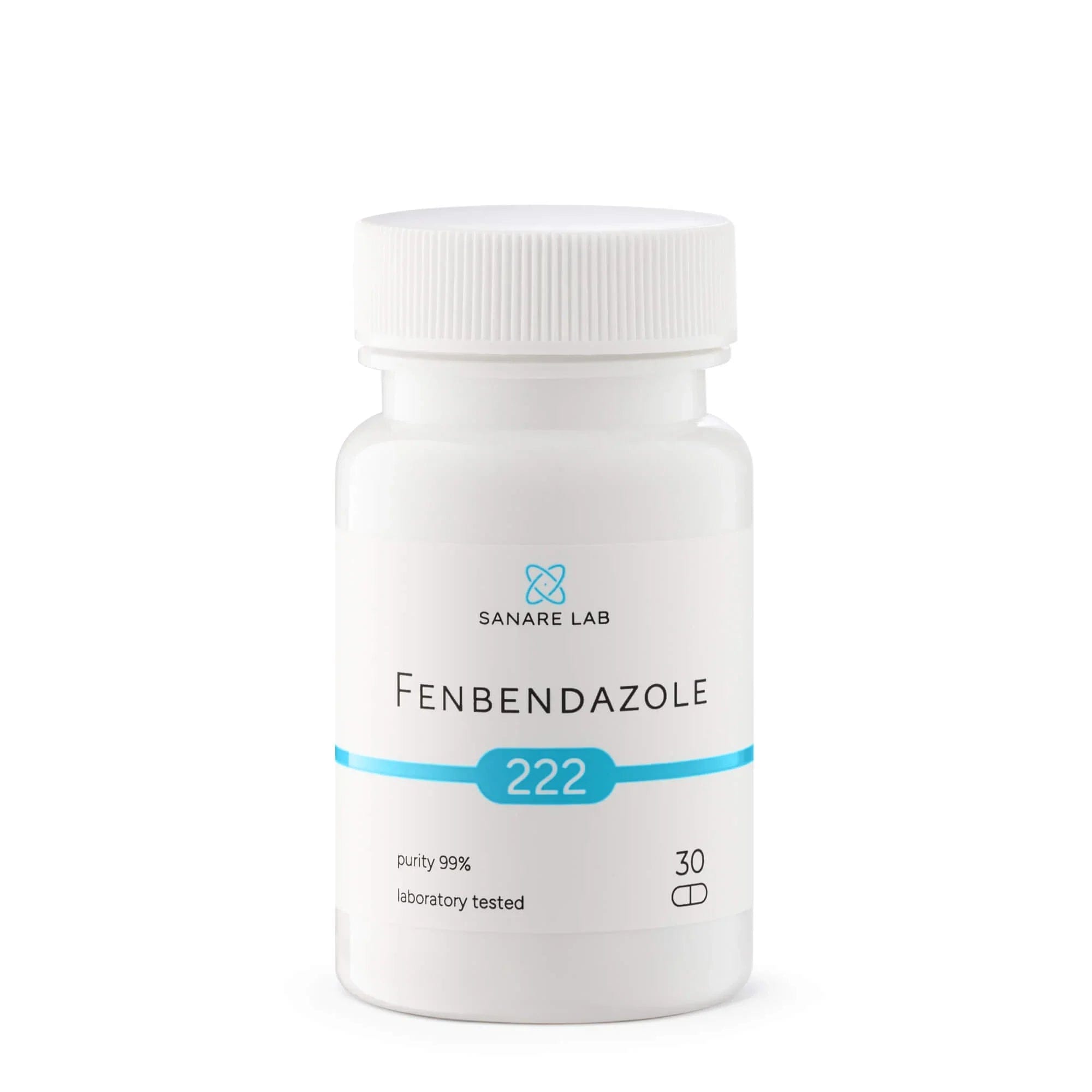
Pharmaceutical grade
Fenbendazole 222 mg
99%+ purity, third‑party lab tested.
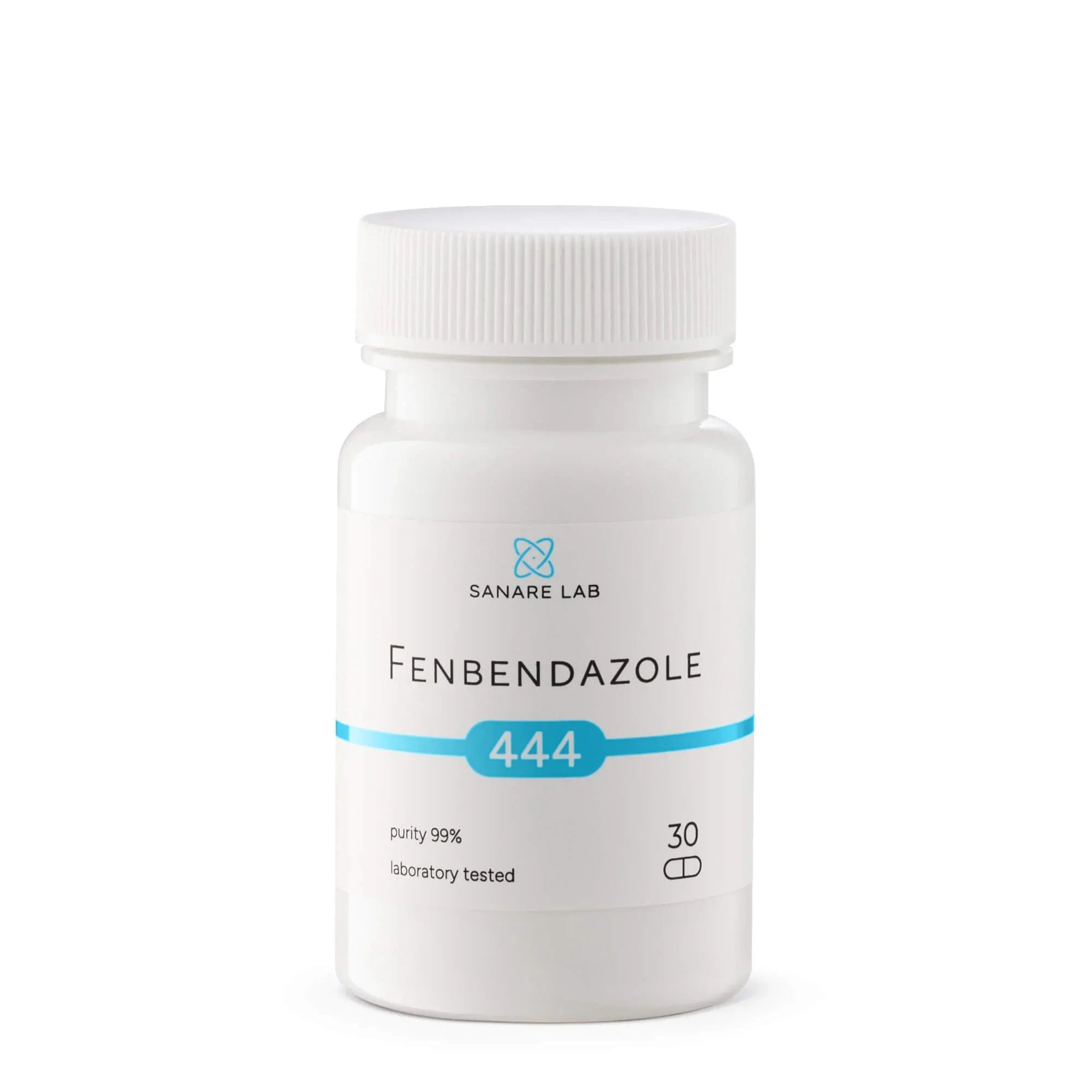
Pharmaceutical grade
Fenbendazole 444 mg
Double strength, 99%+ purity, lab tested.
Daily adjunct
Curcumin 360 mg
95% curcuminoids with black pepper extract.
Prices checked September 2026 and may change; the store page shows the current price.
Disclaimer: Links are informational and for convenience. This site does not provide medical advice. Always verify product quality, labeling, and consult a licensed professional for health decisions.
References
- Park D, Lee JH, Yoon SP. Fenbendazole Suppresses Growth and Induces Apoptosis of Actively Growing H4IIE Hepatocellular Carcinoma Cells via p21-Mediated Cell-Cycle Arrest. Biol Pharm Bull. 2022. PMID 35110505.
- Yang T, et al. Albendazole exerts an anti-hepatocellular carcinoma effect through a WWOX-dependent pathway. Life Sci. 2022. PMID 36257459.
- Younis NS, Ghanim AMH, Saber S. Mebendazole augments sensitivity to sorafenib by targeting MAPK and BCL-2 signalling in an experimental model of hepatocellular carcinoma. Sci Rep. 2019. PMID 31836811.
- Jin W, et al. Drug Repurposing Flubendazole to Suppress Tumorigenicity via PCSK9-dependent Inhibition and Potentiate Lenvatinib Therapy for Hepatocellular Carcinoma. Int J Biol Sci. 2023. PMID 37151886.
- Dogra N, Kumar A, Mukhopadhyay T. Fenbendazole acts as a moderate microtubule destabilizing agent and causes cancer cell death by modulating multiple cellular pathways. Sci Rep. 2018. PMID 30093705.
- Yamaguchi T, Shimizu J, Oya Y, et al. Drug-Induced Liver Injury in a Patient with Non-small Cell Lung Cancer after the Self-Administration of Fenbendazole. Case Rep Oncol. 2021. PMID 34248555.
- Thakurdesai A, Rivera-Matos L, Nagra N, et al. Severe Drug-Induced Liver Injury Due to Self-administration of the Veterinary Anthelmintic Fenbendazole. ACG Case Rep J. 2024. PMID 38706451.
- Krishnan A, et al. Differentiating fenbendazole-induced liver injury from immunotherapy hepatitis: the importance of structured causality assessment. World J Clin Cases. 2026. PMID 41608149.
- Chalasani NP, Hayashi PH, Bonkovsky HL, et al. ACG Clinical Guideline: the diagnosis and management of idiosyncratic drug-induced liver injury. Am J Gastroenterol. 2014. PMID 24935270.
- Danan G, Teschke R. RUCAM in Drug and Herb Induced Liver Injury: The Update. Int J Mol Sci. 2016. PMID 26712744.
- Björnsson ES. Drug-induced liver injury: an overview over the most critical compounds. Arch Toxicol. 2015. PMID 25618544.
- Pantziarka P, Bouche G, Meheus L, et al. Repurposing Drugs in Oncology (ReDO) — mebendazole as an anti-cancer agent. Ecancermedicalscience. 2014. PMID 25075217.
- Horton J. Albendazole: a review of anthelmintic efficacy and safety in humans. Parasitology. 2000. PMID 11386684.
Medical Disclaimer
This article is for educational and informational purposes only. It is not intended to be a substitute for professional medical advice, diagnosis, or treatment. Always seek the advice of your physician or other qualified health provider with any questions you may have regarding a medical condition. Never disregard professional medical advice or delay in seeking it because of something you have read on this website.
Sanare Lab
Science-based health education team reviewing published research on repurposed drugs, integrative oncology, and evidence-based protocols.