
Artemisinin Silk-Fibroin Nanoparticles Show Strong Preclinical Activity Against Melanoma
An August 2026 study in RSC Advances reports silk-fibroin artemisinin nanoparticles reduced melanoma cell viability to approximately 23% in preclinical testing. This is early in vitro evidence only.
 By Sanare Lab · August 30, 2026 · 5 min read
Key Takeaway
An August 2026 study in RSC Advances reports that silk-fibroin stabilized artemisinin nanoparticles (SF-ARTNPs) reduced A375 melanoma cell viability to approximately 23% at 40 µg/mL in preclinical testing. The nanoparticles achieved 86% drug-loading efficiency and suppressed cell migration in scratch assays. This is early in vitro evidence only; no human clinical data exists.
Malignant melanoma remains one of the most aggressive forms of skin cancer, with a propensity for rapid metastasis and resistance to conventional therapies. The search for novel treatment strategies has increasingly turned to repurposed drugs—compounds originally developed for other indications that show unexpected anticancer properties. Artemisinin, a compound derived from the sweet wormwood plant (Artemisia annua) and widely used as an antimalarial agent, has emerged as a promising candidate in oncology research due to its ability to generate reactive oxygen species (ROS) that selectively damage cancer cells. Related reading: artemisinin liposomes and the TIGIT/CD155 axis in breast cancer models.
For patients exploring repurposed drug protocols, our protocol calculator provides weight-based dosing estimates for compounds with established human-use data. The current study focuses on a novel nanotechnology approach to enhance artemisinin delivery, which may inform future formulation strategies for repurposed drug protocols.
Table of Contents
- Background and Rationale
- Nanoparticle Design and Characterization
- Preclinical Anticancer Activity
- Clinical Outlook and Limitations
- Frequently Asked Questions
Background and Rationale
Malignant melanoma accounts for the majority of skin cancer-related deaths worldwide. Despite advances in immunotherapy and targeted agents, a significant subset of patients develops resistance or experiences disease progression. This has fueled interest in alternative therapeutic approaches, including drug repurposing and nanotechnology-enhanced delivery systems. Related reading: curcumin and 5-FU microneedles for skin cancer models.
Artemisinin and its derivatives have demonstrated anticancer activity across multiple tumor types in preclinical studies. The compound's endoperoxide bridge reacts with intracellular iron to generate ROS, which can damage proteins, lipids, and DNA in rapidly dividing cells. However, artemisinin's poor aqueous solubility and limited bioavailability have hindered its clinical translation as an anticancer agent.
Nanoparticle Design and Characterization
The August 2026 study published in RSC Advances describes the development of silk-fibroin stabilized artemisinin nanoparticles (SF-ARTNPs) as a targeted drug delivery platform. Silk fibroin, a natural protein derived from silkworm cocoons, was selected for its biocompatibility, biodegradability, and ability to form stable nanoparticles with high drug-loading capacity.
Key physicochemical properties of the SF-ARTNPs included:
- Spherical morphology with enhanced colloidal stability
- Drug-loading efficiency of 86.27 ± 2.05%
- Sustained release profile with 84.60 ± 7.29% cumulative release
- Improved aqueous dispersibility compared to free artemisinin
The sustained release characteristics are particularly important for anticancer applications, as they allow for prolonged drug exposure at the tumor site while minimizing systemic toxicity.
Preclinical Anticancer Activity
The researchers evaluated the in vitro cytotoxicity of SF-ARTNPs against A375 human melanoma cells. At a concentration of 40 µg/mL, the nanoparticles reduced cell viability to 23.31 ± 4.62%, demonstrating potent antiproliferative activity. A scratch assay further confirmed that SF-ARTNPs significantly suppressed cell migration, suggesting a dual effect on both proliferation and metastatic potential.
These findings indicate that the silk-fibroin delivery system not only enhances artemisinin solubility but may also improve its anticancer efficacy compared to the free drug. The mechanism is thought to involve the endoperoxide-mediated generation of ROS, which induces oxidative stress and triggers apoptotic pathways in cancer cells.
Clinical Outlook and Limitations
While the preclinical data are promising, several important limitations must be acknowledged. This study was conducted exclusively in cell culture (in vitro), with no animal or human data. The transition from in vitro to in vivo efficacy is notoriously unpredictable in oncology, and many compounds that show strong activity in cell lines fail to demonstrate comparable effects in animal models or human trials.
Furthermore, the optimal dosing, route of administration, and safety profile of SF-ARTNPs in humans remain entirely unknown. Nanoparticle-based drug delivery systems face additional regulatory and manufacturing challenges compared to conventional small-molecule drugs. Additional preclinical studies in animal models, followed by formal toxicology and pharmacokinetic assessments, would be required before any clinical development could be considered.
Frequently Asked Questions
What is artemisinin and why is it being studied for melanoma?
Artemisinin is a natural compound extracted from the sweet wormwood plant (Artemisia annua), originally developed as an antimalarial drug. It generates reactive oxygen species (ROS) when it reacts with intracellular iron, which can damage cancer cells. Preclinical studies have shown anticancer activity in multiple tumor types, including melanoma.
How do silk-fibroin nanoparticles improve artemisinin delivery?
Silk-fibroin is a natural protein that forms stable, biocompatible nanoparticles. In this study, the silk-fibroin artemisinin nanoparticles (SF-ARTNPs) achieved 86% drug-loading efficiency and demonstrated sustained release, improved aqueous dispersibility, and enhanced colloidal stability compared to free artemisinin.
What evidence did the study provide?
The study reported in vitro (cell culture) data showing that SF-ARTNPs reduced A375 melanoma cell viability to approximately 23% at 40 µg/mL and suppressed cell migration in scratch assays. This is preclinical evidence only; no animal or human data was included.
Is this treatment ready for human use?
No. This is early preclinical research conducted in cell culture only. The safety, dosing, and efficacy in humans are entirely unknown. Extensive animal studies and clinical trials would be required before any human application could be considered. Patients should not attempt to use artemisinin for cancer treatment outside of approved clinical trials.
Scientists wrapped an antimalarial drug called artemisinin in tiny silk protein particles to make it easier to deliver to cancer cells. In lab dishes, these particles killed about 77% of melanoma skin cancer cells and stopped them from moving. However, this was only tested in cells in a lab, not in animals or humans. The results are promising but very early, and it will take years of additional research before this could potentially become a real treatment.
In plain words
What happened: Researchers put artemisinin into tiny particles made with silk protein and tested them on melanoma cells grown in a lab dish.
Why it matters: The particles are meant to carry a drug that does not mix well with water, which may make delivery easier.
How strong is the evidence: This is an early test in one lab cell model. There are no animal or human results.
What it means for you: Nothing changes for people with melanoma. This particle formulation is experimental, so discuss cancer treatment with your oncology team.
Shop Sanare Lab
Lab-tested products referenced in the research above — order direct from Sanare Lab or, where listed, on Amazon.
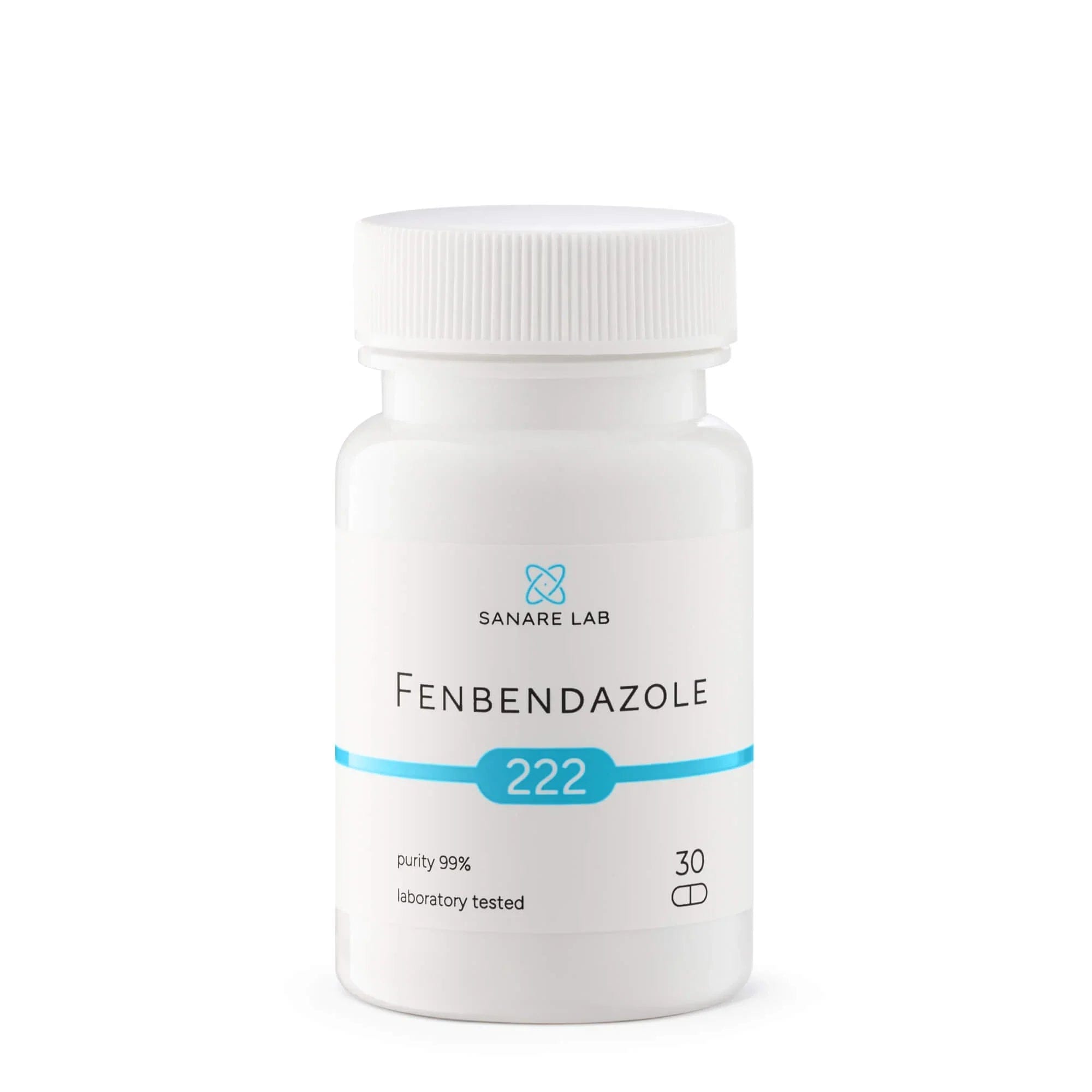
Pharmaceutical grade
Fenbendazole 222 mg
99%+ purity, third‑party lab tested.
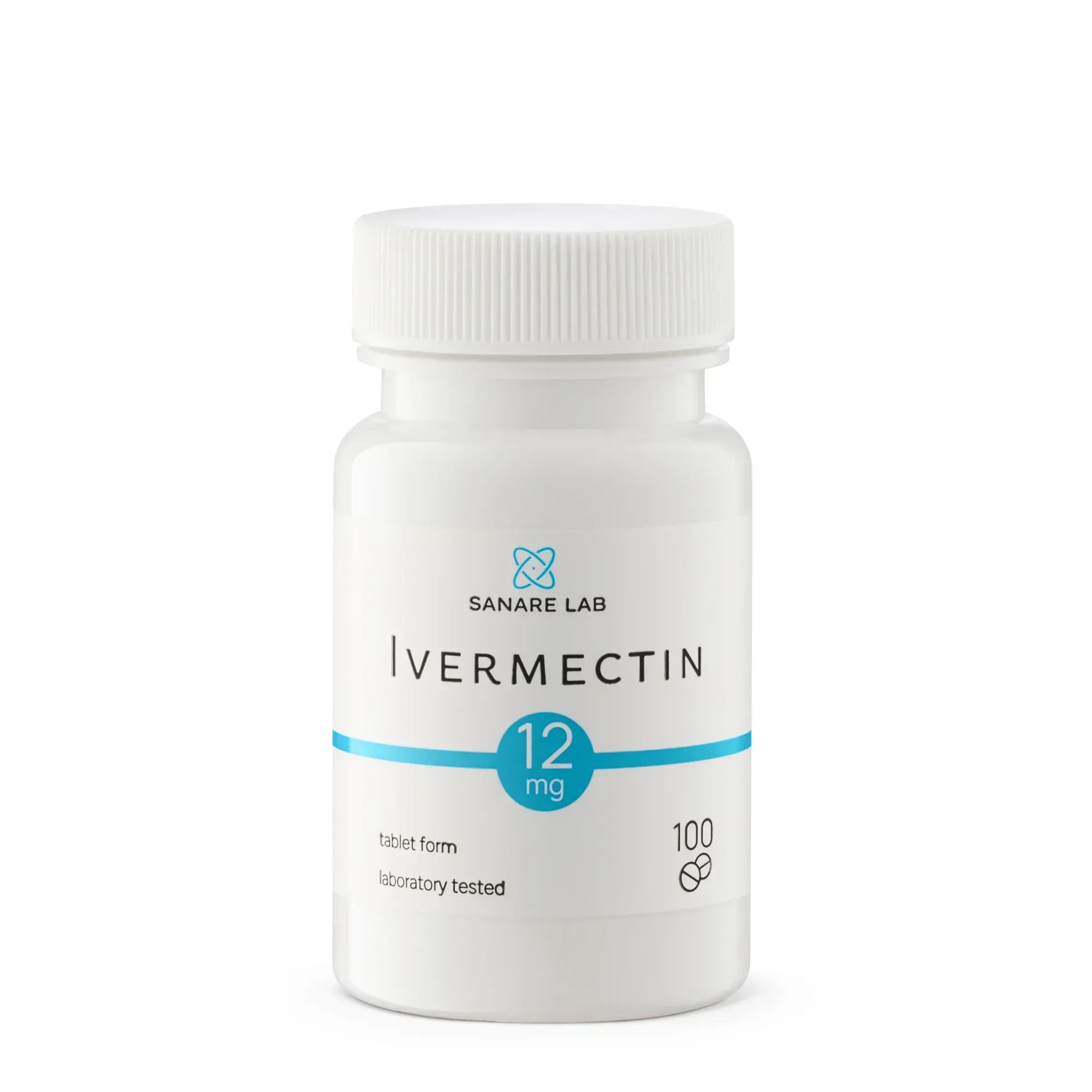
Ivermectin · IverMK
Ivermectin Tablets
100 tablets per bottle, three strengths.
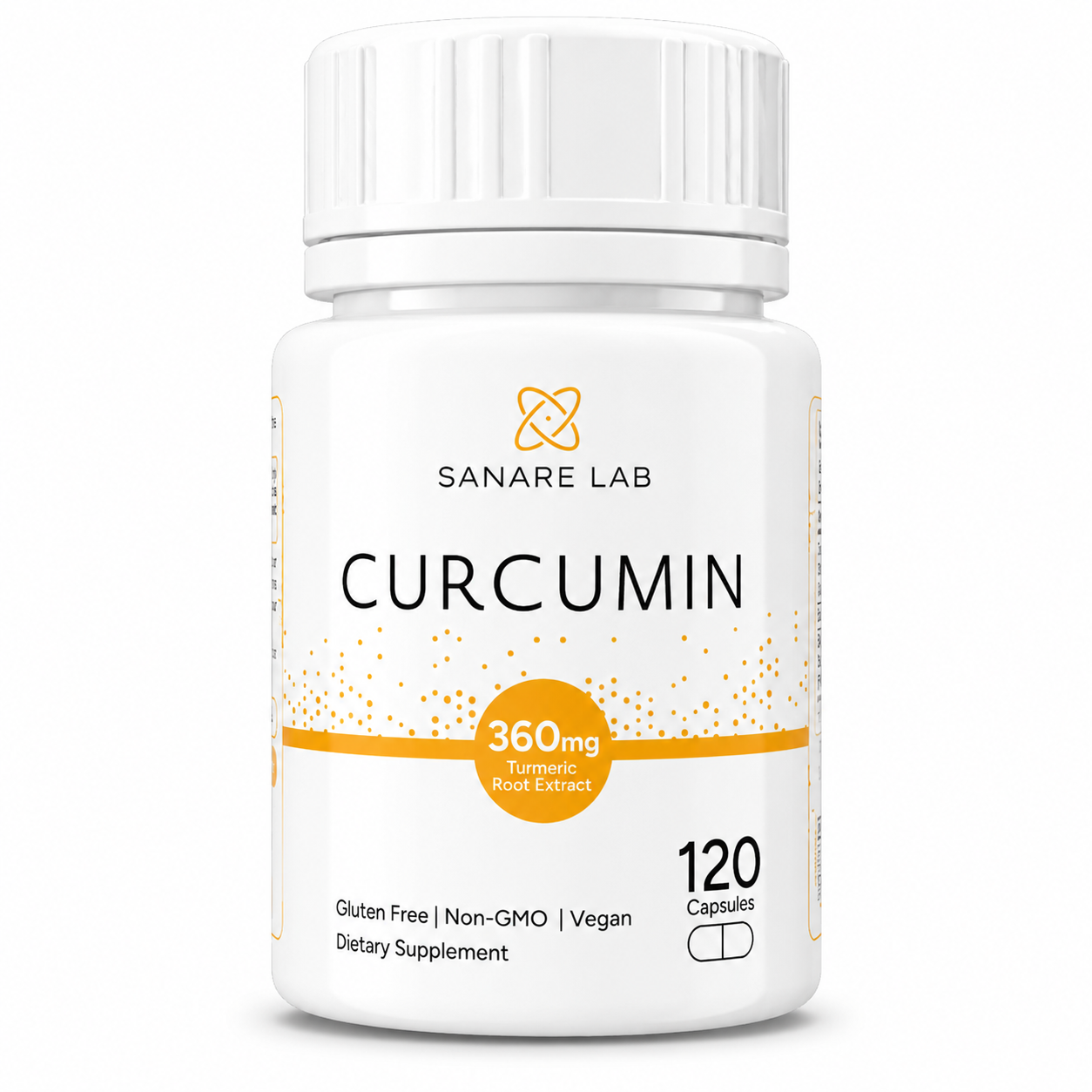
Daily adjunct
Curcumin 360 mg
95% curcuminoids with black pepper extract.
Prices checked September 2026 and may change; the store page shows the current price. Amazon listings are sold by Sanare Lab.
Disclaimer: Links are informational and for convenience. This site does not provide medical advice. Always verify product quality, labeling, and consult a licensed professional for health decisions.
References
- Targeted nanotherapeutic strategy for melanoma using silk-fibroin based artemisinin nanoparticles. RSC Advances. 2026; DOI: 10.1039/d6ra04405k
Medical Disclaimer
This article is for informational and educational purposes only. It does not constitute medical advice, diagnosis, or treatment recommendation. The research discussed is preclinical and has not been evaluated in human clinical trials. Always consult a qualified healthcare provider before making any decisions about your health or treatment. Never discontinue or modify prescribed treatments without professional guidance.
Sanare Lab
Science-based health education team reviewing published research on repurposed drugs, integrative oncology, and evidence-based protocols.