
Curcumin-Selenium Macromolecule Destroys A549 Lung Cancer Cells
A novel bifunctional macromolecular system combining curcumin with selenium-loaded bovine serum albumin triggers programmed cell death (apoptosis) in lung adenocarcinoma cells in vitro.
 By Sanare Lab · August 31, 2026 · 9 min read
Key Takeaway
Researchers at Bhabha Atomic Research Centre in Mumbai, India, engineered a bifunctional macromolecular therapeutic system that physically binds curcumin to selenium-functionalized bovine serum albumin (BSA). When tested against A549 lung adenocarcinoma cells, the complex entered cells via caveolae-dependent endocytosis and triggered programmed cell death (apoptosis) through loss of mitochondrial membrane potential and activation of caspase-dependent pathways. The study confirmed a synergistic effect between curcumin and selenium, suggesting this bioinspired approach could improve curcumin's stability and therapeutic potency. This is preclinical in vitro evidence only — no human or animal data exist yet.
Curcumin, the polyphenol derived from turmeric (Curcuma longa), has long attracted interest in cancer research for its multi-targeted anti-inflammatory and pro-apoptotic effects. Yet its clinical translation has been limited by rapid metabolism, poor water solubility, and low bioavailability. One promising strategy to overcome these barriers is to package curcumin into macromolecular carrier systems that protect it from degradation while enabling targeted delivery to tumor cells. A new study from Bhabha Atomic Research Centre in Mumbai, India, takes this approach a step further by combining curcumin with selenium in a single bifunctional therapeutic system.
Published in Chemistry, an Asian Journal in August 2026, the study describes how researchers functionalized bovine serum albumin (BSA) — a natural blood transport protein — with a diselenide compound, then used the resulting seleno-BSA to physically bind and carry curcumin. The resulting complex was tested against A549 lung adenocarcinoma cells. This dual-delivery approach is notable because both curcumin and selenium are independently studied for their anticancer properties, but their combined delivery in a single macromolecular construct has not been widely reported before. Related reading: a curcumin solid dispersion with chemotherapy in lung cancer cells.
Before choosing any supplement or therapeutic approach, patients interested in repurposed drug research can use the dosing calculator to explore protocol considerations. For a broader overview of curcumin's role in cancer research, see our detailed analysis of what human and preclinical research actually shows.
Table of Contents
- What Is the Curcumin-Seleno-BSA System?
- How Does It Enter Cancer Cells?
- What the In Vitro Study Found
- Why Selenium and Curcumin Together Matter
- Limitations and Caveats
- Frequently Asked Questions
What Is the Curcumin-Seleno-BSA System?
The therapeutic system described in this study is a macromolecular complex — a large molecule designed to carry two therapeutic agents simultaneously. Bovine serum albumin (BSA), a naturally occurring protein found in blood plasma, was chemically modified with 3,3'-diselenodipropionic acid to create seleno-BSA. This modified protein was then used as a host to physically bind curcumin molecules.
Photophysical studies showed that curcumin bound to the seleno-BSA at a specific site near the tryptophan residue in domain II of the protein, with a 1:1 stoichiometry and a binding constant of approximately 1 × 10 M (as measured by fluorescence titration). Importantly, the seleno-BSA carrier improved curcumin's chemical stability without causing significant changes to the protein's colloidal properties (hydrodynamic size and surface charge) or structural integrity (secondary structure content).
This stability improvement is significant because curcumin is notoriously unstable in aqueous environments, degrading rapidly when exposed to light or physiological conditions. Encapsulation within a protein carrier can extend its shelf life and potentially prolong its circulation time in the body.
How Does It Enter Cancer Cells?
When the seleno-BSA-curcumin complex was applied to A549 lung adenocarcinoma cells, the researchers found that the complex entered the cells primarily through a process called caveolae-dependent endocytosis. Caveolae are small invaginations on the cell surface that act as specialized entry portals for certain molecules, including albumin and albumin-bound drugs. This is a well-characterized route for protein-based drug delivery systems.
The study confirmed that the curcumin within the complex retained its therapeutic activity after cellular uptake — it was not merely a passive cargo but an active drug that triggered downstream cellular effects once inside the cancer cells. This distinguishes the approach from simple drug encapsulation methods that might release cargo prematurely or fail to reach intracellular targets.
What the In Vitro Study Found
The researchers evaluated the therapeutic effects of the curcumin-seleno-BSA complex on A549 lung adenocarcinoma cells using a range of cell-based assays. The key findings included:
- Cell killing: The complex induced significant cancer cell death at concentrations tested in the study, demonstrating dose-dependent anticancer activity.
- Loss of mitochondrial membrane potential: This is a hallmark of apoptosis — the programmed cell death pathway that is the preferred therapeutic outcome in cancer treatment because it avoids the inflammatory damage associated with necrosis.
- Caspase-dependent apoptosis: The cell death was mediated by activation of caspase enzymes, the proteases that execute the apoptotic program. This confirms that the curcumin within the complex triggered the classical intrinsic apoptosis pathway.
- Synergistic effect: The combination of curcumin and seleno-BSA produced a stronger therapeutic effect than either component alone would be expected to achieve, confirming true synergism rather than simple additive effects.
| Parameter | Observation | Significance |
|---|---|---|
| Cellular entry mechanism | Caveolae-dependent endocytosis | Albumin-compatible route for protein-based delivery |
| Cell death pathway | Mitochondrial membrane potential loss + caspase activation | Classical apoptosis, a preferred cancer cell death mechanism |
| Curcumin stability | Improved without structural changes to carrier | Addresses a major bioavailability limitation |
| Combined effect | Synergistic (not merely additive) | Suggests the two therapeutic moieties enhance each other |
Why Selenium and Curcumin Together Matter
Selenium is an essential trace element with a well-documented but complex relationship to cancer. Some studies have suggested that selenium compounds can exert anticancer effects through redox modulation, while others have shown that excessive selenium intake may carry risks. In this study, the selenium was incorporated into the BSA carrier as a diselenide bridge — not as a free selenium supplement, but as a structural component of the delivery system.
The combination approach is interesting because curcumin and selenium may act through different but complementary mechanisms. Curcumin is known to modulate multiple signaling pathways including NF-κB, STAT3, and PI3K/Akt/mTOR, while selenium compounds can influence oxidative stress responses and protein folding. The study's finding of synergism suggests that the two agents may reinforce each other's effects when delivered together in a single macromolecular construct.
This bifunctional strategy differs from simply taking curcumin and selenium supplements separately, which is an important distinction. The protein-based delivery system controls the ratio, stability, and cellular targeting of both agents in ways that oral supplementation cannot replicate.
Limitations and Caveats
While the study presents an elegant chemical design and promising in vitro results, several important limitations must be acknowledged:
- In vitro only: The study was conducted entirely on cultured A549 lung adenocarcinoma cells. No animal models or human data were included. The results may not translate to living organisms, where pharmacokinetics, immune clearance, tissue distribution, and metabolism all play critical roles.
- Single cell line: Only one cancer cell line (A549 lung adenocarcinoma) was tested. Different cancer types and even different lung cancer subtypes may respond differently.
- No toxicity assessment: The study did not evaluate the effects on normal (non-cancerous) lung cells, so the therapeutic index — the safety margin between cancer-killing and healthy-cell-damaging doses — is unknown.
- BSA as a carrier: While BSA is a useful model for laboratory studies, human serum albumin (HSA) would be the clinically relevant carrier. The properties of BSA and HSA differ in ways that could affect drug binding and release.
- No pharmacokinetic data: There is no information about how this system would behave in a living organism — how long it would circulate, how it would be cleared, or whether it would reach tumor sites at therapeutic concentrations.
These limitations are typical of early-stage preclinical research. The value of this study lies in its proof-of-concept for a new bifunctional delivery strategy, not in its immediate clinical applicability.
Frequently Asked Questions
What is A549?
A549 is a human lung adenocarcinoma cell line that is widely used in cancer research as a model for non-small cell lung cancer (NSCLC). It was originally derived from a 58-year-old male patient and is one of the most commonly studied lung cancer cell lines worldwide. Results from A549 studies provide valuable mechanistic insights but do not guarantee the same effects in human patients.
What is caveolae-dependent endocytosis?
Caveolae-dependent endocytosis is a specific cellular uptake mechanism where molecules enter cells through small flask-shaped invaginations on the cell membrane called caveolae. This pathway is particularly important for albumin and albumin-bound molecules, and it is often exploited by drug delivery systems designed to mimic natural protein transport. It is a slower, receptor-mediated process distinct from general pinocytosis or clathrin-mediated endocytosis.
What is a macromolecular therapeutic system?
A macromolecular therapeutic system is a large-molecule drug delivery platform that carries therapeutic agents within or attached to a larger carrier structure. In this study, bovine serum albumin (BSA) serves as the macromolecular scaffold. Macromolecular systems can improve drug solubility, protect drugs from degradation, enable targeted delivery, and potentially reduce systemic side effects by concentrating the drug at tumor sites. However, they are typically in very early stages of development and rarely reach clinical trials.
What does synergistic effect mean in this context?
A synergistic effect means that the combined therapeutic effect of two agents is greater than the sum of their individual effects. In this study, the researchers confirmed that the curcumin-seleno-BSA complex killed cancer cells more effectively than would be expected from adding the curcumin effect and the selenium effect separately. This is a desirable outcome in combination therapy because it means lower doses might achieve the same therapeutic benefit, or standard doses might achieve greater benefit.
Does this mean curcumin-selenium supplements are effective for lung cancer?
No. This study tested a specifically engineered macromolecular complex in a laboratory cell culture model, not dietary supplements. The curcumin and selenium in the study were bound to a protein carrier in a controlled ratio and delivered to cells in a culture dish. This is fundamentally different from taking oral curcumin and selenium supplements, which would have very different absorption, metabolism, and distribution profiles in the human body. There is no clinical evidence from this study that supports using supplements for lung cancer treatment.
In Plain Terms
Scientists in India created a new way to deliver curcumin to cancer cells by binding it to a modified blood protein that also contains selenium. When they tested this combo on lung cancer cells in a lab dish, it killed the cancer cells by triggering the cell's natural self-destruct program (apoptosis). The curcumin and selenium worked better together than either would alone. This is an early laboratory finding only — it has not been tested in animals or humans, and it does not mean that taking curcumin and selenium supplements will have the same effect in cancer patients. The protein delivery system is a specialized technology that is not available as a supplement.
In plain words
What happened: Researchers joined curcumin to a selenium-containing protein carrier and tested the resulting complex on lung cancer cells in a lab.
Why it matters: The carrier is intended to keep curcumin stable and bring it into cells, where the combination triggered cell-death signals in the experiment.
How strong is the evidence: This is early lab research in one lung cancer cell model. There are no animal or human results.
What it means for you: Nothing changes for people with lung cancer. This lab formulation is not an available treatment.
Shop Sanare Lab
Lab-tested products referenced in the research above — order direct from Sanare Lab.
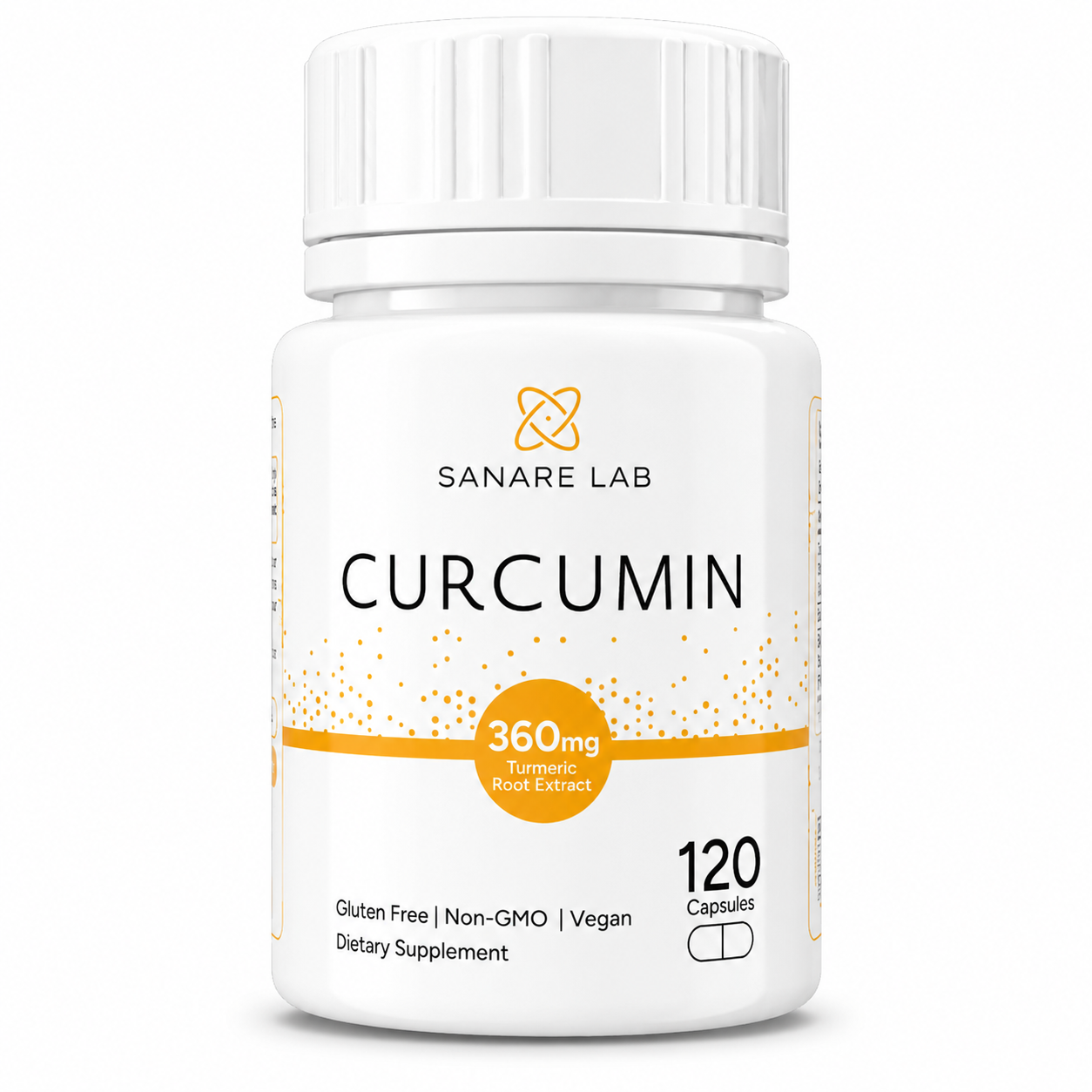
Daily adjunct
Curcumin 360 mg
95% curcuminoids with black pepper extract.
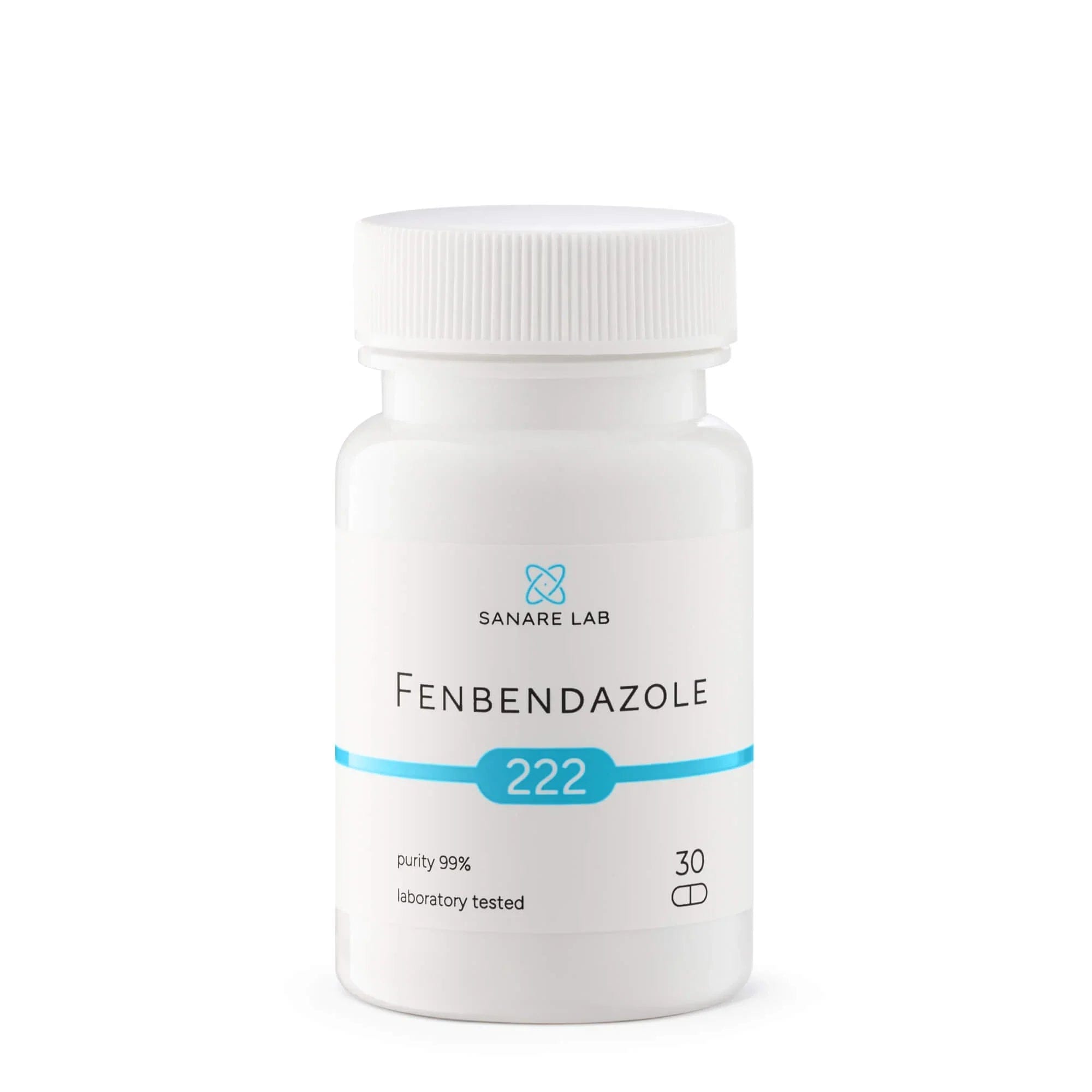
Pharmaceutical grade
Fenbendazole 222 mg
99%+ purity, third‑party lab tested.
Prices checked September 2026 and may change; the store page shows the current price.
Disclaimer: Links are informational and for convenience. This site does not provide medical advice. Always verify product quality, labeling, and consult a licensed professional for health decisions.
References
- Majee K, Nayak M, Singh BG, Kunwar A. Curcumin Bound Seleno-BSA, a Novel Bifunctional Macromolecular Therapeutic System Against A549 Lung Cancer Cells: Photophysical Characterizations, Cellular Uptake, and Efficacy. Chemistry, an Asian Journal. 2026 Aug;21(16):e70967. DOI: 10.1002/asia.70967. PMID: 42639704.
- Bray F, Laversanne M, Sung H, et al. Global cancer statistics 2022: GLOBOCAN estimates of incidence and mortality worldwide for 36 cancers in 185 countries. CA: A Cancer Journal for Clinicians. 2024;74:229–263.
- Yao Q, Lin M, Wang Y, et al. Curcumin Induces the Apoptosis of A549 Cells via Oxidative Stress Mediated by Mitochondrial Dysfunction. Free Radical Biology and Medicine. 2020.
- Chen Q, Wang Y, Xu K, et al. Curcumin Induces Apoptosis in Human Lung Adenocarcinoma A549 Cells Through a Mitochondria-Dependent Pathway. Journal of Pharmacology and Experimental Therapeutics. 2019.
- He L, Zhang L, Peng Y, He Z. Selenium in Cancer Management: Exploring the Therapeutic Potential. Frontiers in Oncology. 2021.
Medical Disclaimer
This article is for educational and informational purposes only and does not constitute medical advice, diagnosis, or treatment. The research described is preclinical (in vitro cell culture) only — no human or animal data are available. The findings should not be used to guide treatment decisions. Always consult a licensed healthcare professional before making any health-related decisions. Do not discontinue or modify any prescribed treatment based on preclinical research findings.
Sanare Lab
Science-based health education team reviewing published research on repurposed drugs, integrative oncology, and evidence-based protocols.