
Curcumin + Benzimidazole Nanocomplex Shows Promise in Liver Cancer
A 2026 Scientific Reports study demonstrates that a microbial levan enhances hepatic retention and antitumor activity of a PEGylated benzimidazole-curcumin nanocomplex in experimental liver cancer.
 By Sanare Lab · August 13, 2026 · 5 min read
Key Takeaway
A 2026 study in Scientific Reports found that co-administering a microbial polysaccharide (levan) with a PEGylated β-cyclodextrin-capped benzimidazole-curcumin nanocomplex (BMPE-Cur) increased hepatic accumulation by 2.3-fold, improved survival to 95.45% in tumor-bearing mice, and inhibited angiogenesis by 86%. This is preclinical evidence in an animal model.
Hepatocellular carcinoma (liver cancer) remains one of the leading causes of cancer death globally, with limited treatment options for advanced disease. While surgical resection and systemic therapies can be effective, recurrence rates are high and drug delivery to the liver remains challenging. Related reading: curcumin and NRF1α in hepatocellular carcinoma models.
A 2026 study published in Scientific Reports by researchers from the National Research Centre in Cairo, Egypt, presents an innovative approach combining a curcumin-benzimidazole nanocomplex with a microbial polysaccharide to enhance liver retention and antitumor efficacy. This preclinical research in mice suggests a promising direction for improving drug delivery in liver cancer. Related reading: curcumin nanoformulations and bioavailability.
For those interested in curcumin's broader cancer research, our article on curcumin and cancer research provides a comprehensive overview. You may also explore our protocol dosing workspace for practical guidance.
Table of Contents
- What Is the BMPE-Cur Nanocomplex?
- How Did Microbial Levan Enhance Efficacy?
- What Were the Key Findings?
- What Are the Limitations?
- Frequently Asked Questions
What Is the BMPE-Cur Nanocomplex?
The researchers developed a PEGylated β-cyclodextrin-capped benzimidazole-curcumin nanocomplex, abbreviated as BMPE-Cur. This delivery system combines three key components:
- Benzimidazole-curcumin conjugate: A synthetic compound linking curcumin (the active polyphenol from turmeric) to a benzimidazole scaffold, which is the same structural class found in antiparasitic drugs like fenbendazole and mebendazole.
- β-cyclodextrin: A cyclic oligosaccharide that improves the solubility and stability of hydrophobic drugs like curcumin.
- PEGylation: Coating with polyethylene glycol to improve circulation time and reduce immune clearance.
However, even advanced nanocomplexes face challenges with hepatic retention — the liver's rapid clearance mechanisms can remove drug carriers before they reach tumor cells. The researchers investigated whether a microbial polysaccharide could address this limitation.
How Did Microbial Levan Enhance Efficacy?
The researchers added a microbial polysaccharide called levan, produced by Weissella paramesenteroides, to the treatment regimen. Levan is a fructan polymer that interacts with host immune receptors. Specifically, the study found that levan activates the TLR2 receptor, which triggers signaling through the FXR/FGF15 axis — a pathway involved in liver metabolism and immune regulation.
This immunometabolic remodeling altered the liver microenvironment in a way that favored nanocomplex retention. The co-administration of levan increased hepatic BMPE accumulation by 2.3-fold compared to the nanocomplex alone.
What Were the Key Findings?
The study used an Ehrlich ascites carcinoma (EAC)-induced hepatic tumor model in mice. The results were striking:
- Survival: Survival improved to 95.45% in the combination group, compared to 60.66% mortality in untreated tumor-bearing mice.
- Angiogenesis: Combination therapy produced 86% inhibition of angiogenesis (new blood vessel formation that tumors need to grow).
- Tumor Biomarkers: Markedly suppressed tumor-associated biomarkers, oxidative stress, and inflammatory mediators.
- Immune Modulation: Reduced immunosuppressive cell populations and restored hepatic function.
The researchers performed pharmacokinetic, biochemical, histopathological, angiogenic, immunological, molecular, and computational analyses to confirm these effects. The mechanism was traced to TLR2-FXR/FGF15-associated immunometabolic remodeling.
What Are the Limitations?
As with all preclinical research, several important caveats apply:
- Mouse model: The Ehrlich ascites carcinoma model is an established but simplified tumor model. Results may not translate to human hepatocellular carcinoma.
- Single tumor type: The study used one specific tumor model. Efficacy against other liver cancer types or other cancers is unknown.
- Delivery complexity: The nanocomplex formulation requires specialized manufacturing that is not yet available for clinical use.
- No human data: No clinical trials have been conducted with this specific formulation.
Frequently Asked Questions
Is this treatment available for humans?
No. The BMPE-Cur nanocomplex is an experimental formulation tested only in mice. No human clinical trials have been conducted, and it is not available as a treatment option.
What is benzimidazole?
Benzimidazole is a chemical scaffold found in several antiparasitic drugs including fenbendazole, mebendazole, and albendazole. In this study, it was used as a structural component to link curcumin to a nanocarrier, not as a drug itself.
What is levan?
Levan is a microbial polysaccharide (a type of sugar polymer) produced by certain bacteria. In this study, levan from Weissella paramesenteroides enhanced drug delivery by modulating liver immune signaling through the TLR2-FXR/FGF15 pathway.
In Plain Terms
Researchers in Egypt created a special delivery system for curcumin (from turmeric) using a chemical structure similar to antiparasitic drugs. They combined this with a sugar-like substance from bacteria. In mice with liver cancer, the combination dramatically improved survival, reduced tumor growth, and cut off the blood supply to tumors. This is very early research and not yet tested in humans.
In plain words
What happened: In mice with liver tumors, researchers paired a curcumin-containing particle with levan, a substance made by microbes.
Why it matters: The added levan was meant to help more of the particle collect in the liver, like directing a delivery package to a particular address.
How strong is the evidence: This is preclinical mouse research. It does not show that the particle is safe or effective in people.
What it means for you: Nothing changes for people with liver cancer. This experimental formulation is not a patient treatment; discuss care with your oncologist.
Shop Sanare Lab
Lab-tested products referenced in the research above — order direct from Sanare Lab.
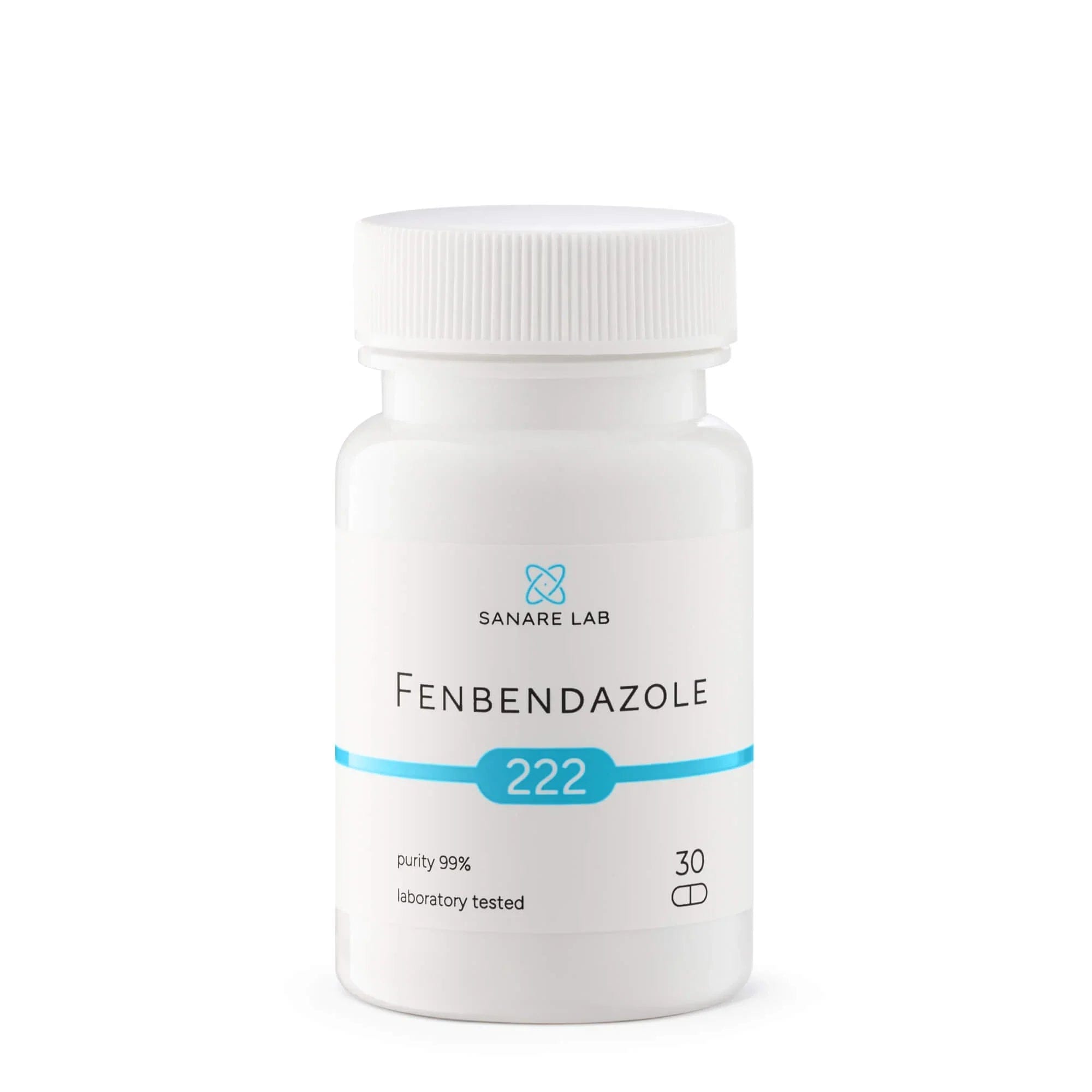
Pharmaceutical grade
Fenbendazole 222 mg
99%+ purity, third‑party lab tested.
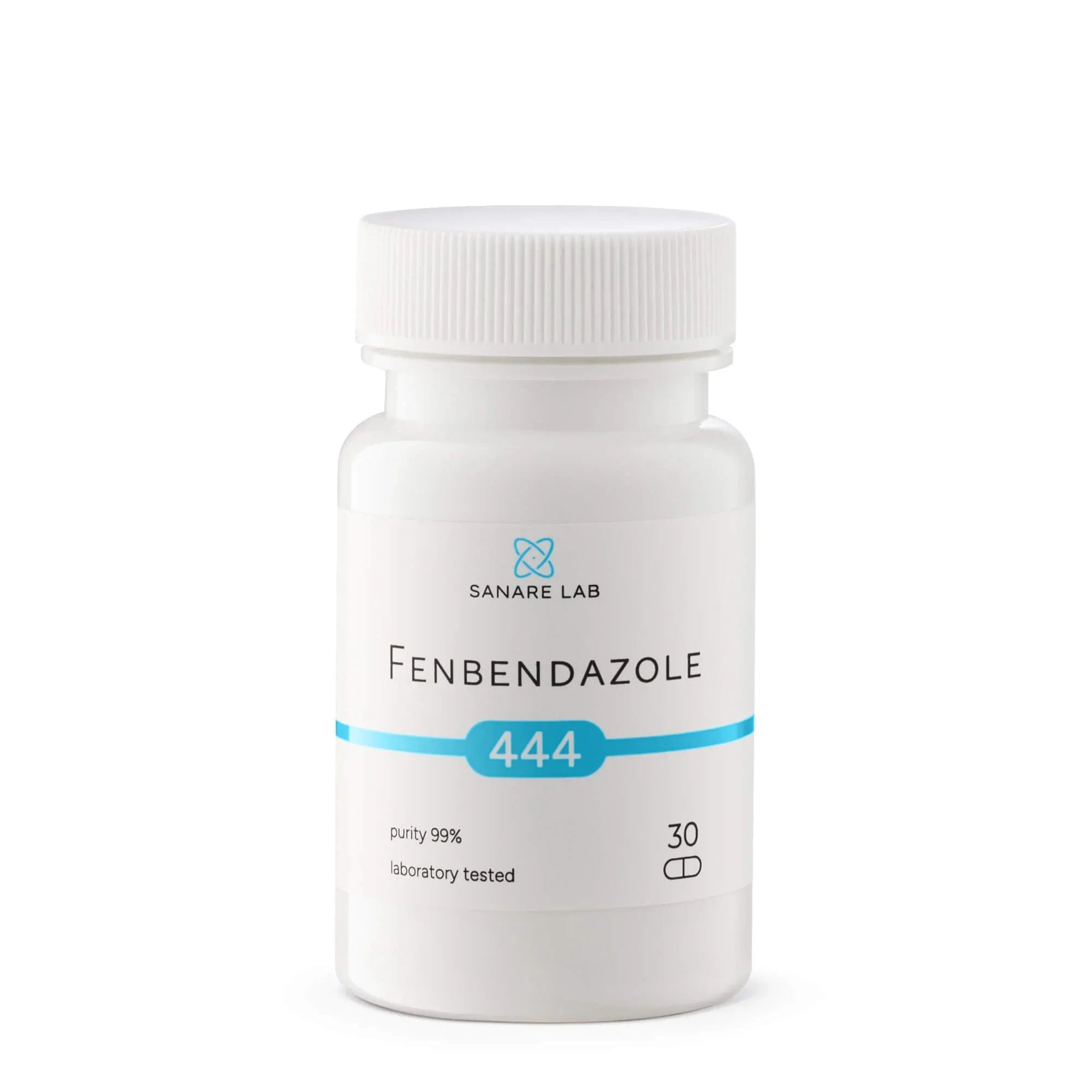
Pharmaceutical grade
Fenbendazole 444 mg
Double strength, 99%+ purity, lab tested.
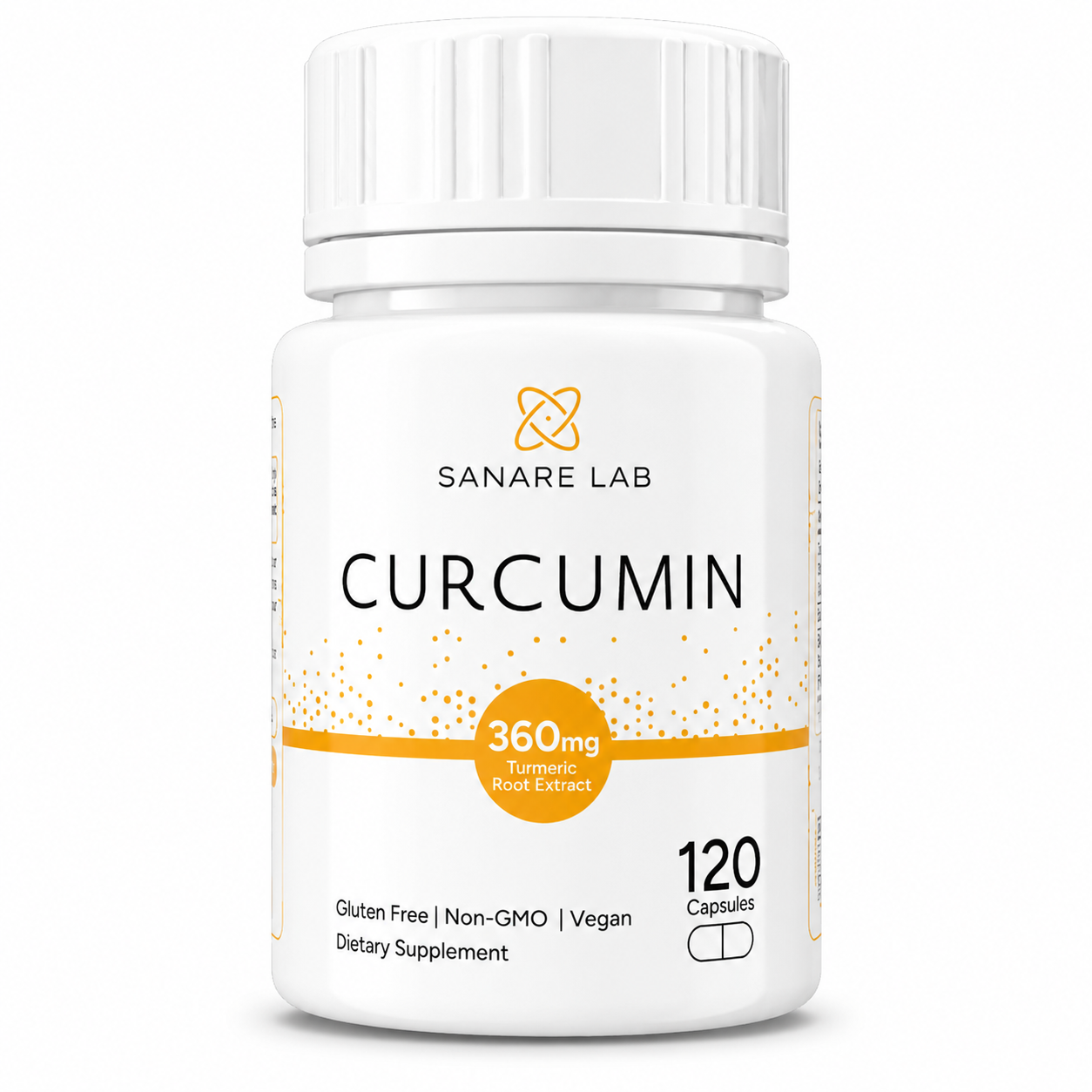
Daily adjunct
Curcumin 360 mg
95% curcuminoids with black pepper extract.
Prices checked September 2026 and may change; the store page shows the current price.
Disclaimer: Links are informational and do not constitute medical advice. Always consult a healthcare provider before using any supplement or medication.
Disclaimer: Links are informational and for convenience. This site does not provide medical advice. Always verify product quality, labeling, and consult a licensed professional for health decisions.
References
- Shawky H, Ibrahim NE, Amer MN, Al-Ashmawy AAK, Hammam OA, Fayed DB, Maghraby AS. Microbial levan potentiates hepatic retention and antitumor activity of a PEGylated benzimidazole-curcumin nanocomplex through TLR2-FXR/FGF15-associated immunometabolic remodeling in experimental liver cancer. Scientific Reports. 2026;16(1):25094. doi:10.1038/s41598-026-64576-8
Medical Disclaimer
The information provided in this article is for educational purposes only and is not intended as medical advice, diagnosis, or treatment. Always consult a qualified healthcare provider before making any decisions about your health or treatment. This article describes preclinical research in animal models only. No human clinical data is available for this specific treatment approach.
Sanare Lab
Science-based health education team reviewing published research on repurposed drugs, integrative oncology, and evidence-based protocols.