
Ivermectin Nanocrystals Mimic Platelets for Enhanced Breast Cancer Targeting (2026)
A 2026 study shows platelet-membrane-coated ivermectin nanocrystals selectively target triple-negative breast cancer cells and enhance immune infiltration in preclinical models. This biomimetic approach addresses solubility and toxicity barriers.
 By Sanare Lab · August 15, 2026 · 6 min read
Key Takeaway
A 2026 preclinical study reports that platelet-membrane-coated ivermectin nanocrystals selectively target triple-negative breast cancer cells with an IC50 of 2.89 μg/mL, while simultaneously enhancing CD4+ and CD8+ T-cell infiltration in a mouse model. This is in-vitro and animal data, not human clinical evidence.
Repurposing the antiparasitic drug ivermectin for cancer treatment has long been hampered by two major hurdles: poor solubility and systemic toxicity at high doses. These limitations have restricted ivermectin to oral administration in most protocols, while its potential in intravenous or nanocarrier-based delivery remains largely unexplored. Now, a 2026 preclinical study published in Drug Delivery and Translational Research offers a fresh approach.
Researchers in Egypt developed a platelet-membrane-camouflaged ivermectin nanocrystal formulation designed to exploit the natural crosstalk between platelets and cancer cells. This biomimetic nanoplatform demonstrated tumor-selective targeting, improved immune infiltration, and reduced off-target toxicity in a mouse model of aggressive triple-negative breast cancer. The findings are still preclinical, but they underscore the growing role of nanomedicine in unlocking the anticancer potential of repurposed drugs.
Patients exploring ivermectin within an integrative cancer protocol can use the dosing calculator to compare dosing frameworks and safety considerations across different approaches.
Table of Contents
What the Study Tested
The study was conducted by a team at the Faculty of Pharmacy, Cairo University, and aimed to solve a practical delivery problem: ivermectin is poorly soluble in water, which limits its bioavailability and systemic distribution when used in conventional formulations. The researchers first synthesized ivermectin nanocrystals (Ivm-NC) to reduce particle size and increase surface area. These nanocrystals were then coated with a platelet-membrane (PMV) vesicle to create a biomimetic system that mimics the biological surface of human platelets.
The rationale for using platelet membranes is grounded in the fact that circulating platelets naturally bind to cancer cells. This phenomenon, known as the platelet-cancer cell crosstalk, has been studied extensively as a mechanism for tumor cell protection and immune evasion. By wrapping the ivermectin nanocrystals in a platelet-membrane shell, the researchers attempted to turn this natural interaction into a drug delivery advantage. The approach combines the anticancer activity of ivermectin with the tumor-homing ability of platelets, a concept that has been explored with other drugs but is novel for ivermectin specifically.
Patients who want to understand the broader context of ivermectin research in oncology should read our full ivermectin and cancer immunotherapy overview, which covers the drug's known mechanisms across multiple cancer types.
Results in Vitro and Animal Models
In vitro, the platelet-membrane-coated nanocrystals (PMV/Ivm-NC) demonstrated significantly higher selective cytotoxicity against MDA-MB-231 triple-negative breast cancer cells compared to uncoated nanocrystals. The measured IC50 was 2.89 ± 0.38 μg/mL, which is notably lower than the concentration required for uncoated ivermectin nanocrystals in similar settings. Importantly, the PMV/Ivm-NC showed cytocompatibility on normal human fibroblasts, suggesting a preferential toxic effect on cancer cells versus healthy tissue.
Anti-migratory assays also showed that the coated nanocrystals reduced the invasive capacity of MDA-MB-231 cells, a key feature of triple-negative breast cancer that contributes to its high metastatic potential. The sustained release pattern of the nanocrystal formulation further supports the idea that this delivery system could maintain therapeutic drug levels over time, which is often a challenge with conventional ivermectin dosing.
SDS-PAGE profiling and immunocytochemistry confirmed the retention of platelet-membrane proteins on the nanocrystal surface, including P-selectin, a critical adhesion molecule that helps platelets bind to tumor cells. This verification step was essential because it demonstrated that the biological functionality of the platelet membrane was preserved after coating.
Immune Modulation and Tumor Growth
The mouse study used a 4T1 tumor-bearing BALB/c model, which is a well-established preclinical system for evaluating triple-negative breast cancer progression and metastasis. In this model, the PMV/Ivm-NC produced pronounced tumor-growth inhibition compared to both uncoated nanocrystals and control groups. The coated nanocrystals also reduced off-target distribution, meaning more drug accumulated in the tumor and less in healthy organs.
From an immune perspective, the study found increased infiltration of CD4+ and CD8+ T-cells in the tumor microenvironment. These are the primary effector cells of adaptive immunity, and their presence is strongly associated with better outcomes in many cancer types. The upregulation of pro-apoptotic markers Bax and caspase-3, alongside the downregulation of oncogenic VEGF and cyclin D1, further supports the idea that the nanocrystal formulation promotes ivermectin-induced immunogenic cell death.
Histological evaluation showed higher tumor necrosis, lower mitotic count, and notably reduced lung metastasis in the PMV/Ivm-NC group compared to controls. Serum biochemistry and histopathology of liver, kidney, and heart tissues confirmed favorable biocompatibility, which addresses one of the major concerns with systemic ivermectin use at high doses. For readers interested in the safety side of ivermectin dosing, our ivermectin dosage and safety guide provides a detailed overview of dose ranges and reported adverse effects.
Why Triple-Negative Breast Cancer?
Triple-negative breast cancer (TNBC) is defined by the absence of estrogen receptor (ER), progesterone receptor (PR), and HER2 overexpression. This molecular profile makes it ineligible for the targeted therapies that are standard of care for other breast cancer subtypes. TNBC is also more aggressive, more likely to metastasize, and has a higher recurrence rate.
The platelet-membrane coating approach is particularly relevant for TNBC because of the natural tendency of platelets to aggregate around circulating tumor cells. This crosstalk not only shields tumor cells from immune surveillance but also helps them form distant metastases. By hijacking this same mechanism for drug delivery, the researchers effectively turned the tumor's own defensive strategy into a delivery mechanism. While this approach remains in the preclinical stage, it aligns with a broader trend in oncology research: using nanotechnology to deliver repurposed drugs to hard-to-treat cancer subtypes.
Frequently Asked Questions
What are platelet-membrane-coated nanocrystals?
These are tiny drug particles coated with a thin membrane derived from human platelets. The membrane helps the nanocrystals attach to cancer cells and evade the immune system, improving drug delivery to tumors.
Is this ivermectin formulation available for patients?
No. The PMV/Ivm-NC formulation described in this study is experimental and has not been tested in humans. The research was conducted in cell cultures and mice, not in clinical trials.
What does IC50 mean in this context?
IC50 stands for the concentration of a drug that inhibits cell growth by 50%. A lower IC50 indicates a more potent drug. In this study, the PMV/Ivm-NC had an IC50 of 2.89 μg/mL against TNBC cells.
Does this mean oral ivermectin is not effective for cancer?
This study does not compare oral ivermectin with the nanocrystal formulation. Oral ivermectin has been studied in other cancer contexts, but this research only evaluated the biomimetic nanocrystal delivery system in preclinical models. No direct comparison between routes of administration was made.
In Plain Terms
Researchers coated tiny ivermectin particles with a membrane taken from human blood platelets. Because platelets naturally stick to cancer cells, this coating helped the ivermectin particles travel directly to breast cancer cells while avoiding healthy tissue. In lab tests and mice, the coated particles killed cancer cells more effectively than uncoated particles and also attracted immune cells to attack the tumor. This is an early-stage laboratory study, not a human treatment available today.
In plain words
What happened: Researchers wrapped tiny ivermectin particles in a platelet-like coating and tested them on breast cancer cells and in mice with breast tumors.
Why it matters: The coating was designed to help the particles reach tumors, like a delivery vehicle carrying medicine toward a target.
How strong is the evidence: The findings came from laboratory tests and a mouse model. No people were treated, so it is early preclinical research.
What it means for you: Nothing changes in care today. A specially coated particle tested in mice is not an available human treatment; do not use ivermectin for cancer on your own.
Shop Sanare Lab
Lab-tested products referenced in the research above — order direct from Sanare Lab or, where listed, on Amazon.
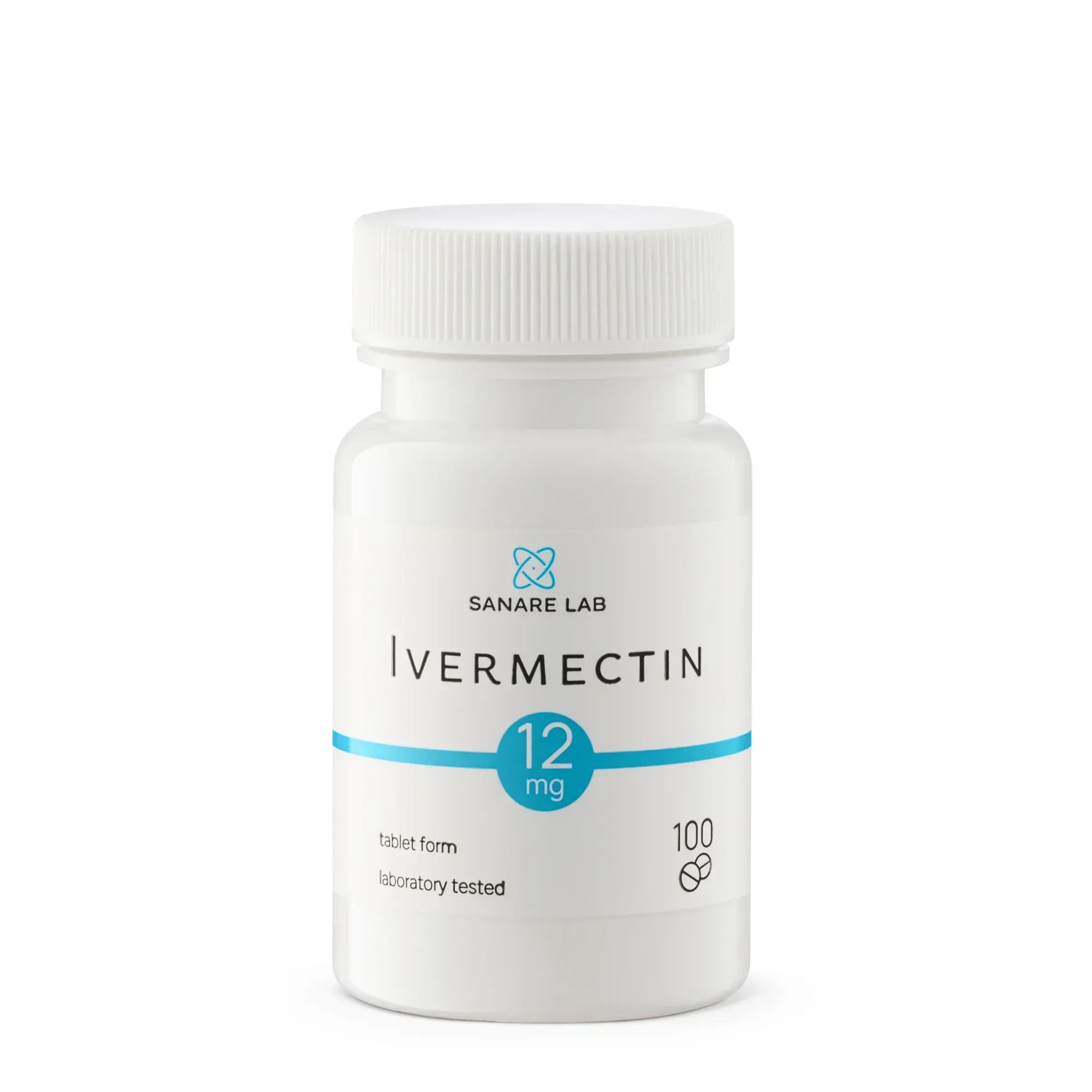
Ivermectin · IverMK
Ivermectin Tablets
100 tablets per bottle, three strengths.
Prices checked September 2026 and may change; the store page shows the current price. Amazon listings are sold by Sanare Lab.
Disclaimer: Links are informational only. These are dietary-supplement products, not approved drugs for cancer treatment. Always consult a healthcare provider before starting any new protocol.
Disclaimer: Links are informational and for convenience. This site does not provide medical advice. Always verify product quality, labeling, and consult a licensed professional for health decisions.
References
- Sheir MM, El-Habashy SE, Sheta E, et al. Biomimetic platelet-membrane camouflaged ivermectin nanocrystals for tumor homing and breast cancer management. Drug Delivery and Translational Research. 2026. DOI: 10.1007/s13346-025-02032-2
- PubMed entry for PMID 41495333. https://pubmed.ncbi.nlm.nih.gov/41495333/
Medical Disclaimer
This article is for educational purposes only and does not constitute medical advice. The research described is preclinical and has not been tested in humans. Always consult a qualified healthcare provider before making any changes to your treatment plan.
Sanare Lab
Science-based health education team reviewing published research on repurposed drugs, integrative oncology, and evidence-based protocols.