
Ivermectin Modulates Growth Signals in Hormone-Resistant Tumors
A 2026 PLOS One study showed ivermectin suppresses estrogen receptor, HER2, and TGF-β signaling in endocrine-resistant breast cancer cells, suggesting potential to prevent or reverse resistance.
 By Sanare Lab · August 14, 2026 · 6 min read
Key Takeaway
A 2026 study in PLOS One demonstrated that ivermectin (IVM) suppresses estrogen receptor (ER), HER2, and TGF-β signaling pathways in ER-positive and endocrine-resistant breast cancer cells. The drug reduced estrogen-induced proliferation, downregulated ER and HER2 expression, and inhibited phosphorylated SMAD2 (pSMAD2) in the TGF-β pathway while maintaining SMAD4 levels associated with favorable prognosis. These findings suggest ivermectin may help prevent or reverse endocrine resistance in breast cancer, but remain preclinical.
Endocrine resistance is a major clinical challenge in ER-positive breast cancer, where tumors initially responsive to hormonal therapies such as tamoxifen eventually become refractory. This resistance is driven by multiple molecular mechanisms, including upregulation of HER2 signaling, activation of the TGF-β pathway, and crosstalk between estrogen receptor and growth factor signaling networks. Once resistance develops, treatment options become more limited and often involve switching to chemotherapy or targeted agents. Related reading: ivermectin and ER/HER2 pathways in endocrine-resistant breast cancer models.
A 2026 study published in PLOS One investigated whether ivermectin—an antiparasitic drug with documented preclinical anticancer activity—could modulate these resistance pathways in ER-positive and endocrine-resistant breast cancer cells. The researchers focused on three key signaling axes: the estrogen receptor (ER) pathway, the HER2 pathway, and the TGF-β pathway, all of which are known to contribute to endocrine resistance and tumor progression. For readers already following ivermectin cancer research, this study adds a new mechanistic dimension specifically targeting resistance biology.
The findings suggest that ivermectin may have a dual capacity: preventing the emergence of endocrine resistance in sensitive tumors and enhancing the efficacy of anti-hormonal therapies in already resistant cases. However, it is important to stress that these data come from laboratory cell culture experiments, not human clinical trials. Patients should not alter their treatment plans without oncologist guidance. Those using a dosing calculator as part of their protocol planning should treat this research as background information, not as a basis for dose adjustment.
Table of Contents
- Background: Endocrine Resistance in Breast Cancer
- Study Design and Methods
- Key Results
- Clinical Implications and Limitations
- Frequently Asked Questions
Background: Endocrine Resistance in Breast Cancer
Approximately 70% of breast cancers are ER-positive, making endocrine therapy the cornerstone of treatment. Tamoxifen and aromatase inhibitors are first-line options, but resistance develops in a significant proportion of patients over time. The mechanisms are complex and interconnected:
- HER2 upregulation: HER2 signaling can bypass the ER pathway, activating downstream proliferation signals independently of estrogen.
- TGF-β pathway activation: TGF-β promotes epithelial-mesenchymal transition, immunosuppression, and drug resistance in the tumor microenvironment.
- ERK phosphorylation: Downstream of both HER2 and TGF-β, ERK activation drives cell proliferation and survival.
- SMAD2 phosphorylation: Phosphorylated SMAD2 (pSMAD2) is a key TGF-β effector that promotes tumor progression and resistance.
Any compound that can simultaneously suppress multiple resistance pathways without severe toxicity would be of considerable interest in oncology research. The PLOS One study tested whether ivermectin could do exactly this.
Study Design and Methods
The researchers used ER-positive breast cancer cell lines, including both tamoxifen-sensitive and endocrine-resistant variants. They measured:
- Estrogen-induced proliferation after ivermectin treatment
- ER and HER2 protein expression levels by Western blotting
- ERK phosphorylation as a downstream signaling readout
- SMAD2 phosphorylation (pSMAD2) and total SMAD4 levels in the TGF-β pathway
All experiments were conducted in controlled cell culture conditions. The study did not include animal models or human subjects.
Key Results
The study reported the following findings:
- Proliferation suppression: Ivermectin significantly suppressed estrogen-induced proliferation in both sensitive and resistant cell lines.
- ER downregulation: Ivermectin reduced ER protein expression, potentially weakening the estrogen-driven growth signal.
- HER2 suppression: HER2 expression was downregulated, which is particularly significant because HER2 upregulation is a well-documented mechanism of endocrine resistance.
- ERK inhibition: Phosphorylated ERK levels were reduced, indicating dampening of the downstream proliferation cascade.
- TGF-β pathway modulation: pSMAD2 was decreased, while SMAD4—a factor associated with favorable prognosis in endocrine-resistant settings—was maintained.
Together, these results suggest that ivermectin acts on multiple resistance nodes simultaneously, rather than targeting a single pathway. This polypharmacology is consistent with ivermectin's known mechanism of targeting multiple kinases and transporters in cancer cells.
Clinical Implications and Limitations
The most compelling implication is that ivermectin might be useful as an adjunct to endocrine therapy, either to delay resistance or to restore sensitivity in resistant tumors. However, several caveats apply:
- Cell culture only: No animal or human data were included. The translation rate from cell culture to clinical efficacy is historically low.
- Dose relevance: The concentrations used in cell culture may not be achievable or safe in humans.
- No combination data: The study did not test ivermectin alongside tamoxifen or other endocrine agents in combination.
- Tumor heterogeneity: Cell lines represent clonal populations. Real tumors contain diverse cell subpopulations that may respond differently.
Despite these limitations, the study adds a mechanistically coherent rationale for testing ivermectin in ER-positive breast cancer, particularly in the context of endocrine resistance. It also aligns with the broader body of preclinical ivermectin literature showing activity across multiple cancer types and signaling pathways.
Frequently Asked Questions
What is endocrine resistance?
Endocrine resistance occurs when breast cancers that initially respond to hormonal therapies (such as tamoxifen or aromatase inhibitors) stop responding and resume growing. It is driven by multiple molecular mechanisms, including HER2 activation and TGF-β signaling.
Can ivermectin treat breast cancer?
No. Ivermectin is not approved for breast cancer treatment. This study shows preclinical activity in cell cultures only. It is an investigational direction that requires clinical trials before any conclusions about human efficacy can be drawn.
What pathways did ivermectin affect?
The study found that ivermectin suppressed the estrogen receptor (ER), HER2, and TGF-β signaling pathways in breast cancer cells. It reduced ER and HER2 expression, decreased phosphorylated ERK, and lowered pSMAD2 while maintaining SMAD4 levels.
Should I add ivermectin to my endocrine therapy?
No. This is a cell culture study with no human clinical data. Any changes to cancer treatment should be discussed with a qualified oncologist. Self-directed modifications can be dangerous and may interfere with standard therapies.
In Plain Terms
Hormonal breast cancer treatments often stop working after a while because tumors develop resistance through multiple molecular pathways. A 2026 laboratory study found that ivermectin—an antiparasitic drug—could simultaneously suppress three key resistance pathways (estrogen receptor, HER2, and TGF-β) in breast cancer cells. This is promising because it suggests a single compound might help prevent or reverse resistance, but it was tested only in cell cultures, not in humans. It is far too early to use this as a basis for treatment decisions, but it is a scientifically interesting direction that may warrant clinical investigation.
In plain words
What happened: Researchers tested ivermectin on lab-grown breast cancer cells, including cells that had become resistant to hormone treatment.
Why it matters: They examined whether it could quiet several growth signals that may help cancer cells keep growing when hormone medicines stop working.
How strong is the evidence: This was cell-culture research only. No animals or patients were studied, and the drug combination with hormone therapy was not tested.
What it means for you: Nothing changes for patients now. The study does not show ivermectin can prevent or reverse treatment resistance in people; discuss any medicine changes with your oncologist.
Shop Sanare Lab
Lab-tested products referenced in the research above — order direct from Sanare Lab or, where listed, on Amazon.
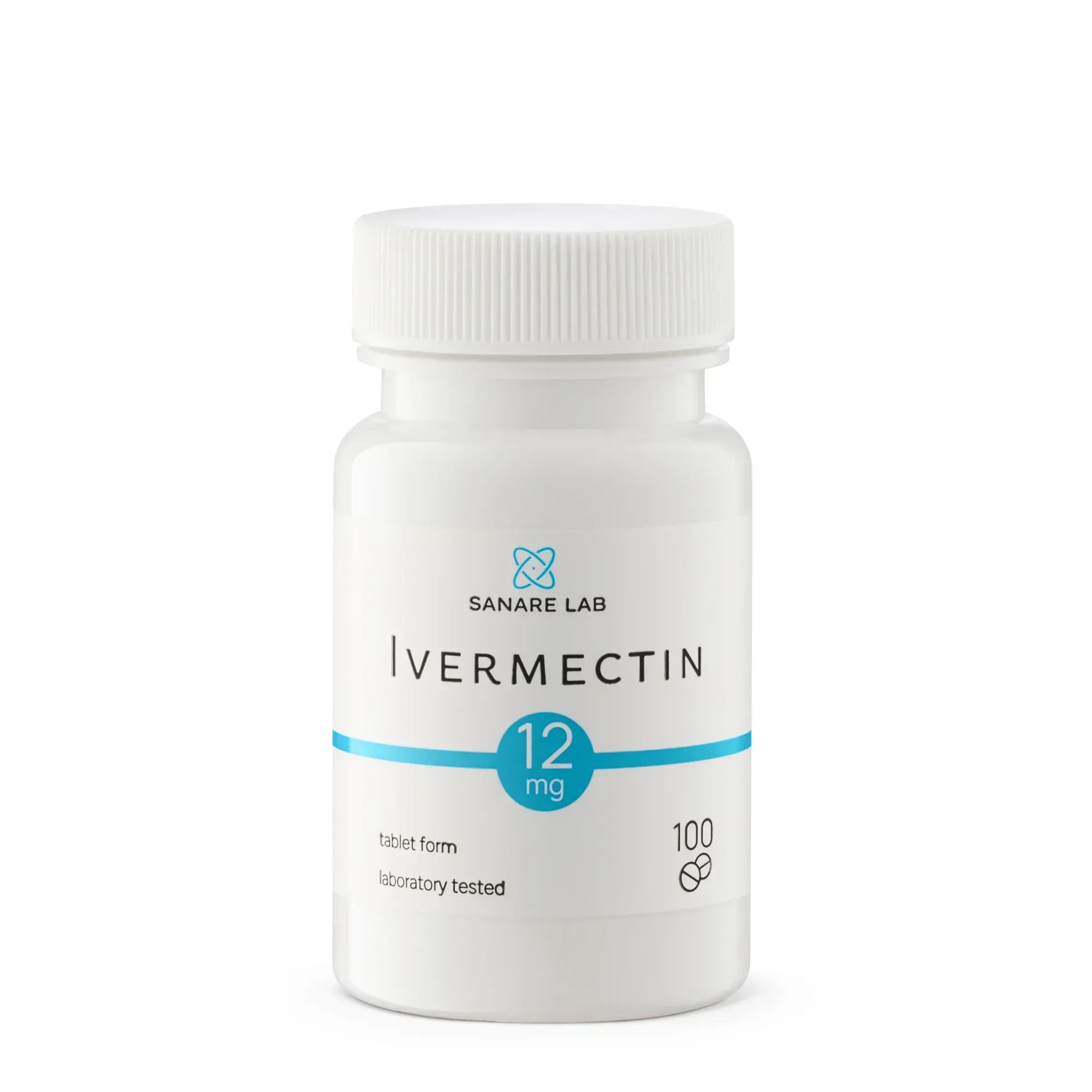
Ivermectin · IverMK
Ivermectin Tablets
100 tablets per bottle, three strengths.
Prices checked September 2026 and may change; the store page shows the current price. Amazon listings are sold by Sanare Lab.
Disclaimer: Links are informational and do not constitute medical advice. Always consult a healthcare provider before using any supplement or medication.
Disclaimer: Links are informational and for convenience. This site does not provide medical advice. Always verify product quality, labeling, and consult a licensed professional for health decisions.
References
- PMID 42060658: Ivermectin inhibits ER, HER2, and TGF-β pathways in ER-positive and endocrine-resistant breast cancer cells. PLOS One, 2026.
- Ivermectin and Cancer Immunotherapy: What the Research Shows — Sanare Lab long-read.
- Ivermectin: What It Is, How It Works, and Why It's Used — Sanare Lab long-read.
Medical Disclaimer
This article is for informational purposes only and does not constitute medical advice. It is not intended to diagnose, treat, cure, or prevent any disease. Always consult a qualified healthcare provider before making any health decisions. The research described is preclinical and has not been tested in humans.
Sanare Lab
Science-based health education team reviewing published research on repurposed drugs, integrative oncology, and evidence-based protocols.