
NIH Registers Phase 2 ICONIC Trial: Ivermectin + Immune Checkpoint Inhibitors for Cancer
The NIH has registered a new Phase 2 clinical trial (NCT07487805, ICONIC) to evaluate ivermectin combined with immune checkpoint inhibitors in adult solid tumor patients. The trial is not yet recruiting, with an estimated start of September 2026.
 By Sanare Lab · August 14, 2026 · 5 min read
Key Takeaway
The U.S. National Institutes of Health (NIH) has registered a new Phase 2 clinical trial (NCT07487805, ICONIC) to evaluate ivermectin in combination with immune checkpoint inhibitors for adult patients with solid tumors. The trial is currently not yet recruiting, with an estimated start date of September 2026. This represents a significant step toward generating controlled clinical data on ivermectin as an anticancer agent.
Ivermectin, a well-known antiparasitic drug, has attracted growing attention from oncology researchers due to its preclinical activity against multiple cancer pathways, including Wnt/β-catenin, PI3K/AKT/mTOR, and immune modulation. Despite widespread off-label use—documented in a 2023 Ecuadorian survey where 19% of respondents reported using ivermectin as a cancer adjunct—controlled clinical evidence has remained virtually absent. A single partially reported study combining ivermectin with anti-PD-1 therapy in metastatic triple-negative breast cancer (TNBC) showed no treatment-related toxicities in the first nine patients, but full results have not been published. Related reading: the NCI preclinical investigation of ivermectin.
On July 2026, the U.S. National Institutes of Health (NIH) registered a new clinical trial that may change this landscape. Named ICONIC (Ivermectin Combined With Immune Checkpoint Inhibition in Cancer), the trial is listed as a Phase 2 study with an estimated start date of September 2026 and is currently not yet recruiting. This development marks the first NIH-registered Phase 2 study specifically designed to evaluate ivermectin alongside modern immunotherapy in cancer patients. For those tracking ivermectin immunotherapy research, this trial is the most concrete clinical development to date.
Patients interested in ivermectin as part of their protocol should continue to consult with their oncologists and consider using a dosing calculator to understand how adjunct agents may fit within established frameworks. The ICONIC trial will not provide results for years, but its registration signals that the scientific community is taking ivermectin's anticancer potential seriously enough to invest in controlled human studies.
Table of Contents
- ICONIC Trial Design and Objectives
- Why This Matters for the Field
- How Ivermectin Might Synergize With Immunotherapy
- Frequently Asked Questions
ICONIC Trial Design and Objectives
According to the ClinicalTrials.gov listing (NCT07487805), the ICONIC trial has the following structure:
- Phase: Phase 2
- Condition: Solid Tumor, Adult
- Interventions: Intermediate-dose ivermectin and high-dose ivermectin, combined with immune checkpoint inhibitors
- Status: Not yet recruiting
- Estimated start date: September 2026
The trial will test two dose levels of ivermectin in combination with standard immune checkpoint blockade therapy. The primary objective is to evaluate whether ivermectin can enhance the efficacy of immunotherapy in adult solid tumor patients. Secondary objectives likely include safety profiling, pharmacokinetic monitoring, and exploratory biomarker analysis, though the full protocol details remain unpublished. Related reading: trial NCT05318469 on ivermectin and immunotherapy.
Why This Matters for the Field
The registration of the ICONIC trial is significant for several reasons:
- From anecdote to evidence: Until now, most human data on ivermectin in cancer have come from observational studies, case reports, and small cohorts. A Phase 2 randomized or controlled trial would provide the first rigorously collected efficacy signal.
- Combination with immunotherapy: Ivermectin's preclinical activity includes modulation of immune checkpoints, TGF-β signaling, and tumor microenvironment remodeling. Testing it alongside approved checkpoint inhibitors is a mechanistically rational design.
- NIH sponsorship: Federal registration adds credibility and ensures adherence to Good Clinical Practice standards, independent oversight, and public reporting of results.
For patients, the key message is one of cautious optimism. The trial exists, but recruitment has not begun, and results will not be available for several years. No one should alter their current treatment plan based on trial registration alone.
How Ivermectin Might Synergize With Immunotherapy
Preclinical research has proposed several mechanisms by which ivermectin could enhance immunotherapy:
- Immune checkpoint modulation: Ivermectin has been shown to inhibit the TGF-β pathway, which is a major driver of immunosuppression in the tumor microenvironment. By reducing TGF-β signaling, ivermectin may increase the responsiveness of "cold" tumors to checkpoint inhibitors.
- PD-L1 suppression: Some studies suggest ivermectin can downregulate PD-L1 expression on cancer cells, potentially reducing the adaptive immune resistance that limits checkpoint inhibitor efficacy.
- Autophagy induction: Ivermectin promotes autophagy in cancer cells, which can enhance antigen presentation and improve the immunogenicity of the tumor.
These mechanisms are supported by laboratory data but remain unproven in human cancers. The ICONIC trial is designed to test whether these preclinical observations translate into clinical benefit.
Frequently Asked Questions
What is the ICONIC trial?
ICONIC (Ivermectin Combined With Immune Checkpoint Inhibition in Cancer) is a Phase 2 clinical trial registered by the NIH to test ivermectin alongside immune checkpoint inhibitors in adult solid tumor patients. It is currently not yet recruiting.
When will the ICONIC trial start?
The estimated start date is September 2026, but the trial is currently listed as "not yet recruiting." Actual start dates may shift depending on regulatory approvals and site readiness.
Can I join the ICONIC trial?
Eligibility criteria have not been fully published. Once the trial opens, ClinicalTrials.gov will list participating sites and contact information. Patients should discuss trial eligibility with their oncologist.
Does this mean ivermectin is proven to help cancer?
No. The trial is designed to test this hypothesis. Until Phase 2 and Phase 3 data are published, ivermectin's role in cancer therapy remains investigational and should not replace standard-of-care treatments.
In Plain Terms
The U.S. government has officially registered a new clinical trial that will test ivermectin together with immunotherapy drugs in cancer patients. This is important because until now, almost all human data on ivermectin and cancer came from small observational studies or patient reports. A formal Phase 2 trial means the medical establishment is taking the idea seriously enough to study it with proper controls. The trial is not yet open for patients, and results will take years. It is not a reason to change any current treatment plan, but it is a meaningful step toward evidence-based answers.
In plain words
What happened: A US clinical trial was registered to study ivermectin together with immune checkpoint drugs in adults with solid tumors; it had not started recruiting.
Why it matters: Researchers want to test the drug combination in people under a formal study, since most earlier cancer findings came from laboratory work.
How strong is the evidence: This is a registered Phase 2 trial, not a result. It had not begun recruiting, so there are no findings from participants yet.
What it means for you: Nothing changes today. If you are interested, ask your oncologist about trial NCT07487805; registration does not mean the study is open or that the combination works.
Shop Sanare Lab
Lab-tested products referenced in the research above — order direct from Sanare Lab or, where listed, on Amazon.
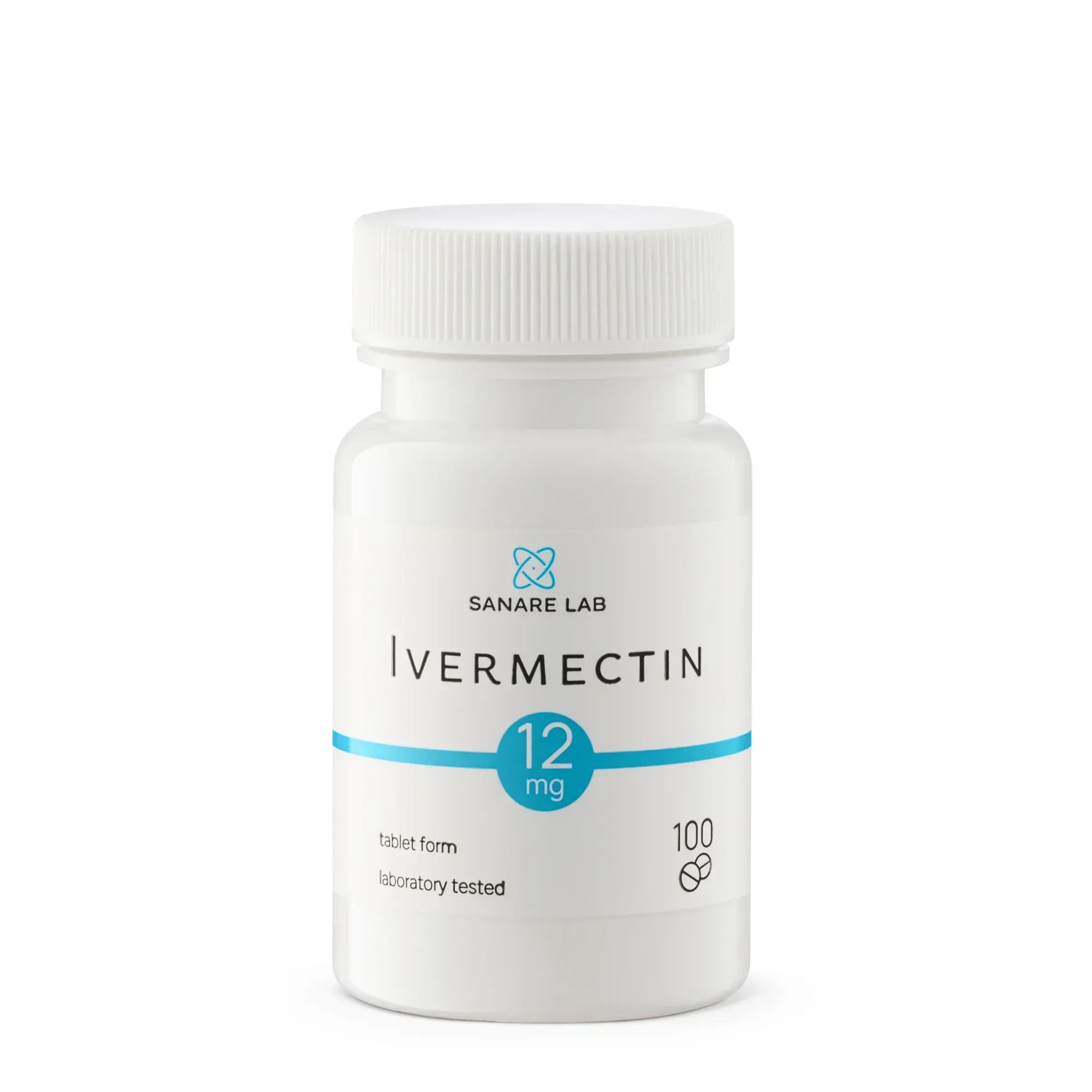
Ivermectin · IverMK
Ivermectin Tablets
100 tablets per bottle, three strengths.
Prices checked September 2026 and may change; the store page shows the current price. Amazon listings are sold by Sanare Lab.
Disclaimer: Links are informational and do not constitute medical advice. Always consult a healthcare provider before using any supplement or medication.
Disclaimer: Links are informational and for convenience. This site does not provide medical advice. Always verify product quality, labeling, and consult a licensed professional for health decisions.
References
- ClinicalTrials.gov NCT07487805: Ivermectin Combined With Immune Checkpoint Inhibition in Cancer (ICONIC). Registered July 2026. Status: Not yet recruiting. Phase 2.
- ClinicalTrials.gov NCT05318469: Ivermectin in Combination With Balstilimab or Pembrolizumab in Patients With Metastatic Triple Negative Breast Cancer. Status: Recruiting.
- Ivermectin and Cancer Immunotherapy: What the Research Shows — Sanare Lab long-read.
- Ivermectin: What It Is, How It Works, and Why It's Used — Sanare Lab long-read.
Medical Disclaimer
This article is for informational purposes only and does not constitute medical advice. It is not intended to diagnose, treat, cure, or prevent any disease. Always consult a qualified healthcare provider before making any health decisions. The ICONIC trial is not yet recruiting, and ivermectin is not an approved cancer treatment.
Sanare Lab
Science-based health education team reviewing published research on repurposed drugs, integrative oncology, and evidence-based protocols.