
Mebendazole Inhibits PELI3 to Restore Proapoptotic Signaling in Lung Cancer
Mebendazole inhibits PELI3 E3 ubiquitin ligase expression in HCC827 and A549 non-small cell lung cancer cells, increasing TRADD protein levels and restoring proapoptotic autophagy.
 By Sanare Lab · August 12, 2026 · 4 min read
Key Takeaway
A 2026 study in Frontiers in Oncology identifies a new molecular mechanism for mebendazole in non-small cell lung cancer (NSCLC). The drug inhibits the E3 ubiquitin ligase PELI3, which normally tags the proapoptotic protein TRADD for degradation. By blocking PELI3, mebendazole stabilizes TRADD and restores its ability to trigger autophagic cell death in HCC827 and A549 lung cancer cells. These findings are preclinical and require validation in human trials.
Non-small cell lung cancer (NSCLC) remains the leading cause of cancer death worldwide. While targeted therapies and immunotherapy have improved outcomes for some patients, resistance and limited responses remain major challenges. Drug repurposing offers an avenue to identify new mechanisms using existing, well-characterized medications. A study published in Frontiers in Oncology in 2026 (doi: 10.3389/fonc.2025.1728170) reveals a previously unknown mechanism by which mebendazole, an antiparasitic benzimidazole, interferes with lung cancer cell survival.
The study focuses on TRADD (Tumor Necrosis Factor Receptor 1-Associated Death Domain Protein), a protein that can trigger proapoptotic autophagy in NSCLC. For readers comparing antiparasitic drugs in oncology, our comparison of fenbendazole and mebendazole for cancer covers the benzimidazole family more broadly. If you are considering mebendazole or related compounds as part of a metabolic strategy, our Marik protocol overview explains the theoretical framework combining ivermectin and mebendazole. Dosing guidance is available through our protocol dosing workspace.
Table of Contents
- The Discovery: PELI3 as the E3 Ligase Targeting TRADD
- Mebendazole Reverses the PELI3 Effect
- What This Means for NSCLC Patients
- Study Limitations
- Frequently Asked Questions
The Discovery: PELI3 as the E3 Ligase Targeting TRADD
The researchers used the UbiBrowser platform to predict which E3 ubiquitin ligase might bind to TRADD. They identified PELI3 (Pellino E3 Ubiquitin Protein Ligase Family Member 3) as a candidate. Using co-immunoprecipitation experiments in HEK293T cells co-transfected with Myc-PELI3, Flag-TRADD and HA-Ub plasmids, they confirmed that PELI3 physically interacts with TRADD and promotes its polyubiquitination.
In A549 and HCC827 NSCLC cells, overexpressing PELI3 reduced TRADD protein levels without changing its messenger RNA levels. A cycloheximide chase assay further demonstrated that PELI3 decreases TRADD protein stability by inducing polyubiquitination. This means PELI3 is a genuine E3 ubiquitin ligase for TRADD in lung cancer cells.
Mebendazole Reverses the PELI3 Effect
When the researchers treated A549 and HCC827 cells with increasing doses of mebendazole, they observed two key effects: reduced PELI3 expression and increased TRADD expression. CCK-8 viability assays showed that mebendazole inhibited the proliferation of both cell lines in a dose-dependent manner. The mechanism appears to be mebendazole suppressing PELI3, which in turn prevents TRADD degradation, allowing TRADD to accumulate and trigger its proapoptotic autophagy program.
What This Means for NSCLC Patients
This study identifies a novel molecular pathway (PELI3-TRADD) that mebendazole can modulate in lung cancer. It adds to the growing list of mechanisms attributed to mebendazole in oncology, including disruption of microtubules, inhibition of angiogenesis, and now, interference with ubiquitin-mediated protein degradation. However, the experiments were conducted in cell lines and transfected cells only. There is no animal model or human data in this paper. The pathway needs to be validated in vivo, and clinical relevance is speculative at this stage. Related reading: mebendazole in gefitinib-resistant lung cancer models.
Study Limitations
The study used HEK293T kidney cells for the initial co-immunoprecipitation assays, not lung cancer cells. While the NSCLC cell line results are consistent, the mechanism has not been confirmed in a live animal model. Additionally, mebendazole concentrations used in cell culture may not be achievable in human lung tissue at standard antiparasitic doses. Pharmacokinetic bridging studies would be needed to assess whether the PELI3-TRADD axis is clinically targetable.
Frequently Asked Questions
What is PELI3 and why does it matter?
PELI3 is an E3 ubiquitin ligase, an enzyme that tags other proteins for degradation. In NSCLC, PELI3 tags the proapoptotic protein TRADD for destruction, helping cancer cells survive. Inhibiting PELI3 allows TRADD to accumulate and trigger cell death.
Which lung cancer cell lines were studied?
HCC827 and A549, both well-established non-small cell lung cancer cell lines. HCC827 is an EGFR-mutant adenocarcinoma line; A549 is a wild-type KRAS lung adenocarcinoma line.
Has this been tested in human patients?
No. The study is entirely preclinical, using cell lines and transfected kidney cells. No animal models or human clinical data are included. The mechanism is promising but remains speculative for clinical use.
In Plain Terms
In lung cancer cells, there is a protein called TRADD that can trigger cell death, but another protein called PELI3 destroys it. Mebendazole, a deworming drug, stops PELI3 from working, allowing TRADD to build up and kill the cancer cells. This was only tested in laboratory dishes with cancer cells, not in animals or humans, so it is still very early research.
In plain words
What happened: Researchers studied how mebendazole affected two non-small cell lung cancer cell lines grown in a laboratory.
Why it matters: They found it blocked a protein that normally marks another protein for removal, allowing that second protein to help trigger cell death.
How strong is the evidence: This was preclinical cell-culture research. The proposed pathway was not tested in animals or patients, so clinical effects are unknown.
What it means for you: Nothing changes for lung cancer patients today. This lab study does not show mebendazole works in people; do not add it to treatment without your oncologist.
Shop Sanare Lab
Lab-tested products referenced in the research above — order direct from Sanare Lab.
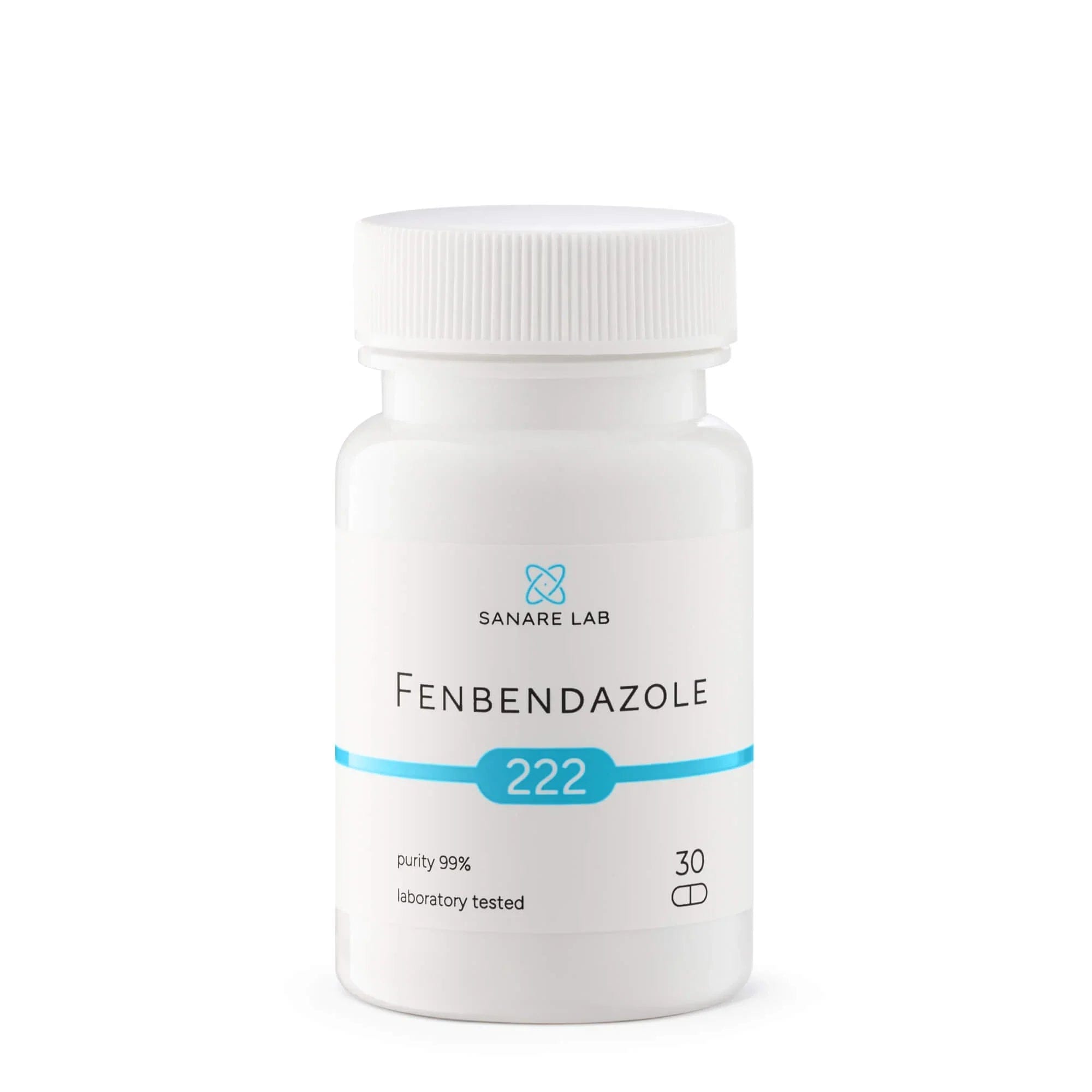
Pharmaceutical grade
Fenbendazole 222 mg
99%+ purity, third‑party lab tested.
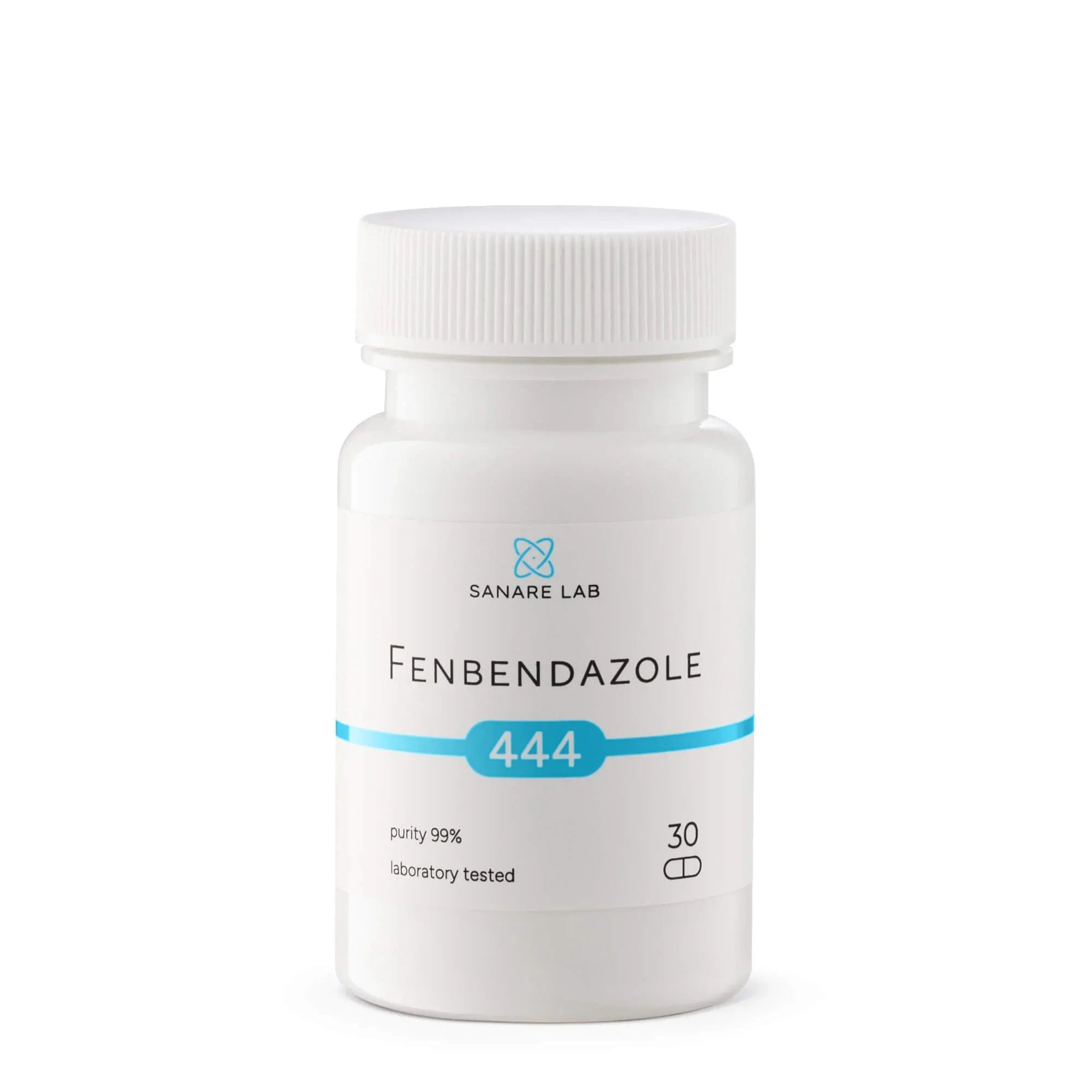
Pharmaceutical grade
Fenbendazole 444 mg
Double strength, 99%+ purity, lab tested.
Prices checked September 2026 and may change; the store page shows the current price.
Disclaimer: Links are informational and do not constitute medical advice. No mebendazole product is available; fenbendazole is shown as the related benzimidazole compound.
Disclaimer: Links are informational and for convenience. This site does not provide medical advice. Always verify product quality, labeling, and consult a licensed professional for health decisions.
References
- Li F, Li X, et al. Mebendazole inhibits PELI3-mediated ubiquitination of TRADD in non-small cell lung cancer cells. Front Oncol. 2026; doi:10.3389/fonc.2025.1728170. PMID: 41584581.
Medical Disclaimer
This article is for informational purposes only and does not constitute medical advice. Always consult a qualified healthcare provider before starting any new treatment or supplement regimen.
Sanare Lab
Science-based health education team reviewing published research on repurposed drugs, integrative oncology, and evidence-based protocols.