
Ivermectin Neurotoxicity in Breast Cancer: Life-Threatening Case Report
A 73-year-old breast cancer patient developed life-threatening neurotoxicity after self-administering high-dose ivermectin. She recovered fully after 48 hours of intensive care. The case highlights the dangers of unsupervised off-label use.
 By Sanare Lab · August 17, 2026 · 5 min read
Key Takeaway
A 73-year-old woman with metastatic breast cancer developed life-threatening neurotoxicity, including seizures and respiratory failure, after self-administering high-dose ivermectin obtained online. She recovered fully within 48 hours of supportive care. The case underscores the importance of consulting a licensed professional before using any off-label therapy and highlights the need for accurate, evidence-based dosing guidance rather than internet-sourced regimens.
Repurposed antiparasitic drugs have drawn intense interest from patients exploring adjunctive cancer strategies. Ivermectin in particular has been studied for its potential effects on tumor biology and immune modulation. However, interest in any agent must be balanced with a clear understanding of safety limits. A new case report published in Postgraduate Medicine in May 2026 serves as a sobering reminder that off-label use, especially when guided by online information rather than clinical supervision, can carry severe risks.
In this article, we break down what happened, what the medical literature says about ivermectin neurotoxicity, and what patients should know before considering any repurposed therapy. Anyone evaluating dosing for repurposed agents should use a reliable dosing calculator and consult a qualified clinician. For a broader look at ivermectin research and protocols, see our detailed guide on ivermectin dosage and safety in cancer protocols.
Table of Contents
- What Happened: A Case Report from Postgraduate Medicine
- How Ivermectin Can Cause Neurotoxicity
- Key Takeaways for Patients Considering Repurposed Drugs
- Frequently Asked Questions
What Happened: A Case Report from Postgraduate Medicine
Published in May 2026, the case report describes a 73-year-old female with metastatic breast cancer who began self-administering ivermectin after reading about it online. Her goal was to use the drug as an adjunctive therapy against her cancer. The doses she took were significantly higher than any standard therapeutic or prophylactic regimen, although exact milligram amounts were not specified in the brief report.
Within a short period, she developed acute altered mental status, generalized tonic-clonic seizures, and respiratory failure. She required immediate intubation, mechanical ventilation, intravenous fluids, and anticonvulsant therapy in an intensive care setting. The clinical picture was consistent with severe ivermectin-induced neurotoxicity, a known but rare complication that typically occurs at supratherapeutic doses or in patients with impaired drug metabolism.
The patient showed full neurological recovery to her baseline within 48 hours of supportive management. She was eventually extubated and discharged. The authors noted that cases of ivermectin neurotoxicity in oncology settings remain underreported, despite growing off-label use driven by online health misinformation.
How Ivermectin Can Cause Neurotoxicity
Ivermectin is a potent agonist of glutamate-gated chloride channels, which are abundant in invertebrate nervous systems but also present in mammalian gamma-aminobutyric acid (GABA) receptors at high concentrations. At standard doses used for parasitic infections (typically 150–200 micrograms per kilogram), the drug does not cross the blood-brain barrier in most adults because P-glycoprotein efflux pumps actively transport it out of the central nervous system.
However, at high doses or in individuals with P-glycoprotein polymorphisms or drug interactions, ivermectin can accumulate in the brain. This leads to excessive GABA receptor activation, causing central nervous system depression, altered mental status, seizures, and in extreme cases respiratory failure. The 73-year-old patient in this case likely received a dose far exceeding the therapeutic window, overwhelming her protective mechanisms.
The U.S. Food and Drug Administration (FDA) has explicitly discouraged the use of ivermectin for cancer treatment outside of clinical trials. This warning is not based on a lack of research interest — there are active trials exploring ivermectin in oncology, such as the phase 2 ICONIC trial for checkpoint inhibitor combinations — but rather on the principle that uncontrolled self-administration bypasses the safeguards that clinical trials provide, including dose optimization, monitoring, and exclusion criteria for high-risk patients.
Key Takeaways for Patients Considering Repurposed Drugs
The case highlights several critical points:
1. Online dosing advice is often unreliable. Many websites and social media posts recommend ivermectin doses that have never been validated in human cancer studies. The difference between a potentially useful dose and a dangerous one is narrow, and individual factors (age, liver function, concurrent medications) matter enormously.
2. Neurotoxicity is dose-dependent and reversible with prompt care. The patient recovered fully, which is encouraging, but only because she received intensive medical intervention. Without it, the outcome could have been fatal.
3. Clinical trials are the safest route. Patients interested in ivermectin or other repurposed agents should explore registered clinical trials, where doses are monitored, side effects tracked, and care protocols standardized. Our ivermectin and cancer immunotherapy research overview discusses the current trial landscape.
4. Always disclose off-label use to your oncologist. Even if a patient chooses to use a repurposed drug independently, full disclosure allows the care team to watch for drug interactions, toxicity signs, and to coordinate supportive care if needed.
Frequently Asked Questions
What is ivermectin neurotoxicity?
Ivermectin neurotoxicity occurs when the drug crosses the blood-brain barrier and overstimulates GABA receptors in the central nervous system. Symptoms range from drowsiness and confusion to seizures, coma, and respiratory failure. It is typically caused by high doses, impaired drug metabolism, or genetic variations in P-glycoprotein efflux pumps.
Can ivermectin be used safely for cancer?
Ivermectin is being studied in clinical trials for cancer, but it is not FDA-approved for oncology use. Safe use requires medical supervision, appropriate dosing, and monitoring for toxicity. Self-administration based on online sources carries significant risks, including the neurotoxicity described in this case.
What should a patient do if they suspect ivermectin toxicity?
Seek emergency medical care immediately. Symptoms like confusion, seizures, or difficulty breathing after ivermectin use are medical emergencies. Bring the medication packaging to the hospital so clinicians can assess the dose and formulation.
In Plain Terms
A 73-year-old breast cancer patient took too much ivermectin after reading about it online. She suffered severe brain-related side effects — seizures and breathing failure — that put her in intensive care. She recovered fully after two days of hospital treatment. The lesson is that taking repurposed drugs without medical guidance can be dangerous, and dose matters enormously.
In plain words
What happened: A 73-year-old woman with metastatic breast cancer developed seizures and breathing failure after taking high-dose ivermectin she obtained online.
Why it matters: The report describes a serious brain and nervous system reaction after unsupervised use of an antiparasitic drug.
How strong is the evidence: This is one patient’s case report, not a study that can estimate how often this happens. She recovered after hospital supportive care.
What it means for you: The patient had life-threatening seizures and breathing failure after self-directed ivermectin use. Do not take it for cancer; tell your oncologist about any medicines you use.
Shop Sanare Lab
Lab-tested products referenced in the research above — order direct from Sanare Lab or, where listed, on Amazon.
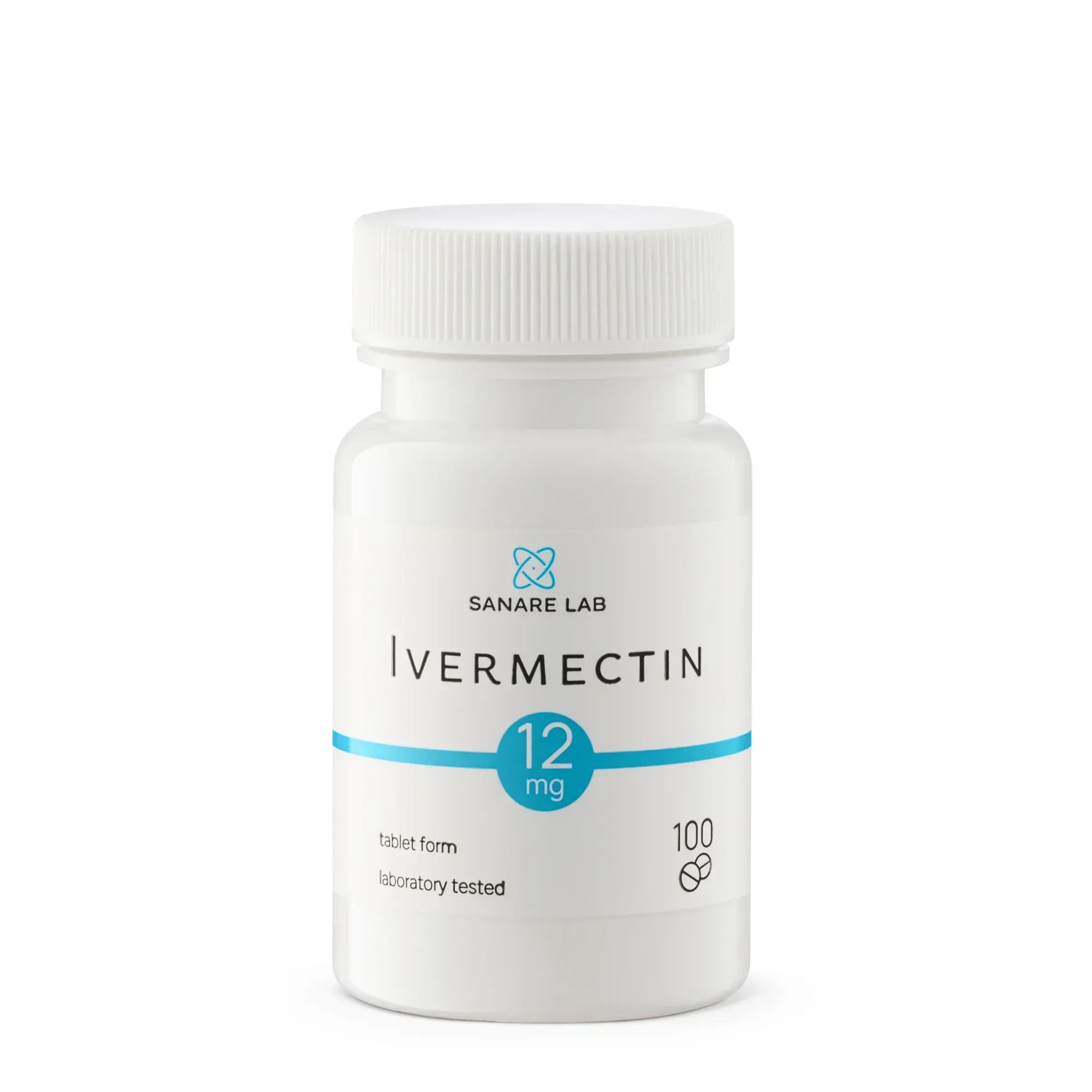
Ivermectin · IverMK
Ivermectin Tablets
100 tablets per bottle, three strengths.
Prices checked September 2026 and may change; the store page shows the current price. Amazon listings are sold by Sanare Lab.
Disclaimer: Links are informational and for convenience. This site does not provide medical advice. Always verify product quality, labeling, and consult a licensed professional for health decisions.
References
- Saperstein Y, Bou Sanayeh E, Boazak P, Itani H, Moussa E. Life-threatening neurotoxicity following off-label ivermectin use in metastatic breast cancer: a case report. Postgrad Med. 2026; DOI: 10.1080/00325481.2026.2672183.
Medical Disclaimer: This article is for informational purposes only and does not constitute medical advice. It is not a substitute for professional diagnosis, treatment, or consultation with a qualified healthcare provider. Always seek the guidance of a licensed physician or other qualified health professional before starting, stopping, or changing any treatment regimen.
Sanare Lab
Science-based health education team reviewing published research on repurposed drugs, integrative oncology, and evidence-based protocols.