
Ivermectin Identified as Liver Cancer Candidate in 2026 Study
Researchers used multi-omics profiling and computational drug screening to identify ivermectin as a potential candidate for hepatocellular carcinoma. The study is in silico and requires experimental validation.
 By Sanare Lab · August 19, 2026 · 5 min read
Key Takeaway
A multi-omics computational study of hepatocellular carcinoma (HCC) used Connectivity Map (CMap) drug screening to prioritize ivermectin as a potential candidate compound. The findings are based entirely on in-silico analysis and require experimental validation before any clinical conclusions can be drawn.
Hepatocellular carcinoma (HCC) is the most common primary liver cancer and remains one of the hardest malignancies to treat. Despite advances in targeted therapies and immunotherapy, many patients see limited benefit due to the tumor's aggressive biology and complex microenvironment.
A new multi-omics study published in Cancers (August 2026) took a systematic approach to understanding HCC subtypes and used computational drug screening to identify repurposed drugs that might match specific molecular profiles. Among the compounds prioritized, ivermectin — the widely known antiparasitic agent — emerged as a candidate. Patients exploring repurposed drug research can use the dosing calculator for protocol planning, while broader background on ivermectin's cancer research is available in our ivermectin and cancer overview.
Table of Contents
- What the Study Investigated
- How the Analysis Identified Ivermectin
- What the Findings Mean for Patients
- Study Type and Limitations
- Frequently Asked Questions
What the Study Investigated
The study focused on vasculogenic mimicry (VM) — a process in which aggressive tumor cells form their own blood-vessel-like channels without relying on normal endothelial cells. VM is associated with worse outcomes in HCC and is considered a hallmark of highly invasive disease.
Researchers integrated single-cell RNA sequencing, bulk transcriptomics, spatial transcriptomics, metabolomics, lipidomics, and somatic mutation data to create a molecular classification system. They identified six VM-related genes and stratified patients into three subtypes: VM, Mixed-VM, and Non-VM. The VM subtype showed significantly poorer survival, distinct metabolic patterns, and immune-exhaustion characteristics.
How the Analysis Identified Ivermectin
To find drugs that might reverse the aggressive molecular signature of the VM subtype, the researchers used the Connectivity Map (CMap) database — a large-scale resource that links gene-expression signatures to drug perturbations. They also performed molecular docking to assess how candidate compounds might interact with relevant targets.
Through this computational pipeline, ivermectin was prioritized as a candidate compound that could potentially counteract the VM-associated molecular program. The authors note that ivermectin's known effects on multiple signaling pathways — including those involved in cell proliferation and immune modulation — align with the molecular features identified in the VM subtype. For a deeper look at how ivermectin is studied across cancer types, see our ivermectin mechanism guide and dosage and safety overview.
What the Findings Mean for Patients
From a patient perspective, this study is an early signal — not a treatment recommendation. The identification of ivermectin as a computational candidate means researchers have a reason to test it in HCC models, but no laboratory or clinical data in HCC exist yet.
The broader value of the study lies in its subtyping framework. If validated, the VM-based classification could eventually guide therapy selection, helping clinicians identify which patients might benefit from specific drug classes. Ivermectin is one of several compounds flagged; others include established targeted therapies.
Study Type and Limitations
This is an in-silico (computational) study with no experimental validation of ivermectin in HCC cell lines, animal models, or human subjects. The key limitations are:
- No experimental confirmation: CMap predictions are based on gene-expression correlations, not direct biological testing.
- Single cancer type: The analysis is specific to HCC; results may not generalize to other cancers.
- Computational docking only: Molecular docking provides theoretical binding estimates but does not prove cellular activity.
These caveats are important because they distinguish computational prioritization from preclinical or clinical evidence. The authors explicitly state that ivermectin's antitumor activity in HCC requires further experimental validation.
Frequently Asked Questions
What is hepatocellular carcinoma?
Hepatocellular carcinoma (HCC) is the most common form of primary liver cancer. It arises from hepatocytes, the main functional cells of the liver, and is often associated with chronic liver disease, cirrhosis, or viral hepatitis.
What does "computational drug screening" mean?
Computational drug screening uses algorithms and databases to match disease-related gene signatures with known drug effects. It identifies candidate compounds for further testing but does not replace laboratory or clinical validation.
Does this study prove ivermectin works for liver cancer?
No. The study is purely computational. Ivermectin was identified as a candidate through gene-expression matching and molecular docking, with no experimental testing in HCC cells, animals, or humans. The authors explicitly state that further validation is needed.
What is vasculogenic mimicry?
Vasculogenic mimicry (VM) is a process in which tumor cells form their own vessel-like channels to supply blood, bypassing normal blood vessel formation. VM is associated with more aggressive cancer behavior and poorer outcomes.
In Plain Terms
Scientists used computer algorithms to analyze liver cancer data and found that ivermectin — a common antiparasitic drug — might be worth testing in the lab. This is an early idea, not a proven treatment. No experiments were done in cells, animals, or patients. The finding is interesting enough to justify further research, but it should not be used to make treatment decisions.
In plain words
What happened: Scientists used computer analysis of liver cancer data to flag ivermectin as a drug worth testing in future research.
Why it matters: The search matched drug profiles to patterns found in liver cancer. It helps researchers choose ideas to test, much like a shortlist, but cannot show a drug works.
How strong is the evidence: This was an in-silico study: no cells, animals, or patients received ivermectin as part of this research. The idea still needs experimental testing.
What it means for you: Nothing changes in treatment. A computer-based prediction is not evidence that ivermectin helps people with liver cancer; do not self-medicate.
Shop Sanare Lab
Lab-tested products referenced in the research above — order direct from Sanare Lab or, where listed, on Amazon.
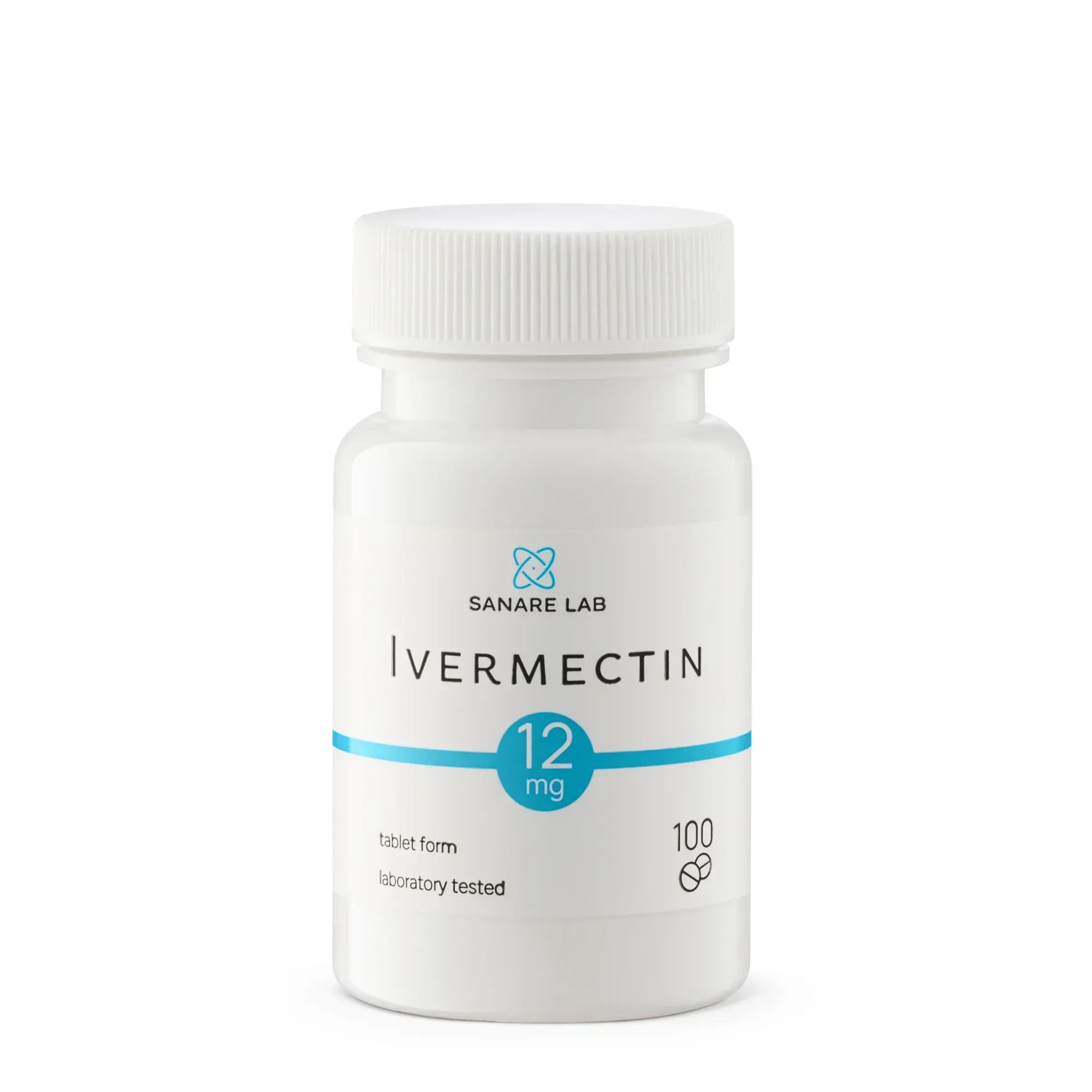
Ivermectin · IverMK
Ivermectin Tablets
100 tablets per bottle, three strengths.
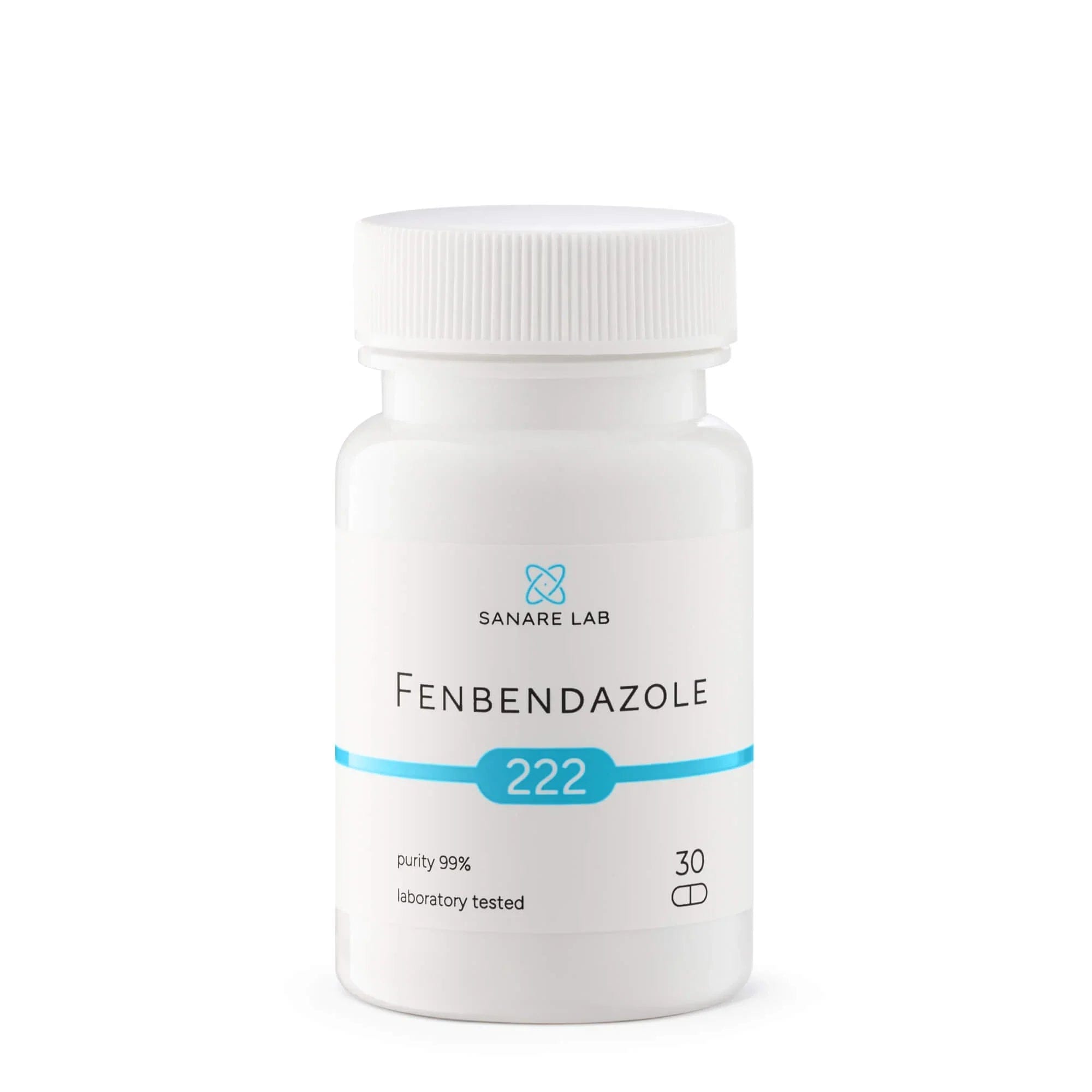
Pharmaceutical grade
Fenbendazole 222 mg
99%+ purity, third‑party lab tested.
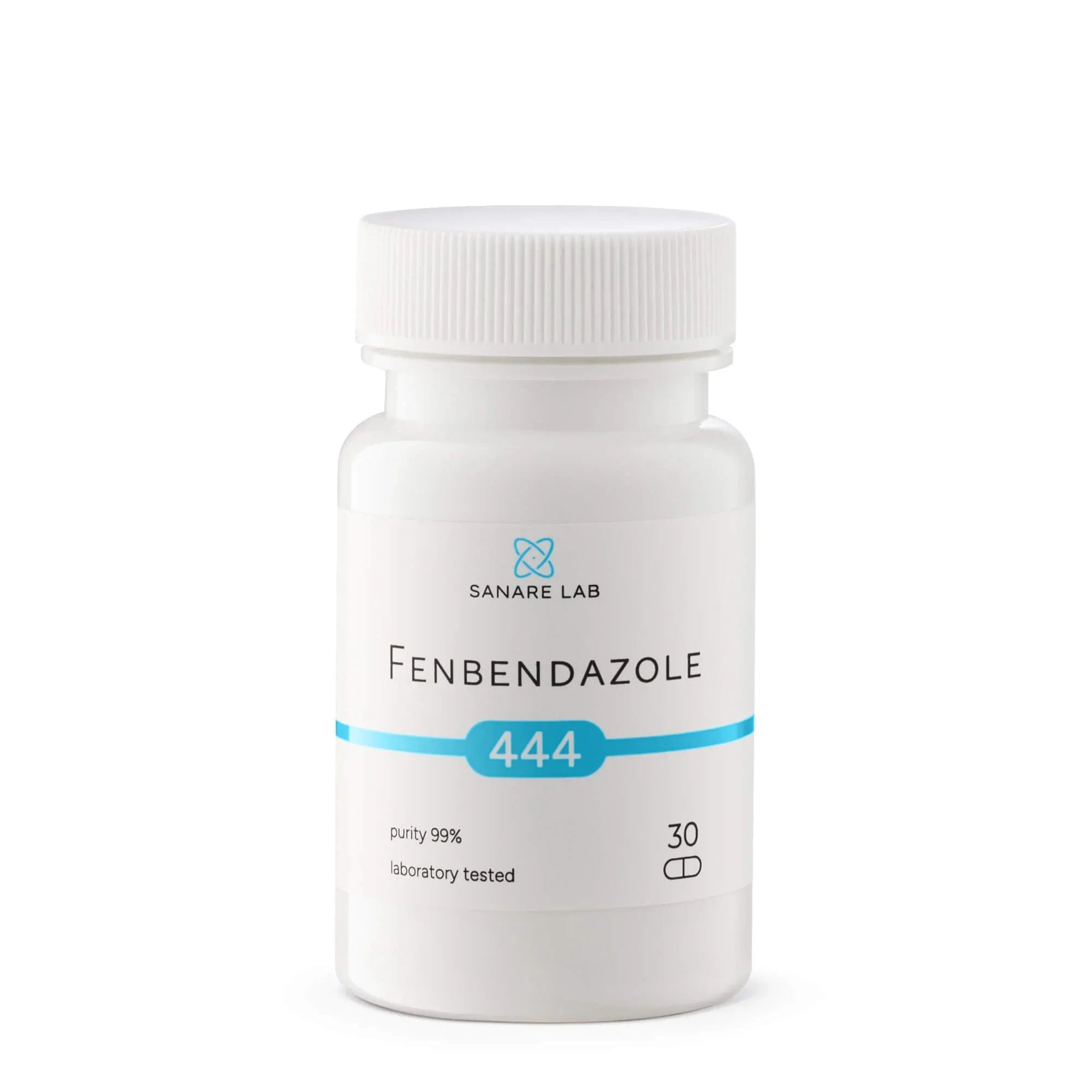
Pharmaceutical grade
Fenbendazole 444 mg
Double strength, 99%+ purity, lab tested.
Prices checked September 2026 and may change; the store page shows the current price. Amazon listings are sold by Sanare Lab.
Disclaimer: Links are informational and for convenience. This site does not provide medical advice. Always verify product quality, labeling, and consult a licensed professional for health decisions.
References
- Multi-Omics Identification of Vasculogenic Mimicry-Associated Molecular Subtypes in Hepatocellular Carcinoma for Prognostic Stratification and Therapeutic Response Prediction. Cancers (Basel). 2026;18(15):2482. doi:10.3390/cancers18152482. PMID: 42588699.
Medical Disclaimer
This article is for informational and educational purposes only. It does not constitute medical advice, diagnosis, or treatment recommendations. The research described is computational and has not been validated in laboratory or clinical settings. Always consult a qualified healthcare professional before making any health-related decisions. The content is not intended to replace professional medical consultation.
Sanare Lab
Science-based health education team reviewing published research on repurposed drugs, integrative oncology, and evidence-based protocols.