
Severe Liver Injury Reported After Co-ingestion of Veterinary Fenbendazole and Ivermectin (2026 Case Report)
A 2026 case report in Cureus documents severe drug-induced liver injury in a 65-year-old prostate cancer patient who self-administered veterinary fenbendazole and ivermectin for three months.
 By Sanare Lab · August 11, 2026 · 5 min read
Key Takeaway
A 2026 case report in Cureus documents severe drug-induced liver injury (DILI) in a 65-year-old prostate cancer patient who self-administered veterinary-grade fenbendazole and ivermectin for three months based on online advice. The patient presented with ALT 1,764 U/L, AST 1,132 U/L, and total bilirubin 12.9 mg/dL. Transaminases normalized within six weeks after discontinuation. The case underscores the hepatotoxic risks of unsupervised veterinary drug use in oncology patients.
The self-administration of veterinary-grade antiparasitic drugs for cancer has gained traction in online communities, despite the lack of regulatory approval and established human safety profiles. While preclinical studies have generated interest in compounds like fenbendazole and ivermectin, the clinical reality of using veterinary formulations in humans carries serious risks. A 2026 case report published in Cureus provides a stark illustration of these dangers.
The case involved a 65-year-old male with prostate cancer who began self-treating with alternating daily doses of veterinary fenbendazole and ivermectin following advice from online cancer support groups. For three months, he administered approximately 0.18 mg/kg of ivermectin and 0.98 mg/kg of fenbendazole daily. This article examines the clinical course, laboratory findings, and broader implications for patients considering off-label antiparasitic therapy. Patients should always consult medical professionals before using any fenbendazole-containing protocols and should use the dosing calculator only under professional guidance.
Table of Contents
- Clinical Presentation and Laboratory Findings
- Causality Assessment and Outcome
- Implications for Patients and Physicians
- Frequently Asked Questions
Clinical Presentation and Laboratory Findings
The patient presented to his primary care provider with a two-week history of fatigue, jaundice, and abdominal pain. Laboratory studies revealed profound liver injury:
| Laboratory Parameter | Result | Normal Range |
|---|---|---|
| Alanine aminotransferase (ALT) | 1,764 U/L | 7–56 U/L |
| Aspartate aminotransferase (AST) | 1,132 U/L | 10–40 U/L |
| Total bilirubin | 12.9 mg/dL | 0.1–1.2 mg/dL |
| R-value (hepatocellular vs cholestatic) | 37.50 | >5 = hepatocellular |
An R-value of 37.50 confirmed a hepatocellular pattern of injury, consistent with direct drug toxicity rather than cholestatic damage. An extensive workup ruled out viral hepatitis (hepatitis A, B, C, E), autoimmune hepatitis, and biliary obstruction as alternative causes.
Causality Assessment and Outcome
The investigators applied the Roussel Uclaf Causality Assessment Method (RUCAM) to evaluate the likelihood of drug-induced liver injury. The patient received a RUCAM score of 9, which corresponds to a "highly probable" causal relationship between the antiparasitic agents and the acute liver injury.
Following complete cessation of both fenbendazole and ivermectin:
- Transaminase levels decreased by 58% within 9 days
- Liver enzymes normalized within 6 weeks
- Clinical symptoms (jaundice, fatigue, abdominal pain) resolved
The rapid improvement after discontinuation supports the causal diagnosis and highlights the reversible nature of the injury when detected early.
Implications for Patients and Physicians
This case carries several important lessons for patients considering off-label antiparasitic therapy and for the physicians who care for them:
- Veterinary-grade products are not formulated for human use — Fenbendazole and ivermectin veterinary formulations contain excipients, carriers, and impurities not evaluated for human safety.
- Online advice is not medical supervision — The patient followed dosing recommendations from online support groups without professional guidance, which led to unrecognized toxicity.
- Drug interactions are unpredictable — The co-ingestion of fenbendazole and ivermectin may have produced a synergistic hepatotoxic effect that neither drug alone would have caused.
- Early detection is critical — The patient presented early enough for recovery; delayed recognition could have led to acute liver failure.
- Physicians should ask about supplements — Many patients do not disclose off-label or alternative therapies unless specifically asked.
For a comprehensive overview of fenbendazole safety considerations, see our dedicated guide on fenbendazole and liver safety. For information on ivermectin, see our article on what ivermectin is and how it works.
Frequently Asked Questions
What is drug-induced liver injury (DILI)?
Drug-induced liver injury is liver damage caused by medications, supplements, or toxins. It can range from mild enzyme elevations to acute liver failure. DILI is diagnosed by ruling out other causes (viral hepatitis, autoimmune disease, biliary obstruction) and applying structured causality assessment tools like RUCAM.
Can fenbendazole and ivermectin cause liver damage together?
This case report suggests they can. A 65-year-old patient developed severe liver injury after co-ingesting veterinary fenbendazole and ivermectin for three months. The RUCAM score of 9 indicated a highly probable causal relationship. Both drugs are metabolized by the liver, and their combination may produce synergistic toxicity.
Is the liver damage reversible?
In this case, yes. The patient's liver enzymes improved by 58% within 9 days of stopping the drugs and normalized within 6 weeks. However, the outcome depends on the severity of injury and how quickly the causative agents are discontinued. Severe or prolonged DILI can lead to permanent liver damage.
In Plain Terms
A 65-year-old man with prostate cancer took animal deworming medicine (fenbendazole and ivermectin) he bought online for three months. His liver became severely damaged, with enzyme levels 30–40 times higher than normal. He turned yellow from jaundice and felt terrible. After he stopped taking the drugs, his liver recovered within six weeks. This case shows that taking veterinary drugs for cancer can be dangerous, especially without a doctor's supervision.
In plain words
What happened: A case report described one man with prostate cancer who developed severe liver injury after taking veterinary fenbendazole and ivermectin on his own.
Why it matters: The report raises concern that these medicines, especially in veterinary products and without medical supervision, can seriously harm the liver.
How strong is the evidence: This is one patient case. It cannot show how often this happens, but it records a serious event that improved after the drugs were stopped.
What it means for you: Do not self-medicate with veterinary fenbendazole or ivermectin. This combination caused severe liver injury in this man; tell your oncologist about any medicines you take.
Shop Sanare Lab
Lab-tested products referenced in the research above — order direct from Sanare Lab or, where listed, on Amazon.
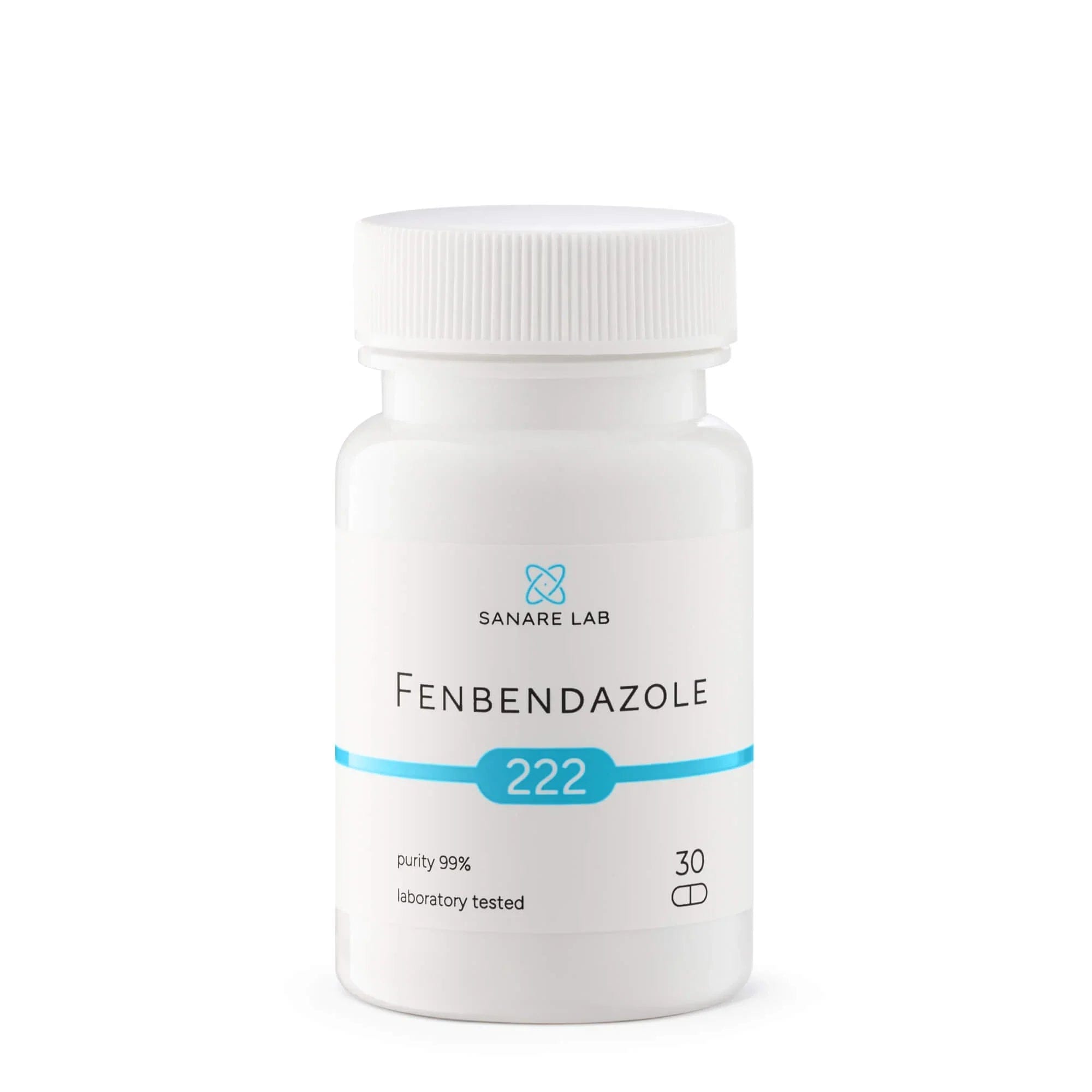
Pharmaceutical grade
Fenbendazole 222 mg
99%+ purity, third‑party lab tested.
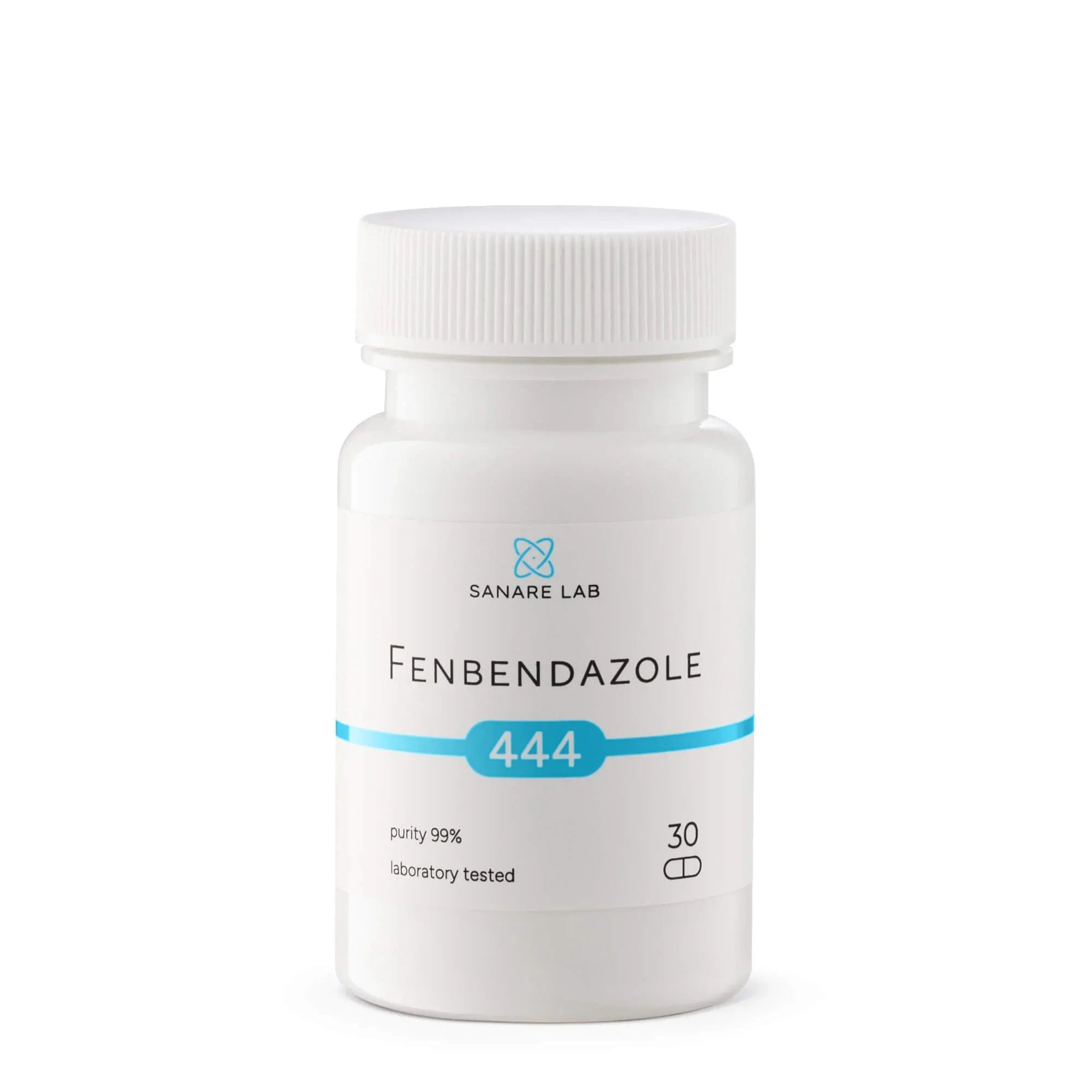
Pharmaceutical grade
Fenbendazole 444 mg
Double strength, 99%+ purity, lab tested.
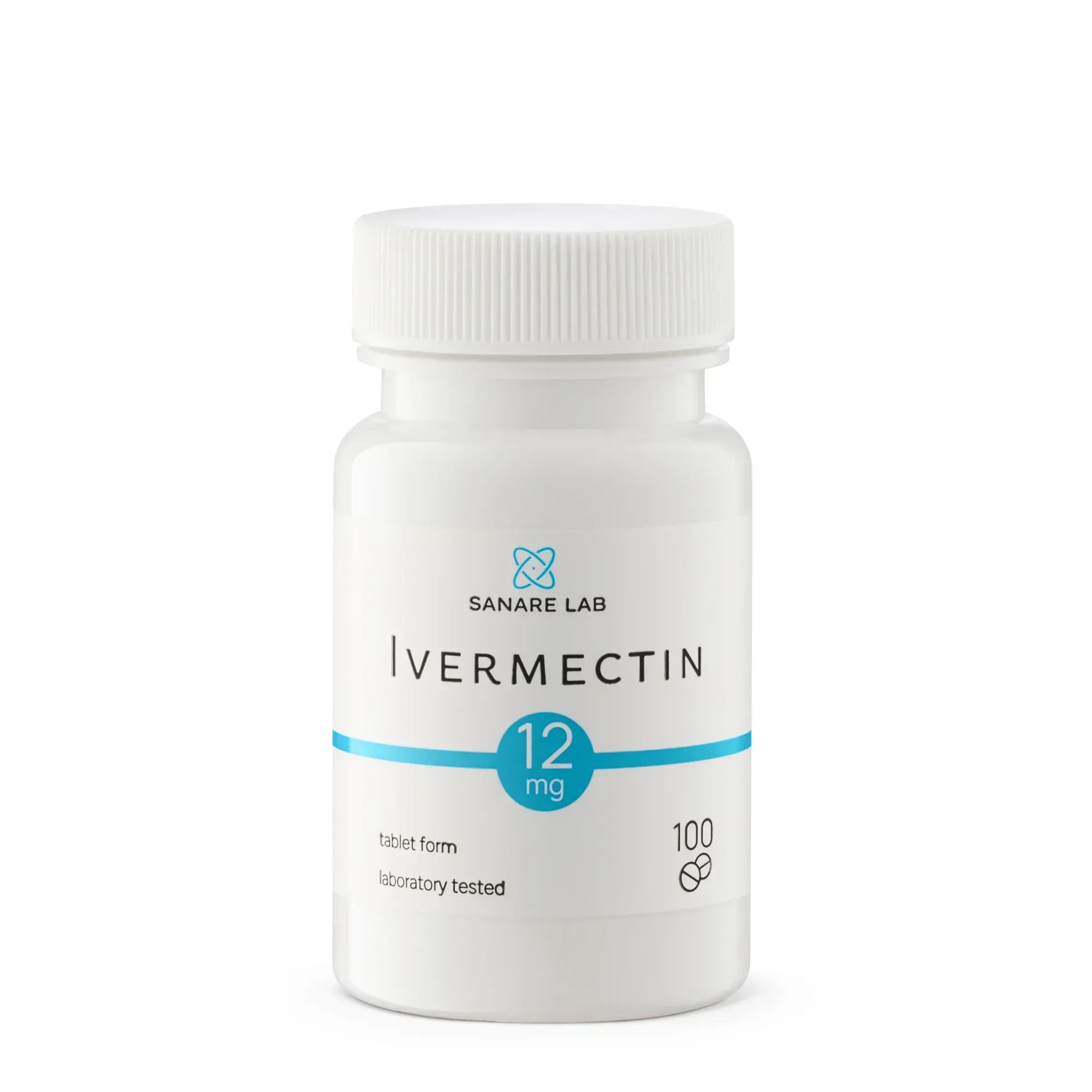
Ivermectin · IverMK
Ivermectin Tablets
100 tablets per bottle, three strengths.
Prices checked September 2026 and may change; the store page shows the current price. Amazon listings are sold by Sanare Lab.
Disclaimer: Links are informational and do not constitute medical advice. Always consult a healthcare provider before using any supplement or medication.
Disclaimer: Links are informational and for convenience. This site does not provide medical advice. Always verify product quality, labeling, and consult a licensed professional for health decisions.
References
- Powderly GE, Hassevoort K, Loy M, et al. Drug-Induced Liver Injury Following Co-ingestion of Veterinary Fenbendazole and Ivermectin for Prostate Cancer: A Case Report. Cureus. 2026;18(5):e108896. DOI: 10.7759/cureus.108896
Medical Disclaimer: This article is for educational and informational purposes only and does not constitute medical advice. Veterinary fenbendazole and ivermectin are not approved for human cancer treatment and can cause severe adverse effects including liver injury. Always consult a qualified healthcare provider before using any medication or supplement. Self-administering veterinary compounds is dangerous and potentially life-threatening.
Sanare Lab
Science-based health education team reviewing published research on repurposed drugs, integrative oncology, and evidence-based protocols.