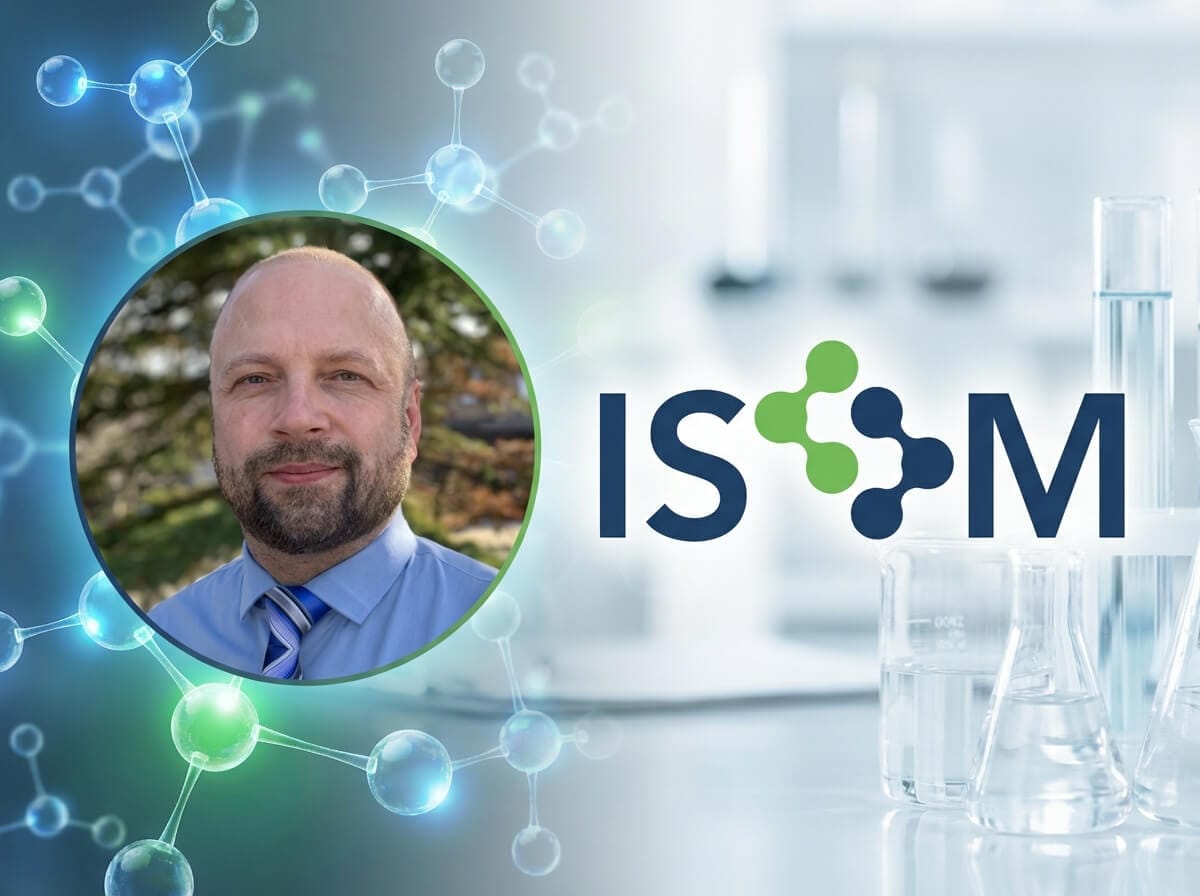
The ISOM Hybrid Orthomolecular Protocol is a science-based cancer treatment framework developed by researchers affiliated with the International Society for Orthomolecular Medicine (ISOM) and practicing clinicians, including Dr. William Makis. Published in 2024, it represents one of the most structured modern approaches to cancer built around mitochondrial medicine, cancer stem cell biology, metabolic therapy, and repurposed drugs.
Rather than viewing cancer primarily as a genetic disease, the ISOM protocol is based on the idea that cancer begins as a mitochondrial energy failure within stem cells. When oxidative phosphorylation becomes impaired, cells shift toward fermentation-based metabolism and evolve into cancer stem cells, which then drive tumor growth, resistance, and metastasis. The protocol aims to restore mitochondrial function in healthy cells while disrupting the metabolic pathways cancer cells depend on for survival.
The Metabolic Theory of Cancer
The ISOM protocol is grounded in the metabolic theory of cancer, originally proposed by Otto Warburg in the 1920s and significantly expanded by researchers like Thomas Seyfried in recent decades. The core premise is that cancer is fundamentally a disease of energy metabolism rather than solely a disease of genetic mutations.
Key principles of the metabolic model:
- Mitochondrial dysfunction precedes and drives the genetic mutations observed in cancer cells. Damaged mitochondria force cells to rely on fermentation (glycolysis and glutaminolysis) for energy.
- Cancer cells depend heavily on glucose and glutamine as metabolic fuels — a vulnerability that can be therapeutically targeted.
- Cancer stem cells (CSCs) are the most treatment-resistant subpopulation within tumors. They exploit metabolic flexibility to survive chemotherapy, radiation, and targeted therapies.
- By restricting cancer’s fuel supply and restoring mitochondrial function in normal cells, it may be possible to selectively pressure cancer cells while leaving healthy tissue unharmed.
Thomas Seyfried’s work, summarized in his 2012 book and subsequent publications, has been foundational to this framework. A key review in Nutrition & Metabolism outlines the therapeutic rationale for targeting cancer metabolism with dietary and pharmacological interventions (PMC3941741).
Repurposed Drugs in the ISOM Protocol
A central feature of the ISOM protocol is its use of repurposed drugs — established medications originally developed for other purposes that have demonstrated anticancer activity in preclinical research. Rather than acting as traditional cytotoxic agents, these drugs are used as metabolic disruptors that target specific vulnerabilities of cancer cells.
Fenbendazole and Mebendazole
Fenbendazole and mebendazole are benzimidazole antiparasitics that interfere with microtubule formation, disrupt glucose uptake via GLUT transporter downregulation, and stabilize the p53 tumor suppressor protein. A 2018 study in Scientific Reports (Nature) demonstrated these mechanisms in human non-small cell lung cancer cells (PMC6103891).
Fenbendazole is the same compound used in the widely discussed Joe Tippens Protocol, which brought benzimidazole antiparasitics to public attention for potential anticancer applications. For a comparison with other antiparasitics, see: Fenbendazole vs. Ivermectin.
Ivermectin
Ivermectin is included in the ISOM protocol as an additional metabolic disruptor. Preclinical research has shown it can inhibit PAK1 kinase and WNT-TCF signaling pathways, induce immunogenic cell death, and modulate the tumor microenvironment. A 2020 review in Pharmacological Research documented these mechanisms across multiple cancer cell lines (PMC7505114).
Notably, a Phase I/II clinical trial (NCT05318469) at Cedars-Sinai Medical Center is currently evaluating ivermectin combined with immune checkpoint inhibitors in metastatic triple-negative breast cancer — the first structured human trial testing ivermectin as an immunotherapy adjunct.
DON (6-Diazo-5-Oxo-L-Norleucine)
DON is a glutamine antagonist included in the ISOM framework to suppress one of cancer’s primary metabolic fuels. Cancer cells that rely on glutaminolysis for energy and biosynthesis are particularly vulnerable to glutamine pathway disruption. DON is used at very low doses under strict medical supervision due to its potency and limited safety margins.
Orthomolecular and Metabolic Support
Beyond repurposed drugs, the ISOM protocol integrates orthomolecular medicine — the use of vitamins, minerals, and natural compounds at therapeutic doses to support cellular function and immune response.
High-Dose Vitamin C
Vitamin C at pharmacological concentrations acts as a pro-oxidant, generating hydrogen peroxide that selectively damages cancer cells while sparing normal tissue. Intravenous vitamin C has been studied as an adjunct to chemotherapy in multiple clinical trials. A review in Cancer Medicine found that high-dose IV vitamin C improved quality of life and reduced chemotherapy side effects in cancer patients (PMC8633276).
Vitamin D3
Vitamin D deficiency is associated with increased cancer risk across multiple cancer types. The ISOM protocol recommends maintaining optimal blood levels (40–80 ng/mL) through supplementation at 5,000–10,000 IU daily, as vitamin D plays roles in immune modulation, cell differentiation, and apoptosis regulation.
Curcumin
Curcumin, the active compound in turmeric, has demonstrated anti-inflammatory, antioxidant, and anticancer properties in numerous preclinical studies. It modulates NF-κB signaling, inhibits angiogenesis, and may sensitize cancer cells to other therapies. Bioavailability is significantly improved when combined with piperine (black pepper extract) or formulated as phytosomes.
Zinc
Zinc is essential for immune cell function, DNA repair, and apoptosis. Supplementation at 25–50 mg daily supports these processes, with copper balance recommended for long-term use.
Metabolic Therapy Components
The ISOM protocol goes beyond supplements and drugs to address the systemic metabolic environment:
- Ketogenic diet: Strict low-carbohydrate, high-fat nutrition targeting blood glucose under ~90 mg/dL and nutritional ketosis. This deprives cancer cells of their primary glucose fuel while supporting mitochondrial function in healthy cells.
- Intermittent fasting: 16–18 hour daily fasting windows or periodic 24–48 hour fasts amplify ketosis, reduce insulin/IGF-1 signaling, and enhance autophagy.
- Exercise: At least 30 minutes daily combining resistance training and aerobic movement. Exercise improves insulin sensitivity, reduces inflammation, and enhances immune surveillance.
- Hyperbaric oxygen therapy (HBOT): Optional but commonly used in clinical metabolic oncology settings (2–5 sessions weekly). HBOT increases dissolved oxygen in tissues, potentially stressing cancer cells adapted to hypoxic environments.
Supplements Referenced in This Guide
Key compounds discussed in the ISOM framework — pharmaceutical-grade, lab-tested.
180 capsules — 99% purity, laboratory tested
180 capsules — higher dose option
6 / 12 / 18 mg — 100 tablets
120 capsules — with Black Pepper for absorption
Disclaimer: For convenience only. Consult a licensed professional.
Dosage Reference Table (General ISOM Framework)
Important: These are educational reference ranges based on the published ISOM framework. They are not medical advice and must only be used under physician supervision.
Repurposed Drugs
| Agent | Dosage | Schedule |
|---|---|---|
| Ivermectin | 0.2–0.4 mg/kg body weight | 2–3 times per week, often on fasting days |
| Fenbendazole | 222–444 mg daily | Continuously or 5 days on / 2 days off |
| Mebendazole | Alternative to fenbendazole | Same schedule as fenbendazole |
| DON | Very low doses | Intermittent cycles, medical supervision only |
Orthomolecular Support
| Supplement | Dosage | Notes |
|---|---|---|
| Vitamin C (oral) | 2–4 g daily in divided doses | IV: 25–75 g per infusion, 1–3x weekly (clinical) |
| Vitamin D3 | 5,000–10,000 IU daily | Target blood levels 40–80 ng/mL |
| Curcumin | 360–600 mg daily | With piperine or phytosome formulation for absorption |
| Zinc | 25–50 mg daily | With copper balance for long-term use |
Dr. William Makis and Clinical Translation
Dr. William Makis, a Canadian physician and co-author of the ISOM paper, has played a key role in translating repurposed drug oncology into real-world clinical practice. His work highlights real-world use of ivermectin, benzimidazoles, vitamin C, and metabolic therapies in advanced cancer settings. He has described the ISOM framework as the most structured metabolic oncology protocol to date.
Dr. Makis has also been influential in validating the quality and purity of fenbendazole products used in clinical settings, contributing to greater standardization in a space that has historically lacked pharmaceutical-grade oversight.
Why the ISOM Protocol Matters
The ISOM protocol represents a significant evolution in integrative oncology thinking. Rather than focusing solely on tumor genetics, it addresses cancer at its metabolic core — targeting mitochondrial dysfunction, fermentation-based energy production, and cancer stem cell persistence simultaneously.
Key distinguishing features:
- It combines multiple repurposed drugs that target different metabolic vulnerabilities, creating sustained pressure that cancer cells struggle to adapt to.
- It integrates dietary and lifestyle interventions that reshape the systemic metabolic environment, not just the tumor itself.
- It is designed as a complementary framework — intended to work alongside conventional treatments, not replace them.
- It is based on published scientific rationale and clinical experience, making it one of the most well-documented metabolic oncology protocols available.
For readers interested in the real-world experiences of people using these products, visit our Customer Notes & Experiences page.
Disclaimer: This article is for educational purposes only. It does not constitute medical advice. All medications, supplements, and therapies should only be used under the supervision of a qualified healthcare professional.
Scientific References
- Seyfried TN, Shelton LM. (2010). Cancer as a metabolic disease. Nutrition & Metabolism, 7, 7. PMC3941741
- Dogra N, Kumar A, Mukhopadhyay T. (2018). Fenbendazole acts as a moderate microtubule destabilizing agent and causes cancer cell death. Scientific Reports (Nature), 8, 11926. PMC6103891
- Tang M, et al. (2020). Ivermectin, a potential anticancer drug derived from an antiparasitic drug. Pharmacological Research, 163, 105207. PMC7505114
- Shenoy N, et al. (2021). Ascorbic acid in cancer treatment: Let the phoenix fly. Cancer Medicine, 10(18), 6395. PMC8633276
- ClinicalTrials.gov. NCT05318469: Ivermectin + Immunotherapy in Metastatic TNBC. NCT05318469
Protocol Stack (Quick Links)
Below are commonly referenced items from the ISOM protocol. Links are provided for convenience — always review the label and consult a professional before use.
180 capsules — 99% purity, laboratory tested
180 capsules — higher dose option
6 / 12 / 18 mg — 100 tablets
120 capsules — with Black Pepper & Phytosome for absorption
Disclaimer: Links are informational and for convenience. This site does not provide medical advice and does not endorse any specific vendor. Always verify product quality, labeling, and consult a licensed professional for health decisions.